German roaches are one of the most stubborn pests you can deal with. They breed fast, hide well, and seem to survive just about anything. In my work as a registered tech in the DC metro area, German, Oriental, and American roaches are all common here. But German roaches cause the most problems because they live right in your kitchen and bathroom.
The good news? You can get rid of German roaches with the right plan. This guide covers how to spot them, which treatments work, and when to call a pro.
Why German Roaches Are So Hard to Get Rid Of
German roaches aren’t like other cockroaches. They’re smaller, breed faster, and have adapted to live indoors with humans. Knowing what makes them different helps explain why they’re so tough.
They Breed Very Fast
One female German roach can make 4 to 8 egg cases in her lifetime. Each case holds 30 to 40 eggs. That means one roach can lead to hundreds of offspring in just a few months. Penn State Extension says German roaches can go from egg to adult in as few as 54 days.
Every day you wait, the population grows.
They Hide in Tight Spots
German roaches squeeze into very tight spaces. They prefer cracks near heat, moisture, and food. Their top hiding spots include:
- Cabinet door hinges
- Behind fridge motors
- Inside dishwasher panels
- Around sink drain pipes
- Inside electrical outlet boxes
- Under stove burners
By the time you see them during the day, the problem is usually big. You may spot a few, but hundreds more stay hidden.
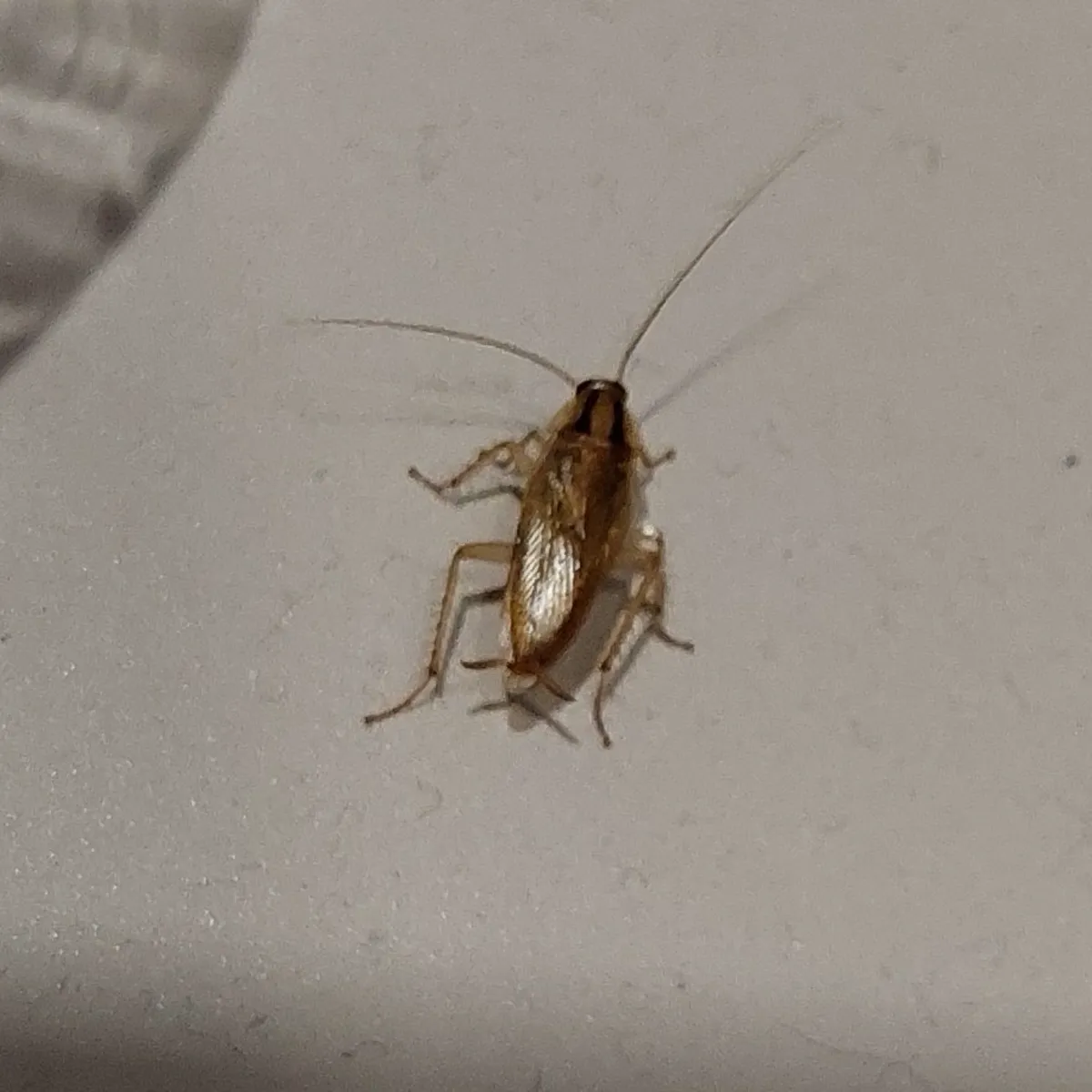
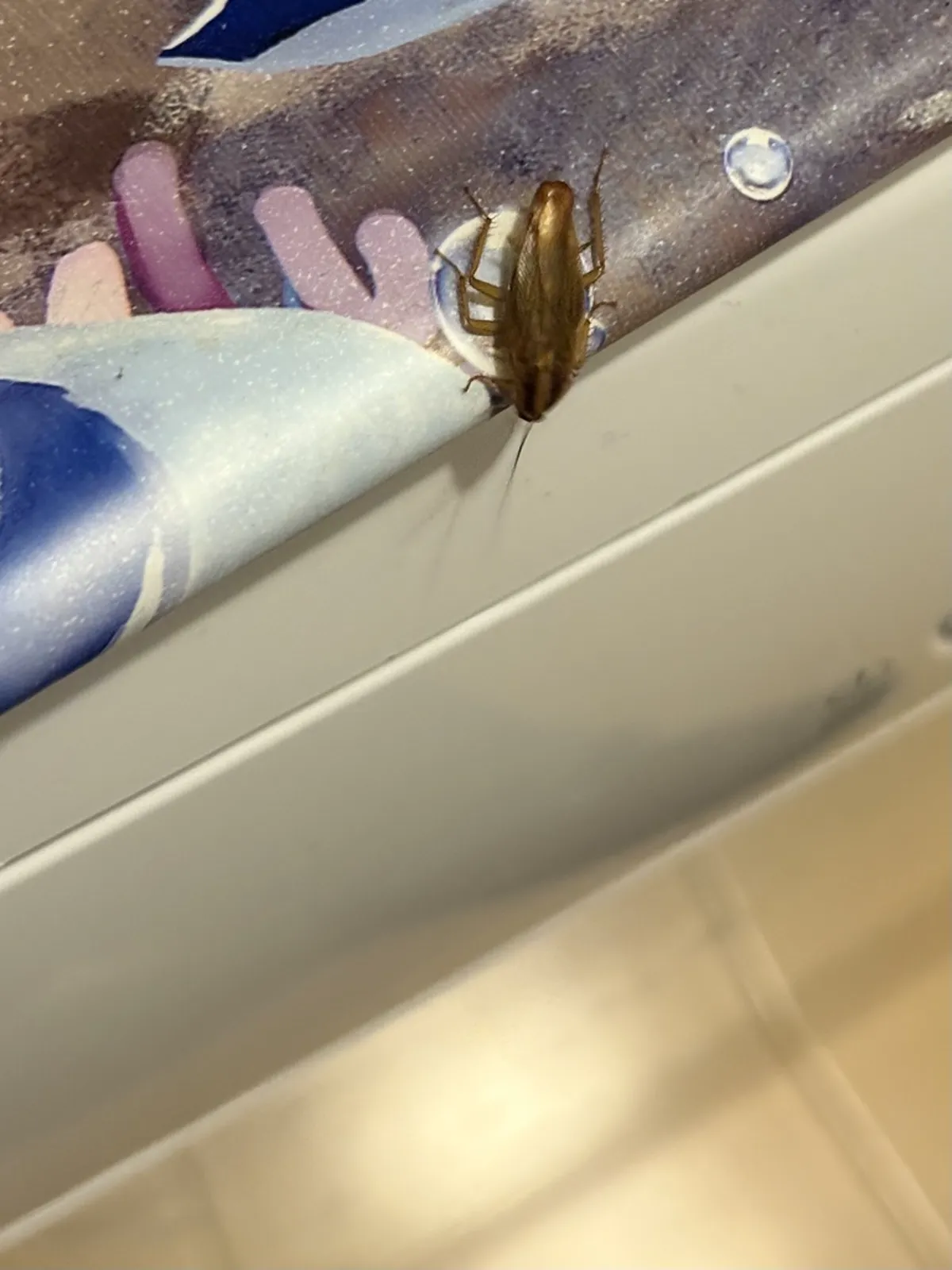
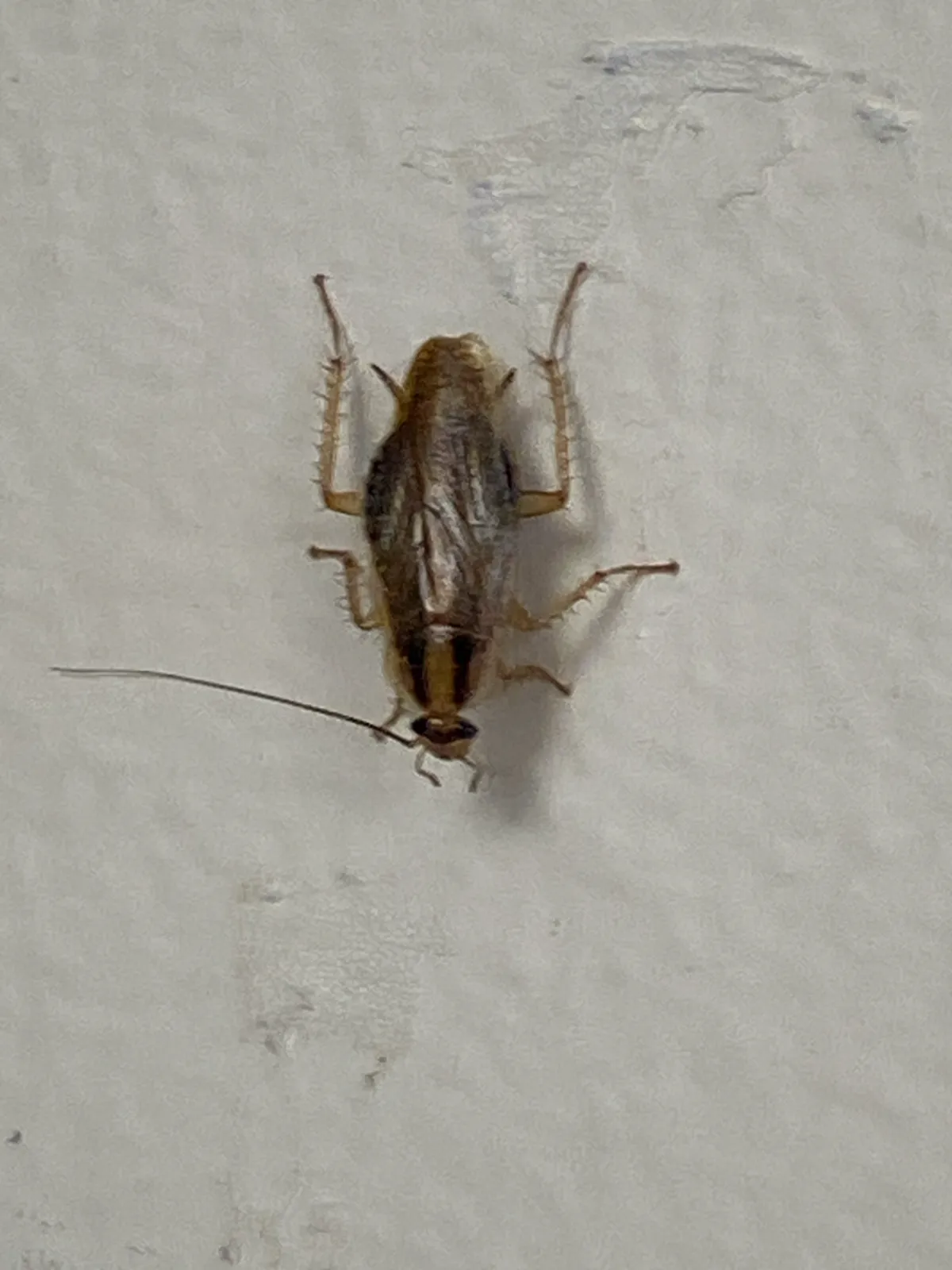

Not sure if you have German roaches? Upload a photo and our AI tool will help you find out.
Step 1: Confirm You Have German Roaches
Before you start treating, make sure you’re dealing with German roaches. Different species need different methods.
How to Spot Them
German roaches are light brown and about half an inch long. Their key trait is two dark stripes on the back of their head. Baby German roaches are smaller and darker but still show these stripes.
Compare this to American roaches, which are much bigger (1.5 to 2 inches) and red-brown without stripes. Oriental roaches are dark brown or black and prefer basements over kitchens.
Signs of a Problem
Look for these clues:
- Droppings: Small dark specks that look like pepper, often in drawers and cabinet corners
- Egg cases: Brown, pill-shaped capsules about 1/4 inch long
- Musty smell: An oily scent that gets stronger with more roaches
- Smear marks: Dark streaks along walls where roaches travel
Step 2: Deep Clean First
Cleaning alone won’t kill German roaches, but it makes every treatment work much better. Roaches need food, water, and shelter. Cut these off and they’ll be more likely to eat your baits.
Kitchen Cleaning Steps
- Behind appliances: Pull out the fridge and stove. Clean up all crumbs and grease.
- Inside cabinets: Empty them, vacuum crumbs, and wipe down all surfaces.
- Fix leaks: Even small drips under the sink give roaches enough water.
- Seal food: Move cereals, flour, and dry goods into airtight containers.
- Daily trash: Don’t let garbage sit overnight.
- Dishes before bed: Never leave dirty dishes in the sink overnight.
Bathroom Cleaning Steps
- Fix dripping faucets and running toilets
- Clean behind the toilet and under the sink
- Use exhaust fans to cut humidity
- Remove cardboard boxes and clutter
For more on why roaches show up, read our guide on why do I have roaches.
Research from the University of Nebraska shows German roaches can live on tiny bits of food, even glue, soap, or toothpaste. But cutting food sources forces them to travel farther and makes them more likely to find your baits. Cleaning alone won’t fix the problem, but it makes treatments work much better.
Once your kitchen and bathroom are clean, you’re ready to start placing baits. A clean home with active baits is the strongest combo against German roaches.
Step 3: Apply Gel Baits
Gel baits are the best tool for killing German roaches. They work through secondary poisoning: roaches eat the bait, go back to their hiding spots, die, and other roaches eat the dead ones, spreading the poison through the group.
Best Active Ingredients
Look for gel baits with:
- Fipronil: Fast-acting. Found in products like Advion and Combat.
- Indoxacarb: Slower but great for resistant roaches.
- Hydramethylnon: Budget-friendly and works well.
How to Apply Gel Bait
Put small pea-sized dots of bait in cracks where roaches hide:
- Inside cabinet hinges (both sides)
- Behind outlet and switch plate covers
- Along the gap where counters meet walls
- Under the sink near pipes
- Behind the fridge and stove
- Around dishwasher door seals
Don’t use large globs. Roaches prefer small bits they can nibble. And never spray bug killer near your baits. Sprays push roaches away from the spots where you want them to feed.
Step 4: Use Growth Regulators (IGRs)
IGRs are a tool that many people miss when trying to get rid of German roaches. These products don’t kill adult roaches. Instead, they stop young roaches from growing into adults that can breed. They also keep eggs from hatching.
Products with hydroprene or pyriproxyfen work by copying roach hormones. Baby roaches exposed to IGRs never grow up right. Adult females exposed to them make egg cases that don’t develop.
Why IGRs Matter
German roaches breed so fast that baits alone may not keep up. IGRs break the cycle. Even if some adults survive your bait, their young won’t be able to replace them. This gives you lasting control.
Apply IGR sprays in the same spots where roaches hide. They work best paired with baits as part of a full plan.
Step 5: Apply Boric Acid or Dust
Boric acid for roaches has been used for over 100 years. When roaches walk through the dust, it sticks to them. They swallow it while cleaning themselves and die from gut damage.
How to Use Boric Acid
The trick is a very thin layer, barely visible:
- Apply inside wall gaps through outlet covers
- Dust behind appliances
- Treat under sinks and around pipes
- Never apply where it gets wet. Moisture ruins it.
Other dusts like diatomaceous earth and silica gel work by damaging the roach’s outer shell, causing them to dry out. Use them the same way as boric acid.
Step 6: Seal Gaps and Hiding Spots
German roaches don’t usually come in from outside like American roaches. But they do travel between units in apartments and townhomes. Sealing gaps also cuts the number of spots roaches can hide.
What to Seal
- Gaps around pipes under sinks
- Spaces where wires enter walls
- Cracks along baseboards
- Gaps around dishwasher hookups
- Holes in cabinet backs where plumbing runs
Use silicone caulk for most gaps. For bigger holes around pipes, stuff steel wool in first, then caulk over it.
How Long Does It Take?
With steady treatment, expect the process to take 2 to 4 months.
You may see more roaches at first as baits draw them out of hiding. This is normal.
The number of visible roaches starts dropping a lot.
Most adults are gone, but egg cases keep hatching. Keep treating.
New roaches hit by IGRs can’t breed. The population crashes.
Don’t stop too early. German roach egg cases resist most sprays. You must keep going long enough for all eggs to hatch and those baby roaches to hit your treatments.
If you’ve been treating for 4 to 6 weeks with no progress, or if you find roaches in many rooms, it’s time to call a pro. German roach problems in apartments are extra hard because roaches can come back from next door. A pro can treat the full scope of the problem.
When to Call a Professional
Some people fix small German roach problems on their own. But pro help is often needed. Call a pro if:
- You live in an apartment or townhome with shared walls
- Roaches have spread past the kitchen
- DIY methods haven’t worked after a month
- You see roaches during the day
- Someone in your home has asthma that roach allergens make worse
Pro techs have access to stronger products and tools. More than that, they know roach behavior and where to treat. A licensed tech can often get results in weeks that might take you months on your own.
What Pro Treatment Includes
A full pro treatment for German roaches covers:
- Detailed check to find all hiding spots
- Gel baits placed in dozens of exact locations
- Growth regulator treatment to stop breeding
- Dust applied in wall gaps and protected spots
- Follow-up visits to check progress and reapply
- Tips for cleaning and sealing your home
Keeping German Roaches Away for Good
Once you’ve gotten rid of German roaches, take steps to stop them from coming back:
- Check grocery bags and boxes before bringing them in
- Look over used appliances and furniture before buying
- Keep up good cleaning habits in kitchens and bathrooms
- Fix water leaks fast
- Store food in sealed containers
- Cut clutter that gives roaches places to hide
If you live in a building with shared walls, work with neighbors and management. German roaches travel through shared walls. Treating one unit while others go untreated leads to the same problem again.
Act Now
German roaches won’t leave on their own. Every day you wait, the problem grows. Start with deep cleaning and baits right away. If you don’t see results within a few weeks, call a pro.
Have questions or need help with a roach problem in Northern Virginia, DC, or Maryland? Call us at 703-683-2000 or email info@bettertermite.com. Our registered techs have helped hundreds of homeowners take back their kitchens from these stubborn pests.