Cockroaches

How Long Can Roaches Live Without Food? The Surprising Truth

George Schulz Published: Updated:
How Long Can Roaches Live Without Food? The Surprising Truth

If you’ve ever wondered how long can roaches live without food, the answer might shock you. These ancient survivors can actually last up to a month without eating anything. After working in pest control for four years and being part of a family business that’s served the DMV area for over 50 years, I’ve seen firsthand just how tough these creatures really are.

Understanding roach survival abilities is crucial for effective control. When homeowners focus only on removing food sources, they often wonder why their roach problem persists. The truth is, these insects have developed remarkable adaptations that make them incredibly difficult to eliminate through simple sanitation alone.

Survival Fact

Cockroaches can survive up to a month without food by switching from burning carbohydrates to metabolizing stored fat reserves. This remarkable adaptation explains why simple food elimination strategies often fail to control established infestations.

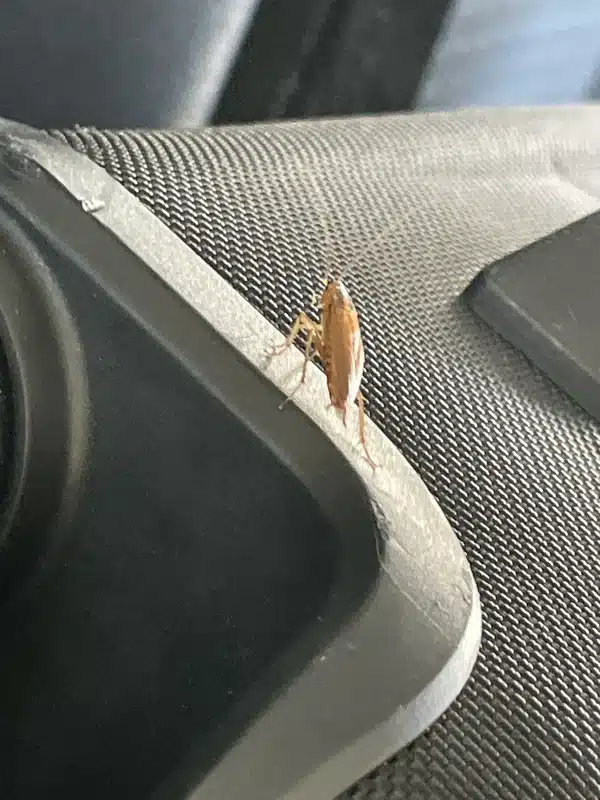
Close-up of a cockroach on an indoor surface
Cockroaches have evolved incredible survival mechanisms that allow them to persist in household environments even when food sources are limited

How Long Roaches Survive Without Food

The question of how long can roaches live without food depends heavily on the species and environmental conditions. Based on laboratory studies conducted at controlled temperatures, different roach species show varying survival times.

German cockroaches can survive approximately 35 days when they have access to water but no food. Without both food and water, they typically last around 20 days. American cockroaches are even more resilient, surviving up to 90 days with water only, and an impressive 42 days without either food or water.

In our experience treating homes across Virginia, Maryland, and DC, we’ve encountered roach populations that seemed to thrive even in meticulously clean kitchens. This happens because roaches need surprisingly little nourishment to survive. They can actually subsist on book-binding glue, soap residue, and even skin flakes that naturally accumulate in homes.

Species Comparison: Survival Without Food

Different roach species common to the Mid-Atlantic region show distinct survival patterns:

SpeciesNo Food/WaterWater OnlyResilience
German Roaches20 days35-42 daysMedium
American Roaches42 days90 daysHigh
Oriental Roaches15-20 days30 daysLower
Brown-banded Roaches30 days50+ daysMedium

These survival duration numbers are based on rigorous scientific research that explains why traditional food-elimination strategies often fall short.

What does the science say? 🔬

According to controlled laboratory studies conducted by university researchers, cockroach survival times have been precisely measured under standardized conditions. These studies establish baseline survival metrics by controlling temperature, humidity, and access to food and water sources. The research provides the scientific foundation for understanding why cockroaches can persist in homes even when homeowners believe they’ve eliminated all food sources.

Why Water Affects Cockroach Survival More Than Food

While understanding how long can roaches live without food is important, water availability is actually the critical factor. Even when food is present, German cockroaches die in approximately 12 days if water is removed. However, they can live over a month on water alone.

This explains why we often find roach infestations in seemingly clean homes. Roaches can absorb water from surprisingly subtle sources including condensation on pipes, refrigerator drip pans, pet water bowls, and even humid air through their protective outer shell.

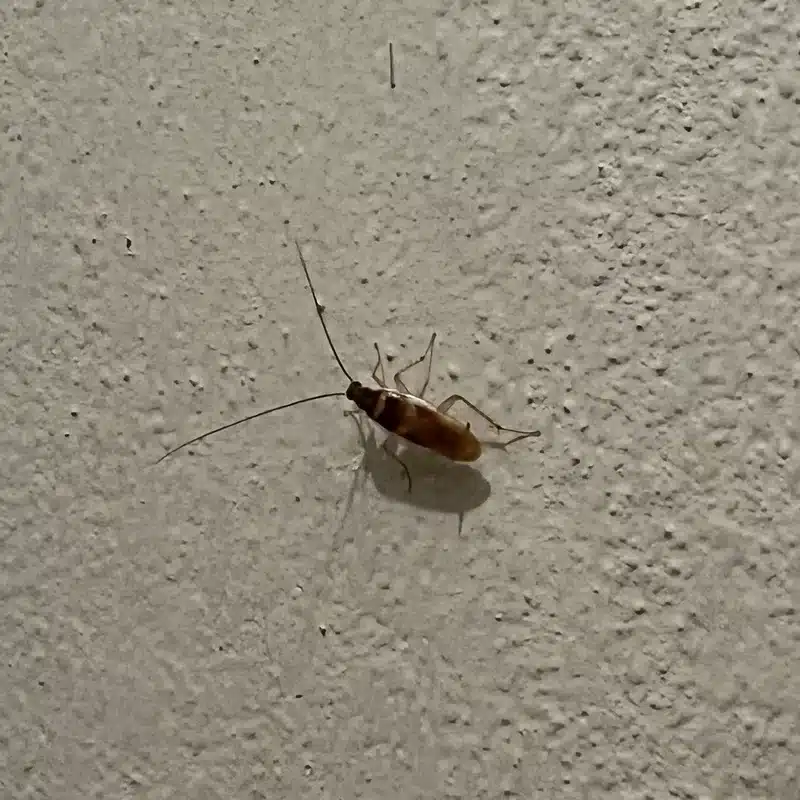
German cockroach on an indoor wall
German cockroaches are among the most common indoor species and can survive extended periods by accessing hidden water sources throughout homes

During our inspections, we frequently discover that moisture problems in basements or crawl spaces create ideal conditions for roach survival. Additionally, water sources are often overlooked during DIY treatment attempts. Scientific research confirms that addressing water sources is more critical than food elimination for effective roach control.

What does the science say? 🔬

The University of Florida’s Institute of Food and Agricultural Sciences published comprehensive research on cockroach biology and control methods. Their findings demonstrate that water deprivation kills cockroaches significantly faster than food deprivation. The study emphasizes that successful cockroach control programs must prioritize moisture management alongside other integrated pest management strategies.

Water Control: Your Best Defense Against Cockroaches

  • Fix leaks immediately: Dripping pipes, faucets, and appliances provide essential water sources
  • Improve ventilation: Reduce humidity in basements, bathrooms, and kitchens below 60%
  • Empty standing water: Check refrigerator drip pans, plant saucers, and pet water bowls regularly
  • Address condensation: Insulate pipes and improve air circulation around HVAC systems

Cold-Blooded Advantages in Roach Survival

One key reason roaches can survive so long without food relates to their cold-blooded nature. Unlike warm-blooded animals that constantly burn energy to maintain body temperature, roaches don’t generate metabolic heat. This means their energy requirements stay relatively low, especially when temperatures drop.

When temperatures fall, roach metabolism slows down significantly, extending their survival window during food shortages. This adaptation helps explain why the question of how long can roaches live without food has such impressive answers compared to other household pests.

Additionally, roaches have developed sophisticated internal mechanisms to handle starvation. When food becomes scarce, they switch from burning carbohydrates to metabolizing stored fat reserves. Their oxygen consumption decreases by about 40% during extended starvation periods, allowing them to stretch their energy reserves much further.

How Cockroach Metabolism Extends Survival Without Food

Roaches possess remarkable metabolic flexibility that contributes to their legendary survival abilities. When answering how long can roaches live without food, we need to consider these internal adaptations that make them so resilient.

During starvation, roaches systematically mobilize their internal energy stores. They first use up glycogen reserves, then switch to metabolizing fat deposits. Scientific research shows that mortality spikes only after lipid reserves are completely exhausted, which can take up to seven weeks.

What does the science say? 🔬

Research published in the Journal of Insect Physiology examined the metabolic responses of American cockroaches during extended starvation periods. The study revealed that cockroaches have a highly efficient energy management system, progressively utilizing different energy stores (glycogen, then lipids) to maximize survival time. This research explains the biological mechanisms behind their remarkable ability to survive extended periods without food access.

Their open circulatory system and rigid exoskeleton also contribute to survival. These features help prevent water loss, which is crucial since dehydration kills roaches much faster than starvation. The spiracles (breathing holes) can close tightly to conserve moisture during dry conditions.

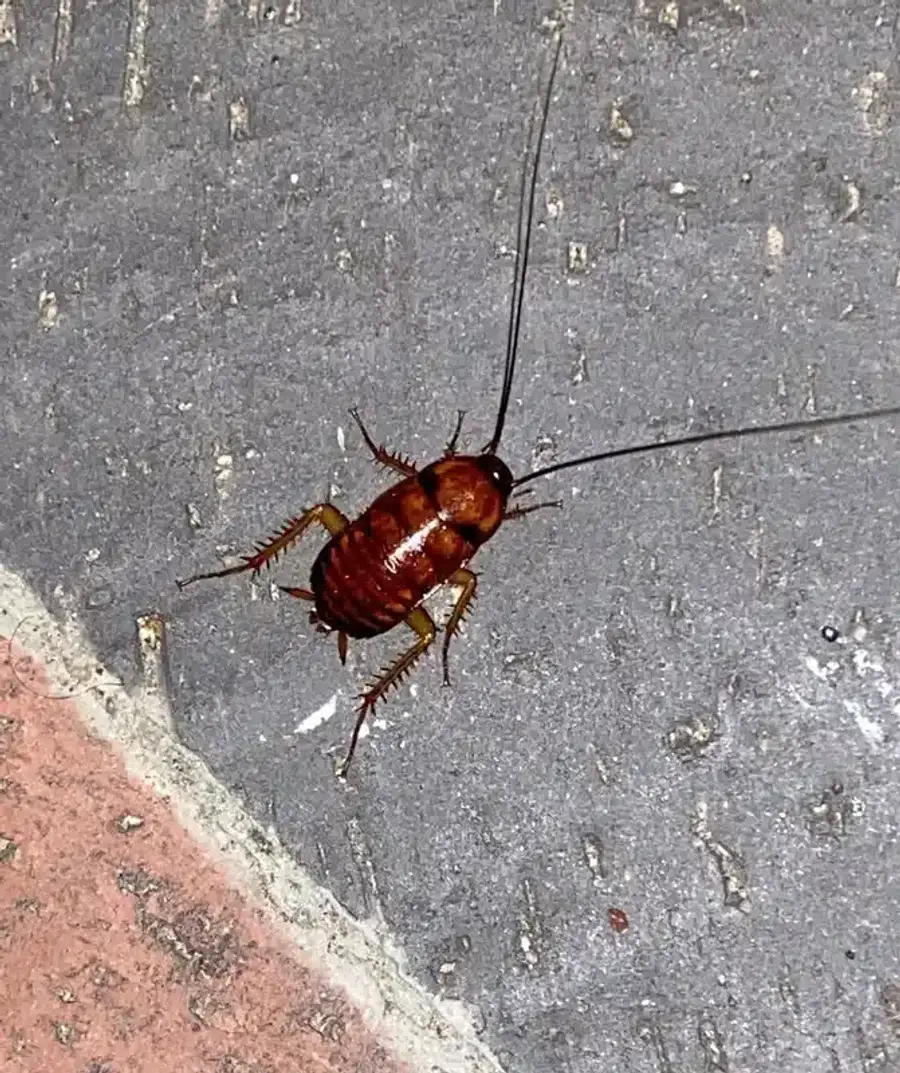
Detailed image of a cockroach nymph on pavement
Young cockroaches inherit the same survival adaptations as adults, making control challenging across all life stages
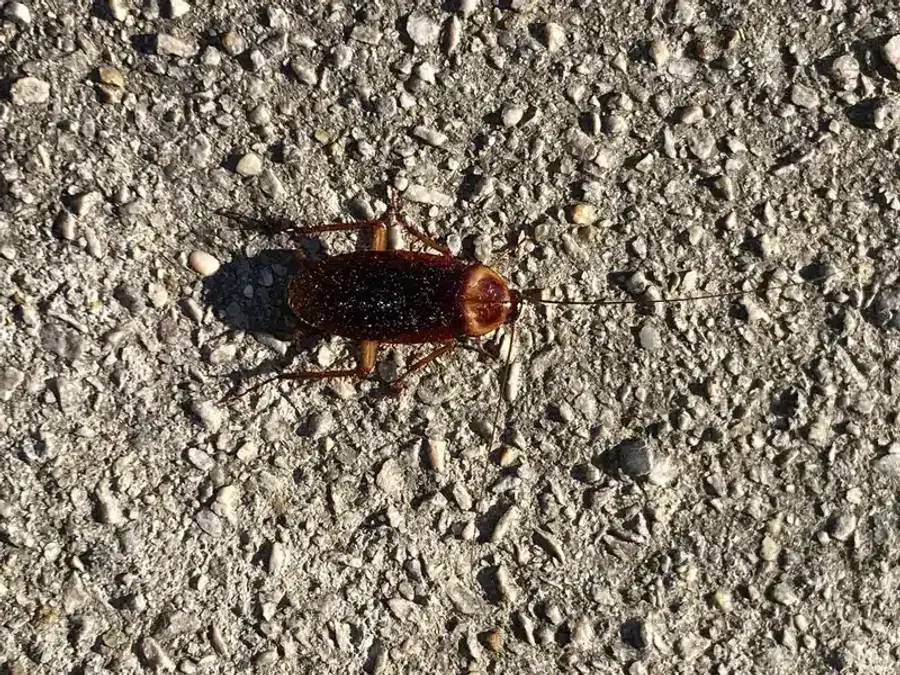
High-quality close-up of a cockroach outdoors
Cockroaches demonstrate remarkable resilience both indoors and in exterior environments

Survival in Different Environmental Conditions

The answer to how long can roaches live without food changes dramatically based on environmental conditions. Temperature, humidity, and available shelter all play crucial roles in determining survival times.

In cooler environments, roach metabolism slows down, potentially extending survival periods beyond the typical one-month timeframe. However, extreme cold can be lethal. Most common household species rely on building heat during winter months rather than true cold tolerance.

Humidity levels significantly impact survival as well. Higher humidity allows roaches to absorb moisture from the air, extending their survival time even without direct water sources. This is why we often see persistent infestations in damp basements and poorly ventilated bathrooms.

Cockroach Survival in Vacant Properties

Empty homes present unique challenges when considering roach survival. Even when food sources are completely absent, plumbing fixtures, HVAC condensation, and refrigerator drip pans can provide enough water for adult American cockroaches to survive 2-3 months.

During our 50+ years serving the DMV area, we’ve encountered several cases where homeowners returned from extended vacations to find established roach populations. This happens because the insects can survive on condensation alone, then rapidly reproduce once food sources return.

Why Cockroaches Survive Despite Food Elimination

Many homeowners focus exclusively on removing food sources when dealing with roach problems. While sanitation is important, understanding how long can roaches live without food reveals why this approach often fails.

Roaches can find nourishment in places you’d never expect. They’ll eat soap residue, toothpaste, book bindings, and even organic matter in drain pipes. Even the most spotless kitchen leaves behind microscopic grease films and crumb particles that can sustain a roach population.

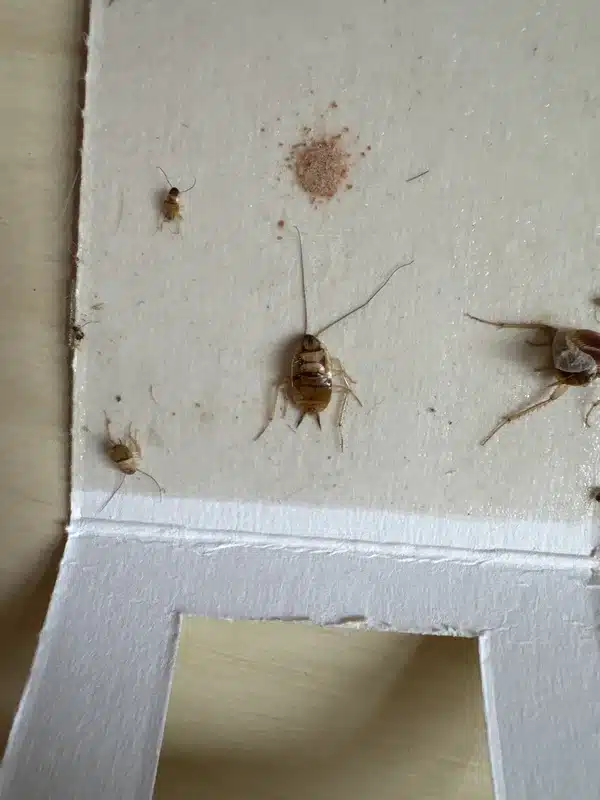
Multiple cockroaches stuck on a monitor trap
Professional monitoring tools like sticky traps reveal the effectiveness of comprehensive control strategies that target multiple survival needs

Furthermore, since roaches can survive a month without food, temporary cleaning efforts won’t solve established infestations. The insects simply wait out the period of scarcity, then resume normal activity once conditions improve.

This is why we recommend comprehensive approaches that address both food and water sources, combined with targeted treatments and ongoing monitoring. Simple DIY solutions like boric acid often prove insufficient against these adaptable survivors.

Professional Treatment Strategies for Roach Survival

Effective roach control requires understanding how long can roaches live without food and developing strategies that target multiple survival needs simultaneously. Our approach addresses the complete survival puzzle rather than just one piece.

Professional treatments typically combine several methods. Bait stations target the food requirement, while desiccant dusts address moisture regulation. Growth regulators disrupt reproduction, and residual treatments create barriers around potential harboring areas.

We also focus heavily on water source management. This includes recommending repairs for leaky pipes, improving ventilation in damp areas, and identifying hidden moisture sources like HVAC condensation. Because roaches die much faster from dehydration than starvation, controlling water access often proves more effective than food elimination.

Professional Advantage

Our multi-modal approach addresses the complete cockroach survival puzzle. While DIY methods focus on single factors, professional treatment targets food, water, reproduction, and harboring areas simultaneously for maximum effectiveness.

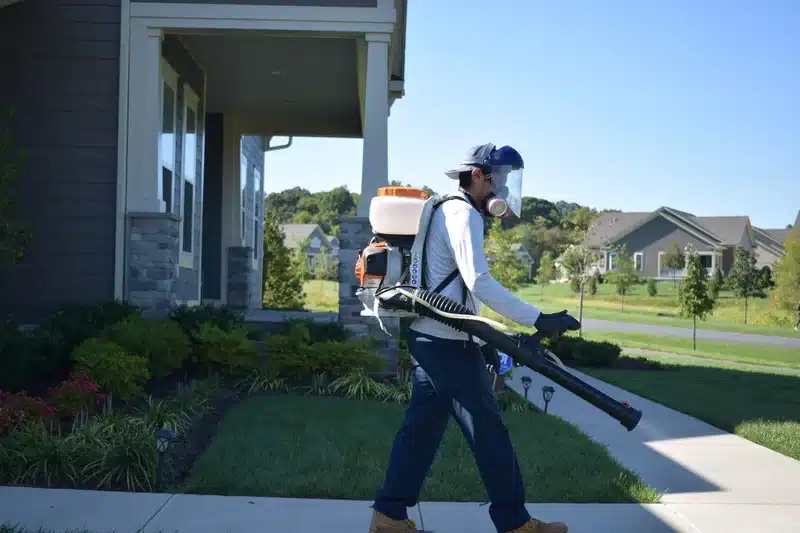
Pest control technician using a commercial backpack sprayer outside a suburban home
Professional pest control requires comprehensive treatment approaches that address the multiple factors contributing to cockroach survival

Comprehensive Pest Control for Cockroach Survival

Research shows that small roach populations can double every two weeks when conditions are favorable. This rapid reproduction means that partial control measures often fail because surviving insects quickly rebuild the population.

Our treatment plans address this challenge by targeting roaches at multiple life stages and through various control mechanisms. We don’t just ask how long can roaches live without food - we consider their complete biology and design treatments accordingly.

Additionally, we provide ongoing monitoring and follow-up services. Because roach survival abilities are so robust, successful control often requires multiple treatments and adjustments based on population response.

Cockroach Lifespan Challenges for DMV Homeowners

Understanding how long can roaches live without food helps DMV homeowners develop realistic expectations for control timelines. In our experience across Virginia, Maryland, and DC, most homeowners underestimate both roach resilience and the time needed for effective control.

Climate conditions in our region create year-round challenges. High humidity in summer provides moisture that extends roach survival, while heated buildings offer winter refuge. Many of the older homes in areas like Fairfax and Leesburg have moisture issues that inadvertently support roach populations.

Newer developments in places like Brambleton and Columbia often have different challenges. Construction disruption can drive roaches into homes, while modern tight construction sometimes traps moisture in unexpected places.

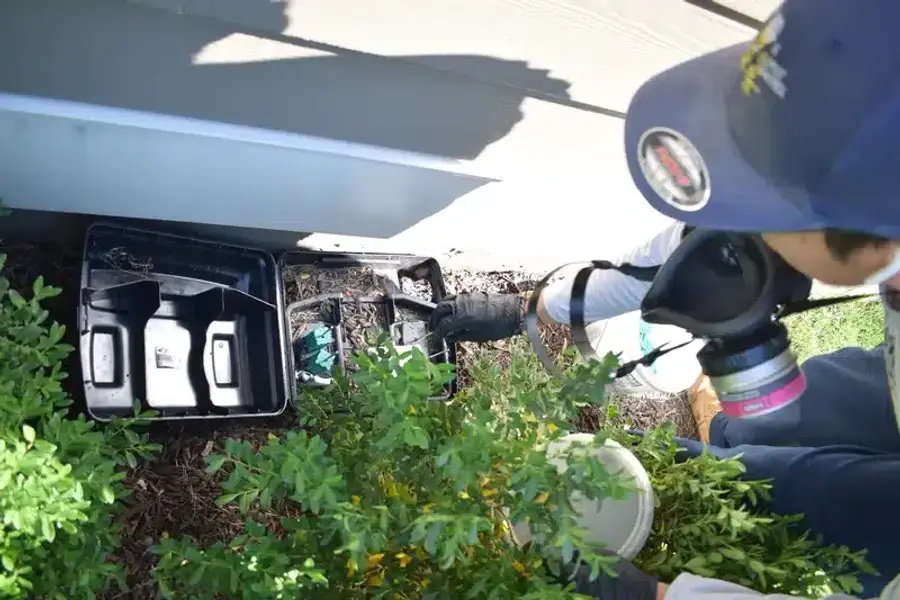
Technician inspecting outdoor bait stations next to a home
Regular inspection and maintenance of bait stations ensures ongoing protection against cockroach populations
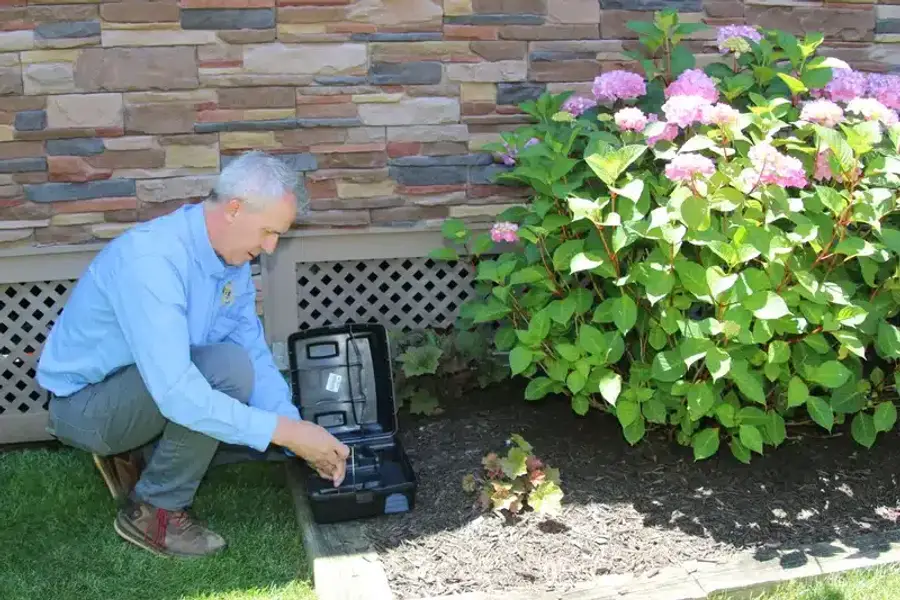
Technician servicing an outdoor bait station near foundation landscaping
Strategic placement of control devices around home foundations targets cockroaches before they can establish indoor populations

Beyond Survival: Understanding Roach Resilience

The question of how long can roaches live without food is just one aspect of their incredible resilience. These insects have survived for over 300 million years with little morphological change, indicating extreme adaptability to changing conditions.

Roaches can survive other extreme conditions that would kill most insects. They can live for weeks after decapitation, surviving only until dehydration or starvation sets in. They can also survive underwater for extended periods by closing their breathing holes and switching to anaerobic metabolism.

This overall resilience explains why roach control requires professional expertise and comprehensive strategies. Their unique anatomy and physiology contribute to these remarkable survival abilities.

What does the science say? 🔬

Scientific American published research examining cockroaches’ extreme survival capabilities, including their ability to live for weeks after decapitation. The article explains that cockroaches have a distributed nervous system rather than a centralized brain-dependent system like humans. Additionally, their efficient respiratory system allows them to breathe through small holes called spiracles throughout their body, making them incredibly resilient to conditions that would kill other insects.

In my years treating homes across the DMV area, I’ve seen how this resilience translates to real-world infestations. Roaches adapt to control attempts, find new water sources when primary ones are eliminated, and recover quickly from population reductions.

Next Steps for Cockroach Pest Control

Understanding how long can roaches live without food - up to a month with water access - reveals why these pests are so challenging to eliminate. Their remarkable survival abilities, combined with rapid reproduction and adaptability, require professional treatment approaches that address multiple biological needs simultaneously.

Effective roach control goes far beyond simple food elimination. It requires comprehensive strategies that target water sources, reproduction, and harboring areas while providing ongoing monitoring and adjustment. Our family business has developed these integrated approaches through over 50 years of experience serving DMV homeowners.

If you’re dealing with a roach problem, don’t underestimate their survival abilities or rely on DIY solutions alone. Professional treatment provides the comprehensive approach needed to overcome their remarkable resilience and achieve long-term control.

For questions about roach control or to schedule an inspection, call us at 703-683-2000 or email us at info@bettertermite.com. Our registered technicians can assess your specific situation and develop a treatment plan designed to overcome even the most resilient roach populations.

Frequently Asked Questions

How long can roaches live without food?

+

Roaches can survive approximately one month without food if they have access to water. German cockroaches typically last 35 days, while American cockroaches can survive up to 90 days on water alone. Without both food and water, survival times drop to 20-42 days depending on the species.

What kills roaches faster - removing food or removing water?

+

Removing water kills roaches much faster than removing food. German cockroaches die in about 12 days without water, even when food is present. However, they can live over a month on water alone, making water source elimination the more effective control strategy.

Can roaches survive in a completely clean house?

+

Yes, roaches can survive in clean houses because they need very little nourishment and can find food sources you might not expect. They'll eat soap residue, book bindings, skin flakes, and microscopic grease films. Additionally, they can absorb water from condensation and humid air, making elimination through cleaning alone very difficult.

Why do roaches keep coming back after I clean everything?

+

Roaches return because they can survive up to a month without food and find nourishment in places you might miss. They also reproduce rapidly - populations can double every two weeks under favorable conditions. Effective control requires addressing water sources, reproduction, and harboring areas, not just food elimination.

How do roaches survive so long without eating?

+

Roaches have several survival adaptations including cold-blooded metabolism that requires less energy, the ability to switch from burning carbohydrates to fat reserves during starvation, and reduced oxygen consumption of about 40% when food is scarce. Their rigid exoskeleton also prevents water loss, extending survival time.

Are some roach species better at surviving without food than others?

+

Yes, American cockroaches are the most resilient, surviving up to 90 days with water only and 42 days without either food or water. German cockroaches survive about 35 days with water only and 20 days without either. Oriental cockroaches are less resilient, typically surviving 15-20 days without food and water.

Will roaches die if I leave my house empty for a month?

+

Not necessarily. Even in vacant homes, roaches can survive on water from plumbing fixtures, HVAC condensation, and appliance drip pans. American cockroaches can survive 2-3 months in these conditions. Professional treatment of vacant properties should include eliminating these water sources and applying targeted treatments.

Why isn't food elimination enough to control roaches?

+

Food elimination alone isn't enough because roaches can survive a month without eating, need very little nourishment, and can find food sources in unexpected places like drain pipes and soap residue. Additionally, they reproduce so rapidly that surviving populations quickly rebuild. Comprehensive control requires targeting water sources, reproduction, and harboring areas simultaneously.

George Schulz
About the Author
George Schulz

With five years of hands-on experience in the pest control industry, George Schulz is a registered technician with the Virginia Pest Management Association and a proud third-generation professional in a family business that’s been protecting homes for over 57 years. He manages and trains a team of service pros while also leading internal research efforts—recently spearheading a deep-dive review of thousands of documents on pest control materials to hand-pick the most kid and pet friendly, most effective solutions tailored specifically for homes in the DC metro area.