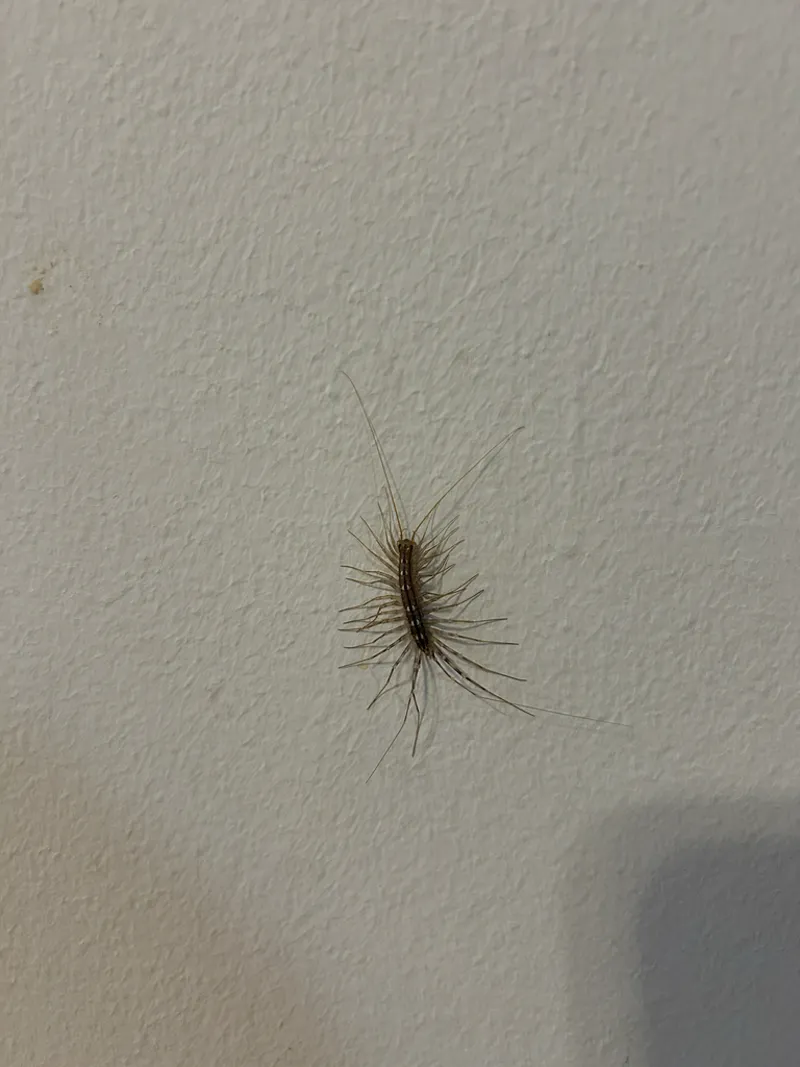

If you’ve ever spotted a fast-moving, many-legged creature darting across your bathroom floor, you’re probably searching for a good centipede repellent.
These house centipedes are the most common species found indoors. I get it. Those long legs and lightning-quick movements can make anyone want them gone immediately.
As a licensed technician with Better Termite & Pest Control, I’ve helped hundreds of homeowners in the Northern Virginia and DC metro area deal with centipede problems. After 57 years in the industry, our team has seen what works and what’s just a waste of time and money.
Here’s the honest truth: there’s no magic spray that makes centipedes vanish overnight. But there are effective strategies that actually reduce centipede activity in your home. Let me walk you through what really works.
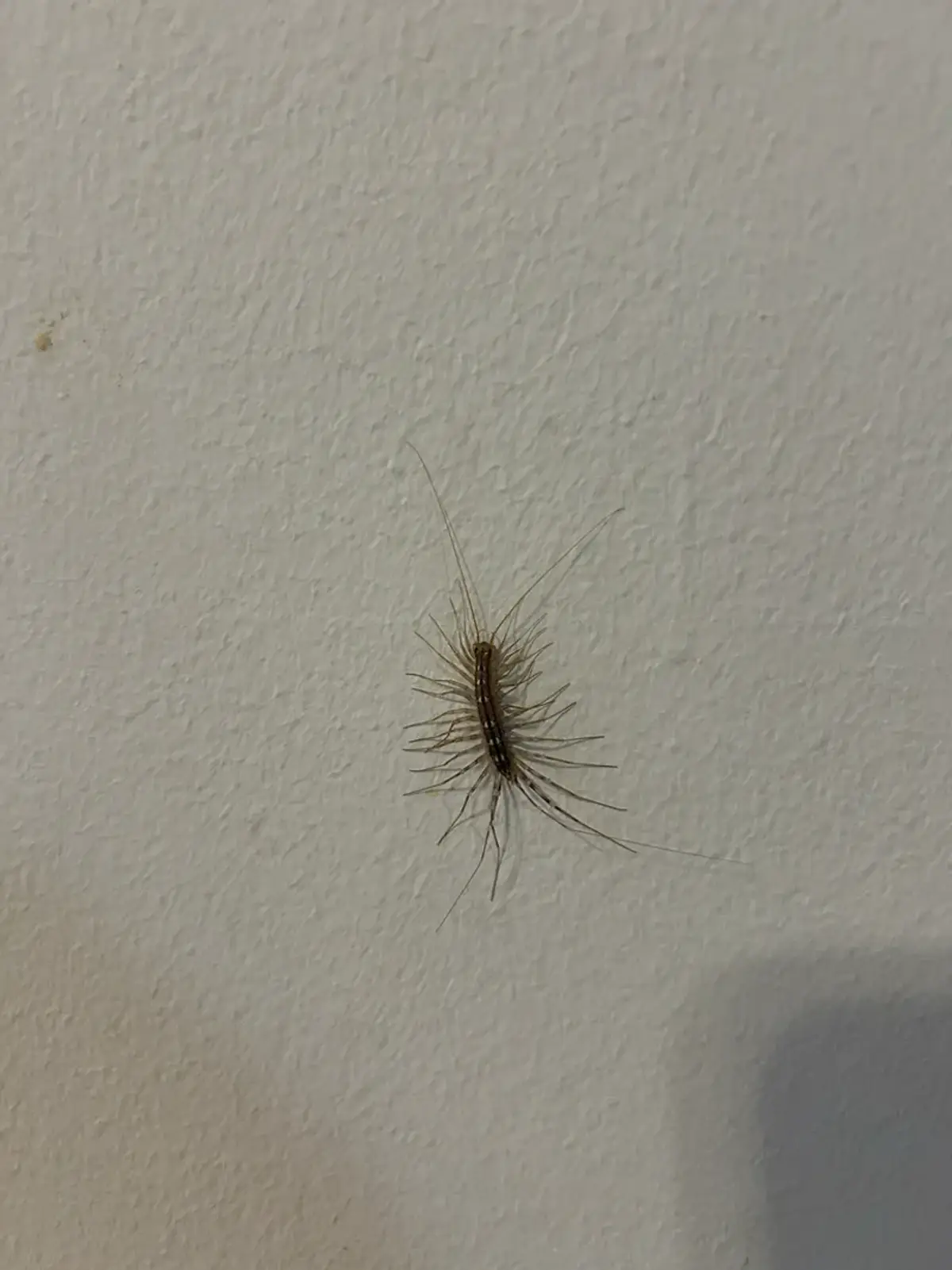
Why Centipedes Enter Your Home
Before reaching for any repellent, it helps to understand what brings centipedes inside.
Centipedes need three things:
- Moisture – They breathe through their skin and require humid environments to survive
- Darkness – They’re nocturnal and hide in dark spaces during the day
- Food – They eat other bugs like spiders, silverfish, cockroaches, and carpet beetles
If you have centipedes, you likely have other pests too. Centipedes are predators, so they go where the food is. In a way, they’re telling you something about your home’s overall pest situation.
According to EPA moisture control guidelines, maintaining indoor relative humidity between 30-50% is critical for preventing arthropod pest problems. Humidity above 50% creates favorable conditions for centipedes and many other pests. House centipedes have a respiratory system that requires high humidity to function properly.
Natural Centipede Repellent Options
Many homeowners prefer to start with natural methods. Here’s what the research and my experience tells us about each option.
Option 1: Essential Oils
Essential oils can help repel centipedes, but they won’t eliminate an infestation. Centipedes have highly sensitive antennae, so strong scents overwhelm their sensory organs and make them avoid treated areas.
The most effective essential oils include:
- Peppermint oil – Mix 15-20 drops per cup of water in a spray bottle
- Tea tree oil – Can provide protection for several weeks
- Eucalyptus oil – Creates a barrier centipedes tend to avoid
- Lavender oil – Pleasant for humans, unpleasant for centipedes
Apply these oils directly to cracks in floorboards, around window frames, and along baseboards. Reapply every few days since the scent fades.
Option 2: Diatomaceous Earth
Diatomaceous earth (DE) is one of the more effective natural options. It’s a powder made from fossilized algae that kills centipedes mechanically rather than chemically.
How it works: The microscopic sharp edges of DE damage the centipede’s exoskeleton. This causes them to lose moisture and eventually die from dehydration. Since it works physically rather than chemically, pests can’t develop resistance to it.
Important guidelines for using DE:
- Only use food-grade diatomaceous earth (not pool-grade)
- Apply in dry areas only – moisture reduces effectiveness
- Sprinkle in cracks, door thresholds, corners, and damp areas
- Wear a mask during application to avoid inhaling the fine powder
- Results take hours to days, not minutes
Option 3: Cayenne Pepper
Centipedes dislike the capsaicin in cayenne pepper. Sprinkling a thin line around entry points can create a barrier they won’t want to cross. However, this method requires frequent reapplication and isn’t practical for large areas.
What Doesn’t Work
Let me save you some time and money. These popular “solutions” have little to no scientific backing:
- Ultrasonic pest repellers – No evidence they work on centipedes
- Hedge apples – Despite the myth, sliced hedge apples don’t repel centipedes
- Vinegar sprays – May temporarily deter them but doesn’t provide lasting control
Professional Centipede Repellent Treatments
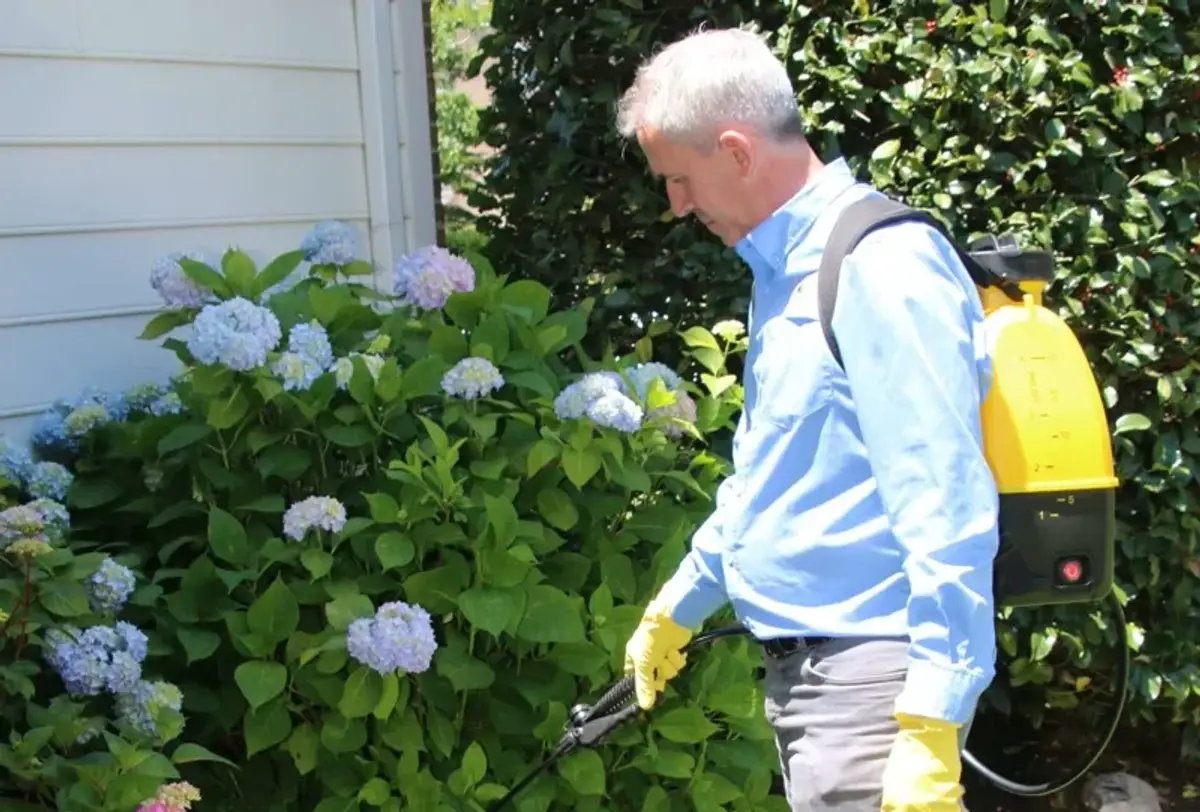
When natural methods aren’t enough, professional treatments can provide more reliable results. Here’s what registered technicians typically use:
Residual Liquid Treatments
EPA-registered insecticides applied along baseboards, corners, and entry points provide lasting protection. Products like Demand, Tempo, and Suspend create a barrier that kills centipedes on contact.
For exterior treatment, we focus on:
- Window and door frames
- Foundation perimeter
- Under mulch and landscape timber
- Cracks in masonry and siding
- Around vents and utility penetrations
Dust Applications
In wall voids, under cabinets, and around plumbing, dust formulations can reach areas liquids can’t. These provide long-lasting protection in hidden spaces where centipedes like to hide.
Treatment Timeline
Here’s what to realistically expect from professional centipede control:
- Initial treatment: 1-2 hours depending on home size
- First results: Within 1-2 weeks
- Follow-up visits: Often needed 2-3 weeks apart
- Full control: May take multiple treatments addressing the complete life cycle
Prevention: The Best Long-Term Centipede Repellent
The most effective centipede repellent isn’t a product – it’s making your home less attractive to them. Here’s what I recommend to every homeowner:
Reduce Moisture
- Run exhaust fans in bathrooms and kitchens
- Use a dehumidifier in basements and crawl spaces
- Fix leaky pipes and faucets immediately
- Improve ventilation in damp areas
- Keep indoor humidity below 50%
Eliminate Entry Points
- Seal cracks in foundation and walls
- Install door sweeps on exterior doors
- Caulk gaps around windows
- Cover vents with fine mesh screens
- Seal around utility pipe penetrations
Remove Food Sources
Remember, centipedes eat other bugs. If you eliminate their food supply, they’ll go elsewhere. Consider a general pest control program that targets the insects centipedes feed on.
Clean Up Hiding Spots
- Remove leaf litter and debris near foundation
- Keep mulch away from the house (at least 6 inches)
- Declutter basements, closets, and storage areas
- Cut tall grass and vegetation near exterior walls
One homeowner I worked with in Alexandria had a serious centipede problem in her basement. After our inspection, we discovered the root cause was high moisture content in the soil around her home’s foundation.
We addressed the centipedes with a targeted treatment, but the real solution was improving drainage around the foundation and running a dehumidifier in the basement. Six months later, she reported seeing almost no centipede activity.
This is why I always tell homeowners: the treatment handles the current problem, but moisture control prevents future ones.
Prevention is always the best long-term strategy. But when DIY isn’t enough, professional treatment fills the gap.
When to Call a Professional
DIY methods work best for occasional sightings. Call a pro when:
- You see centipedes regularly (several times per week)
- They appear in multiple rooms throughout your home
- Natural methods haven’t reduced activity after 2-3 weeks
- You’re also seeing other pests they feed on
- You have a damp basement or crawl space that’s hard to control
For a detailed approach to elimination, read our complete guide on how to get rid of centipedes.
Our team at Better Termite & Pest Control offers comprehensive pest management that addresses centipedes and their food sources. With over 300 years of combined experience and 1,000+ five-star reviews, we’ve helped homeowners throughout the DC metro area, from Bethesda to Fairfax and everywhere in between.
House centipedes are mostly harmless, but some people are allergic. If you’re bitten and notice swelling, trouble breathing, or unusual symptoms, see a doctor.
The Bottom Line on Centipede Repellent
There’s no single product that eliminates centipedes completely. The most effective approach combines:
- Reducing moisture in your home (the biggest factor)
- Sealing entry points to prevent them from getting inside
- Using natural repellents like essential oils and diatomaceous earth in problem areas
- Professional treatment when DIY methods aren’t enough
- Addressing other pest populations that centipedes feed on
If you’re dealing with centipedes in the Northern Virginia, DC, or Maryland area, we’re here to help. Call us at 703-683-2000 or email info@bettertermite.com for a free estimate. As a family-owned company with 57 years of experience, we’ll help you find a solution that actually works.