Roaches show up fast in the DC metro area. I’ve spent four years as a registered technician in a third-generation family business. We’ve handled German, Oriental, and American roach problems in homes just like yours. This guide covers when boric acid for roaches works, where it falls short, and what pest pros actually use.
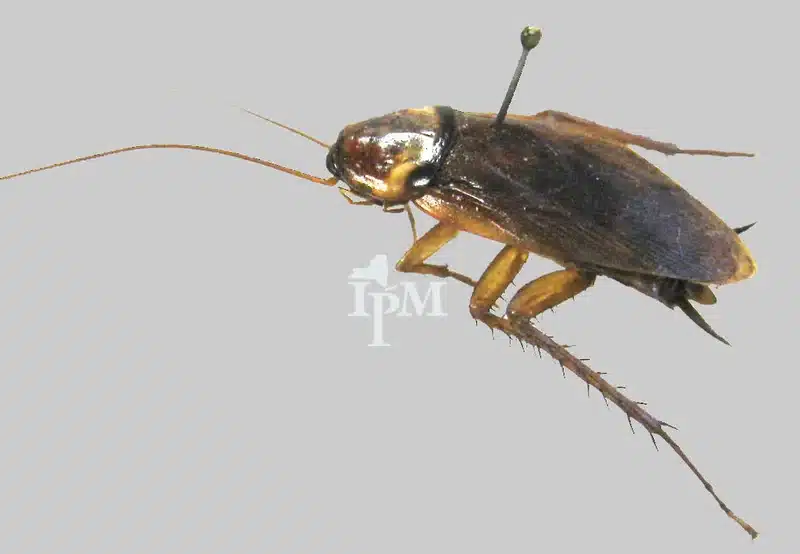
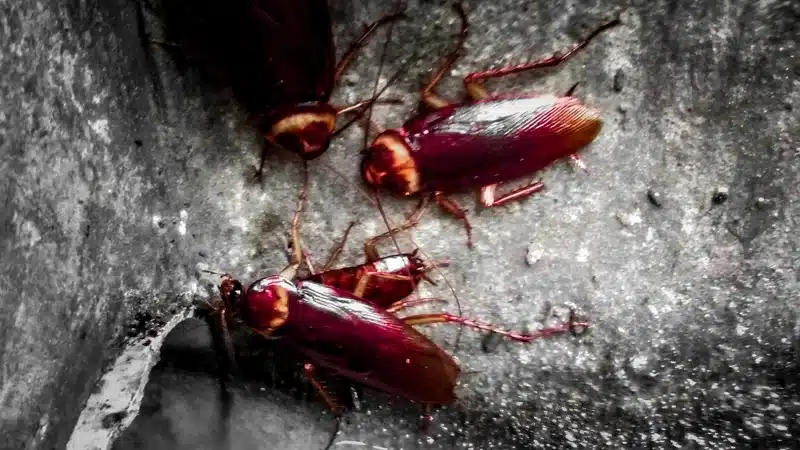
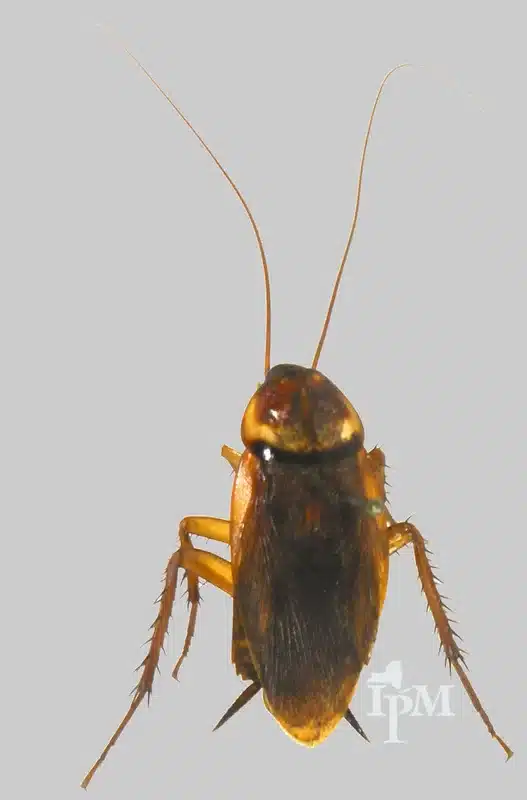
Cockroach Species in Our Area
Three species cause most problems in local homes:
- German roaches: Tiny, breed every 55-68 days, hide in kitchen cracks
- Oriental roaches: Love damp basements and crawl spaces
- American roaches: Large “water bugs” that come inside during heat waves
What Is Boric Acid?
Boric acid (H₃BO₃) comes from mined borate ores and is milled to 99%+ purity for pest control. The EPA registered it as a general-use pesticide with low oral toxicity.
How Boric Acid Kills Roaches
Boric acid works in two ways:
- Ingestion: Disrupts the roach’s digestive system
- Shell damage: Scratches the outer coating, causing water loss
According to the NPIC fact sheet, roaches must eat the dust or walk through it for it to work. The kill takes 2-10 days depending on the dose and species.
How to Apply It
Sprinkle a very thin, nearly invisible layer in voids, behind appliances, and around pipes. Too much dust repels roaches. Keep it dry. Steam, leaks, and grease all cut how well it works. Reapply after plumbing fixes or flooding.
You’ll find boric acid in these forms:
- High-purity dusts (99%) for cracks and voids
- Tablets and pellets with food attractants
- Gel or paste (up to 33% boric acid) for tight spots
- DIY sugar-borate baits (0.5-2% boric acid + sugar). Learn more in our pest library.
What the Research Shows
Lab tests show very high kill rates when roaches contact enough dust, and 0.4% sugar-borate baits can kill roaches within 3 days in controlled lab tests.
Virginia Tech Extension calls boric acid dust “highly effective” when paired with good cleaning. But moisture or grease cuts performance sharply.
Pros and Cons
Here’s a balanced look at what boric acid does well and where it falls short.
- Low cost compared to many baits and sprays
- Long-lasting in dry, undisturbed voids
- Works on strains that resist other insecticides
- Low toxicity to mammals when used per label
- Resistance is rare because it kills through physical and digestive damage
- Kill takes 2-10 days, and eggs keep hatching during that time
- Must stay dry to work. Humidity, steam, and grease ruin it.
- Visible white residue can repel roaches instead of killing them
- Risk to toddlers and pets if misused or left in open areas
- Alone, it rarely solves a full infestation
When Boric Acid Isn’t Enough
When boric acid alone won’t solve the problem, pros add or switch to:
- Gel and granular baits: Fipronil, indoxacarb, hydramethylnon. Rotate products every 3-6 months to prevent avoidance.
- Desiccant dusts: Diatomaceous earth and silica gel for fast drying effects.
- Growth regulators: Hydroprene and pyriproxyfen for long-term colony suppression.
- Residual sprays: Pyrethroids and neonicotinoids as barriers. Never spray over dusts or gels.
- Non-chemical tools: Sticky traps for monitoring, HEPA vacuum removal.
- Sealing and cleaning: Close cracks, remove clutter, fix leaks.
The best roach control combines several of these methods. Reinspect after storms or humidity spikes. In apartments, coordinate with the whole building to stop roaches from spreading through shared plumbing.

Cost: DIY vs Professional
Boric acid dust costs under $20. But labor, follow-ups, and inspection time add up. For a full price breakdown, check our 2025 service price guide. Our pros offer free unlimited callbacks at no extra charge.
When to Call a Professional
If you spot roaches despite using boric acid, it’s time for licensed help. We serve Arlington, Alexandria, and Bethesda with plans that blend dusts, baits, sprays, and sealing work. Our research team reviews every product we use, so they’re ones we’d feel good using in our own homes.
Call us at 703-683-2000 or email info@bettertermite.com for a free estimate.