TLDR: Millipedes are not poisonous or venomous. They can’t bite or sting. Some types release fluids that may cause mild skin redness, but they pose no real threat to people or pets. If you find them indoors, it usually means there’s a moisture problem near your home.
If you’ve found a bug with lots of legs on your basement floor, you’re likely asking: “Is this thing harmful?” The good news is that millipedes are not poisonous the way you might think. They can’t bite you, sting you, or inject venom. But they aren’t fully harmless.
As a licensed pest control tech with over 5 years in the DC metro area, I’ve helped dozens of homeowners deal with millipede problems. In this guide, I’ll cover what risks millipedes pose. I’ll also explain how they compare to centipedes and what to do if you see them in your home.
The Short Answer: Millipedes Are Not Venomous
Let’s clear up some terms first. Venomous means an animal can inject toxins through a bite or sting. Poisonous means it’s harmful if you eat or touch it. Millipedes are neither.
The University of Georgia Cooperative Extension says millipedes do not bite or sting. They don’t have fangs or stingers.
But millipedes do have a defense trick. When scared or grabbed, many types release a fluid from glands on their body. That fluid can cause some skin redness.
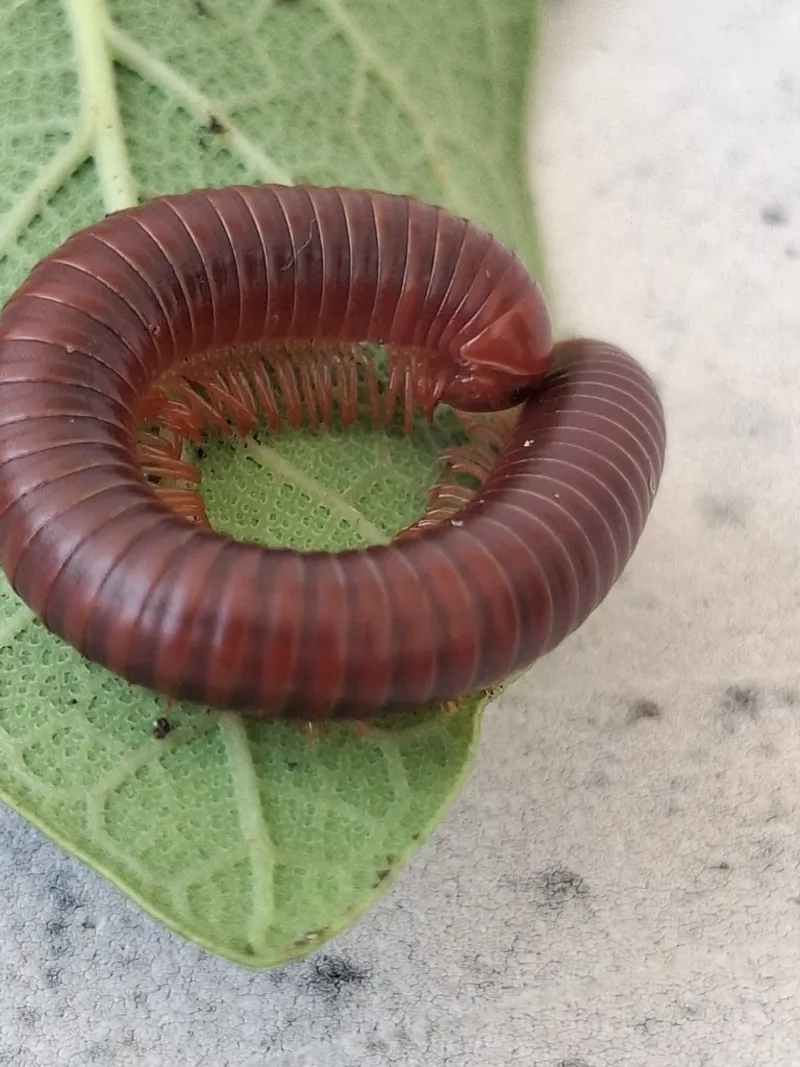
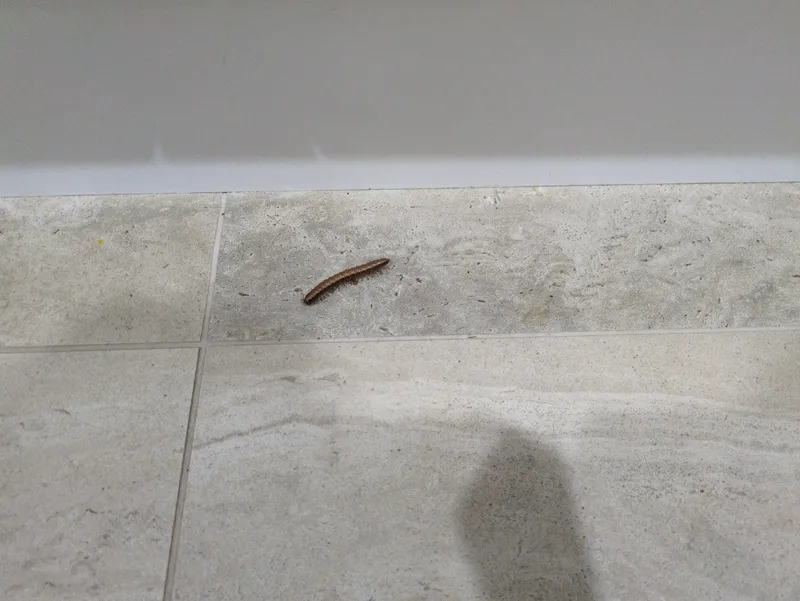
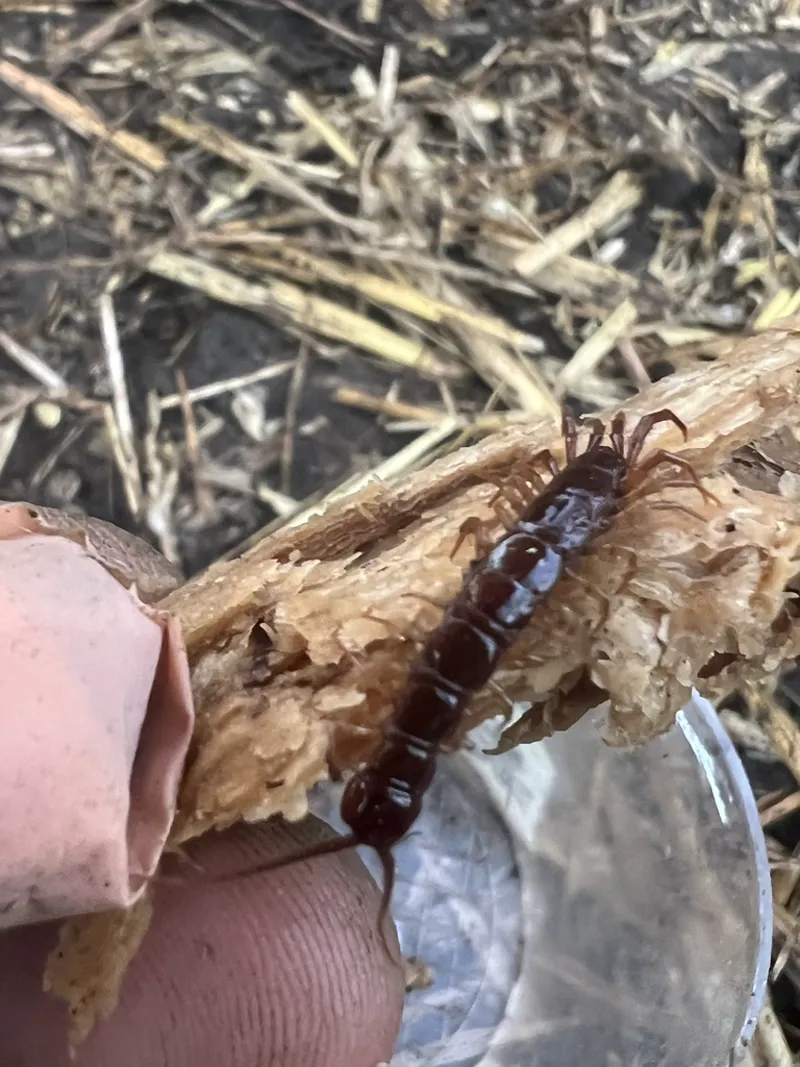

If you’re finding these bugs in your home, you’re not alone. Millipedes are one of the most common pests we treat in the DC metro area.
What Are Millipede Defensive Secretions?
When a millipede feels scared, it curls into a tight coil and releases chemicals from pores on its body. These fluids can contain:
- Benzoquinones (compounds that cause redness)
- Hydrogen cyanide (in small, harmless amounts)
- Phenols and organic acids
- Hydrochloric acid (in some types)
The National Center for Biotechnology Information says millipede fluids can cause dark spots on skin, swelling, blisters, and a burning feeling. These effects may last a few days. Some larger tropical types can spray these fluids up to 32 inches.
The good news? The millipedes found in the DC area, Maryland, and Northern Virginia are smaller types. Their fluids can cause some redness, but they’re not likely to cause real harm to healthy adults.
Signs of Millipede Contact
If you touch a millipede or crush one by accident, you might notice:
- Mild skin redness
- Itching or burning feeling
- Brown staining on the skin
- Short-term blisters (rare)
These signs usually go away on their own within a few hours to a few days. Washing the area with soap and water is usually enough.
Are Millipedes Poisonous to Dogs and Cats?
Pet owners often worry about their dogs or cats finding millipedes. Here’s what you should know:
Millipedes are not harmful to most pets. But if your dog or cat tries to eat one, the fluids can cause:
- Lots of drooling
- Pawing at the mouth
- Throwing up
- Short-term mouth redness
Most pets learn fast that millipedes taste bad and avoid them after that. If your pet shows lasting signs or seems upset, call your vet. For more details, read our guide on millipedes in your house.
Millipedes vs. Centipedes: Know the Difference
I often see homeowners mix up millipedes with centipedes. The key difference is that centipedes can bite and are venomous.
Key Differences:
| Feature | Millipede | Centipede |
|---|---|---|
| Legs per segment | Two pairs | One pair |
| Body shape | Rounded, cylindrical | Flat |
| Movement | Slow, wave-like | Fast, darting |
| Diet | Decaying plant matter | Insects, spiders (predator) |
| Defense | Curls up, secretes fluids | Bites with venomous fangs |
| Danger level | Low (irritation only) | Moderate (painful bite) |
The Oklahoma State University Extension says centipede bites feel a lot like bee stings. People who are allergic to insect venom may react more. Millipedes, by contrast, cannot bite at all.
Why Are Millipedes in Your House?
Knowing why millipedes come inside helps you stop future problems. Millipedes are moisture-loving bugs that mostly live outdoors in damp spots like:
- Under leaf litter and mulch
- In rotting logs and compost
- Beneath rocks and landscaping stones
- In thick ground cover plants
They come inside when the weather changes. Here are the three main triggers:
When heavy rain floods their habitat, millipedes come out in large numbers to find drier ground. Your home’s base becomes an easy target. This is when big invasions happen, sometimes dozens at a time.
During dry spells, millipedes move toward any moisture they can find. Your basement, crawl space, and bathroom are just what they need. Homes with poor drainage or damp bases are hit the hardest.
As fall temps drop, millipedes look for shelter and warmth. They squeeze through gaps under doors, cracks in the base, basement windows, and holes around pipes and wires.
No matter the cause, the fix is the same. Cut off their access to moisture and seal your home’s entry points.
One homeowner kept finding millipedes in her basement. After a check, we found the soil around her home’s base was staying wet due to poor drainage and clogged gutters. Once we fixed the moisture issue and sealed entry points, the millipede problem went away.
How to Prevent Millipedes From Entering Your Home
Based on my work in Alexandria, Fairfax, and Bethesda, here are the best ways to keep millipedes out:
Reduce Moisture Around Your Foundation
- Fix leaky outdoor faucets and hoses
- Make sure gutters drain away from the house
- Grade soil so water flows away from the base
- Use a dehumidifier in damp basements
Create a Dry Zone
- Keep mulch at least 12 inches away from your foundation
- Remove leaf litter, grass clippings, and debris near the house
- Avoid overwatering landscaping beds next to the home
Seal Entry Points
- Install door sweeps on exterior doors
- Caulk cracks in the base
- Seal gaps around pipes, wires, and utility entries
- Repair damaged window screens
Reduce Outdoor Habitat
- Remove rotting wood, logs, and stumps near the house
- Turn over compost piles regularly
- Keep firewood stored away from the home
A 6-inch band of gravel or crushed stone around your base creates a dry zone that millipedes avoid. This simple change can cut down on indoor invasions.
These steps work well for most homes. But some moisture problems run deeper than a DIY fix can handle.
When to Call a Pest Control Professional
Seeing a millipede here and there doesn’t usually call for pro treatment. But think about calling a licensed tech if:
- You’re seeing large numbers of millipedes (dozens or more)
- They’re appearing repeatedly despite your prevention efforts
- You have a basement moisture problem you can’t solve
- You’re not sure if you’re dealing with millipedes or centipedes
At Better Termite & Pest Control, our team uses EPA-approved products to create a barrier around your home. We also find the moisture sources and entry points that let millipedes in.
With over 57 years in business and more than 1,000 five-star reviews, we’ve helped homeowners across the DC metro area solve all kinds of pest problems. Every product we use is one we’d use in our own homes.
What to Do If You Get Millipede Secretions on Your Skin
If you’ve touched a millipede and your skin feels red or sore:
- Wash the area with soap and water for a few minutes
- Don’t touch your face or eyes until your hands are clean
- Use a cool cloth if there’s burning or itching
- Try 1% hydrocortisone cream if redness lasts
- Watch for allergic reactions (rare but possible)
Most signs clear up within a few hours. If redness lasts more than a day or two, or if you have a bad reaction, see a doctor.
The Bottom Line on Millipedes
Millipedes are not poisonous or venomous. They can’t bite or sting. Their fluids can cause mild skin redness, but they pose very little risk to adults, children, and pets.
The main issue with millipedes is that they’re a pest that bugs you. Finding them indoors usually points to a moisture problem that needs fixing. If you’re seeing centipedes instead (which can bite), you’ll want to take that more seriously.
If you’re dealing with millipedes in your Northern Virginia or DC-area home and want help, give us a call at 703-683-2000 or email us at info@bettertermite.com. We’re happy to answer your questions or set up a check to find what’s drawing these pests to your home.