Aerial Yellowjackets Identification Guide
Dolichovespula arenaria
Aggressive stinging insects that build distinctive paper nests in trees, shrubs, and on buildings rather than underground.
Taxonomy
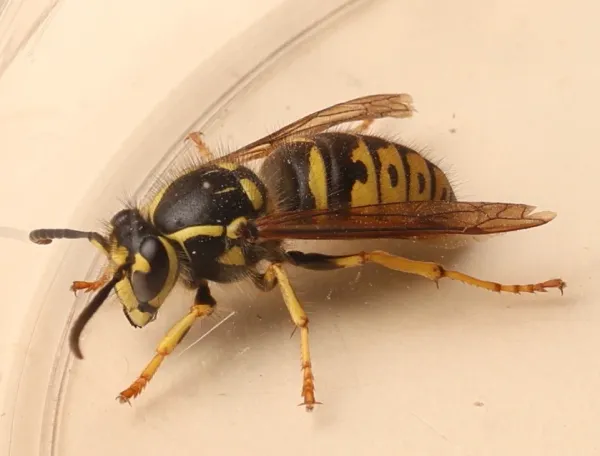
Aerial Yellowjackets Coloration
Common color patterns to help identify aerial yellowjackets
Aerial Yellowjackets
Seasonal Activity
When aerial yellowjackets are most active throughout the year

Where Aerial Yellowjackets Are Found
Hover over states to see their names. Green regions indicate where aerial yellowjackets have been reported.
Aerial Yellowjackets Identification Guide
Physical Characteristics
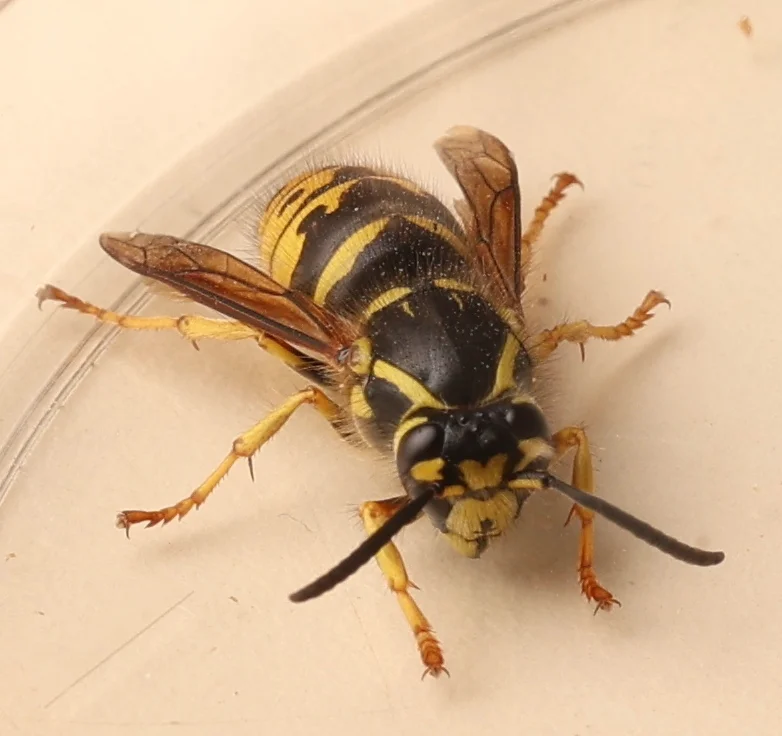
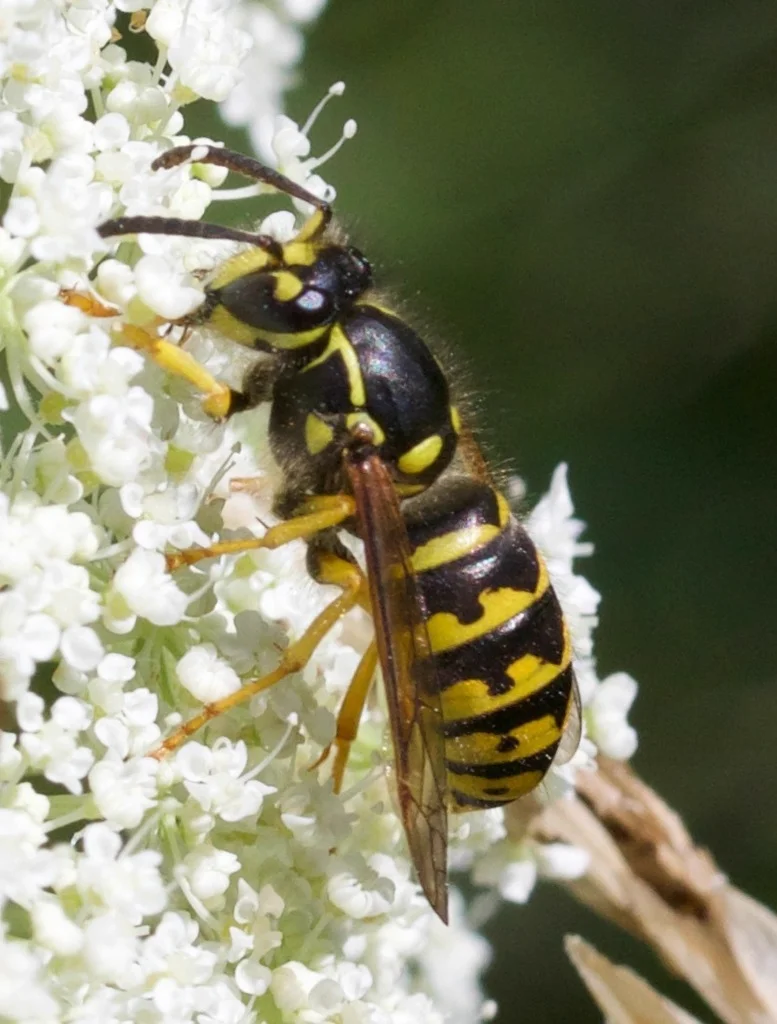
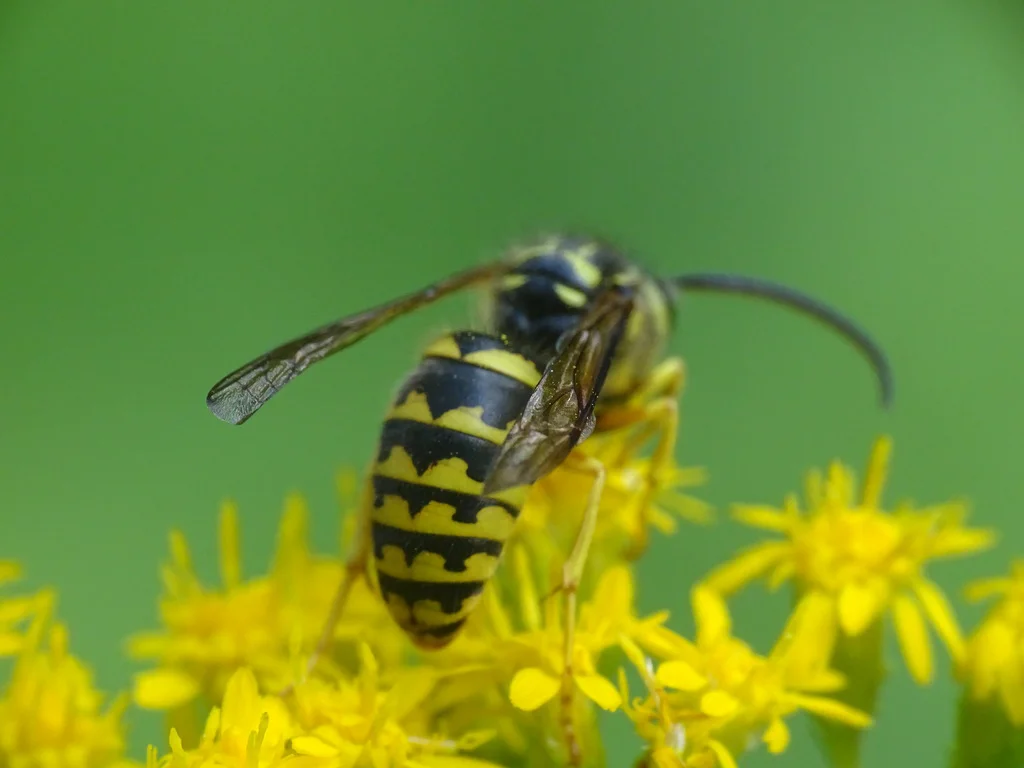
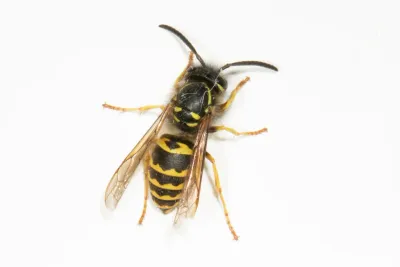
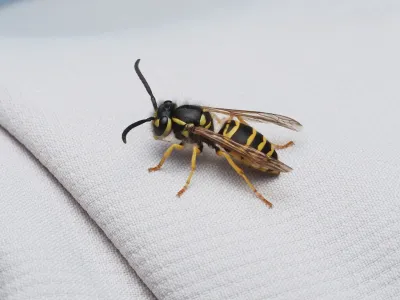
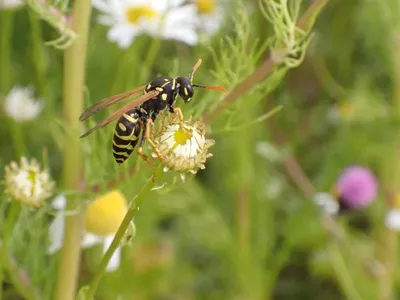
Aerial yellowjackets are medium-sized wasps, about 12 to 20 millimeters long (roughly half an inch to three-quarters of an inch). They have the classic yellowjacket look with black and yellow stripes on their abdomen. The thorax is mostly black with some yellow markings. Their clear wings fold flat along their body when resting.
One way to tell them apart from ground-nesting yellowjackets is their longer face. Queens are bigger than workers and have black spots on their abdomen. Workers have thin waists and six yellow legs. Their antennae are black and have segments. The yellow stripes on the first two segments of the abdomen may look broken or notched.
Common Species
The aerial yellowjacket (Dolichovespula arenaria) is also called the common aerial yellowjacket or sandhills hornet. It is found across North America, from Alaska down to Arizona and New Mexico. This makes it one of the most common wasps you might see.
Other related species include:
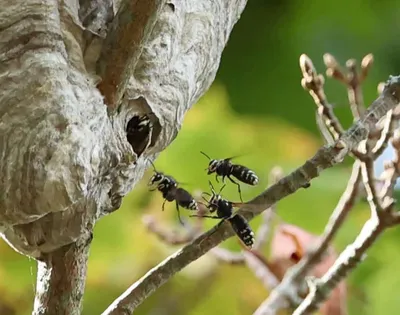
- Bald-faced Hornet (Dolichovespula maculata): Has black and white coloring instead of yellow
- Northern Aerial Yellowjacket (Dolichovespula norvegicoides): Found mostly in northern areas
- Parasitic Aerial Yellowjacket (Dolichovespula arctica): Takes over nests of other aerial yellowjackets
Aerial Yellowjacket Behavior and Biology
Aerial yellowjackets are social insects. They live in colonies with one queen, many workers, and males that appear in late summer. In spring, a queen that survived the winter comes out and picks a nesting spot. She builds a small paper nest and raises her first batch of workers by herself.
Nesting Habits
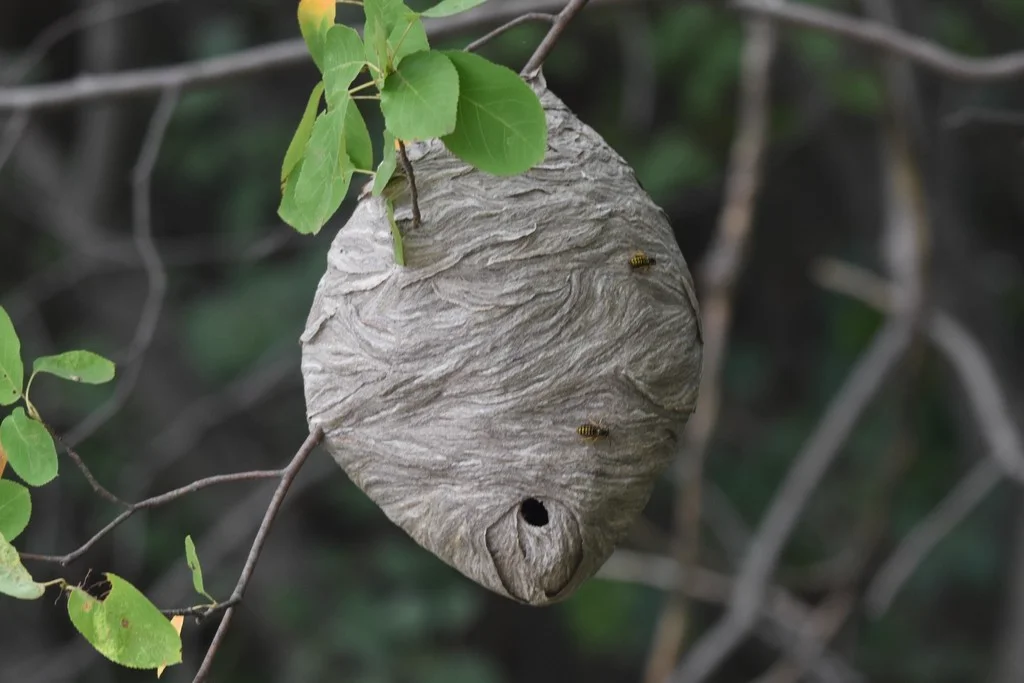
Unlike ground-nesting yellowjackets, aerial yellowjackets build their nests above ground in open areas. You might find their nests in tree branches, shrubs, under building eaves, or under other overhangs. They make the nest from wood fibers mixed with their saliva, creating a paper-like material. A full-sized nest has one to six combs inside a gray paper shell with one entrance hole at the bottom.
What They Eat
Aerial yellowjacket workers are hunters that catch many types of insects. They eat grasshoppers, crickets, caterpillars, flies, spiders, and even lady beetles. They usually hunt in trees and shrubs about 6 to 13 feet off the ground. Unlike other yellowjackets such as eastern yellowjackets or German yellowjackets, they rarely bother people at picnics looking for food. However, they may look for sweet drinks and foods in late summer when their colony is slowing down.
Colony Cycle
Colonies grow fast in early summer. Worker numbers peak by mid-summer. In the mid-Atlantic region, colonies may be fully grown and making new queens by late June. This means aerial yellowjackets often die out before ground-nesting species like western yellowjackets are at their busiest. By late summer or early fall, the old queen dies and the colony breaks up. Young mated queens find shelter to survive the winter and start new colonies the next spring.
Defensive Behavior
Aerial yellowjackets will attack if their nest is disturbed. Bigger colonies tend to be more aggressive than smaller ones, similar to paper wasps defending their nests. These wasps have an unusual ability: they can spray venom from their stingers without actually stinging. This spray releases scent signals that bring other workers to help attack. Single workers may also follow people around, buzzing near their heads. They do this because they hunt flies that gather around people.
How We Treat for Aerial Yellowjackets
We use different methods depending on where the nest is located:
-
Nests in Trees and Shrubs: We apply a long-lasting insecticide directly to the nest. We use special equipment to make sure the treatment reaches the whole colony. We usually do this early in the morning or in the evening when most of the workers are inside.
-
Nests on Buildings: For nests on eaves, overhangs, or walls, we spray insecticide directly on the nest and entrance hole. This kills the colony and stops any returning workers from starting over.
-
Nests in Wall Voids: When yellowjackets build inside wall spaces, we apply insecticide dust or foam into the nest opening. We may need to come back for follow-up treatments to make sure all the insects are gone.
-
Prevention Tips: After treatment, we suggest sealing gaps and cracks where wasps might enter. Remove old nests and keep outdoor food covered. Make sure your garbage cans have tight lids.
If yellowjackets come back between services, we provide free callbacks to take care of the problem.
References
Other Wasps
Explore other species in the wasps family
Commonly Confused With
Aerial Yellowjackets are often mistaken for these similar pests
Where Aerial Yellowjackets Are Found
Hover over states to see their names. Green regions indicate where aerial yellowjackets have been reported.
Common Questions about Aerial Yellowjackets
What is the difference between aerial yellowjackets and regular yellowjackets?
+
The main difference is where they build their nests. Aerial yellowjackets build paper nests in trees, shrubs, and on buildings. Regular yellowjackets usually nest underground or inside walls. Aerial yellowjackets also have longer faces and their colonies peak earlier in summer.
Are aerial yellowjackets aggressive?
+
Yes, they can be aggressive when defending their nest. Bigger colonies are usually more defensive. Workers often buzz around people's heads because they hunt flies that gather near people.
Can aerial yellowjackets sting multiple times?
+
Yes. Their stingers are smooth, so they do not get stuck in skin like bee stingers do. This means they can sting you more than once. Each sting causes pain and swelling. Some people may have severe allergic reactions.
When are aerial yellowjackets most active?
+
They are most active from late spring through early fall. Colonies are biggest in mid-summer and start dying off by late summer. This is earlier than most ground-nesting yellowjackets.
What do aerial yellowjackets eat?
+
They hunt live insects like grasshoppers, crickets, caterpillars, flies, and spiders. Unlike other yellowjackets, they rarely bother people at picnics. However, they may seek out sweet foods and drinks in late summer.
How do I know if I have an aerial yellowjacket nest?
+
Look for a gray paper nest hanging from tree branches, shrubs, eaves, or overhangs. The nest is shaped like an oval or football with one hole at the bottom. You may also see lots of wasp activity in one area.
Should I remove an aerial yellowjacket nest myself?
+
We do not recommend DIY removal. You could get stung many times. These wasps can spray venom, and disturbing the nest can cause a swarm. A pest control technician has the right tools and training to remove the nest.

With five years of hands-on experience in the pest control industry, George Schulz is a registered technician with the Virginia Pest Management Association and a proud third-generation professional in a family business that's been protecting homes for over 57 years. He manages and trains a team of service pros while also leading internal research efforts—recently spearheading a deep-dive review of thousands of documents on pest control materials to hand-pick the most kid and pet friendly, most effective solutions tailored specifically for homes in the DC metro area.