Western Harvest Mouse Identification Guide
Reithrodontomys megalotis
The western harvest mouse is a tiny native rodent found across western and central North America. Rarely a household pest, this grassland specialist occasionally enters buildings during harsh weather and can be distinguished from house mice by its grooved upper incisors and bicolored tail.
Taxonomy
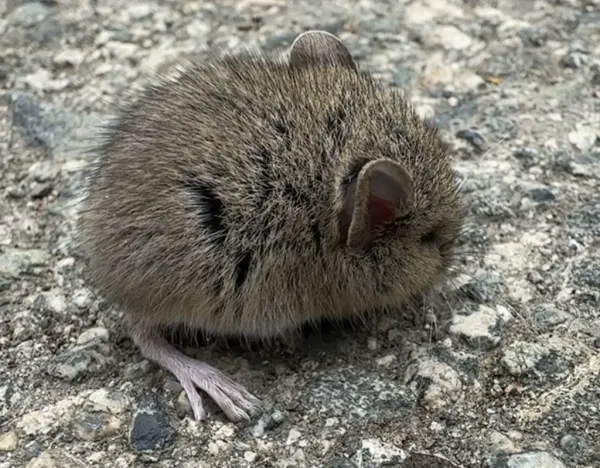
Western Harvest Mouse Coloration
Common color patterns to help identify western harvest mouse
Western Harvest Mouse
Seasonal Activity
When western harvest mouse are most active throughout the year
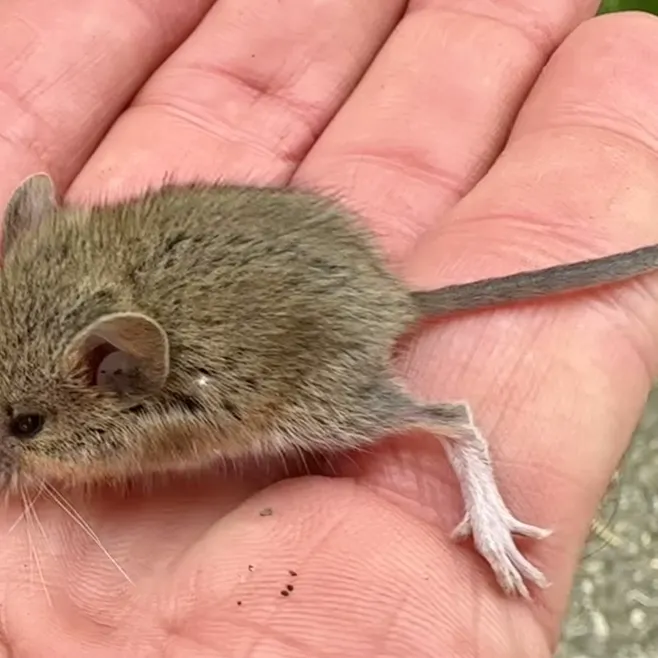
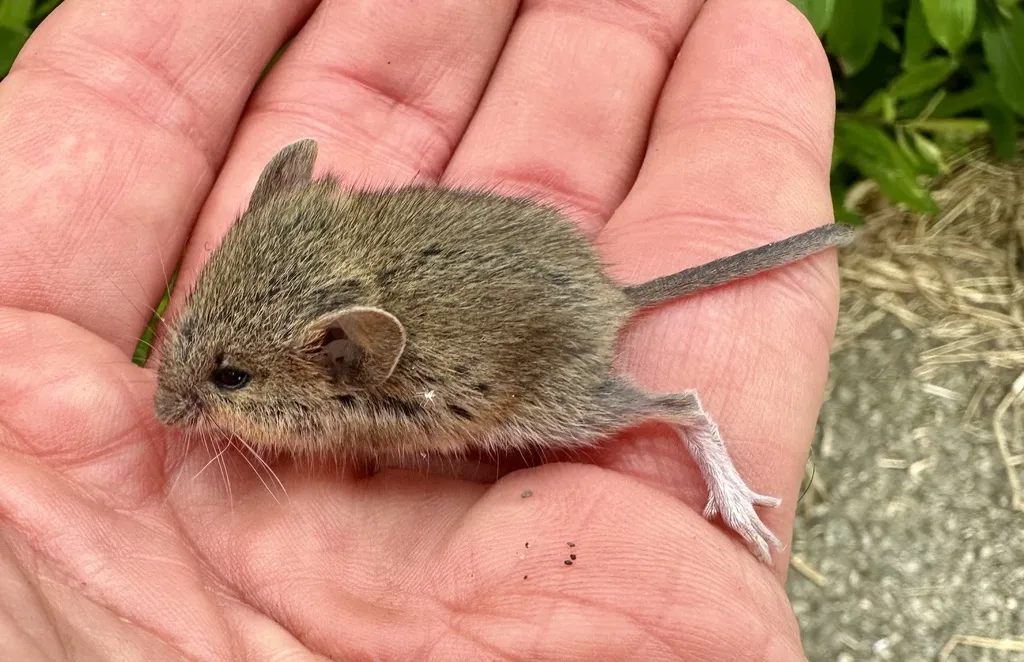
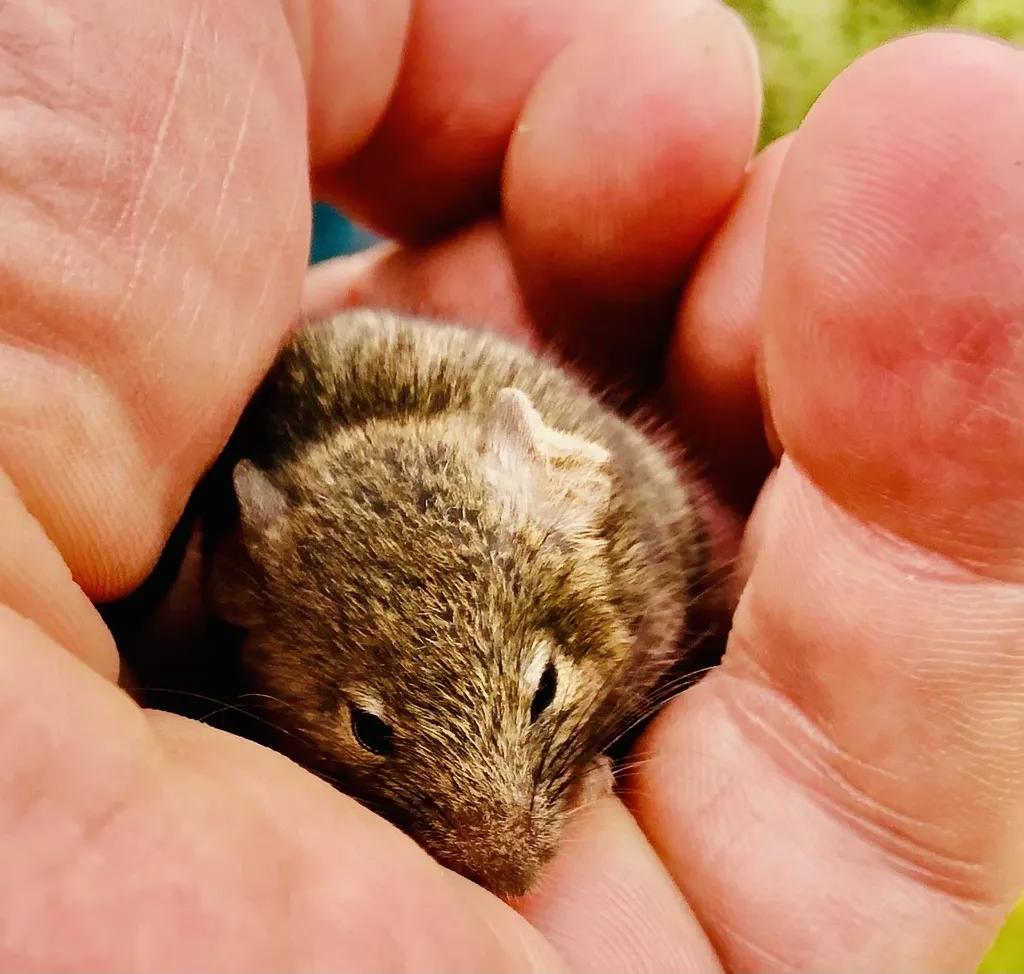

Where Western Harvest Mouse Are Found
Hover over states to see their names. Green regions indicate where western harvest mouse have been reported.
Western Harvest Mouse Identification Guide
Physical Characteristics
The western harvest mouse (Reithrodontomys megalotis) is one of the smallest rodents in North America. Adults are 4.5 to 6.7 inches long from nose to tail tip. The tail makes up about half of that length. They weigh only 0.3 to 0.5 ounces (8-15 grams). That makes them much smaller than most mice you would find inside a home.
Key identification features include:
- Tawny to brown fur on top with a faint dark stripe down the middle of the back
- Buff or orange-tinted sides that fade into a white or cream belly
- Two-toned tail that is darker on top and lighter below, with thin fur
- Small, rounded ears that are smaller than those of deer mice
- Dark, large eyes built for seeing at night
- Grooved upper front teeth, the key feature of all Reithrodontomys species
The grooved front teeth are the best way to confirm the species. Each upper front tooth has a groove running down its face. House mice, deer mice, and voles do not have this trait.
Distinguishing Western Harvest Mice from Similar Rodents
Several small rodents look like the western harvest mouse. Here is how to tell them apart:
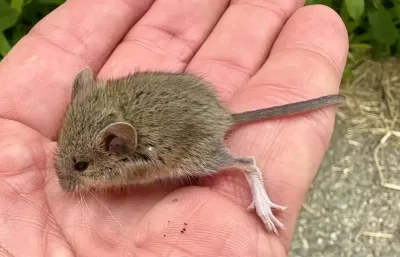
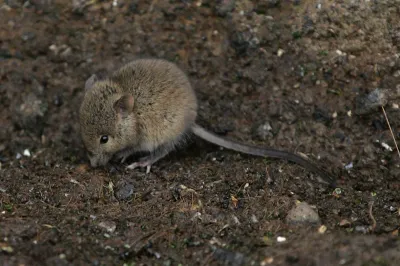
Compared to House Mouse: House mice are a bit larger. They have a nearly hairless tail that is one color and no back stripe. House mice live in and around buildings. Harvest mice prefer to stay outside. House mice also lack grooved front teeth.
Compared to Deer Mouse: Deer mice are bigger with larger ears and eyes. Their tails have more fur. Deer mice have bright white feet, while harvest mouse feet are less white. Deer mice do not have grooved front teeth.
Compared to Meadow Vole: Voles have a thicker body, much shorter tails, blunt snouts, and rougher fur. Voles make visible runways through grass. Their body shape is very different from the slim harvest mouse.
Compared to Other Harvest Mice: Several Reithrodontomys species look alike. The plains harvest mouse (R. montanus) is smaller with a shorter tail. The fulvous harvest mouse (R. fulvescens) is larger and more reddish. Telling these species apart often needs close study of the skull or genetic testing.
Western Harvest Mouse Behavior and Biology
Habitat Preferences
Western harvest mice live in grasslands and shrublands across western and central North America. Their range runs from southern British Columbia and Alberta through the western and central United States into central Mexico.
Preferred habitats include:
- Tallgrass and mixed-grass prairies
- Farm field edges and fencerows
- Sagebrush and dry shrublands
- Meadows and stream banks
- Weedy lots and overgrown fields
- Coastal dunes and salt-marsh edges in some areas
They need thick ground cover for protection from predators and for building nests. Areas that have been mowed, burned, or heavily grazed offer poor habitat because the cover is gone.
Nesting and Shelter
Western harvest mice build round ball-shaped nests woven from grass and plant fibers. These nests sit at ground level or just above it in thick plants. They may also use old bird nests or spaces under fallen logs. The nests are about the size of a baseball and have one or two small openings.
Unlike house mice, western harvest mice almost never nest inside walls or buildings. They stay outdoors, which makes them much less likely to become a problem in your home.
Diet and Feeding
Western harvest mice eat a mix of plant and animal foods that changes with the seasons:
- Seeds from grasses and wildflowers make up most of their diet all year
- Green leaves and stems, eaten more in spring and summer
- Insects and small bugs, especially in warmer months
- Stored seeds kept in or near their nests for winter
Because they are so small, they do not need much food. They mostly feed on the ground but can climb grass stems to reach seeds.
Reproduction and Life Cycle
Western harvest mice breed from early spring through late fall. The exact timing depends on where they live and local weather.
- Pregnancy length is about 23-24 days
- Litter size is 2-6 pups, usually 3-4
- Litters per year can reach 3-4 when conditions are good
- Age at maturity is about 4 months old
- Lifespan is usually less than 1 year in the wild
Their numbers can grow fast when there is plenty of cover and food. Owls, snakes, foxes, and other predators help keep populations from growing too large.
Activity Patterns
Western harvest mice are most active at night and around dawn and dusk. They rest in their nests during the day. This helps them avoid hawks and other daytime hunters.
They stay active all year and do not hibernate. In winter, they slow down in colder areas. During very cold weather, they huddle in their nests or seek out warmer spots.
Signs of Western Harvest Mouse Activity
Western harvest mice are small and active at night, so they can be hard to spot. Look for these signs:
Nests in Vegetation
Small, round grass nests about 3 inches across sitting at or near ground level in thick plants. You may find these nests when mowing, clearing brush, or working in garden beds.
Droppings
Tiny droppings smaller than a grain of rice, dark in color, and found along travel routes near dense cover or in outbuildings.
Tracks
Very small rodent tracks in soft soil or dust, with hind foot prints measuring less than half an inch.
Seed Caches
Small accumulations of seeds stored near nests or under objects on the ground.
Control Methods for Western Harvest Mice
Western harvest mice are wild grassland animals that rarely need to be controlled. When they do show up in sheds, storage areas, or gardens, common rodent control methods can work well.
Habitat Modification
Cutting back on conditions that attract mice is the best first step:
- Keep grass mowed short within a buffer zone of at least 3 feet around buildings and storage areas
- Remove dense vegetation and debris piles near foundations
- Store firewood, hay, and other materials away from building walls
- Clear weedy areas adjacent to gardens and outbuildings
- Manage ground cover to reduce concealment opportunities near structures
Exclusion
Keeping mice out of buildings is the best long-term fix:
- Seal gaps and cracks larger than 1/4 inch with steel wool, caulk, or hardware cloth
- Install door sweeps on exterior doors, especially garage and shed doors
- Screen vents and openings with 1/4-inch hardware cloth
- Repair damaged siding, soffits, and foundation gaps
Trapping
When removal is necessary, snap traps and live traps can be effective:
- Use small mouse-sized snap traps baited with peanut butter or seeds
- Place traps along walls, near cover, or along known travel routes
- Check traps at least once daily
- Live traps allow for relocation if preferred, since these are native wildlife
Sanitation
Cutting off food sources helps keep mice away:
- Store seeds, grains, and pet food in sealed rodent-proof containers
- Clean up spilled birdseed from feeders regularly
- Remove fallen fruit and garden produce promptly
Prevention Tips
Most homeowners will never need to deal with western harvest mice. These steps can help avoid any problems:
- Keep plants trimmed back from the foundation of your home
- Check sheds and outbuildings a few times a year for signs of mice
- Keep storage areas neat and items off the floor when you can
- Fix moisture problems that make areas near buildings attractive to rodents
- Watch your garden for small rodent damage to seeds and young plants
Western harvest mice help spread seeds and serve as food for owls, hawks, snakes, and foxes. In most cases, having them near your property is not a problem. If you find signs of mice inside your home, a house mouse or deer mouse is a much more likely cause.
References
- Western Harvest Mouse - U.S. Fish & Wildlife Service
- Reithrodontomys megalotis - Animal Diversity Web
- Western Harvest Mouse Species Account - Natural History Museum of Utah
- COSEWIC Assessment: Western Harvest Mouse - Government of Canada
- Western Harvest Mouse Range Map - USGS
- Rodent Management Action Plan - Texas A&M AgriLife Extension
Other Rodents
Explore other species in the rodents family




Commonly Confused With
Western Harvest Mouse are often mistaken for these similar pests


Where Western Harvest Mouse Are Found
Hover over states to see their names. Green regions indicate where western harvest mouse have been reported.
Common Questions about Western Harvest Mouse
What does a western harvest mouse look like?
+
The western harvest mouse is one of the smallest rodents in North America, measuring about 4.5 to 6.7 inches total length including the tail. It has tawny brown fur on top with a faint dark stripe down the middle of its back, buff-colored sides, and a white or cream belly. Its tail is roughly half its total length and bicolored, darker on top and lighter underneath. The most reliable identification feature is grooved upper incisors, a trait unique to harvest mice in the genus Reithrodontomys.
Are western harvest mice dangerous?
+
Western harvest mice pose very little risk to humans. They are not aggressive and rarely enter homes. Unlike deer mice, they are not considered a significant carrier of hantavirus. However, like all wild rodents, they can carry external parasites such as fleas and ticks. If they do enter a building, their droppings and urine can contaminate food or surfaces.
Do western harvest mice come inside houses?
+
Western harvest mice are not commensal rodents and strongly prefer outdoor grassland habitats. They may occasionally enter garages, sheds, or outbuildings during severe cold or drought, but this is uncommon compared to house mice or deer mice. If you find small mice inside your home, they are far more likely to be house mice or deer mice.
What do western harvest mice eat?
+
Their diet consists primarily of seeds from grasses and forbs, supplemented by green plant material and small insects. They are opportunistic feeders and shift their diet seasonally. In spring and summer they eat more insects and green vegetation, while seeds become the primary food source in fall and winter.
Where do western harvest mice live?
+
Western harvest mice inhabit grasslands, prairies, meadows, agricultural field edges, and shrub-steppe across western and central North America. They build small, round nests from woven grass, typically at ground level or just above it in dense vegetation. They prefer areas with thick ground cover that provides protection from predators.
How do I tell a western harvest mouse from a house mouse?
+
Western harvest mice are generally smaller and have a bicolored tail that is furred, unlike the nearly hairless, uniformly colored tail of a house mouse. Harvest mice also have a faint dark stripe running down their back that house mice lack. The definitive difference is the grooved upper incisors found only in harvest mice, though this requires close examination. House mice are also far more likely to be found inside buildings.
Are western harvest mice active at night?
+
Yes, western harvest mice are primarily nocturnal and crepuscular, meaning they are most active during the night and around dawn and dusk. During the day they rest in their grass nests, which helps them avoid daytime predators like hawks and snakes.
How fast do western harvest mice reproduce?
+
Western harvest mice breed from early spring through late autumn. Females have a gestation period of about 23 to 24 days and produce litters of 2 to 6 pups. They can have multiple litters per breeding season. Young mice reach sexual maturity within a few months, though most wild individuals live less than one year.

With five years of hands-on experience in the pest control industry, George Schulz is a registered technician with the Virginia Pest Management Association and a proud third-generation professional in a family business that's been protecting homes for over 57 years. He manages and trains a team of service pros while also leading internal research efforts—recently spearheading a deep-dive review of thousands of documents on pest control materials to hand-pick the most kid and pet friendly, most effective solutions tailored specifically for homes in the DC metro area.