Thirteen-Lined Ground Squirrel Identification Guide
Ictidomys tridecemlineatus
The thirteen-lined ground squirrel is a small striped rodent native to North American grasslands and prairies. Also known as the striped gopher or leopard ground squirrel, these burrowing animals can damage lawns, gardens, and golf courses with their extensive tunnel systems.
Taxonomy
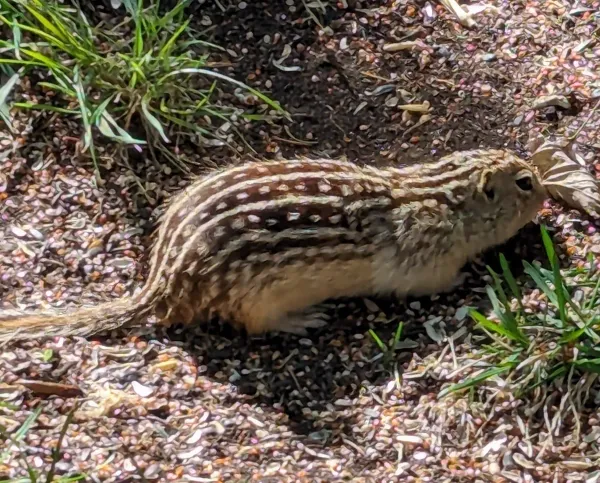
Thirteen-Lined Ground Squirrel Coloration
Common color patterns to help identify thirteen-lined ground squirrel
Thirteen-Lined Ground Squirrel
Seasonal Activity
When thirteen-lined ground squirrel are most active throughout the year

Where Thirteen-Lined Ground Squirrel Are Found
Hover over states to see their names. Green regions indicate where thirteen-lined ground squirrel have been reported.
Thirteen-Lined Ground Squirrel Identification Guide
Physical Characteristics
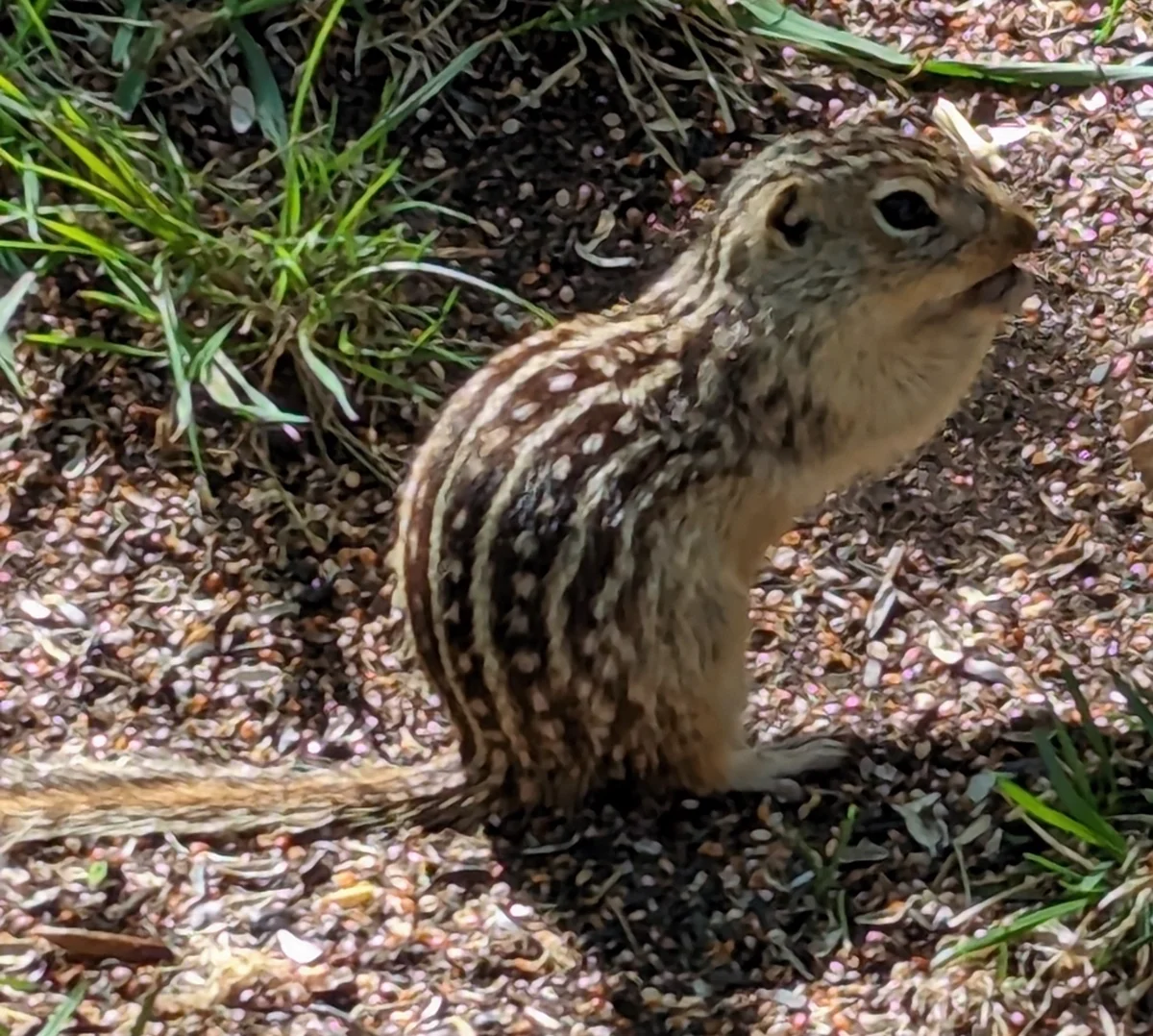
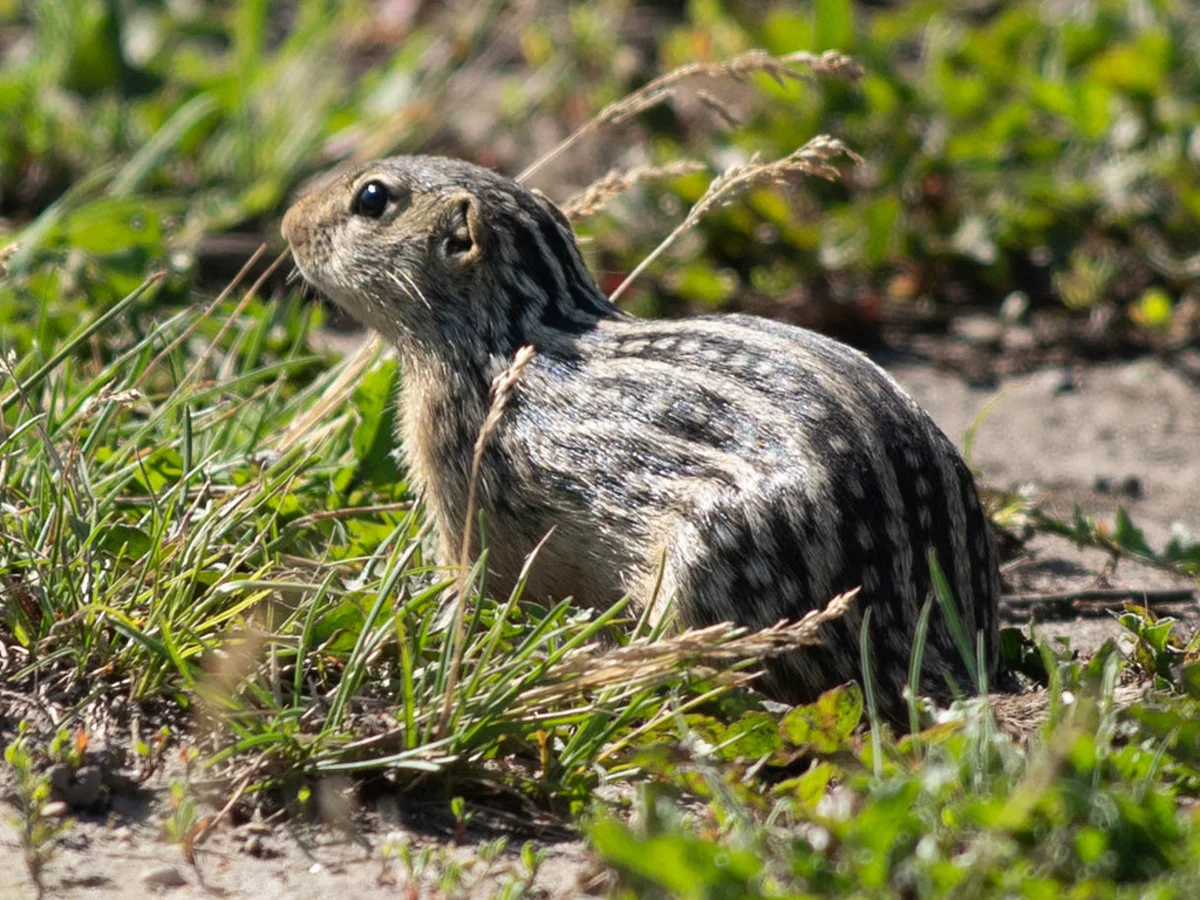
The thirteen-lined ground squirrel (Ictidomys tridecemlineatus) is a small ground squirrel found in the grasslands of central North America. These animals have 13 light and dark stripes on their backs. Five of the light stripes have rows of pale spots, giving them a leopard-like look.
Key features to look for:
- Body length: 4.5 to 6.5 inches plus a 2.5 to 5 inch tail
- Total length: About 11 inches from nose to tail tip
- Weight: 4 to 5 ounces in spring. They double their weight by fall.
- Color: Tan to brown on top with a white or cream belly
- Stripes: 13 dark and light lines with spots in 5 of the light stripes
- Head: Small with large dark eyes, small rounded ears, and cheek pouches
- Tail: Thin and slightly bushy. Held flat when running.
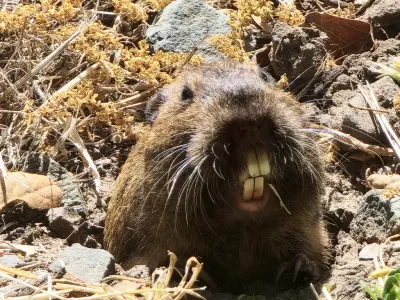
These squirrels go by other names too: striped gophers, leopard ground squirrels, or squinnies. Do not confuse them with true gophers. Gophers are larger burrowing rodents with very different body shapes.
Distinguishing from Similar Species
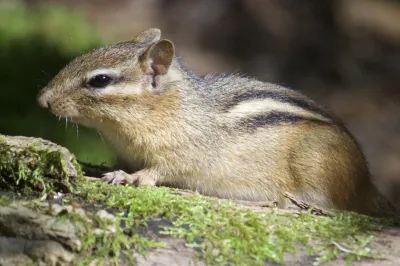
Thirteen-Lined Ground Squirrel vs. Chipmunk: People often mix these up with eastern chipmunks. Here are the key differences:
- Chipmunks have stripes on their faces that go through their eyes. Ground squirrels do not.
- Chipmunks are smaller at 5 to 6 inches total length.
- When scared, chipmunks hold their tails up. Ground squirrels run with tails flat along the ground.
- Chipmunks live in wooded or brushy areas. Ground squirrels prefer open grasslands.
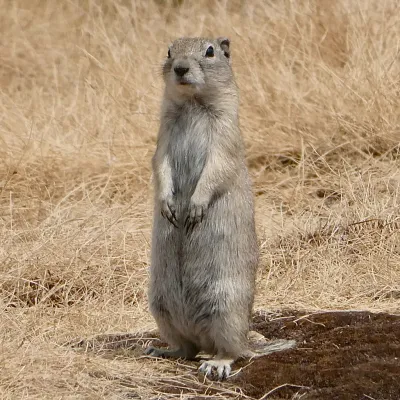
Thirteen-Lined Ground Squirrel vs. Richardson’s Ground Squirrel: Richardson’s ground squirrels are larger. They lack the stripe pattern and have grayish-brown fur.
Thirteen-Lined Ground Squirrel Behavior and Biology
Habitat Preferences
These squirrels used to live only in the prairies of the Great Plains. As forests were cleared for farming, they spread to new areas. Today they live anywhere with short grass.
Preferred habitats include:
- Golf courses and country clubs
- Cemeteries and memorial parks
- Athletic fields and schoolyards
- Parks and recreational areas
- Manicured residential lawns
- Roadside ditches and rights-of-way
- Pastures and agricultural field edges
These squirrels avoid wet areas with heavy clay soils. They prefer sandy or loamy soils that are easy to dig. They need short grass so they can watch for predators.
Burrow Structure
These ground squirrels are skilled diggers. They build large underground tunnel systems. A typical burrow runs 15 to 20 feet long with several side tunnels. Most tunnels are just 1 to 2 feet below the surface. Only the winter sleeping chamber is dug deeper.
Unlike many other burrowing rodents, their burrow openings are hard to spot:
- Entrance holes are about 2 inches in diameter
- There is typically no mound of excavated soil at the entrance
- Openings are often concealed by grass or vegetation
- Multiple entrances provide escape routes from predators
Daily Activity Patterns
Thirteen-lined ground squirrels are active only during the day. They come out when:
- The sun is high in the sky
- Temperatures are above 80 degrees Fahrenheit
- Weather is clear and dry
They rarely come out on damp, dark, or cloudy days. They start moving well after sunrise and go back in long before dark. You might see them:
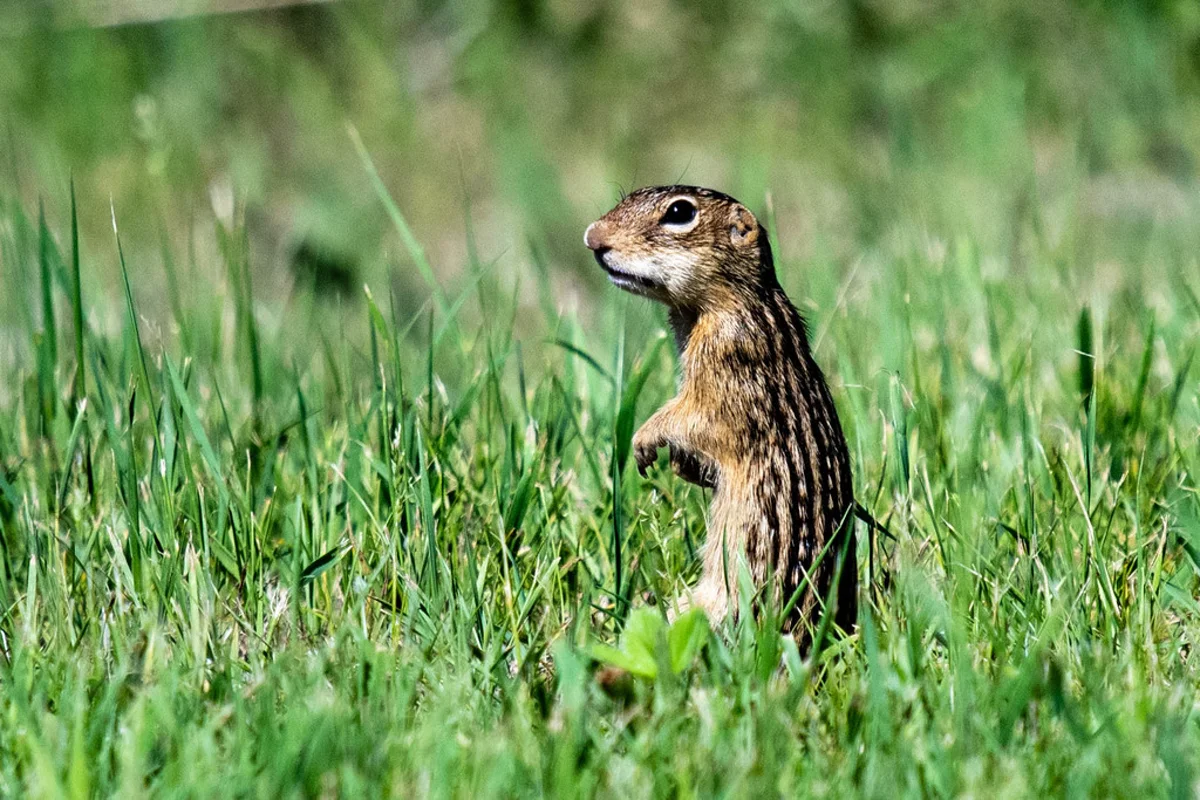
- Standing upright on hind legs with front paws held close to the chest, surveying for danger
- Foraging for seeds, insects, and vegetation
- Sunbathing near burrow entrances
- Chasing other squirrels during territorial disputes
When threatened, they run to the nearest burrow with their tail held horizontally, often giving a trilling alarm call.
Hibernation
Thirteen-lined ground squirrels are true hibernators. They have one of the deepest sleep states of any mammal.
- Hibernation starts: September to early October
- They wake up: Late March to early May
- How long: Over 6 months without food or water
- Body temperature: Drops to just 34 to 37 degrees Fahrenheit
- Heart rate: Slows from 200 beats per minute down to just 5
- Breathing: Slows to one breath every 5 minutes
Males go into hibernation earlier in fall. They also wake up earlier in spring than females. Before winter, these squirrels must gain a lot of weight. They double their body weight in late summer and fall. This stored fat keeps them alive through winter.
Diet
Thirteen-lined ground squirrels eat both plants and animals. Their diet changes with the seasons.
Plant Foods:
- Seeds and grains (main food, especially in fall)
- Grasses and grass seeds
- Garden vegetables
- Flower bulbs and seedlings
- Clover, dandelions, and other plants
- Berries and fruits
Animal Foods:
- Grasshoppers and crickets
- Beetle larvae and caterpillars
- Earthworms
- Bird eggs from ground nests
- Small mice and voles
- Small lizards
In summer, bugs can make up half their diet. This helps farmers because they eat pest insects. But their eating of seeds and vegetables plus their burrow damage causes problems for most property owners.
Reproduction
Breeding happens soon after they wake up from hibernation in spring.
- Mating: April to May
- Pregnancy: 27 to 28 days
- Litter size: 6 to 13 young. Average is 8 to 10.
- Litters per year: Usually 1. Sometimes 2 in the south.
- At birth: Young are hairless and blind
- Eyes open: Around 28 days old
- Weaning: 6 weeks old
- Leave the nest: 8 to 10 weeks old
Young squirrels must gain enough weight in their first summer to survive winter. Those that do not store enough fat rarely make it through.
Property Damage and Concerns
Types of Damage
These squirrels can cause real damage to homes and businesses:
Lawn and Turf Damage:
- Burrow holes make lawns look bad
- Tunnels cause bumpy, uneven ground
- Dug-up soil can kill grass
- Digging for grubs hurts plant roots
Garden Damage:
- They eat seeds before they sprout
- They eat young vegetable plants
- They dig up and eat flower bulbs
- They take ripe vegetables and fruits
Structural Concerns:
- Burrows can weaken sidewalks, driveways, and patios
- Tunnels near foundations may hurt drainage
- They damage dikes and berms
- They chew on irrigation tubes and drip lines
Tripping Hazards:
- Burrow holes pose risks in parks, athletic fields, and golf courses
- Can be dangerous in areas with foot traffic or sporting activities
- Horses and livestock may step in holes and injure legs
When Damage Is Most Likely
Damage peaks at two times of year:
- Spring: After waking up, squirrels search for food and expand their burrows
- Late Summer/Fall: They gather and store food before winter
Management Approaches
Since these squirrels are wildlife, control often needs special methods. Several approaches can help reduce their numbers and the damage they cause:
Habitat Modification
Making your yard less appealing can keep them away:
- Allow grass to grow taller (6 inches or more) in non-manicured areas
- Remove brush piles and debris that provide cover
- Reduce food sources by controlling insect populations and removing spilled birdseed
- Eliminate standing water sources
Exclusion
Physical barriers can protect specific areas:
- Hardware cloth fencing with 1/2 inch mesh buried 6 to 12 inches deep
- Fencing should rise at least 18 inches above ground
- Works well for gardens, flower beds, and small areas
- Not practical for large lawns or open spaces
Burrow Destruction
On farms, deep tilling can destroy burrows and break up their habitat. This works best before spring when squirrels are still hibernating.
Professional Wildlife Control
For ongoing problems or large numbers of squirrels, licensed wildlife control pros can help with:
- Checking how many squirrels you have and how much damage
- Legal control methods allowed by your state
- Long-term plans to manage the problem
- Tips on changing your yard to discourage them
Some states list these squirrels as non-game wildlife with rules about how you can control them. Always check your local and state laws before trying any control methods.
Geographic Distribution
These squirrels live across the Great Plains and Midwest in North America. Their range covers:
- North: Central Alberta, Saskatchewan, and Manitoba in Canada
- South: Central Texas, down to the Gulf Coast
- East: Central Ohio. A small group was brought to Pennsylvania.
- West: Colorado, Montana, and parts of Arizona and New Mexico
The species keeps spreading east and north as people clear forests. They now live in areas where they did not exist before. In the western states, California ground squirrels fill a similar ecological role, while Franklin’s ground squirrels prefer the taller grass habitats of the tallgrass prairies.
References
- Thirteen-Lined Ground Squirrels - Internet Center for Wildlife Damage Management
- The Thirteen-Lined Ground Squirrel: Controlling Damage - University of Nebraska-Lincoln Extension
- Thirteen-Lined Ground Squirrel Biology - ICWDM
- Thirteen-lined ground squirrel - Wikipedia
- Spermophilus tridecemlineatus - Animal Diversity Web
- Thirteen-Lined Ground Squirrel Range Map - U.S. Geological Survey
Other Rodents
Explore other species in the rodents family
Commonly Confused With
Thirteen-Lined Ground Squirrel are often mistaken for these similar pests
Where Thirteen-Lined Ground Squirrel Are Found
Hover over states to see their names. Green regions indicate where thirteen-lined ground squirrel have been reported.
Common Questions about Thirteen-Lined Ground Squirrel
How can I identify a thirteen-lined ground squirrel?
+
Look for a small squirrel with 13 alternating light and dark stripes running down its back. Five of the light-colored stripes contain rows of light spots, giving them a distinctive spotted appearance. Their belly is white or cream colored, and adults are about 11 inches long including a 5-inch tail.
Are thirteen-lined ground squirrels the same as chipmunks?
+
No. While both have stripes, chipmunks are smaller and have facial stripes that extend through their eyes. When startled, ground squirrels run with their tails held horizontally along the ground, while chipmunks carry their tails upright. Ground squirrels also prefer open grasslands rather than wooded areas.
Do thirteen-lined ground squirrels hibernate?
+
Yes. They are true hibernators that enter their burrows in September or October and do not emerge until late March to early May. During hibernation, their body temperature can drop to just above freezing, and they survive for over six months without food or water.
What damage do thirteen-lined ground squirrels cause?
+
Their burrows create tripping hazards in lawns, parks, golf courses, and athletic fields. They damage gardens by eating seeds, vegetables, and flower bulbs. Their digging can undermine foundations, driveways, and earthen dikes. They may also gnaw on irrigation systems and landscaping.
What do thirteen-lined ground squirrels eat?
+
They are omnivores that eat seeds, grains, grasses, garden vegetables, and flowers. During summer, insects can make up half their diet, including grasshoppers and beetle larvae. They also eat earthworms, small mice, bird eggs, and even small lizards to obtain protein.
Where do thirteen-lined ground squirrels live?
+
They prefer open areas with short grass such as golf courses, cemeteries, parks, lawns, roadside ditches, and pastures. They avoid wet areas with heavy clay soils. Originally native to the Great Plains prairies, they have expanded their range as forests were cleared for agriculture.
Are thirteen-lined ground squirrels protected?
+
They are not protected by federal law, but some states have regulations regarding non-game wildlife. Some states like Georgia and Arkansas require permits to control non-game animals. Check your local and state regulations before attempting any control measures.
How can I tell if I have ground squirrel burrows?
+
Their burrow entrances are about 2 inches in diameter and are often concealed by vegetation. Unlike other rodent burrows, there is rarely a mound of dirt in front of the opening. Burrows can extend 15 to 20 feet with multiple side passages, mostly within 1 to 2 feet of the surface.

With five years of hands-on experience in the pest control industry, George Schulz is a registered technician with the Virginia Pest Management Association and a proud third-generation professional in a family business that's been protecting homes for over 57 years. He manages and trains a team of service pros while also leading internal research efforts—recently spearheading a deep-dive review of thousands of documents on pest control materials to hand-pick the most kid and pet friendly, most effective solutions tailored specifically for homes in the DC metro area.