Rock Squirrel Identification Guide
Otospermophilus variegatus
Rock squirrels are large, burrowing ground squirrels found across the southwestern United States and Mexico. They live among rocky outcrops and can damage gardens, orchards, and irrigation systems through their digging and foraging.
Taxonomy
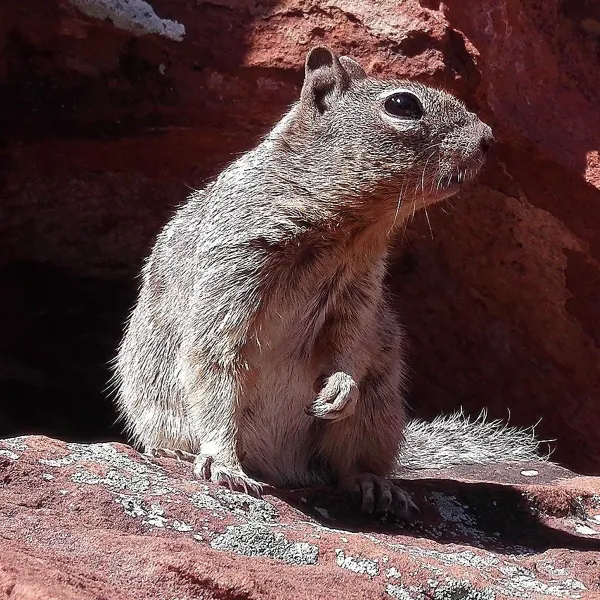
Rock Squirrel Coloration
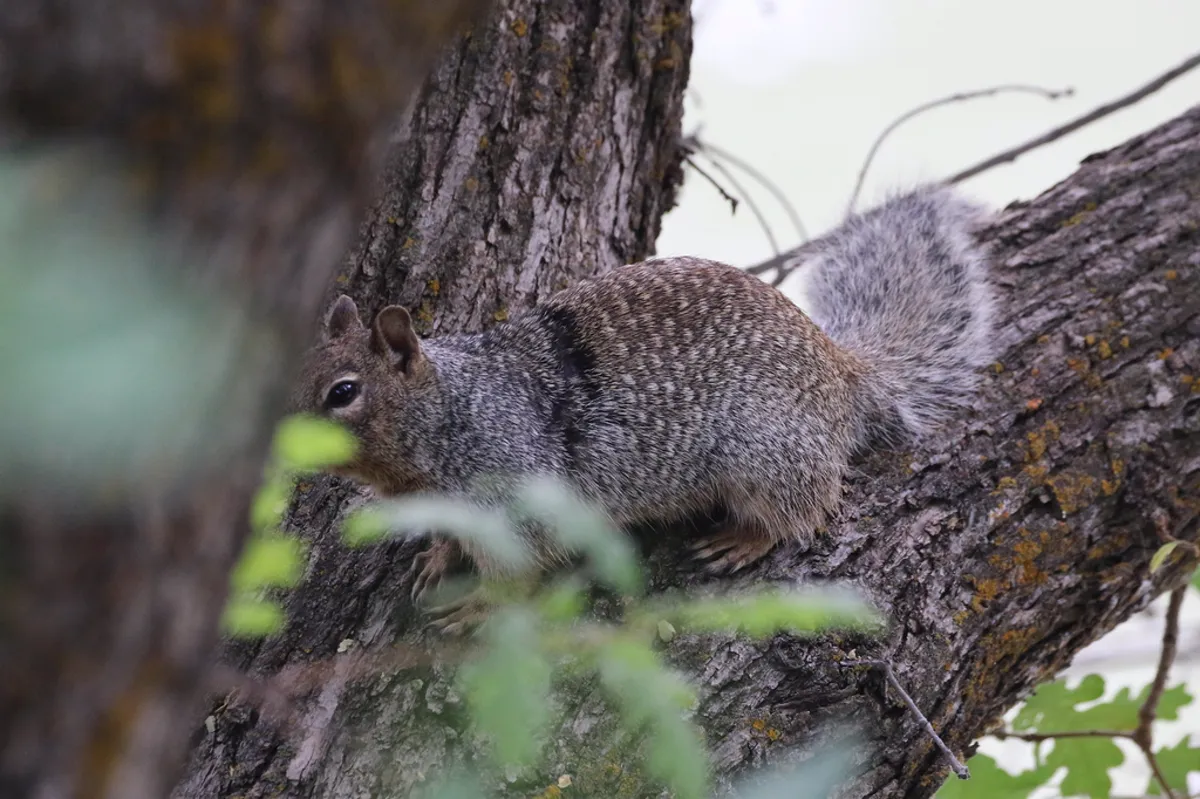
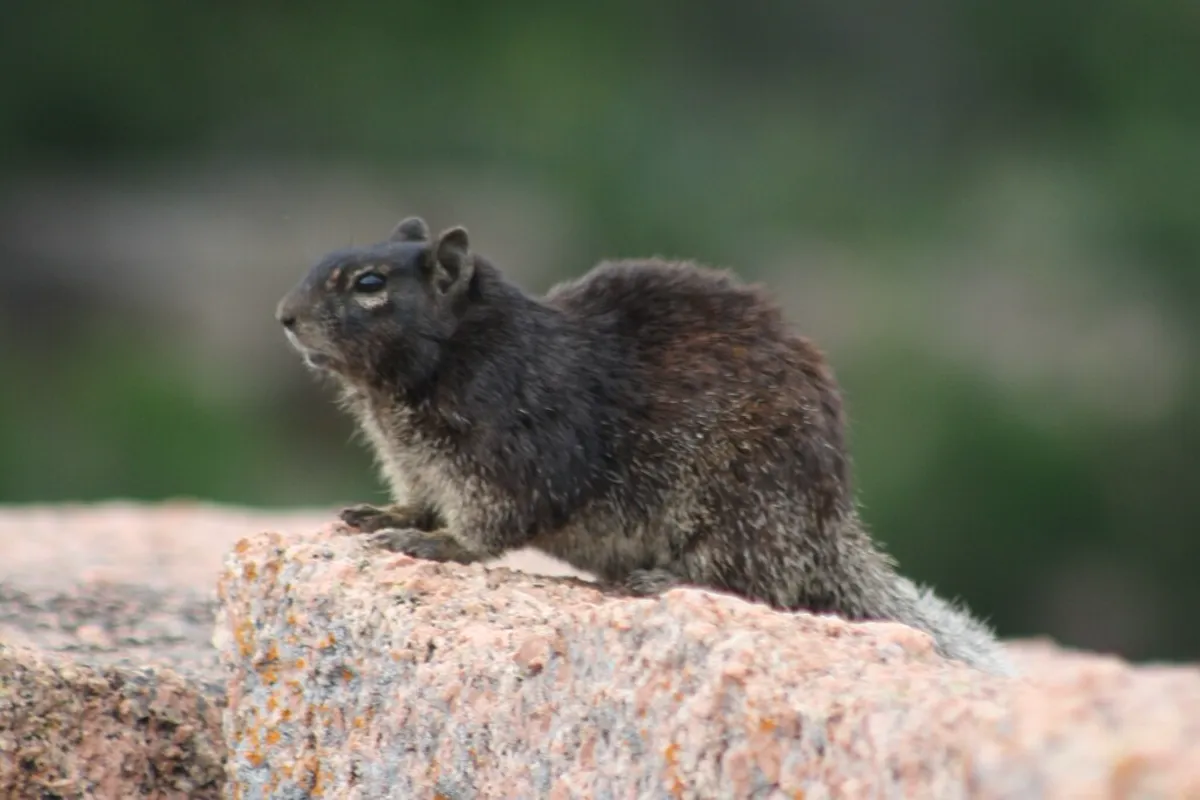
Common color patterns to help identify rock squirrel
Rock Squirrel
Seasonal Activity
When rock squirrel are most active throughout the year

Where Rock Squirrel Are Found
Hover over states to see their names. Green regions indicate where rock squirrel have been reported.
Rock Squirrel Identification Guide
Physical Characteristics
Rock squirrels are one of the largest ground squirrels in North America. Adults measure 17 to 21 inches long from nose to tail tip. The tail alone is 7 to 10 inches. They weigh about 1.3 to 1.9 pounds.
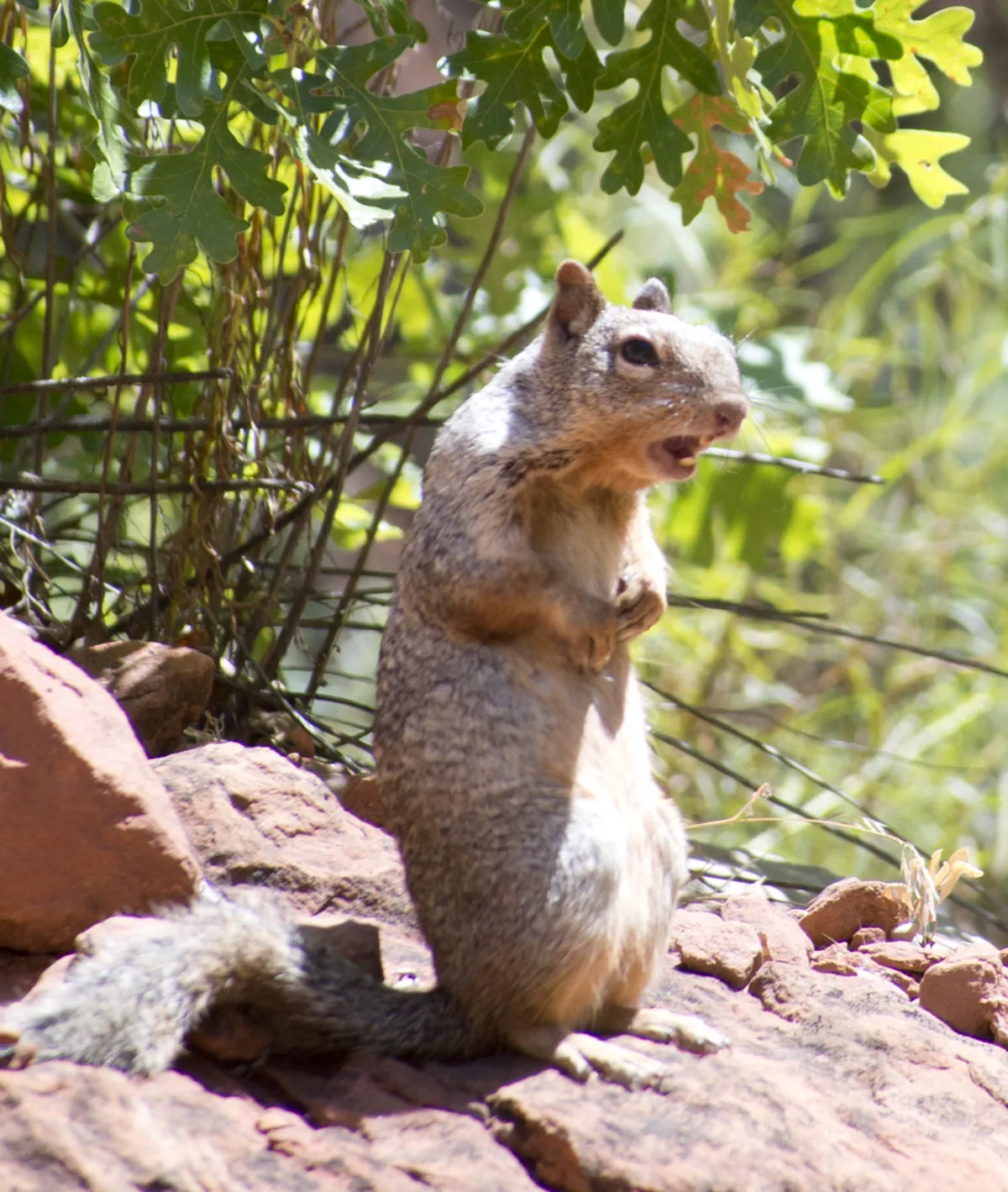
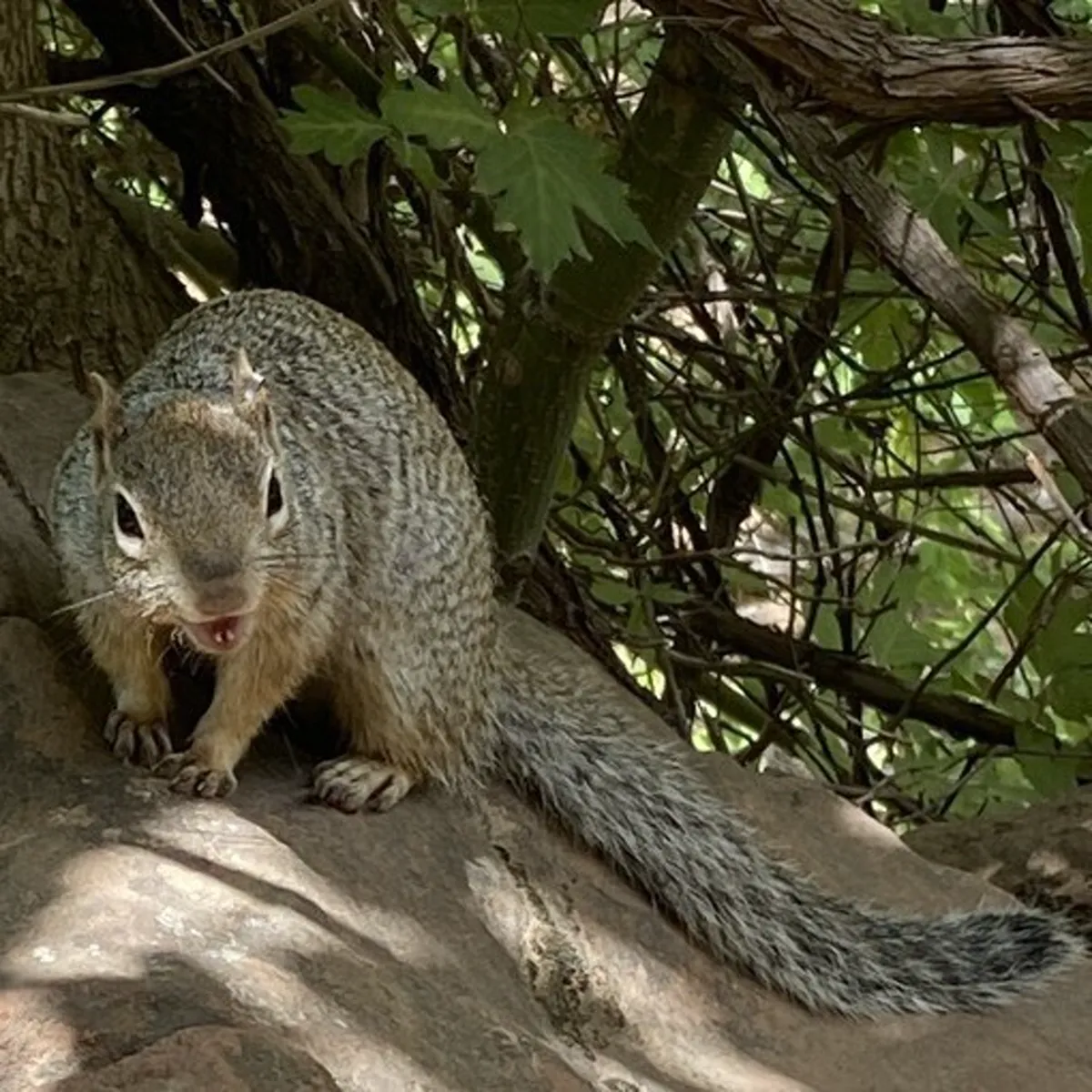
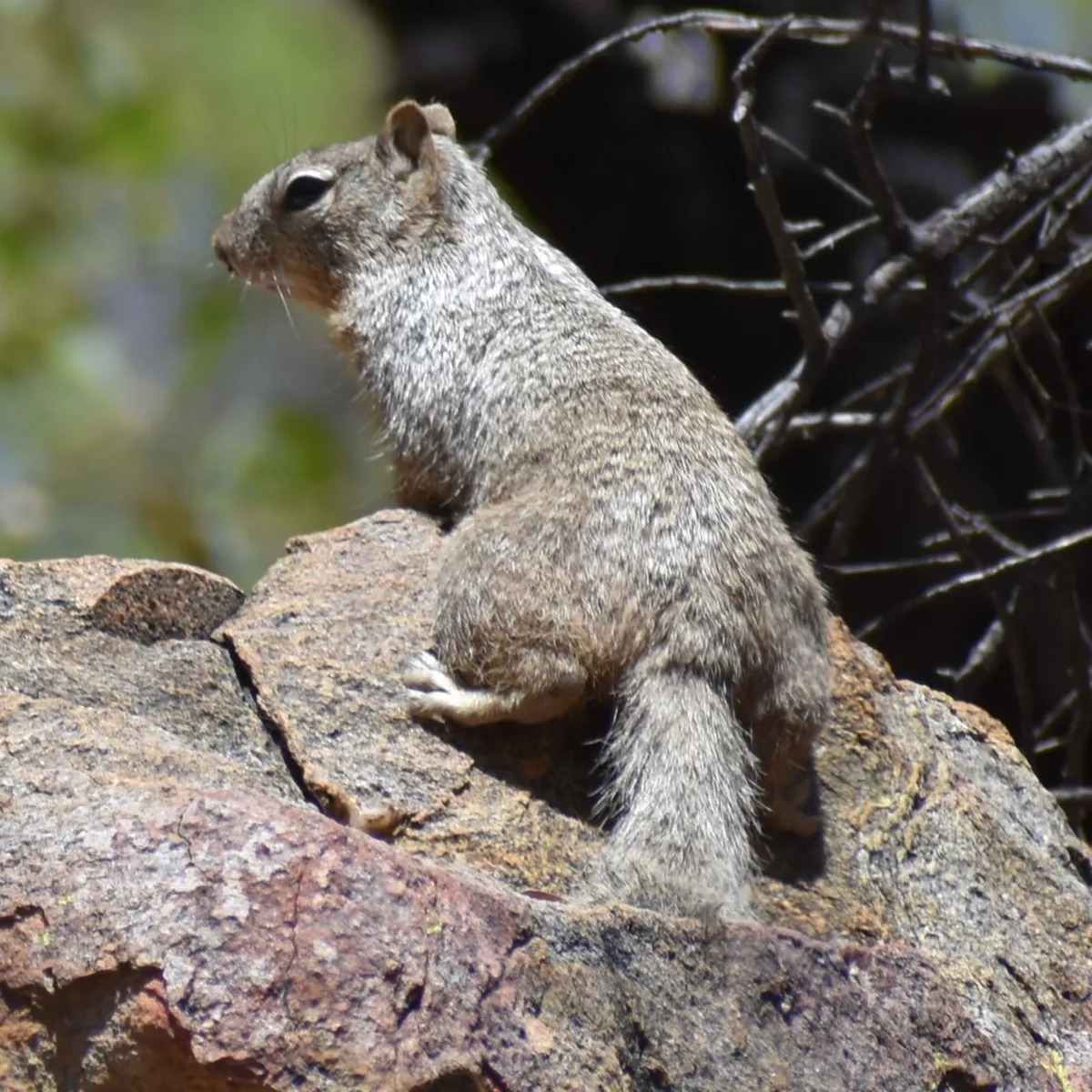
Their fur has a mottled or speckled look. The front half of the body is grayish with dark flecks. The back half shifts to a brown or reddish-brown tone. The belly is pale buff or cream. Their bushy tail has lighter edges that give it a frosted look.
One of the best ways to identify a rock squirrel is by its ears. They stick up above the top of the head and are easy to spot. Rock squirrels also have large, dark eyes, often with a lighter ring around them. Males tend to be larger than females.
How to Tell Rock Squirrels Apart from Similar Species
Rock squirrels are often confused with other squirrels, but a few key details help with identification:
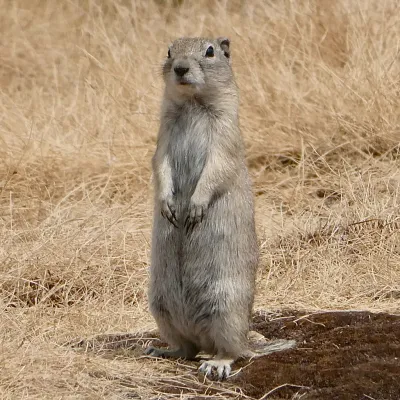
- California ground squirrels are similar in size but prefer open grasslands and farm fields over rocky areas. They usually have a light patch on the shoulders and neck. Rock squirrels have a more even mottled pattern.
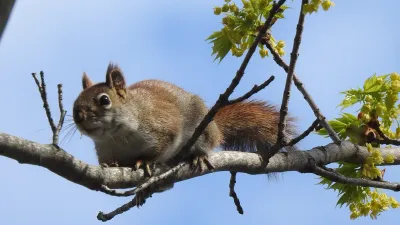
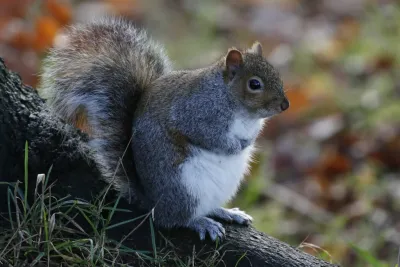
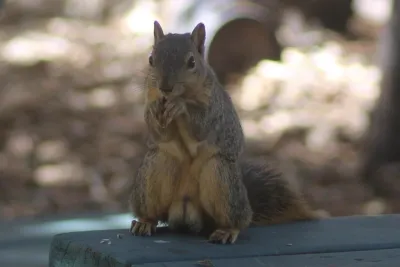
- Eastern gray squirrels and fox squirrels are tree squirrels with fluffier tails. They live in wooded areas and climb trees when scared. Rock squirrels run to rock crevices or burrows instead.
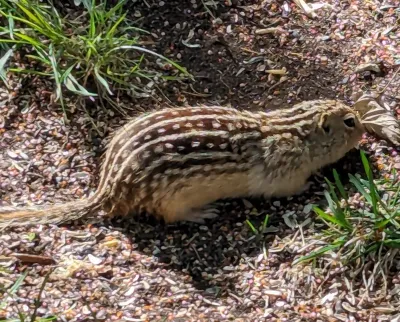
- Thirteen-lined ground squirrels are much smaller. They have bold light and dark stripes on their backs, which makes them easy to tell apart from the speckled rock squirrel.
The best clue is habitat. If you see a large ground squirrel sitting on a boulder, cliff edge, or rock wall in the Southwest, it is most likely a rock squirrel.
Rock Squirrel Behavior and Biology
Habitat and Burrowing
Rock squirrels need rocky places to thrive. You can find them in:
- Canyon walls and cliff faces
- Rocky slopes and boulder fields
- Rock piles, stone walls, and road fills
- Rocky banks along streams and washes
- Desert scrub with scattered rock outcrops
They dig burrows under rocks or in natural crevices. Their burrow systems can have multiple entrances and go several feet deep. Where many rock squirrels live close together, burrow networks may connect into loose colonies. Unlike prairie dogs, rock squirrels do not form large, tightly organized groups. Some live alone while others share overlapping home ranges.
Diet and Foraging
Rock squirrels eat both plants and animals. What they eat changes with the seasons:
- Seeds and nuts: Mesquite beans, pine nuts, acorns, and juniper seeds
- Fruits and vegetables: Cactus fruit, berries, and garden produce
- Green plants: Leaves, stems, and grasses, mostly in spring
- Insects and small animals: Grasshoppers, crickets, caterpillars, and sometimes bird eggs
Rock squirrels are good climbers. They will go up trees and shrubs to reach fruit and nuts. They use cheek pouches to carry food back to their burrows and store it for later.
Reproduction and Life Cycle
Rock squirrels can have two litters per year in many areas. The first litter is usually born between April and June. A second litter may follow in August or September. Each litter has 3 to 9 young.
Males compete for mates and roam farther during breeding season. Young squirrels grow fast and come out of the burrow within a few weeks. They can start breeding after their first year.
Seasonal Activity
How active rock squirrels are depends on where they live:
- March through October: This is when they are most active. They spend their time foraging, breeding, and keeping up their burrows.
- November through February: In cooler, higher areas, rock squirrels may go into short periods of sleep called torpor. This rest period is shorter than the deep hibernation of some other ground squirrels.
- Year-round: In warm desert areas of southern Arizona, New Mexico, and Mexico, rock squirrels may stay active all year. They only slow down during the hottest days.
Rock squirrels are active during the day, mostly in the morning and late afternoon. On hot days, they rest in the shade of their burrows or rock crevices.
Property Damage and Concerns
Structural and Landscape Damage
Rock squirrel burrowing can cause real problems for property owners in the Southwest. Their digging can weaken:
- Irrigation ditches and earthen dams, causing water loss and erosion
- Retaining walls and landscaping, especially rock walls they dig under
- Trail surfaces and paths, creating tripping hazards
- Highway fills and road shoulders in rural areas
Agricultural and Garden Impact
Rock squirrels can cause serious damage in orchards and gardens. They eat fruit right off the trees, dig up seeds, chew bark from young trees, and damage drip irrigation lines. Common targets include stone fruits, pecans, almonds, and garden vegetables.
Disease Risks
Rock squirrels and their fleas can carry Yersinia pestis, the bacterium that causes plague. In the Southwest, some human plague cases have been linked to contact with sick rock squirrels or their fleas.
Other health concerns include:
- Tularemia, a bacterial disease spread through flea bites or direct contact
- Flea problems that can spread to pets and other animals
- Tick-borne diseases from ticks that rock squirrels carry
If you find dead squirrels or notice a sudden die-off, do not touch them. Contact your local health department or wildlife agency right away. If you have health concerns after contact with wild rodents or their parasites, please see a doctor for medical advice.
Management Strategies for Rock Squirrels
Rock squirrels are wildlife. Managing them takes a different approach than dealing with house mice or rats. Using several methods together tends to work best.
Habitat Modification
You can make your property less appealing to rock squirrels:
- Remove unnecessary rock piles, brush, and debris near gardens or structures
- Keep vegetation trimmed low along property edges and near areas you want to protect
- Eliminate easy food sources like fallen fruit and accessible pet food
- Manage compost piles to prevent access
Exclusion
Physical barriers can protect high-value areas:
- Garden fencing: Use hardware cloth or wire mesh at least 4 feet tall with metal banding so they cannot climb over. Bury the bottom 12 inches to stop digging.
- Tree guards: Sheet metal tubes about 4 feet tall around tree trunks stop them from climbing to fruit and nuts.
- Foundation barriers: Wire mesh buried underground can keep them from burrowing near structures.
Professional Control Methods
When damage is ongoing or severe, licensed wildlife control professionals may use other methods:
- Trapping: Live traps or box traps can catch individual animals. Trapping works best in late winter or early spring before breeding season.
- Burrow treatment: Licensed applicators may use fumigants to treat active burrow systems on farms.
- Targeted baiting: Special rodenticides made for ground squirrels may be used in farm and orchard settings by licensed applicators who follow all label rules.
Legal Considerations
Rules about rock squirrel control vary by state and local area. In most states, rock squirrels are listed as nongame animals that you can control when they cause damage. However, local laws may limit which methods you can use. Always check with your state wildlife agency before taking action. For ongoing or large problems, a licensed wildlife control professional can look at your situation and use the right methods while following all local rules.
References
- Rock Squirrel - U.S. Fish & Wildlife Service
- Rock Squirrel - Animal Diversity Web
- Controlling Rock Squirrel Damage in New Mexico - NMSU Extension (CR-574)
- Rock Squirrel Range Map - U.S. Geological Survey
- Mammal Diversity Database - American Society of Mammalogists
- Rock Squirrel - New Hampshire PBS NatureWorks
- Plague Information - Centers for Disease Control and Prevention
Other Rodents
Explore other species in the rodents family
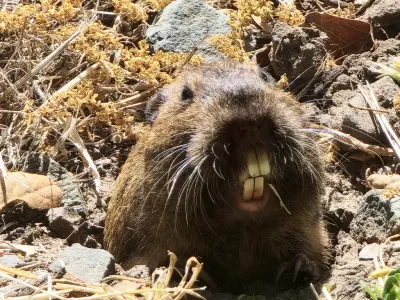
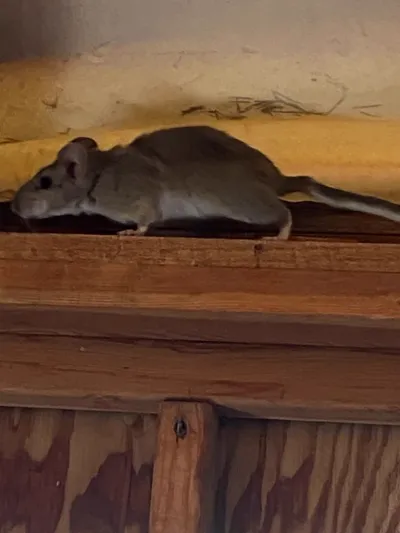
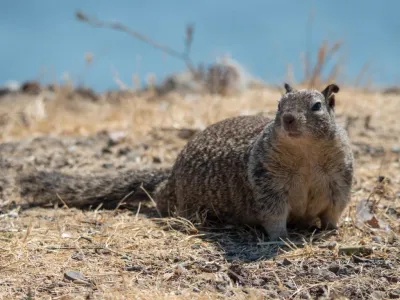
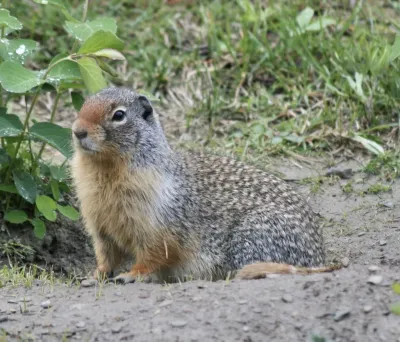
Commonly Confused With
Rock Squirrel are often mistaken for these similar pests
Where Rock Squirrel Are Found
Hover over states to see their names. Green regions indicate where rock squirrel have been reported.
Common Questions about Rock Squirrel
How can I tell a rock squirrel from a regular tree squirrel?
+
Rock squirrels are larger than most tree squirrels and have mottled grayish-brown fur with a speckled pattern on the back. Their ears are more prominent and project above the head. While they can climb trees, rock squirrels are almost always found near rocky outcrops, cliffs, or boulder piles rather than in forested areas.
Are rock squirrels dangerous?
+
Rock squirrels can carry diseases, most notably sylvatic plague spread by their fleas. In parts of the Southwest, rock squirrel die-offs have been linked to human plague exposure events. Avoid handling dead squirrels with bare hands and report unusual die-offs to local health authorities.
What kind of damage do rock squirrels cause?
+
Rock squirrels damage gardens and orchards by eating fruit, vegetables, and nuts. Their burrowing can undermine irrigation ditches, earthen dams, retaining walls, and trail surfaces. They also gnaw on bark and young trees, and can damage drip irrigation lines.
Where do rock squirrels live?
+
Rock squirrels are native to the southwestern United States and Mexico. They strongly prefer rocky habitats including cliff faces, canyon walls, talus slopes, boulder fields, and rock walls. They dig burrows under rocks or in crevices and may also use human-made rock structures like retaining walls or highway fills.
When are rock squirrels most active?
+
Rock squirrels are diurnal, meaning they are active during the day. They are most active in the morning and late afternoon. In northern and high-elevation parts of their range, they may enter a brief hibernation or torpor during winter months. In warmer areas, they can be active nearly year-round.
Do rock squirrels hibernate?
+
It depends on location. Populations in cooler, higher-elevation areas may enter short periods of torpor or hibernation from November through February. In warm, low-elevation areas of the Southwest and Mexico, rock squirrels often remain active throughout the year with only brief pauses during extreme heat.
How do I keep rock squirrels out of my garden?
+
Exclusion fencing with buried hardware cloth can protect garden areas. Tree trunk guards made from sheet metal cylinders about 4 feet tall can prevent climbing damage. Removing rock piles and debris near garden areas reduces shelter. For persistent problems, consult a licensed wildlife control professional.

With five years of hands-on experience in the pest control industry, George Schulz is a registered technician with the Virginia Pest Management Association and a proud third-generation professional in a family business that's been protecting homes for over 57 years. He manages and trains a team of service pros while also leading internal research efforts—recently spearheading a deep-dive review of thousands of documents on pest control materials to hand-pick the most kid and pet friendly, most effective solutions tailored specifically for homes in the DC metro area.