Meadow Vole Identification Guide
Microtus pennsylvanicus
The meadow vole is a small, stocky rodent found throughout North America. Known for their prolific breeding and appetite for grass and garden plants, meadow voles create distinctive runway systems through lawns and can cause significant damage to turf, ornamental plantings, and orchards.
Taxonomy
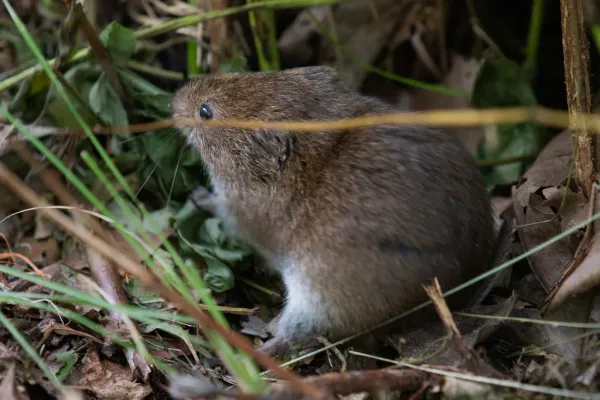
Meadow Vole Coloration
Common color patterns to help identify meadow vole
Meadow Vole
Seasonal Activity
When meadow vole are most active throughout the year
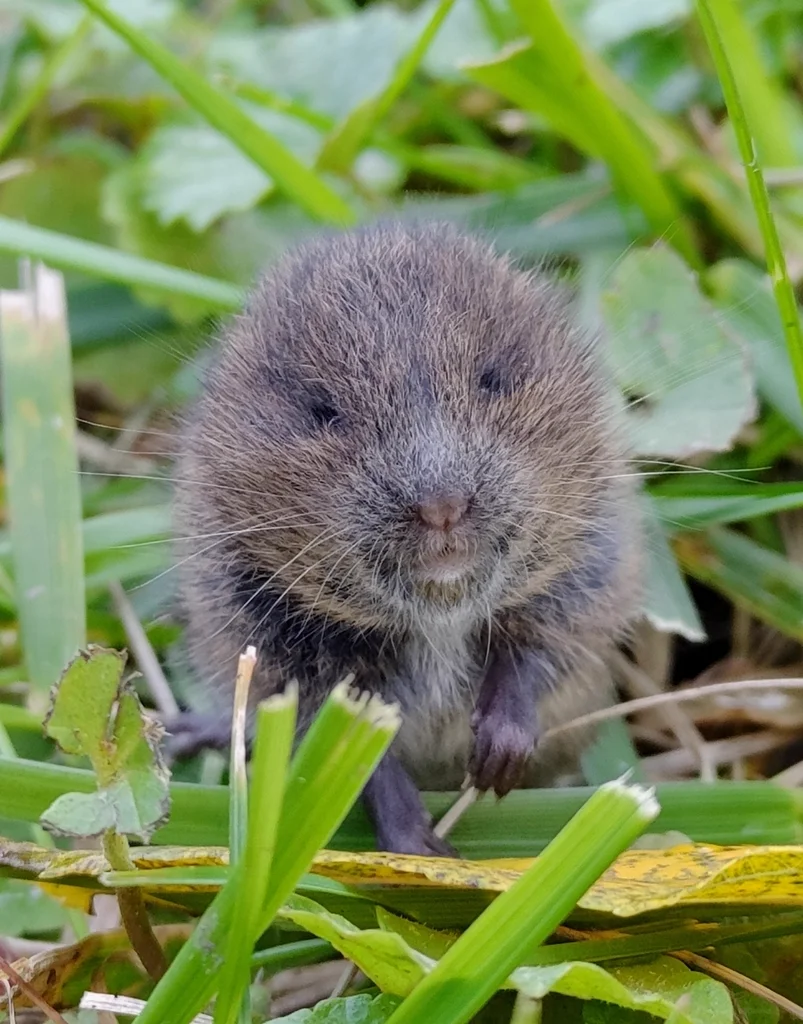
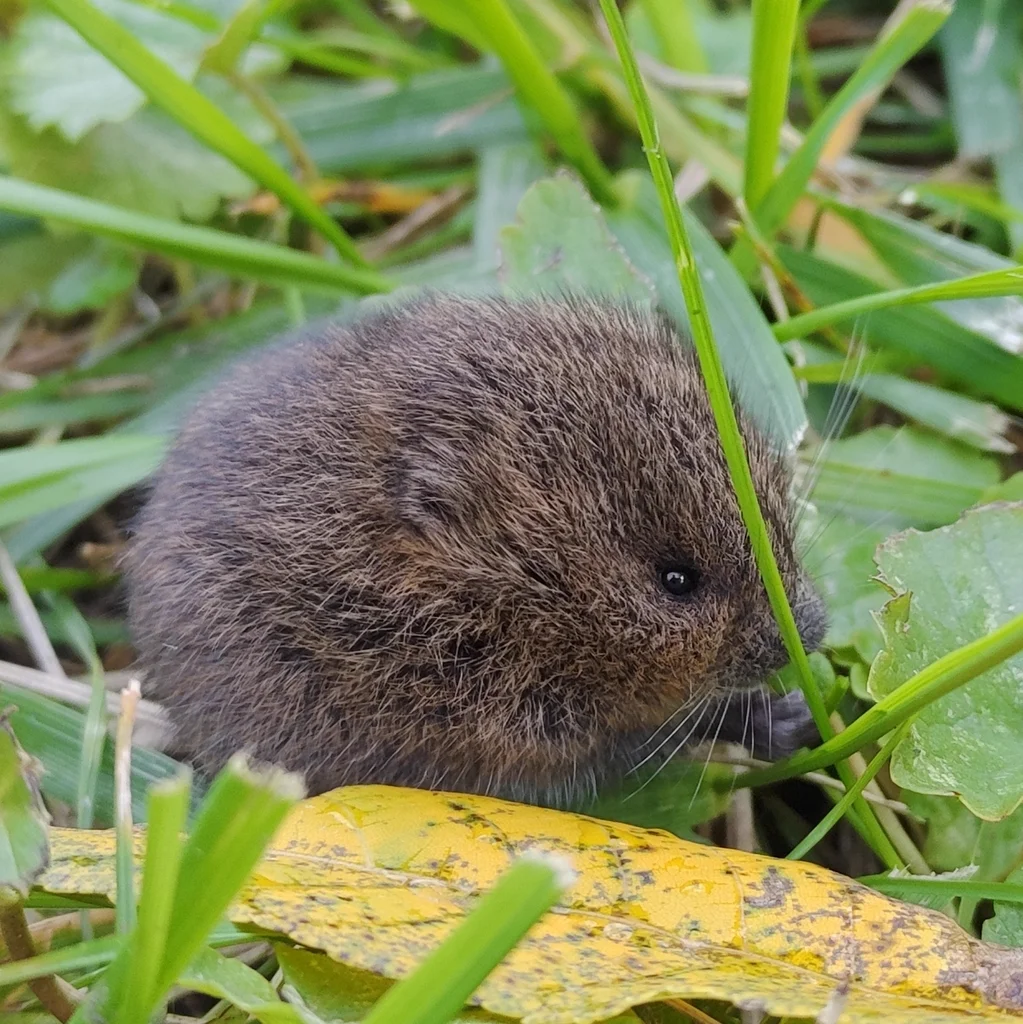
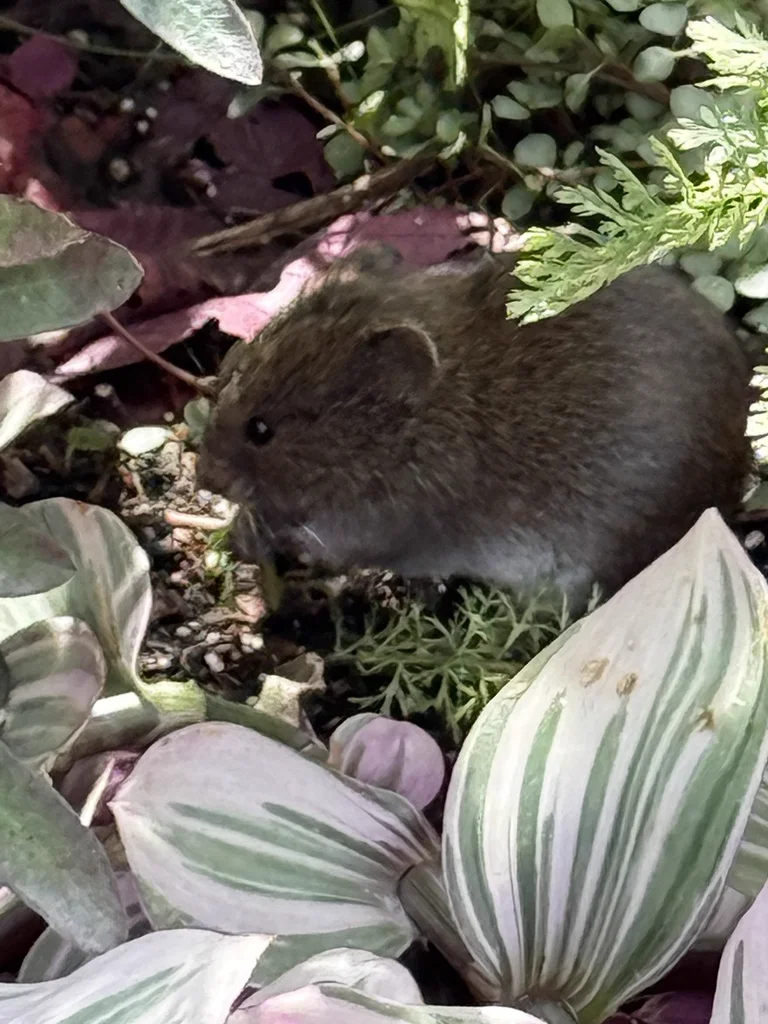

Where Meadow Vole Are Found
Hover over states to see their names. Green regions indicate where meadow vole have been reported.
Meadow Vole Identification Guide
Physical Characteristics
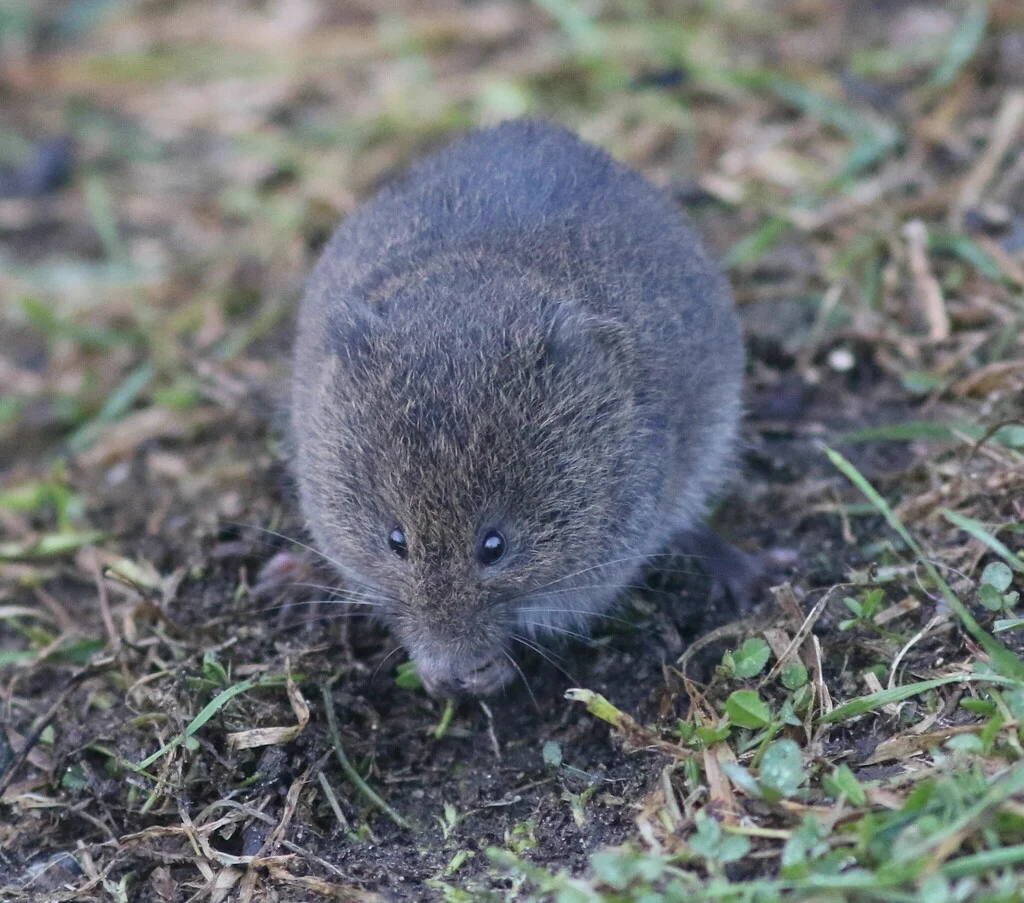
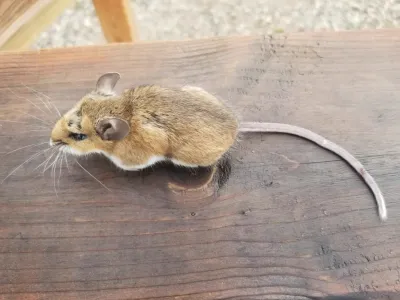
The meadow vole (Microtus pennsylvanicus), also called the field vole or meadow mouse, is a small, stocky rodent with a compact body built for life in dense grasslands. Adults measure 5 to 7 inches in total length, including a short tail that is about one-third of the body length. They typically weigh around 1.5 ounces (about 46 grams).
Key identification features include:
- Blunt, rounded snout rather than the pointed snout of true mice
- Small ears that barely protrude from the surrounding fur (the genus name Microtus means “small ear”)
- Small, dark eyes typical of rodents active in dense cover
- Short, sparsely-haired tail measuring 1.5 to 2.5 inches
- Dense, soft fur that is chestnut to yellowish-brown on the back
- Grayish or pale brown underparts
- Stocky, cylindrical body adapted for tunneling through grass
Meadow voles have a coarser, sparser coat in summer and a thicker, finer coat in winter. Their overall appearance is more robust and less sleek than house mice or deer mice.
Distinguishing Meadow Voles from Similar Rodents
Meadow voles are often confused with other small rodents. Understanding the differences helps with proper identification:
Meadow Vole vs. House Mouse: House mice have pointed snouts, larger ears that stand out from the head, longer tails relative to body size, and more uniform grayish-brown coloring. House mice strongly prefer indoor habitats, while meadow voles prefer outdoor grassy areas. For a full breakdown, see our guide on mouse vs vole.
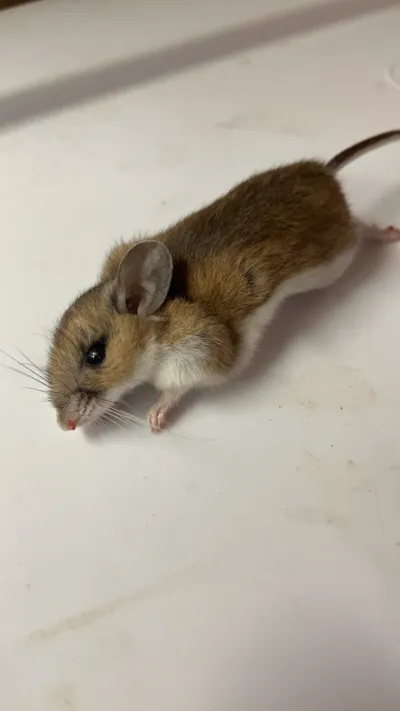
Meadow Vole vs. Deer Mouse: Deer mice have large, prominent ears, big dark eyes, distinctly two-toned fur with bright white undersides, and bi-colored tails. They are more slender and agile than the stocky meadow vole.
Meadow Vole vs. Mole: Despite similar-sounding names, moles are not rodents at all. Moles have elongated snouts, tiny eyes, no visible ears, and large paddle-like front feet for digging. The eastern mole is the species most commonly found in the same areas as meadow voles. Moles create underground tunnels, while voles travel on the surface.
Meadow Vole vs. Pine Vole: Pine voles are smaller with softer, auburn fur and spend most of their time underground. Meadow voles travel on the surface.
Meadow Vole vs. Shrew: Shrews are smaller than voles with very pointed snouts and tiny eyes. Unlike voles that eat plants, shrews eat insects and worms. Shrews are extremely active and need to eat constantly.
Meadow Vole Behavior and Biology
Habitat Preferences
The meadow vole has the largest geographic range of any vole species in North America, extending from Alaska and Canada south through the Rocky Mountains to New Mexico and east to the Atlantic seaboard from Maine to Georgia. Isolated populations exist in western Florida and northern Mexico.
Meadow voles prefer open, non-forested habitats including:
- Meadows and grasslands
- Marshes and wetlands
- Agricultural fields
- Orchards and vineyards
- Lawns with dense grass
- Areas with heavy mulch or ground cover
- Roadsides and drainage ditches
- Recently cleared or disturbed areas
They are strongly associated with moist habitats and dense vegetative cover. Very few meadow voles live in forests or woodland areas. They quickly colonize open areas created by fire, clearing, or other disturbances.
Activity Patterns and Movement
Meadow voles are active year-round and do not hibernate. They remain busy under the snow during winter, creating tunnels at ground level beneath the insulating snowpack.
Activity occurs both day and night, with peaks typically at dawn and dusk. Bright moonlight, high temperatures, and sparse vegetation cover reduce their above-ground activity, as they become more vulnerable to predators.
Their normal movement is running with frequent sudden stops and starts. Meadow voles swim well and may even dive briefly when pursued. They are excellent swimmers but rarely climb.
When alarmed, meadow voles stamp their hind feet similar to rabbits. They communicate through scent marking with urine and droppings. They also make sounds including squeals, tooth chattering, and high-pitched calls that humans cannot hear.
Runway Systems
A distinctive sign of meadow vole activity is the creation of surface runway systems. These narrow pathways, typically 1 to 2 inches wide, wind through grass and vegetation connecting:
- Burrow entrances
- Feeding areas
- Nesting sites
- Latrines (accumulations of droppings)
Voles create and maintain these runways by clipping vegetation along their travel routes. The runways provide protected corridors that allow rapid movement while staying hidden from predators. Multiple voles may share runway networks.
Diet and Feeding
Meadow voles are herbivores that feed on:
- Leaves, stems, and roots of grasses
- Sedges and rushes
- Seeds and grains
- Bulbs and tubers
- Tree bark (especially in winter)
- Garden vegetables and flowers
- Fallen fruits
They consume approximately 60 percent of their body weight each day. During winter when green vegetation is scarce, they switch to eating bark, roots, and seeds. They have been known to girdle young trees completely, killing them.
Meadow voles are also occasionally cannibalistic, particularly toward young voles during population peaks or food shortages.
Reproduction
Meadow voles are renowned as one of the most prolific mammals on earth. Their reproductive capacity includes:
- Sexual maturity reached at 3 to 4 weeks of age
- Gestation period of 21 days
- Litter size of 3 to 10 pups (average 4-6)
- 5 to 10 litters per year possible under ideal conditions
- Breeding can occur year-round in favorable climates
- Weaning occurs at about 2 weeks of age
One captive female produced 17 litters in a single year. However, in the wild most females live less than a year and produce only 1 to 2 litters. Predation, disease, and harsh conditions limit most individuals’ lifespans to a few months.
Population levels can cycle dramatically, with peaks occurring every 2 to 5 years followed by crashes. During peak years, meadow vole densities can exceed 150 per acre.
Social Behavior
During the breeding season, males maintain territories and can be aggressive toward each other. Females are also territorial around their nests.
In the non-breeding season, both sexes have overlapping home ranges. To conserve body heat during winter, up to 7 voles may nest communally in the same burrow system.
Signs of Meadow Vole Activity
Identifying vole presence early helps prevent extensive damage. Look for these indicators:
Surface Runways
Narrow pathways 1 to 2 inches wide winding through grass. Most visible after snow melt in spring or when grass is dormant.
Burrow Entrances
Small holes approximately 1.5 inches in diameter at ground level, often located within runway systems or at the base of plants.
Droppings
Small, greenish when fresh, turning brown as they age. Found in piles along runways and near burrow entrances.
Gnaw Marks
Irregular gnawing damage on tree bark, stems, and roots, especially near ground level. Damage often discovered after snow melts.
Clipped Vegetation
Grass stems cut at sharp angles, piles of cut grass near burrows, and patches of closely cropped lawn.
Girdled Trees and Shrubs
Bark removed in a band around the trunk or stems, particularly at or just below ground level. This damage can kill young plants.
Damage Caused by Meadow Voles
Meadow voles cause significant damage to:
Lawns and Turf
Surface runways create unsightly trails through grass. Heavy vole activity can damage large areas of turf, requiring reseeding or resodding.
Trees and Shrubs
Girdling bark damage kills or weakens young trees, especially fruit trees, ornamentals, and newly planted landscape plants. Winter damage under snow often goes unnoticed until spring.
Gardens
Voles eat bulbs, root vegetables, strawberries, and other garden crops. They damage plants both above and below ground.
Orchards and Nurseries
Commercial operations can suffer substantial economic losses from vole damage to young trees and root stock.
Control Methods for Meadow Voles
Effective meadow vole management typically combines multiple approaches:
Habitat Modification
Reducing dense ground cover removes the protective environment voles need. Strategies include:
- Mowing grass short, especially near trees and garden beds
- Removing thick mulch from around tree bases
- Clearing weeds and tall vegetation
- Reducing ground cover plantings near valuable plants
- Maintaining a vegetation-free zone around orchards
Exclusion
Physical barriers can protect individual plants:
- Hardware cloth cylinders around tree trunks (buried 3-6 inches below ground)
- Tree guards extending above typical snow depth
- Raised bed gardens with hardware cloth bottoms
Trapping
Snap traps baited with peanut butter or apple can reduce local populations. Place traps perpendicular to runways with the trigger in the path. Check traps regularly.
Predator Encouragement
Natural predators help control vole populations:
- Hawks, owls, and other raptors
- Snakes
- Foxes, coyotes, and weasels
- Domestic cats
Installing raptor perches and owl boxes can encourage natural predation.
Rodenticides
In severe infestations, rodenticides may be applied according to label directions. Bait stations help reduce non-target animal exposure. Professional application ensures proper placement and safety.
Prevention Tips
Reduce conditions that favor meadow voles:
- Keep grass mowed to 3 inches or shorter
- Remove mulch from within 3 feet of tree trunks
- Clear fallen fruit and debris from orchards
- Eliminate weedy areas and thick ground cover near gardens
- Install tree guards on young and valuable trees before winter
- Avoid heavy mulching in landscape beds
- Monitor for runway activity and address problems early
In areas where prairie voles overlap with meadow voles, prairie voles tend to occupy the drier habitats with shorter grass.
References
Other Rodents
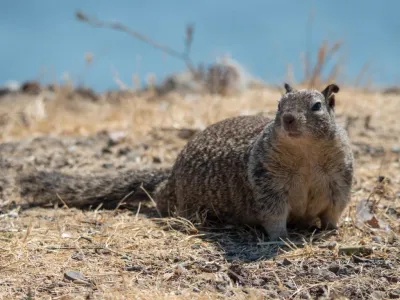
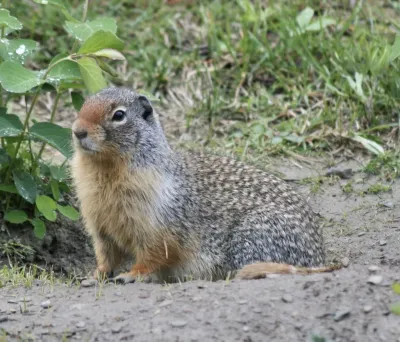
Explore other species in the rodents family
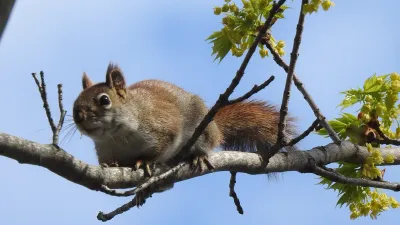

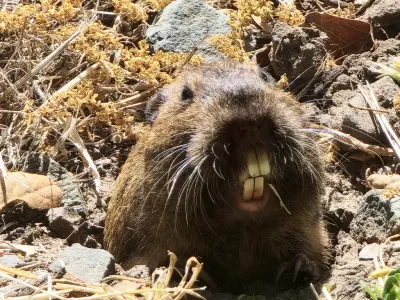
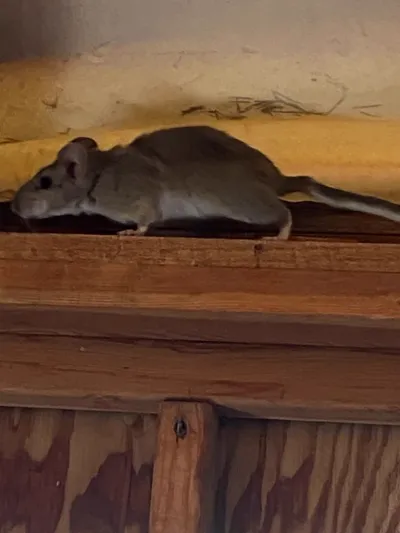
Commonly Confused With
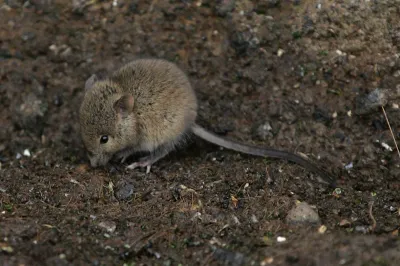
Meadow Vole are often mistaken for these similar pests
Where Meadow Vole Are Found
Hover over states to see their names. Green regions indicate where meadow vole have been reported.
Common Questions about Meadow Vole
What do meadow voles look like?
+
Meadow voles are small, stocky rodents measuring 5 to 7 inches in total length. They have blunt snouts, small ears that barely protrude from their fur, and short tails about one-third of their body length. Their fur is typically chestnut brown to grayish-brown on top with grayish undersides.
Are meadow voles the same as moles?
+
No, meadow voles and moles are completely different animals. Voles are rodents that eat plants and create surface runways through grass. Moles are insectivores that eat grubs and earthworms while tunneling underground. Vole damage appears as surface trails, while mole damage shows as raised tunnels and soil mounds.
What damage do meadow voles cause?
+
Meadow voles damage lawns by creating visible runway systems through grass. They girdle the bark of young trees and shrubs, which can kill the plants. They also eat bulbs, roots, seeds, and vegetable gardens. In winter, they tunnel under snow to reach tree bark, often causing extensive damage that is not discovered until spring.
How fast do meadow voles reproduce?
+
Meadow voles are among the most prolific mammals on earth. Females can breed at one month old, have a gestation period of about 21 days, and can produce 5 to 10 litters per year with 3 to 10 pups each. Under ideal conditions, populations can explode rapidly.
What are the runways in my lawn?
+
The narrow trails through your grass are likely meadow vole runways. Voles create these 1 to 2 inch wide paths by eating grass along their travel routes. The runways connect burrow entrances, feeding areas, and nesting sites. They become most visible after snow melts in spring.
When are meadow voles most active?
+
Meadow voles are active year-round, day and night. They tend to be more active during dawn and dusk. Activity peaks vary based on cover availability and temperature. They do not hibernate, remaining active under snow during winter months.
Do meadow voles come inside homes?
+
Meadow voles occasionally enter buildings, especially garages, sheds, and basements near grassy areas. However, they strongly prefer outdoor habitats with dense vegetation. [House mice](/pests/rodents/mice/) are far more likely to infest indoor spaces. If you suspect you have [field mice](/pests/rodents/field-mice/) rather than voles, the control approach is different.
What attracts meadow voles to my yard?
+
Meadow voles are attracted to dense grass, ground cover, mulch beds, and areas with thick vegetation that provides protection from predators. They also favor moist areas near streams, marshes, and poorly drained lawns. Fruit trees, gardens, and bird feeders can draw them in as food sources.

With five years of hands-on experience in the pest control industry, George Schulz is a registered technician with the Virginia Pest Management Association and a proud third-generation professional in a family business that's been protecting homes for over 57 years. He manages and trains a team of service pros while also leading internal research efforts—recently spearheading a deep-dive review of thousands of documents on pest control materials to hand-pick the most kid and pet friendly, most effective solutions tailored specifically for homes in the DC metro area.