Columbian Ground Squirrel Identification Guide
Urocitellus columbianus
Columbian ground squirrels are large, burrowing rodents found in the mountainous regions of the Pacific Northwest and northern Rocky Mountains. Their extensive burrow systems can damage pastures, agricultural land, and landscaped areas.
Taxonomy
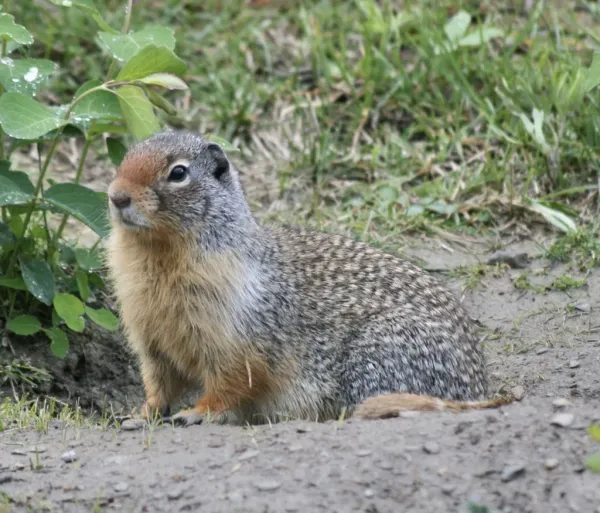
Columbian Ground Squirrel Coloration
Common color patterns to help identify columbian ground squirrel
Columbian Ground Squirrel
Seasonal Activity
When columbian ground squirrel are most active throughout the year

Where Columbian Ground Squirrel Are Found
Hover over states to see their names. Green regions indicate where columbian ground squirrel have been reported.
Columbian Ground Squirrel Identification Guide
Physical Characteristics
Columbian ground squirrels are one of the larger ground squirrel species in North America. Adults measure 13 to 16 inches long from nose to tail tip. The tail makes up about 3 to 4.5 inches of that length. They weigh between 340 and 820 grams, and males are larger than females.
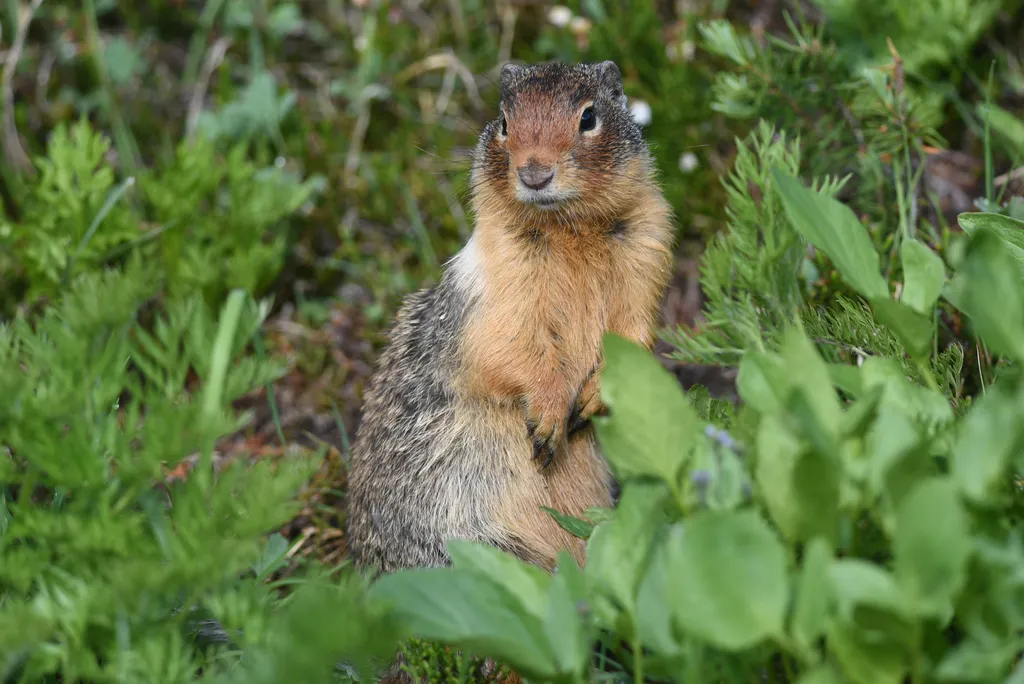
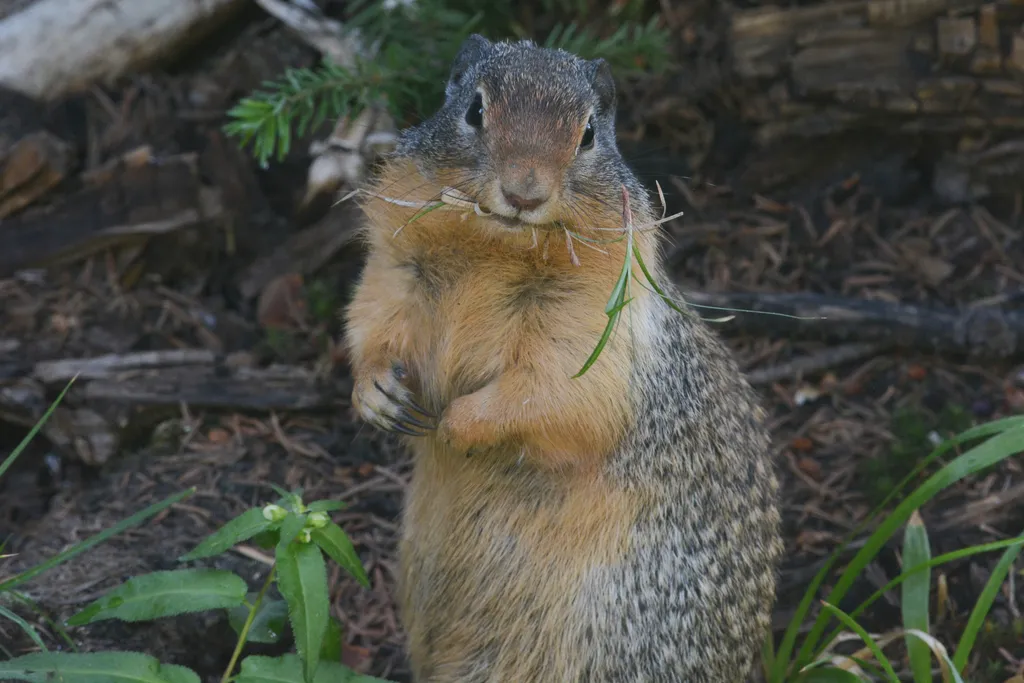
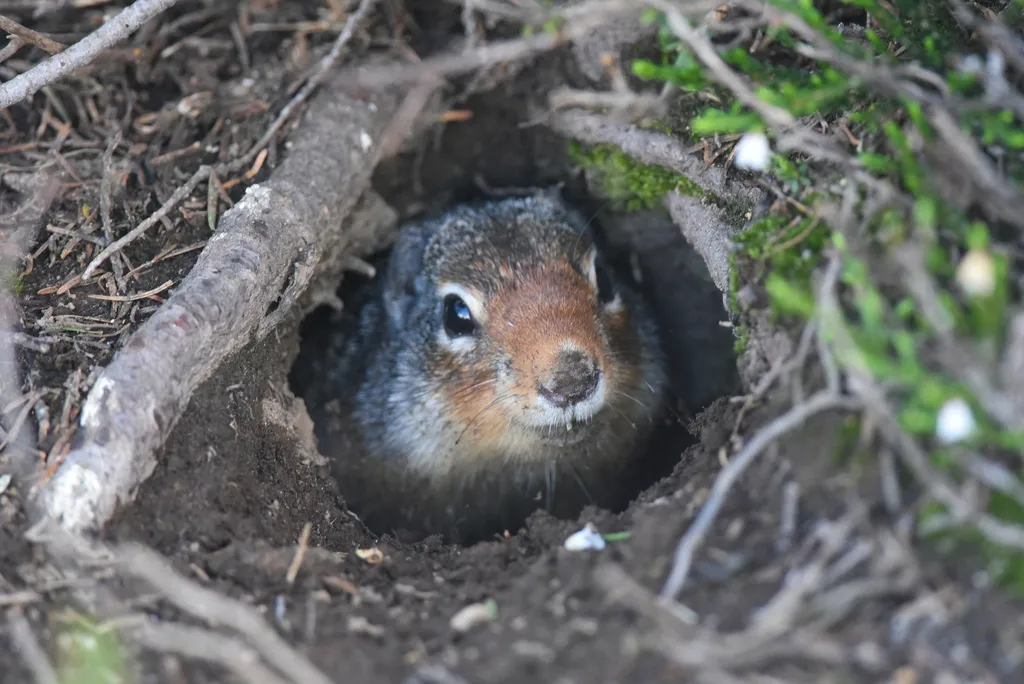
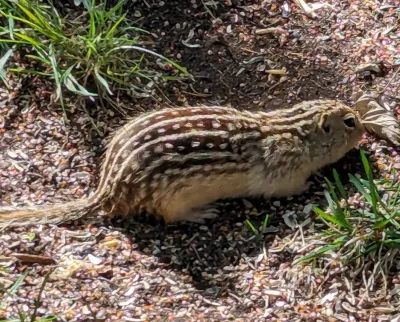
The easiest way to spot one is the reddish-brown coloring on the nose and face. They also have a light buff or cream ring around each eye. The back and sides have a mottled mix of grayish-brown and cinnamon tones. The belly is lighter. The tail is darker than the body and somewhat bushy.
Their ears are small and rounded. Their front paws have strong claws built for digging. Compared to tree squirrels, Columbian ground squirrels have a thicker body, shorter legs, and a less fluffy tail. You will almost always see them on the ground, not in trees.
Common Species and Distribution
The Columbian ground squirrel (Urocitellus columbianus) is a single species. Some older sources list a subspecies called U. c. ruficaudus in parts of British Columbia and Idaho. This is the red-tailed form. The species used to be grouped under the genus Spermophilus but was later moved to Urocitellus.
Their range covers only the northwestern interior of North America:
- United States: Eastern Washington, northern and central Idaho, western Montana, and the Blue Mountains of east-central Oregon
- Canada: Western Alberta (foothills and mountain meadows) and southeastern British Columbia
They do not live in the eastern United States or the Great Plains. This sets them apart from Richardson’s ground squirrels, which are found across the northern prairies.
Columbian Ground Squirrel Behavior and Biology
Habitat Preferences
Columbian ground squirrels stick to open meadows and grasslands at moderate to high elevations. Common places to find them include:
- Mountain meadows above the tree line
- Valley grasslands
- Open slopes and forest clearings
- Roadsides and campgrounds
- Pastures and hayfields near mountain areas
They need soil that drains well for digging. They stay away from thick forests and dry deserts. Their burrow systems can be large, with many entrances and tunnels that run several feet deep. The same burrows are often used for many years.
Hibernation and Seasonal Activity
Columbian ground squirrels are known for their very long hibernation. They spend about 8 to 9 months underground each year. This makes them one of the longest-hibernating mammals in North America. At high elevations, some colonies are active for only 69 to 94 days per year.
Their active season follows a clear pattern:
- Late March to April: Males come out first, then adult females. Activity starts slow as the animals recover from months underground.
- May to early June: Mating happens soon after females emerge. Feeding ramps up quickly.
- Late June to July: This is peak activity. Young squirrels appear above ground after weaning. All animals eat as much as they can to build up fat.
- Late July to August: Adults start going back underground. Males enter hibernation first, then females and young.
Diet and Foraging
Columbian ground squirrels eat mostly plants. Their diet includes:
- Grasses and grass seeds
- Wildflowers and broad-leaved plants
- Bulbs and roots
- Seeds
- Small amounts of insects
They are only active for a few months, so they must eat a lot in a short time. Most of their food intake goes toward building fat stores for hibernation. Unlike some other ground squirrels, they do not store much food in their burrows. They depend almost entirely on body fat to get through winter.
Reproduction
Columbian ground squirrels breed once per year during their short active window:
- Mating: Happens within about two weeks of female emergence, usually in early to mid-May
- Gestation: About 24 days
- Litter size: Usually 2 to 7 pups, with an average of 3 to 4
- Weaning: Pups stop nursing at about 4 weeks and first come above ground in late June
Females usually do not breed until age two. Males may breed at age two or three. In the wild, these squirrels can live 5 to 10 years. Many are killed by predators like hawks, eagles, coyotes, badgers, and weasels.
Social Behavior
Columbian ground squirrels live in colonies. They are known for their alarm calls. These are loud chirps that warn other colony members when a predator is near. Different calls may signal threats from the ground or the air.
They also have an unusual greeting ritual. When two squirrels meet, they often touch noses or press their mouths together. Researchers call this a “kiss.” It seems to help the animals know who belongs to their colony.
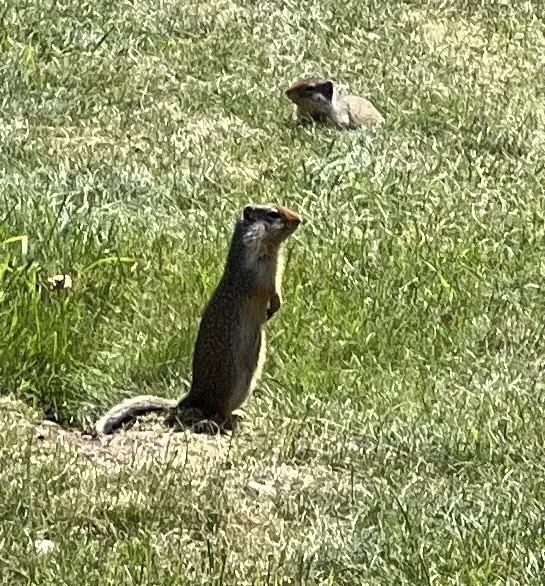
You can often spot them standing upright on their hind legs near burrow entrances. This lookout posture is one of the easiest ways to find them in open meadows.
Property Damage and Concerns
Agricultural and Landscape Damage
Columbian ground squirrels do not usually damage buildings like house mice or rats do. But they can cause real problems on farms and in landscaped areas:
- Crop damage: They eat grasses, hay, grain crops, and garden vegetables, which can reduce crop yields
- Burrow hazards: Holes and soil mounds create trip risks for livestock, people, and farm equipment
- Erosion: Burrowing can weaken irrigation ditches, earthen dams, and canal banks
- Pasture loss: Dense colonies can strip meadows bare, leading to soil wear and erosion
Health Concerns
Columbian ground squirrels can carry fleas and ticks that may spread diseases to people and pets:
- Plague: Their fleas can carry Yersinia pestis, the germ that causes plague. Outbreaks have been found in squirrel colonies across the western U.S. and Canada.
- Tularemia: This illness can spread through flea bites or touching sick animals.
- Tick-borne illness: Ticks on these squirrels can carry several harmful germs.
If you find a colony with dead or sick-looking squirrels, do not touch them. Contact your local public health or wildlife office. Always consult a doctor if you have health concerns after contact with ground squirrels or their parasites.
Treatment Methods for Columbian Ground Squirrels
Controlling Columbian ground squirrels usually takes a mix of steps. These include watching the colony, changing the habitat, using physical barriers, and removing animals when damage gets serious.
Monitoring and Assessment
Before starting any control work, it helps to understand the size of the problem:
- Count active burrow entrances to estimate how many squirrels are present
- Record what damage is happening (crop loss, erosion, holes in pastures)
- Decide if the population is large enough to need action based on local guidelines
Habitat Changes
Making an area less appealing to ground squirrels can slow down colony growth:
- Clear brush piles and debris near problem areas
- Manage grass height to reduce food sources
- Install raptor perch poles to attract birds of prey to the area
Physical Barriers
For smaller areas like gardens or specific structures, barriers can work well:
- Wire mesh or hardware cloth around garden beds
- Underground fencing with buried edges to block burrowing near foundations
- Rock barriers along irrigation ditches and canal banks
Direct Control Methods
When damage is serious, several control methods can help reduce the population:
- Trapping: Live traps and body-grip traps placed at burrow entrances work well. Wear gloves when handling traps to lower disease risk.
- Fumigation: Gas cartridges placed in burrows can target squirrels underground. This method is most common on farms and ranches.
- Shooting: In many rural areas, shooting is a legal way to lower the population. Always check state and provincial rules first.
Timing matters. Early spring, right when squirrels first emerge from hibernation, is the best time for control work. Colonies are at their smallest before breeding adds new animals.
Legal Rules
Rules for ground squirrel control vary by state and province. In some places, they are listed as nongame animals. This means you can remove them without a permit when they cause damage. Other areas have stricter rules. Always check with your local wildlife agency before starting control work.
For large colonies that keep coming back, a licensed wildlife control professional can check the problem and pick the right approach while following all local laws.
References
- Columbian Ground Squirrel - Mammal Diversity Database
- Ground Squirrel Management - UC Agriculture and Natural Resources
- Columbian Ground Squirrel - National Park Service
- Columbian Ground Squirrel - Animal Diversity Web
- Columbian Ground Squirrel - Wikipedia
- Ground Squirrel Control - Government of Alberta
Other Rodents
Explore other species in the rodents family
Commonly Confused With
Columbian Ground Squirrel are often mistaken for these similar pests
Where Columbian Ground Squirrel Are Found
Hover over states to see their names. Green regions indicate where columbian ground squirrel have been reported.
Common Questions about Columbian Ground Squirrel
How do I identify a Columbian ground squirrel?
+
Look for a relatively large ground squirrel with a distinctive reddish-brown or tawny nose and face, a buff-colored eye ring, and mottled grayish-brown fur on the body. They are typically 13 to 16 inches long including the tail. They are almost always found near burrow openings in open meadows or grasslands in mountainous areas of the Pacific Northwest.
Are Columbian ground squirrels dangerous?
+
Columbian ground squirrels are not directly aggressive toward people, but they do carry fleas and ticks that can transmit diseases including plague and tularemia. Their burrow systems also create trip hazards for livestock and humans, and can undermine irrigation ditches and earthen structures.
When are Columbian ground squirrels active?
+
These squirrels hibernate for about 8 to 9 months each year, making them one of the longest-hibernating mammals in North America. They are typically active from late March or April through July or early August, depending on elevation and local climate conditions.
What do Columbian ground squirrels eat?
+
They eat mostly plants, including grasses, wildflowers, seeds, bulbs, and roots. They sometimes eat small amounts of insects. They are only active for a few months each year, so most of their eating goes toward storing body fat for the 8 to 9 months they spend hibernating.
Where do Columbian ground squirrels live?
+
Columbian ground squirrels are found in the Pacific Northwest and northern Rocky Mountains, including parts of Washington, Idaho, Montana, Oregon, and into western Alberta and southeastern British Columbia in Canada. They prefer open alpine and subalpine meadows, grasslands, and mountain valleys.
How do I know if I have a Columbian ground squirrel problem?
+
Look for burrow openings roughly 3 to 4 inches in diameter with mounds of excavated soil nearby in open grassy areas. You may also hear their distinctive shrill alarm chirps and see them standing upright near their burrows. Damaged crops, chewed vegetation, and mound-pocked pastures are other signs of activity.
What is the difference between a Columbian ground squirrel and a Richardson's ground squirrel?
+
Columbian ground squirrels are generally larger, with a distinctive reddish-brown nose and face. Richardson's ground squirrels are smaller, have a more uniformly brownish-gray coat without the reddish facial coloring, and tend to inhabit lower-elevation prairies and grasslands rather than mountain meadows.

With five years of hands-on experience in the pest control industry, George Schulz is a registered technician with the Virginia Pest Management Association and a proud third-generation professional in a family business that's been protecting homes for over 57 years. He manages and trains a team of service pros while also leading internal research efforts—recently spearheading a deep-dive review of thousands of documents on pest control materials to hand-pick the most kid and pet friendly, most effective solutions tailored specifically for homes in the DC metro area.