California Ground Squirrel Identification Guide
Otospermophilus beecheyi
California ground squirrels are medium-sized burrowing rodents found throughout the western United States. Their extensive digging can damage landscapes, foundations, and agricultural areas, and they are known carriers of diseases including plague.
Taxonomy
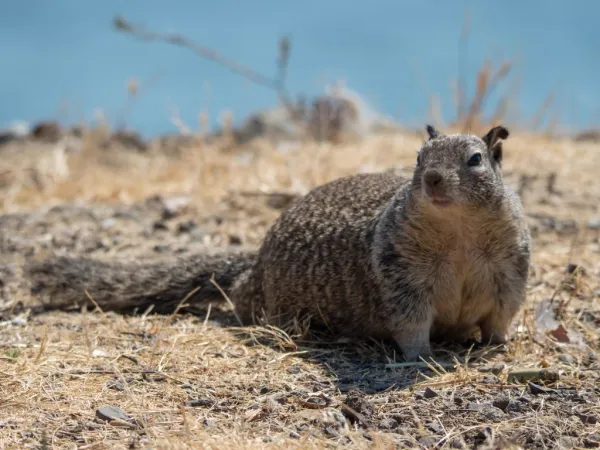
California Ground Squirrel Coloration
Common color patterns to help identify california ground squirrel
California Ground Squirrel
Seasonal Activity
When california ground squirrel are most active throughout the year

Where California Ground Squirrel Are Found
Hover over states to see their names. Green regions indicate where california ground squirrel have been reported.
California Ground Squirrel Identification Guide
Physical Characteristics
California ground squirrels are medium-sized rodents. Their body measures 9 to 11 inches long. The semi-bushy tail adds another 5 to 9 inches. In total, they range from 14 to 20 inches in length. Adults weigh between 280 and 740 grams. Males are usually larger than females.
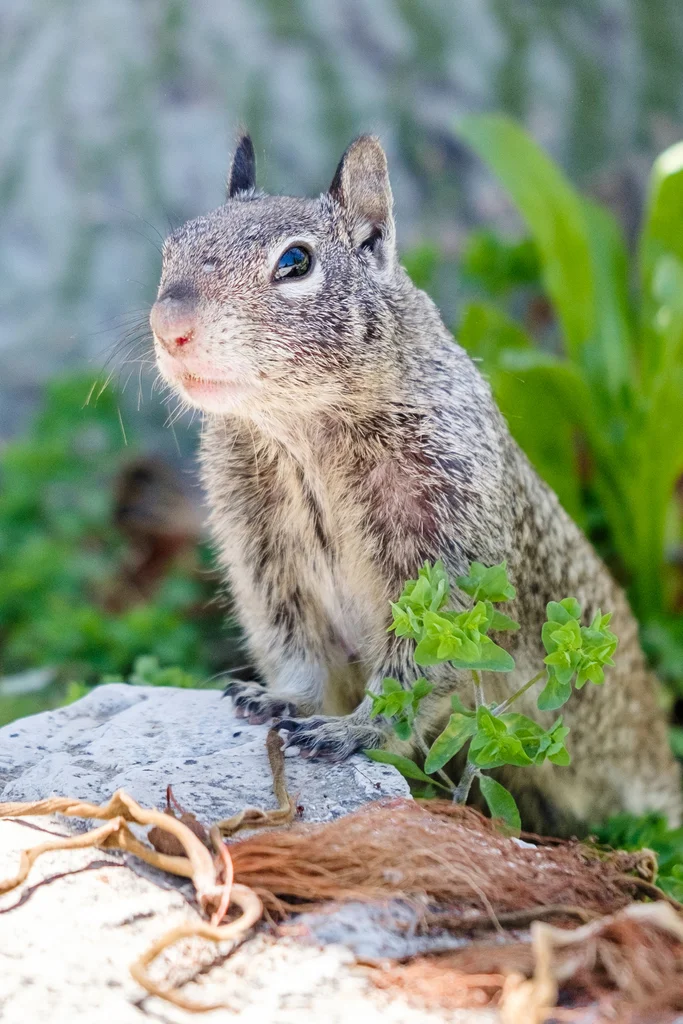
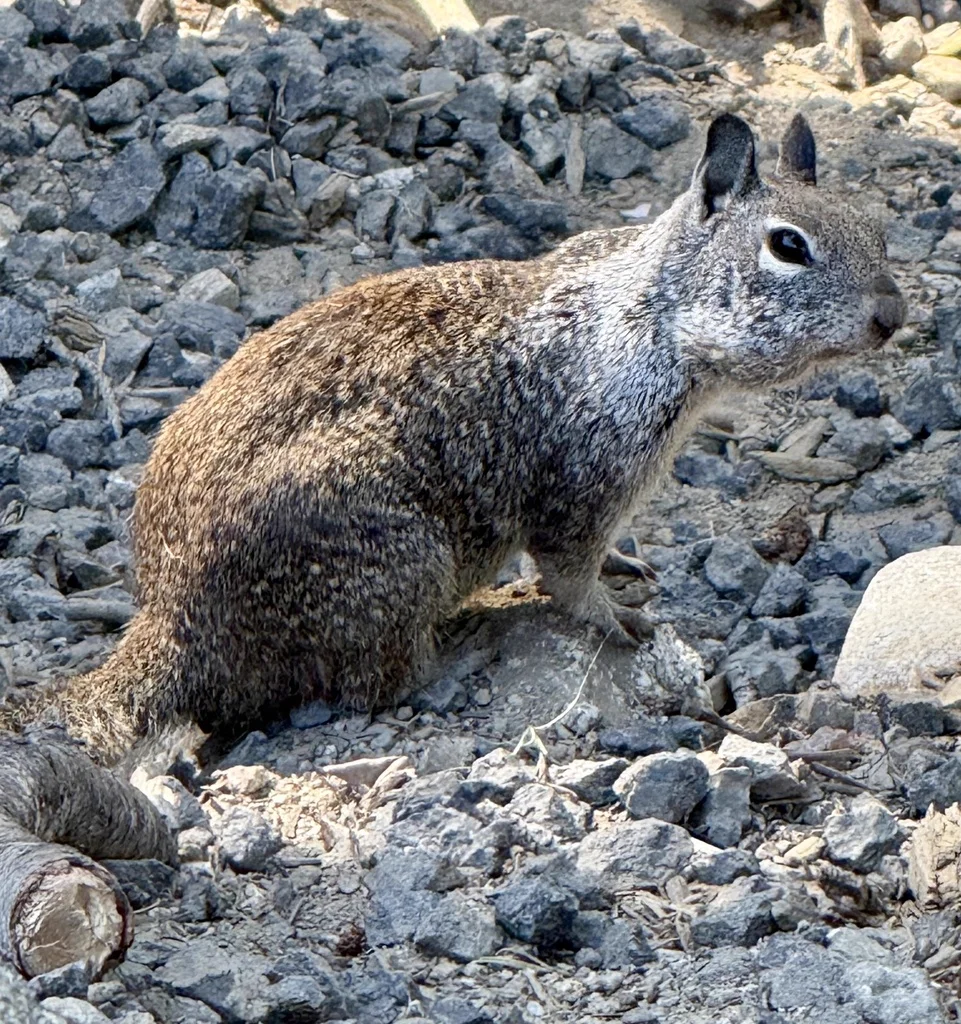
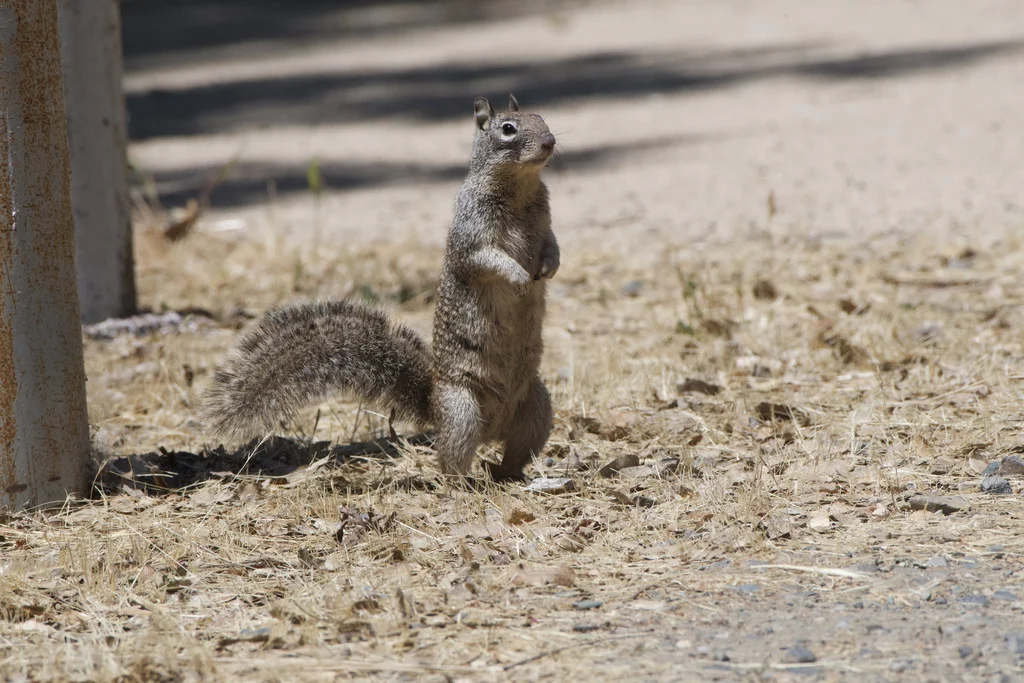
Their fur has a mottled look. It mixes dark and light brown or gray tones with lighter flecks. A key feature is the whitish or light gray patch across the shoulders and neck. They also have white rings around their eyes and large, rounded ears.
Unlike tree squirrels such as eastern gray squirrels or fox squirrels, California ground squirrels have a less fluffy tail. The tail has white-tipped hairs on the edges. When scared, they always run to their burrows. They never climb trees. This makes them easy to tell apart from tree squirrels.
Common Species and Distribution
The California ground squirrel (Otospermophilus beecheyi) is the main species in this group. They live across the western United States. Their range includes:
- Main area: All of California, from the coast up to about 7,000 feet in the mountains
- Northern areas: Oregon and parts of south-central Washington (they spread there in the early 1900s)
- Eastern areas: Western Nevada
- Southern areas: Baja California, Mexico
The Catalina ground squirrel is a subspecies. It lives only on Santa Catalina Island off the California coast. It is a bit smaller than mainland squirrels.
California Ground Squirrel Behavior and Biology
Burrowing and Habitat
California ground squirrels spend a lot of time both above and below ground. They need loose soil to dig their burrows. They avoid deserts and thick forests. Common places to find them include:
- Open grasslands and pastures
- Oak woodlands and savannas
- Agricultural fields and orchards
- Rocky outcrops and hillsides
- Disturbed areas near human development
Their burrow systems can be large. Tunnels run 5 to 30 feet long and go 2.5 to 4 feet deep. Each burrow has several entrances with soil mounds piled in front. Squirrels stay close to their burrows, usually within 80 feet of an entrance.
A colony usually has 2 to 20 squirrels. Larger groups can form where food and shelter are good. Some squirrels share burrows. Each one keeps its own entrance.
Seasonal Activity and Hibernation
Activity patterns vary based on climate and geographic location:
-
In colder areas: Squirrels hibernate for several months during winter. Males go underground in early summer after mating. They stay there until spring. Females follow later, usually in late summer or early fall after their young are weaned.
-
In warmer areas: Where winters are mild, many squirrels stay active all year. During very hot summer days, they may go dormant for short periods to escape the heat.
They are most active in the morning and late afternoon. On hot days, they hide in their burrows at midday. Strong winds also send them underground.
Diet and Foraging
California ground squirrels eat many things. Their diet changes with the seasons:
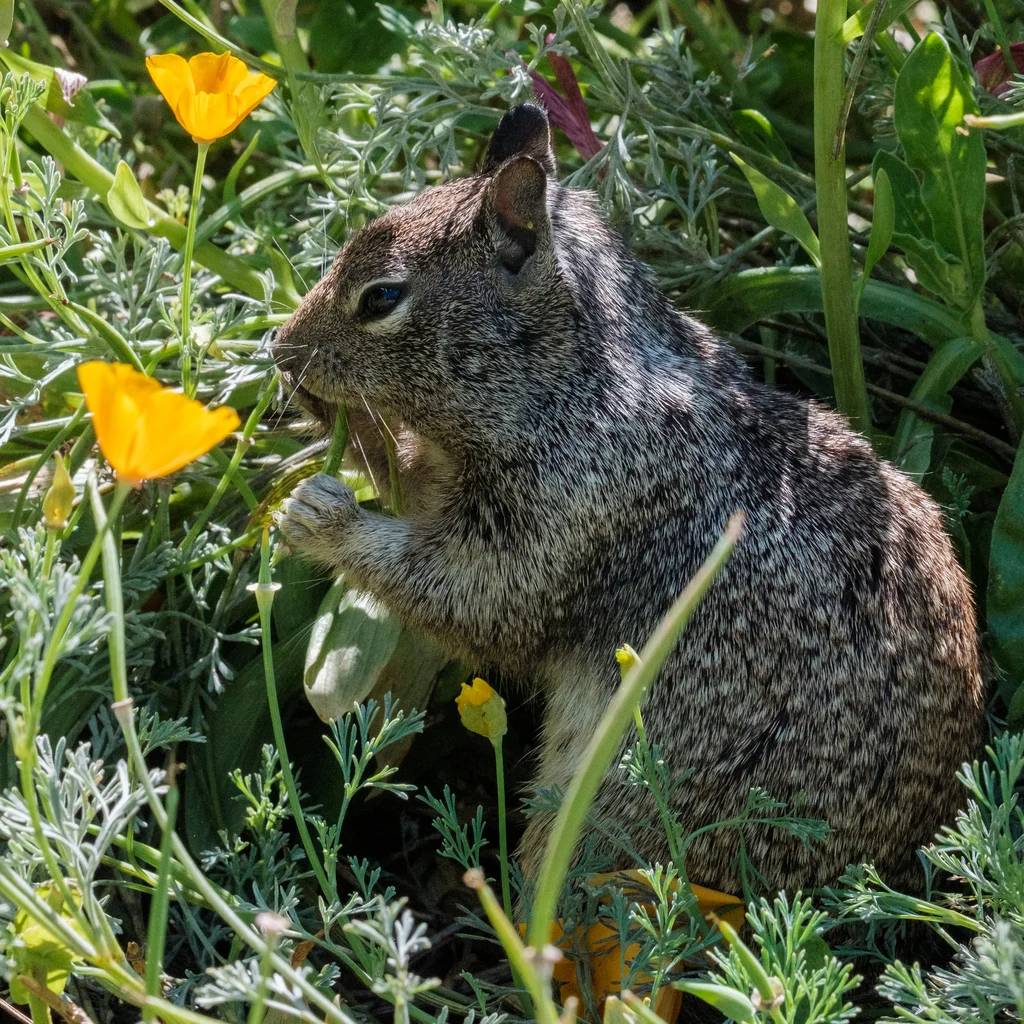
- Late winter and spring: Green grasses, leaves, and stems
- Summer and early fall: Seeds, nuts, fruits, and berries
- All year: Some insects, bird eggs, and small animals
Recent studies show they even hunt and eat voles. This is more hunting behavior than scientists knew about before.
They use cheek pouches to carry food back to their burrows. These stored foods help them get through winter and times when food is hard to find.
Reproduction
California ground squirrels mate with multiple partners. Both males and females may have several mates during breeding season.
- Mating season: January through July. Peak activity is March to June.
- Pregnancy: About 30 days
- Litter size: Usually 6 to 7 young. Litters can range from 3 to 15.
- Litters per year: Females have only 1 litter each year.
Young squirrels open their eyes around 5 weeks old. They first come out of the burrow at 5 to 8 weeks. They stop nursing between 6 and 8 weeks old. They can reproduce after their first year. In the wild, these squirrels can live up to 6 years. Most live shorter lives due to predators.
Predator Defense
Many animals hunt California ground squirrels. These include rattlesnakes, eagles, raccoons, foxes, badgers, and weasels. The squirrels have developed ways to protect themselves:
- Alarm calls: They make different sounds depending on whether the threat comes from the air or ground
- Rattlesnake resistance: Some adult squirrels can survive rattlesnake venom better than others
- Tail flagging: They wave their heated tails at rattlesnakes as a warning signal
- Alert posture: They stand upright on their back legs to watch for danger
Property Damage and Concerns
California ground squirrels can cause major damage to homes and farms. Their digging is the biggest problem.
Structural Damage
Extensive burrow systems can undermine:
- Building foundations and concrete slabs
- Sidewalks, patios, and driveways
- Levees and earthen dams
- Roadways and railroad berms
- Bridge abutments
The dirt they move can also cause bad erosion on slopes and hills.
Agricultural Impact
Ground squirrels hurt crops by eating:
- Grain crops including wheat, oats, and barley
- Fruit and nut crops, especially almonds
- Garden vegetables
- Ornamental plantings
- Irrigation equipment (through gnawing)
Disease Concerns
California ground squirrels can carry diseases that affect people and pets:
- Bubonic plague: Spread by infected fleas. Outbreaks happen from time to time in ground squirrel groups.
- Tularemia: A bacterial infection spread through direct contact or flea bites
- Other parasites: Fleas, ticks, and mites that can spread to pets
Public health officials watch ground squirrel populations for plague, especially in parks and recreation areas.
If you have health concerns after contact with ground squirrels or their fleas, please see a doctor for medical advice.
Management Strategies
Managing California ground squirrels takes a different approach than dealing with house mice or rats. These are wildlife animals that dig deep burrow systems. Control often requires multiple methods working together.
Habitat Modification
Making an area less attractive to ground squirrels can help keep them away:
- Remove brush piles, rock piles, and debris near structures
- Eliminate food sources like fallen fruit and accessible pet food
- Maintain vegetation to reduce cover near burrow areas
Exclusion
Physical barriers can guard certain areas:
- Hardware cloth or wire mesh around gardens and tree bases
- Underground barriers to protect foundations
- Fencing with buried aprons to prevent digging
Control Methods
When squirrels cause serious damage, wildlife control experts may use these methods:
- Trapping: Box traps and live traps can catch individual animals. Use caution due to disease risks.
- Baiting: Special rodenticides made for ground squirrels work in farm settings.
- Fumigation: Burrow fumigants can treat underground populations.
Control works best in late winter or early spring. This is before breeding season when populations are lowest and burrows are easier to find. Other burrowing ground squirrel species like Richardson’s ground squirrels and thirteen-lined ground squirrels follow similar seasonal patterns in the Great Plains.
Legal Considerations
In California, ground squirrels are listed as nongame mammals. You can control them when they cause damage. Rules vary by location. Check with your local wildlife agency before taking action. Some areas limit trapping and baiting.
For ongoing problems or large numbers of squirrels, contact a licensed wildlife control professional. They can check your situation and use the right methods while following all local rules.
References
Other Rodents
Explore other species in the rodents family
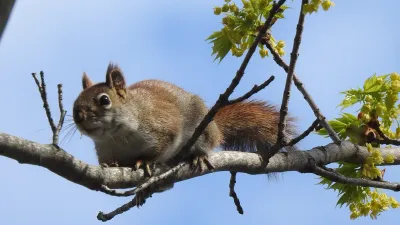
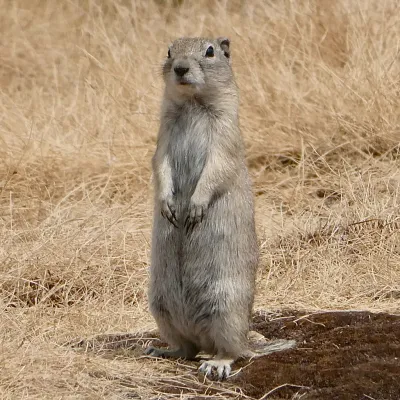
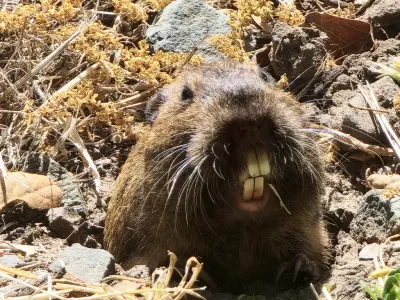
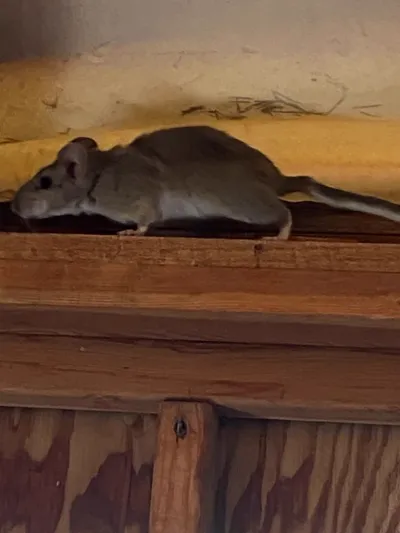
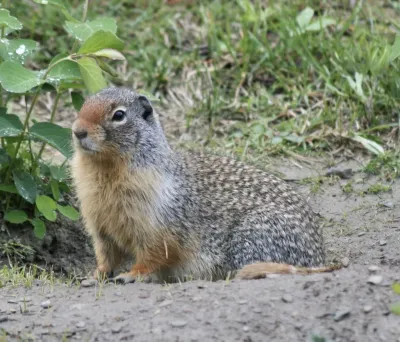
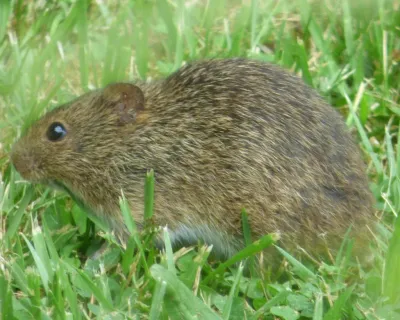
Commonly Confused With
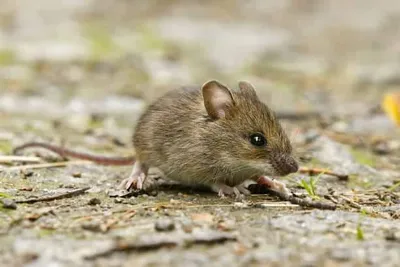
California Ground Squirrel are often mistaken for these similar pests
Where California Ground Squirrel Are Found
Hover over states to see their names. Green regions indicate where california ground squirrel have been reported.
Common Questions about California Ground Squirrel
How can I tell a California ground squirrel from a tree squirrel?
+
California ground squirrels have mottled grayish-brown fur with light flecks, a semi-bushy tail, and visible white rings around their eyes. Unlike tree squirrels, they always retreat to burrows when frightened rather than climbing trees. Their tails are also less fluffy than those of tree squirrels.
Are California ground squirrels dangerous?
+
California ground squirrels can carry diseases including bubonic plague and tularemia. Their fleas can transmit these diseases to humans and pets. They also cause significant property damage through burrowing, which can undermine foundations, levees, and roadways.
Why do California ground squirrels dig so many holes?
+
Ground squirrels create extensive burrow systems that serve as shelter from predators and extreme weather. A single burrow can extend 5 to 30 feet long and reach depths of 2 to 4 feet. Multiple squirrels may share a burrow system, each maintaining their own entrance.
When are California ground squirrels most active?
+
They are most active during morning and late afternoon, retreating to burrows during the hottest part of the day. In colder regions, they hibernate from late summer through early spring. Males typically enter hibernation first, followed by females after weaning their young.
What do California ground squirrels eat?
+
Their diet varies seasonally. In late winter and spring, they eat green grasses and leaves. During summer and fall, they switch to seeds, nuts, fruits, and occasional insects. They often cache food in their burrows for later use.
How do I know if I have a ground squirrel problem?
+
Look for burrow openings 4 to 5 inches in diameter with scattered soil nearby. You may also notice chewed plants, garden damage, and the squirrels themselves standing upright near their burrows. Unlike moles, ground squirrel mounds have visible entrance holes.

With five years of hands-on experience in the pest control industry, George Schulz is a registered technician with the Virginia Pest Management Association and a proud third-generation professional in a family business that's been protecting homes for over 57 years. He manages and trains a team of service pros while also leading internal research efforts—recently spearheading a deep-dive review of thousands of documents on pest control materials to hand-pick the most kid and pet friendly, most effective solutions tailored specifically for homes in the DC metro area.