Belding's Ground Squirrel Identification Guide
Urocitellus beldingi
Belding's ground squirrels are medium-sized burrowing rodents native to the mountain meadows of the western United States. Known locally as pot guts or sage rats, they can damage agricultural land and landscapes through extensive burrowing and crop feeding.
Taxonomy
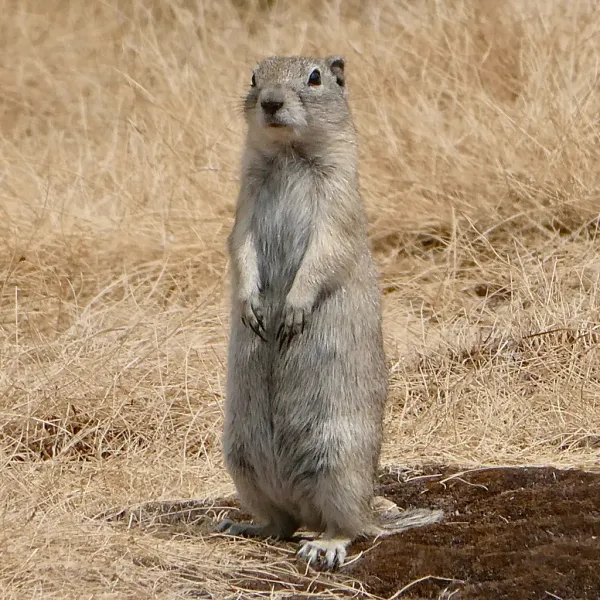
Belding's Ground Squirrel Coloration
Common color patterns to help identify belding's ground squirrel
Belding's Ground Squirrel
Seasonal Activity
When belding's ground squirrel are most active throughout the year
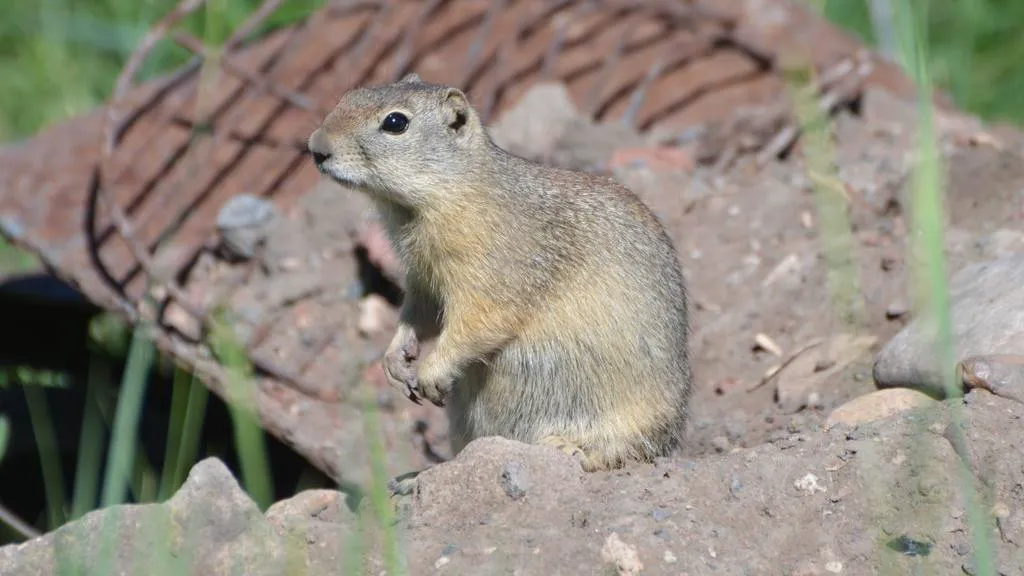
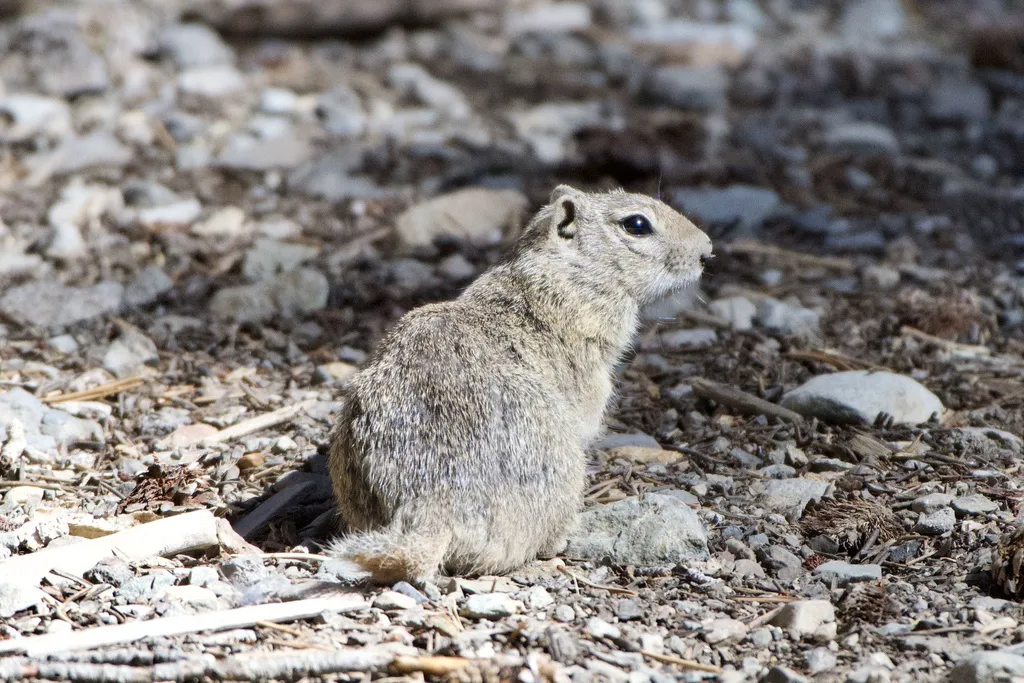
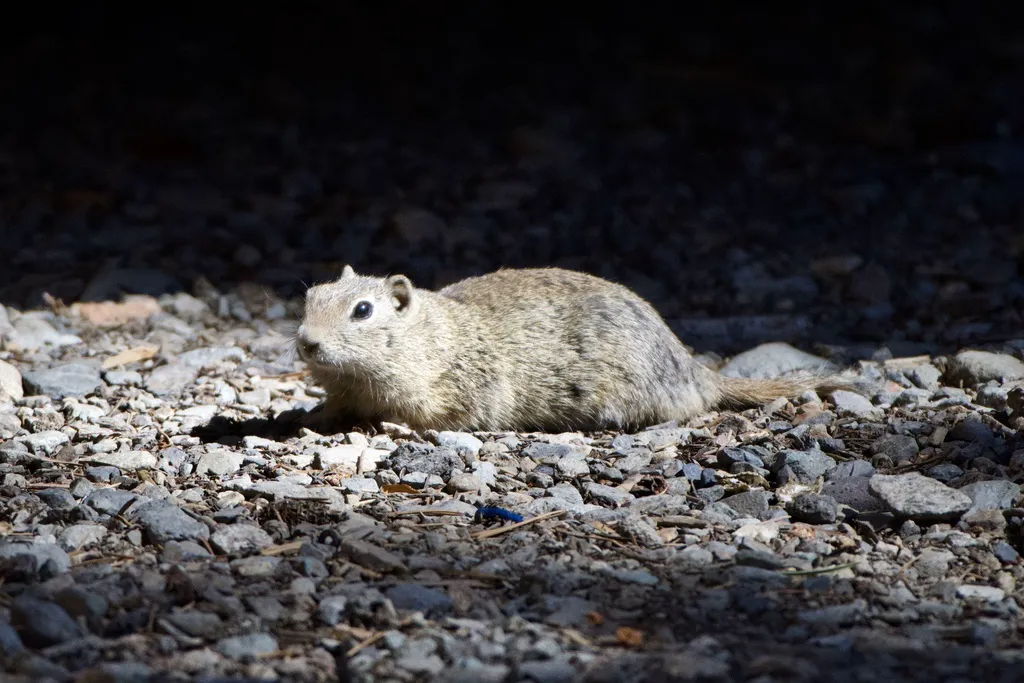

Where Belding's Ground Squirrel Are Found
Hover over states to see their names. Green regions indicate where belding's ground squirrel have been reported.
Belding’s Ground Squirrel Identification Guide
Physical Characteristics
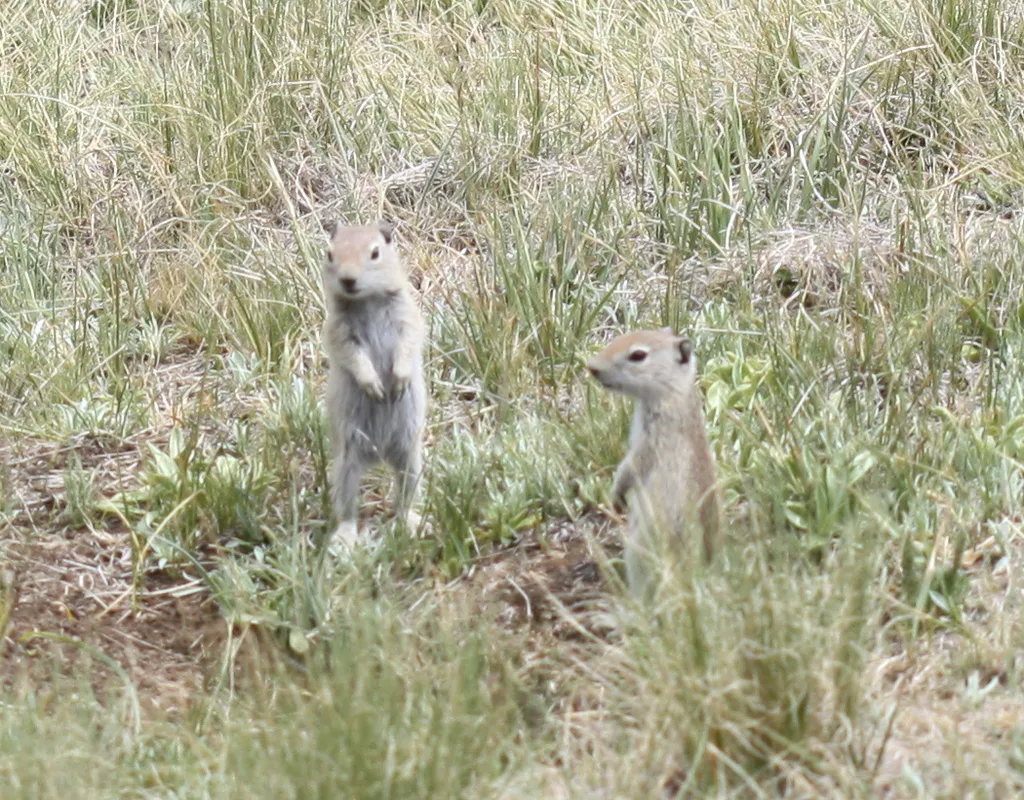
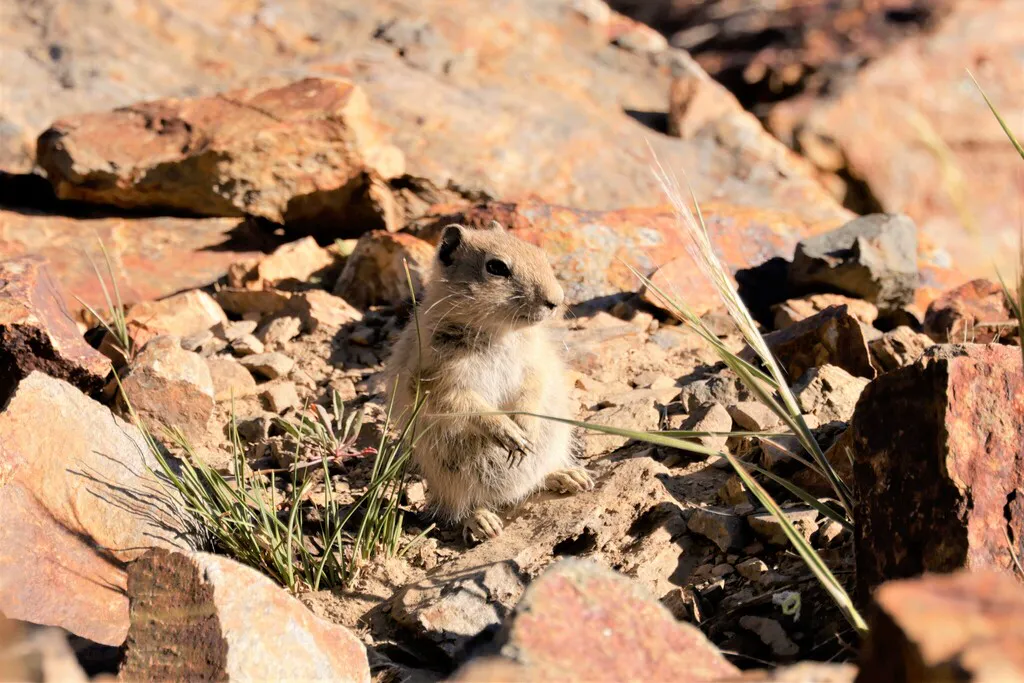
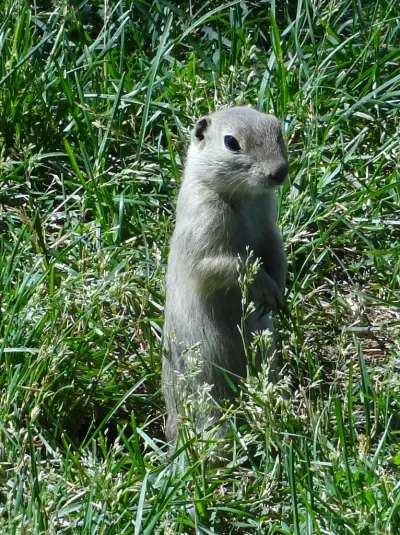
Belding’s ground squirrels are chunky, medium-sized rodents. Their body is 9 to 12 inches long. The tail is short and flat, adding only 1.5 to 3 inches more. This short tail makes them easy to tell apart from other ground squirrels. Adults weigh 8 to 12 ounces. Males are a bit larger than females.
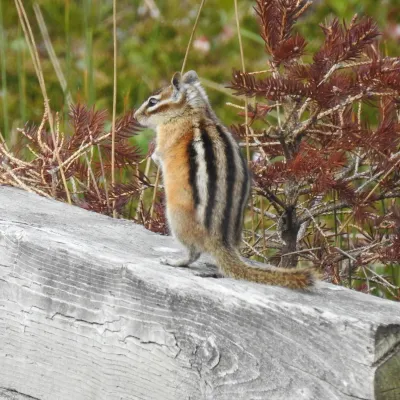
Their fur is smoky gray with a reddish-brown band down the middle of the back. This back stripe is one of the best ways to spot them. The belly is lighter, usually cream or buff. They have small, round ears and short legs that give them a stocky look. Unlike chipmunks, they do not have bold stripes on the face or sides.
Ranchers and farmers sometimes call them “pot guts” or “picket pins.” The pot gut name comes from their round, plump look in late summer as they fatten up for winter. The picket pin name comes from how they stand straight up like a tent stake while watching for danger.
Common Species and Distribution
Belding’s ground squirrel (Urocitellus beldingi) lives only in the western United States. Their range includes:
- California: Sierra Nevada meadows from about 5,000 to 12,000 feet, from Lake Tahoe south to Kings Canyon
- Oregon: Northeast counties, mostly high-desert grasslands and watered meadows
- Idaho: Southwest parts of the state
- Nevada: Northern and central mountain meadows
- Utah: Northwest corner of the state
- Washington: Small areas along the southern border with Oregon
They are not found east of the Rocky Mountains. They do not live in Canada or Mexico.
Belding’s Ground Squirrel Behavior and Biology
Habitat and Burrowing
Belding’s ground squirrels need open meadows where they can spot danger from far away. They live in mountain meadows, watered pastures, and sagebrush flats at higher elevations. They stay away from thick forests and rocky areas that block their view.
They dig burrows that serve as homes, nesting spots, and winter dens. Burrow openings are about 3 to 5 inches wide. The tunnels go deep and have rooms for nesting and food storage. These squirrels live in loose groups. Females stay close to where they were born. Males leave to find new areas once they grow up.
Diet and Foraging
Belding’s ground squirrels eat mostly plants. Their diet includes:
- Grasses and leafy plants from their meadow habitat
- Seeds, flower heads, and bulbs as the seasons change
- Bugs and other small creatures now and then
- Dead animals, eggs, and tiny animals on rare occasions
Unlike some other rodents that store food for later, these squirrels build up body fat before winter. In late summer, they eat as much as they can. They need enough fat to last through months of sleep.
Hibernation Cycle
Belding’s ground squirrels hibernate for a very long time. At high elevations, they can sleep for 7 to 8 months each year. That leaves only a few months of active time above ground.
- Males come out first, usually in late April or May. They appear about 1 to 2 weeks before females.
- Breeding happens fast after females come out, within just a few weeks.
- Young squirrels show up above ground by mid-summer, usually June or July.
- Males go back underground first, sometimes as early as mid-July or August.
- Females and young follow, going to sleep by September or October.
In warmer areas and watered meadows with mild winters, they may be active longer. Some come out as early as late February or March.
Reproduction
Belding’s ground squirrels have one litter per year. Breeding happens right after females come out of hibernation.
- Pregnancy lasts about 23 to 31 days
- Litters usually have 5 to 8 pups
- Pups are born without fur and cannot see. They stay in the burrow for weeks before coming above ground.
- Females may breed at one year old. Males usually wait until their second year.
Social Behavior and Alarm Calls
Belding’s ground squirrels are well known for their alarm calls. When a predator comes close, lookouts stand up tall and let out loud whistles to warn the group. Studies show that:
- Different calls warn about different threats. For example, one call is for hawks and another for coyotes.
- Females call more often than males, especially when family is nearby.
- This behavior shows how some animals put themselves at risk to help their relatives.
Their main predators include hawks, eagles, coyotes, badgers, weasels, and snakes.
Property Damage and Concerns
Farm and Landscape Damage
Where Belding’s ground squirrels live near farmland, they can cause real problems:
- They eat seedlings, grasses, and grain crops in fields and pastures
- Young trees get harmed when squirrels gnaw around the base
- They chew on plastic irrigation lines and tubing
- Their tunnels can weaken ditch banks, levees, and pasture ground
Health Concerns
Like other ground squirrels, Belding’s can carry fleas that spread serious diseases:
- Plague (Yersinia pestis), which causes outbreaks from time to time in ground squirrel groups across the western U.S. Report any unusual die-offs to local health officials.
- Tularemia, a bacterial infection spread by flea bites or contact with sick animals.
If you handle ground squirrels or spend time near active burrows, take steps to avoid flea bites. Always consult a doctor if you get flu-like symptoms after being near these animals. This page is for general information only and should not be taken as medical advice.
Management Strategies
Belding’s ground squirrels are wildlife. Managing them is different from dealing with household pests like mice or rats. The best results come from using several methods together during the time of year when squirrels are active.
Habitat Changes
Making an area less inviting can help keep squirrels away:
- Clear brush piles, junk, and rock piles near buildings
- Cut back on watering pastures where you can
- Keep plants trimmed to reduce food and cover near problem spots
Barriers and Exclusion
Physical barriers can guard certain areas:
- Wire mesh or hardware cloth around garden beds, tree trunks, and small plantings
- Tree guards to stop gnawing on young trees
- Below-ground barriers where tunnels threaten buildings
Fencing off large areas is not practical for this species since they roam widely.
Trapping
Traps can work well when the population is small to medium:
- Place box traps or tunnel traps near active burrow openings
- Bait the area first for a few days before setting traps
- Wear gloves when handling trapped animals because of disease risks
- Check local laws about live capture and moving animals. Many states restrict this.
Burrow Treatment
Treating burrows can reach squirrels underground when the soil is moist, usually in spring. Only approved products should be used. Many need a licensed professional to apply. Be careful not to harm other animals like burrowing owls that may use old burrows.
Legal Rules
Laws about ground squirrel control vary by state. In most western states, you can act when squirrels damage your property or crops. But some methods need permits. Check with your state wildlife agency before you start. Near public lands and parks, extra rules may apply.
For big problems or large numbers of squirrels, a licensed wildlife control expert can look at your situation. They can put together a plan that follows all local and state rules.
References
- Belding’s Ground Squirrel Species Account - Oxford Academic
- Ground Squirrel Management - UC Statewide Pest Management Program
- Belding’s Ground Squirrel - Animal Diversity Web
- Belding’s Ground Squirrel - U.S. Fish & Wildlife Service
- Belding’s Ground Squirrel Range Map - USGS
- Belding’s Ground Squirrel - Oregon Dept. of Fish & Wildlife
Other Rodents
Explore other species in the rodents family
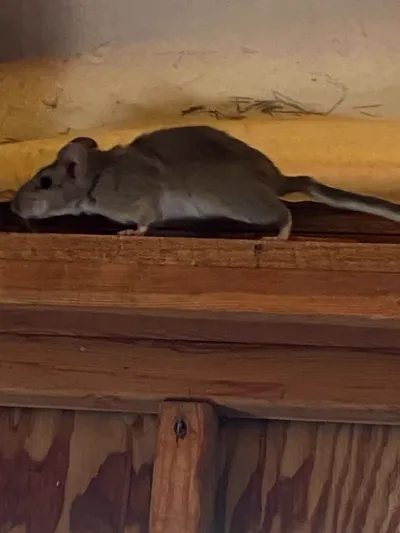
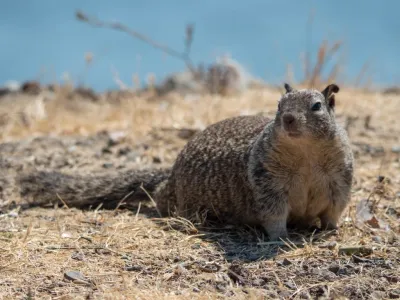
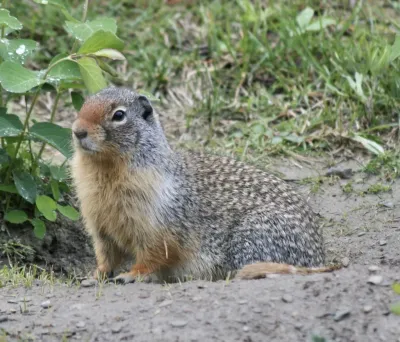
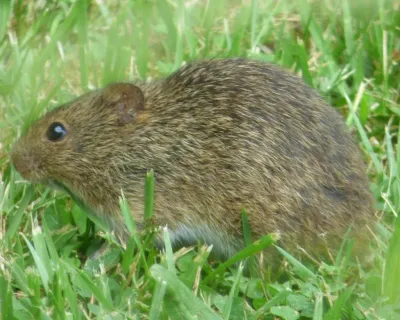
Commonly Confused With
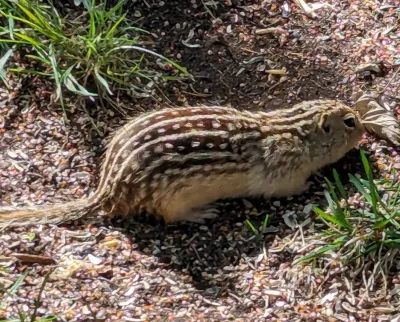
Belding's Ground Squirrel are often mistaken for these similar pests
Where Belding's Ground Squirrel Are Found
Hover over states to see their names. Green regions indicate where belding's ground squirrel have been reported.
Common Questions about Belding's Ground Squirrel
Where do Belding's ground squirrels live?
+
Belding's ground squirrels are found in the mountain meadows and high-elevation grasslands of the western United States, primarily in California's Sierra Nevada, northeastern Oregon, southwestern Idaho, northern Nevada, and northwestern Utah. They prefer open meadows between 4,000 and 12,000 feet in elevation.
Are Belding's ground squirrels dangerous?
+
They are not typically aggressive toward people, but they can carry fleas that transmit diseases including plague. Public health officials monitor ground squirrel populations in recreation areas for signs of plague outbreaks. Their burrowing can also create trip hazards and undermine ditch banks or irrigation infrastructure.
How can I tell a Belding's ground squirrel from a California ground squirrel?
+
Belding's ground squirrels are generally smaller and have a shorter, less bushy tail than California ground squirrels. They lack the white shoulder patch and prominent eye ring that California ground squirrels display. Belding's also have a distinctive reddish-brown band running along the back. Habitat is another clue: Belding's prefer higher-elevation meadows, while California ground squirrels are found at lower elevations.
What do Belding's ground squirrels eat?
+
They eat mostly grasses, forbs, seeds, and flower heads. Before hibernation they feed heavily to build fat reserves. They may also eat insects, carrion, and occasionally bird eggs when the opportunity arises.
How long do Belding's ground squirrels hibernate?
+
They are one of the longest-hibernating ground squirrels. At high elevations, they can remain dormant for 7 to 8 months, from around September or October through May or June. Males usually emerge from hibernation a week or two before females.
Do Belding's ground squirrels damage property?
+
In agricultural settings, they can cause moderate damage by feeding on crops, girdling young trees, and gnawing irrigation equipment. Their burrow systems can undermine ditch banks, pastures, and turf. However, they are mostly found in rural or wildland areas rather than residential neighborhoods.

With five years of hands-on experience in the pest control industry, George Schulz is a registered technician with the Virginia Pest Management Association and a proud third-generation professional in a family business that's been protecting homes for over 57 years. He manages and trains a team of service pros while also leading internal research efforts—recently spearheading a deep-dive review of thousands of documents on pest control materials to hand-pick the most kid and pet friendly, most effective solutions tailored specifically for homes in the DC metro area.