Leaf-Footed Pine Seed Bugs Identification Guide
Leptoglossus corculus
Leaf-footed pine seed bugs are overwintering pests that feed on pine seeds and conelets, often entering homes in fall seeking shelter from the cold.
Taxonomy
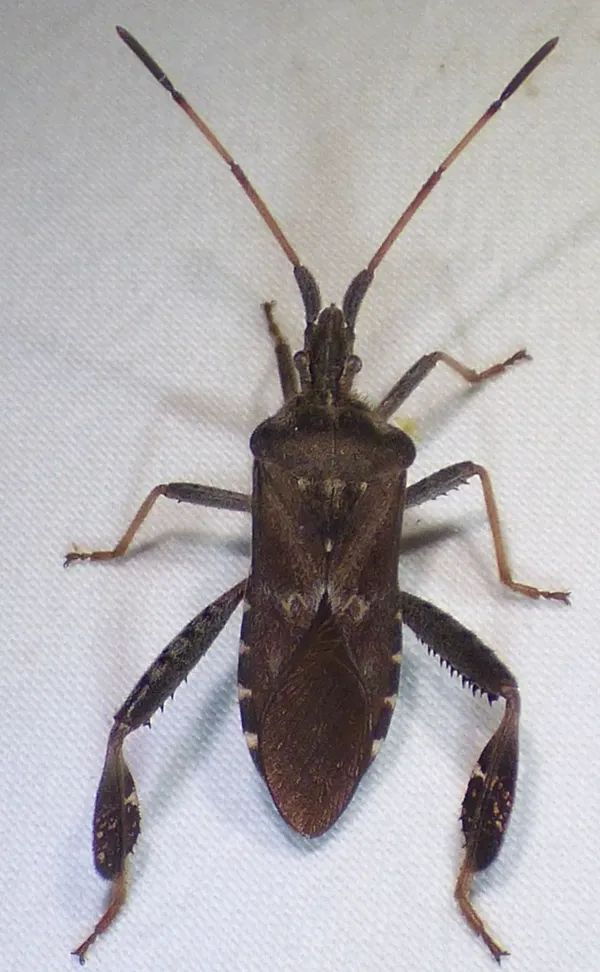
Leaf-Footed Pine Seed Bugs Coloration
Common color patterns to help identify leaf-footed pine seed bugs
Leaf-Footed Pine Seed Bugs
Seasonal Activity
When leaf-footed pine seed bugs are most active throughout the year

Where Leaf-Footed Pine Seed Bugs Are Found
Hover over states to see their names. Green regions indicate where leaf-footed pine seed bugs have been reported.
Leaf-Footed Pine Seed Bug Identification Guide
Physical Characteristics
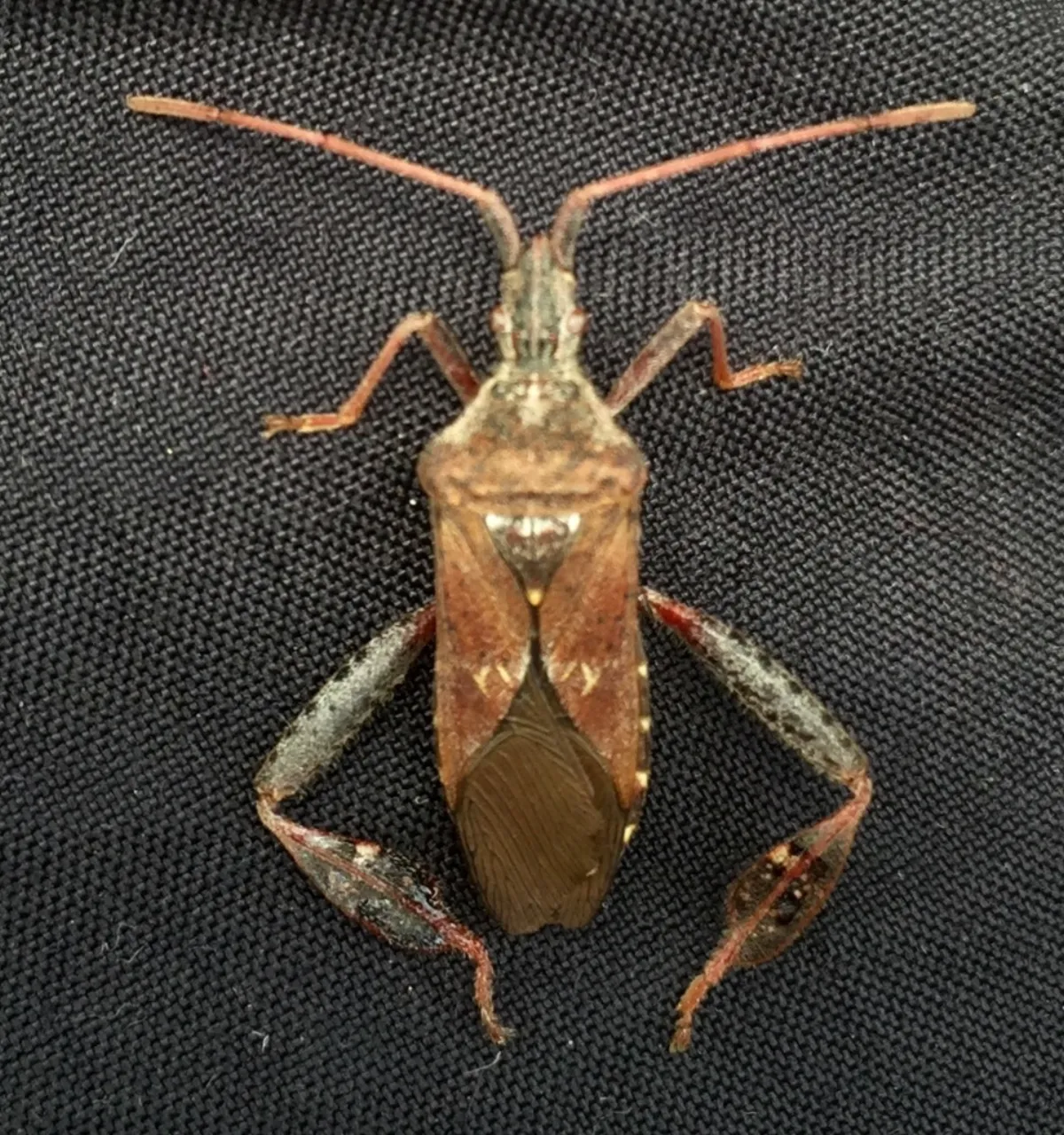
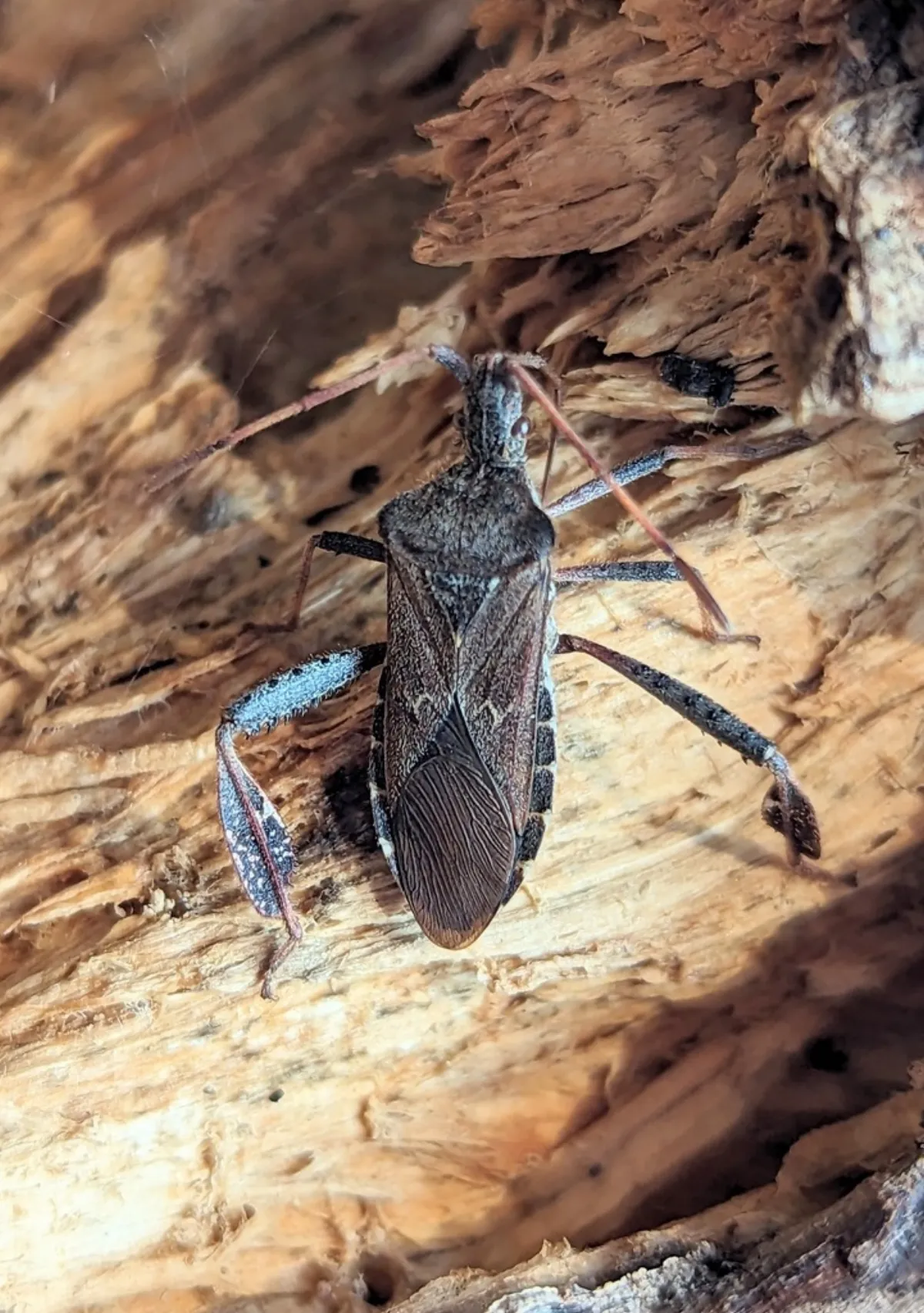
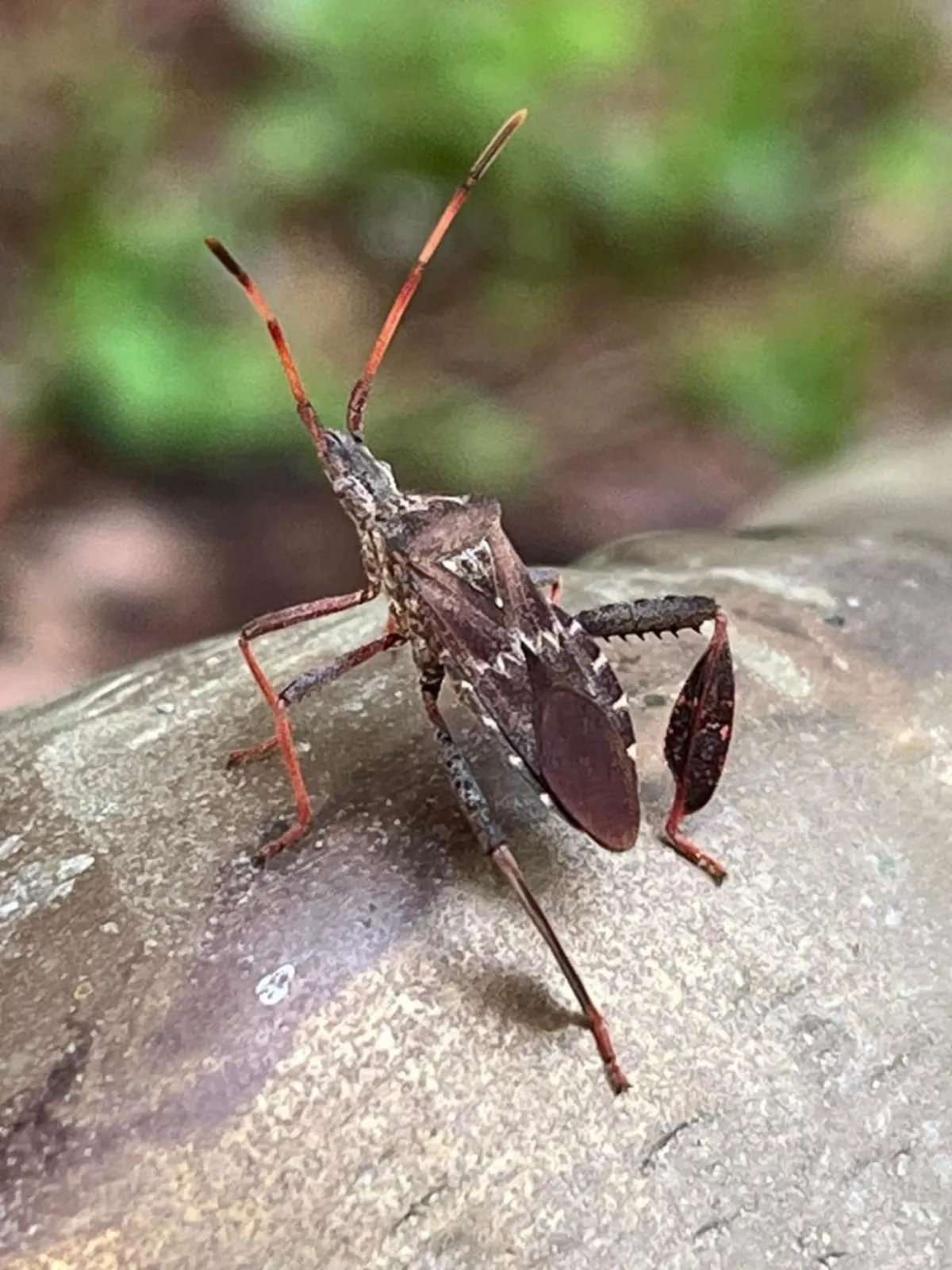
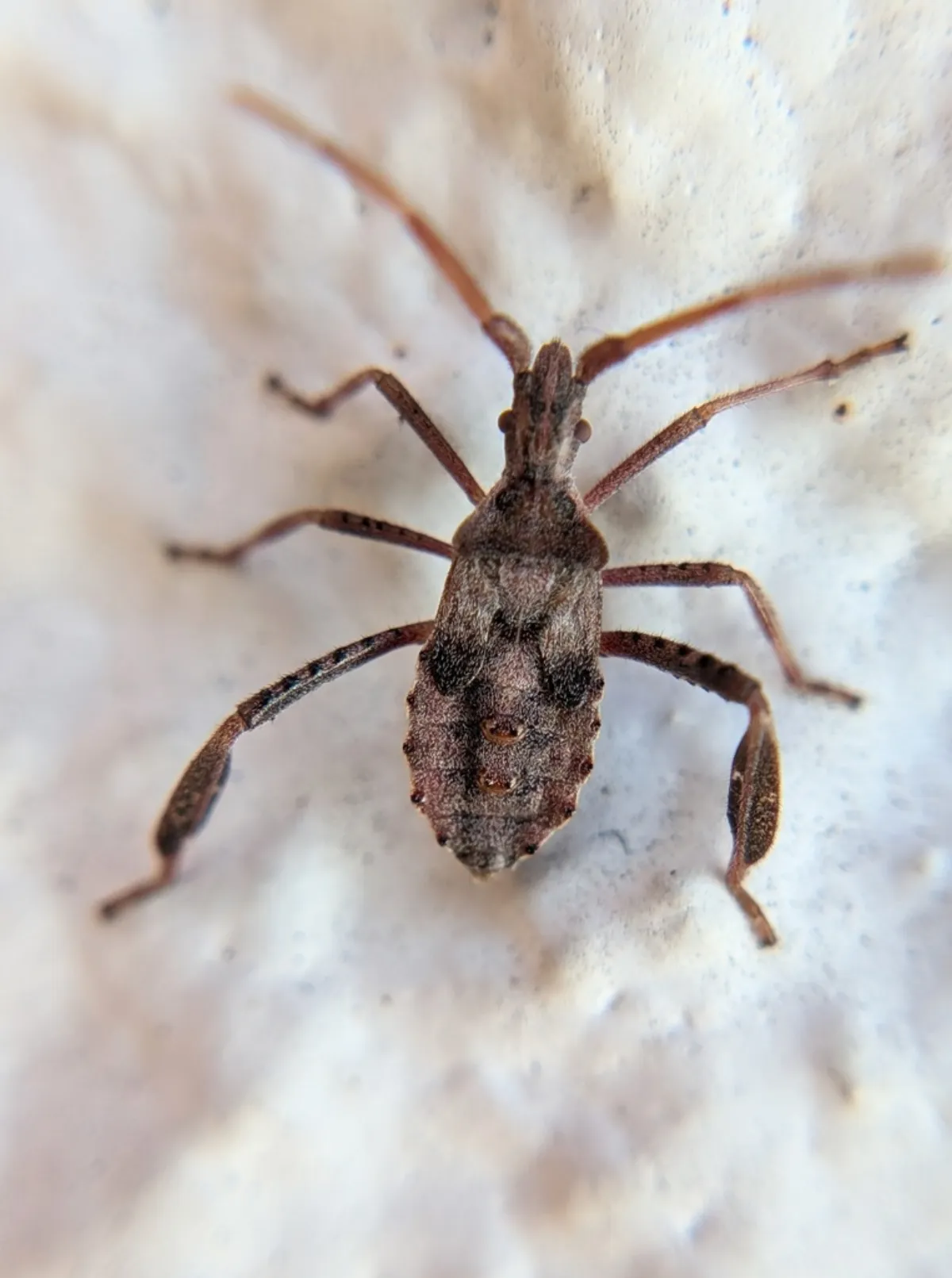
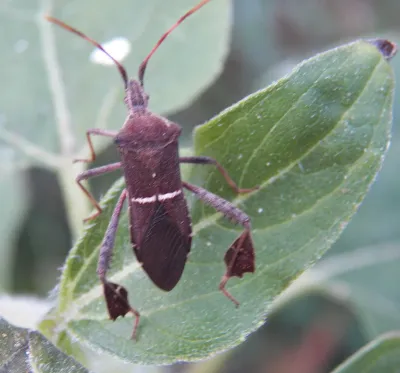
Leaf-footed pine seed bugs (Leptoglossus corculus) are about 15 to 19 mm long, or roughly 3/4 of an inch. They have long, slightly flat bodies that are reddish-brown to dark brown. The easiest way to spot any leaf-footed bug is to look at the back legs. These bugs have flat plates shaped like leaves on their hind legs. That is where their name comes from. On this species, the outer plate is longer than the inner one. This helps tell it apart from close relatives.
Adults have wings and can fly. They often buzz loudly when they take off. Their mouthparts work like tiny needles that pierce plant tissue to feed on pine seeds and conelets.
Common Look-Alikes
Leaf-footed pine seed bugs are frequently confused with several other insects:
- Western Conifer Seed Bug is very similar in size and shape. It usually has a more visible white zigzag line across the wings and slightly different hind leg sizes.
- Leaf-Footed Bugs are in the same genus with the classic leaf-like hind legs, but they have different wing patterns and belly markings.
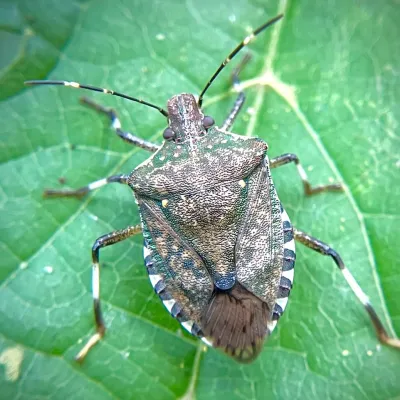
- Stink Bugs are similar in size and also enter homes in fall. Stink bugs have a wider, shield-shaped body and lack the leaf-like hind leg plates.
Leaf-Footed Pine Seed Bug Behavior and Biology
Habitat and Diet
These bugs live in and around pine forests across the eastern and southeastern United States. They feed only on plants. Their needle-like mouthparts suck fluids from growing pine conelets and seeds. In pine seed orchards, large numbers can destroy young conelets and hurt seed crops. This makes them a real concern in forestry.
Inside homes, they do not eat household items, stored food, fabrics, or wood. They are only a nuisance pest when found indoors.
Life Cycle
These bugs go through three stages: egg, nymph, and adult. There is no cocoon phase. In spring, females lay small barrel-shaped eggs in rows on pine needles. The nymphs look like tiny adults without wings. They start feeding on needles and young conelets right away. They shed their skin several times as they grow, and wing pads form. By the time they reach adulthood, they can fly.
In most areas, there is just one generation per year. Adults spend the winter hiding under bark, in leaf litter, or inside buildings. They come out again in spring when the weather warms up.
Overwintering Behavior
Like stink bugs and Asian lady beetles, leaf-footed pine seed bugs are common overwintering pests. In early to mid-fall, adults look for sheltered spots to ride out the winter. They gather on the warm, sunny sides of buildings and slip through small gaps around windows, doors, siding, and pipes. Once inside wall voids or sheltered spaces, they go mostly dormant until spring. On warm winter days, some may wake up and wander indoors. This is when homeowners most often spot them.
Treatment Methods for Leaf-Footed Pine Seed Bugs
Since these are nuisance pests that enter homes to overwinter, the best approach centers on keeping them out in the first place.
- Seal Entry Points. Caulk cracks and gaps around windows, doors, eaves, and utility pipes. Fix or replace torn window screens and add door sweeps. This is the single most important step.
- Vacuum Them Up. If you find them inside, use a vacuum to pick them up. Do not crush them because they can give off a bad smell. Empty the vacuum bag into a sealed bag and toss it outside.
- Treat the Exterior. Applying a residual repellent around the outside of the home can cut down on the number that get inside. Focus on areas near windows, doors, and eaves. These treatments work best when applied in September or October before the bugs start looking for shelter.
- Dust Voids. Insecticidal dust applied in weep holes, behind siding, and around window and door frames creates a barrier. This keeps bugs from getting into wall cavities.
Spraying pesticides indoors is usually not needed for these bugs. Vacuuming and sealing up the home give the most lasting results.
References
Other Plant Bugs
Explore other species in the plant bugs family
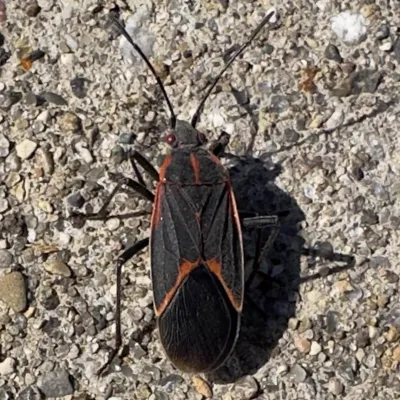
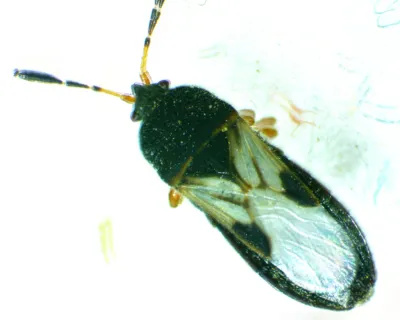
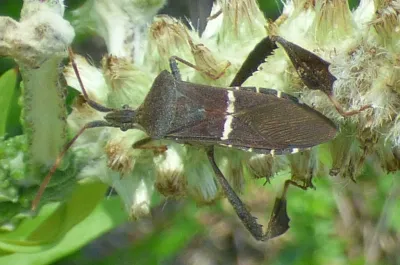
Commonly Confused With
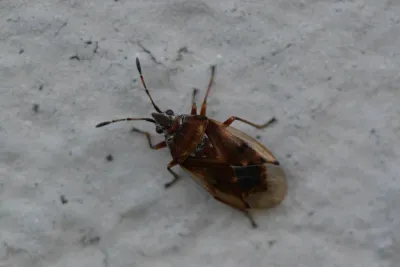
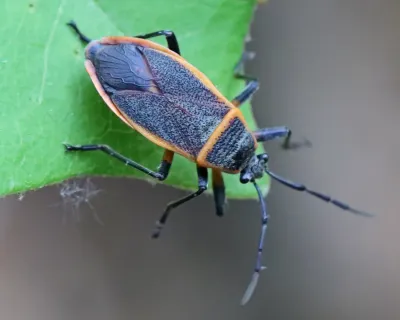
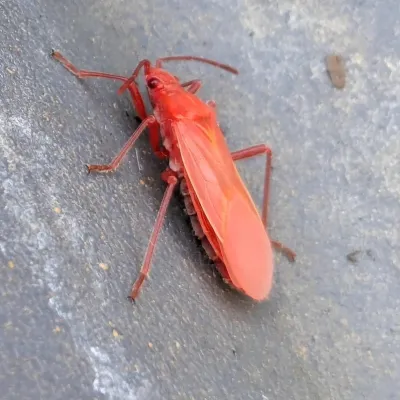
Leaf-Footed Pine Seed Bugs are often mistaken for these similar pests
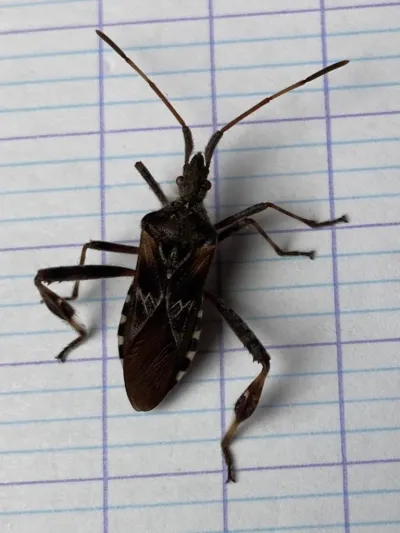
Where Leaf-Footed Pine Seed Bugs Are Found
Hover over states to see their names. Green regions indicate where leaf-footed pine seed bugs have been reported.
Common Questions about Leaf-Footed Pine Seed Bugs
Are leaf-footed pine seed bugs harmful to people?
+
No, leaf-footed pine seed bugs do not bite, sting, or transmit diseases to humans. They are strictly plant feeders and are considered nuisance pests when they enter homes to overwinter.
Why are leaf-footed pine seed bugs in my house?
+
These bugs enter homes in the fall seeking warm, sheltered locations to survive the winter. They are attracted to the sunny sides of buildings and squeeze through cracks around windows, doors, and siding.
Do leaf-footed pine seed bugs smell bad?
+
Yes, when disturbed or crushed they can release a pungent odor similar to stink bugs. It is best to vacuum them up or gently remove them rather than crushing them indoors.
What do leaf-footed pine seed bugs eat?
+
They feed primarily on developing pine seeds and conelets using their piercing-sucking mouthparts. In residential settings they do not feed on household materials, food, or wood.
How do I prevent leaf-footed pine seed bugs from entering my home?
+
Seal cracks around windows, doors, and utility entry points. Repair damaged screens and weatherstrip doors before fall when these bugs start seeking overwintering sites.
What is the difference between a leaf-footed pine seed bug and a western conifer seed bug?
+
Both are in the genus Leptoglossus and look very similar. The western conifer seed bug typically has a more distinct white zigzag line across its wings, while the leaf-footed pine seed bug tends to be darker with a longer outer hind tibial dilation.

With five years of hands-on experience in the pest control industry, George Schulz is a registered technician with the Virginia Pest Management Association and a proud third-generation professional in a family business that's been protecting homes for over 57 years. He manages and trains a team of service pros while also leading internal research efforts—recently spearheading a deep-dive review of thousands of documents on pest control materials to hand-pick the most kid and pet friendly, most effective solutions tailored specifically for homes in the DC metro area.