Leaf Footed Bugs Identification Guide
Leptoglossus spp.
Leaf footed bugs are large, distinctive insects that invade homes in fall to overwinter, identified by the leaf-like expansions on their hind legs.
Taxonomy
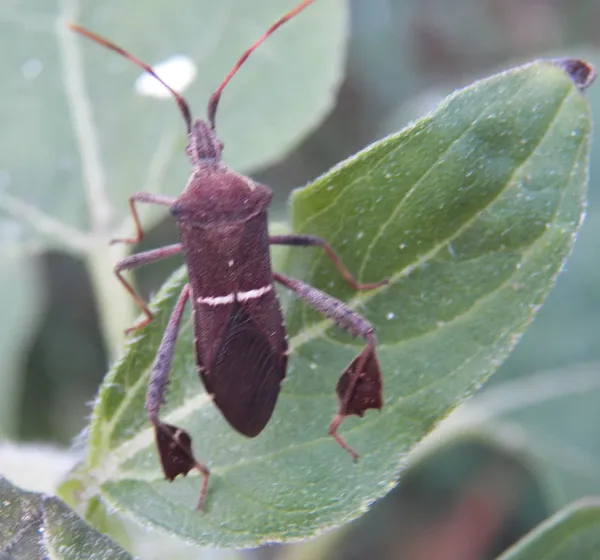
Leaf Footed Bugs Coloration
Common color patterns to help identify leaf footed bugs
Leaf Footed Bugs
Seasonal Activity
When leaf footed bugs are most active throughout the year

Where Leaf Footed Bugs Are Found
Hover over states to see their names. Green regions indicate where leaf footed bugs have been reported.
Leaf Footed Bug Identification Guide
Physical Characteristics
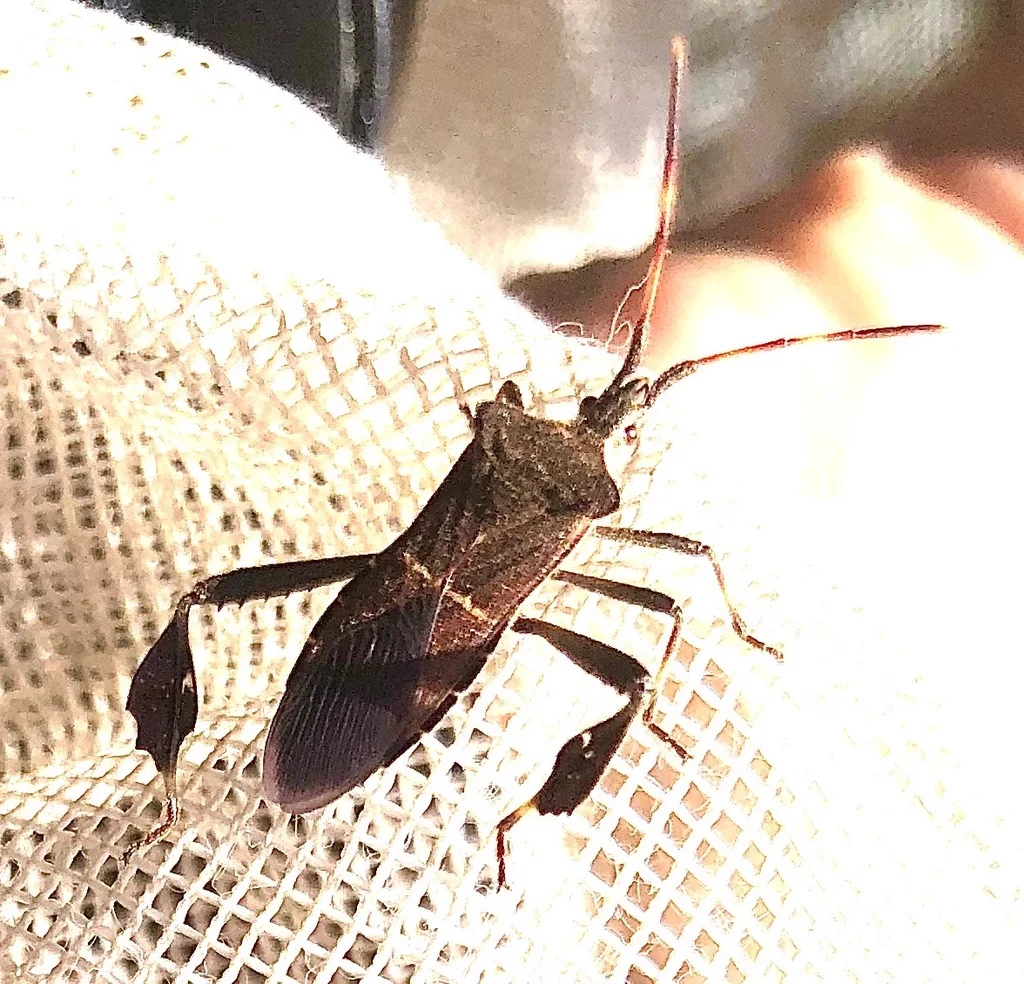
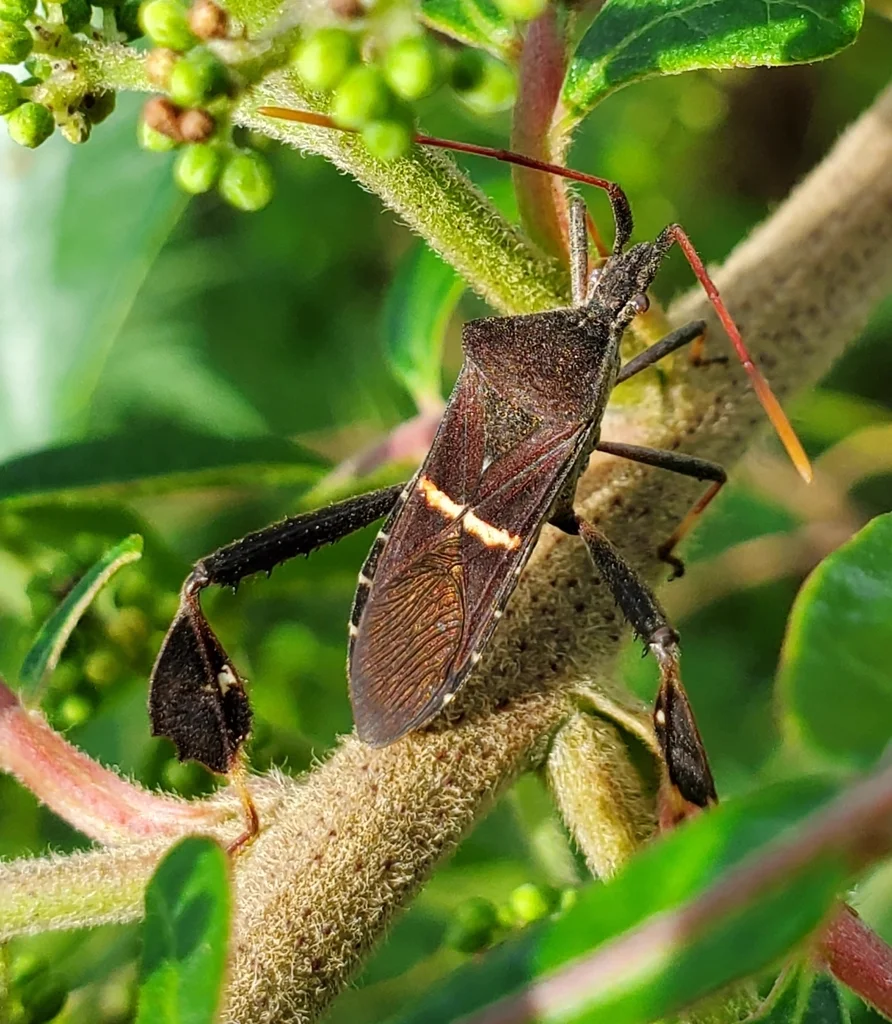
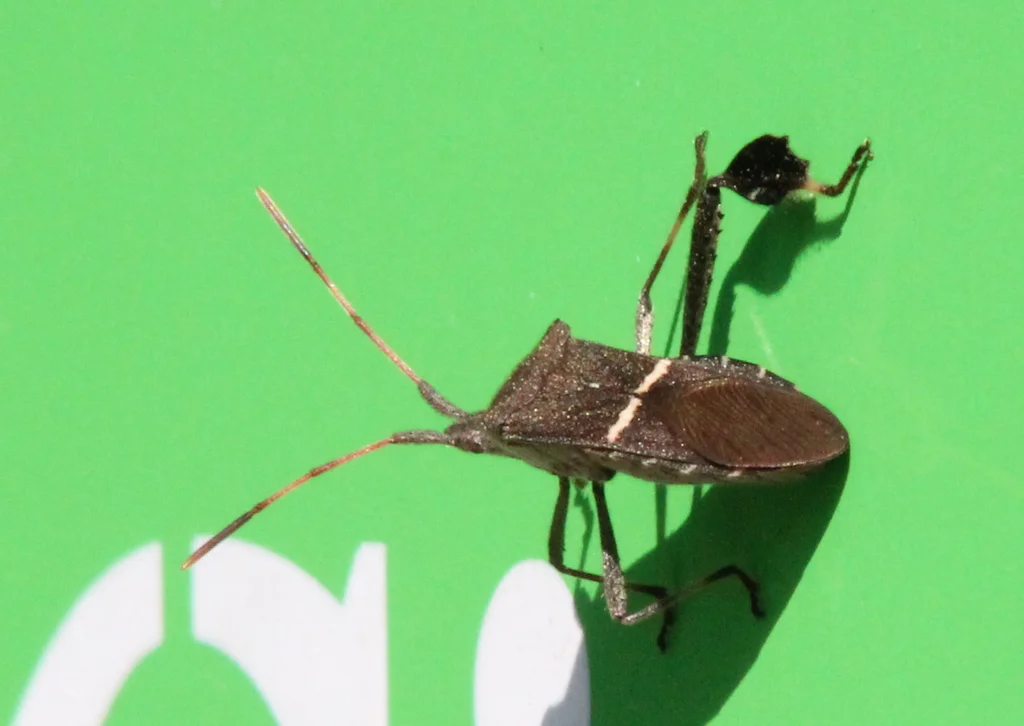
Leaf footed bugs are large insects that measure about 15 to 25 millimeters long. You can spot them by the flat, leaf-shaped parts on their back legs. This feature gives them their common name. They have long, thin bodies with small heads, long antennae, and wings that fold flat when resting.
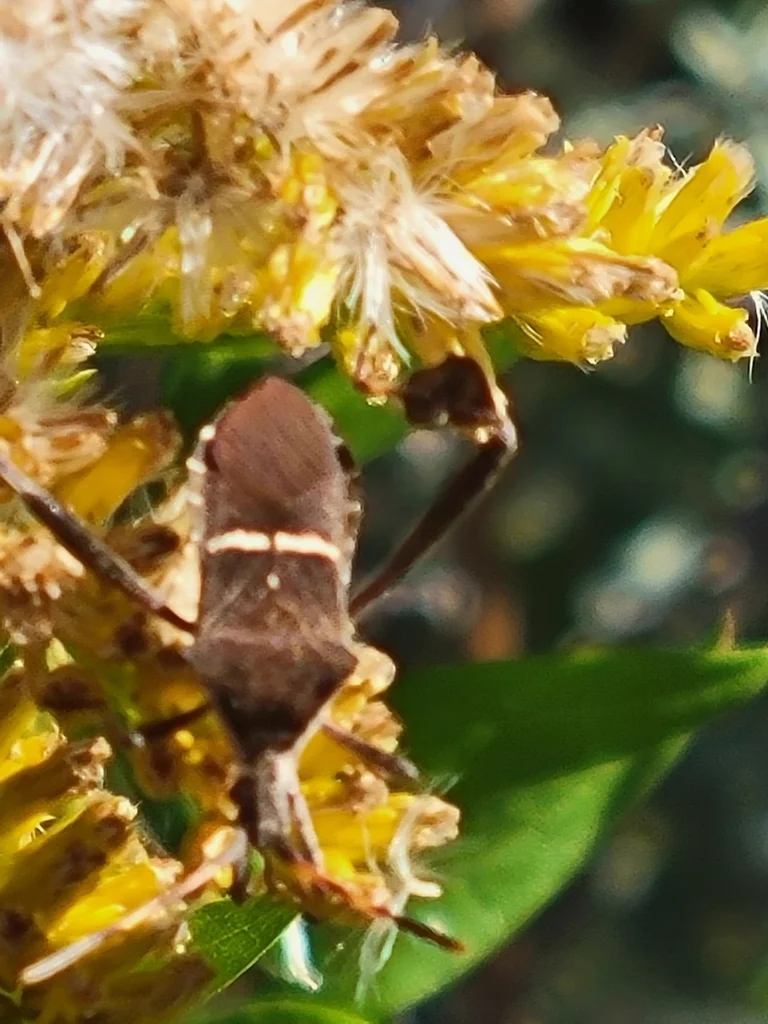
These bugs are usually brown, gray, or dark brown with lighter marks. Many have a pale zigzag stripe across their wings. They have beak-like mouths for feeding on plants. Adults fly well and often make a loud buzzing sound when airborne.
Common Species
You may encounter several types of leaf footed bugs in North America:
-
Eastern Leaf Footed Bug (Leptoglossus phyllopus): The most common type in the eastern U.S. It is brown with a white zigzag band on the wings. A related species, Boxelder Bug Nymphs, shares similar characteristics.
-
Western Leaf Footed Bug (Leptoglossus clypealis): Found along the Pacific coast. It often damages fruit and nut crops. A related species, Stilt Bugs, shares similar characteristics.
-
Giant Leaf Footed Bug (Acanthocephala declivis): A larger species that lives mainly in southeastern states. A related species, Birch Catkin Bugs, shares similar characteristics.
-
Florida Leaf Footed Bug (Acanthocephala femorata): Common in Florida and Gulf Coast areas. It often feeds on citrus plants. A related species, Red-Shouldered Bugs, shares similar characteristics.
Leaf Footed Bug Behavior and Biology A related species, Four-Lined Plant Bug, shares similar characteristics.
Leaf footed bugs feed on plants by sucking sap from fruits, seeds, and growing plant parts. They love fruiting plants and can harm crops like tomatoes, peppers, peaches, and nut trees. Damaged fruit may have spots, dents, or fall off early. A related species, Tarnished Plant Bug, shares similar characteristics.
These bugs go through three life stages: egg, nymph, and adult. Females lay rows of eggs on plant stems and leaves. Young nymphs look different from adults because they lack full wings and leg flanges. Nymphs often have bright red or orange colors that fade as they grow. A related species, Kudzu Bugs, shares similar characteristics.
Like stink bugs, leaf footed bugs seek warmth inside homes when fall arrives. They gather on sunny exterior walls before finding ways inside through cracks and gaps. Once indoors, they stay quiet through winter. In spring, they leave to go back outside and breed.
Treatment Methods for Leaf Footed Bugs
The best way to manage leaf footed bugs is to stop them from getting inside before cold weather hits. Sealing gaps around windows, doors, and siding helps keep them out. Fixing torn screens and adding door sweeps blocks common entry points.
Treatments applied in early fall create barriers that keep these pests away. Dust placed in exterior gaps like weep holes, behind siding, and around windows offers lasting protection. Perimeter sprays with repellent products add extra defense.
If bugs have already come inside, a vacuum works well to remove them without mess. Do not crush leaf footed bugs because they may give off a mild odor like their stink bug cousins. Indoor treatments around windows, doors, and baseboards can control bugs hiding in walls.
Cutting down outdoor bug numbers also helps. Pick overripe fruit from gardens, clear plant waste, and trim plants near the house. This gives fewer bugs a reason to look for shelter nearby.
References
Other Plant Bugs
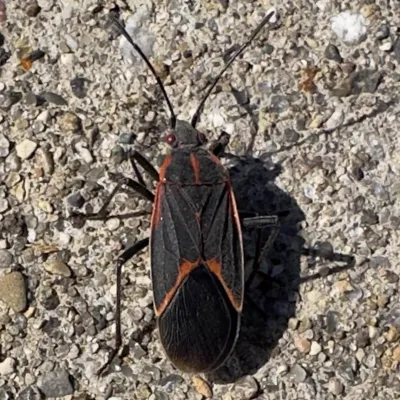
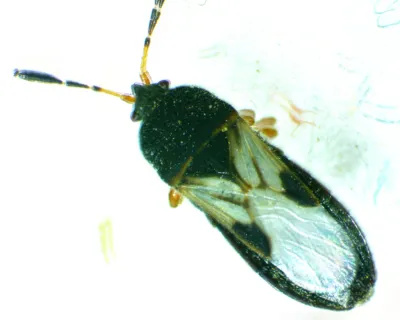
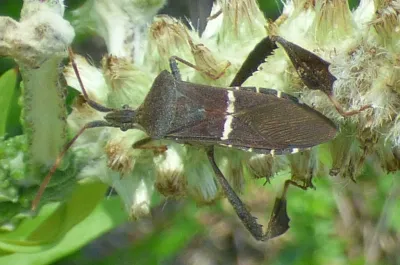
Explore other species in the plant bugs family
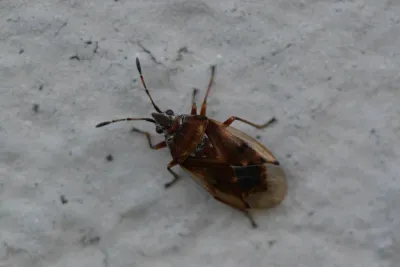
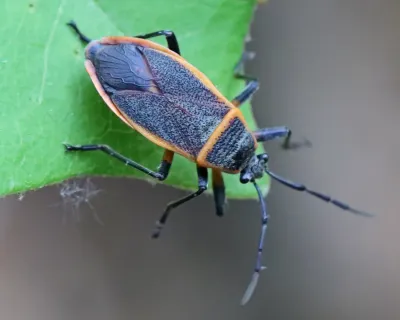
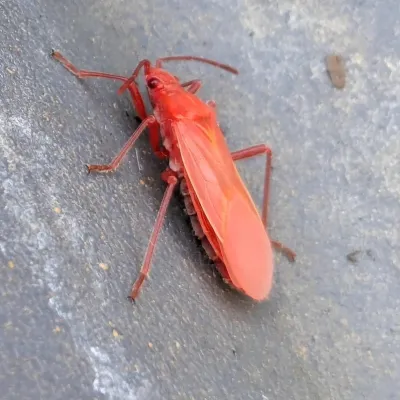
Commonly Confused With
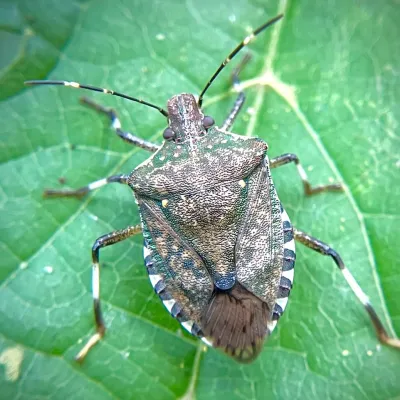
Leaf Footed Bugs are often mistaken for these similar pests
Where Leaf Footed Bugs Are Found
Hover over states to see their names. Green regions indicate where leaf footed bugs have been reported.
Common Questions about Leaf Footed Bugs
Why are they called leaf footed bugs?
+
They get their name from the flat, leaf-shaped parts on their back legs. These structures look like small leaves and make the bugs easy to spot.
Are leaf footed bugs harmful to humans?
+
No, leaf footed bugs do not bite or sting people. They do not spread diseases. They are just a nuisance when they come indoors for winter. You may notice a mild smell if you crush them.
Do leaf footed bugs damage homes?
+
No, leaf footed bugs do not damage your home. They only come inside to escape the cold. They do not eat wood, furniture, or stored food.
What do leaf footed bugs eat?
+
Leaf footed bugs suck sap from plants. They feed on fruits, vegetables, nuts, and garden plants. They can hurt crops like tomatoes, peaches, pecans, and pomegranates.
When do leaf footed bugs enter homes?
+
Leaf footed bugs look for indoor shelter in the fall when the weather gets cold. This usually happens from late September through November. They often gather on sunny walls before finding a way inside.
How can I prevent leaf footed bugs from entering my home?
+
Seal cracks around windows, doors, and siding. Fix torn screens and worn weather stripping. Fall treatments can also create barriers that keep them out.
What is the difference between leaf footed bugs and stink bugs?
+
Leaf footed bugs are larger and have leaf-shaped leg parts. Stink bugs have wider, shield-shaped bodies. Both can give off odors when bothered, but stink bugs are better known for their smell.

With five years of hands-on experience in the pest control industry, George Schulz is a registered technician with the Virginia Pest Management Association and a proud third-generation professional in a family business that's been protecting homes for over 57 years. He manages and trains a team of service pros while also leading internal research efforts—recently spearheading a deep-dive review of thousands of documents on pest control materials to hand-pick the most kid and pet friendly, most effective solutions tailored specifically for homes in the DC metro area.