Bordered Plant Bugs Identification Guide
Largus spp.
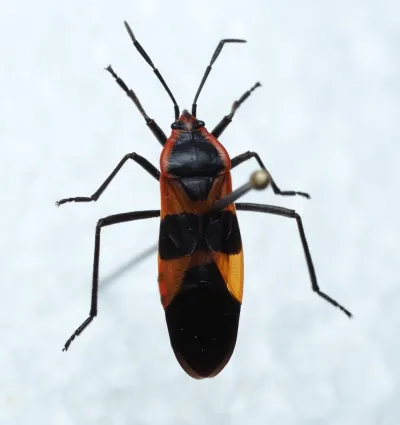
Bordered plant bugs are dark-bodied true bugs with a distinctive orange or red border along their wing margins. They feed on plant sap and seeds and occasionally enter homes but are considered nuisance pests that rarely cause significant damage.
Taxonomy
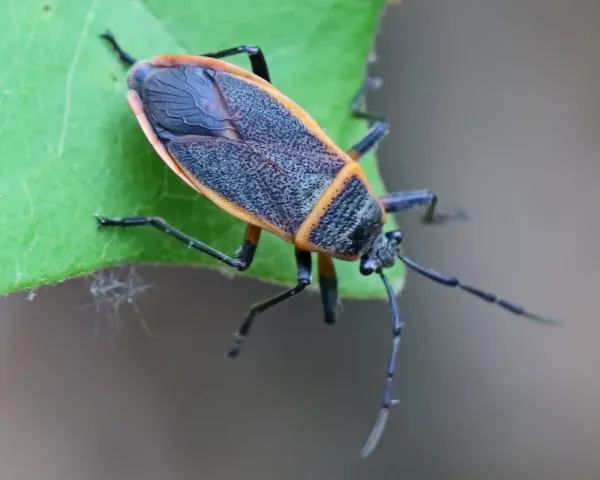
Bordered Plant Bugs Coloration
Common color patterns to help identify bordered plant bugs
Bordered Plant Bugs
Seasonal Activity
When bordered plant bugs are most active throughout the year
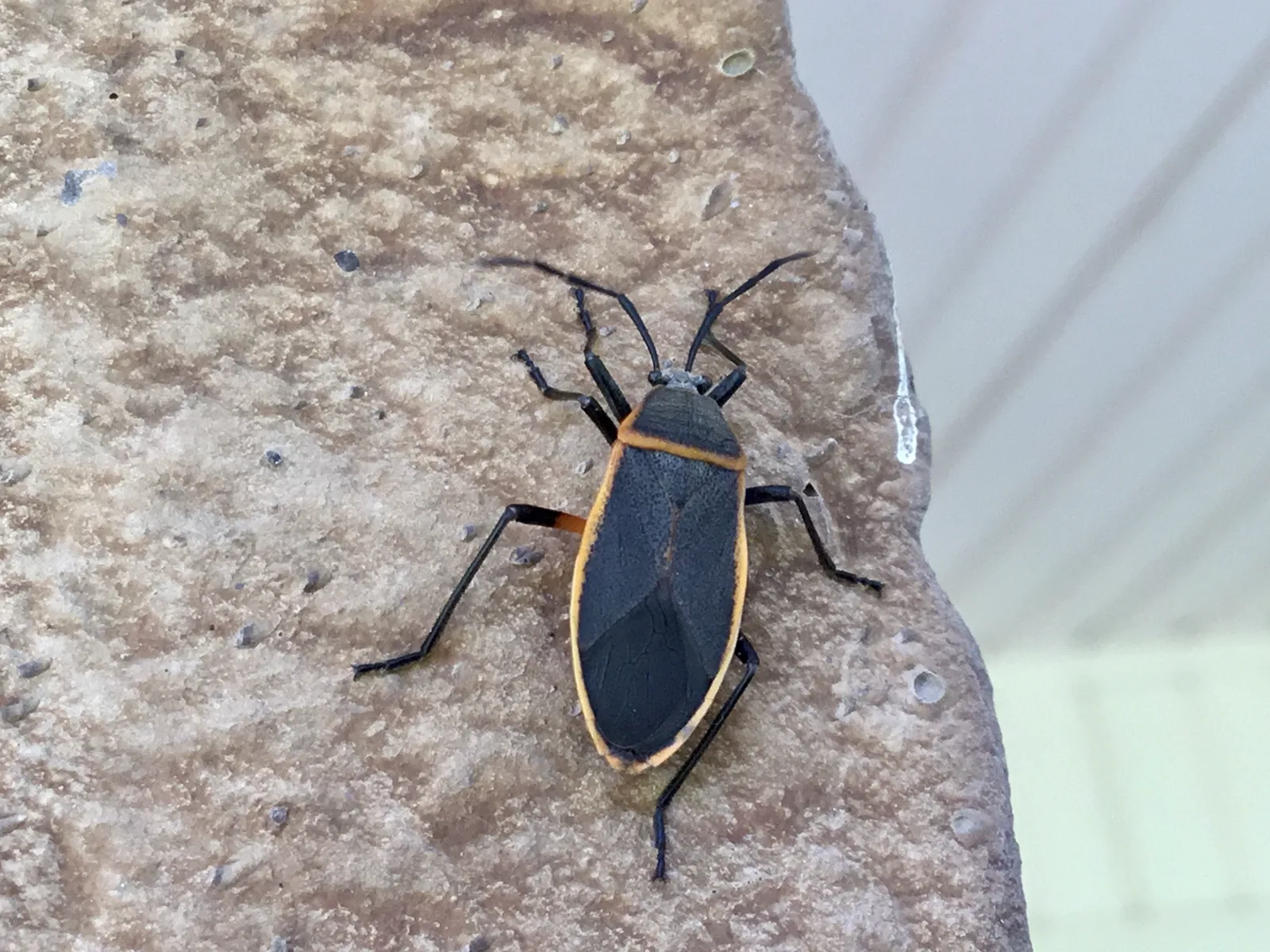
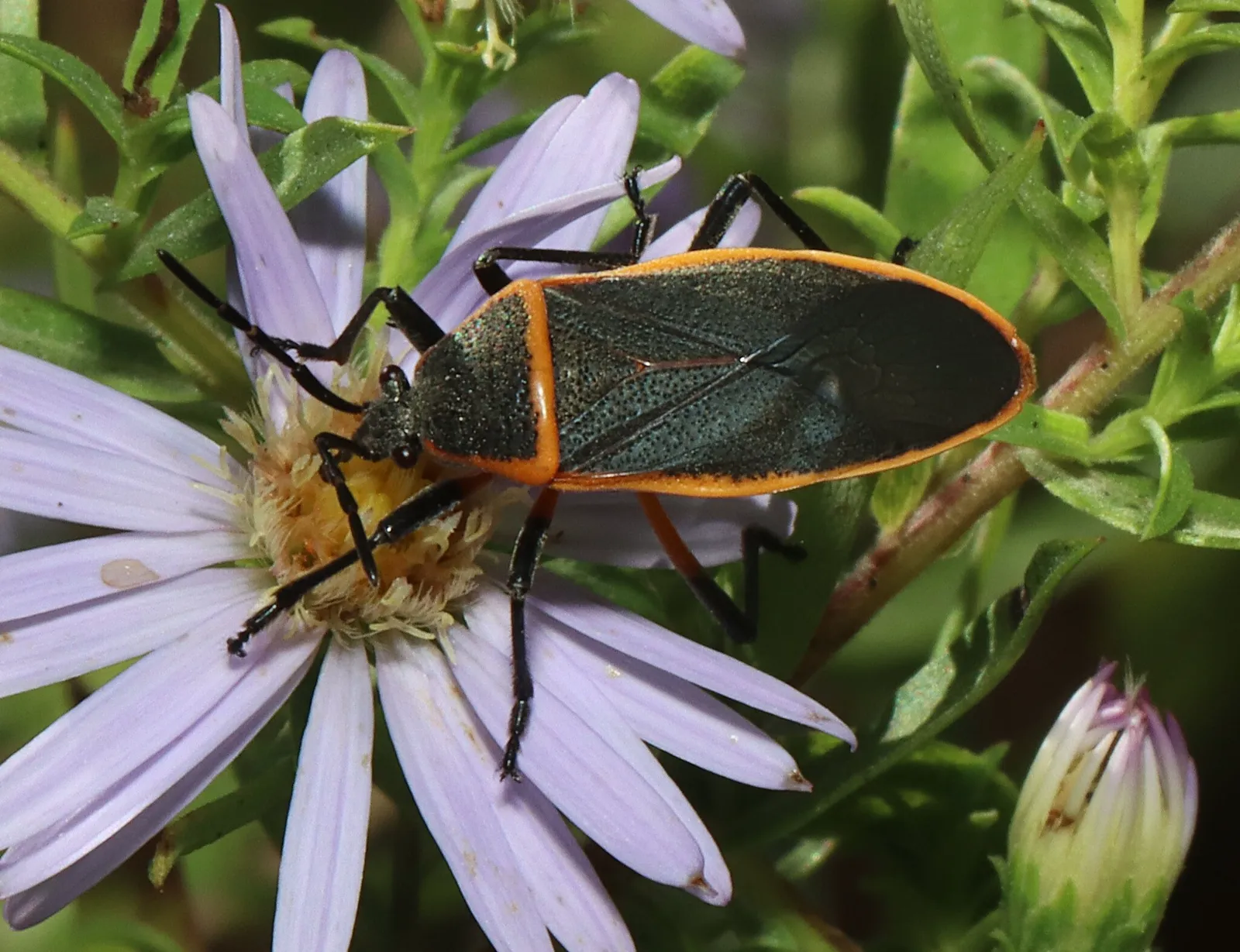
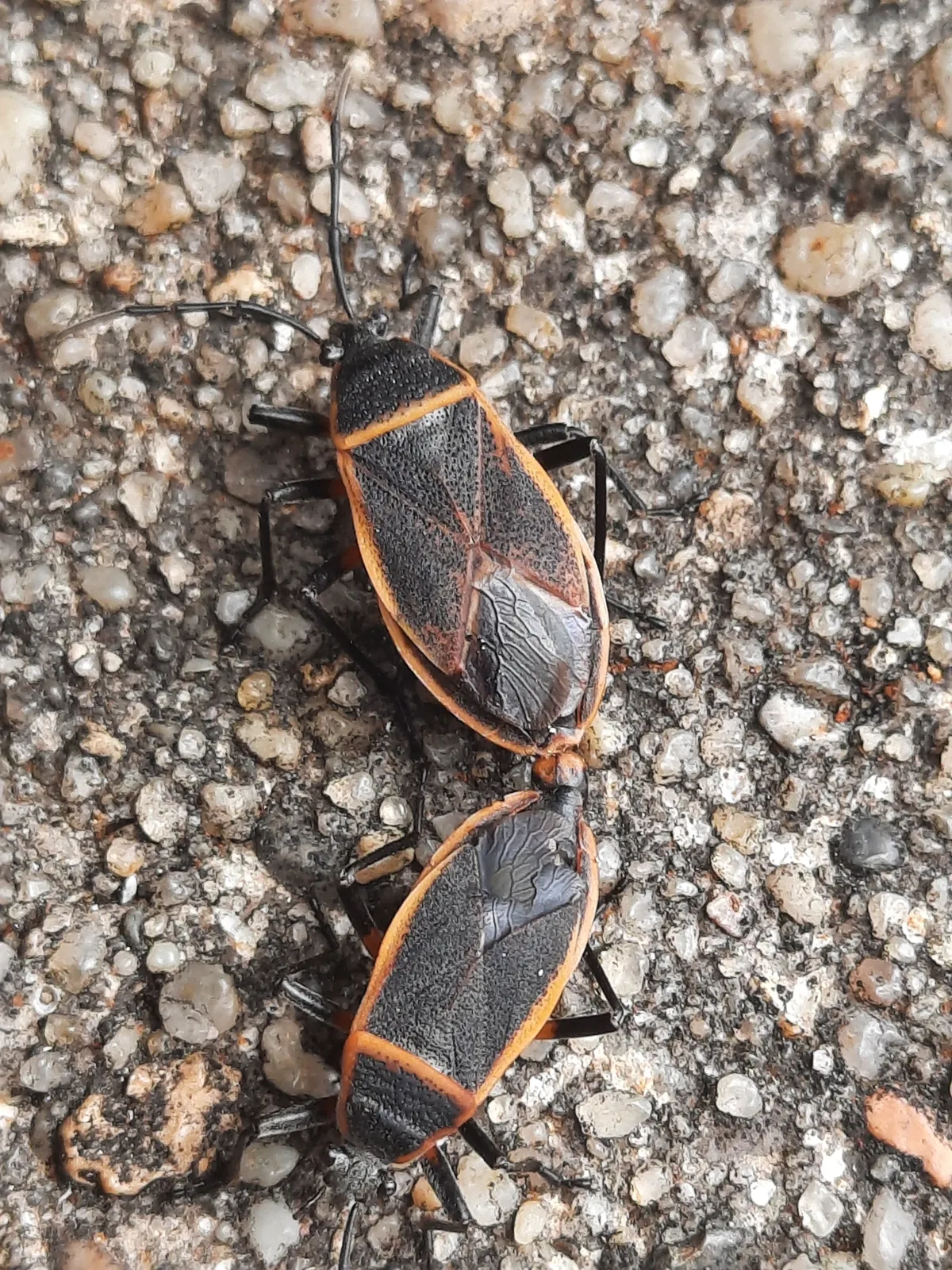

Where Bordered Plant Bugs Are Found
Hover over states to see their names. Green regions indicate where bordered plant bugs have been reported.
Bordered Plant Bug Identification Guide
Physical Characteristics
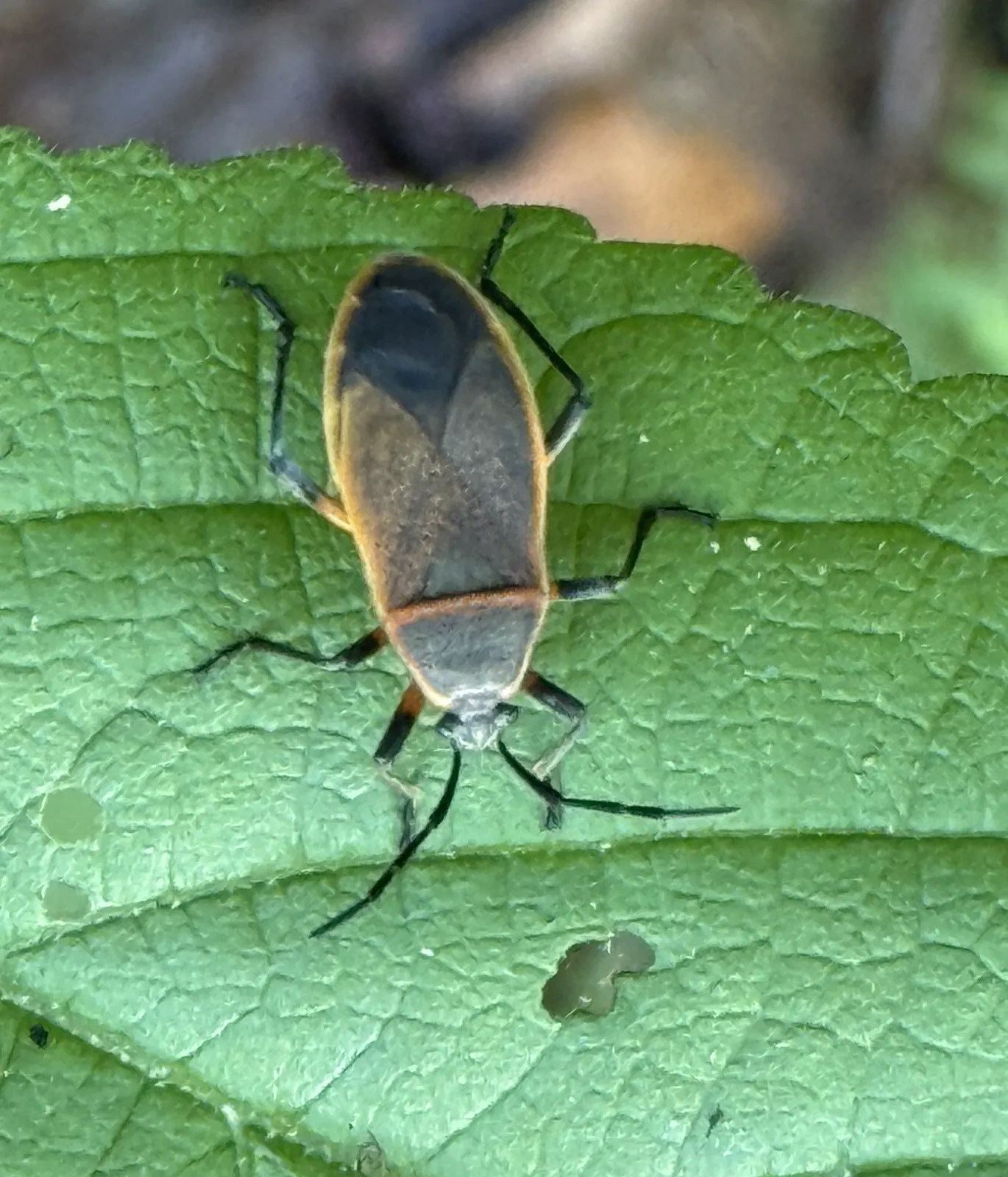
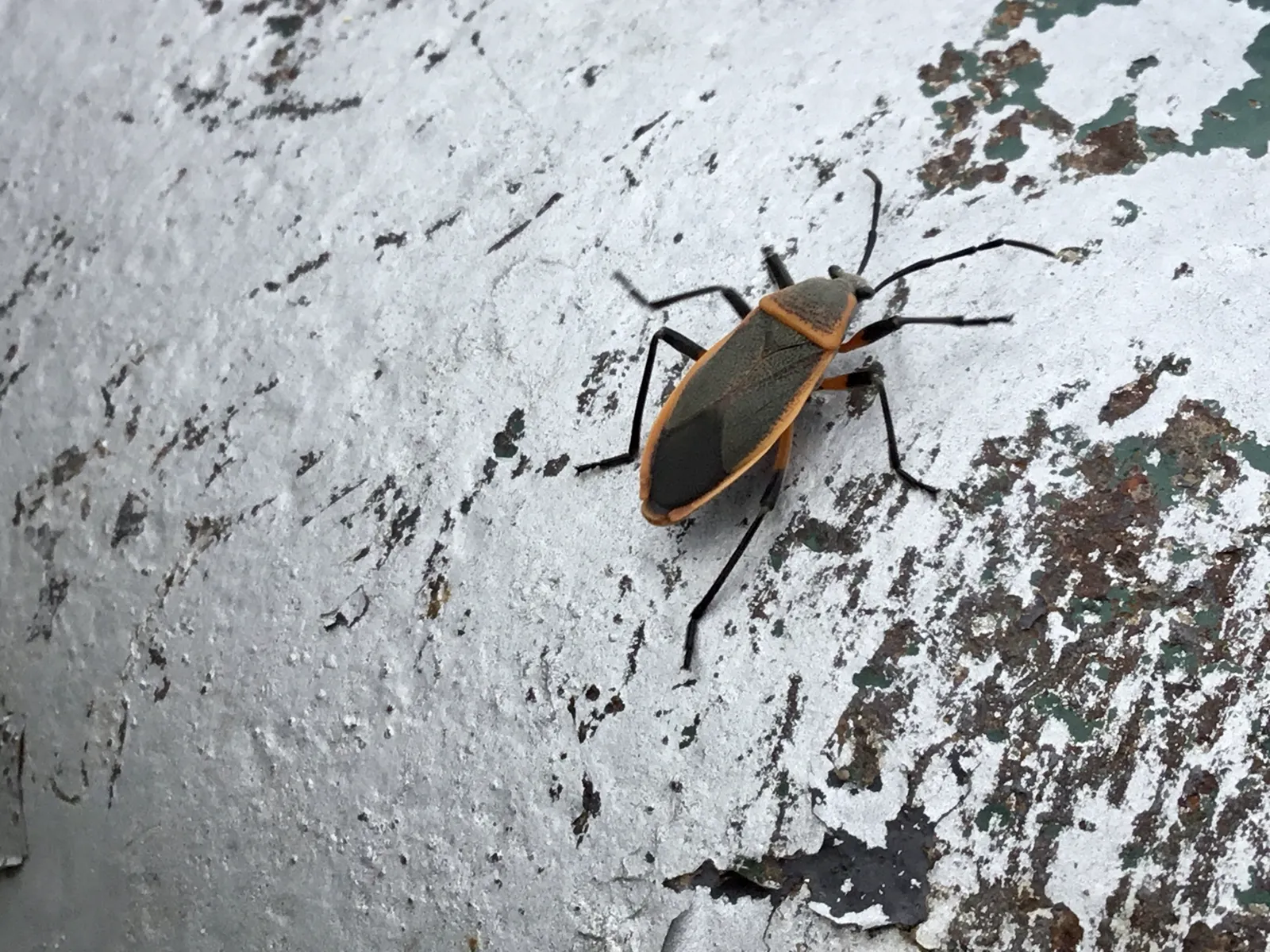
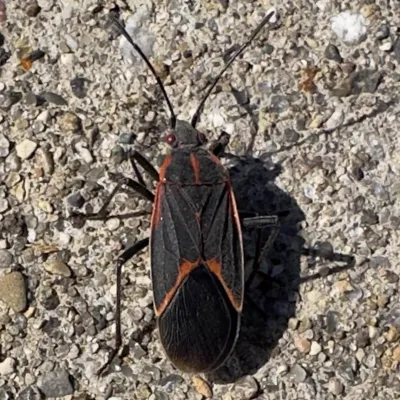
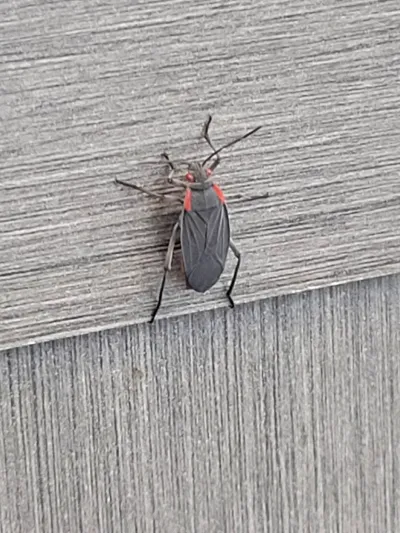
Bordered plant bugs measure about 13 to 17 millimeters long, or roughly 1/2 to 2/3 of an inch. Their most notable feature is the orange or red border that runs along the outer edge of their wings and across the plate behind the head. The rest of the body is black to dark brown. Adults have a flat, oval shape with six legs, two antennae, and wings folded flat across the back.
Young bugs, called nymphs, change color as they grow. The youngest nymphs are bright red. As they molt through five stages, they turn shiny blue-black, sometimes with a metallic look. Older nymphs may show orange spots on their backs as they near adulthood. Nymphs have small wing pads instead of full wings. They often cluster together in large groups on plants.
Common Species in North America
Several Largus species live across the continent. They can be hard to tell apart without close study.
- Eastern Bordered Plant Bug (Largus succinctus): The most common species in the eastern and central United States, found from New York to Florida and west to Colorado and Arizona
- California Bordered Plant Bug (Largus californicus): Common along the Pacific coast, especially in California and Oregon
- Mexican Bordered Plant Bug (Largus maculatus): Found mainly in Mexico and the southwestern United States
- Largus cinctus: Lives in the western and south-central United States, sometimes in the same areas as L. californicus
Similar-Looking Insects
Bordered plant bugs look like other dark bugs with orange or red marks. Here is how to tell them apart:
- Boxelder bugs have three red lines behind the head and red marks along the wing edges in a striped pattern. Bordered plant bugs have one solid orange border instead.
- Milkweed bugs are bright red or orange with bold black patches. Their color is more evenly split between red and black.
- Red-shouldered bugs are mostly black with only two narrow red stripes on the shoulders and have red eyes. Bordered plant bugs show a wider orange edge around the full wing.
- Assassin bugs can look like bordered plant bugs in color but have a longer head with a clear “neck” and a curved beak. Assassin bugs hunt other insects and can bite, so do not handle any dark bug you cannot identify.
Bordered Plant Bug Behavior and Biology
Feeding Habits
Bordered plant bugs have needle-like mouthparts that pierce plants to drink sap. They feed on seeds, shoots, and sometimes soft fruits or berries. They eat from many types of plants, including oaks, pines, wildflowers, and garden plants. University extension sources note that they also eat dead insects and other organic matter. Even though they feed on plants, they rarely cause enough damage to be a real problem for gardens or yards.
Life Cycle
Bordered plant bugs go through three life stages: egg, nymph, and adult. Females lay eggs on plants, usually in bark cracks or leaf litter. Eggs hatch in about two weeks. Nymphs take roughly 100 days to become adults, depending on temperature and food. Adults can live two to seven months. In warmer areas like the southern United States and Mexico, two rounds of offspring per year are common. In cooler areas, there is usually one generation, with adults active from late spring through early fall.
Grouping Behavior
One of the most obvious traits of bordered plant bugs is their habit of gathering in large groups. Nymphs often form packed clusters on tree trunks, fence posts, and leaves. This grouping likely helps protect them. The bright colors of nymphs act as a warning to birds and other predators. Numbers can change a lot between seasons. Research shows that bordered plant bugs can be very common one month and almost gone the next, depending on temperature and food supply.
Seasonal Activity
In temperate climates, bordered plant bugs are dormant through winter. Nymphs start showing up in March and April. Activity grows through May and June as nymphs develop. Populations peak from July through September when adults are easiest to spot. Numbers drop in October and November as it gets cooler. In warmer southern and western states, activity begins earlier in spring and lasts later into fall. Two overlapping generations can keep numbers high for longer.
Treatment Methods for Bordered Plant Bugs
Bordered plant bugs are low-risk nuisance pests. Mississippi State University Extension notes that treatment is usually not needed unless large numbers are causing visible plant damage. When control is needed, these methods can help:
-
Manual Removal: Pick adults and nymphs off plants and drop them into soapy water. You can also spray clusters off with a strong blast from a garden hose. Vacuum up any that wander indoors.
-
Sealing Entry Points: Close gaps around windows, doors, and utility openings to keep bugs from getting inside. Fix torn screens and add weatherstripping to doors.
-
Reducing Habitat: Clear plant debris, leaf litter, and thick ground cover near your home where bugs like to gather. Pick up fallen fruit or berries that may draw them in.
-
Targeted Treatments: For large numbers on garden plants, insecticidal soap sprayed on clusters can bring numbers down. Broad chemical sprays are rarely needed and most experts advise against them for bordered plant bugs.
Be patient. Bordered plant bug numbers rise and fall on their own. Groups that look alarming in midsummer usually shrink as the season moves on.
References
- Bordered Plant Bug - Mississippi State University Extension
- Boxelder Bug and Largus Look-alikes - UC Pest Management
- Genus Largus - BugGuide
- Biology of Largus californicus (Hemiptera: Largidae) - Booth, 1990
- Effects of Temperature and Resource Variation on Insect Population Dynamics: The Bordered Plant Bug - Johnson et al., 2016
- Revision of the genus Largus (Hemiptera) for Mexico - Rosas & Brailovsky, 2016
Other Plant Bugs
Explore other species in the plant bugs family
Commonly Confused With
Bordered Plant Bugs are often mistaken for these similar pests
Where Bordered Plant Bugs Are Found
Hover over states to see their names. Green regions indicate where bordered plant bugs have been reported.
Common Questions about Bordered Plant Bugs
What are bordered plant bugs?
+
Bordered plant bugs are true bugs in the family Largidae. They get their name from the distinctive orange or red border that runs along their wing margins. They feed on plant sap, seeds, and occasionally fruit, but are not considered major pests.
Are bordered plant bugs harmful to people?
+
No. Bordered plant bugs do not bite or sting people and they pose no health risks. They are strictly plant feeders and are considered harmless nuisance insects when they appear around homes.
Do bordered plant bugs damage plants?
+
Bordered plant bugs feed on plant sap and seeds using piercing-sucking mouthparts, but they rarely cause significant damage. University extension sources describe them as minor pests that usually do not warrant treatment unless large numbers are present and feeding damage is visible.
Why are bordered plant bugs on my house?
+
Bordered plant bugs sometimes rest on exterior walls, particularly warm sunny surfaces. They may be attracted to outdoor lighting at night. They are not trying to infest your home and typically move on as they search for host plants to feed on.
How do I tell bordered plant bugs apart from boxelder bugs?
+
Bordered plant bugs have a continuous orange border along the outer edge of each wing. Boxelder bugs have three red lines behind the head and additional red markings along the wing edges in a different pattern. Bordered plant bugs also have a broader, more oval body shape compared to the more elongated boxelder bug.
What do bordered plant bug nymphs look like?
+
Young bordered plant bugs look very different from adults. First-instar nymphs are bright red. As they grow through five molts, they become shiny blue-black with small wing pads. Older nymphs may develop orange spots on the back. They often cluster together in groups on host plants.
Do bordered plant bugs come inside homes?
+
Bordered plant bugs occasionally wander indoors but do not infest homes. They cannot reproduce indoors and do not feed on household materials. If you find one inside, simply relocate it outdoors or vacuum it up.

With five years of hands-on experience in the pest control industry, George Schulz is a registered technician with the Virginia Pest Management Association and a proud third-generation professional in a family business that's been protecting homes for over 57 years. He manages and trains a team of service pros while also leading internal research efforts—recently spearheading a deep-dive review of thousands of documents on pest control materials to hand-pick the most kid and pet friendly, most effective solutions tailored specifically for homes in the DC metro area.