Squash Vine Borer Identification Guide
Melittia cucurbitae
The squash vine borer is a clearwing moth whose larvae bore into the stems of squash, pumpkins, and other cucurbits, often killing the plants from the inside out.
Taxonomy
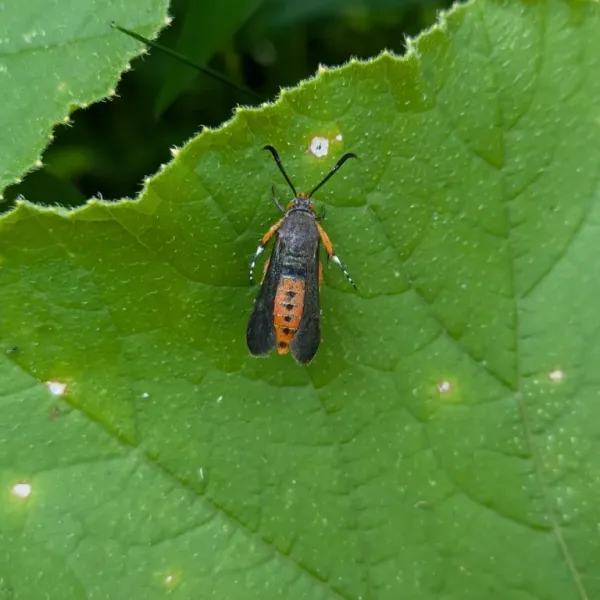
Squash Vine Borer Coloration
Common color patterns to help identify squash vine borer
Squash Vine Borer
Seasonal Activity
When squash vine borer are most active throughout the year

Where Squash Vine Borer Are Found
Hover over states to see their names. Green regions indicate where squash vine borer have been reported.
Squash Vine Borer Identification Guide
Physical Characteristics
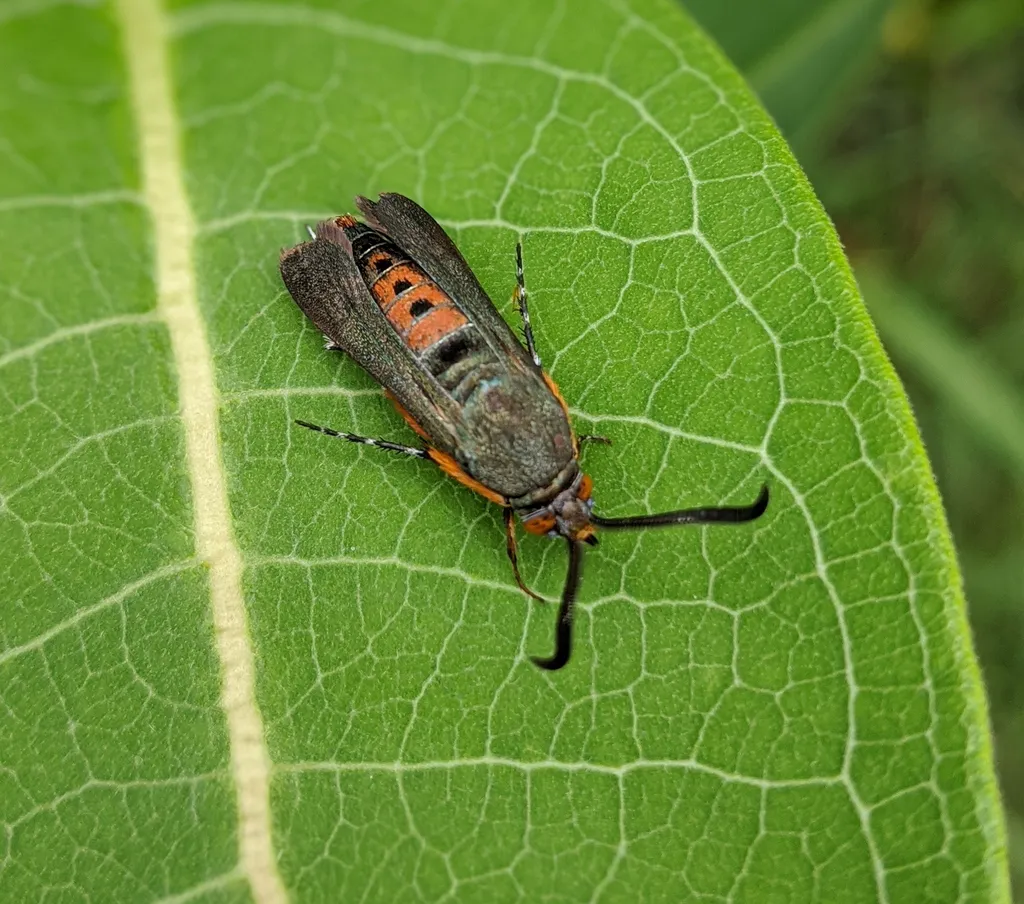
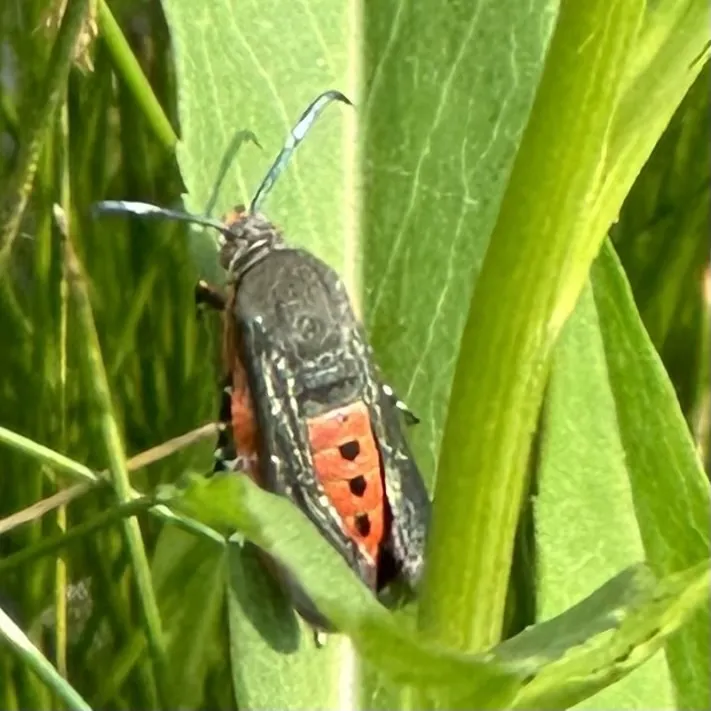
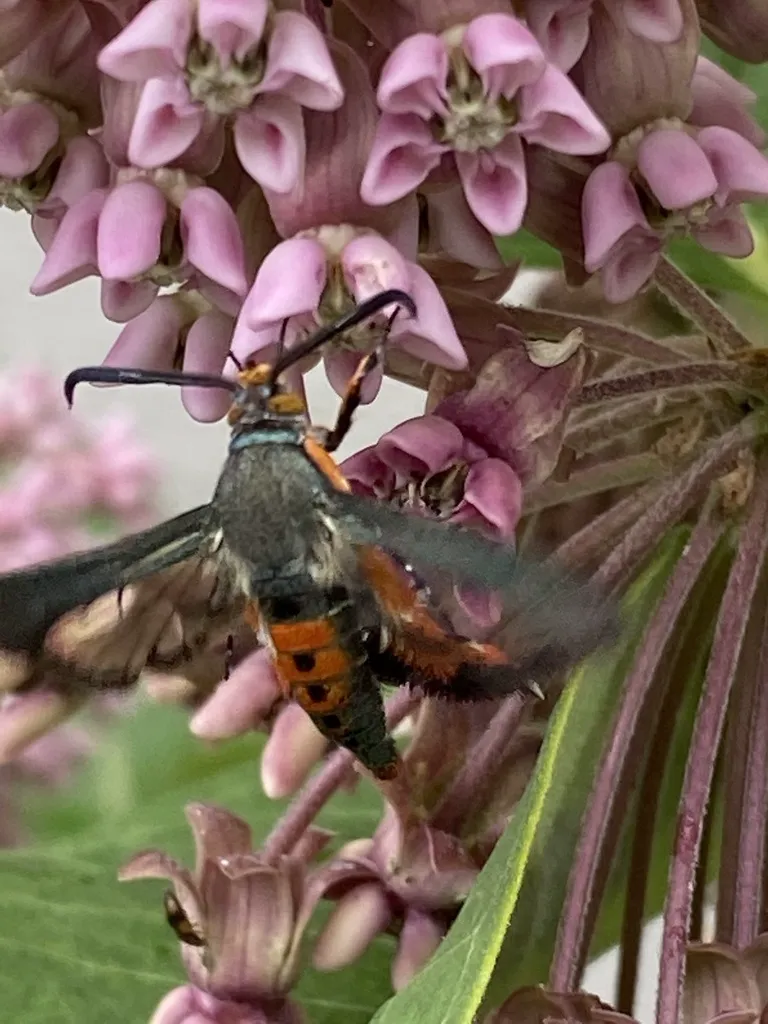
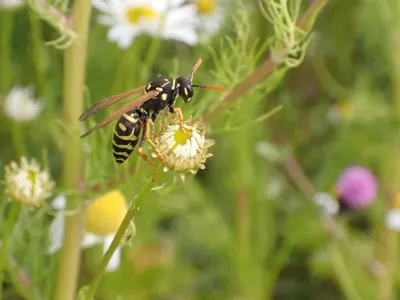
The squash vine borer (Melittia cucurbitae) is a clearwing moth in the family Sesiidae. Most people mistake it for a wasp or hornet at first glance. This wasp-like look is a defense called Batesian mimicry. It helps protect the moth from birds and other predators.
Adults have a wingspan of 25 to 38mm, about the size of a nickel. The front wings have a shiny greenish-black color. The back wings are mostly clear with dark edges, which is common in clearwing moths. The belly is bright orange to reddish-orange with black dots along the top. The back legs have long orange and black hairs that trail behind the moth when it flies.
Unlike most moths, squash vine borers fly during the day. They dart quickly around garden plants, which adds to their wasp-like look. If you spot what looks like a wasp near the base of your squash plants in June or July, take a closer look. It could be a squash vine borer laying eggs.
Larvae
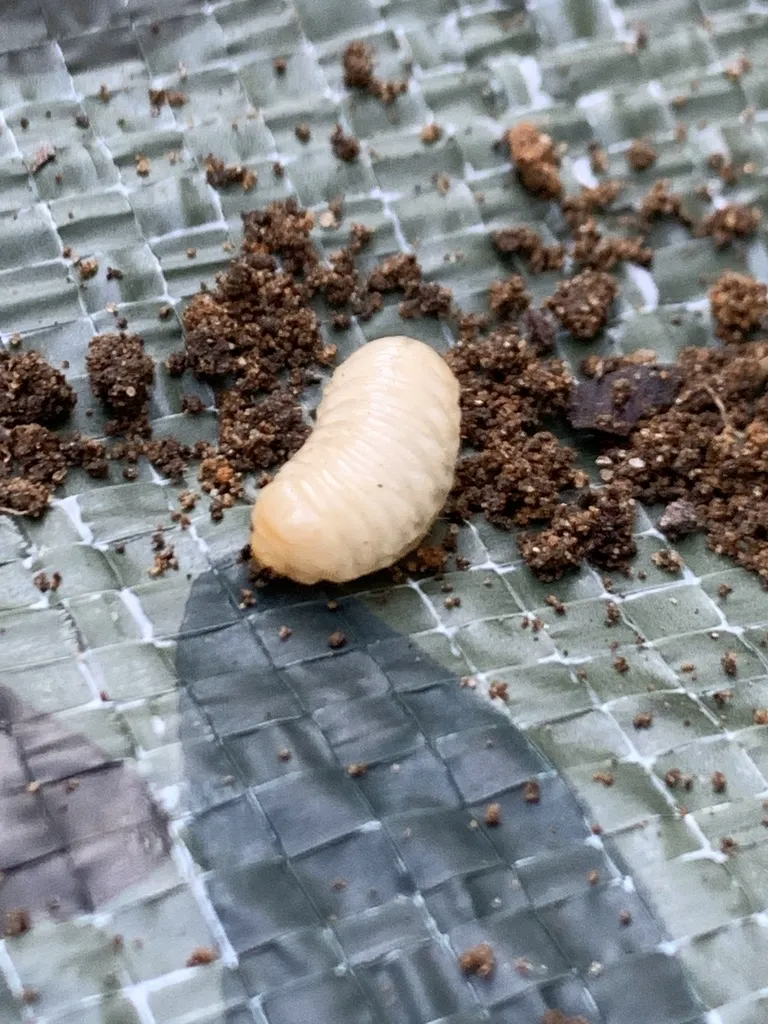
The larvae do all the damage. When they first hatch, they are tiny and hard to see. Full-grown larvae reach about 25mm (1 inch) long. They have wrinkled, cream-colored bodies with brown heads. They look similar to other boring moth larvae, like those of the peachtree borer moth. However, peachtree borers attack fruit trees instead of vegetable crops.
You will not see larvae unless you split open a damaged vine. The main sign of their presence is sawdust-like waste (called frass) being pushed out of small holes at the base of the plant.
Eggs
Female moths lay small, flat, reddish-brown eggs about 1mm across. They lay them one at a time at the base of host plants, usually on the lower stem near the soil. The eggs are hard to spot because they are so small and blend in with the soil.
Squash Vine Borer Behavior and Biology
Lifecycle
Squash vine borers have one generation per year in northern areas. In the southern United States, a second generation may develop.
Overwintering. Full-grown larvae leave the vine in late summer. They dig 1 to 2 inches into the soil, spin a cocoon, and pupate. They stay in the soil all winter.
Adult Emergence. Moths start coming out in late spring, usually in June across the eastern United States. They keep emerging through July.
Egg Laying. Females start laying eggs within days of emerging. Each female can lay 150 to 200 eggs over her short life. She places them one at a time on stems, leaf stalks, and leaf undersides near the base of the plant.
Larval Feeding. Eggs hatch in 9 to 11 days. The new larvae bore into the vine within hours. They feed inside the stem for 2 to 4 weeks, eating the tissue that moves water and food through the plant. This is what causes the plant to wilt and die.
Pupation. When full grown, larvae chew out of the stem and drop to the ground. They dig into the soil and stay there until the next spring.
Host Plants
Squash vine borers prefer cucurbit crops. Some plants are hit harder than others:
- Most at risk: Summer squash, zucchini, pumpkins, and Hubbard squash
- Medium risk: Acorn squash and other winter squash types
- Lower risk: Butternut squash, which has solid, dense stems that are harder for larvae to feed in
- Rarely attacked: Cucumbers and melons
Signs of Infestation
Catching an infestation early gives you the best chance of saving your plants. Look for these signs starting in late June:
- Sudden wilting. Part of the vine wilts during the heat of the day, even when the soil has enough water. The rest of the plant may still look fine.
- Frass at the stem base. Yellow-green to orange sawdust-like waste coming out of small holes near the bottom of the stem. This is the most reliable sign.
- Soft stems. The stem near the base of the plant feels mushy or hollow when you squeeze it gently.
- Spreading vine death. Wilting moves from one runner to the whole plant over a few days.
Treatment Methods for Squash Vine Borers
The squash vine borer is a garden and crop pest, not a household or structural pest. Control focuses on garden-level methods. Using several approaches together tends to work best.
Cultural Controls
- Crop rotation. Do not plant squash in the same spot year after year. Pupae overwinter in the soil, so moving your planting area helps reduce numbers.
- Fall tilling. Tilling the garden after harvest brings pupae to the surface. This exposes them to cold and to predators like ground beetles.
- Remove sick plants fast. Pull and destroy wilted vines before larvae finish feeding and drop into the soil. This stops the cycle.
- Late planting. Planting a second crop of squash in early July, after most moths have finished laying eggs, can help your plants avoid the worst damage.
Physical Barriers
- Row covers. Floating row covers placed over plants at planting block egg-laying moths. Remove the covers when flowers open so bees can reach the blossoms, or pollinate by hand.
- Stem wraps. Wrapping the lower 6 inches of vine stems with nylon stockings, foil, or similar material keeps moths from laying eggs on the stem.
Trap Cropping
Research from the University of Missouri has shown that Blue Hubbard squash draws in squash vine borers more than other varieties. Planting a row of Blue Hubbard around your main crop can pull moths away from the plants you want to protect. Treat or remove the trap crop as needed.
Biological Controls
Several natural enemies can help keep squash vine borer numbers in check:
- Parasitic wasps. Small wasps in the Braconidae and Ichneumonidae families attack squash vine borer larvae and pupae.
- Ground beetles. These predators eat larvae and pupae in the soil.
- Bt injections. Injecting a Bacillus thuringiensis (Bt) solution into infested stems can kill larvae inside the vine. This targets only the pest inside the stem.
Chemical Controls
When numbers are high, targeted sprays can protect plants:
- Products with pyrethroids, carbaryl, or spinosad can be applied to the base of plants. They kill eggs and young larvae before they enter the stem.
- Timing matters. Start spraying when you first spot adult moths. Repeat every 7 to 10 days for 2 to 3 weeks during peak flight.
- Sprays need to reach the lower stems where eggs are laid. Once larvae have entered the vine, surface sprays cannot reach them.
Manual Removal
For small gardens with a light infestation, you can remove larvae by hand:
- Find the entry hole by following the trail of frass.
- Use a sharp blade or knife to carefully slit the stem lengthwise.
- Pull out and destroy the larva.
- Cover the cut section of stem with moist soil to help it heal and grow new roots.
Prevention Tips
Stopping squash vine borers starts before planting season:
- Pick resistant varieties like butternut squash when you can
- Cover plants with floating row covers from planting through early flowering
- Plant trap crops of Blue Hubbard squash around the edge of your garden
- Watch for adult moths starting in June with yellow sticky traps or pheromone traps
- Check vine bases every week for frass and holes from mid-June through August
- Till garden soil in fall to expose pupae
- Pull up and destroy all squash plant debris after harvest
References and Further Reading
- University of Florida - Squash Vine Borer
- Wisconsin Horticulture Extension - Squash Vine Borer
- South Dakota State University Extension - Squash Vine Borer Management
- University of Minnesota Extension - Squash Vine Borers
- Penn State Extension - Squash Vine Borer
- Michigan State University Extension - Squash Vine Borer Management
- University of Missouri - Trap Cropping for Squash Vine Borers
Other Moths
Explore other species in the moths family
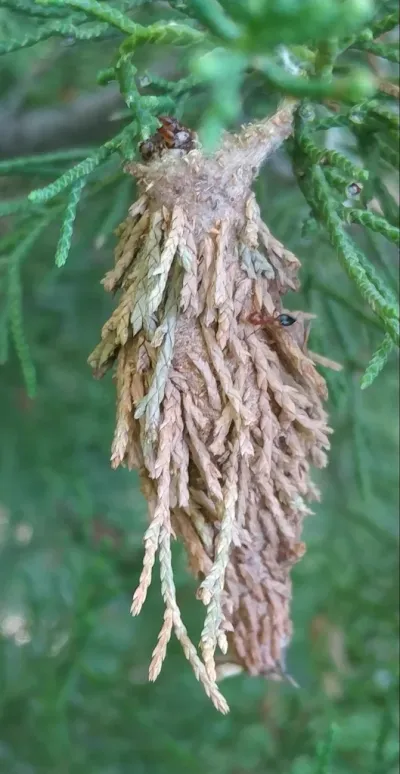
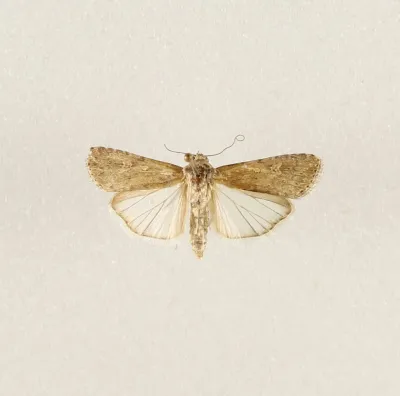
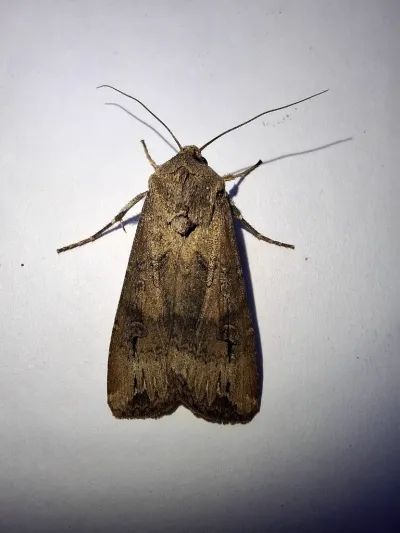
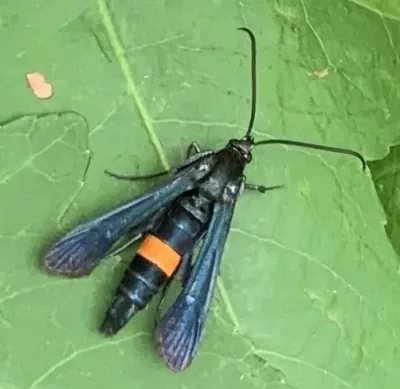
Commonly Confused With
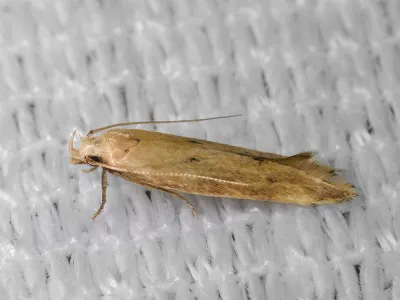
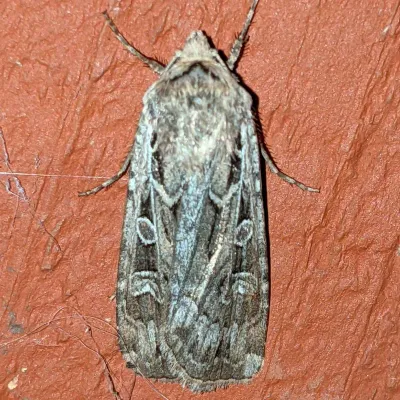
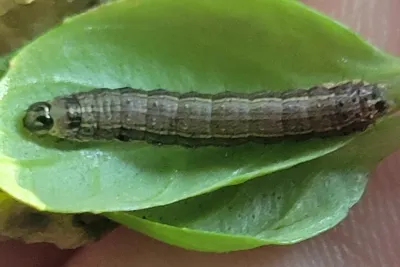
Squash Vine Borer are often mistaken for these similar pests
Where Squash Vine Borer Are Found
Hover over states to see their names. Green regions indicate where squash vine borer have been reported.
Common Questions about Squash Vine Borer
What does a squash vine borer look like?
+
Adult squash vine borers are day-flying moths that look like wasps. They have metallic greenish-black forewings, mostly clear hindwings, and a bright orange abdomen with black dots. They measure about 25 to 38mm in wingspan. The larvae are cream-colored grubs with brown heads that grow up to 25mm long inside vine stems.
How do I know if squash vine borers are in my garden?
+
The most common sign is sudden wilting of squash or pumpkin plants during mid-summer, even with adequate water. Look for small holes at the base of stems with sawdust-like frass (excrement) pushed out. You may also see the wasp-like adult moths flying low around plants during the day.
What plants do squash vine borers attack?
+
Squash vine borers primarily attack cucurbit crops. Summer squash and zucchini are most vulnerable, followed by pumpkins and winter squash like Hubbard varieties. Cucumbers and melons are rarely affected. Butternut squash has some natural resistance due to its solid stems.
When are squash vine borers active?
+
Adults emerge in late spring to early summer, usually June and July in most areas, and can continue flying through mid-August. In southern regions with warmer climates, there may be two generations per year. The larvae feed inside vines from summer through early fall.
Can I save a plant that has squash vine borers?
+
Sometimes. If you catch the infestation early, you can carefully slit the stem lengthwise with a razor blade, remove the larvae, then bury the wounded section of stem under moist soil to encourage new root growth. However, heavily infested plants usually cannot be saved.
How can I prevent squash vine borers?
+
Effective prevention strategies include covering plants with floating row covers until flowering begins, planting resistant varieties like butternut squash, using trap crops such as Blue Hubbard squash, delaying planting until after peak moth emergence, and tilling the soil after harvest to destroy overwintering pupae.
Do squash vine borers bite or sting?
+
No. Despite their wasp-like appearance, squash vine borers are moths and cannot bite or sting. Their resemblance to wasps is a form of protective mimicry called Batesian mimicry that helps them avoid predators. They are completely harmless to people and pets.

With five years of hands-on experience in the pest control industry, George Schulz is a registered technician with the Virginia Pest Management Association and a proud third-generation professional in a family business that's been protecting homes for over 57 years. He manages and trains a team of service pros while also leading internal research efforts—recently spearheading a deep-dive review of thousands of documents on pest control materials to hand-pick the most kid and pet friendly, most effective solutions tailored specifically for homes in the DC metro area.