Spongy Moths Identification Guide
Lymantria dispar
Spongy moths are one of the most destructive forest pests in North America. Their caterpillars defoliate hundreds of tree species, causing significant damage to forests, landscapes, and urban trees throughout the eastern United States and Canada.
Taxonomy
Spongy Moths Coloration
Common color patterns to help identify spongy moths
Spongy Moths
Seasonal Activity
When spongy moths are most active throughout the year

Where Spongy Moths Are Found
Hover over states to see their names. Green regions indicate where spongy moths have been reported.
Spongy Moth Identification Guide
Spongy moths are among the worst forest pests in North America and belong to the broader moth order Lepidoptera. They came from Europe and arrived in Massachusetts in 1869. A scientist released them by accident while trying to breed a tougher silkworm. Since then, they have spread across the Northeast, Midwest, and into Canada.
This insect had a different name for over 150 years. In 2022, scientists changed it to spongy moth because of the spongy look of their egg masses.
Physical Characteristics
Spongy moths look very different depending on their life stage and sex.
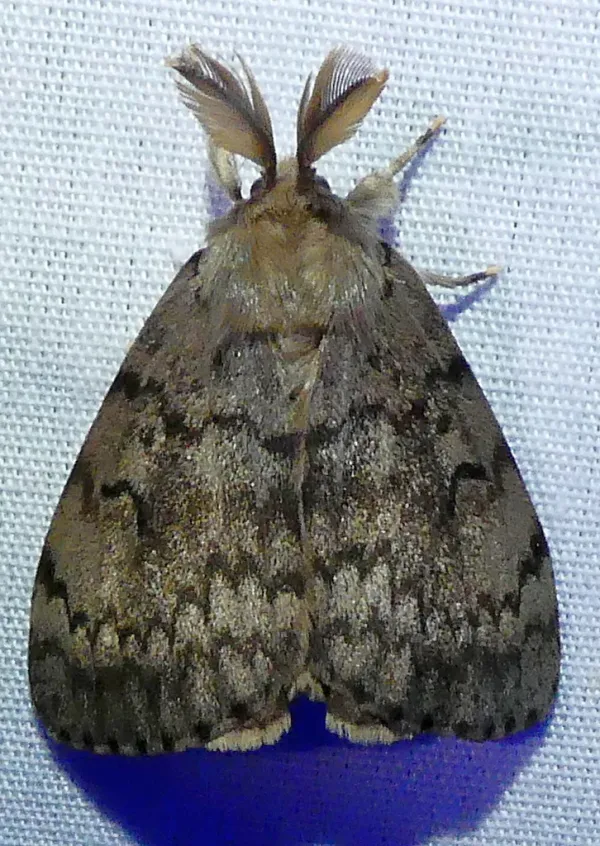
Adult Males: Brown moths with darker zigzag patterns on their wings. They have large, feathery antennae that can detect females from over a mile away. Wingspan is about 1.5 inches. Males fly well and are often seen zigzagging as they search for mates.
Adult Females: White to cream-colored moths with dark lines on their wings. They are larger than males, with a wingspan of about 2 inches. Females cannot fly even though they have full wings. They stay near where they pupated and release scents to attract males.
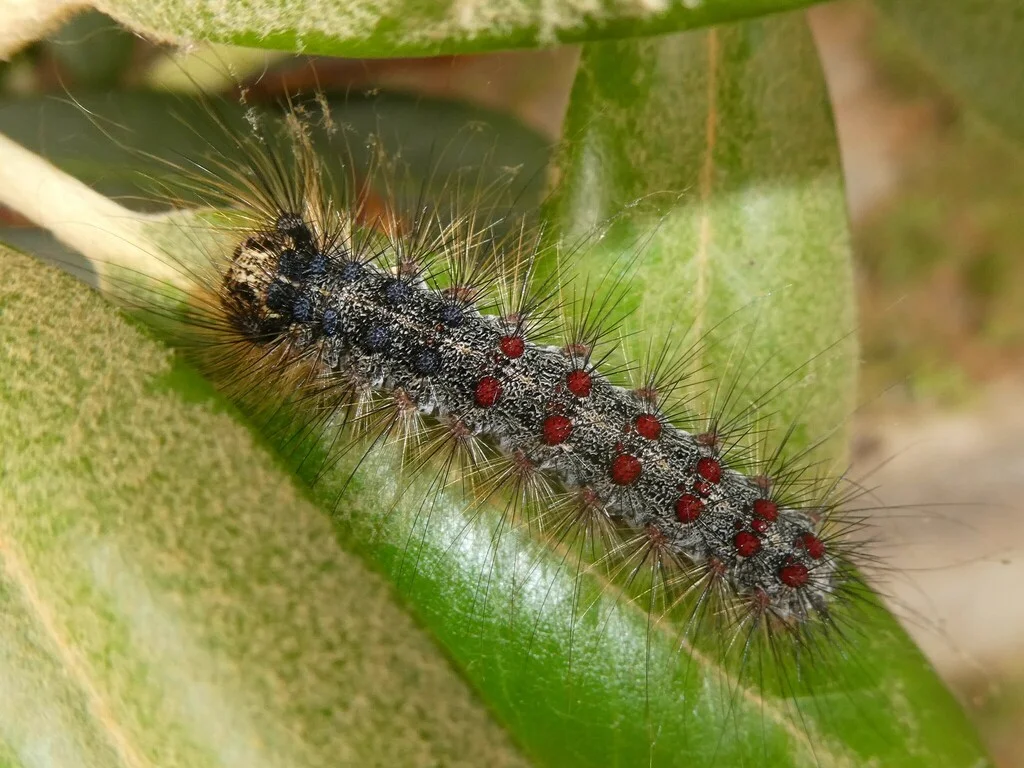
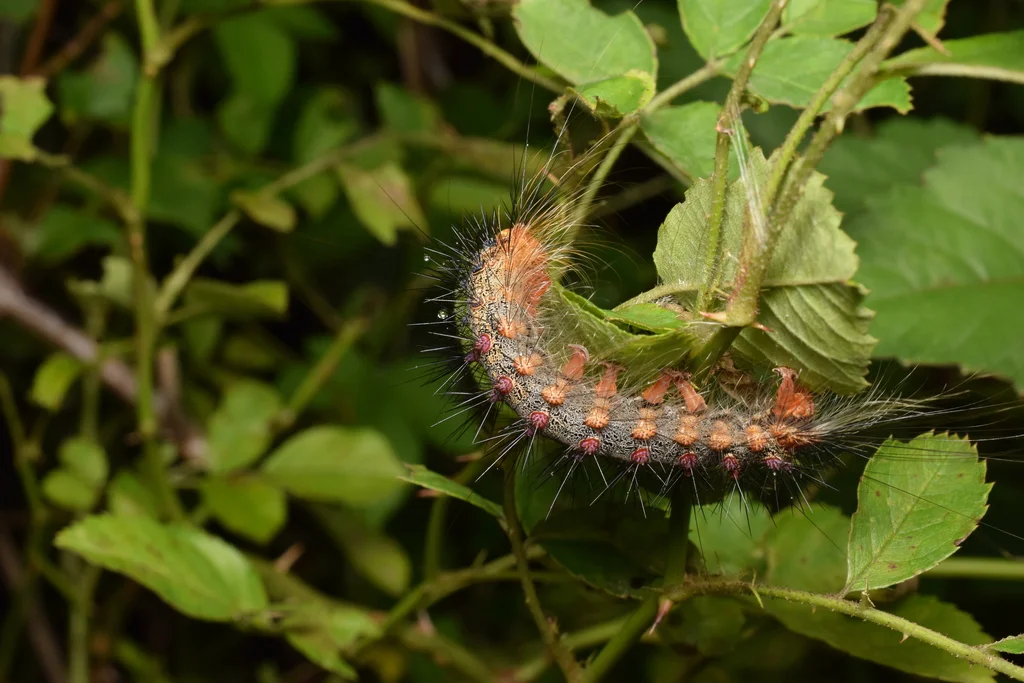
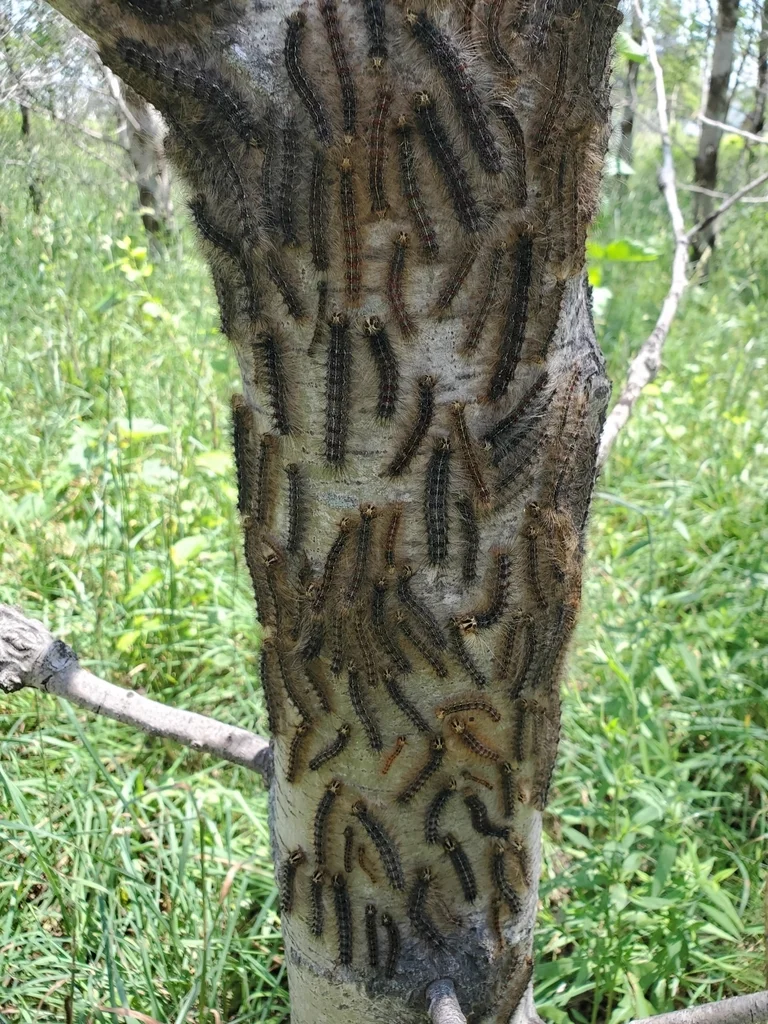
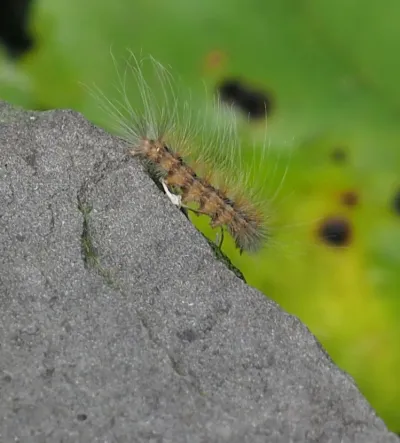
Caterpillars: The larval stage causes all the tree damage. Young caterpillars are black and hairy. As they grow, they turn gray to yellow with dots. Look for five pairs of blue dots near the head, then six pairs of red dots toward the rear. Full grown caterpillars are 1.5 to 2.5 inches long.
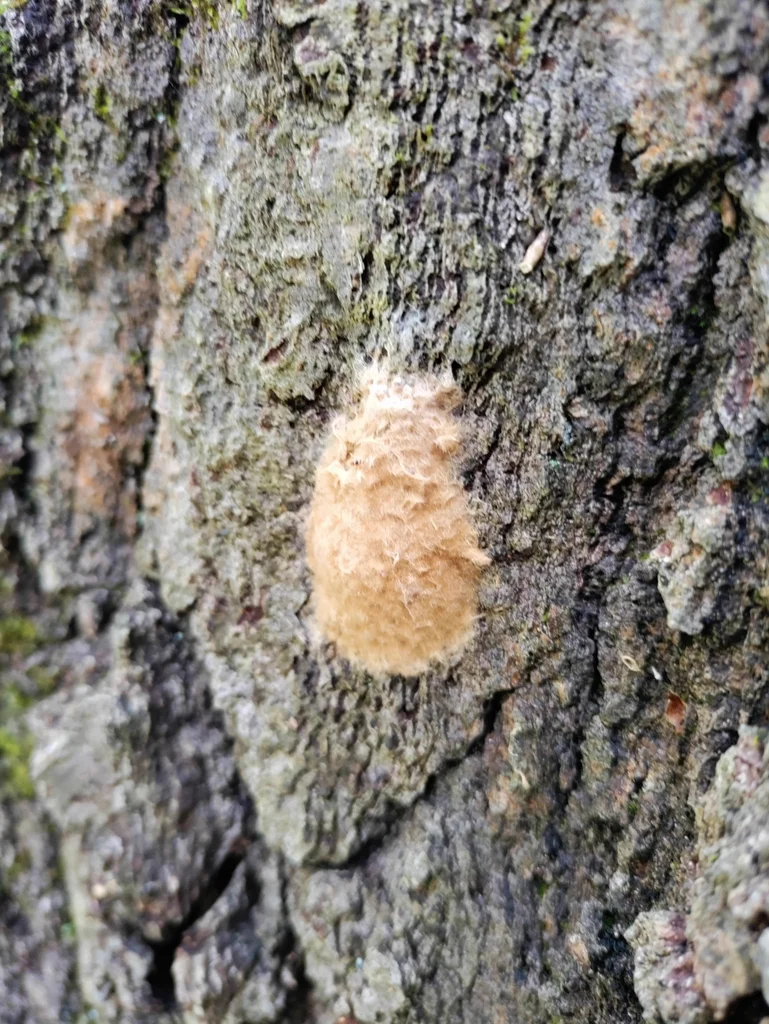
Egg Masses: Tan to buff-colored masses about 1.5 inches long and 0.75 inches wide. They are covered with hairs from the female’s abdomen, giving them a fuzzy, sponge-like appearance. Each mass contains 500-1,000 eggs.
Related Species
People often mix up spongy moth caterpillars with these similar species. For a general overview of how to distinguish moths from other insects, see our guide on moth vs butterfly identification.
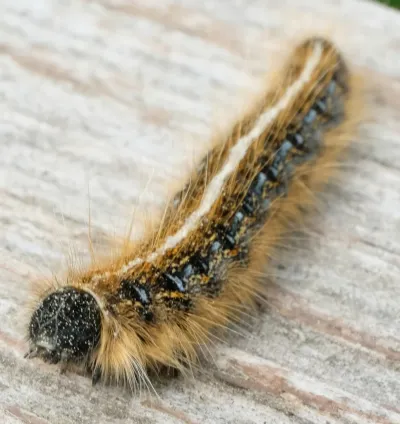
- Eastern tent caterpillars: Build silk tents where branches meet. Have a white stripe on their back.
- Fall webworms: Make loose webs at branch tips. Feed later in summer.
- Forest tent caterpillars: Have keyhole-shaped spots instead of a stripe. Do not make tents.
Spongy Moth Behavior and Biology
Knowing the spongy moth life cycle helps you time control efforts.
Life Cycle
Spongy moths have one generation per year. They spend about 10 months as eggs and only 6 to 8 weeks as feeding caterpillars.
Eggs (August to April): Females lay egg masses in late summer. Eggs survive winter and can handle temps well below zero. You can find egg masses on tree trunks, rocks, buildings, vehicles, and outdoor furniture.
Caterpillars (Late April to July): Eggs hatch when spring arrives. Tiny caterpillars climb to treetops and may float on silk threads in the wind. They feed for 6 to 8 weeks and molt five or six times. Young caterpillars feed during the day. Older ones feed at night and hide in bark cracks during the day.
Pupae (Late June to July): Grown caterpillars find sheltered spots to pupate. Pupae are dark reddish-brown and about an inch long. This stage lasts about two weeks.
Adults (July to August): Adult moths emerge and mate. Males live about a week. Females live only a few days, lay one egg mass, and then die.
Feeding Habits and Tree Preferences
Caterpillars eat a lot. One caterpillar can eat up to one square foot of leaves as it grows. During outbreaks, their chewing sounds like light rain in the forest.
Preferred trees include:
- Oaks (white oak, red oak, chestnut oak)
- Apple and crabapple
- Birch
- Poplar and aspen
- Willow
- Linden
- Hawthorn
Less preferred but still eaten:
- Hickory
- Maple
- Cherry
- Elm
- Black walnut
When their favorite food runs out, caterpillars will eat almost anything. This includes pine, spruce, and hemlock.
Tree Damage and Environmental Impact
Spongy moth outbreaks strip leaves from trees and turn summer landscapes bare. The damage hurts trees, forests, and property values.
How Defoliation Affects Trees
Healthy hardwood trees can usually survive losing all their leaves once. They use stored energy to grow new leaves in midsummer. But this uses up energy they need for winter and the next spring.
Trees weakened by leaf loss become targets for:
- Bark beetles and borers
- Fungal diseases
- Drought stress
- Winter damage
Two or more years of heavy defoliation often kills trees. This is especially true for oaks already stressed by drought.
Evergreens face greater risk because they cannot regrow needles the same year. One bad year can kill pines and spruces.
Ecosystem Effects
Heavy infestations affect more than just trees:
- Caterpillar droppings pile up on the ground and wash into streams
- Less shade means hotter soil and fewer woodland plants
- Wildlife that needs acorns suffers when oaks die
- Property values can drop in badly damaged areas
Treatment Methods for Spongy Moths
Controlling spongy moths works best when you target different life stages.
Physical Removal
Egg mass scraping: The most effective homeowner control method. Scrape egg masses into soapy water between fall and early spring. One gallon of water with dish soap is sufficient. Let egg masses soak for 24-48 hours before disposing of the water.
Burlap banding: Wrap tree trunks with burlap strips at chest height. Older caterpillars hide under the burlap during the day, where you can collect and destroy them daily. Tie burlap with twine at the middle, fold the top down to create a skirt. Check daily during June and July.
Biological Controls
Bacillus thuringiensis (Bt): This soil bacterium kills caterpillars when they eat treated leaves. It works best on young caterpillars in May. Bt targets only caterpillars and does not affect other insects.
Gypchek: A virus that targets only spongy moth caterpillars. It is used mainly in areas where chemical sprays are not a good fit.
Natural enemies: Several species help control populations. These include parasitic wasps, ground beetles, and white-footed mice that eat pupae. A fungus called Entomophaga maimaiga can cause population crashes during wet springs.
Chemical Controls
For bad infestations or valuable trees, insecticide sprays may help. Products used for spongy moth control include:
- Carbaryl
- Pyrethroid sprays
- Systemic treatments for single trees
For large areas, aerial sprays of Bt or other products are sometimes used.
When to Seek Professional Help
Call an arborist or pest control company when:
- Your valuable landscape trees show stress from leaf loss
- You find egg masses all over your property
- Last year had heavy caterpillar activity
- You need help telling spongy moths from other caterpillars
Prevention Tips
Stop spongy moth spread and protect your trees:
- Check outdoor items: Look for egg masses on firewood, vehicles, and outdoor furniture before moving them. Other outdoor defoliating moths in the region include browntail moths and winter moths
- Follow quarantines: Many states ban moving firewood and plants from infested areas
- Remove egg masses: Winter is the best time to find and destroy egg masses on your property
- Keep trees healthy: Healthy trees handle leaf loss better. Water during dry spells and mulch around trees
- Mix your plantings: Do not plant only oaks. Mixed tree types suffer less total damage
- Watch for caterpillars: Check for them in spring. Early action works best
References
- USDA APHIS: Spongy Moth
- Liebhold, A.M., et al. (1995). “Suitability of North American Tree Species to the Gypsy Moth: A Summary of Field and Laboratory Tests.” USDA Forest Service General Technical Report NE-211.
- Entomological Society of America: Better Common Names Project
- McManus, M., et al. (1989). “Gypsy Moth.” USDA Forest Service Forest Insect & Disease Leaflet 162.
Other Moths
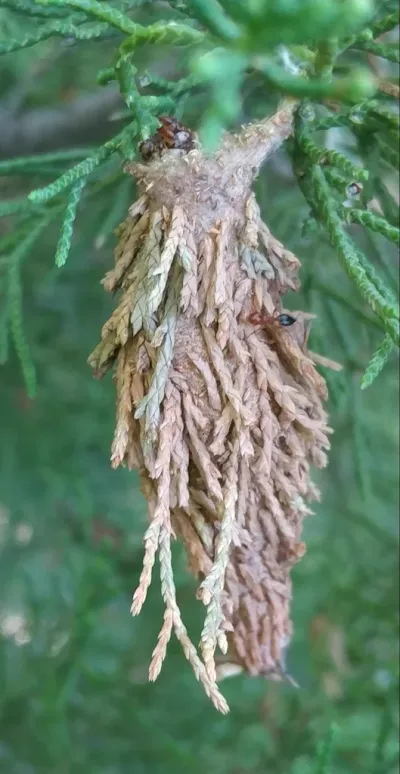
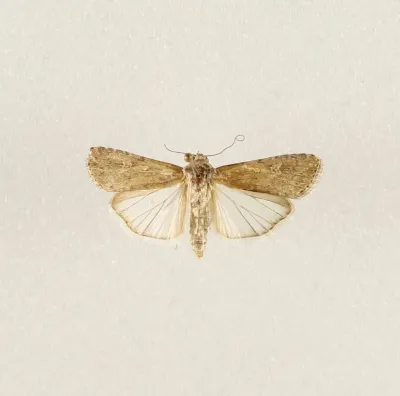
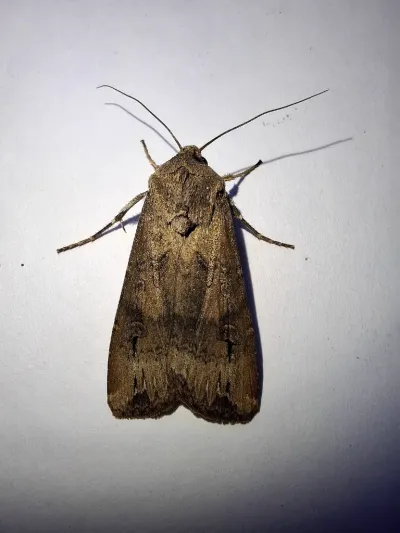
Explore other species in the moths family
Commonly Confused With
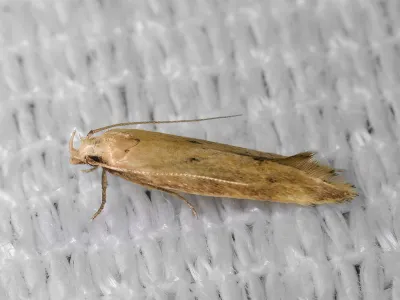
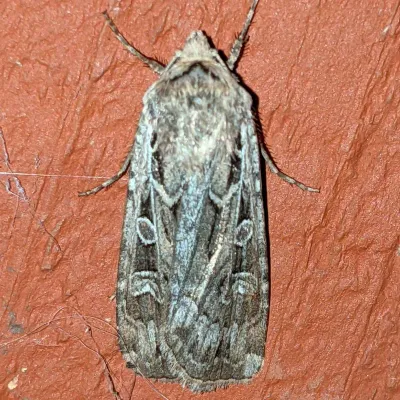
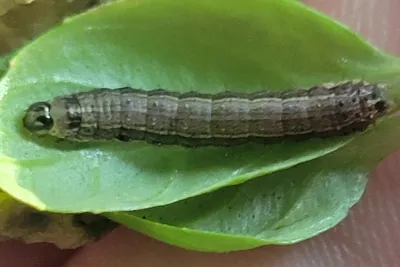
Spongy Moths are often mistaken for these similar pests
Where Spongy Moths Are Found
Hover over states to see their names. Green regions indicate where spongy moths have been reported.
Common Questions about Spongy Moths
Why are they called spongy moths?
+
The name spongy moth refers to the texture of their egg masses, which have a sponge-like appearance. The Entomological Society of America officially adopted this common name in 2022 to replace the former name that contained a slur. The scientific name Lymantria dispar remains unchanged.
How can I identify spongy moth caterpillars?
+
Spongy moth caterpillars have a distinctive pattern of colored dots along their back. Look for five pairs of blue dots near the head, followed by six pairs of red dots toward the rear. They are hairy with a mottled gray to yellow coloring and grow up to 2.5 inches long when mature.
What trees do spongy moths prefer to eat?
+
Spongy moth caterpillars feed on over 300 tree and shrub species, but they prefer oaks above all others. They also readily eat apple, birch, poplar, willow, and many other hardwoods. When populations are high, they will even feed on conifers like pine and spruce.
When are spongy moths most active?
+
Caterpillars hatch in late April to early May and feed through June and into July. Peak feeding damage occurs in May and June. Adult moths emerge in July and August. Egg masses remain on trees from late summer through the following spring.
Can spongy moths kill trees?
+
A single year of defoliation rarely kills healthy trees. However, repeated defoliation over two or more consecutive years can weaken trees enough to cause death, especially when combined with drought stress or other pest problems. Conifers are more vulnerable and may die after a single severe defoliation.
How do spongy moths spread to new areas?
+
Egg masses are the main way spongy moths spread. Female moths are flightless and lay their eggs near where they pupate. However, egg masses can be transported on firewood, outdoor furniture, vehicles, and camping equipment. This is why many states have quarantines restricting the movement of these items from infested areas.
Are spongy moth caterpillars harmful to people?
+
While spongy moth caterpillars do not bite, their hairs can cause skin irritation and allergic reactions in some people. Direct contact can lead to rashes similar to poison ivy. During heavy outbreaks, airborne hairs and waste can trigger respiratory issues in sensitive individuals.
What should I do if I find spongy moth egg masses?
+
Scrape egg masses off surfaces into a container of soapy water and let them soak for 24-48 hours before disposing. Do not simply scrape them onto the ground where eggs can still hatch. Removing egg masses in fall or winter can significantly reduce caterpillar numbers the following spring.

With five years of hands-on experience in the pest control industry, George Schulz is a registered technician with the Virginia Pest Management Association and a proud third-generation professional in a family business that's been protecting homes for over 57 years. He manages and trains a team of service pros while also leading internal research efforts—recently spearheading a deep-dive review of thousands of documents on pest control materials to hand-pick the most kid and pet friendly, most effective solutions tailored specifically for homes in the DC metro area.