Sphinx Moths Identification Guide
Sphingidae
Sphinx moths are large, powerful fliers also known as hawk moths. Their caterpillars, commonly called hornworms, are familiar garden pests that can rapidly defoliate tomatoes, peppers, and other plants.
Taxonomy
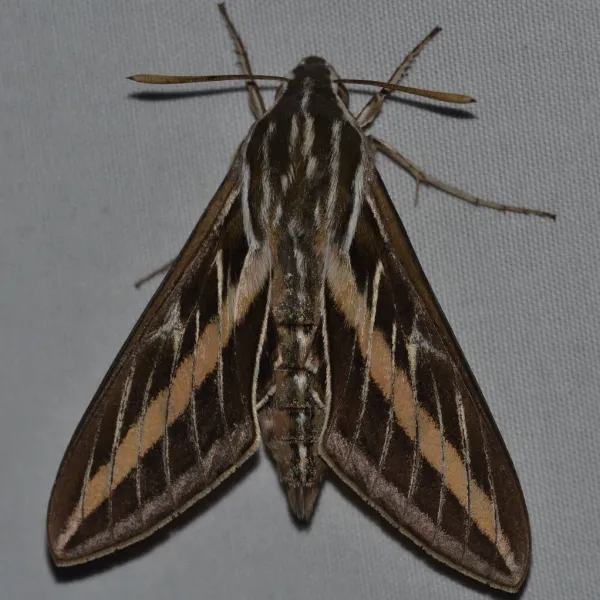
Sphinx Moths Coloration
Common color patterns to help identify sphinx moths
Sphinx Moths
Seasonal Activity
When sphinx moths are most active throughout the year
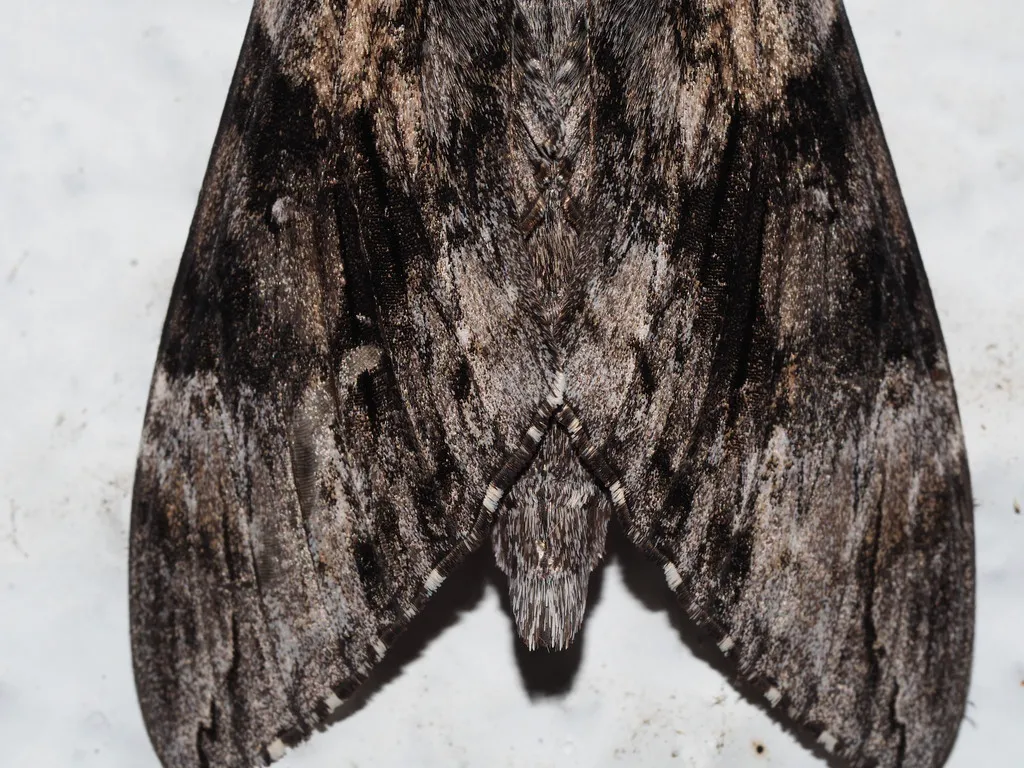
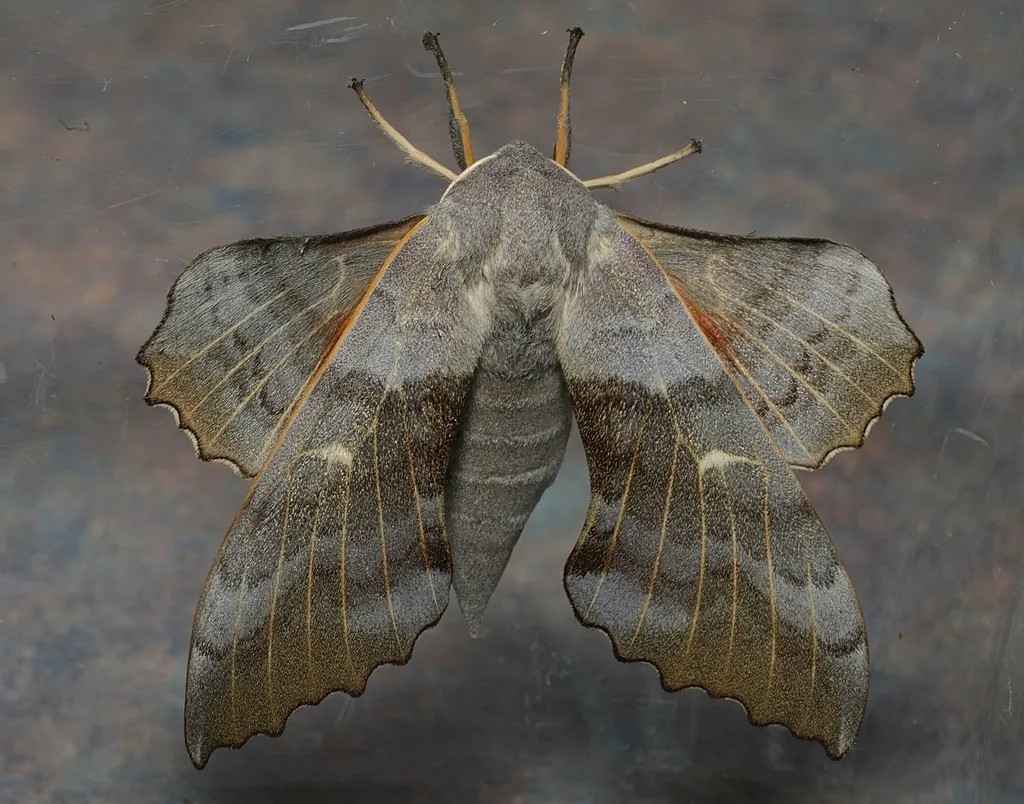
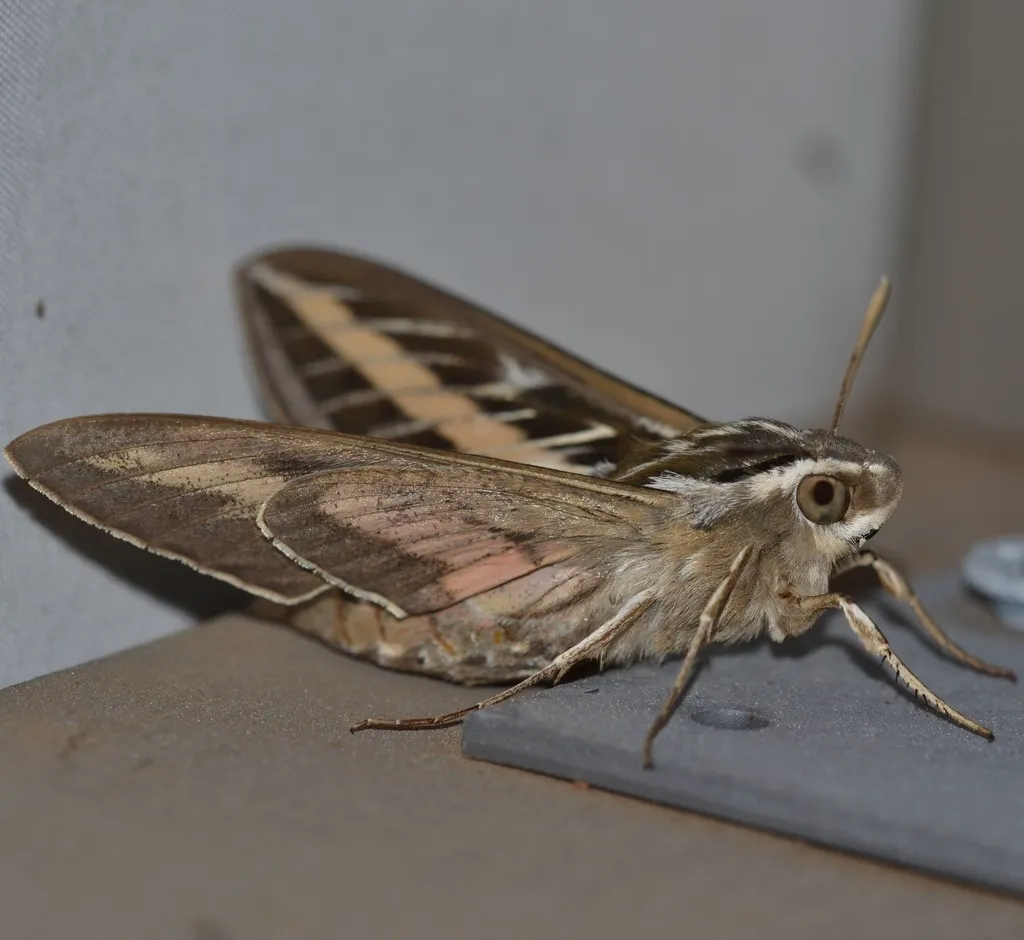

Where Sphinx Moths Are Found
Hover over states to see their names. Green regions indicate where sphinx moths have been reported.
Sphinx Moth Identification Guide
Sphinx moths belong to the family Sphingidae and are among the most easy to spot moths in North America. Also called hawk moths, these insects are known for their large size, strong flight, and a hovering style that often gets them confused with hummingbirds. There are about 125 species of sphinx moths across the continent. The adults feed on flower nectar, but their caterpillars (called hornworms) are some of the most common garden pests around.
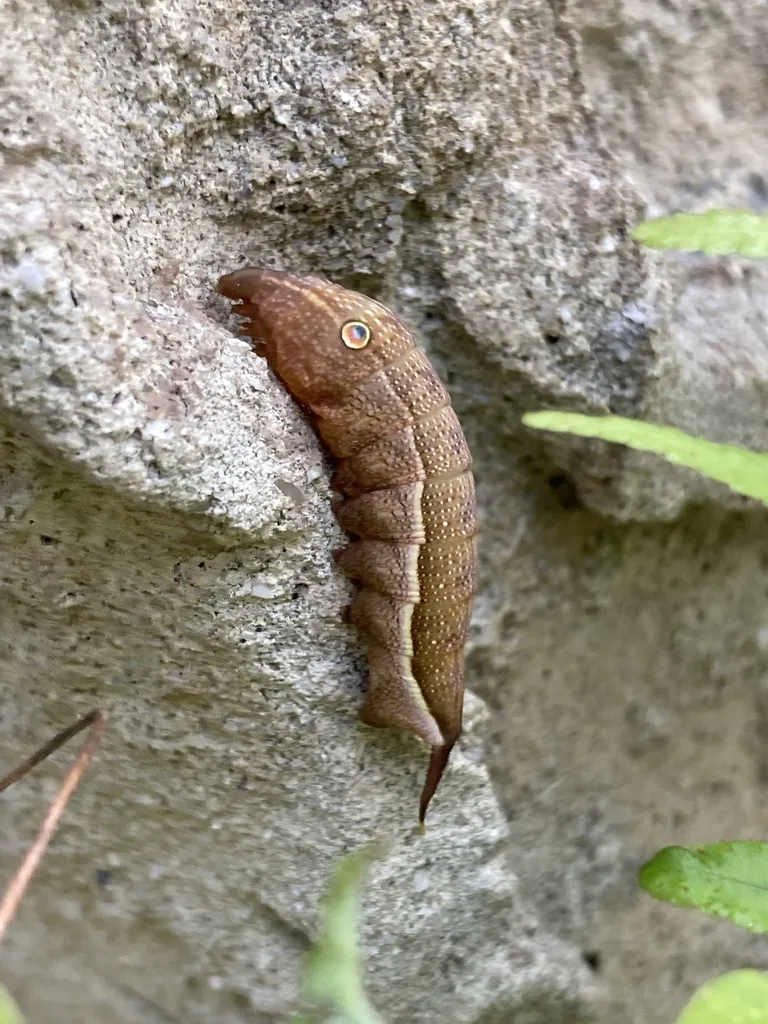
The name “sphinx moth” comes from the pose their caterpillars strike when disturbed. The larva raises the front of its body and tucks its head. This shape reminded early scientists of the Great Sphinx of Egypt.
Physical Characteristics
Adult sphinx moths have a body plan that sets them apart from other moth families.
Body shape: Sphinx moths have a thick, torpedo-shaped body with long, narrow forewings and smaller hindwings. This shape is built for speed. Many species have a wingspan of 3 to 5 inches. Some reach over 6 inches across.
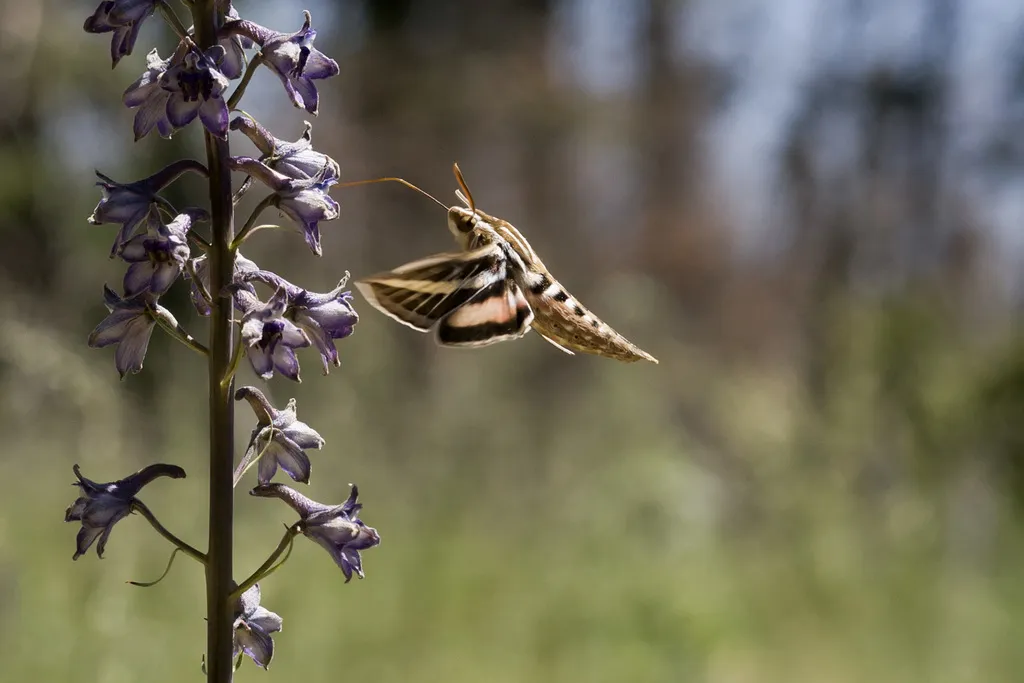
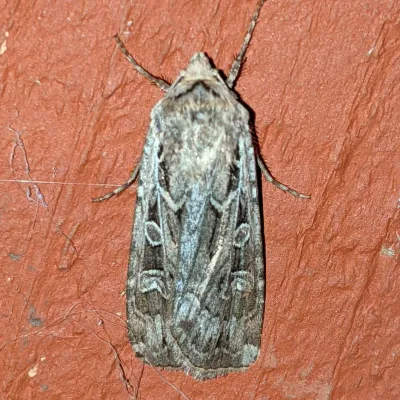
Coloring: Most species blend into tree bark with shades of brown, gray, and tan. Several species have colorful hindwings with pink, orange, or yellow bands that stay hidden at rest but flash when the moth flies. Clearwing species in the genus Hemaris have see-through wing patches that make them look like small hummingbirds.
Proboscis: They have a very long proboscis that coils like a watch spring when not in use. When stretched out, it can be several inches long. This lets them reach nectar deep inside tube-shaped flowers.
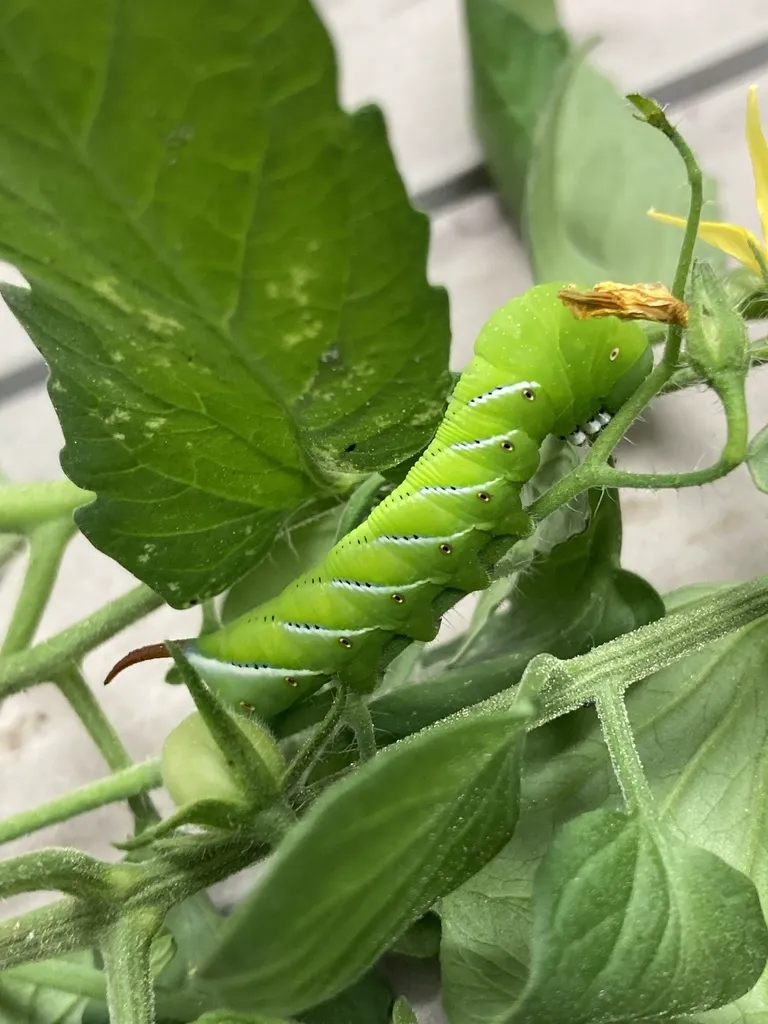
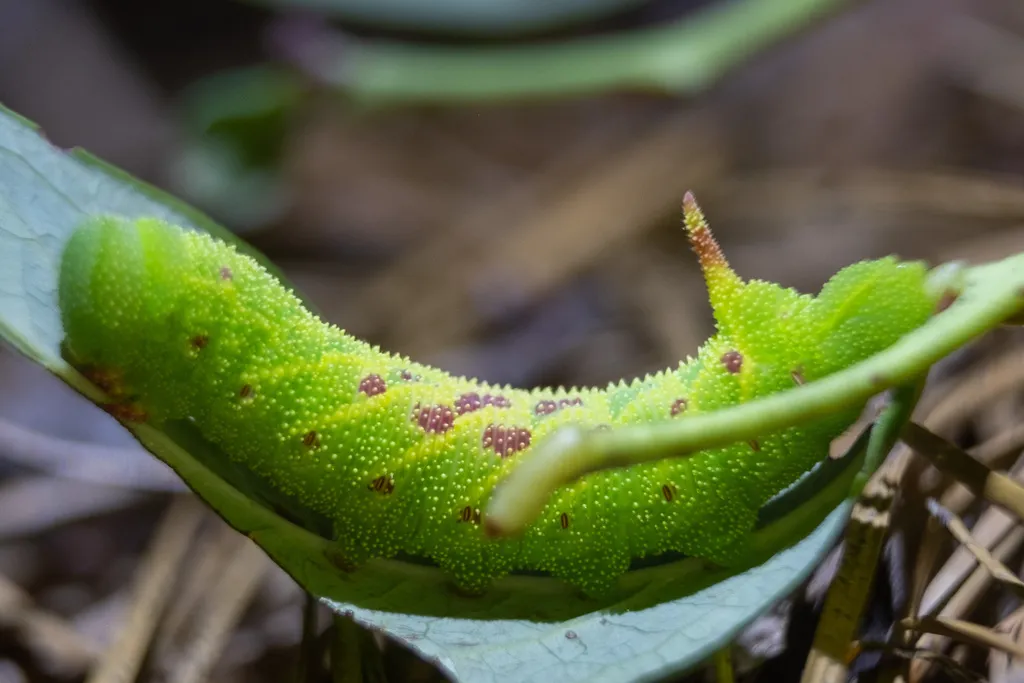
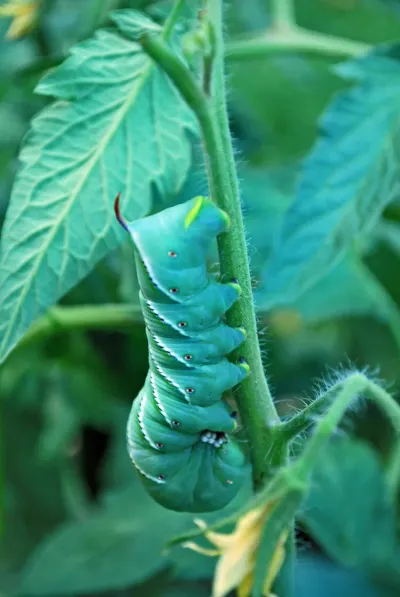
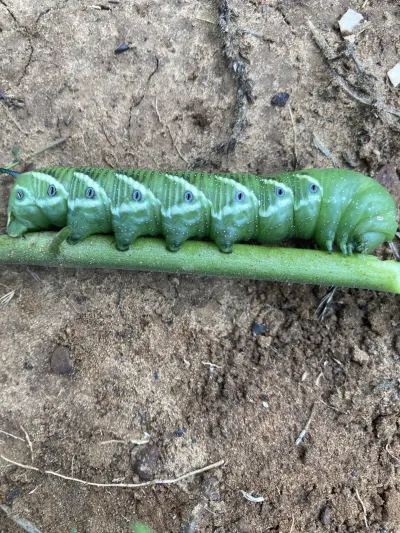
Caterpillars (hornworms): The larvae are large, smooth caterpillars. They are usually bright green with white diagonal stripes along their sides. Most species have a horn or spike on the rear end. This gives them the common name “hornworm.” The horn looks scary but is harmless.
Common Species in North America
Several sphinx moth species are found across the continent.
- White-lined sphinx (Hyles lineata): One of the most common species, found across most of the U.S. and into Canada. Adults have olive-brown forewings with a bold tan stripe and pinkish hindwings. Their caterpillars feed on many types of plants.
- Carolina sphinx (Manduca sexta): The adult form of the tobacco hornworm. A large gray and brown moth with orange spots along the abdomen. Wingspan can exceed 4 inches.
- Five-spotted hawk moth (Manduca quinquemaculata): The adult stage of the tomato hornworm. Very similar to the Carolina sphinx but with five pairs of orange-yellow spots instead of six.
- Hummingbird clearwing (Hemaris thysbe): A day-flying species with clear wing patches and an olive and reddish-brown body. Common in eastern North America visiting garden flowers.
- Blinded sphinx (Paonias excaecata): A woodland species with scalloped brown wings and small blue eyespots on the hindwings. Common in the eastern United States.
Sphinx Moth Behavior and Biology
Life Cycle
Sphinx moths go through four life stages: egg, larva, pupa, and adult.
Eggs: Females lay small, round, pale green eggs one at a time on host plant leaves. One female can lay dozens of eggs over several nights. Eggs hatch in about 5 to 7 days.
Larvae (caterpillars): After hatching, the caterpillars eat a lot and grow fast. Most hornworms go through five growth stages over 3 to 4 weeks. A full-grown caterpillar can eat an entire tomato plant leaf in a single day. When ready to pupate, the caterpillar drops to the ground and digs several inches into the soil.
Pupae: Many sphinx moth species pupate underground in soil chambers. The pupa is dark brown with a curved shape near the head that holds the forming proboscis. Pupae can overwinter in the soil. Adults come out the following spring or summer. In warmer areas, some species produce two or more broods per year.
Adults: Adult sphinx moths live for about 2 to 3 weeks. They spend most of their time feeding on flower nectar and mating. Most species fly at dusk and through the night. Some, like the clearwing moths, fly during the day.
Feeding Habits
Larvae and adults eat very different things.
Caterpillar feeding: Hornworm caterpillars eat the leaves of their host plants. Many species are picky eaters. Manduca species mainly feed on plants in the nightshade family, including tomatoes, peppers, eggplant, and tobacco. Other species feed on grape, honeysuckle, elm, birch, and many shrubs. Signs of hornworm feeding include stripped leaves, missing fruit, and dark green droppings on and below plants.
Adult feeding: Adult sphinx moths feed only on flower nectar. They use their long proboscis to reach into deep, tube-shaped flowers. They prefer fragrant flowers that bloom at night, such as moonflowers, petunias, and four-o’clocks.
Natural Enemies
Several predators and parasites help keep sphinx moth numbers in check. Braconid wasps (Cotesia species) are among the most effective. These tiny wasps lay their eggs inside hornworm caterpillars. The wasp larvae feed on the caterpillar from the inside, then form small white cocoons on the outside of the host. If you see a hornworm covered in white cocoons, leave it in the garden. The emerging wasps will go on to parasitize more hornworms. Birds, ground beetles, and other predators also feed on sphinx moth caterpillars and pupae.
Treatment Methods for Sphinx Moths
Sphinx moth control focuses on the caterpillar (hornworm) stage, since the adults do not damage plants. The following methods can work well for managing hornworm damage in gardens.
Monitoring and Hand-Picking
- Scout often: Check tomato, pepper, and other host plants at dawn or dusk when caterpillars are feeding. Look for missing leaves, bare stems, and dark green droppings on the ground below plants.
- Hand-pick caterpillars: In home gardens, picking hornworms off by hand and dropping them into a bucket of soapy water is the most direct control method. Their large size makes them fairly easy to spot despite their green color.
- Look for parasitized caterpillars: Before removing a caterpillar, check for small white cocoons on its body. These are braconid wasp pupae. Leave those caterpillars in the garden so the wasps can finish their life cycle and continue to reduce hornworm numbers.
Biological Controls
- Bacillus thuringiensis (Bt): This soil bacterium comes as a spray (Bt var. kurstaki) and works well against young caterpillars. Bt must be eaten to work, so good leaf coverage matters. Reapply after rain. It targets only caterpillars and does not affect other types of insects.
- Spinosad: A product made from soil bacteria that targets caterpillars. It works on contact and when eaten.
Cultural Controls
- Till the soil: Many sphinx moth species spend the winter as pupae in the soil. Turning garden soil in late fall or early spring exposes pupae to cold and predators. This lowers the number of adults that show up the next season.
- Crop rotation: Moving tomato-family plants to a different spot each year can break the life cycle of species that pupate near their host plants.
- Remove weedy hosts: Nightshade, jimsonweed, and other wild plants in the nightshade family can support hornworm populations near your garden.
Chemical Controls
When infestations are heavy, targeted sprays can cut hornworm numbers. Products with spinosad or pyrethrin are commonly used in home gardens. Always follow label directions and apply in the evening when fewer insects are active. Broad-spectrum products should be a last resort because they can also reduce the predator and parasite populations that help keep hornworms under control.
Prevention Tips
- Plant basil and marigolds near tomatoes to help deter egg-laying moths
- Use row covers on young plants during peak moth flight season (June through August)
- Support predator populations by keeping a mix of plants in and around your garden
- Check transplants before planting to avoid bringing in eggs or small caterpillars
- Keep plants healthy with proper water and fertilizer so they can handle some leaf loss
References
Other Moths
Explore other species in the moths family
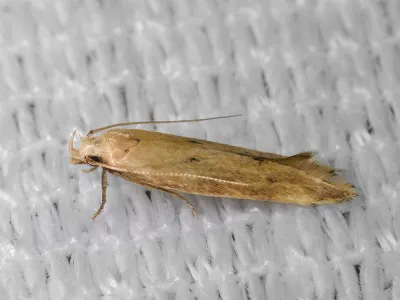
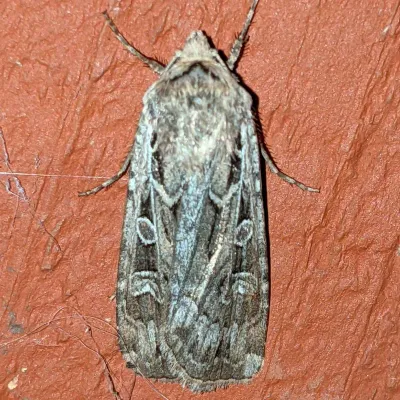
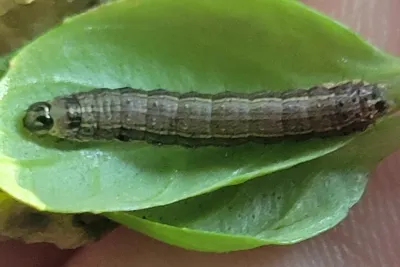
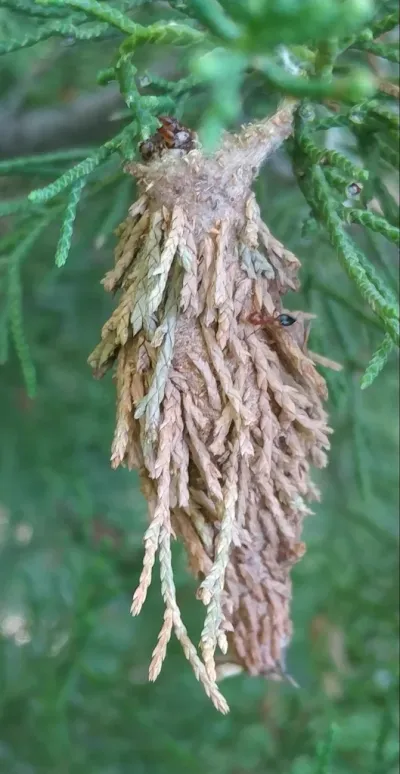
Commonly Confused With
Sphinx Moths are often mistaken for these similar pests
Where Sphinx Moths Are Found
Hover over states to see their names. Green regions indicate where sphinx moths have been reported.
Common Questions about Sphinx Moths
Are sphinx moths harmful to humans?
+
Adult sphinx moths are harmless to people. They do not bite or sting. Their caterpillars (hornworms) have a tail horn that looks threatening but is completely harmless. The main concern with sphinx moths is the feeding damage their larvae cause to garden plants, especially tomatoes, peppers, and tobacco.
Why do sphinx moths hover like hummingbirds?
+
Sphinx moths have powerful flight muscles and rapid wingbeats that allow them to hover in place while feeding on nectar with their long proboscis. Some species in the genus Hemaris are called hummingbird moths because their hovering flight closely mimics the behavior of hummingbirds. This hovering ability helps them access deep, tubular flowers.
What is the difference between a sphinx moth and a hawk moth?
+
There is no difference. Sphinx moth and hawk moth are two common names for the same family of moths, Sphingidae. The name sphinx moth comes from the posture their caterpillars adopt when disturbed, which resembles the Egyptian sphinx. Hawk moth refers to their swift, darting flight.
How do I get rid of hornworms on my tomato plants?
+
The most effective approach is hand-picking large caterpillars from plants and dropping them into soapy water. For younger caterpillars, Bacillus thuringiensis (Bt) is a targeted control product that works when caterpillars eat treated leaves. If you see white cocoons on a hornworm, leave it alone. Those are parasitoid wasp pupae that will help reduce the hornworm population naturally.
Do sphinx moths come out at night?
+
Most sphinx moth species are crepuscular or nocturnal, meaning they are active at dusk, dawn, and throughout the night. They are commonly attracted to porch lights and outdoor lighting. However, some species like the hummingbird clearwing moth (Hemaris thysbe) are active during the day and can be seen visiting garden flowers in full sunlight.
What plants attract sphinx moths?
+
Adult sphinx moths are drawn to fragrant, tubular flowers that produce nectar at night. Some favorites include moonflowers, petunias, four-o'clocks, jasmine, honeysuckle, and phlox. Their long proboscis lets them reach nectar in deep flowers that most other insects cannot access.
How big do sphinx moths get?
+
Sphinx moths are among the largest moths in North America. Wingspans range from about 2.5 inches in smaller species like the hummingbird clearwing to over 5 inches in larger species like the Carolina sphinx. Their caterpillars can grow up to 4 inches long before pupating.
Where do sphinx moths lay their eggs?
+
Female sphinx moths lay small, round, pale green eggs on the undersides of host plant leaves. Manduca species target tomatoes, peppers, and other nightshade family plants. A single female can lay dozens of eggs over several nights. The eggs hatch within about a week, and the tiny caterpillars begin feeding right away.

With five years of hands-on experience in the pest control industry, George Schulz is a registered technician with the Virginia Pest Management Association and a proud third-generation professional in a family business that's been protecting homes for over 57 years. He manages and trains a team of service pros while also leading internal research efforts—recently spearheading a deep-dive review of thousands of documents on pest control materials to hand-pick the most kid and pet friendly, most effective solutions tailored specifically for homes in the DC metro area.