Miller Moth Identification Guide
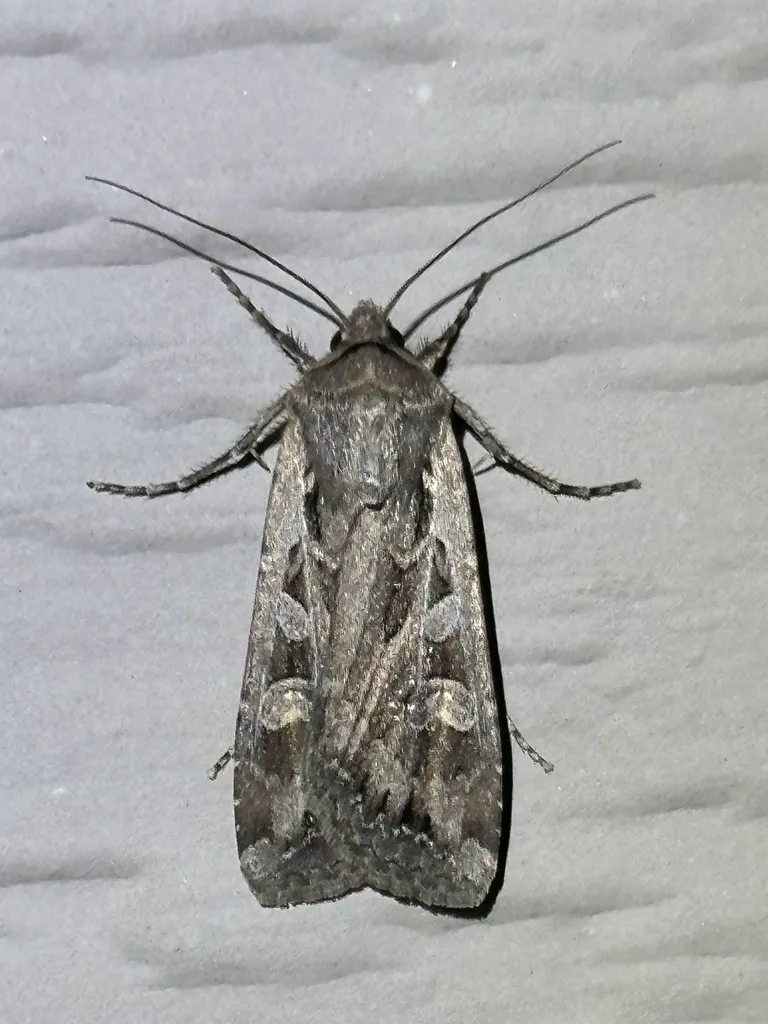
Euxoa auxiliaris
The miller moth is the adult stage of the army cutworm, a common nuisance pest across the western United States and Great Plains. Named for the dusty wing scales they shed like flour from a mill, these moths migrate in large numbers each spring and frequently invade homes seeking shelter.
Taxonomy
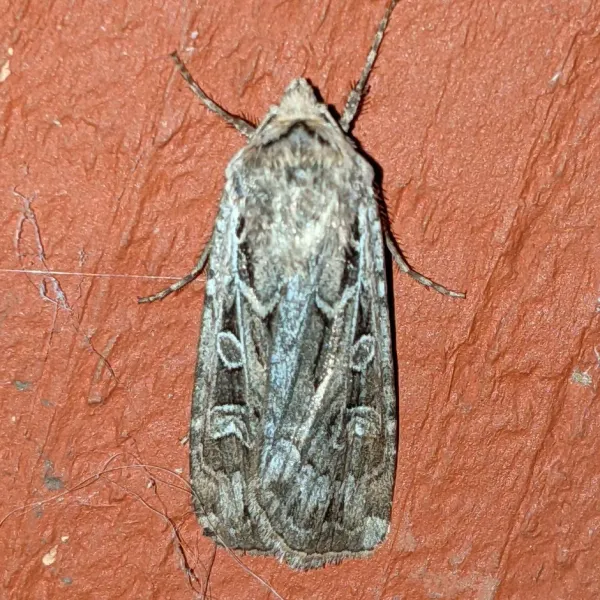
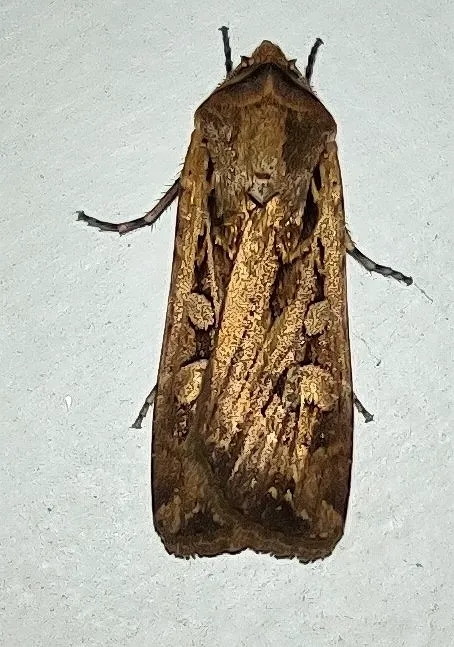
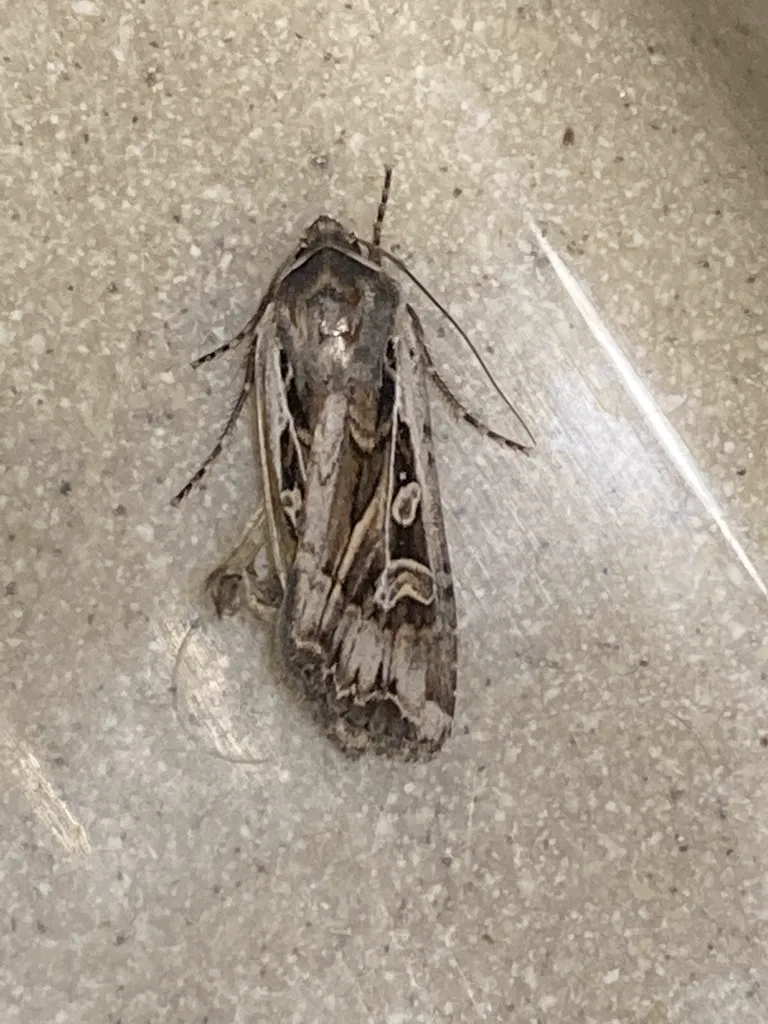
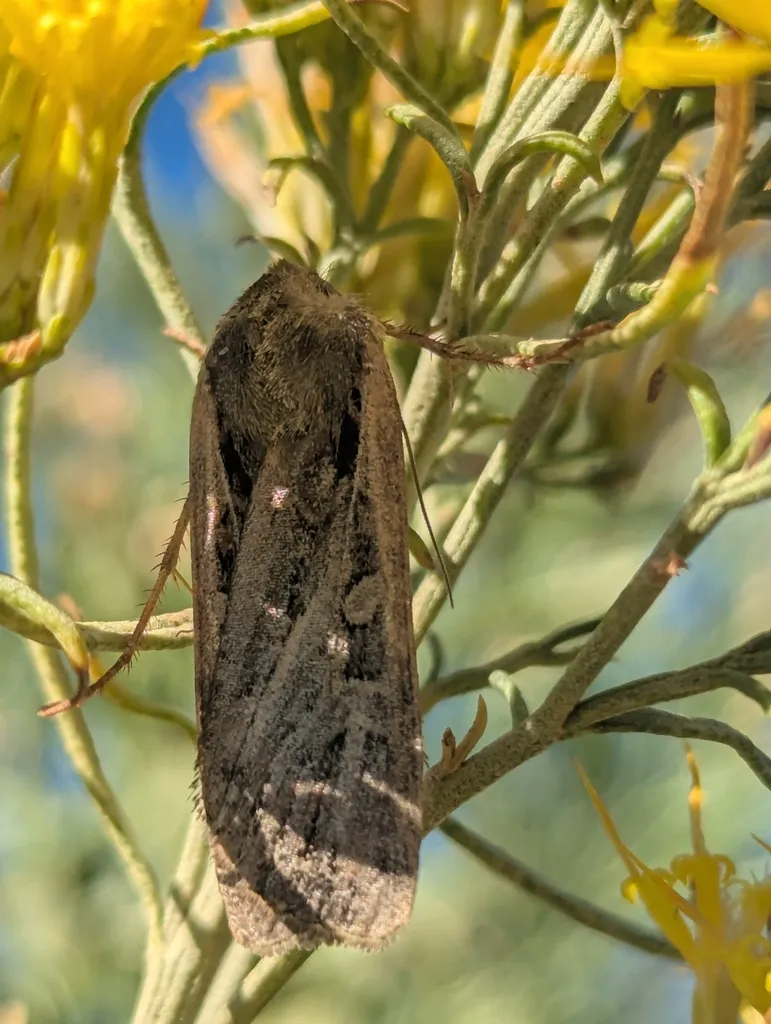
Miller Moth Coloration
Common color patterns to help identify miller moth
Miller Moth
Seasonal Activity
When miller moth are most active throughout the year

Where Miller Moth Are Found
Hover over states to see their names. Green regions indicate where miller moth have been reported.
Miller Moth Identification Guide
Physical Characteristics
The miller moth (Euxoa auxiliaris) is a medium-sized moth with a wingspan of about 1.5 to 2 inches (38-50mm). The forewings are gray to gray-brown with wavy lines and darker patches. Look for a kidney-shaped marking near the center of each forewing. The hindwings are lighter with a pale fringe along the edges.
The name “miller moth” comes from the fine, powdery scales on their wings. These scales rub off when the moth is touched. The dust they leave behind looks like flour from a grain mill. This powdery residue is often the first sign of miller moths in your home.
Miller moths have long, thin antennae and six legs covered in fine scales. Their color ranges from light tan to dark brown. There is a lot of variation between individual moths. Some look mostly gray while others show strong brown and tan patterns on their wings.
Common Species
The term “miller moth” usually refers to the adult form of the army cutworm (Euxoa auxiliaris). In some areas, the name also applies to other moths that shed wing scales. Related species sometimes called miller moths include:
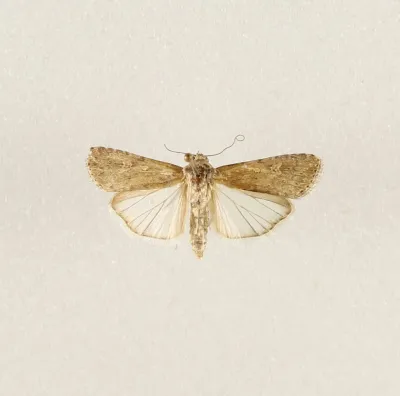
- Armyworm Moth (Mythimna unipuncta): Lighter tan wings with a small white dot on each wing and diagonal lines
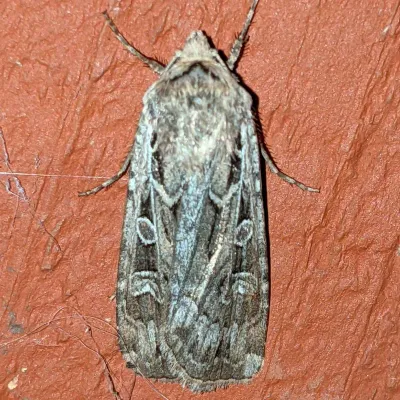
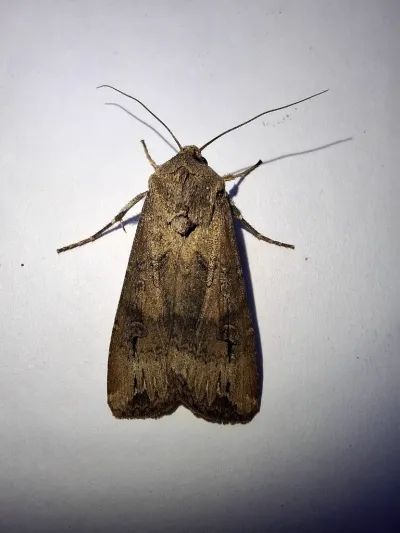
- Black Cutworm Moth (Agrotis ipsilon): Darker overall with a dagger-shaped marking on the forewing
- Greater Yellow Underwing (Noctua pronuba): Larger moth with bright yellow-orange hindwings
Miller Moth Behavior and Biology
Habitat and Migration
Miller moths are one of the few insects in North America that migrate with the seasons. In late spring, adult moths leave the plains and grasslands of the Great Plains. They fly to mountain areas in the Rocky Mountains. They travel at night and look for shelter during the day. They hide in cracks, under rocks, and inside homes and buildings along their path.
In summer, miller moths gather by the thousands on rocky slopes above the tree line. These mountain sites are used year after year. The moths are a key food source for grizzly bears, black bears, and other animals. A single moth holds about half a calorie of fat. Bears may eat tens of thousands of moths in one night.
In fall, the moths that survive return to the lowlands to mate and lay eggs. This return flight is less obvious to homeowners since the moths are spread out and fewer in number.
Diet and Feeding Habits
Adult miller moths drink only flower nectar. They do not eat fabrics, food, wood, or anything in your home. This sets them apart from clothes moths, which damage textiles, and pantry moths, which get into stored food.
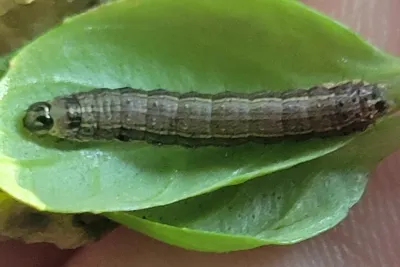
The larval stage is called the army cutworm. These caterpillars eat many types of plants including wheat, barley, oats, alfalfa, canola, garden crops, and lawn grasses. They feed at night and hide in the soil during the day. They cut through plant stems at or below the soil line. In bad years, large numbers of these caterpillars can destroy crops across farming areas.
Reproduction and Lifecycle
Miller moths produce one generation per year. Females lay eggs in soft soil during the fall. They choose farm fields, rangelands, and grasslands. Each female can lay hundreds of eggs. The eggs hatch in a few weeks and the tiny caterpillars start eating nearby plants.
The larvae feed through the fall, then spend the winter as partly grown caterpillars in the soil. They start eating again in early spring. They grow through several molts until they reach about 1.5 to 2 inches long. Full-grown larvae are dull green to dark gray-brown with faint stripes along the sides.
The larvae pupate in the soil in late spring. After a few weeks, adults come out and begin flying to the mountains. The full lifecycle takes about 8 to 10 months from egg to adult.
Treatment Methods for Miller Moths
Miller moth invasions are seasonal. The best control methods focus on keeping them out and removing them by hand. Adult moths are just passing through and do not breed indoors. They will leave on their own within a few weeks.
Exclusion and Prevention
Stopping moths from getting inside is the most effective approach:
- Seal entry points: Caulk gaps around windows, doors, vents, and pipes before migration season starts. Check where siding meets the foundation and around vents.
- Fix screens: Make sure all window and door screens are in good shape with no tears or gaps.
- Add door sweeps: Put tight-fitting sweeps on all outside doors.
- Cut down on outdoor lights: Miller moths fly toward lights at night. Turn off extra outside lights during migration season. Switch to yellow bulbs that attract fewer insects. Use motion-sensor lights instead of ones that stay on all night.
Physical Removal
For moths already inside your home:
- Vacuum: Use a vacuum to pick up moths from walls, ceilings, and curtains. Empty the bag or canister after to avoid odor.
- Light traps: Set a shallow dish of soapy water under a desk lamp or nightlight. Moths will fly to the light and land in the water. This works well overnight.
- Hand removal: Catch moths in a cup and let them go outside.
What to Avoid
Insecticide sprays are not needed for miller moths. The moths are short-term visitors that will move on by themselves. Spraying indoors makes more of a mess than the moths do. Outdoor sprays cannot keep up with the huge numbers of moths flying through an area.
Do not swat or crush miller moths on walls or fabrics. Their oily wing scales leave stains that are hard to clean.
References and Further Reading
Other Moths
Explore other species in the moths family
Commonly Confused With
Miller Moth are often mistaken for these similar pests
Where Miller Moth Are Found
Hover over states to see their names. Green regions indicate where miller moth have been reported.
Common Questions about Miller Moth
Why are miller moths in my house?
+
Miller moths enter homes during their spring migration from the Great Plains to mountain areas. They are attracted to lights at night and squeeze through small gaps around doors, windows, and vents to find shelter during the day. They do not breed indoors and are only passing through.
Are miller moths harmful?
+
Miller moths are not harmful to people or property. They do not bite, sting, or carry diseases. They do not eat fabrics or food in your home. The main nuisance is the dusty wing scales they leave behind on walls, curtains, and surfaces.
How long do miller moths stay in your house?
+
Miller moth invasions are temporary and usually last two to three weeks in late spring or early summer. Individual moths that get trapped inside may live for several weeks, but the migration period itself is brief.
What is the difference between miller moths and clothes moths?
+
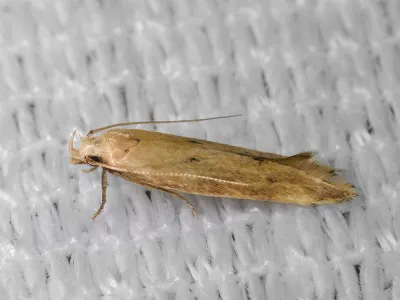
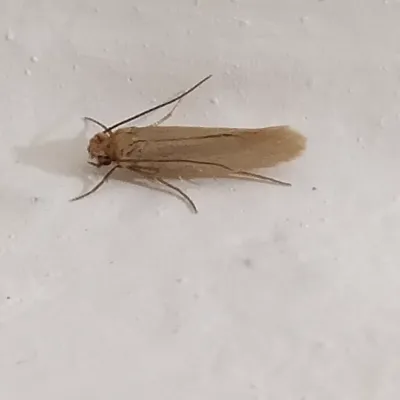
Miller moths are much larger, with a wingspan of 1.5 to 2 inches, and have gray-brown mottled wings. Clothes moths are tiny, about half an inch, with solid golden-tan wings. Clothes moths damage fabrics while miller moths cause no property damage at all.
How do I get rid of miller moths in my house?
+
The most effective approach is physical removal. Vacuum up moths you find indoors, turn off exterior lights at night to stop attracting more, and seal gaps around doors and windows. A shallow dish of soapy water placed under a light can trap moths overnight.
What time of year do miller moths appear?
+
Miller moths typically appear in late May through June during their spring migration. They fly from low-elevation plains where they developed as caterpillars to high-elevation mountain areas where they spend the summer. A smaller return migration happens in September and October.
Do miller moths cause damage to gardens or crops?
+
Adult miller moths feed only on flower nectar and do not damage plants. However, the larval stage, known as the army cutworm, can cause significant damage to crops, garden plants, and lawns by feeding on stems and leaves at the soil line.

With five years of hands-on experience in the pest control industry, George Schulz is a registered technician with the Virginia Pest Management Association and a proud third-generation professional in a family business that's been protecting homes for over 57 years. He manages and trains a team of service pros while also leading internal research efforts—recently spearheading a deep-dive review of thousands of documents on pest control materials to hand-pick the most kid and pet friendly, most effective solutions tailored specifically for homes in the DC metro area.