Cutworms Identification Guide
Noctuinae (various species)
Cutworms are the larvae of several species of night-flying moths. These caterpillars hide in soil during the day and emerge at night to feed on plant stems, often cutting young seedlings at the soil line.
Taxonomy
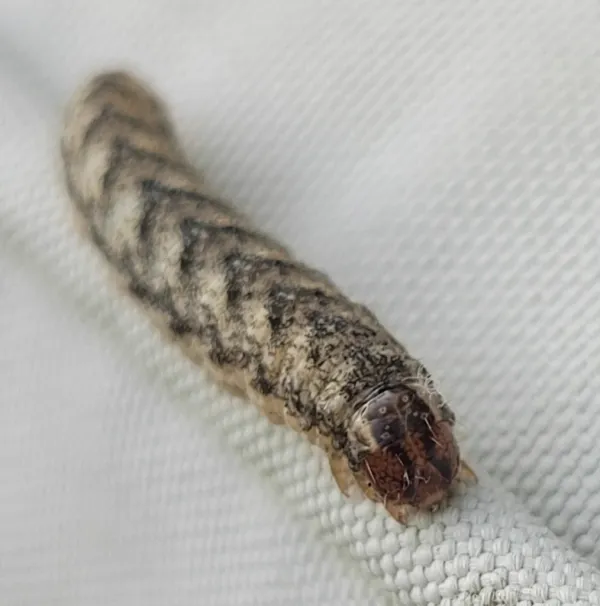
Cutworms Coloration
Common color patterns to help identify cutworms
Cutworms
Seasonal Activity
When cutworms are most active throughout the year

Where Cutworms Are Found
Hover over states to see their names. Green regions indicate where cutworms have been reported.
Cutworm Identification Guide
Physical Characteristics
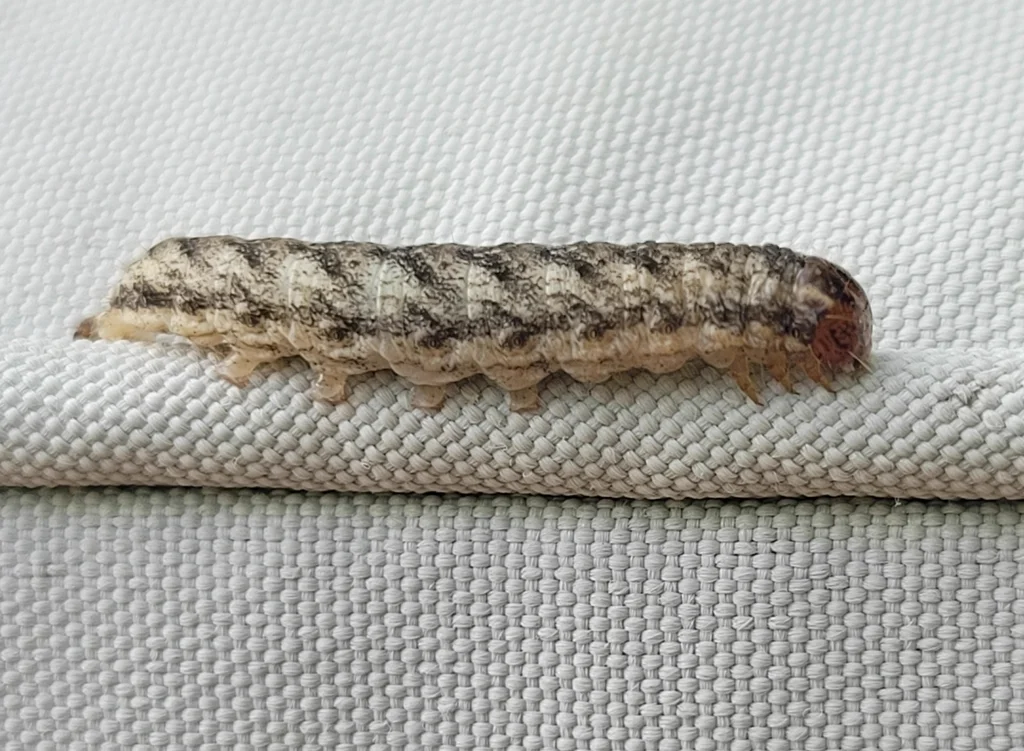
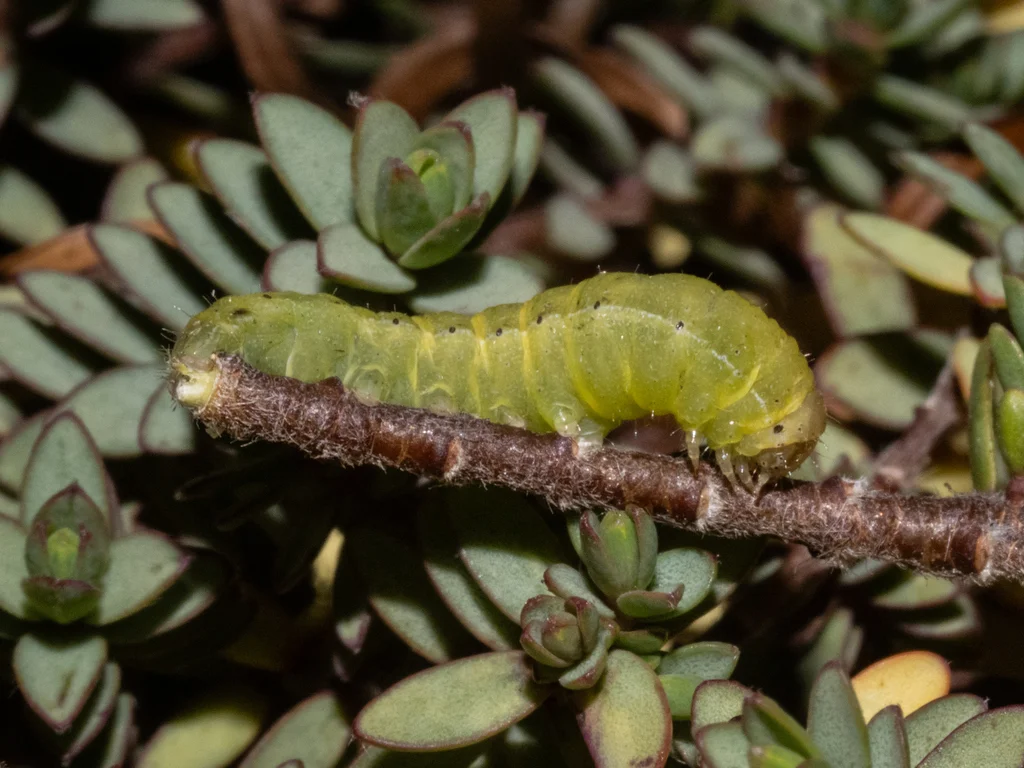
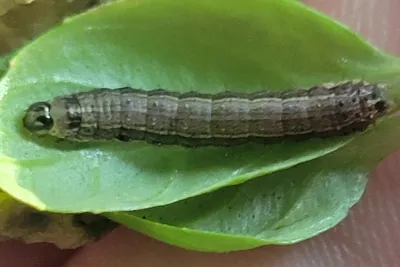
Cutworms are soft caterpillars that grow one to two inches long. Their bodies are smooth and tube-shaped. They lack the hairs or spines found on some other caterpillars. Colors range from gray to brown, greenish-gray, or nearly black.
Many cutworms have stripes or rows of spots along their bodies. The head is usually darker than the body, ranging from tan to dark brown. The skin looks somewhat greasy or waxy. When touched, cutworms curl into a tight C-shape. This behavior helps tell them apart from other garden caterpillars.
A cutworm has a head, three body segments with true legs, and ten rear segments. The rear segments have fleshy prolegs that help it move and grip. Cutworms are not brightly colored because they spend most of their time underground or hiding.
Common Species
Several cutworm species affect gardens and lawns across North America:
-
Black Cutworm (Agrotis ipsilon): One of the most harmful species. These dark gray to black caterpillars grow nearly two inches long. They look greasy and damage corn, vegetables, and turfgrass. Adults fly north each spring from warmer areas.
-
Variegated Cutworm (Peridroma saucia): Named for varied markings on each caterpillar. Colors range from gray to brown with yellow or orange dots along the back. Unlike most cutworms, they climb plants to feed on leaves and fruit.
-
Army Cutworm (Euxoa auxiliaris): Common in western North America. These pale greenish-gray to brown caterpillars have faint stripes. Large groups sometimes move together across fields, similar to armyworms.
-
Dingy Cutworm (Feltia jaculifera): A widespread species with dull gray-brown coloring. It damages vegetables, flowers, and field crops throughout North America.
-
Bronzed Cutworm (Nephelodes minians): Found mainly in grassy areas. This species has a bronze or copper color when mature. It feeds mostly on lawn grass and pastures.
Cutworm Behavior and Biology
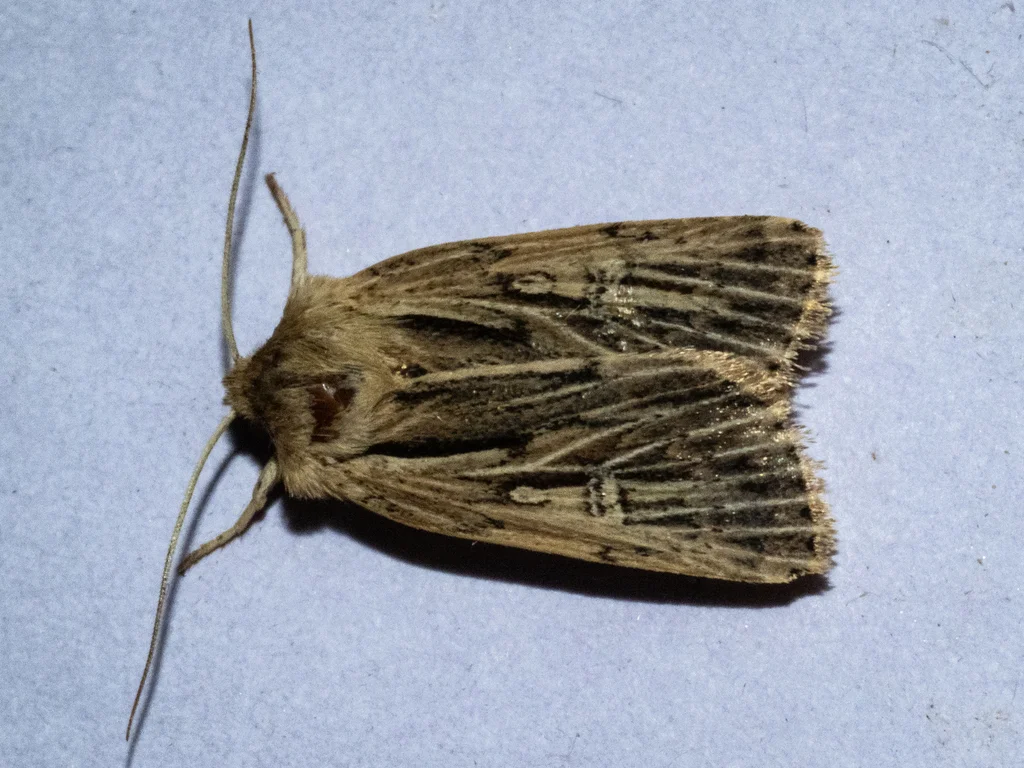
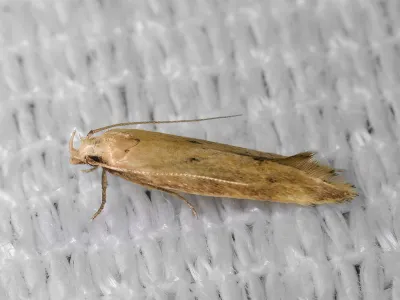
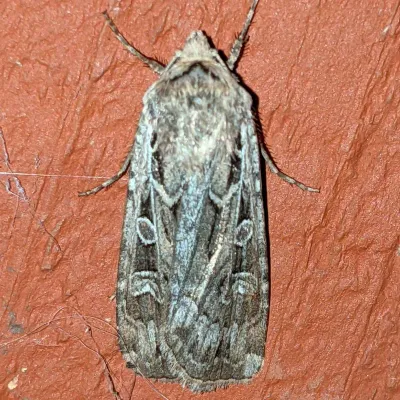
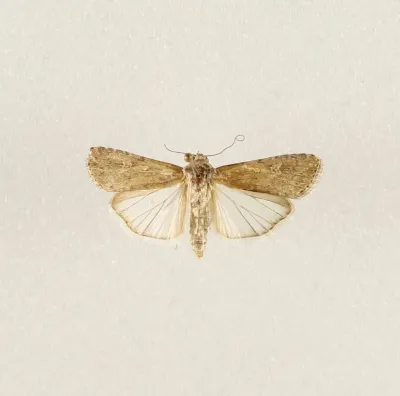
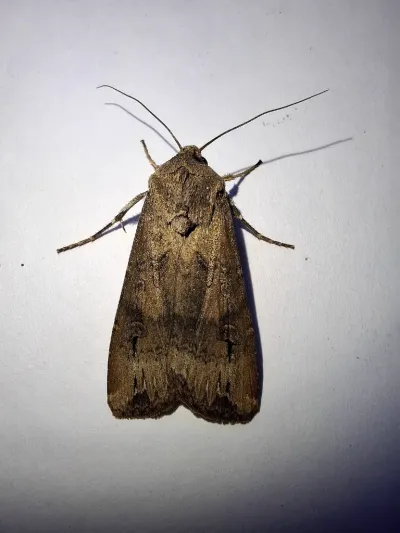
Cutworms are the larval stage of night-flying moths in the family Noctuidae. Adult moths are dull brown or gray with wingspans of one to two inches. They fly well and often come to lights at night. Female moths lay hundreds of eggs on plants, soil, or plant debris.
The cutworm life cycle has four stages: egg, larva (caterpillar), pupa, and adult. There may be one to four generations per year based on species and climate. In northern areas, cutworms spend the winter as partly grown larvae or pupae in the soil. They start feeding again in spring when the soil warms.
Cutworms feed almost only at night. During the day, they hide in soil just below the surface, under mulch, or in other sheltered spots near plants. This habit makes them hard to spot until plant damage shows up. After dark, they emerge and may feed on stems, leaves, or roots.
The name cutworm comes from how they cut through stems of young plants at or just below soil level. One cutworm can destroy several seedlings in a single night. It severs stems and moves on without eating the whole plant. This wasteful feeding makes them very damaging to new gardens. While cutworms attack plants at the soil line, sap-feeding garden pests like aphids and whiteflies damage the same plants from above by draining their fluids.
Signs of Cutworm Damage
Cutworm damage often shows up first in spring. You may find young plants toppled or missing. The clearest sign is plants cut off cleanly at the base, as if snipped with scissors. The cut tops may lie on the ground nearby.
Other signs of cutworm activity include:
- Wilting plants that do not perk up with watering
- Missing or stunted seedlings in rows or patches
- Holes or notches in stems near ground level
- Partly eaten leaves on low plants
- Small mounds of soil pellets near damaged plants
Digging in the soil within a few inches of damaged plants often reveals the pest. Cutworms hide just below the surface during the day. They usually curl into a C-shape when found. Early morning checks with a flashlight can catch them still feeding.
Treatment Methods for Cutworms
Cutworm control uses cultural practices, physical barriers, and targeted treatments. Since cutworms hide in soil during the day, control means either blocking their access to plants or removing them from the area.
Cultural Controls
Several gardening practices can reduce cutworm problems:
- Fall tillage: Turning soil after harvest exposes larvae and pupae to predators and cold
- Weed control: Removing weeds takes away egg-laying sites and other food sources
- Delayed planting: Waiting to transplant until seedlings are larger helps them survive damage
- Clean cultivation: Keeping garden beds free of debris removes daytime hiding spots
Physical Barriers
Collars around plant stems are one of the most effective controls without chemicals. These barriers stop cutworms from reaching and cutting stems:
- Cardboard collars: Toilet paper tubes or cardboard strips pressed into soil around stems
- Plastic collars: Sections of plastic cups or containers with the bottoms removed
- Aluminum foil: Wrapped loosely around stems and pushed below soil level
Biological Controls
Some organisms can help reduce cutworm numbers over time:
- Ground beetles: These insects hunt cutworms and other soil pests
- Parasitic wasps: Several species lay eggs in cutworm caterpillars
- Birds: Robins, blackbirds, and other ground-feeding birds eat cutworms
- Bacillus thuringiensis (Bt): This bacterium produces proteins that kill caterpillars when eaten. Bt is also effective against other garden caterpillars like inchworms and tent caterpillars
Chemical Treatments
When cutworm numbers are high or damage is severe, insecticide treatments may help. Apply treatments in late afternoon or evening before cutworms come out to feed. Granular products worked into soil can reach larvae in their hiding spots.
Prevention Tips
Good garden care helps prevent cutworm problems:
- Check transplants before planting to avoid bringing in cutworms
- Remove plant debris and weeds that give shelter and food
- Turn soil in fall to expose overwintering stages
- Put collars around plants that are prone to damage
- Keep plantings varied to support pest-eating wildlife
- Check gardens often, especially in spring when damage is most likely
References
Other Moths
Explore other species in the moths family
Where Cutworms Are Found
Hover over states to see their names. Green regions indicate where cutworms have been reported.
Common Questions about Cutworms
What are cutworms?
+
Cutworms are the caterpillar larvae of several species of night-flying moths in the family Noctuidae. They get their name from their feeding habit of cutting through plant stems at or just below the soil surface, which can kill young seedlings overnight.
What do cutworms look like?
+
Cutworms are smooth, plump caterpillars that grow one to two inches long. They typically range in color from gray to brown or greenish, often with stripes or spots along their bodies. When disturbed, they curl into a tight C-shape.
When are cutworms most active?
+
Cutworms are nocturnal feeders. They hide in the soil or under debris during the day and emerge at night to feed on plants. They are most active and cause the most damage in spring and early summer when garden seedlings are young and vulnerable.
What plants do cutworms damage?
+
Cutworms feed on a wide variety of plants including vegetables like tomatoes, peppers, beans, corn, cabbage, and lettuce. They also attack flowers, herbs, and turfgrass. Young transplants and seedlings are particularly vulnerable.
How can I tell if cutworms are damaging my plants?
+
The most obvious sign is finding young plants cut off at the base, lying on the ground. You may also notice wilted plants, holes in leaves, or partially eaten stems. Digging in the soil near damaged plants often reveals the curled-up caterpillars hiding just below the surface.
Do cutworms turn into moths?
+
Yes, cutworms are the larval stage of night-flying moths. After feeding for several weeks, they pupate in the soil and emerge as adult moths. These dull-colored moths are often attracted to lights at night.
Are cutworms harmful to humans?
+
No, cutworms do not bite, sting, or pose any direct threat to humans or pets. Their damage is limited to plants in gardens, lawns, and agricultural fields.
How do cutworms get into my garden?
+
Adult cutworm moths fly into gardens and lay eggs on plants, soil, or debris in late summer and fall. The eggs or young larvae overwinter and become active in spring when they begin feeding on emerging plants.

With five years of hands-on experience in the pest control industry, George Schulz is a registered technician with the Virginia Pest Management Association and a proud third-generation professional in a family business that's been protecting homes for over 57 years. He manages and trains a team of service pros while also leading internal research efforts—recently spearheading a deep-dive review of thousands of documents on pest control materials to hand-pick the most kid and pet friendly, most effective solutions tailored specifically for homes in the DC metro area.