Cabbage Looper Identification Guide
Trichoplusia ni
The cabbage looper is a destructive garden and agricultural moth whose green caterpillars feed on cabbage, broccoli, and many other crops. Named for their distinctive looping crawl, these larvae can cause significant damage to vegetable gardens across North America.
Taxonomy
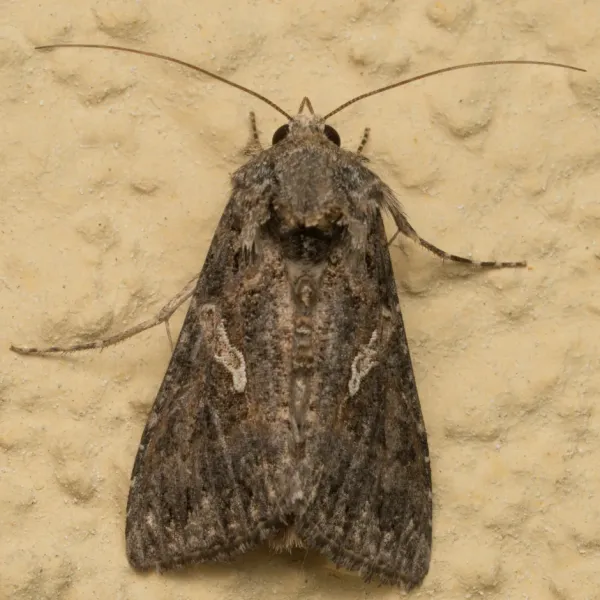
Cabbage Looper Coloration
Common color patterns to help identify cabbage looper
Cabbage Looper
Seasonal Activity
When cabbage looper are most active throughout the year

Where Cabbage Looper Are Found
Hover over states to see their names. Green regions indicate where cabbage looper have been reported.
Cabbage Looper Identification Guide
Adult Moth
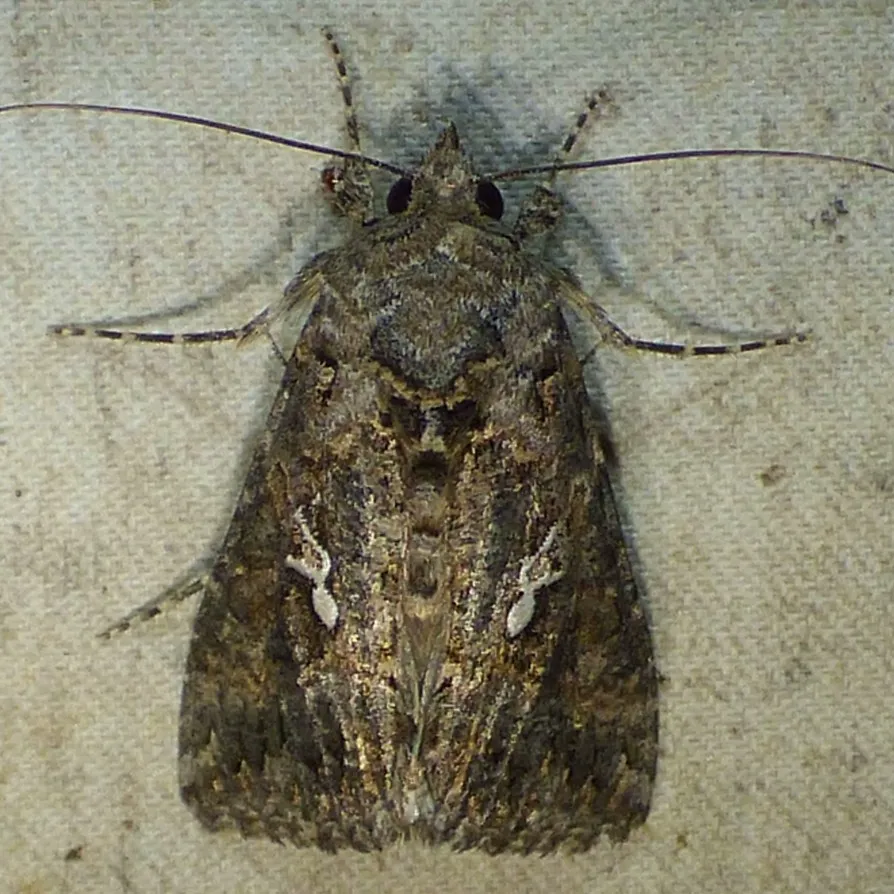
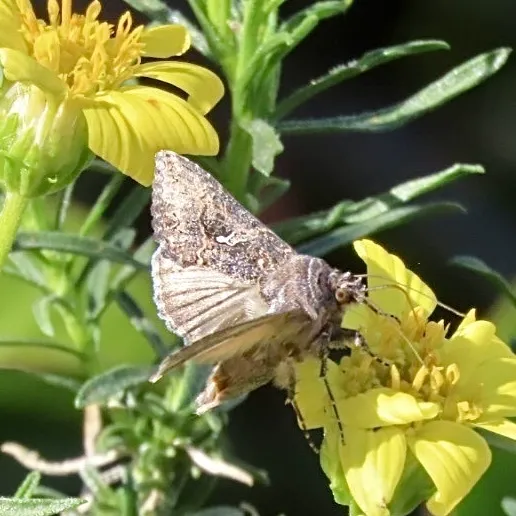
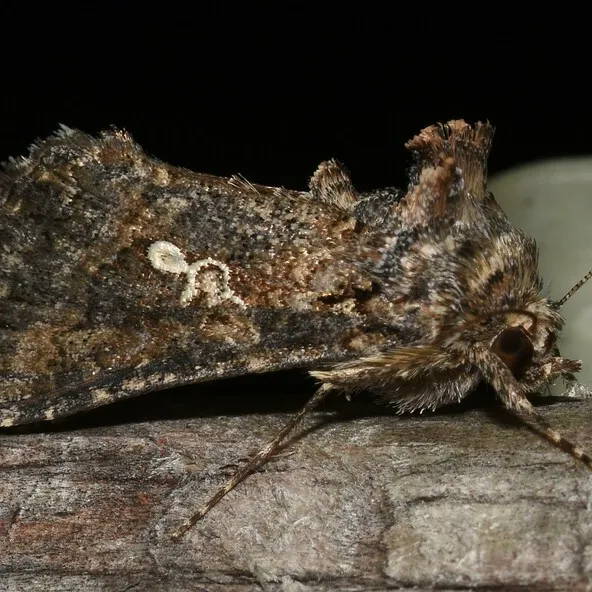
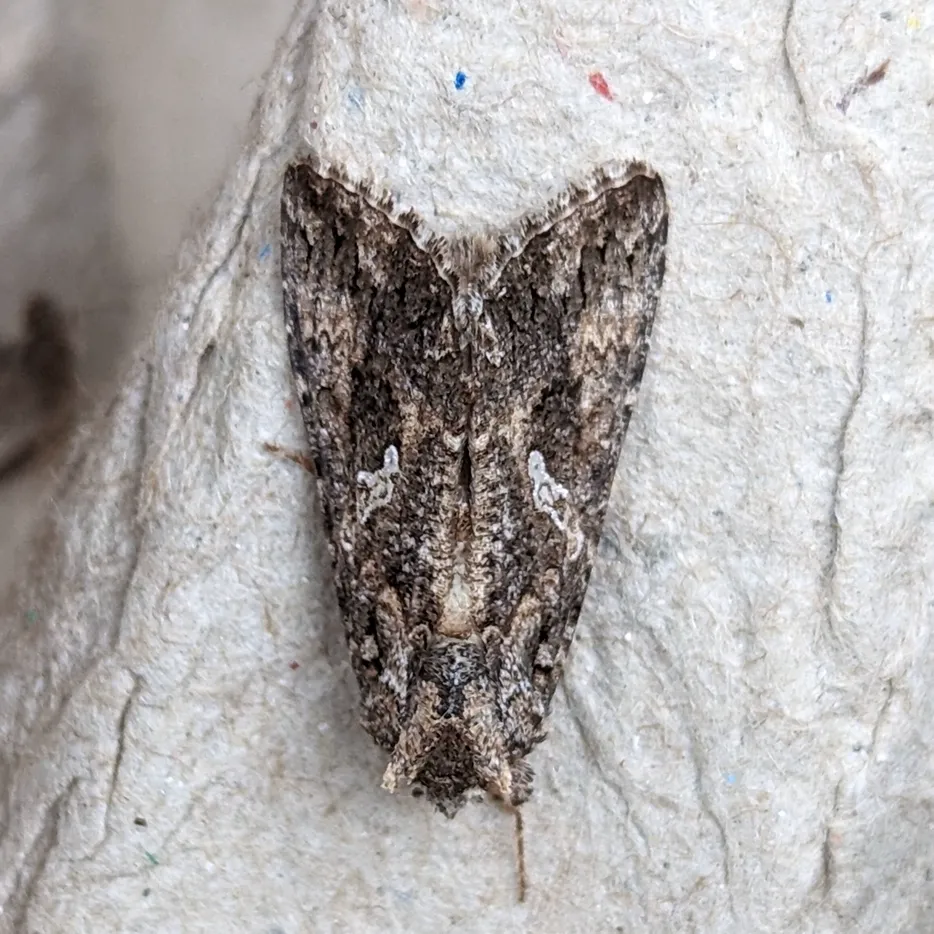
The adult cabbage looper moth has a wingspan of about 1 to 1.5 inches (25 to 38 mm). Its forewings are a mix of brown and gray with darker patches. This coloring helps the moth blend in when it rests on bark or soil. The easiest way to tell this moth apart from others is a small, silvery-white mark near the center of each forewing. This mark looks like a figure-eight or the letter “ni.” Some people call the adult the “Ni moth” for this reason. The back wings are lighter brown and fade toward the base.
The body is thick and covered in scales. Both males and females have long, thin antennae. Males are a bit smaller and darker than females. When the moth rests, the wings fold like a tent over the body. The silvery mark on the forewing is still easy to see.
Caterpillar (Larval Stage)
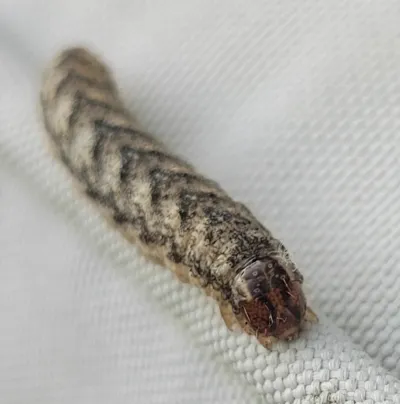
Most gardeners spot the cabbage looper as a caterpillar, not a moth. Full-grown larvae are about 1 to 1.5 inches (25 to 38 mm) long. They are pale to medium green with two thin white or cream stripes along the back and a wider pale stripe on each side. The body is narrow near the head and wider toward the rear.
The easiest way to identify this caterpillar is by how it moves. Most caterpillars have five pairs of fleshy prolegs on their abdomen. Cabbage loopers only have three pairs, with two in the middle and one at the back. With fewer legs, they have to arch their body into a loop shape with each step. This makes them look a lot like inchworms.
Eggs
Cabbage looper eggs are tiny, dome-shaped, and pale greenish-white. Females lay them one at a time on the undersides of leaves. This makes them hard to find. Each female can lay 200 to 350 eggs in her lifetime.
Cabbage Looper Behavior and Biology
Life Cycle
The cabbage looper goes through four life stages. These are egg, larva (caterpillar), pupa, and adult moth. In warm weather, the full cycle takes only 18 to 25 days. This fast growth means several rounds of caterpillars can show up in one growing season.
- Eggs hatch in about 3 to 4 days after being laid on leaves
- Larvae feed and grow through five stages over 2 to 3 weeks, getting bigger after each molt
- Pupae form when full-grown caterpillars spin a thin cocoon on the plant or in nearby plant waste. They rest for about 10 days
- Adults come out, mate, and lay eggs over one to two weeks
Feeding Habits and Diet
Cabbage looper caterpillars eat many types of plants. They strongly prefer vegetables in the mustard family. Common host plants include:
- Cabbage, broccoli, cauliflower, Brussels sprouts, kale, and collard greens
- Lettuce, spinach, and celery
- Tomato, cucumber, bean, potato, and pea
- Various garden flowers and landscape plants
Young caterpillars feed on the undersides of leaves. They eat the tissue between leaf veins, leaving behind a thin, see-through patch. Older caterpillars chew large, ragged holes through leaves. They can also bore into the heads of cabbage and lettuce, leaving droppings inside.
Migration and Distribution
Cabbage loopers are seasonal migrants. They cannot survive freezing winters. Each year, moths fly north from warm areas in Mexico, southern California, Florida, and the Gulf Coast. This means the species shows up across most of North America during the growing season, from southern Canada to Mexico.
Adult moths fly at night and are drawn to outdoor lights. They can travel long distances, which is why their numbers are hard to predict from year to year.
Signs of Cabbage Looper Damage
Catching cabbage looper activity early can prevent major harm to gardens and crops. Look for these signs:
- Ragged holes in leaves: Large, uneven holes chewed through foliage, mainly on cabbage, broccoli, and related crops
- See-through leaf patches: Young larvae eat from the underside, leaving only the thin upper layer of the leaf
- Green caterpillars that loop when they crawl: Pale green larvae that arch their bodies with each step
- Droppings on leaves: Small, dark green to black pellets on leaf surfaces and inside plant heads
- Damaged heads: Caterpillars tunnel into cabbage and lettuce heads, leaving droppings and creating spots where rot can start
- Moths near lights at night: Brown-gray moths with silvery wing spots near porch lights or garden lighting in summer
Cabbage looper damage can look like feeding by armyworms or cutworms. The looping movement and preference for cabbage-family plants help tell them apart. Fall webworms also eat plant leaves but build silk webs over branch tips and mostly target trees, not garden crops.
Treatment Methods for Cabbage Loopers
Several approaches can lower cabbage looper numbers in gardens and on farms.
Prevention and Exclusion
Stopping the problem before it starts is the best approach:
- Row covers placed over crops before moths arrive create a barrier that keeps them from laying eggs on your plants.
- Crop rotation helps too. Avoid planting cabbage-family crops in the same spot year after year.
- Weed removal near your garden cuts down on feeding spots. Pull out wild mustard and other weeds in the mustard family.
- Cleanup after harvest removes pupation sites. Get rid of old crop waste so caterpillars have fewer places to develop.
Targeted Treatments
When prevention is not enough, several treatments can reduce caterpillar numbers:
- Bacillus thuringiensis (Bt) sprays are the most common treatment for cabbage loopers. This product comes from a soil bacterium and targets caterpillars when they eat treated leaves. It works best on young, small caterpillars.
- Spinosad is another product that comes from a soil bacterium. It works well against caterpillars and is approved for organic use. Apply it in the evening for best results.
- Insecticidal soaps are contact sprays that kill small caterpillars when sprayed directly on them.
Some cabbage looper populations have built up resistance to Bt products, especially in greenhouse settings. Switching between different types of treatments helps keep them working.
Monitoring
Checking your plants often is key to good control. Look at the undersides of leaves once a week during the growing season for eggs and small caterpillars. Pheromone traps or blacklight traps can track adult moth activity and help you time your treatments for when young caterpillars are present.
Prevention Tips
Good garden habits go a long way toward reducing cabbage looper problems:
- Put up row covers early. Cover new plantings with floating row covers before moths show up in your area.
- Plant companion flowers. Flowers like sweet alyssum, dill, and yarrow draw in parasitic wasps that prey on cabbage loopers.
- Check plants weekly. Look at both sides of leaves during the growing season.
- Pick off caterpillars by hand. In small gardens, hand removal works well and needs no sprays.
- Plant early. In some areas, early spring plantings of cole crops can be harvested before looper numbers peak.
- Keep plants healthy. Plants that get enough water and food handle leaf damage better than stressed ones.
References and Further Reading
- UC Statewide Pest Management - Cabbage Looper (Cole Crops)
- University of Florida IFAS Extension - Cabbage Looper, Trichoplusia ni
- NC State Extension - Cabbage Looper
- Britannica - Cabbage Looper
- Moth Photographers Group - Trichoplusia ni Distribution
- University of Maine Cooperative Extension - Cabbage Worms
Other Moths
Explore other species in the moths family
Commonly Confused With
Cabbage Looper are often mistaken for these similar pests
Where Cabbage Looper Are Found
Hover over states to see their names. Green regions indicate where cabbage looper have been reported.
Common Questions about Cabbage Looper
What does a cabbage looper look like?
+
Cabbage looper caterpillars are pale green with thin white or cream stripes running down their backs and sides. They grow up to 1.5 inches long and move in a distinctive looping motion because they have fewer prolegs than most caterpillars. The adult moth has a wingspan of about 1 to 1.5 inches and is mottled brown and gray with a small, silvery-white figure-eight or loop-shaped mark on each forewing.
Why is it called a cabbage looper?
+
The name comes from two things: the caterpillar's love of cabbage and related vegetables, and its looping crawl. Cabbage looper larvae only have three pairs of prolegs instead of the usual five. This forces them to arch their body into a loop with each step, much like an inchworm.
What plants do cabbage loopers eat?
+
Cabbage loopers feed on a wide range of plants but prefer members of the mustard family (Brassicaceae). Their favorite hosts include cabbage, broccoli, cauliflower, kale, collard greens, Brussels sprouts, and mustard. They also feed on lettuce, tomato, celery, cucumber, bean, potato, and many ornamental plants. Over 100 host plant species have been recorded.
Are cabbage loopers harmful to humans?
+
Cabbage loopers are not harmful to humans. They do not bite, sting, or carry diseases. The caterpillars are strictly plant feeders. Their damage is limited to gardens and agricultural crops where they chew holes in leaves and can contaminate produce with frass (droppings).
How do I get rid of cabbage loopers in my garden?
+
Effective methods include handpicking caterpillars, using floating row covers to keep moths from laying eggs, and applying Bacillus thuringiensis (Bt) sprays that target caterpillars. Check your plants often and treat when caterpillars are still small for the best results.
How long do cabbage loopers live?
+
The entire life cycle from egg to adult moth takes about 18 to 25 days in warm conditions. Eggs hatch in 3 to 4 days, the caterpillar stage lasts 2 to 3 weeks through five growth stages, pupation takes about 10 days, and adult moths live one to two weeks. In warm climates, multiple generations can occur in a single growing season.
When are cabbage loopers most active?
+
Cabbage looper caterpillars are most active during the warm growing season, typically from late spring through early fall. In the Mid-Atlantic and northern states, peak activity runs from June through August. In southern states and Mexico, the species can be active year-round. Adult moths are nocturnal and are often attracted to lights at night.

With five years of hands-on experience in the pest control industry, George Schulz is a registered technician with the Virginia Pest Management Association and a proud third-generation professional in a family business that's been protecting homes for over 57 years. He manages and trains a team of service pros while also leading internal research efforts—recently spearheading a deep-dive review of thousands of documents on pest control materials to hand-pick the most kid and pet friendly, most effective solutions tailored specifically for homes in the DC metro area.