Army Cutworm Identification Guide
Euxoa auxiliaris
The army cutworm is a destructive caterpillar pest found across the Great Plains and western North America. These nocturnal larvae feed on a wide range of crops and garden plants, sometimes moving in large groups that strip entire fields overnight.
Taxonomy
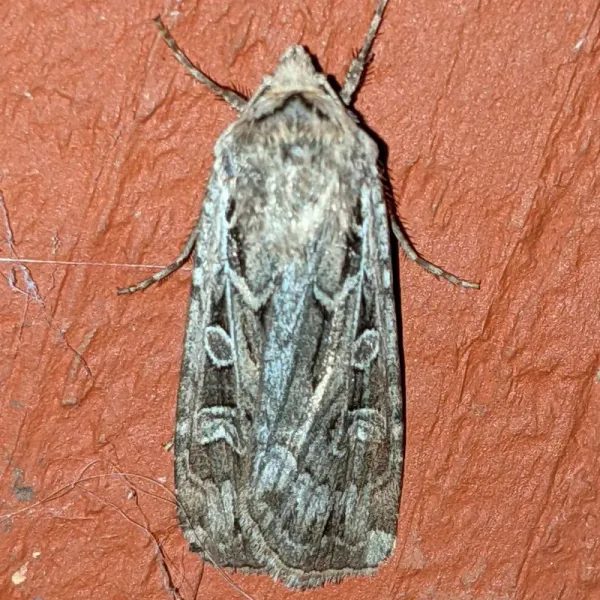
Army Cutworm Coloration
Common color patterns to help identify army cutworm
Army Cutworm
Seasonal Activity
When army cutworm are most active throughout the year


Where Army Cutworm Are Found
Hover over states to see their names. Green regions indicate where army cutworm have been reported.
Army Cutworm Identification Guide
Physical Characteristics
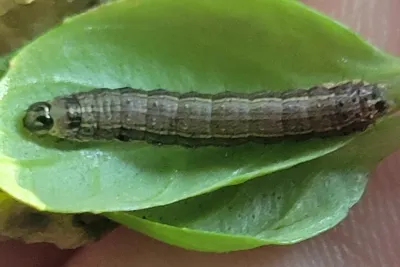
The army cutworm (Euxoa auxiliaris) is a plump, smooth caterpillar that grows up to 1.5 inches (about 38 mm) long. The body color ranges from pale greenish-gray to dark brown. It often has a greasy or waxy look. A faint pale stripe runs down the center of the back, and lighter stripes show along the sides. The head is light brown with small dark spots that help with identification.
Like all caterpillars, army cutworms have three pairs of true legs near the head and several pairs of fleshy prolegs farther back. When touched, they curl into a tight C-shape. This is a trait shared with other cutworm species. Their dull colors help them blend into the soil where they hide during the day.
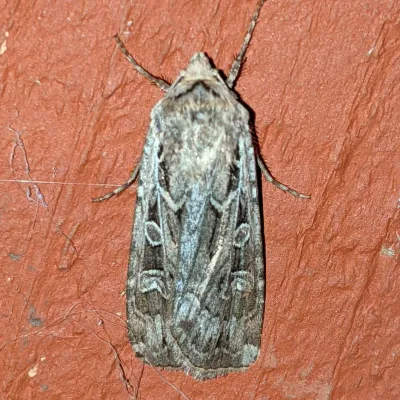
The adult form of this species is the miller moth, a medium-sized moth with a wingspan of about 1.5 to 2 inches. The front wings are gray to gray-brown with wavy lines and kidney-shaped marks. The back wings are lighter and mostly pale. Adults shed fine, powdery wing scales that feel like flour dust. This is how the miller moth got its name.
Common Species and Look-Alikes
Several other cutworm and caterpillar species look similar to the army cutworm:
- Black Cutworm (Agrotis ipsilon) is darker overall with a smooth, uniform dark body. Black cutworms cut seedlings at the soil line. Army cutworms climb plants and feed on leaves above the ground too.
- Armyworm (Mythimna unipuncta) has a similar name but is a different species. Armyworm caterpillars have bold stripes running along the body and different head markings. Both species travel in large groups across fields.
- Variegated Cutworm (Peridroma saucia) has a row of pale yellow or orange diamond-shaped dots along the back. Like army cutworms, they climb plants to feed on leaves.
- Fall Armyworm (Spodoptera frugiperda) has an upside-down “Y” marking on the head. Fall armyworms feed during the day and at night, while army cutworms only feed at night.
Army Cutworm Behavior and Biology
Life Cycle
Army cutworms produce one generation per year. Adult miller moths fly back from the mountains to the lowlands in late summer and early fall. Females lay hundreds of eggs in soft, loose soil near plants across the Great Plains and western states. The eggs hatch in a few weeks when the soil is moist enough.
The small caterpillars start eating nearby plants right away. They feed through the fall and grow through several molts. When it gets cold and the ground freezes, the partly grown larvae go dormant in the soil. They spend the winter buried a few inches below the surface.
In early spring, once the soil thaws, the larvae start feeding again. This spring feeding window from March through May is when they do the most crop damage. After they reach full size, the larvae pupate in the soil in late May or June. Adults come out a few weeks later and fly to mountain areas where they spend the summer drinking flower nectar. In fall, they return to the lowlands and the cycle starts over.
Feeding Habits
Army cutworms eat a wide range of plants. Common targets include winter wheat, barley, oats, alfalfa, canola, sugar beets, flax, and corn seedlings. They also eat rangeland grasses, wild mustards, and many garden vegetables.
Unlike some cutworms that only cut plants at the soil line, army cutworms are climbers. They crawl up plant stems and chew on leaves above the ground. They can also cut through seedling stems at or below the soil line, especially in grain fields. All feeding happens at night. During the day, the larvae hide in the top inch or two of soil. This makes them hard to find without digging.
Group Movement
The “army” in army cutworm comes from how large numbers of these caterpillars move together across the ground. When food runs out or their numbers get too high, they travel as a group into nearby fields, gardens, or lawns. This is similar to how true armyworms behave, and it is where both species get their common names. These group movements can show up suddenly and damage crops and yards overnight.
Ecological Role
The adult miller moth plays an important role in the Rocky Mountain food chain. During summer, moths gather by the millions on rocky slopes above the tree line. Their bodies are very rich in fat. They become a key food source for grizzly bears, black bears, and other mountain wildlife. A single moth holds about half a calorie of fat. Bears may eat tens of thousands of moths in one night during the summer.
Treatment Methods for Army Cutworms
Army cutworms mostly damage farm crops and home gardens. They hide in the soil during the day, so control methods focus on scouting, good growing practices, and well-timed treatments.
Monitoring and Scouting
Finding army cutworms early is the key to stopping damage:
- Spring scouting. Check fields and garden beds in early spring before plants green up. Look for chewed seedlings, bare patches, and plants cut at the soil line.
- Night checks. Go out with a flashlight after dark to spot larvae feeding on plants. This is the best way to confirm they are present.
- Soil checks. Dig around damaged plants during the day. Cutworms hide just below the surface and curl into a C-shape when found.
Cultural Controls
Several gardening and farming practices can reduce army cutworm problems:
- Fall tillage. Turning the soil after harvest exposes larvae and pupae to birds and cold weather, which lowers their numbers.
- Weed control. Pulling weeds and volunteer plants removes food sources and egg-laying spots for adult moths.
- Delayed planting. Waiting to transplant until seedlings are bigger helps them survive feeding damage.
- Clean beds. Keeping garden beds free of debris and thick plant matter removes hiding spots.
- Crop rotation. Switching crops each year and not planting the same host crop in the same spot helps reduce buildup.
Biological Controls
Natural enemies help keep army cutworm numbers down:
- Ground beetles hunt cutworms and other soil pests.
- Parasitic wasps lay their eggs inside cutworm caterpillars, which kills them over time.
- Birds like robins and blackbirds eat cutworms turned up during tillage or found in early morning.
- Bacillus thuringiensis (Bt) is a natural soil bacterium that makes proteins toxic to caterpillars. Bt products work best when larvae are small and feeding.
Physical Barriers
For home gardens, physical barriers around individual plants can prevent cutworm damage:
- Cardboard collars. Place cardboard tubes or strips around transplant stems, pushed about an inch into the soil.
- Plastic collars. Cut the bottoms off plastic cups and place them around plant stems.
- Aluminum foil wraps. Wrap foil loosely around plant stems, going above and below the soil line.
Chemical Options
When army cutworm numbers get high enough to threaten crops, insecticide treatments may be needed. The best time to apply is in early spring when the larvae are small and feeding above ground. Evening treatments work best since the caterpillars come out to feed at night. Granular products mixed into the soil can reach larvae in their daytime hiding spots. Always follow local extension advice and product label directions for your crops.
References and Further Reading
Other Moths
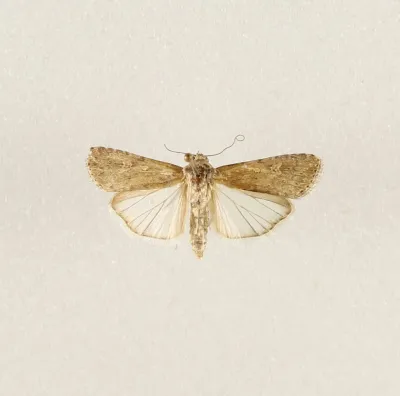
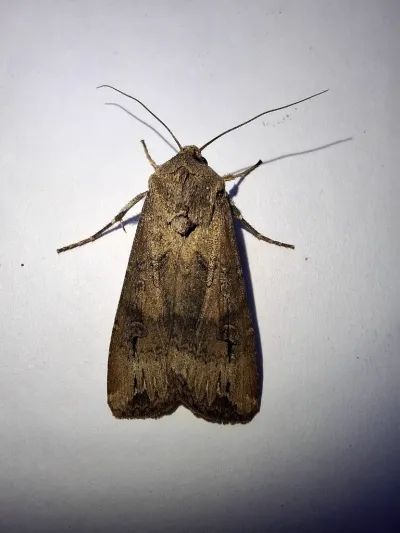
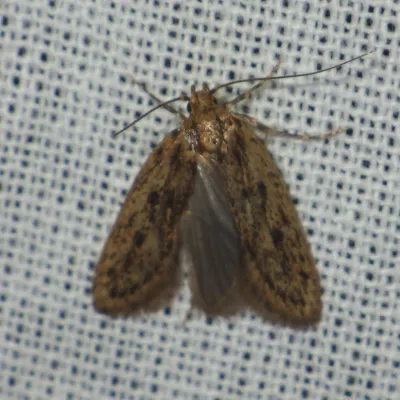
Explore other species in the moths family
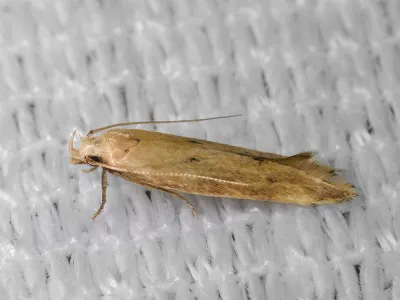
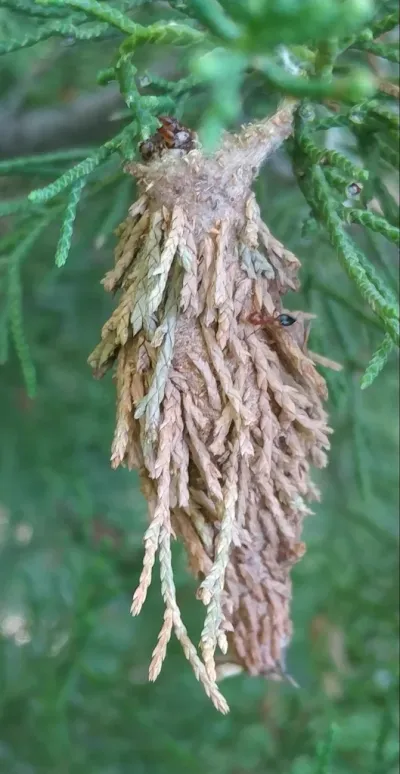
Commonly Confused With
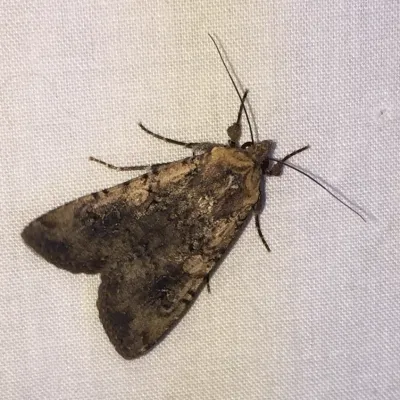
Army Cutworm are often mistaken for these similar pests
Where Army Cutworm Are Found
Hover over states to see their names. Green regions indicate where army cutworm have been reported.
Common Questions about Army Cutworm
What is an army cutworm?
+
An army cutworm is the caterpillar larva of Euxoa auxiliaris, a night-flying moth in the family Noctuidae. The larvae are destructive agricultural pests that feed on crops and garden plants. The adult stage of this species is commonly known as the miller moth.
What do army cutworms look like?
+
Army cutworm larvae are plump, smooth caterpillars that grow up to 1.5 inches long. They are pale greenish-gray to dark brown with faint pale stripes along the back and sides. The head capsule is light brown with small dark spots. When disturbed, they curl into a tight C-shape.
Are army cutworms the same as miller moths?
+
Yes, they are the same species at different life stages. The army cutworm is the larval caterpillar stage and the miller moth is the adult stage. The caterpillars feed on plants in fall and spring, then pupate and emerge as moths that migrate to mountain areas for the summer.
When are army cutworms most active?
+
Army cutworms cause the most damage in early spring, from March through May, when overwintered larvae resume feeding. They are nocturnal and hide in the soil during the day, coming out at night to feed on plant foliage and stems.
What do army cutworms eat?
+
Army cutworms are polyphagous, meaning they eat many types of plants. Common hosts include winter wheat, barley, oats, alfalfa, canola, sugar beets, garden vegetables, and rangeland grasses and weeds. They can cause significant damage to emerging seedlings and young crops.
Do army cutworms damage lawns and gardens?
+
Army cutworms can damage home lawns and gardens, especially in the western United States and Great Plains. They feed on turf grass, vegetable seedlings, and ornamental plants. Damage usually appears as irregular bare patches or plants with chewed leaves and stems near the soil line.
How do army cutworms spread?
+
Adult moths fly long distances during their seasonal migration and lay eggs in soft soil across wide areas. A single female can lay hundreds of eggs. When conditions favor large populations, the caterpillars may move together in groups across the ground, similar to armyworms, which is how they got their common name.
Are army cutworms harmful to people?
+
Army cutworms do not bite, sting, or pose any direct threat to people or pets. Their damage is limited to plants. The adult miller moths that enter homes during migration are a nuisance but cause no structural or health damage.

With five years of hands-on experience in the pest control industry, George Schulz is a registered technician with the Virginia Pest Management Association and a proud third-generation professional in a family business that's been protecting homes for over 57 years. He manages and trains a team of service pros while also leading internal research efforts—recently spearheading a deep-dive review of thousands of documents on pest control materials to hand-pick the most kid and pet friendly, most effective solutions tailored specifically for homes in the DC metro area.