American Shrew Mole Identification Guide
Neurotrichus gibbsii
The American shrew mole is the smallest mole in North America. Found in the Pacific Northwest, this tiny insectivore is unique among moles for spending much of its time above ground and even climbing low bushes.
Taxonomy
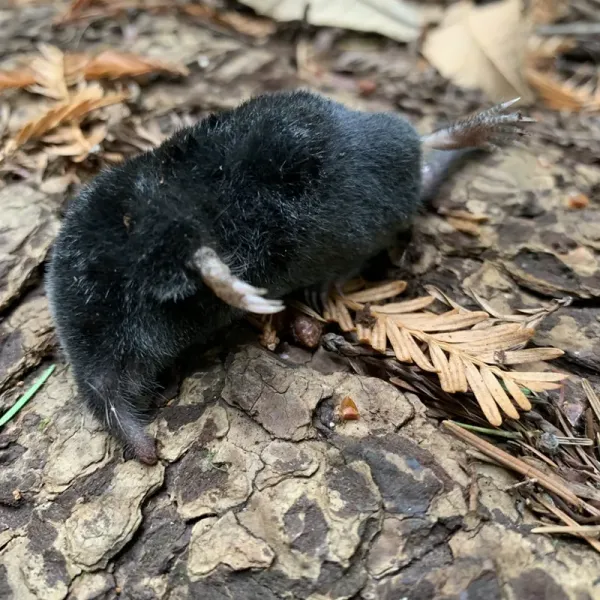
American Shrew Mole Coloration
Common color patterns to help identify american shrew mole
American Shrew Mole
Seasonal Activity
When american shrew mole are most active throughout the year
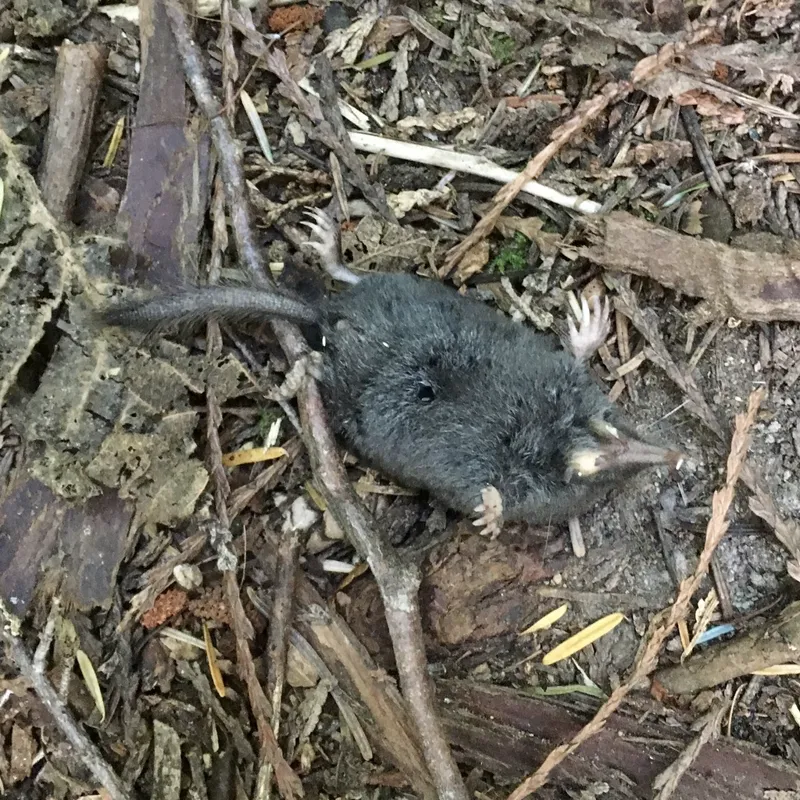
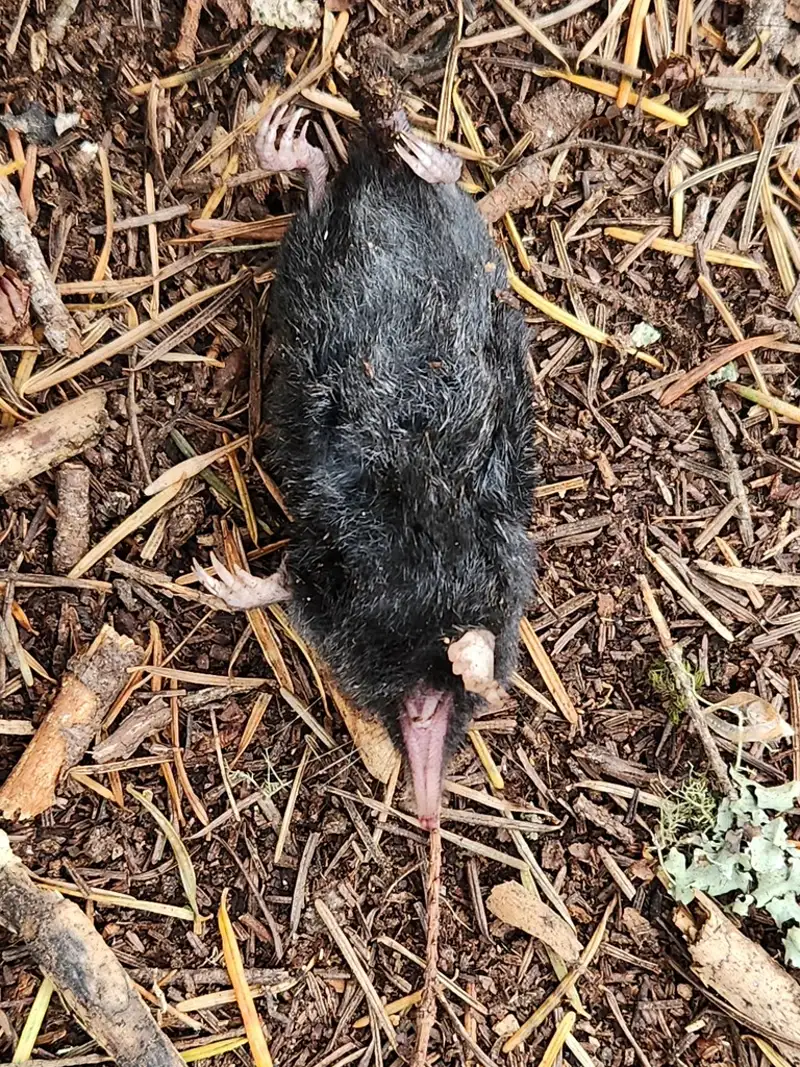
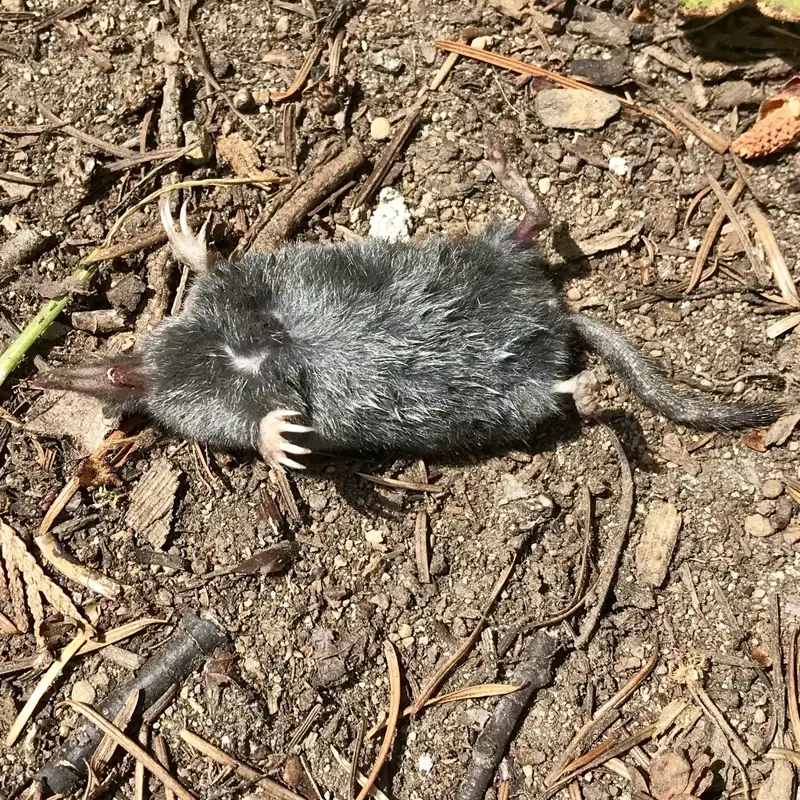

Where American Shrew Mole Are Found
Hover over states to see their names. Green regions indicate where american shrew mole have been reported.
American Shrew Mole Identification Guide
Physical Characteristics
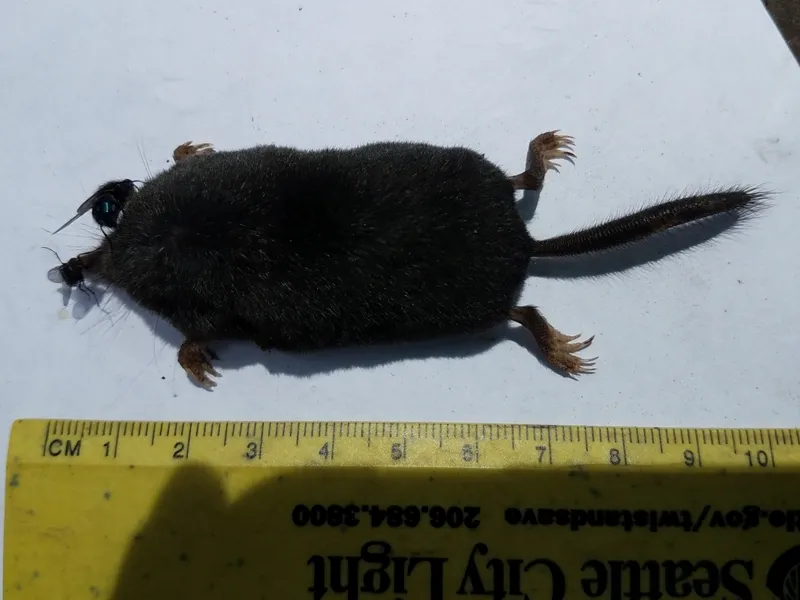
The American shrew mole (Neurotrichus gibbsii) is the smallest mole in North America. Adults are only 2.5 to 3.5 inches long, plus a 1 to 1.5 inch tail. They weigh about 10 grams, roughly the same as two pennies. They are much smaller than other moles like the coast mole or Townsend’s mole.
Their fur is dark, ranging from sooty black to blue-black. It has a velvety feel, which is common in the mole family. The eyes are tiny and covered by skin. They have no outer ears. The snout is long, flat, and pointed with a hairless pink tip. The three middle claws on each front paw are longer than the rest, built for digging. However, the front feet are not as wide or paddle-shaped as those of bigger moles.
The tail is long for a mole, about half the body length. It is thick with light fur, and the shrew mole uses it for balance when climbing.
How to Tell Shrew Moles from Similar Animals
Shrew moles are small and dark, so they can be mixed up with other small mammals.
- Shrews are similar in size but have visible eyes, clear ears, and lack the wide digging claws of moles. Shrews also have longer, thinner snouts.
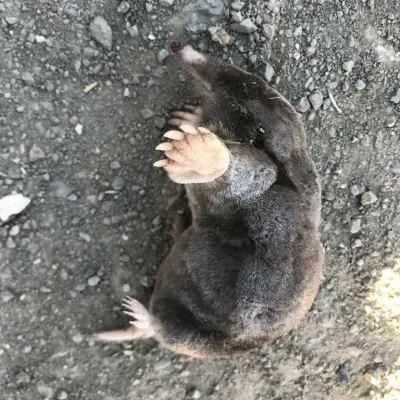
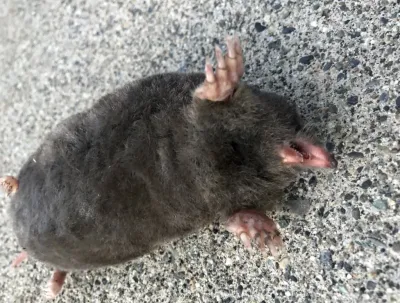
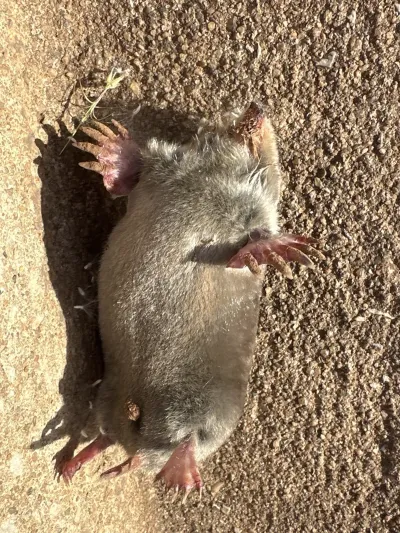
- Coast moles live in the same region but are much larger with broad, paddle-shaped front feet. Coast moles rarely come above ground.
- Townsend’s moles are the largest mole in North America, roughly five times heavier. Size is the easiest way to tell them apart.
The best way to identify a shrew mole is its very small size, dark fur, long tail, and the fact that it is often seen above ground.
American Shrew Mole Behavior and Biology
Habitat and Range
American shrew moles live only in the Pacific Northwest. Their range runs from central California north through Oregon and Washington into southwestern British Columbia. They live from sea level up to about 8,200 feet, but they are most common in low areas.
These moles like damp, wooded areas with deep, loose soil that has lots of organic matter. They are most common in rainforests, along streams, and in moist woods with thick plants underneath. In the southern parts of their range, they live in swampy areas with sedges and shrubs.
Above-Ground Lifestyle
Unlike almost all other moles, the American shrew mole spends a lot of time above ground. They dig through leaf litter, climb low bushes, and move across the forest floor. They do not rely only on underground tunnels like other moles. They can also swim and have been seen crossing small streams.
Their tunnels are shallow, running just below the surface litter rather than deep in the soil. This is very different from larger moles that push up the raised ridges and mounds that most homeowners know.
Activity Patterns
Shrew moles are active all day and night, year-round. They sleep only 1 to 8 minutes at a time, then stay awake for 2 to 18 minutes before resting again. This almost constant activity comes from their very high metabolism, which means they need to eat often.
Social Behavior
Most moles live alone and fight with other moles. Shrew moles are different. They are social and have been seen traveling in groups of more than 11. These groups move to a feeding area together, stay for a few days, and then move on as a group.
Diet
Shrew moles eat mostly small animals found in soil:
- Earthworms are their main food
- Insect larvae, including beetle grubs
- Snails and slugs
- Centipedes and other small bugs
- Seeds make up a small part of their diet
Their need for food is extreme. A shrew mole can eat up to 1.4 times its body weight in just 12 hours. Without food, they can starve in just a few hours.
Reproduction and Lifespan
Breeding happens once a year, usually from late February through August. Females give birth to 1 to 4 babies after at least four weeks of pregnancy. The average litter has 3 young. Newborns are blind, hairless, and weigh less than one gram.
Young shrew moles grow fast and reach adult size in a few weeks. They live about 1 to 2 years in the wild. Common predators include owls, hawks, snakes, raccoons, foxes, coyotes, and house cats.
Signs of Shrew Mole Activity
Shrew moles are small and spend much of their time on the surface. The signs they leave are much less obvious than those of larger moles.
- Shallow digs in leaf litter and mulch, not deep tunnels
- Small surface paths just below the leaf layer
- Tiny burrow holes in loose soil near forest edges
- Little to no mounding, unlike the big molehills from coast or Townsend’s moles
Most homeowners in the Pacific Northwest will not notice shrew mole activity. Their tunneling does not create the raised ridges or mounds people link with mole damage.
Control Methods for Shrew Moles
Shrew moles rarely cause enough yard damage to need control. Their tunnels are shallow and mostly stay in wooded or mulched areas. If shrew mole activity does become a problem, these methods can help.
Habitat Changes
- Fix drainage in wet areas to make soil less appealing to shrew moles
- Thin ground cover and clear leaf litter near gardens
- Use less mulch around plant beds, since deep mulch creates good foraging spots
Exclusion
- Hardware cloth barriers buried around garden beds can stop burrowing
- Raised beds with wire mesh bottoms keep moles from digging up into plants
Trapping
When shrew moles cause ongoing problems, trapping is the most reliable control method. Small snap traps or pit traps placed near active surface runways work well. Shrew moles travel in groups, so removing a few animals may not solve the problem right away. Trapping over several days is often needed to reduce the population.
Related Mole Species
If you are dealing with burrowing animals in the Pacific Northwest, these guides can help with identification:
- Coast Moles, a medium-sized mole common in western Oregon, Washington, and British Columbia
- Townsend’s Mole, the largest North American mole, found in the Pacific Northwest
- Eastern Mole, the most common mole in the eastern United States
- Hairy-Tailed Mole, a medium-sized mole found in the northeast and Appalachian regions
References
Other Moles
Explore other species in the moles family
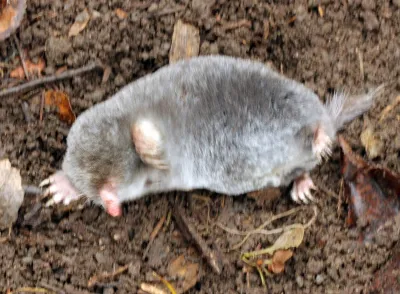
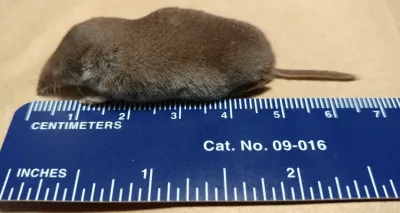
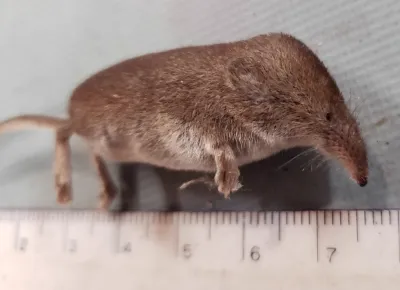
Commonly Confused With
American Shrew Mole are often mistaken for these similar pests
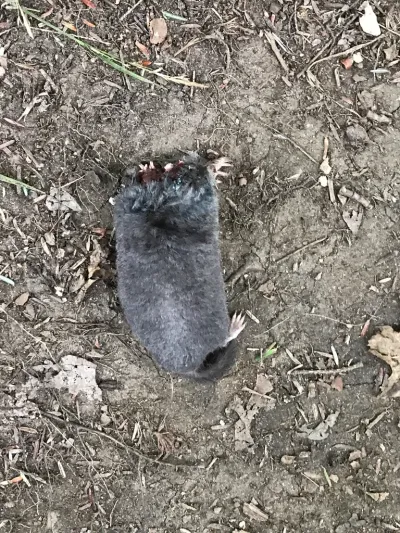
Where American Shrew Mole Are Found
Hover over states to see their names. Green regions indicate where american shrew mole have been reported.
Common Questions about American Shrew Mole
How big is an American shrew mole?
+
The American shrew mole is the smallest mole in North America. Adults measure only about 2.5 to 3.5 inches in body length with an additional 1 to 1.5 inch tail. They weigh roughly a third of an ounce, about the same as two pennies.
Are shrew moles the same as shrews?
+
No. Despite the similar name, shrew moles belong to the mole family (Talpidae), while shrews belong to a different family (Soricidae). Shrew moles have wider front claws for digging and a flatter snout compared to true shrews. However, shrew moles are more shrew-like than other moles because of their small size and time spent above ground.
Do shrew moles damage lawns?
+
Shrew moles cause far less lawn damage than larger mole species. Their tunnels are shallow and run mostly beneath leaf litter rather than through manicured grass. Most homeowners in the Pacific Northwest will not notice significant lawn disruption from shrew moles.
Where do American shrew moles live?
+
American shrew moles live in the Pacific Northwest of North America. Their range extends from central California north through Oregon and Washington into southwestern British Columbia, Canada. They prefer damp, forested areas with loose, organic-rich soil.
What do shrew moles eat?
+
Shrew moles eat earthworms, insect larvae, snails, slugs, centipedes, and small seeds. They have an extremely high metabolism and can eat up to 1.4 times their own body weight in just 12 hours. They can starve to death very quickly if food is not available.
Are shrew moles active at night or during the day?
+
Shrew moles are active around the clock, both day and night. They sleep in very short bursts of just 1 to 8 minutes at a time before waking and resuming activity. This constant cycle of brief rest and activity continues 24 hours a day.
Do shrew moles live alone or in groups?
+
Unlike most mole species that are strictly solitary, American shrew moles are social. They have been observed traveling in groups of more than 11 individuals. These groups move together to a foraging area, stay for several days, and then relocate as a group.

With five years of hands-on experience in the pest control industry, George Schulz is a registered technician with the Virginia Pest Management Association and a proud third-generation professional in a family business that's been protecting homes for over 57 years. He manages and trains a team of service pros while also leading internal research efforts—recently spearheading a deep-dive review of thousands of documents on pest control materials to hand-pick the most kid and pet friendly, most effective solutions tailored specifically for homes in the DC metro area.