Masked Shrew Identification Guide
Sorex cinereus
The masked shrew is the most widely distributed shrew in North America. These tiny, hyperactive insectivores are often confused with mice but belong to a completely different order of mammals. They play an important ecological role by consuming large quantities of insects.
Taxonomy
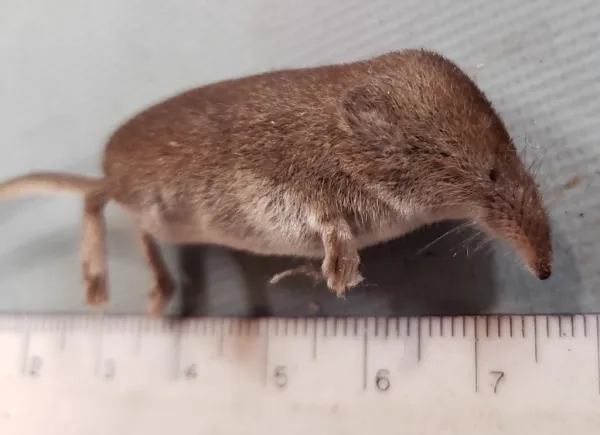
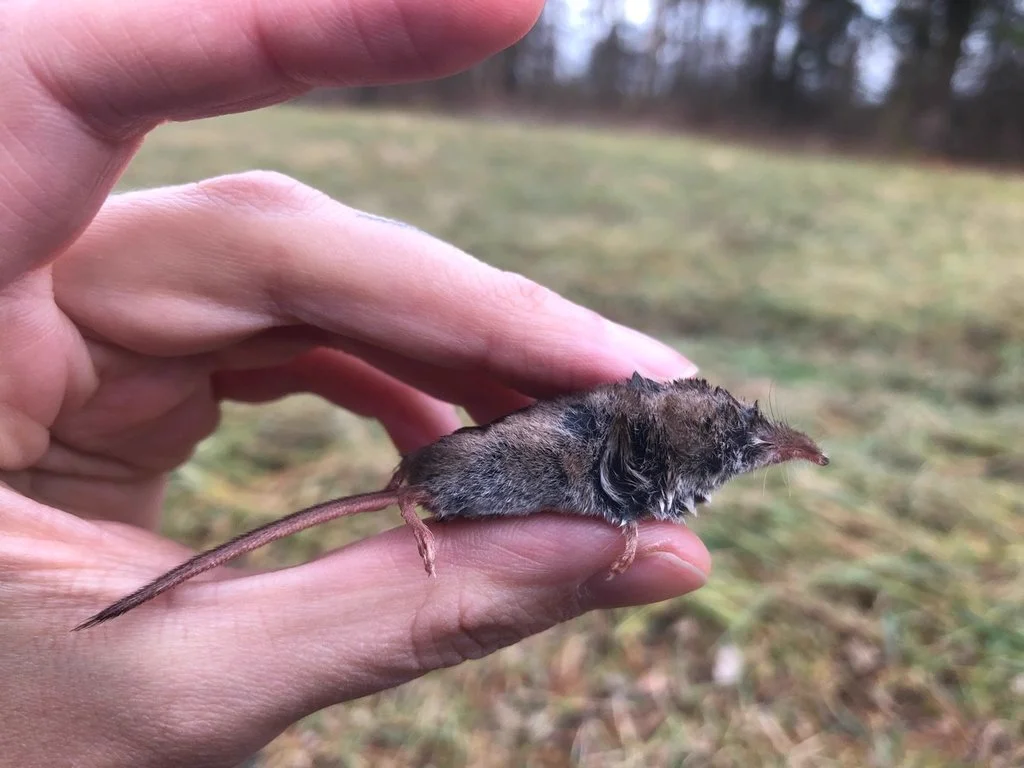
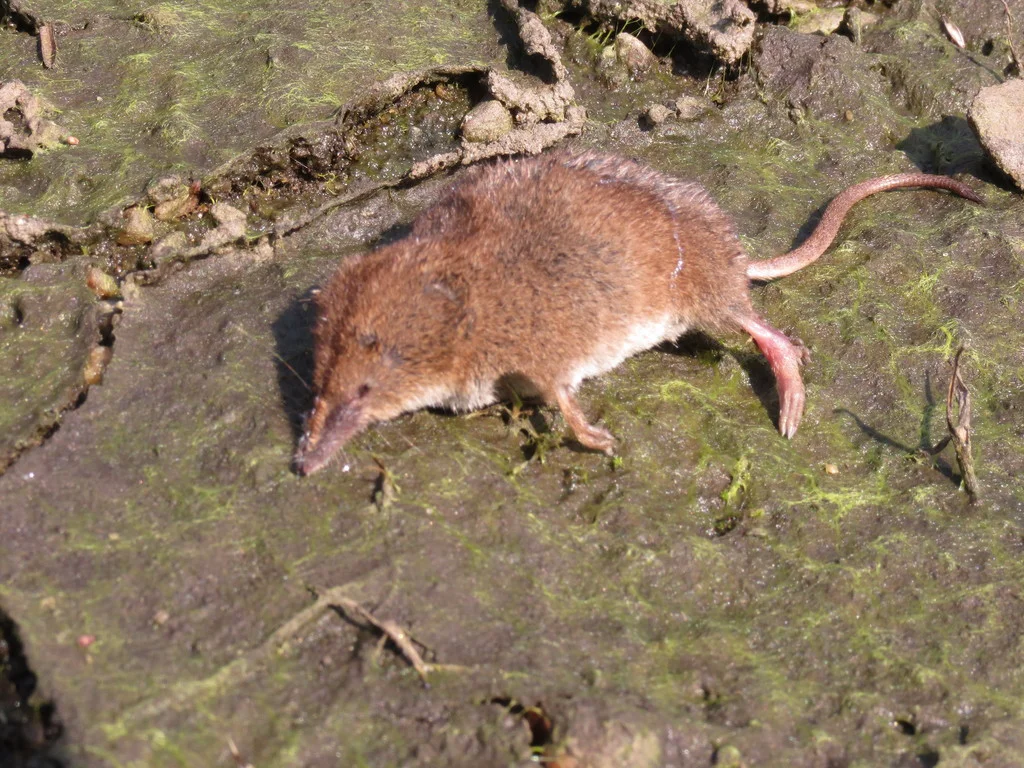
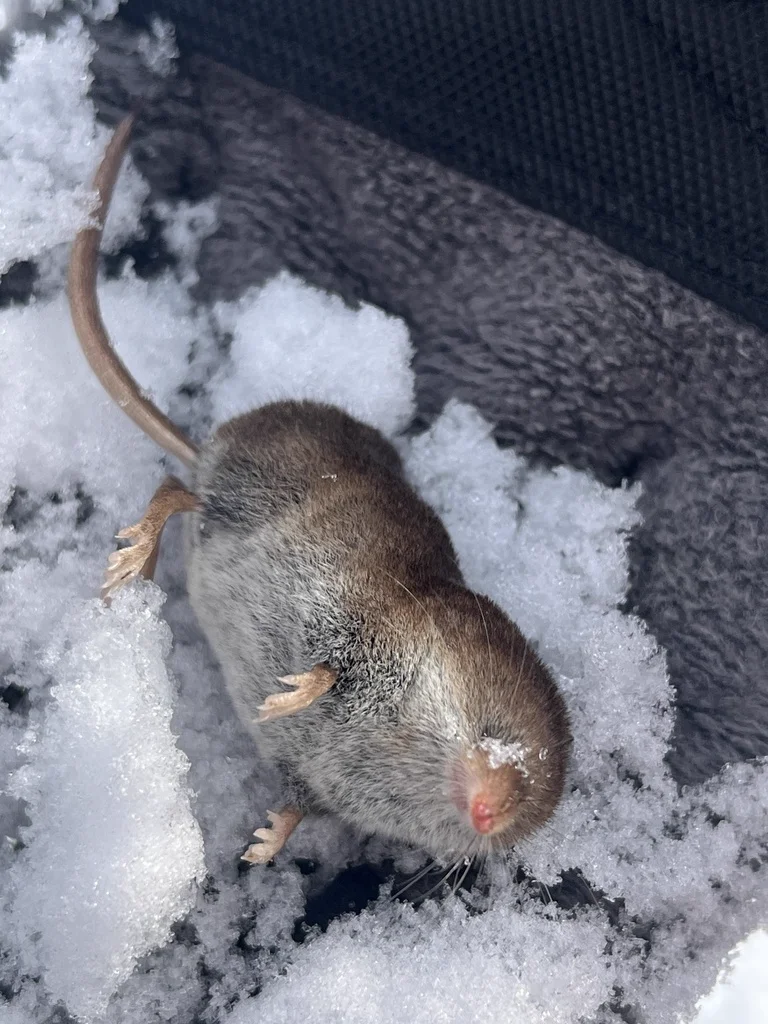
Masked Shrew Coloration
Common color patterns to help identify masked shrew
Masked Shrew
Seasonal Activity
When masked shrew are most active throughout the year

Where Masked Shrew Are Found
Hover over states to see their names. Green regions indicate where masked shrew have been reported.
Masked Shrew Identification Guide
Physical Characteristics
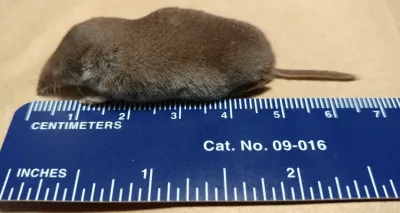
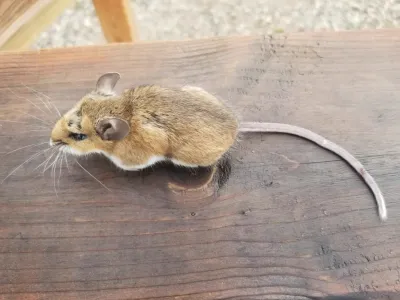
The masked shrew (Sorex cinereus) is one of the smallest mammals in North America. Adults measure 75 to 110 mm (about 3 to 4.5 inches) in total length, including their tail. The tail alone is 35 to 45 mm long. They weigh just 3 to 6 grams, roughly the weight of a nickel.
You can identify masked shrews by these features:
- Extremely pointed snout with long, sensitive whiskers
- Tiny eyes that are nearly hidden in their fur
- Small ears that barely protrude above the pelage
- Soft, velvety fur that is grayish-brown on top
- Lighter underside with tan or grayish-white fur
- Bicolored tail that is dark above and lighter below
- Tan-colored feet with small claws
The name “masked” comes from the slightly darker fur on their face, which gives them a masked appearance. Their fur becomes darker in winter months.
Distinguishing Shrews from Mice
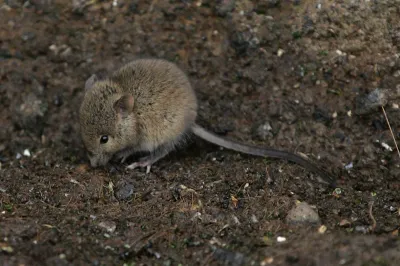
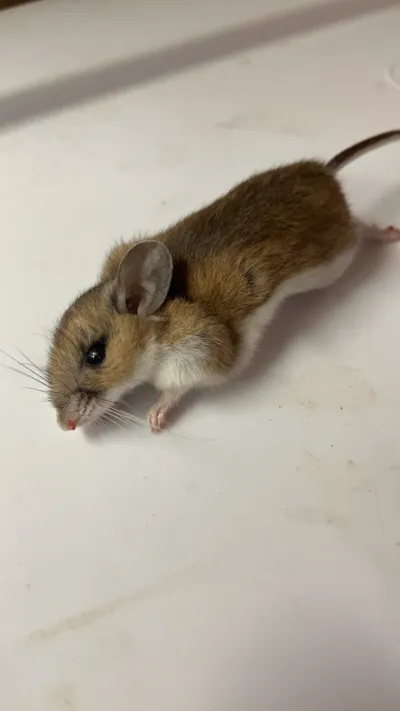
Many people confuse shrews with mice, but they are not closely related. Here are the key differences:
| Feature | Masked Shrew | House Mouse |
|---|---|---|
| Snout | Very long and pointed | Short and blunt |
| Eyes | Tiny, nearly hidden | Large and prominent |
| Ears | Small, hidden in fur | Large and rounded |
| Size | 3-6 grams | 12-30 grams |
| Diet | Insects and invertebrates | Seeds and grains |
| Tail | Bicolored, dark above | Uniformly colored |
Shrews also produce a distinctive musky odor that is different from the smell of mice. This scent comes from glands on their flanks and is used for communication and territory marking.
Masked Shrew Behavior and Biology
Habitat and Distribution
The masked shrew is the most widely distributed shrew in North America. Its range covers most of Canada and the northern United States, extending south through the Appalachian Mountains in the east and the Rocky Mountains in the west. They are found from Alaska to the Atlantic coast.
Masked shrews prefer moist habitats with dense vegetation and plenty of ground cover. Common habitats include:
- Forest floors with thick leaf litter
- Meadows and grasslands near water
- Wetland edges and stream banks
- Areas with rotting logs and stumps
- Gardens with mulch and groundcover plants
They do well in disturbed areas like recently logged forests and post-fire environments. They avoid extremely dry areas and open tundra.
Activity Patterns
Masked shrews are active both day and night. They do not hibernate and remain active throughout the year, even in winter. During cold months, they create tunnels beneath the snow to access food and stay protected from predators.
Their activity is influenced by weather conditions:
- Rain increases nighttime activity
- Cloud cover increases activity during both day and night
- They rest in short bursts, typically staying active for 15-20 minutes at a time
These tiny mammals have an incredibly high metabolism. Their heart can beat over 800 times per minute, and they must eat almost constantly to survive. A masked shrew can only survive a few hours without food.
Diet and Feeding Habits
Masked shrews are opportunistic insectivores. They consume a wide variety of small invertebrates including:
- Insects and insect larvae
- Earthworms
- Snails and slugs
- Spiders
- Centipedes
- Small salamanders (occasionally)
- Seeds (rarely)
Due to their extreme metabolic demands, masked shrews eat up to three times their body weight daily. They are important predators of pest insects and help control populations of soil-dwelling invertebrates.
Diet composition varies by location and season. In some areas, ants make up 50% of their diet. In coastal regions, they may eat kelp flies and marine amphipods.
Reproduction and Lifespan
The breeding season runs from April to October in most of North America. Females can produce multiple litters each year:
- Litter size: 5-8 young on average
- Gestation: About 18-20 days
- Weaning: 3-4 weeks after birth
- Sexual maturity: Young born early in the season may breed that same year
Young shrews are born naked and blind. They develop quickly and begin foraging on their own within a month.
Masked shrews have short lifespans, typically 12 to 18 months. Most die before reaching adulthood due to predation. Predators include owls, hawks, shrikes, snakes, weasels, foxes, and even larger shrews.
Unique Adaptations
Masked shrews have several remarkable adaptations:
Echolocation: They can emit high-frequency sounds (30-60 kHz) and appear to use these for navigation in dark environments. This ability helps them explore tunnels and dense vegetation.
Venomous saliva: Their saliva contains a mild toxin that helps subdue prey. This venom is not dangerous to humans but can paralyze small invertebrates.
Sensitive whiskers: Their long whiskers detect vibrations and help them locate prey in complete darkness.
Managing Shrews Around Your Property
Masked shrews rarely become a nuisance for homeowners. They live outdoors and only occasionally wander inside by accident. Unlike mice, they have no interest in stored food or nesting in buildings.
Prevention Tips
If you want to reduce shrew activity near your home:
- Remove dense groundcover immediately adjacent to the foundation
- Clear leaf litter and debris from around entry points
- Seal gaps around utility lines, pipes, and the foundation
- Keep mulch away from the foundation by 6-12 inches
What to Do If You Find One Inside
If a masked shrew enters your home, it is likely disoriented and looking for a way out. You can:
- Open exterior doors to allow it to leave on its own
- Gently guide it toward an exit using a broom
- Capture it with a cup and cardboard, then release it outside
Shrews pose no threat to your home or stored food. They will not establish populations indoors and typically leave quickly if given an exit route.
Ecological Benefits
Masked shrews are beneficial animals. They consume large quantities of pest insects and help aerate soil through their tunneling activities. Having shrews in your yard indicates a healthy ecosystem with abundant invertebrate prey. Like moles, shrews belong to the insectivore order Eulipotyphla. If you notice raised tunnel ridges in your lawn, you are likely dealing with eastern moles rather than shrews, which stay closer to the surface.
References
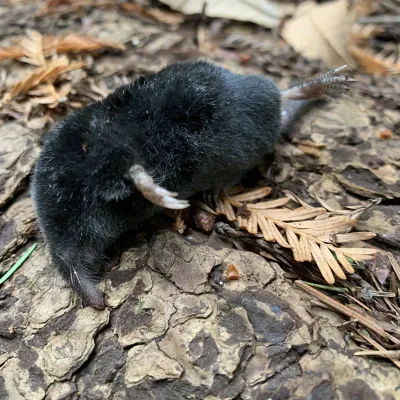
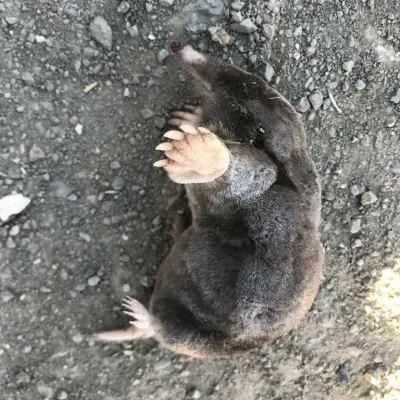
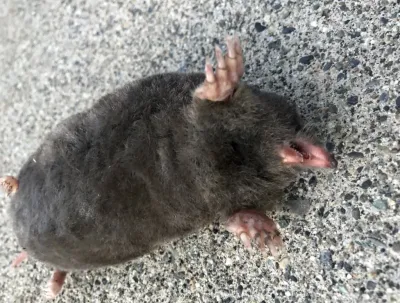
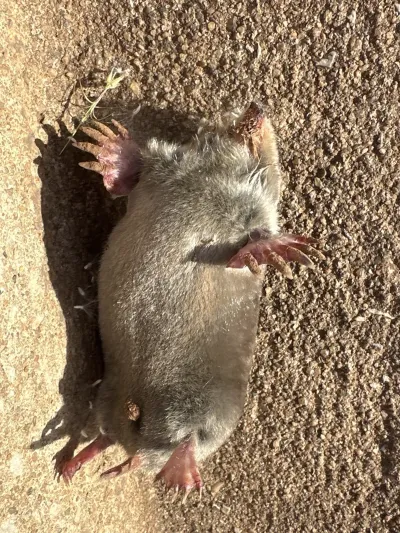
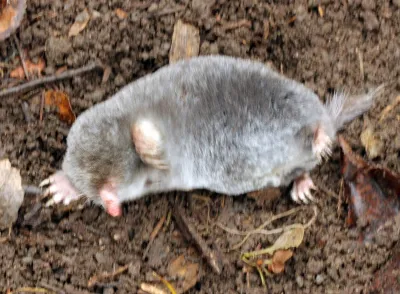
Other Moles
Explore other species in the moles family
Commonly Confused With
Masked Shrew are often mistaken for these similar pests
Where Masked Shrew Are Found
Hover over states to see their names. Green regions indicate where masked shrew have been reported.
Common Questions about Masked Shrew
Is a masked shrew a mouse?
+
No, masked shrews are not mice or rodents at all. Despite looking similar, shrews belong to a completely different order of mammals called Eulipotyphla (insectivores), while mice are rodents. Key differences include the shrew's pointed snout, tiny eyes, and diet of insects rather than seeds and grains.
Are masked shrews dangerous to humans?
+
Masked shrews are not dangerous to humans. They do not bite unless handled, and their saliva contains mild venom that is not harmful to people. They do not carry the same diseases that rodents do and pose no significant health risk.
Why do masked shrews come into homes?
+
Masked shrews occasionally enter homes by accident while searching for insects. They prefer moist outdoor habitats with plenty of leaf litter and vegetation. If you find one inside, it likely wandered in through a gap and is looking for a way back out.
What do masked shrews eat?
+
Masked shrews are voracious insectivores. They eat insects, worms, snails, spiders, and other small invertebrates. Due to their extremely high metabolism, they must eat almost constantly and can consume up to three times their body weight in food daily.
How can I tell a shrew from a mouse?
+
Shrews have very pointed snouts with visible whiskers, tiny eyes that are nearly hidden, and ears that barely show above their fur. Mice have larger, more prominent ears and eyes, and blunter snouts. Shrews are also generally smaller and have a distinctive musky odor.
Do masked shrews live in colonies?
+
No, masked shrews are solitary and territorial. They have low tolerance for other shrews in their home range and will aggressively defend their territory. They create and use tunnel systems for foraging but nest alone.
How long do masked shrews live?
+
Masked shrews have short lifespans, typically living only 12 to 18 months. Most do not survive past their first year due to predation and their extremely high metabolic demands. They can only survive a few hours without eating.
Can masked shrews echolocate?
+
Yes, masked shrews appear to have basic echolocation abilities. They emit high-frequency sounds (30-60 kHz) when exploring unfamiliar surroundings. This helps them navigate in dark tunnels and dense vegetation where their small eyes provide limited vision.

With five years of hands-on experience in the pest control industry, George Schulz is a registered technician with the Virginia Pest Management Association and a proud third-generation professional in a family business that's been protecting homes for over 57 years. He manages and trains a team of service pros while also leading internal research efforts—recently spearheading a deep-dive review of thousands of documents on pest control materials to hand-pick the most kid and pet friendly, most effective solutions tailored specifically for homes in the DC metro area.