Least Shrew Identification Guide
Cryptotis parva
The least shrew is one of the smallest mammals in North America, measuring just 2.4 to 3.5 inches long. Often confused with mice, these insectivores belong to an entirely different order of mammals and are notable for their social nesting behavior, which is unusual among shrews.
Taxonomy
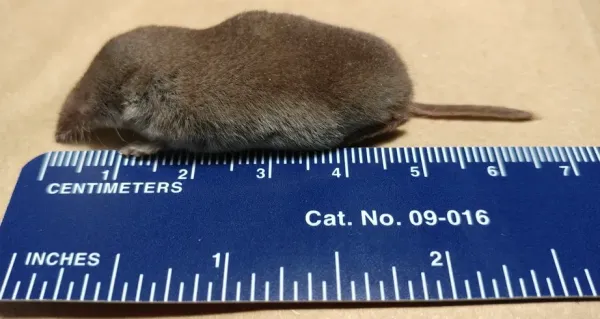
Least Shrew Coloration
Common color patterns to help identify least shrew
Least Shrew
Seasonal Activity
When least shrew are most active throughout the year
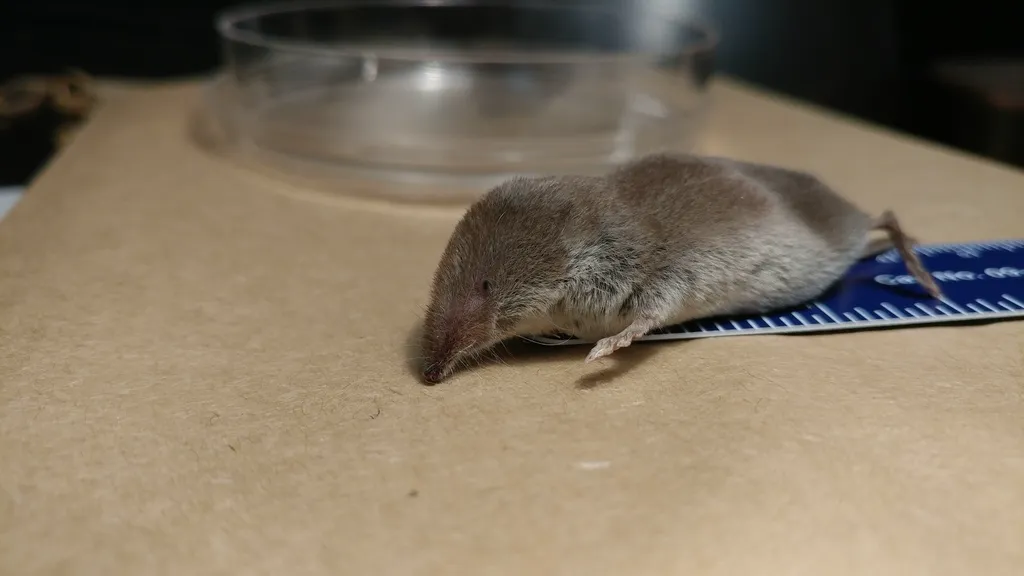
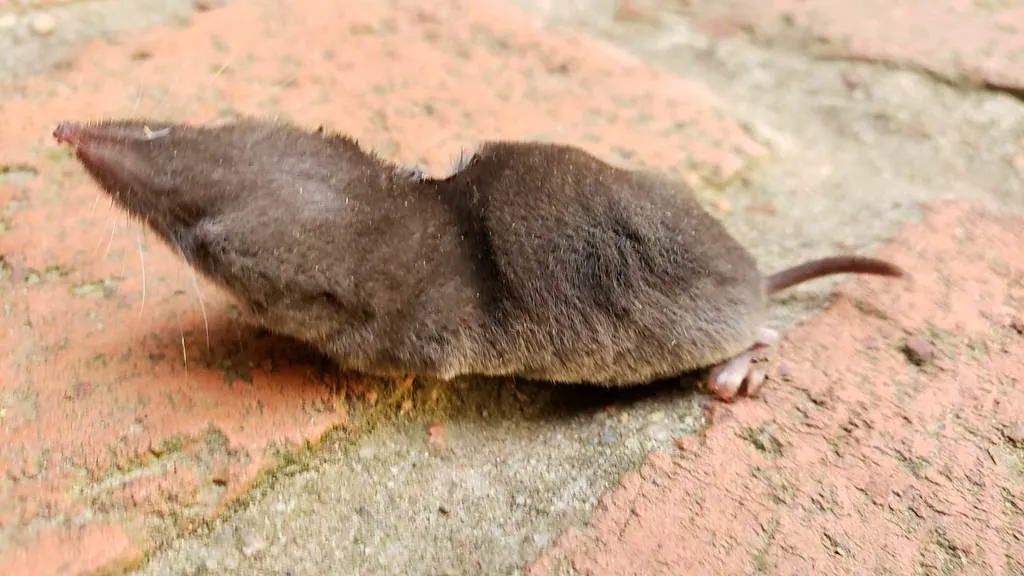
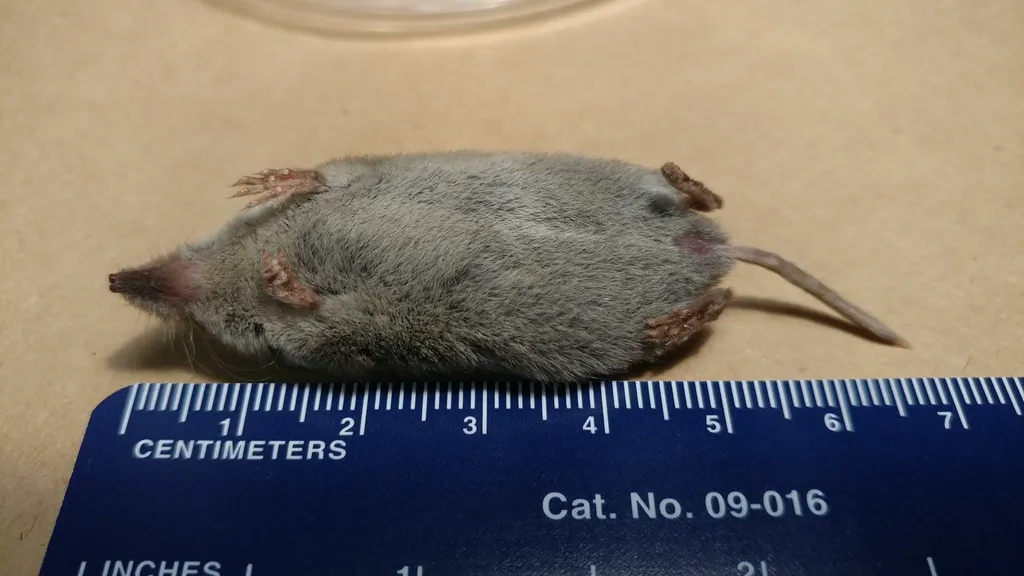

Where Least Shrew Are Found
Hover over states to see their names. Green regions indicate where least shrew have been reported.
Least Shrew Identification Guide
Physical Characteristics
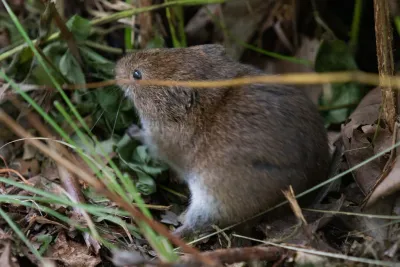
The least shrew (Cryptotis parva) is one of the smallest mammals in North America. Adults measure just 61 to 89 mm (about 2.4 to 3.5 inches) from nose to tail. They weigh only 4 to 8 grams, about as much as one or two pennies.
You can spot a least shrew by looking for these features:
- Long, pointed snout that sticks out well past the lower jaw
- Very small ears hidden in the fur (the name Cryptotis means “hidden ears”)
- Tiny eyes that are hard to see
- Soft, velvety fur that is brown to grayish-brown on top
- Lighter belly with cream or pale gray fur
- Very short tail only about 10 to 20 mm (0.4 to 0.8 inches) long
- Four legs with small feet
The short tail is the best way to tell this shrew apart from others. A least shrew’s tail is never more than twice the length of its back foot. Most other North American shrews have much longer tails compared to their body size.
How to Tell a Least Shrew from Similar Animals
Homeowners often confuse least shrews with mice, voles, and other small mammals. Here are the key differences:
| Feature | Least Shrew | House Mouse | Northern Short-tailed Shrew |
|---|---|---|---|
| Snout | Very long and pointed | Short and blunt | Pointed but thicker |
| Ears | Hidden in fur | Large and rounded | Small but visible |
| Tail | Very short (under 1 inch) | Long (3-4 inches) | Short (about 1 inch) |
| Size | 2.4-3.5 inches total | 5-8 inches total | 4-5 inches total |
| Weight | 4-8 grams | 12-30 grams | 15-30 grams |
| Diet | Insects | Seeds and grains | Insects and worms |
If you see raised tunnel ridges in your lawn, you are most likely dealing with eastern moles, not least shrews. Shrews travel through runways and tunnels that voles and other small animals have already made. They do not dig their own large tunnel systems.
Least Shrew Behavior and Biology
Habitat and Distribution
The least shrew lives across the eastern and central United States. You can find it from Connecticut south to Florida and west to South Dakota and Texas. It also lives in southeastern Ontario, Canada and parts of northeastern Mexico. It is common in many states but easy to miss because of its tiny size.
Least shrews prefer open grasslands and old fields over thick forest. Common habitats include:
- Grasslands and meadows with dense ground cover
- Old fields and pastures with thick vegetation
- Brush piles and areas with lots of leaf litter
- Edges of farm fields
- Weedy roadsides and fence rows
- Areas under boards, logs, and flat stones
They stay away from deep forests and very wet areas. This sets them apart from many other shrew species that prefer damp woodland floors.
Social Behavior and Nesting
One of the most unusual traits of the least shrew is its social nesting behavior. Most shrew species live alone and fight over territory. Least shrews, on the other hand, share nests and live in loose groups. Researchers have found up to 30 of them sharing a single nest, especially in cold weather when huddling keeps them warm.
They build round nests under logs, stones, boards, or in shallow burrows. The nests are made from shredded grass, leaves, and plant material. Least shrews often travel through tunnels made by meadow voles and other small animals instead of digging their own.
Diet and Feeding
Least shrews are active insect eaters with very fast metabolisms. They need to eat 50 to 100 percent of their body weight in food every day just to stay alive. Their diet includes:
- Beetles and beetle larvae
- Grasshoppers and crickets
- Caterpillars and moth larvae
- Earthworms and snails
- Spiders
- Small frogs or dead animals on occasion
They hunt both day and night, moving through leaf litter and surface runways. Some least shrews store extra food near their nests to eat later.
Reproduction and Lifecycle
Least shrews breed from February through November in most areas. In the southern parts of their range, they can breed almost year-round. Key facts about their reproduction:
- Pregnancy lasts: 21 to 23 days
- Litter size: 3 to 7 babies, usually 4 to 5
- Multiple litters per year: Females can have several litters each season
- Weaning age: About 20 to 23 days
- Lifespan: Usually less than 1 to 2 years in the wild
Babies are born without fur and with their eyes closed, but they grow fast. Short pregnancies, large litters, and the ability to breed many times a year help least shrew numbers bounce back quickly.
Managing Least Shrews Around Your Property
Least shrews rarely become a problem for homeowners. They live outdoors, do not cause damage to structures, and do not go after stored food. However, they can sometimes wander indoors through small gaps in the foundation.
Prevention Tips
To lower the chance of least shrews getting inside your home:
- Remove dense ground cover within two to three feet of your foundation
- Clear brush piles, stacked boards, and debris near the house
- Keep grass mowed short next to the foundation
- Seal gaps around utility lines, pipes, and foundation cracks
- Cover window wells and basement openings with screens or grates
What to Do If You Find One Inside
If a least shrew gets into your home, it is lost and trying to find its way back outside. You can:
- Open a nearby exterior door and gently guide it toward the exit
- Place a cup over it and slide cardboard underneath to carry it outside
- Wear gloves if you need to handle it directly, as shrews may bite when stressed
Least shrews will not set up nests inside your home. They need live insects and outdoor habitats to survive. They will leave on their own if you give them a way out.
When to Call a Professional
If you keep finding shrews inside your home, there may be gaps in your foundation or other openings that need to be sealed. A pest control professional can check your home, find where animals are getting in, and suggest ways to keep them out.
References
Other Moles
Explore other species in the moles family
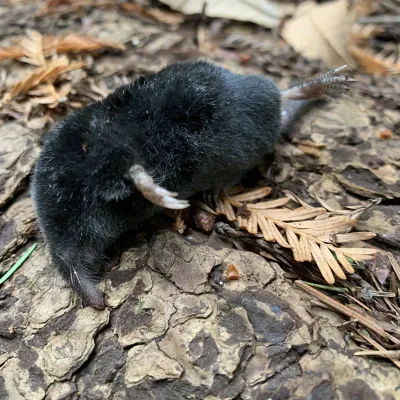
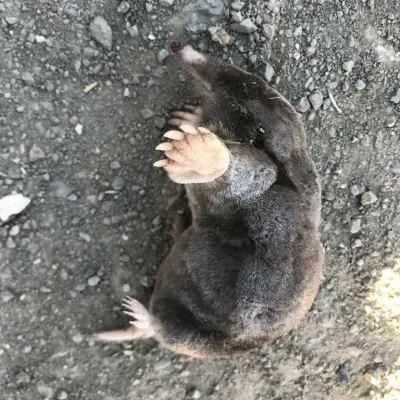
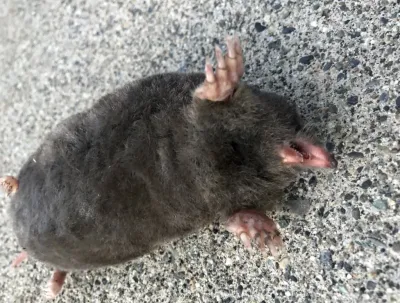
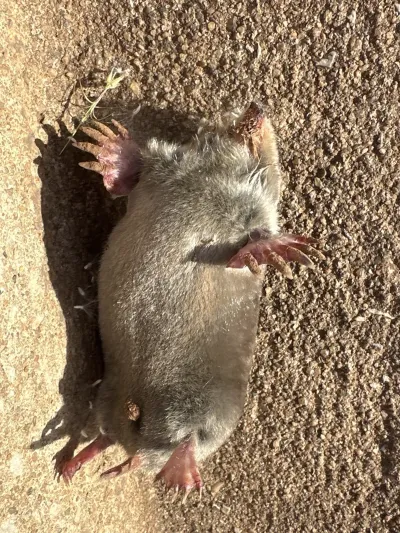
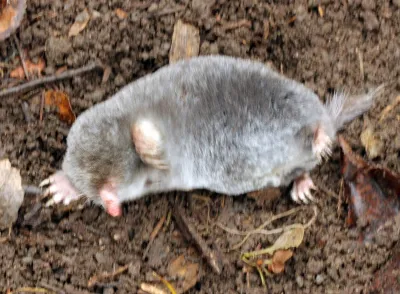
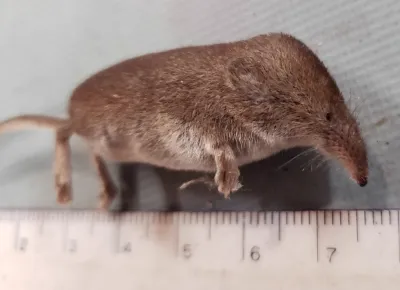
Commonly Confused With
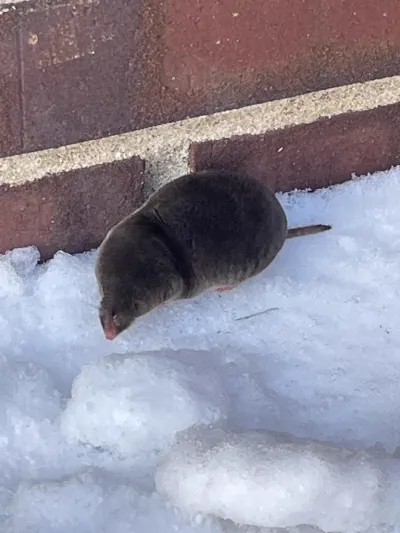
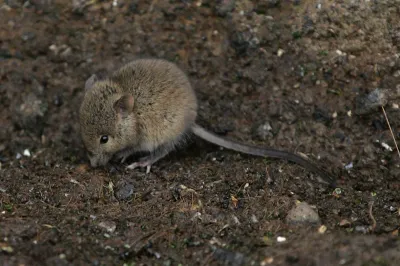
Least Shrew are often mistaken for these similar pests
Where Least Shrew Are Found
Hover over states to see their names. Green regions indicate where least shrew have been reported.
Common Questions about Least Shrew
Is a least shrew a mouse?
+
No, least shrews are not mice or rodents. Despite their similar size, shrews belong to the order Eulipotyphla (insectivores), while mice are rodents. Least shrews have a long pointed snout, tiny hidden ears, and eat insects instead of seeds and grains.
Are least shrews dangerous to humans?
+
Least shrews are not dangerous to humans. They may bite if handled, and their saliva may contain mild irritants similar to other shrews. They do not carry the same diseases associated with rodents and pose virtually no health risk to people.
Why is it called a least shrew?
+
The least shrew gets its name from being one of the smallest shrew species in North America. Adults weigh only 4 to 8 grams, roughly the weight of one or two pennies. Its scientific name, Cryptotis parva, means 'small hidden ears.'
Do least shrews live in groups?
+
Yes, and this is unusual for shrews. Most shrew species are solitary and territorial, but least shrews are known to share nests and huddle together, especially during cold weather. Groups of up to 30 individuals have been found sharing a single nest.
What do least shrews eat?
+
Least shrews are voracious insectivores. They eat beetles, grasshoppers, insect larvae, earthworms, snails, spiders, and occasionally small amphibians. They have extremely high metabolisms and must consume 50 to 100 percent of their body weight in food every day.
How can I tell a least shrew from a short-tailed shrew?
+
Least shrews are smaller than short-tailed shrews, measuring 2.4 to 3.5 inches total compared to 4 to 5 inches. Short-tailed shrews (Blarina species) have a stockier build and heavier body. Both have short tails and hidden ears, but the size difference is the most reliable field marker.
Do least shrews enter homes?
+
Least shrews may occasionally wander indoors through foundation gaps or open doors, but this is accidental. They prefer outdoor habitats with dense ground cover and have no interest in stored food. If you find one inside, it is looking for a way back out.
How long do least shrews live?
+
Least shrews typically live less than two years in the wild. Their very fast metabolism and predators like owls, hawks, snakes, and larger mammals keep their lifespan short. They make up for this by breeding multiple times per year.

With five years of hands-on experience in the pest control industry, George Schulz is a registered technician with the Virginia Pest Management Association and a proud third-generation professional in a family business that's been protecting homes for over 57 years. He manages and trains a team of service pros while also leading internal research efforts—recently spearheading a deep-dive review of thousands of documents on pest control materials to hand-pick the most kid and pet friendly, most effective solutions tailored specifically for homes in the DC metro area.