Eastern Mole Identification Guide
Scalopus aquaticus
Eastern moles are small, burrowing mammals found throughout the eastern United States. Known for their distinctive large front paws and velvety fur, these insectivores create extensive tunnel systems that can damage lawns and gardens.
Taxonomy
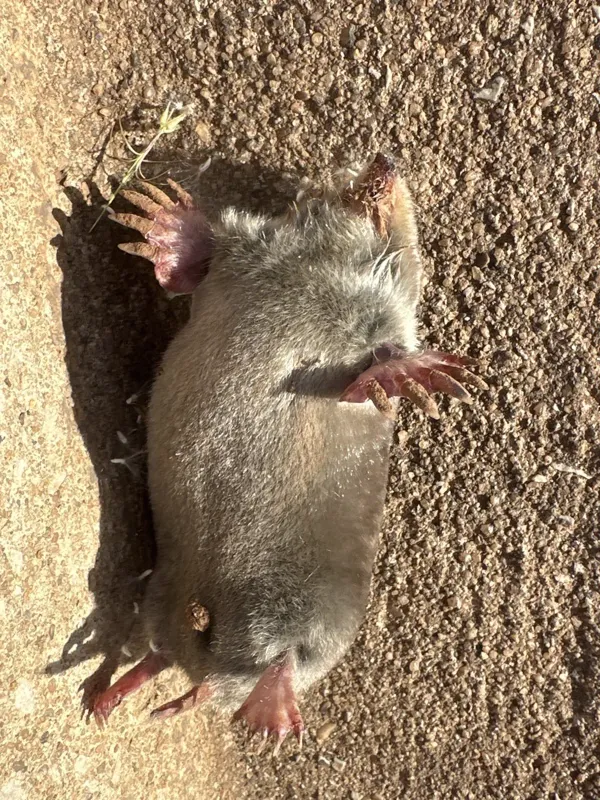
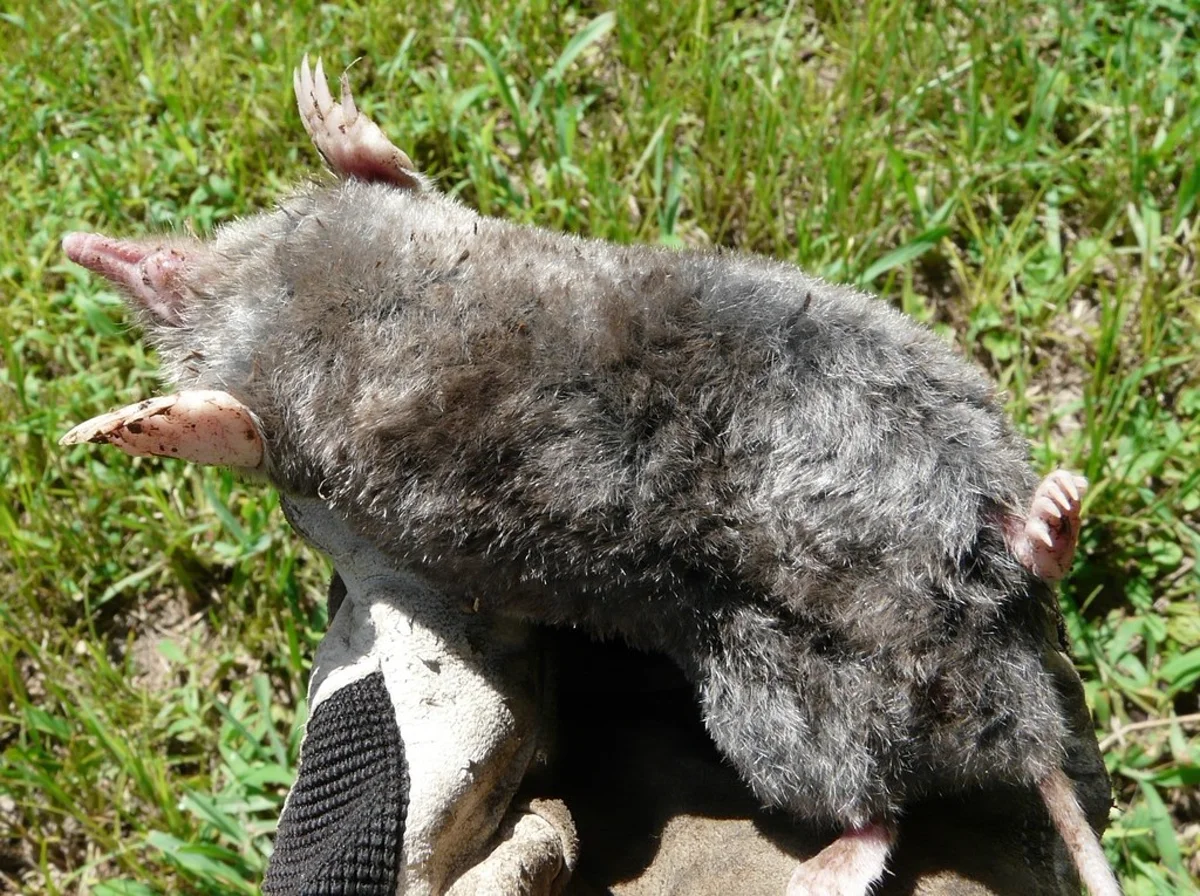
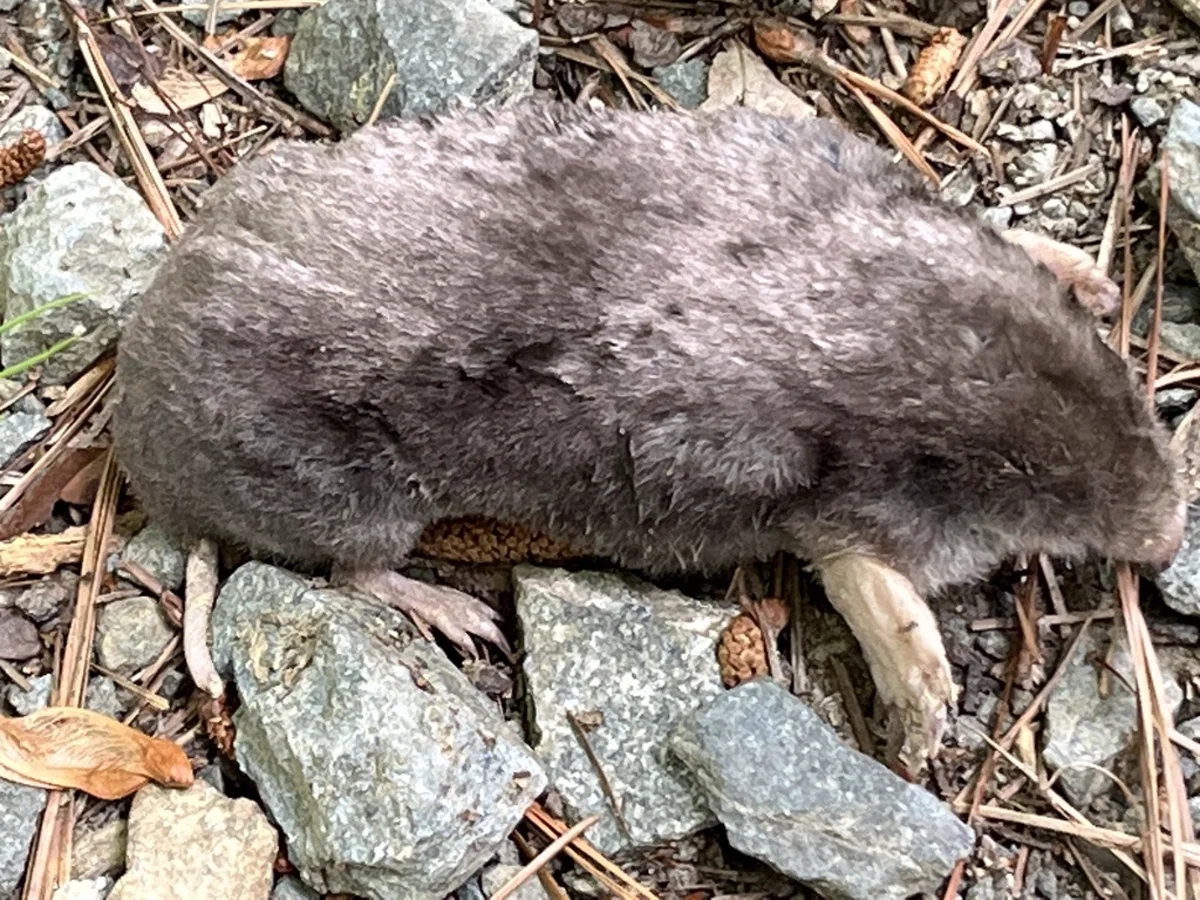
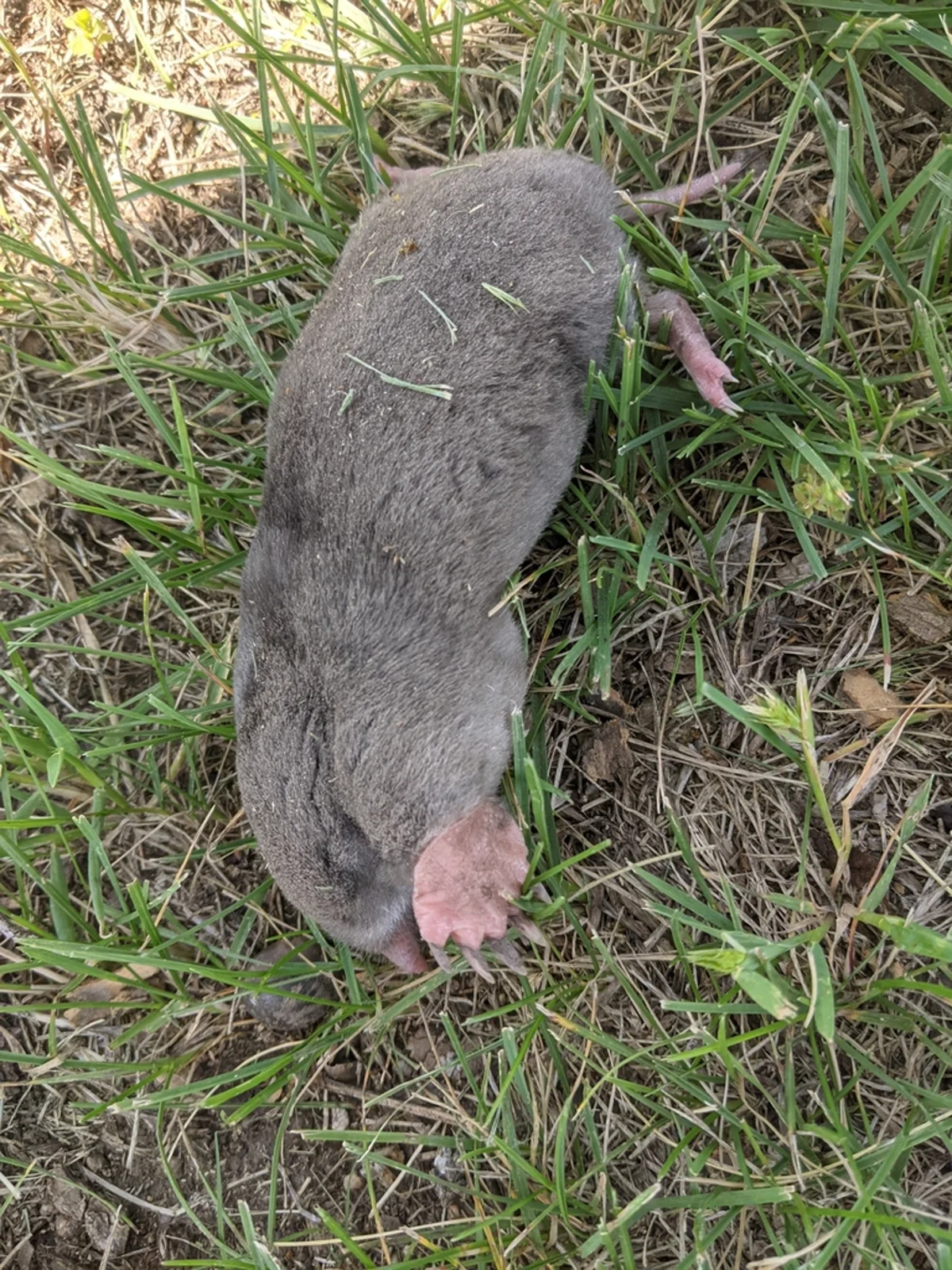
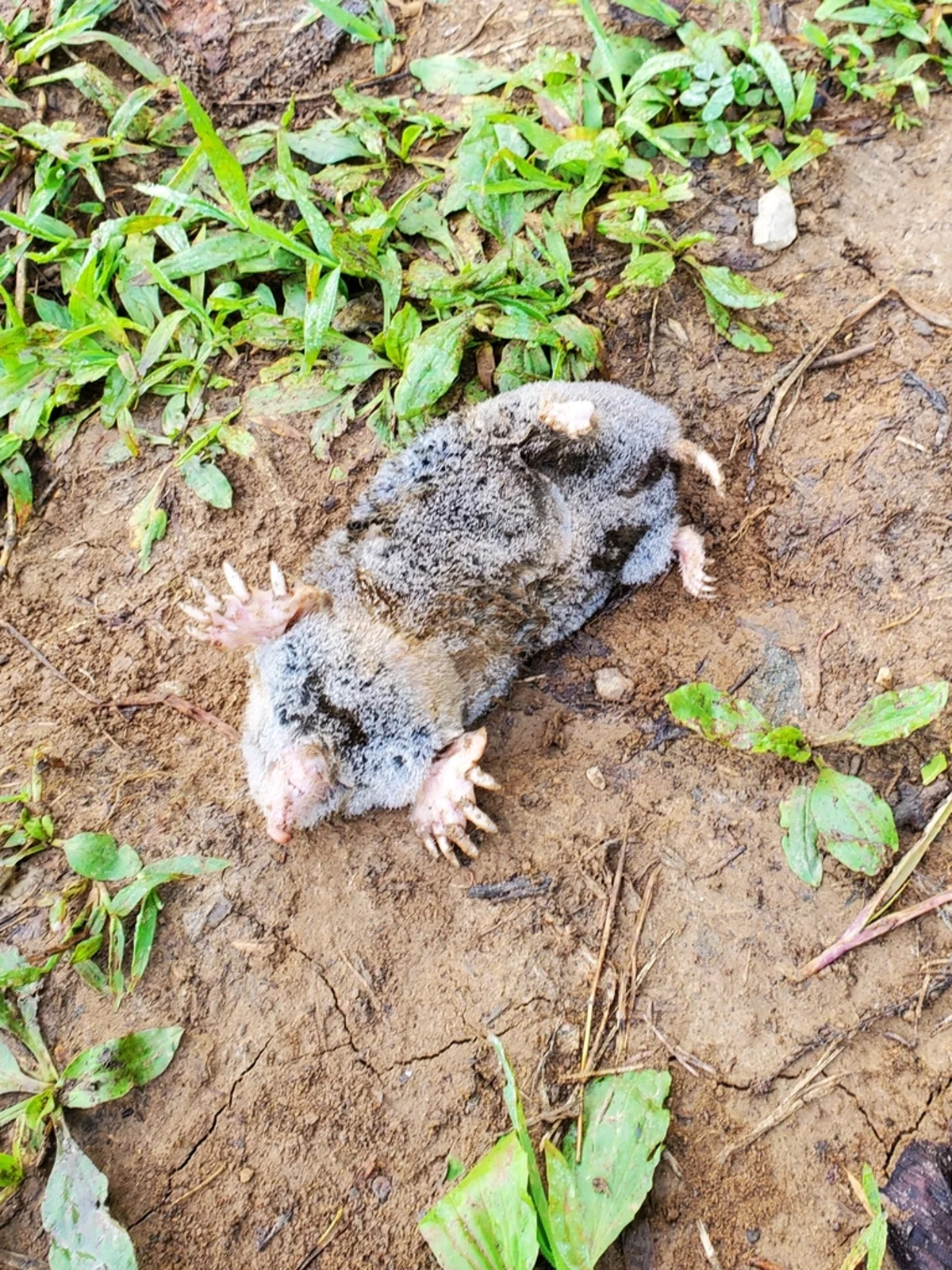
Eastern Mole Coloration
Common color patterns to help identify eastern mole
Eastern Mole
Seasonal Activity
When eastern mole are most active throughout the year

Where Eastern Mole Are Found
Hover over states to see their names. Green regions indicate where eastern mole have been reported.
Eastern Mole Identification Guide
Physical Characteristics
Eastern moles are small mammals. They measure 5.5 to 7 inches long, including a short 1-inch tail. They weigh about 2.5 to 3 ounces. Their most notable feature is their large front paws that face outward like paddles. These feet have strong claws built for digging through soil.
The fur of an eastern mole is soft and velvety. It ranges from gray to dark brown with a silver sheen. This fur can lie flat in any direction. This lets the mole move forward and backward through tight tunnels with ease. Their eyes are tiny and covered by fur. They have no outer ears. Their snout is long, pointed, and pink with small sensory organs.
How to Tell Moles from Similar Animals
Eastern moles are often confused with other burrowing animals:
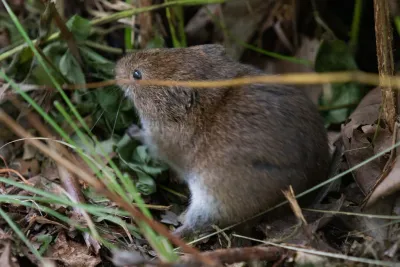
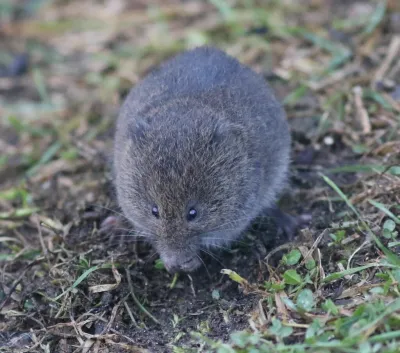
- Voles are mouse-like rodents with visible eyes and ears. They eat plants and create surface runways through grass.
- Shrews are small with pointed snouts but have visible ears and smaller feet. They hunt above ground.
- Pocket gophers are larger rodents that create crescent-shaped mounds and eat plant roots.
The key difference is the mole’s huge paddle-like front feet and the raised tunnel ridges they create in lawns.
Eastern Mole Behavior and Biology
Habitat and Distribution
Eastern moles live throughout the eastern United States. Their range goes from Massachusetts to Florida and west to Nebraska and Texas. They also live in parts of Ontario, Canada. Despite their scientific name Scalopus aquaticus (which means “digging foot in water”), they avoid very wet soils.
These moles prefer moist, sandy, or loamy soils in meadows, fields, lawns, and gardens. They avoid heavy clay, gravel, or very dry soils where digging is hard. Suburban lawns often provide good habitat because of regular watering and many earthworms.
Tunneling Behavior
Eastern moles are expert diggers. In good soil, they can tunnel up to 18 feet per hour. They create two main types of tunnels:
- Surface tunnels are shallow, only 2-3 inches deep. They appear as raised ridges across lawns. Moles use these for hunting but often abandon them after one use.
- Deep tunnels run 10-40 inches underground. These are permanent paths between nesting areas and feeding grounds. Females raise their young in deep tunnel nests.
Molehills are cone-shaped mounds of soil that moles push up from deep tunnels. Gopher mounds have a plugged hole on one side. Molehills have the hole in the center or are just piled dirt with no visible opening.
Activity Patterns
Eastern moles are active all year. They do not hibernate. Research shows they are most active from 8:00 AM to 4:00 PM and again from 11:00 PM to 4:00 AM. They follow the movement patterns of earthworms in the soil.
These animals are mostly solitary. Each mole has its own tunnel system, though territories may overlap a bit. Males travel through the tunnels of several females during the spring breeding season.
Diet
Eastern moles eat insects and other small creatures found in soil:
- Earthworms make up 25-50% of their diet
- White grubs (beetle larvae) are a major food source
- Beetle adults and larvae
- Ants and ant larvae
- Other soil insects and their pupae
A single mole eats most of its body weight each day. This high need for food means they must eat often. They cannot survive more than a few hours without eating.
Reproduction
Breeding happens in early spring, usually March through April. After a 4-6 week pregnancy, females give birth to 2-5 hairless babies in an underground nest lined with grass and leaves. The babies grow quickly:
- They are born blind and hairless
- Fur appears within 2 weeks
- Young moles leave the nest at about 4-5 weeks
- They reach adult size by late summer
- They can breed at about 10 months old
Eastern moles usually live 3-4 years in the wild. Predators like owls, hawks, snakes, and foxes kill many before they reach adulthood.
Signs of Mole Activity
Watch for these indicators that moles are living in your yard:
- Raised ridges running across the lawn (surface tunnels)
- Volcano-shaped mounds of fresh soil (molehills)
- Soft or spongy areas in the lawn that sink when you walk on them
- Dead grass in lines or patches where tunneling has disturbed roots
- Plants heaving out of the ground in garden beds
Damage is most visible in spring and fall when moles tunnel through moist soil. In summer and winter, they spend more time in deeper tunnels where the temperature stays stable.
Control Methods for Eastern Moles
Managing moles takes patience and usually more than one method. Here are the most common ways to address mole problems.
Habitat Modification
Making your lawn less attractive to moles can reduce activity:
- Reduce watering to make soil less hospitable to earthworms
- Treat for grubs to remove a major food source
- Compact soil in problem areas to make tunneling harder
- Remove dense ground cover near lawn edges where moles often enter
Physical Barriers
Exclusion can protect specific areas:
- Underground fencing using 1/4-inch hardware cloth buried 2 feet deep and bent outward at the bottom
- Raised beds with wire mesh bottoms for vegetable gardens
- Gravel barriers around foundations or garden perimeters
Population Control
When damage is severe, reducing the mole population may be needed:
- Trapping is the most reliable method. Scissor traps and harpoon traps placed in active deep tunnels can catch moles quickly.
- Baits that look like earthworms or grubs can work when placed in active tunnels.
- Repellents with castor oil may keep moles away for a short time, though results vary.
What Does Not Work
Many common mole remedies do not work:
- Vibrating stakes and ultrasonic devices have not been proven to work
- Flooding tunnels rarely reaches moles and may harm your lawn
- Home remedies like chewing gum, broken glass, or mothballs do not work and may be harmful
- Poison baits made for mice or rats fail because moles only eat live prey
Other Mole Species and Related Pests
If you are dealing with burrowing animals in your yard, these guides can help with identification:
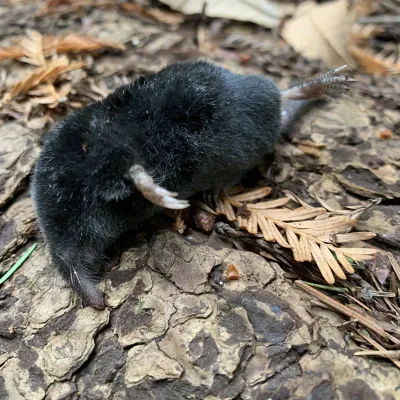
- Star-Nosed Moles — A distinctive mole found in wet areas with a unique star-shaped nose
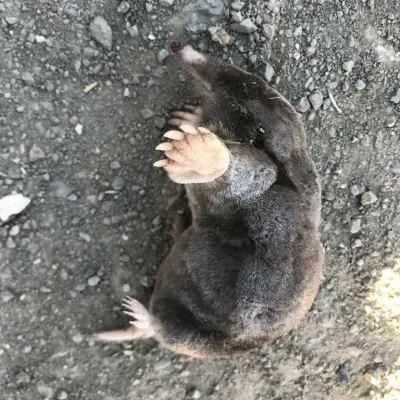
- Townsend’s Moles — The largest North American mole, found in the Pacific Northwest
- Mouse vs Vole — Moles are often confused with voles; learn how to tell them apart
References
Other Moles
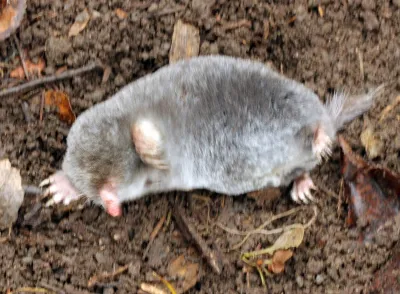
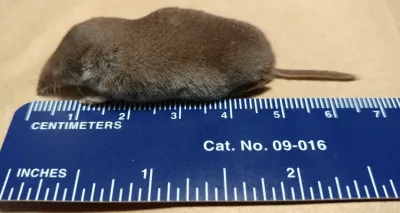
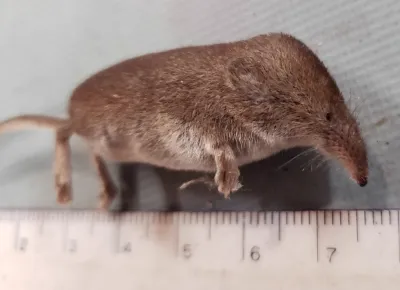
Explore other species in the moles family
Commonly Confused With
Eastern Mole are often mistaken for these similar pests
Where Eastern Mole Are Found
Hover over states to see their names. Green regions indicate where eastern mole have been reported.
Common Questions about Eastern Mole
How can I tell if I have moles in my yard?
+
Look for raised ridges of soil (surface tunnels) running across your lawn, volcano-shaped mounds of dirt (molehills), and soft or spongy areas when walking on your grass. Unlike voles, moles create tunnels underground rather than surface runways through vegetation.
What is the difference between a mole and a vole?
+
Moles have large paddle-shaped front feet, tiny hidden eyes, no visible ears, and a pointed pink nose. They eat insects and earthworms. Voles look like small mice with visible eyes and ears, and they eat plants. Moles create raised tunnel ridges while voles create surface runways through grass.
Do moles damage plants?
+
Moles rarely eat plants directly since they feed on insects and earthworms. However, their tunneling can disturb plant roots, causing grass and plants to brown and die. The real culprits for eaten roots are often voles that use mole tunnels.
Are eastern moles dangerous?
+
Eastern moles are not dangerous to humans. They rarely come to the surface and will not bite unless handled. They do not carry diseases that commonly spread to humans. Their main impact is cosmetic damage to lawns and gardens.
What do eastern moles eat?
+
Eastern moles eat mostly earthworms, which make up about 25-50% of their diet. They also eat beetle grubs, insect larvae, ants, and other soil invertebrates. An eastern mole can eat up to its body weight in food each day.
When are moles most active?
+
Moles are active year-round but tunnel most visibly in spring and fall when soil is moist and easy to dig. They are active day and night, typically with bursts of activity lasting about 4 hours followed by rest periods.

With five years of hands-on experience in the pest control industry, George Schulz is a registered technician with the Virginia Pest Management Association and a proud third-generation professional in a family business that's been protecting homes for over 57 years. He manages and trains a team of service pros while also leading internal research efforts—recently spearheading a deep-dive review of thousands of documents on pest control materials to hand-pick the most kid and pet friendly, most effective solutions tailored specifically for homes in the DC metro area.