Coast Mole Identification Guide
Scapanus orarius
The coast mole is a small, fossorial mammal found along the Pacific coast of North America. Known for creating cone-shaped molehills and raised tunnel ridges in lawns, this burrowing insectivore feeds primarily on earthworms and can cause noticeable damage to turf and gardens.
Taxonomy
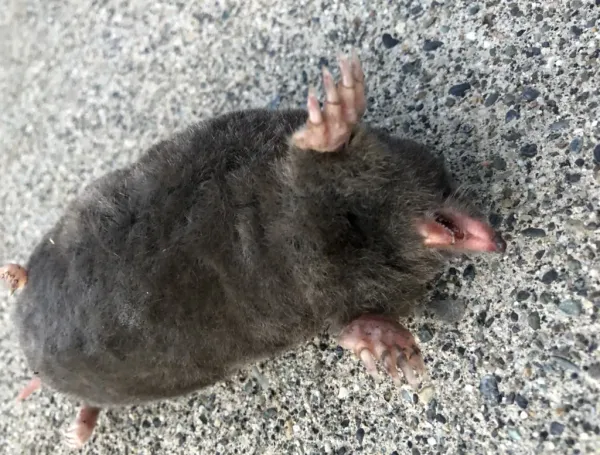
Coast Mole Coloration
Common color patterns to help identify coast mole
Coast Mole
Seasonal Activity
When coast mole are most active throughout the year
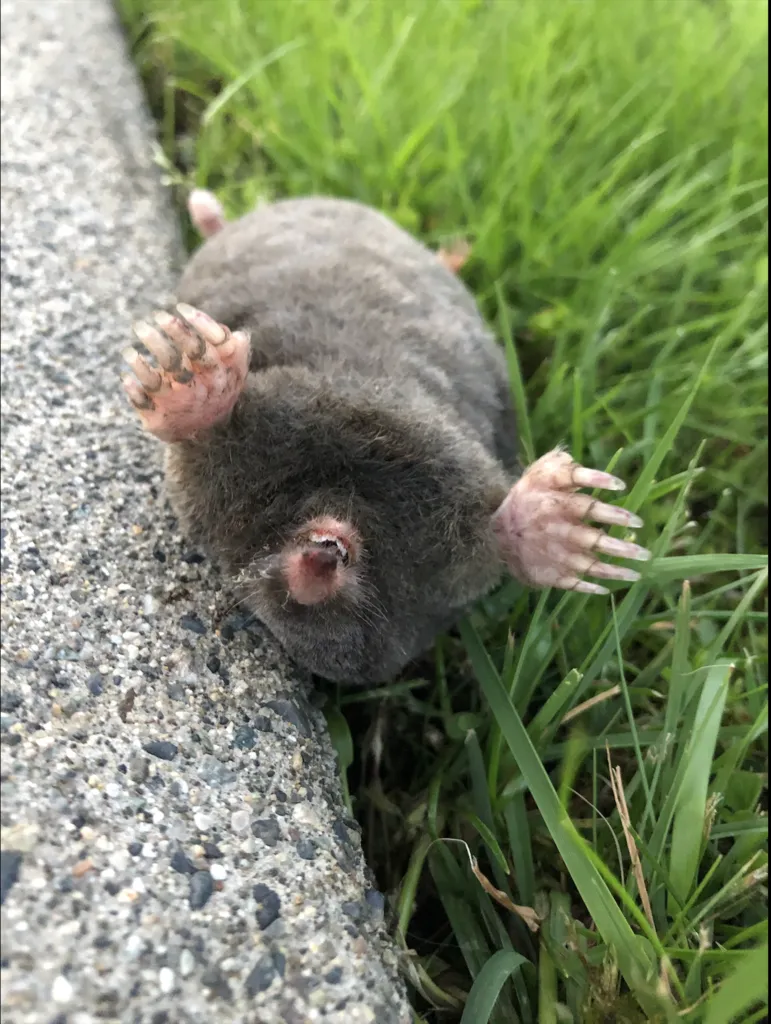
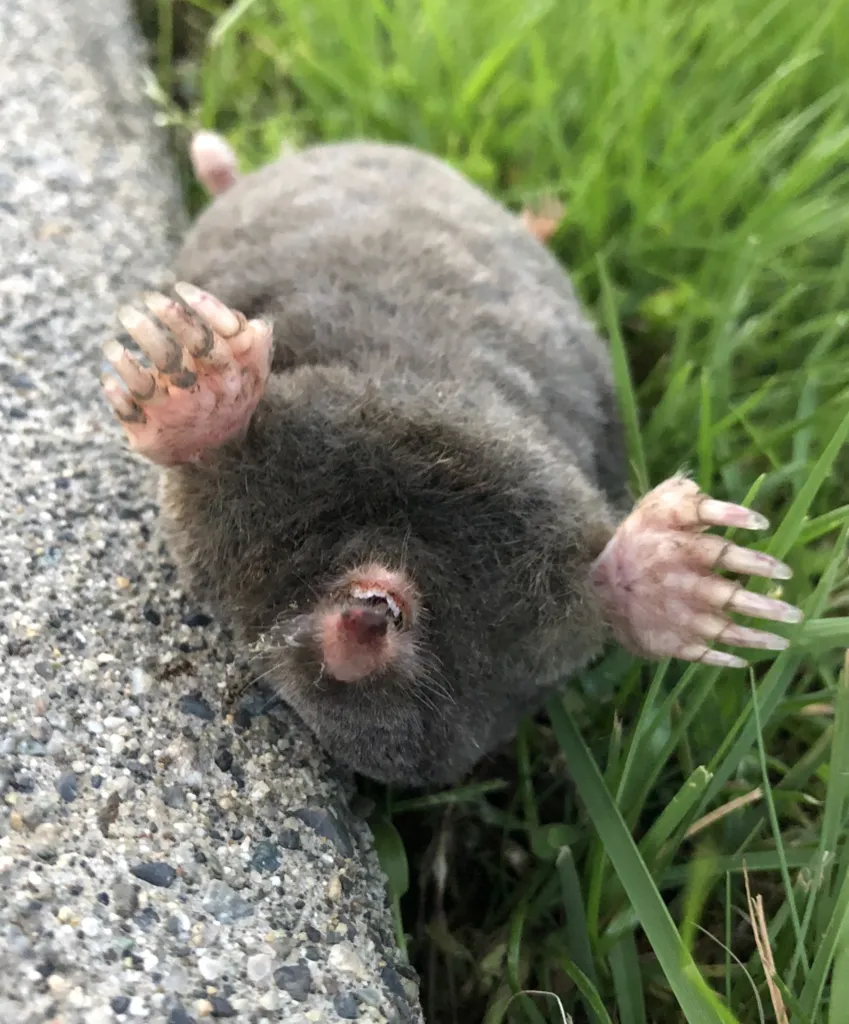

Where Coast Mole Are Found
Hover over states to see their names. Green regions indicate where coast mole have been reported.
Coast Mole Identification Guide
Physical Characteristics
The coast mole (Scapanus orarius) is a small mammal that lives underground. Adults are 5.2 to 7.5 inches long, including a short tail of about 1.2 to 1.8 inches. They weigh between 61 and 91 grams, or roughly 2 to 3 ounces.
Here are the key features to look for:
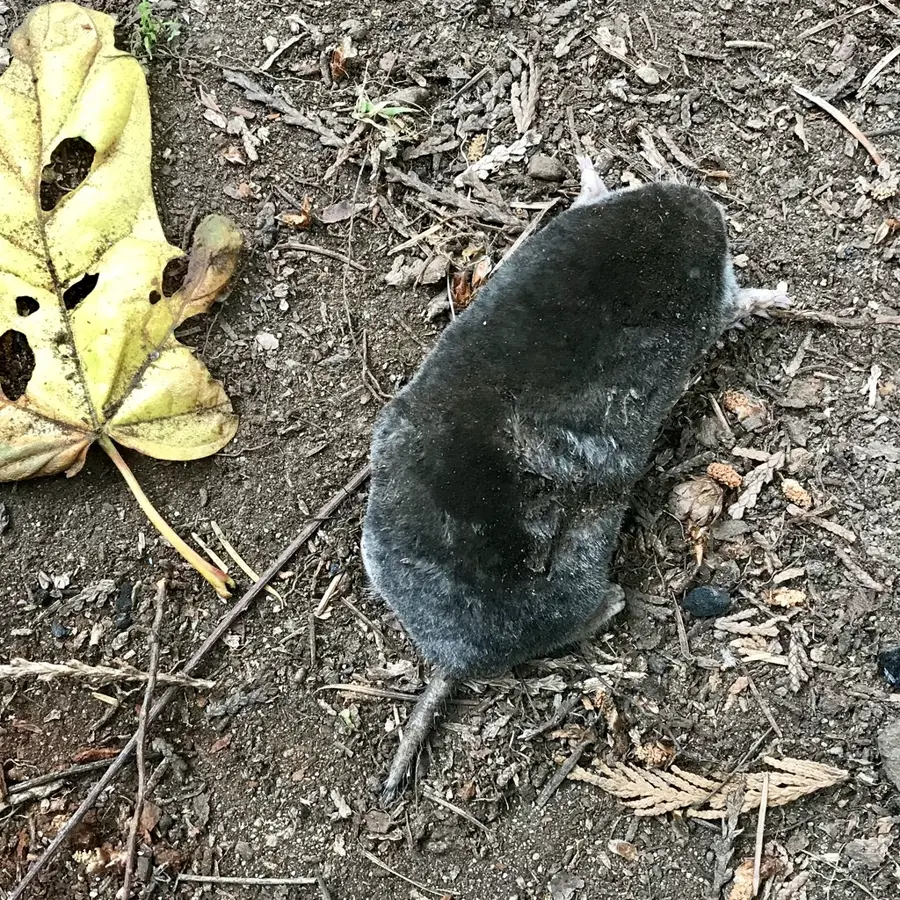
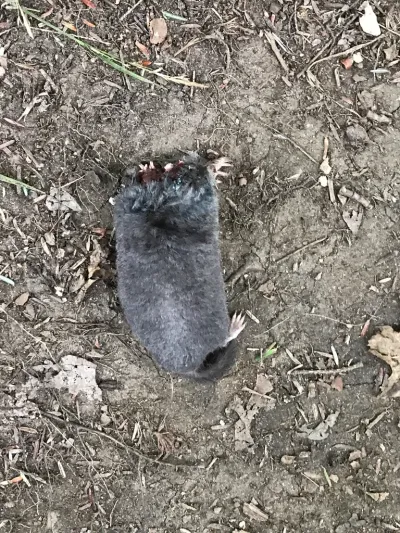
- Velvety fur: Dense, dark gray to black coat that may look brownish in summer. The fur lies flat in any direction, so the mole can move forward and backward through tunnels with ease.
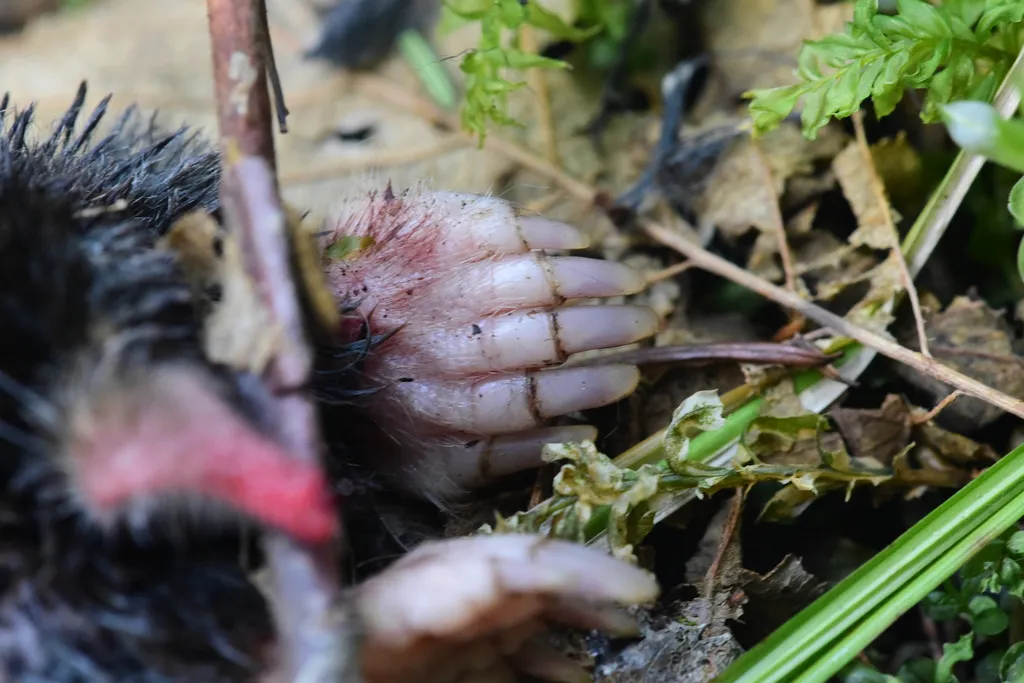
- Broad front paws: Large, spade-shaped feet turned outward with strong digging claws. These are the most notable feature of any mole.
- Pointed snout: A hairless pink nose with whiskers that help find food underground.
- Tiny eyes: Very small eyes hidden under the fur. They can only sense light and dark.
- Hidden ears: No outer ear flaps. The ear openings are covered by fur.
- Short tail: A stubby tail about one-fifth of total body length.
How to Tell Coast Moles Apart From Similar Species
The coast mole shares its range with several other burrowing animals. You can tell them apart by size and location:
- Townsend’s mole: Much larger, over 7.8 inches long. It has bigger front feet and makes bigger molehills. This is the species most often confused with the coast mole.
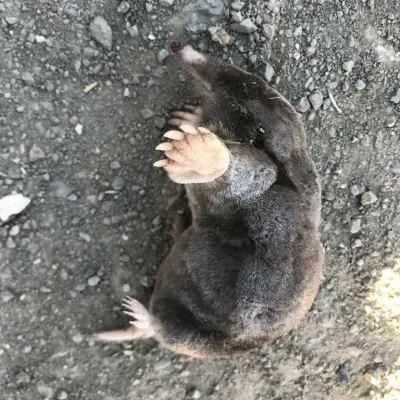
- Broad-footed mole: Looks similar but lives mainly in California. Small differences in foot shape and range set them apart.
- Shrew-mole (Neurotrichus gibbsii): Much smaller, about 4.4 inches long. It has a longer, scaly tail and a more shrew-like body. It does not make large molehills.
- Pocket gophers: These are rodents, not insect-eaters. They make crescent-shaped mounds with a dirt plug, not cone-shaped molehills.
Coast Mole Behavior and Biology
Where They Live
Coast moles live along the Pacific coast. Their range runs from southwestern British Columbia through Washington and Oregon into northwestern California. Some are also found in west-central Idaho. They like moist, loose soil and are most common in:
- River valleys and meadows
- Home lawns and gardens
- Pastures and farm fields
- Forests with loose soils
- Areas below 2,000 feet in elevation
They stay away from sandy, rocky, or very dry soils where digging is hard and earthworms are scarce.
What They Eat
Earthworms make up most of the coast mole’s diet. These moles burn a lot of energy and may eat close to their own body weight in food each day. They also eat:
- Insect larvae and adult insects
- Slugs and snails
- Centipedes and millipedes
- Small amounts of plant matter and fungi
Unlike pocket gophers and voles, coast moles do not usually eat plant roots or bulbs. Still, their tunneling can uproot and damage plants.
Tunneling Habits
Coast moles spend almost their whole lives underground. They dig three types of tunnels:
- Surface tunnels: Shallow ridges you can see on your lawn. Moles use these to hunt for food. They are the most obvious sign of mole activity.
- Deep tunnels: Found 4 to 18 inches below the surface. Moles use these for travel and nesting.
- Refuge tunnels: The deepest tunnels. Moles retreat here during bad weather or to escape predators.
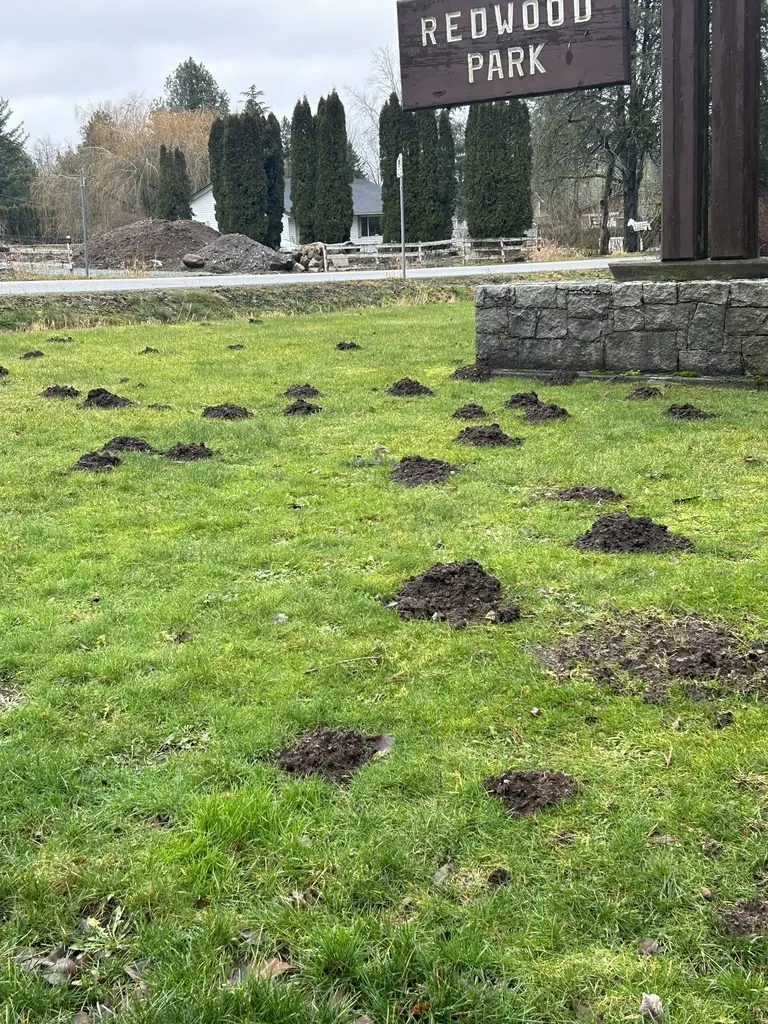
When digging deep tunnels, coast moles push dirt up to the surface. This creates the cone-shaped molehills that homeowners find on their lawns. These mounds tend to be smaller than those made by the larger Townsend’s mole.
Breeding and Life Cycle
Coast moles breed in late winter to early spring, usually from January through March.
- Females have one litter per year
- Each litter has about 2 to 4 babies
- Newborns have no fur and soft claws
- Young moles leave the nest after about one month
- Most coast moles live 3 to 4 years in the wild
Social Behavior
Coast moles live alone. Each mole keeps its own tunnel system and will fight other moles that enter its space. The only time they tolerate each other is during breeding season. You might find fewer than 1 to several moles per acre, depending on how good the habitat is.
They follow a pattern of about 5 hours of digging and feeding, then 4 hours of rest. This repeats all day and night. They are not active only at night or only during the day.
Signs of Coast Mole Activity
Catching mole damage early helps you take action sooner. Look for these signs:
- Cone-shaped molehills: Small mounds of loose dirt shaped like tiny volcanoes, usually 4 to 12 inches across
- Raised surface ridges: Bumpy lines of raised soil running across your lawn
- Soft or spongy ground: Spots where the ground feels weak because of tunnels below
- Yellow or dying grass: Grass that loses contact with the soil when tunnels break up the roots
- Uprooted seedlings: Small plants pushed out of place by tunneling near the root zone
Treatment Methods for Coast Moles
Moles are hard to control because they live almost entirely below ground. These methods have been shown to work best by university experts and wildlife managers.
Trapping
Trapping is the most reliable way to control moles. Three common trap types are:
- Scissor-jaw traps: Snap shut when a mole passes through the tunnel
- Harpoon traps: Spring-loaded spikes that strike down from the soil surface
- Choker-loop traps: Wire loops that tighten as the mole moves through
For best results, set traps in active tunnels. To find active tunnels, press down a small section of a raised ridge. Check back in 24 to 48 hours. If the mole has fixed the tunnel, it is in use.
Habitat Changes
Making your yard less appealing to moles can reduce activity over time:
- Water your lawn less. Drier soil has fewer earthworms.
- Treat grub problems that draw moles in.
- Roll the soil with a lawn roller to make digging harder.
These steps alone rarely get rid of moles, but they can make your yard less attractive to them.
Exclusion
Physical barriers can guard certain areas:
- Bury hardware cloth or wire mesh at least 24 inches deep around garden beds
- Put wire baskets around bulbs before planting
- Dig gravel-filled trenches along garden borders
Repellents
Castor oil repellents can offer short-term relief by making the soil unpleasant for moles. You need to water them into the soil well. Keep in mind that results are often spotty and temporary. The moles may just move to another part of your yard.
Professional Wildlife Control
If the problem is severe or keeps coming back, a licensed wildlife control expert can help. These professionals use targeted trapping methods and can map out tunnel networks better than most homeowners.
Ecological Role
Even though they frustrate homeowners, coast moles play a helpful role in nature. Their tunnels loosen packed soil, improve drainage, and mix organic matter into deeper layers. They also eat large numbers of pest insects and their larvae. Animals that prey on coast moles include barn owls, long-eared owls, rubber boas, and house cats.
The IUCN lists the coast mole as a species of Least Concern, with stable numbers across its range.
Other Mole Species
- Eastern Moles: The most common mole in the eastern United States
- Townsend’s Mole: The largest North American mole, found along the Pacific coast
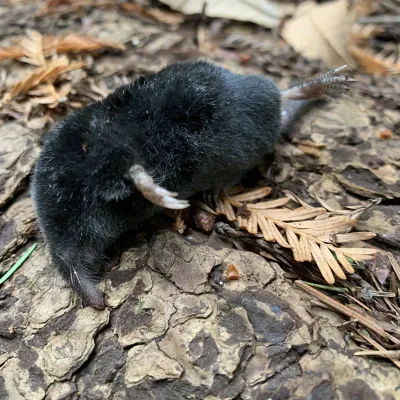
- Star-Nosed Moles: A unique water-loving mole with a star-shaped nose
- Hairy-Tailed Moles: Found in the northeastern United States and southeastern Canada
- Broad-Footed Moles: A western species found mainly in California
References
- Scapanus orarius - Animal Diversity Web
- Coast Mole - American Society of Mammalogists
- Pacific Mole (Scapanus orarius) - U.S. Fish & Wildlife Service
- Mole Management in Turf and Gardens - Rutgers Cooperative Extension
- Living with Wildlife: Moles - Washington Department of Fish & Wildlife
- Trapping Moles - Kansas State University Extension
Other Moles
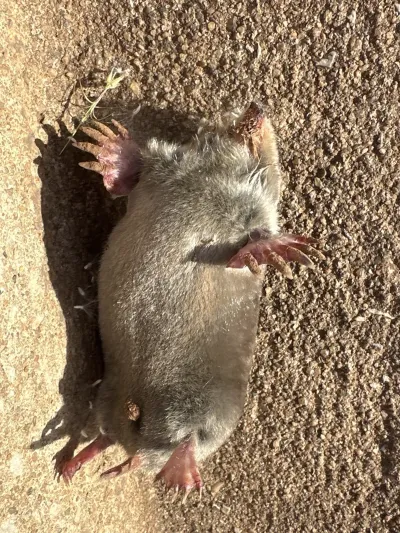
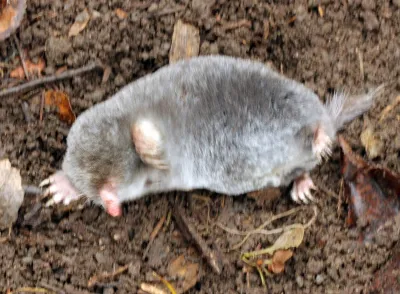
Explore other species in the moles family
Commonly Confused With
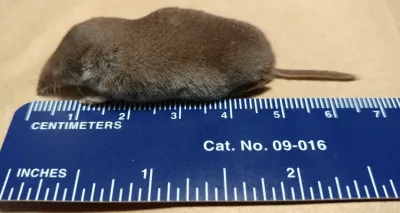
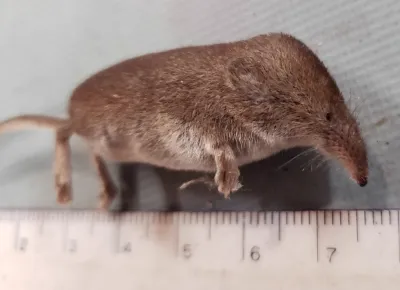
Coast Mole are often mistaken for these similar pests
Where Coast Mole Are Found
Hover over states to see their names. Green regions indicate where coast mole have been reported.
Common Questions about Coast Mole
Where are coast moles found?
+
Coast moles live along the Pacific coast of North America, from southwestern British Columbia through Washington and Oregon into northwestern California. They also occur in parts of west-central Idaho. They prefer moist, loamy soils in meadows, lawns, gardens, and forested areas.
How can I tell if I have coast moles in my yard?
+
Look for cone-shaped molehills (small volcano-like dirt mounds) and raised ridges of soil running across your lawn. These surface tunnels are used for foraging. You may also notice soft, spongy ground underfoot or dying grass where roots have been disturbed by tunneling.
What is the difference between a coast mole and a Townsend's mole?
+
The main difference is size. Coast moles are noticeably smaller, measuring 5.2 to 7.5 inches in total length, while Townsend's moles exceed 7.8 inches and are the largest moles in North America. Townsend's moles also create larger molehills due to their bigger body size.
Are coast moles dangerous to people or pets?
+
No. Coast moles are not aggressive and do not bite or carry diseases that commonly affect humans or pets. Their primary nuisance is the damage they cause to lawns, gardens, and landscaping through tunneling.
What do coast moles eat?
+
Coast moles feed primarily on earthworms, which make up the majority of their diet. They also eat insect larvae, slugs, snails, centipedes, and other soil invertebrates. They have very high metabolisms and may consume close to their own body weight in food each day.
Do coast moles hibernate in winter?
+
No, coast moles are active year-round. They simply move to deeper tunnels during cold or dry conditions. Surface activity tends to increase during wetter months when earthworms are closer to the soil surface.
How do I tell mole damage from gopher damage?
+
Moles create cone-shaped molehills that look like small volcanoes, while pocket gophers produce crescent or kidney-shaped mounds with a visible soil plug. Moles also leave raised surface tunnel ridges, which gophers do not.

With five years of hands-on experience in the pest control industry, George Schulz is a registered technician with the Virginia Pest Management Association and a proud third-generation professional in a family business that's been protecting homes for over 57 years. He manages and trains a team of service pros while also leading internal research efforts—recently spearheading a deep-dive review of thousands of documents on pest control materials to hand-pick the most kid and pet friendly, most effective solutions tailored specifically for homes in the DC metro area.