Broad-Footed Mole Identification Guide
Scapanus latimanus
The broad-footed mole is a medium-sized burrowing mammal found across California, Oregon, and Nevada. Named for its distinctively wide front paws, this fossorial insectivore creates extensive tunnel systems in lawns, gardens, and meadows throughout the western United States.
Taxonomy
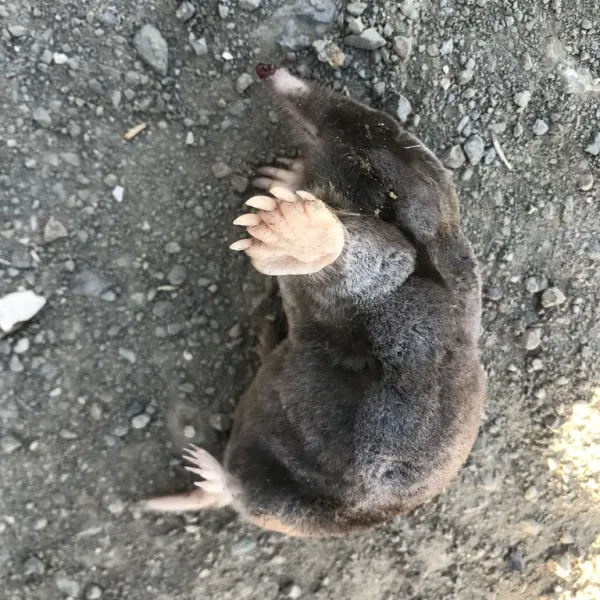
Broad-Footed Mole Coloration
Common color patterns to help identify broad-footed mole
Broad-Footed Mole
Seasonal Activity
When broad-footed mole are most active throughout the year

Where Broad-Footed Mole Are Found
Hover over states to see their names. Green regions indicate where broad-footed mole have been reported.
Broad-Footed Mole Identification Guide
Physical Characteristics
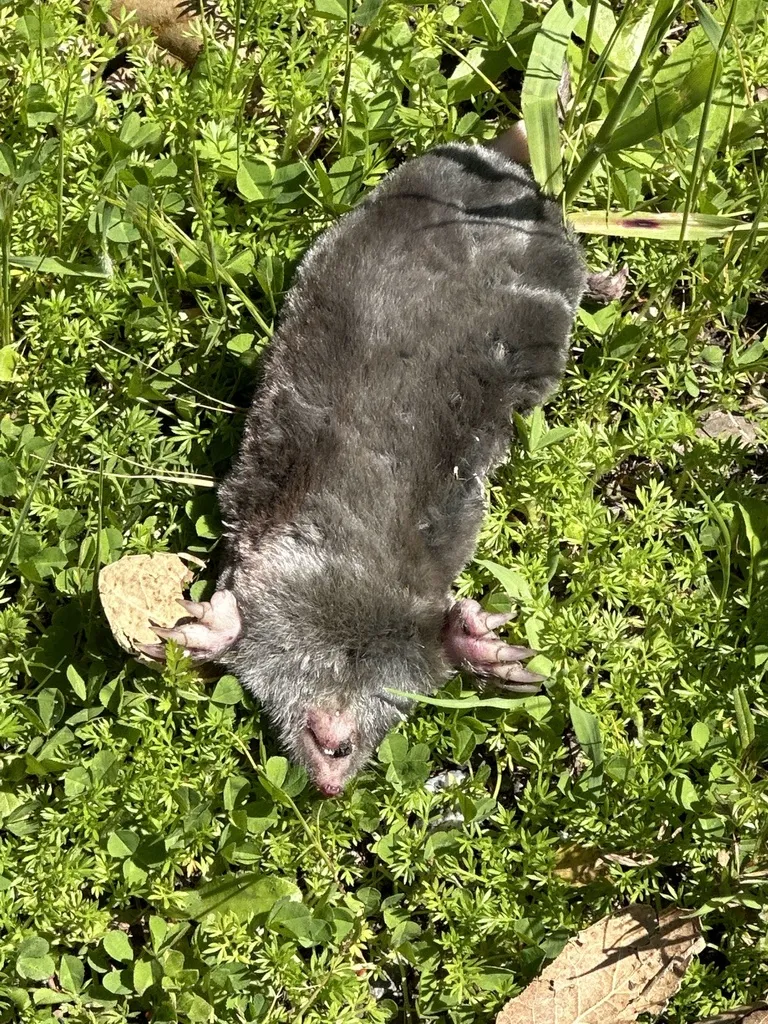
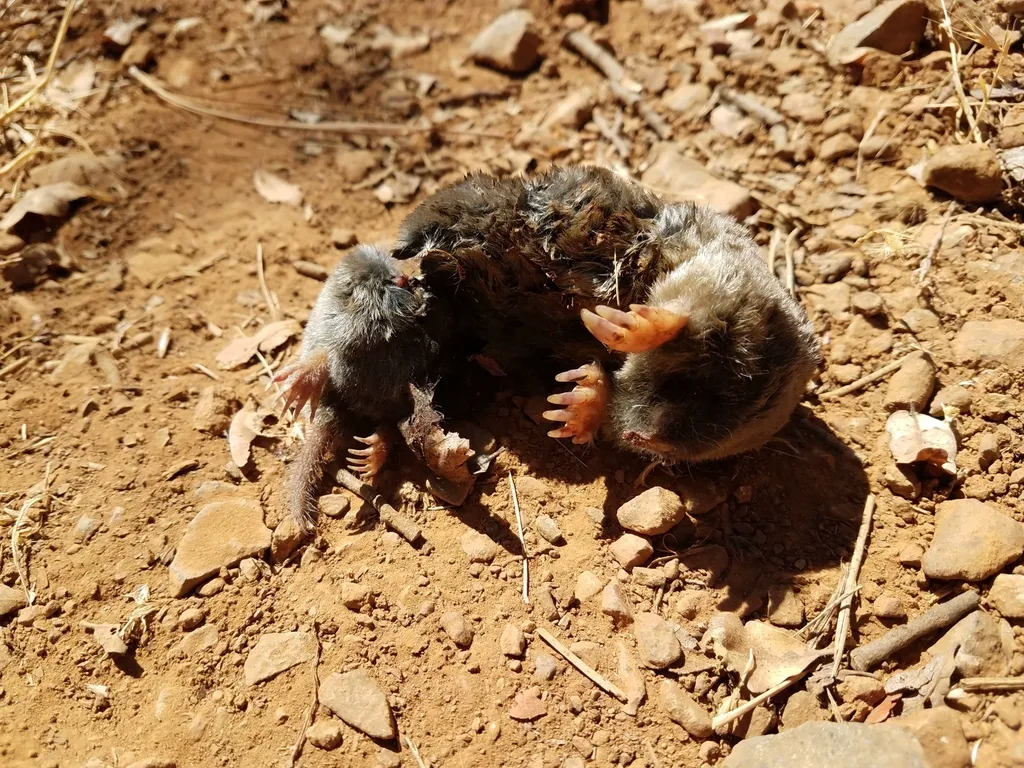
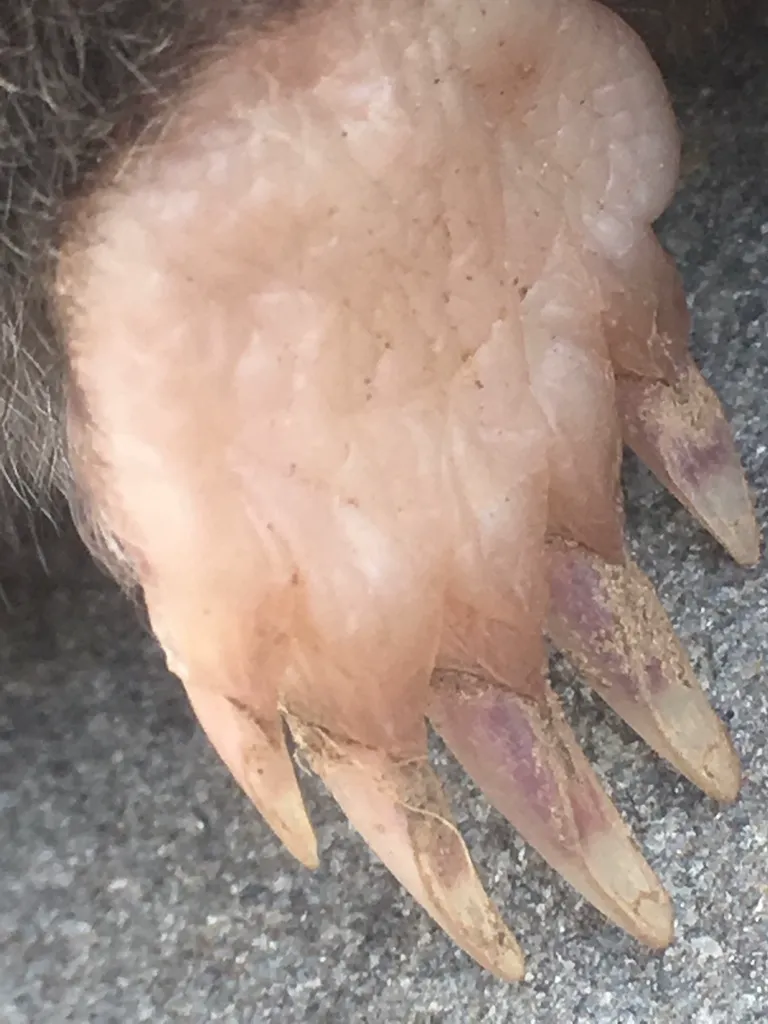
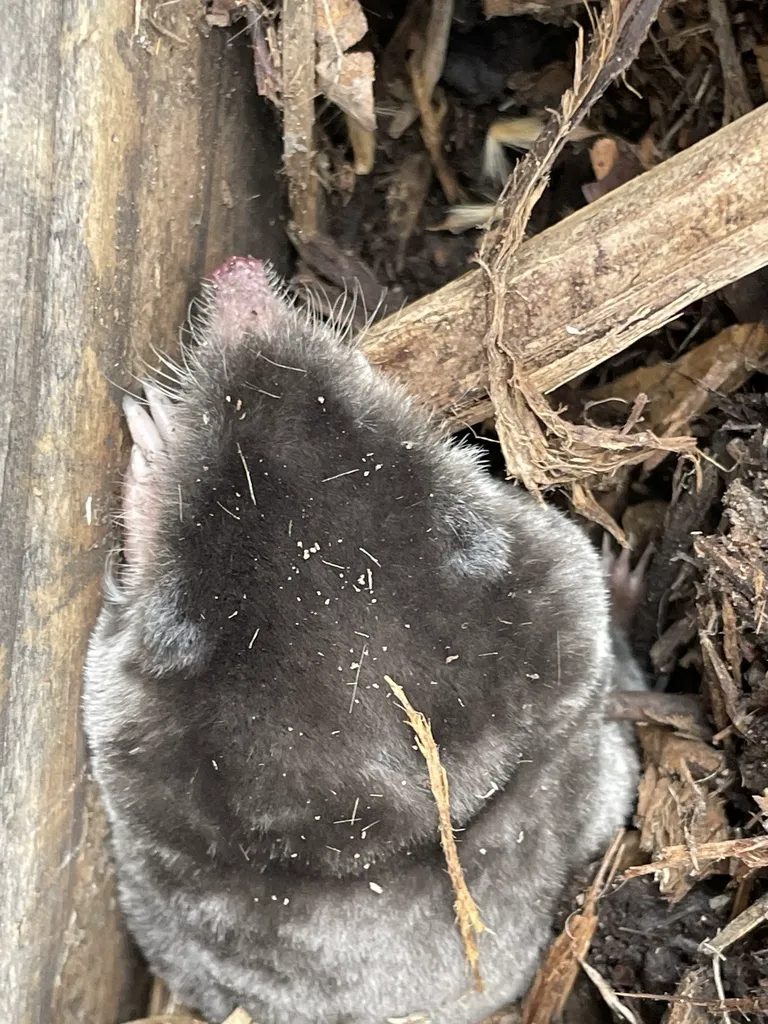
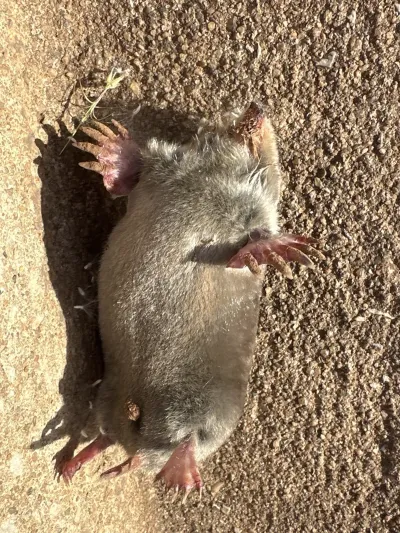
Broad-footed moles measure about 5.3 to 7.5 inches long, including a short tail with little hair. Adults weigh between 1.8 and 3.2 ounces. Their most notable feature is their wide, paddle-shaped front paws. These paws have long, strong claws built for digging. The front feet are wider than those of most other North American moles, which is how this animal got its name.
Their fur is dense, soft, and velvety with a slight shine. Color ranges from dark brown to nearly black, sometimes looking gray or silver in certain light. Like all moles, they have tiny eyes hidden under their fur, no visible ears, and a long pink snout. Their round body shape and fur that lies flat in any direction let them move both forward and backward through tight tunnels.
How to Tell Broad-Footed Moles from Similar Animals
A few burrowing animals in the western United States look like broad-footed moles:
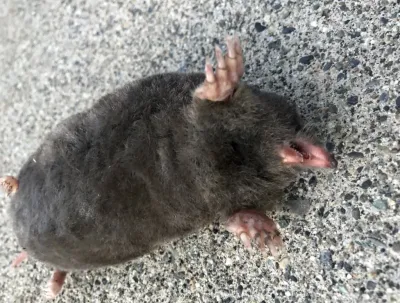
- Townsend’s Moles are bigger (up to 9 inches) and live mainly in the Pacific Northwest. They are the largest North American mole and make bigger molehills.
- Pocket Gophers are rodents with visible eyes, cheek pouches, and large front teeth. They make fan-shaped mounds with a plugged hole on one side. Mole mounds are round and volcano-shaped.
- Voles are small, mouse-like rodents with visible ears and eyes. They make runways through grass and eat plants, not insects.
The easiest way to tell the broad-footed mole apart from other mole species is by where you find it. It is the main mole across most of California, while Townsend’s mole lives in the wetter coastal areas of Oregon and Washington.
Broad-Footed Mole Behavior and Biology
Habitat and Distribution
Broad-footed moles live in the western United States. Their range covers much of California and reaches into southern Oregon and western Nevada. They live at many different elevations, from low valleys near sea level to mountain meadows above 9,000 feet in the Sierra Nevada.
These moles can live in many types of places: suburban lawns, farm fields, orchards, open woods, and mountain meadows. They do best in moist, loose, sandy or loamy soil that is easy to dig through. They stay away from heavy clay, rocky ground, and very dry or packed soil.
Tunneling Behavior
Like all moles, broad-footed moles spend almost their whole lives underground. They build two types of tunnels:
- Shallow feeding tunnels sit just 2 to 4 inches below the surface. They show up as raised ridges or soft lines across the lawn. Moles often use these just once while hunting for worms and grubs.
- Deep tunnels run 8 to 18 inches underground. These are lasting paths between nesting areas and feeding grounds. The cone-shaped molehills on the surface come from soil pushed up from these deeper tunnels.
Broad-footed moles dig fast. They can create over 15 feet of new surface tunnels in just one hour when the soil is right. Their wide front paws give them more digging power than other mole species.
Diet
Broad-footed moles eat bugs and other small creatures found in the soil:
- Earthworms make up most of their diet
- White grubs (beetle larvae) are also a key food
- Insect larvae, such as moth pupae and fly larvae
- Centipedes, millipedes, and other small soil animals
They burn a lot of energy and need to eat often. A single mole eats close to its own body weight in food each day. They cannot go long without eating, which is why they tunnel so much in search of prey.
Reproduction and Life Cycle
Mating takes place in late winter to early spring, usually February through March. After about 4 to 6 weeks, females give birth to a single litter of 2 to 5 pups per year. The babies are born hairless and blind in a grass-lined nest deep underground.
Young moles grow fur within about two weeks and leave the nest at 4 to 5 weeks old. They reach adult size by late summer and can breed the next spring. Broad-footed moles usually live 3 to 4 years in the wild.
Apart from the short mating season, these moles live alone. Each one keeps its own tunnel system and will fight off other moles that enter.
Signs of Broad-Footed Mole Activity
If you live in the western United States, watch for these signs of moles in your yard:
- Raised ridges running across the lawn or garden beds (these are surface tunnels)
- Cone-shaped dirt mounds (molehills) on the lawn, usually 6 to 8 inches wide
- Soft or spongy spots that sink when you walk on them
- Brown or dying grass in lines where tunneling has pulled up roots
- Small plants or seedlings pushed out of the ground
You will see the most damage in spring and fall when the soil is wet and moles dig near the surface. In the summer heat, moles move to deeper tunnels where the ground stays cool. Surface signs often slow down during this time.
Treatment Methods for Broad-Footed Moles
Getting rid of broad-footed moles usually takes more than one method. Moles move a lot and are hard to catch, so staying patient and sticking with it matters.
Confirm the Problem First
Before trying any control method, make sure moles are the cause and not pocket gophers or voles. Press down a short section of a raised tunnel and check it a day or two later. If the tunnel pops back up, it is active and a good spot for traps or other controls.
Trapping
Trapping is the most proven way to control moles. Common trap types include scissor-jaw, harpoon, and choker-loop traps. For best results, place traps in active deep tunnels, not in shallow feeding runs. Main tunnels often follow edges like sidewalks, driveways, or garden borders.
Changing the Habitat
Making your yard less inviting to moles can cut down on activity over time:
- Water less often so earthworms do not gather near the surface
- Treat for grubs if you have a lot of white grubs, since grubs are a major food source for moles
- Put up barriers using 1/4-inch hardware cloth buried at least 2 feet deep around garden beds
Repellents
Castor oil-based products may keep moles away for a short time by making the soil taste bad to them. That said, studies on how well they work long-term are mixed. Sonic stakes and vibrating devices have not been shown to repel moles well.
What Does Not Work
Many popular home fixes for moles do not actually help:
- Flooding tunnels rarely reaches the mole and can hurt your lawn
- Chewing gum, mothballs, or broken glass in tunnels do not work and can be harmful
- Mouse or rat poisons do not work because moles eat worms and bugs, not grain baits
Related Mole Species and Burrowing Pests
If you have tunnels or mounds in your yard but are not sure what is causing them, these guides can help:
- Townsend’s Mole: The largest North American mole, found in the Pacific Northwest
- Eastern Mole: The most common mole east of the Rocky Mountains
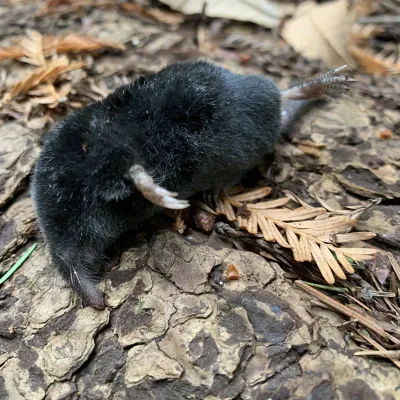
- Star-Nosed Mole: A mole with a unique star-shaped nose found in wet areas of eastern North America
- Pocket Gophers: Rodents that make fan-shaped mounds and eat plant roots
- Meadow Voles: Mouse-like rodents that make surface runways and chew plants
References
- Broad-Footed Mole - Mammal Diversity Database, American Society of Mammalogists
- Moles Pest Notes - UC Statewide Pest Management Program
- Mole Biology - Internet Center for Wildlife Damage Management
- Moles - Penn State Extension
- Revision of Moles in the Genus Scapanus - THERYA (2021)
- Broad-Footed Mole Range Map - USGS
Other Moles
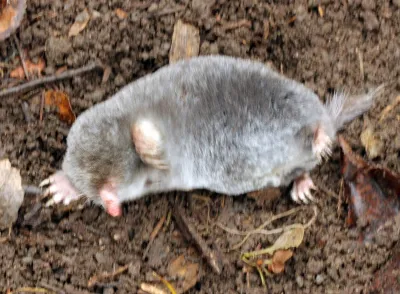
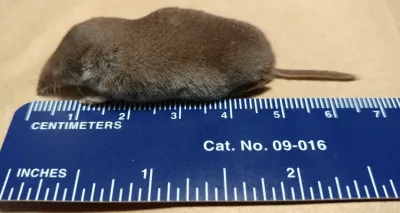
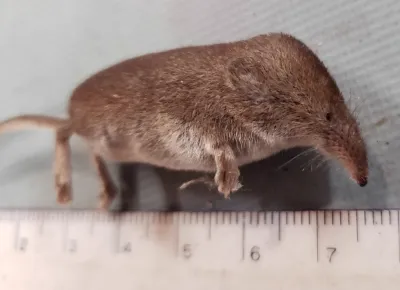
Explore other species in the moles family
Commonly Confused With
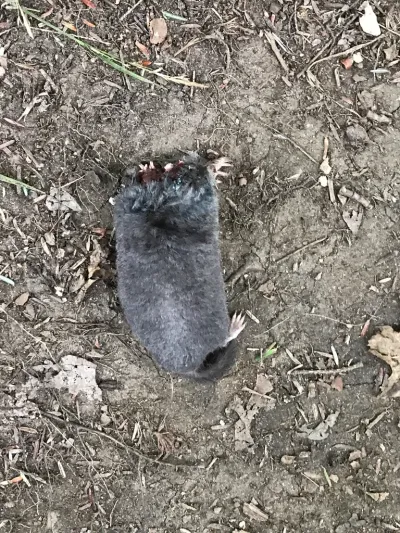
Broad-Footed Mole are often mistaken for these similar pests
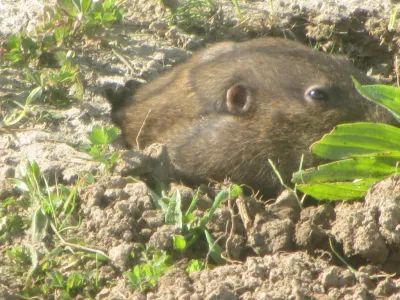
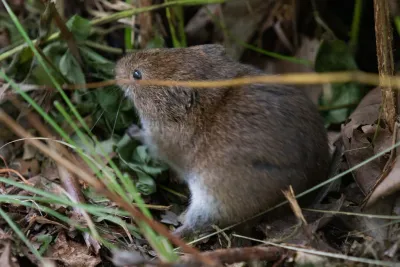
Where Broad-Footed Mole Are Found
Hover over states to see their names. Green regions indicate where broad-footed mole have been reported.
Common Questions about Broad-Footed Mole
Where are broad-footed moles found?
+
Broad-footed moles are found across California, Oregon, and parts of Nevada. They live in a wide range of habitats from coastal valleys to mountain meadows at elevations up to 9,000 feet. They prefer areas with moist, loose soil that is easy to dig through.
How can I tell a broad-footed mole from a pocket gopher?
+
Broad-footed moles create volcano-shaped, circular dirt mounds and raised surface ridges across lawns. Pocket gophers make fan or crescent-shaped mounds with a visible plug on one side. Moles are insectivores with paddle-like front feet, while gophers are rodents with large cheek pouches and prominent front teeth.
What do broad-footed moles eat?
+
Broad-footed moles feed almost entirely on earthworms, beetle grubs, insect larvae, and other soil-dwelling invertebrates. They do not eat plant roots or bulbs. A single mole may consume close to its body weight in prey each day due to its high metabolism.
Are broad-footed moles active all year?
+
Yes, broad-footed moles are active year-round and do not hibernate. Surface tunneling is most visible in spring and fall when soil moisture is higher. During hot, dry summer months, they tend to dig deeper where soil stays cool and moist.
How many broad-footed moles live in a typical yard?
+
Broad-footed moles are solitary and territorial. Most yards have just one or two moles, even when the damage looks extensive. A single mole can dig over 100 feet of tunnels per day, which often makes it seem like more animals are present than there actually are.
Do broad-footed moles damage gardens?
+
Broad-footed moles do not eat plants, but their tunneling can disturb plant roots, uproot seedlings, and create unsightly mounds and ridges in lawns and garden beds. Their tunnels may also be used by voles and other rodents that do feed on roots and bulbs.

With five years of hands-on experience in the pest control industry, George Schulz is a registered technician with the Virginia Pest Management Association and a proud third-generation professional in a family business that's been protecting homes for over 57 years. He manages and trains a team of service pros while also leading internal research efforts—recently spearheading a deep-dive review of thousands of documents on pest control materials to hand-pick the most kid and pet friendly, most effective solutions tailored specifically for homes in the DC metro area.