Smoky Oak Millipedes Identification Guide
Narceus gordanus
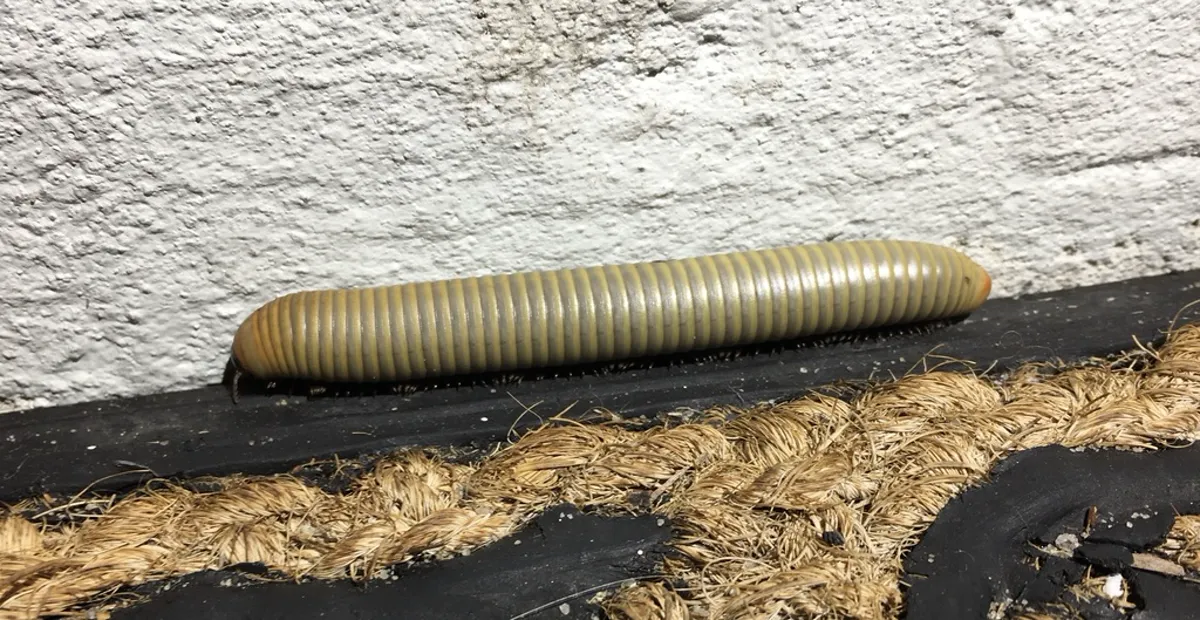
Smoky oak millipedes are large, slow-moving millipedes native to the southeastern United States. They are known for their greenish-tan coloring and habit of curling into a tight spiral when disturbed.
Taxonomy
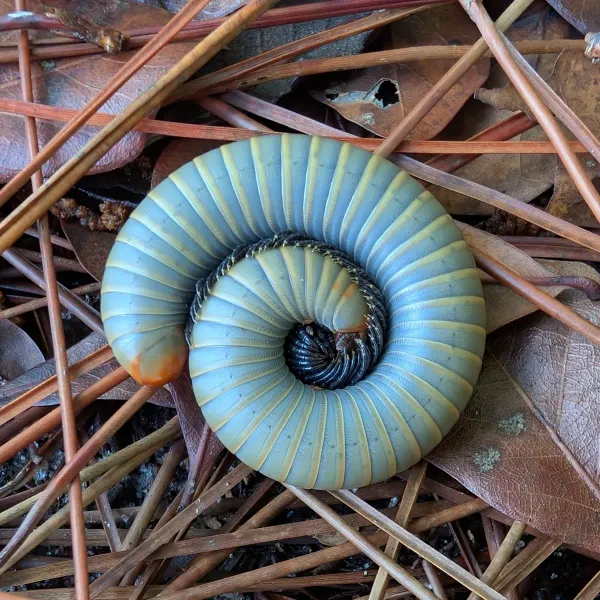
Smoky Oak Millipedes Coloration
Common color patterns to help identify smoky oak millipedes
Smoky Oak Millipedes
Seasonal Activity
When smoky oak millipedes are most active throughout the year
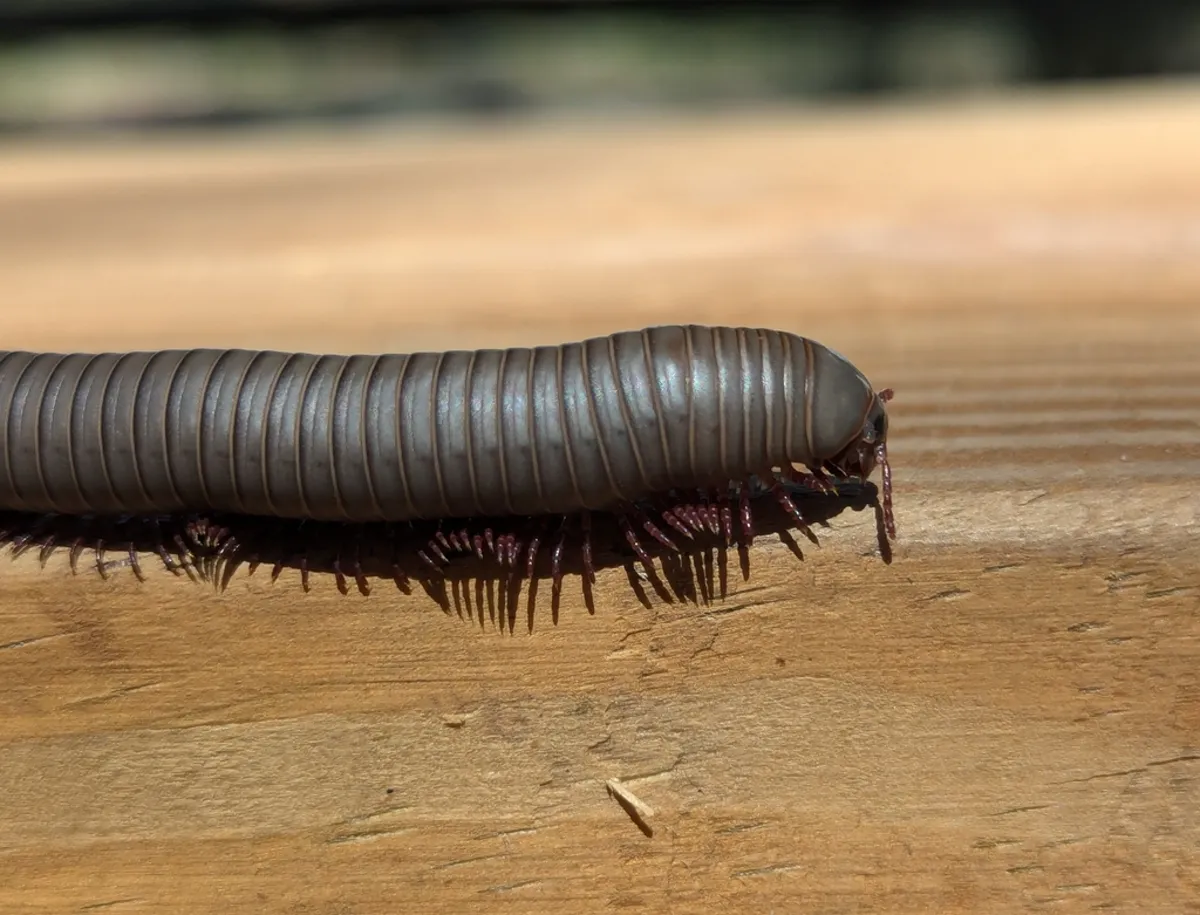
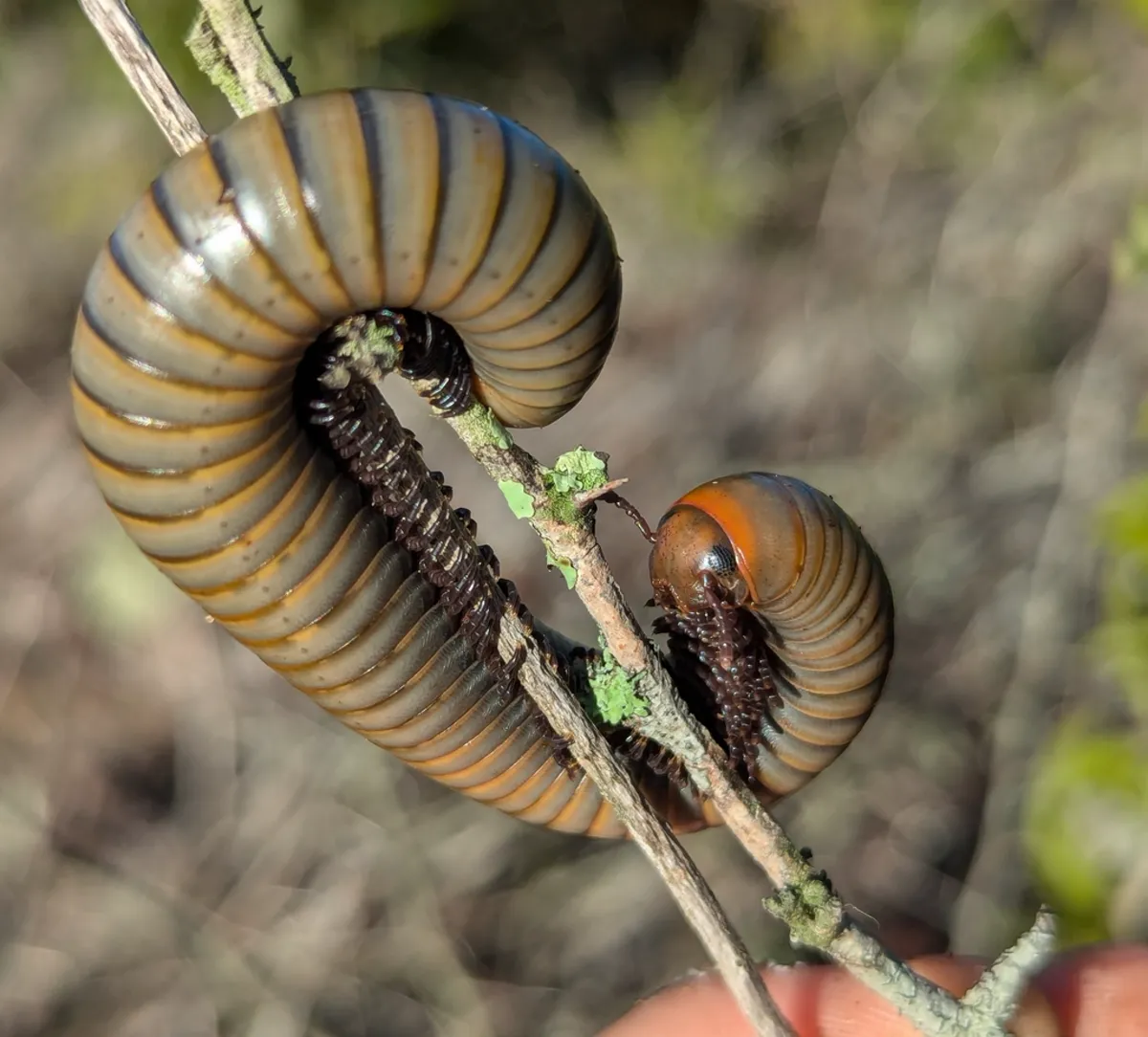
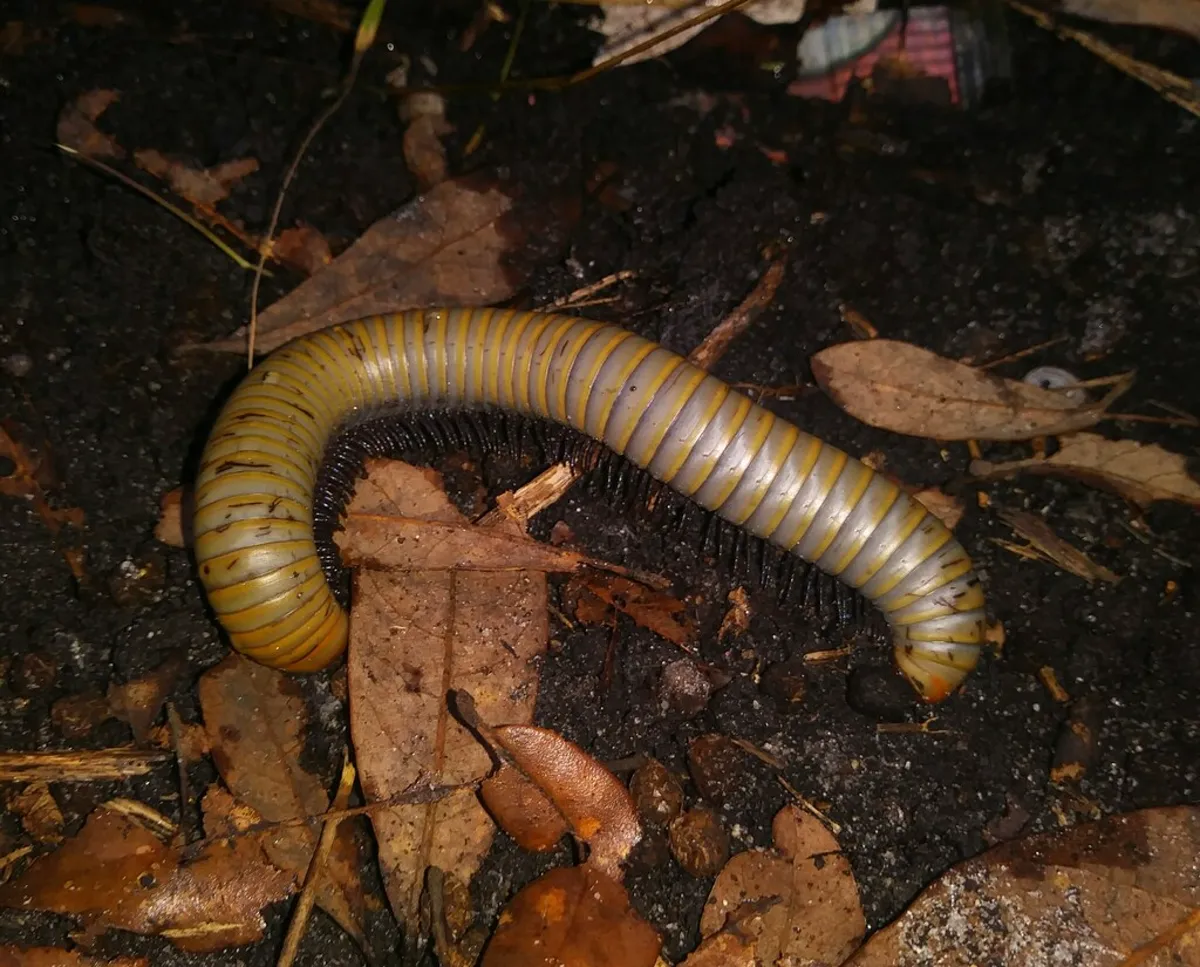

Where Smoky Oak Millipedes Are Found
Hover over states to see their names. Green regions indicate where smoky oak millipedes have been reported.
Smoky Oak Millipede Identification Guide
Physical Characteristics
The smoky oak millipede (Narceus gordanus) is a large millipede found mainly in the southeastern United States. Adults are 2.5 to 4.7 inches long and about half an inch wide. They are one of the bigger millipede species in the region.
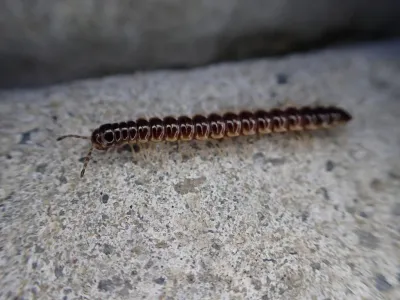
Their color sets them apart. Unlike the darker North American millipede, smoky oak millipedes have a lighter, greenish-tan body with bands of darker tan or olive on each segment. This banding gives them a smoky look that blends in with the forest floor. The head often has an orange or reddish-brown tint.
Each body segment has two pairs of short legs. Adults have around 170 to 250 legs total, depending on age. They have 45 to 65 body segments. The body is round, smooth, and hard, which gives them a protective outer shell. When they walk, their many legs move in a wave-like pattern.
How to Tell Smoky Oak Millipedes from Similar Pests
A few pests look like smoky oak millipedes at first glance:
-
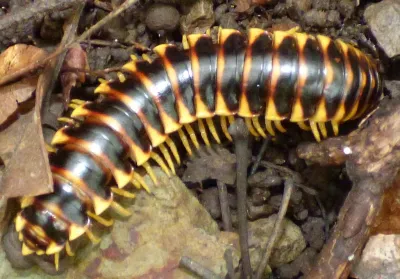
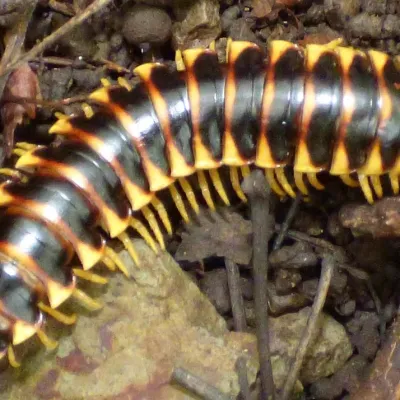
North American Millipedes: Also in the Narceus genus but darker, with reddish-brown to black bodies. North American millipedes live across most of the eastern United States. Smoky oak millipedes are found mostly in Florida and nearby states.
-
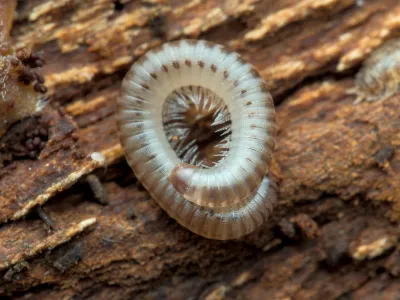
Greenhouse Millipedes: Much smaller at under 1 inch long, with a dark brown body and pale edges. They are common in potted plants and greenhouses. Their small size makes them easy to tell apart from smoky oak millipedes.
-
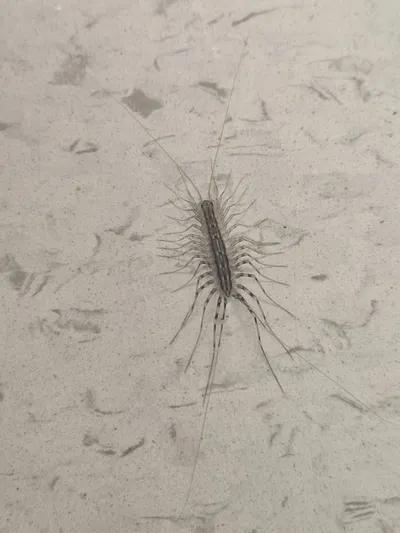
Centipedes: Centipedes have flat bodies, one pair of legs per segment, and move fast. Millipedes have round bodies, two pairs of legs per segment, and move slowly. Centipedes do not curl into a spiral like millipedes do.
Smoky Oak Millipede Behavior and Biology
Habitat and Range
Smoky oak millipedes live mainly in the southeastern United States. Most are found in Florida, with some in Georgia, South Carolina, Alabama, and nearby states. They prefer scrubby woodlands, hardwood forests, and areas with lots of leaf litter.
These millipedes need moist spots. They lose water fast through their outer shell. You will find them in places like:
- Under fallen logs and bark
- Beneath leaf litter and dead vegetation
- In mulch beds and compost piles
- Under rocks and landscape timbers
- In shaded, damp areas near building foundations
They are most active at night and during or after rainfall. On hot, dry days they burrow deeper into soil and leaf litter to retain moisture.
Diet
Smoky oak millipedes only eat decaying organic matter. Their diet includes:
- Fallen leaves
- Rotting wood and bark
- Dead plant material
- Fungi growing on dead plants
They do not eat living plants, wood in your home, fabric, or stored food. Their role in nature is breaking down dead plant matter and returning nutrients to the soil.
Life Cycle
Females lay eggs in moist soil. Some Narceus species build small nests and tend their eggs. The young hatch with only a few body segments and a small number of legs.
As they grow, smoky oak millipedes shed their skin many times. Each shed adds new body segments and more legs. This slow growth takes 2 to 5 years before they reach full size. Adults can live 1 to 2 more years. Some may live 7 years or longer.
Defensive Behavior
When scared, smoky oak millipedes protect themselves in a few ways:
- Coiling: They curl into a tight, flat spiral to protect their soft belly and head
- Chemical defense: They release a strong-smelling fluid from glands on their body
- Playing dead: Some stay completely still when touched
The fluid they release contains compounds called benzoquinones. It smells like almonds and can stain skin brown for a short time. This is sometimes called “millipede burn.” It is usually harmless, but some people may get mild skin redness. Wash the area with soap and water if it happens. See a doctor if you have a strong reaction. This is not medical advice.
Treatment Methods for Smoky Oak Millipedes
Millipede control works best when you reduce the things that attract them and block their way inside. The goal is to manage their numbers and keep them outdoors.
Moisture and Habitat Management
The best long-term fix is removing the conditions that draw millipedes to your home:
- Reduce mulch depth: Keep mulch under 2 inches deep. Leave a 6 to 12 inch gap between mulch and your foundation.
- Clear organic debris: Move leaf piles, rotting wood, and compost away from your home.
- Improve drainage: Make sure water flows away from the foundation and does not pool near walls.
- Lower indoor humidity: Use a dehumidifier in your basement or crawl space.
Exclusion
Sealing entry points helps keep millipedes outside:
- Caulk cracks and gaps in the foundation
- Add or replace door sweeps on outside doors
- Seal gaps around pipes, wires, and vents
- Cover window wells and make sure they drain
- Screen basement windows and crawl space vents
Perimeter Treatments
When fixing the habitat is not enough on its own, perimeter treatments can cut down the number of millipedes reaching your home. A residual insecticide applied along the foundation and mulch beds creates a barrier. Granular treatments spread on soil and mulch around the perimeter also work well, especially in spring and fall when millipedes are most active.
Mechanical Removal
For millipedes already inside, vacuuming or sweeping is the easiest fix. Sticky traps along baseboards and near entry points can catch strays. Millipedes cannot live long indoors. The air is too dry and there is no food for them. They do not breed inside homes, so indoor problems are short-lived.
References
Other Millipedes
Explore other species in the millipedes family
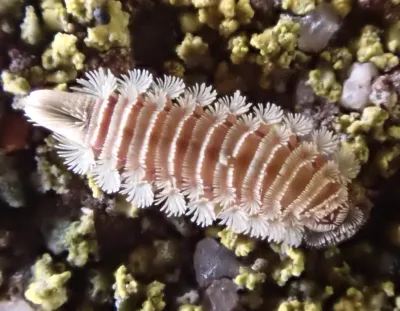
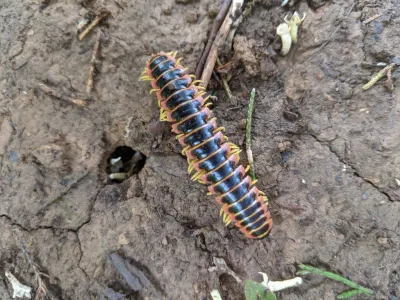
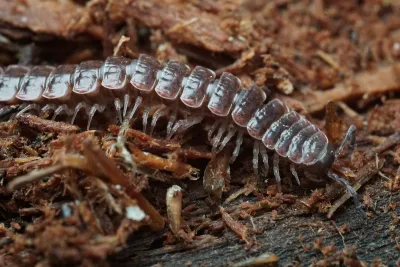
Commonly Confused With
Smoky Oak Millipedes are often mistaken for these similar pests
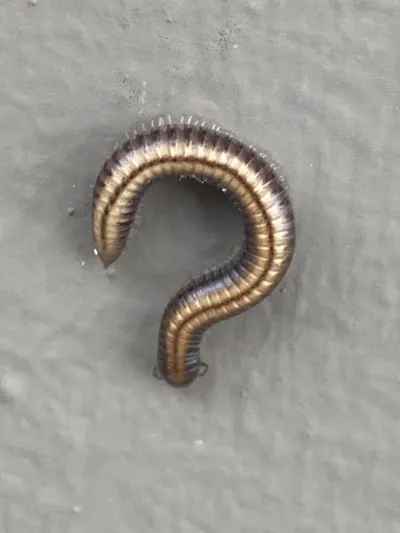
Where Smoky Oak Millipedes Are Found
Hover over states to see their names. Green regions indicate where smoky oak millipedes have been reported.
Common Questions about Smoky Oak Millipedes
Are smoky oak millipedes dangerous to people?
+
No, smoky oak millipedes are not dangerous. They do not bite or sting. When threatened, they may release a mild defensive fluid that can stain skin brown. Wash the area with soap and water if this happens. See a doctor if you have a strong reaction. This is not medical advice.
Why are smoky oak millipedes in my house?
+
Smoky oak millipedes enter homes when outdoor conditions become too wet or too dry. Heavy rain, flooding, or drought pushes them indoors through cracks in the foundation, gaps around doors, and basement windows. They are looking for moisture, not food or shelter.
Where do smoky oak millipedes live?
+
Smoky oak millipedes are native to the southeastern United States, mainly Florida and neighboring states. They live in forests and wooded areas where they feed on decaying leaves and wood. They prefer moist, shaded spots under logs, leaf litter, and mulch.
How big do smoky oak millipedes get?
+
Adult smoky oak millipedes typically reach 2.5 to 4.7 inches long and about half an inch wide. They are among the larger millipede species found in the southeastern United States.
Do smoky oak millipedes damage homes or belongings?
+
No, smoky oak millipedes do not damage homes, eat wood, chew fabric, or get into food. They only eat decaying plant material. The only nuisance is their presence indoors and the potential for their defensive secretions to stain light-colored surfaces if they are crushed.
How long do smoky oak millipedes live?
+
Smoky oak millipedes can live several years. Like other large millipedes, they develop slowly, taking 2 to 5 years to reach adulthood. Adults may survive 1 to 2 additional years. They cannot survive long indoors due to the lack of moisture and decaying organic matter.
What is the difference between a smoky oak millipede and a North American millipede?
+
Both belong to the same genus (Narceus), but they differ in color and range. Smoky oak millipedes are lighter with greenish-tan body rings and darker tan bands, while North American millipedes are darker with reddish-brown to black coloring. Smoky oak millipedes are found mainly in Florida, while North American millipedes range across most of the eastern United States.

With five years of hands-on experience in the pest control industry, George Schulz is a registered technician with the Virginia Pest Management Association and a proud third-generation professional in a family business that's been protecting homes for over 57 years. He manages and trains a team of service pros while also leading internal research efforts—recently spearheading a deep-dive review of thousands of documents on pest control materials to hand-pick the most kid and pet friendly, most effective solutions tailored specifically for homes in the DC metro area.