Oak Lace Bugs Identification Guide
Corythucha arcuata
Oak lace bugs are tiny sap-sucking insects with intricate lace-like wings that feed on oak tree foliage. They cause distinctive stippling damage to leaves and may enter homes seeking shelter in fall.
Taxonomy
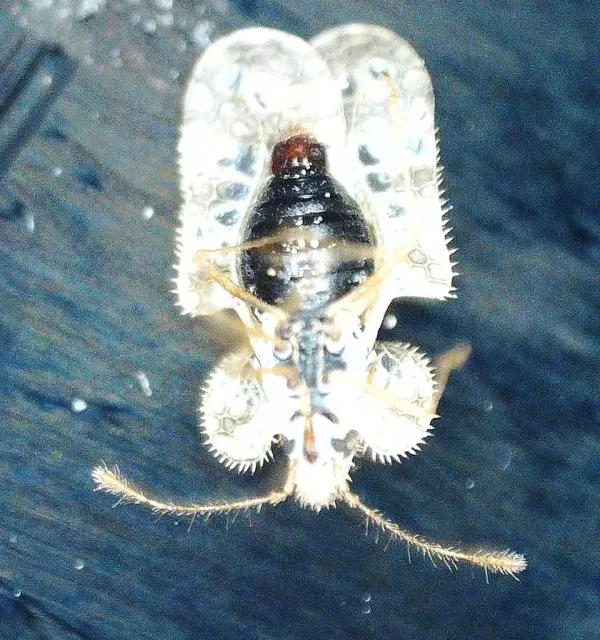
Oak Lace Bugs Coloration
Common color patterns to help identify oak lace bugs
Oak Lace Bugs
Seasonal Activity
When oak lace bugs are most active throughout the year
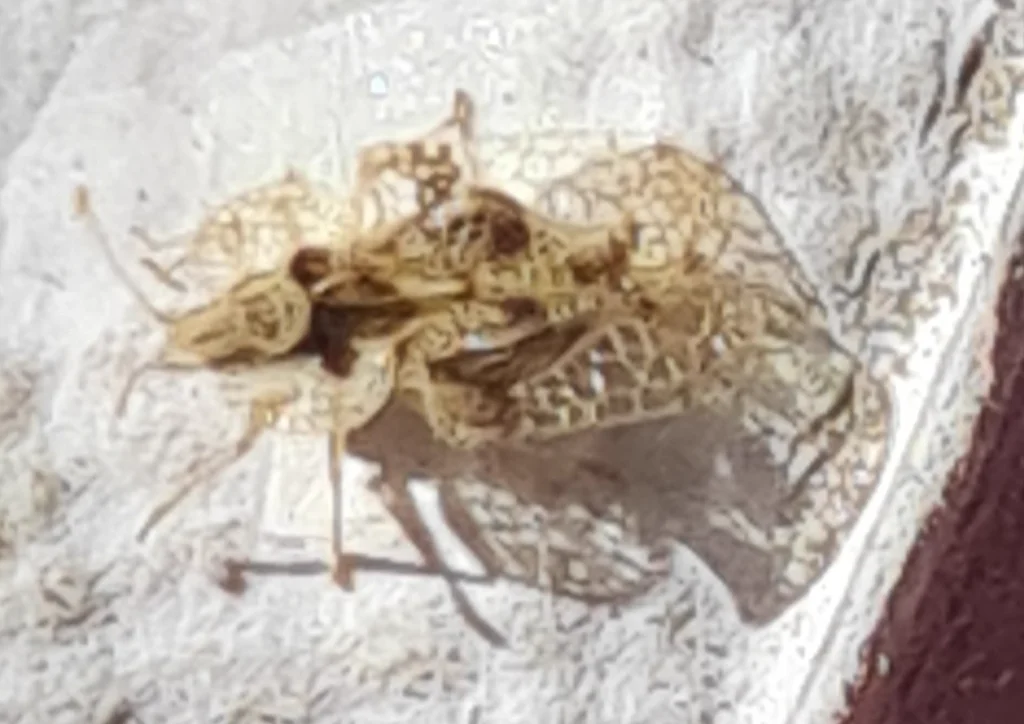
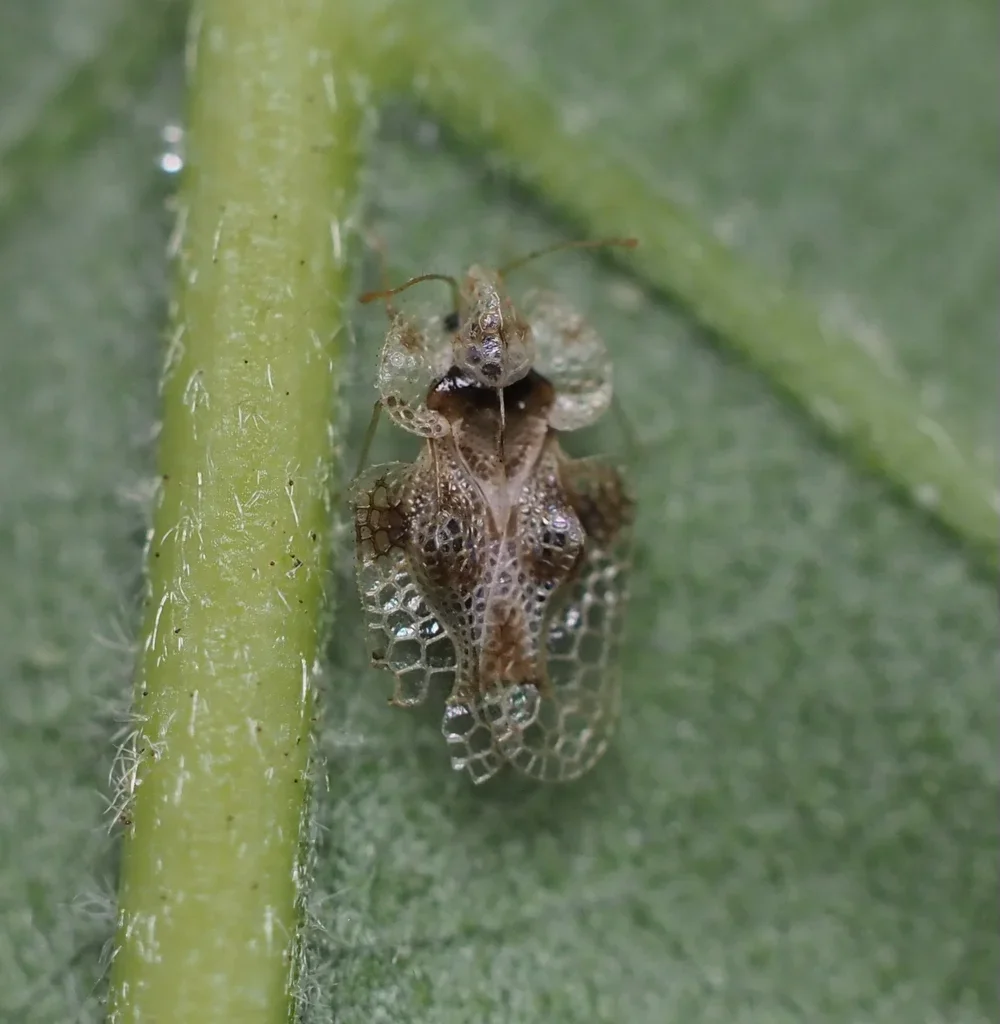
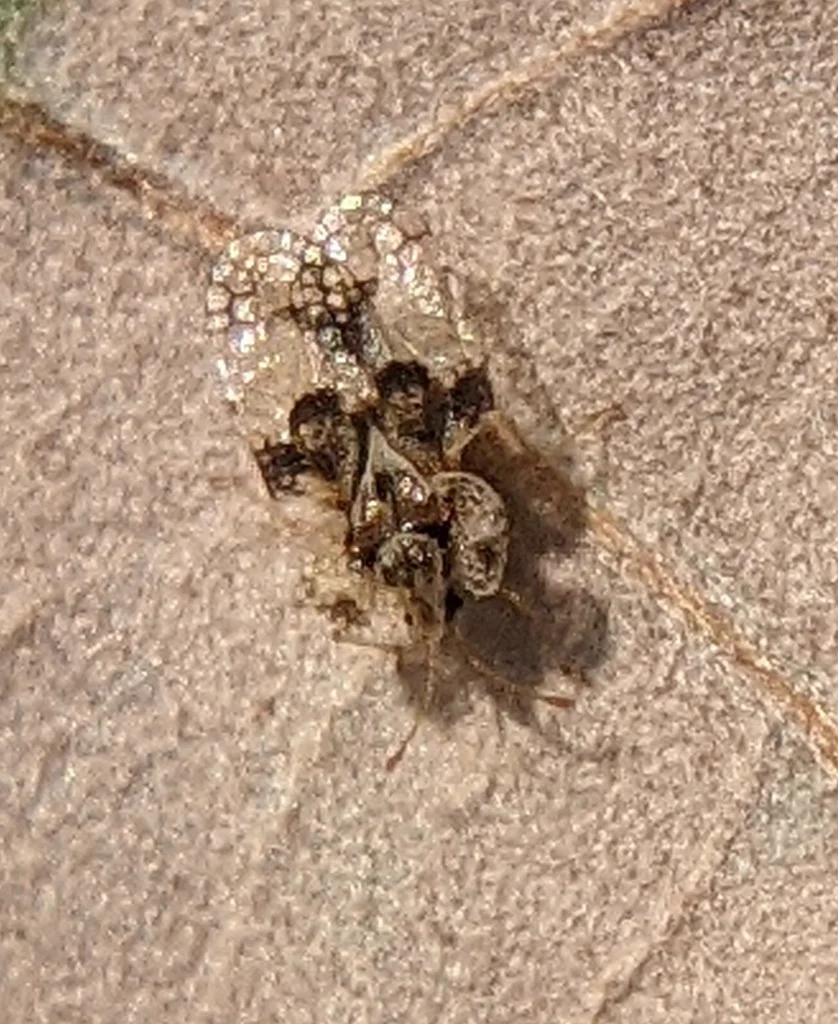

Where Oak Lace Bugs Are Found
Hover over states to see their names. Green regions indicate where oak lace bugs have been reported.
Oak Lace Bug Identification Guide
Physical Characteristics
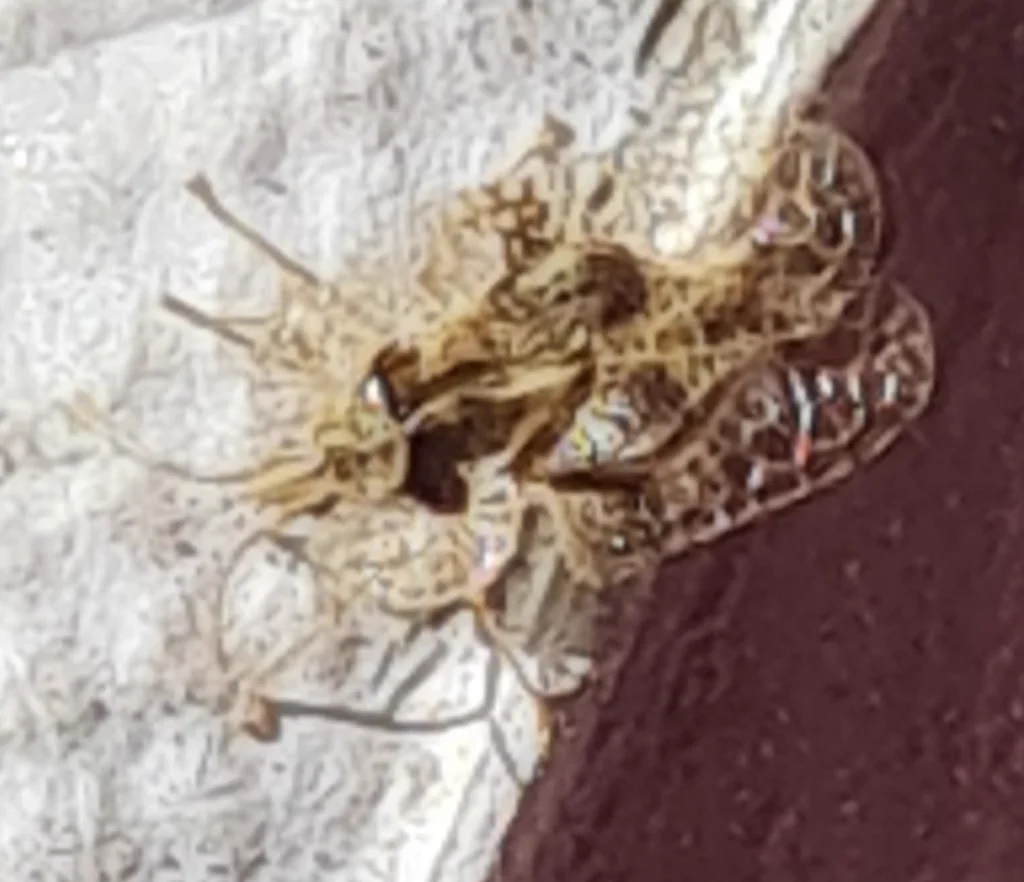
Oak lace bugs are small, flat insects about 3 to 4 millimeters long. Their wings have a lace-like pattern that looks like fine mesh or netting. A hood-like structure covers their head. From above, the wings show many tiny shapes that look like delicate lacework.
Adults are tan to light brown with darker brown spots on the wings. The body is broad and flat. This shape helps them hide in bark cracks and tight spaces. Small spines or hairs line the outer edges of the wings and body.
Nymphs look different from adults. They are mostly black with rows of spines on their bodies. Young nymphs have no wings and look dark and spiky. As they grow through five stages, they develop wing buds that get larger until they become adults.
Common Species
-
Oak Lace Bug (Corythucha arcuata): The main species in eastern North America. It lives from southern Canada through the eastern United States. Since 2000, it has spread to over 20 European countries.
-
Related Lace Bug Species: Other lace bugs attack different trees. Sycamore lace bugs feed on plane trees. Azalea lace bugs damage rhododendrons. Hawthorn lace bugs target hawthorn and related plants.
Oak Lace Bug Behavior and Biology
Oak lace bugs spend winter as adults in sheltered spots. They hide under loose bark on oak trees, in moss on trunks, in leaf litter, or in cracks on nearby buildings, making them one of several fall pests that may enter homes. In fall, you may see them on sunny walls as they look for shelter, similar to stink bugs and other overwintering pests.
In spring, adults come out when oak trees grow new leaves. They fly to the undersides of leaves to feed and lay eggs. Females lay eggs in groups along leaf veins and cover them with a sticky brown coating. One female may lay 250 to 350 eggs in her life.
Eggs hatch in one to two weeks based on temperature. Nymphs start feeding right away and go through five growth stages before becoming adults. The full life cycle from egg to adult takes about 30 to 45 days.
Three generations usually occur each year in the Mid-Atlantic states. In warmer southern areas, more generations may occur. Numbers grow through the season and peak in late summer. Then adults scatter to find winter shelter.
Both nymphs and adults feed by poking their mouthparts into leaf cells and sucking out the contents. This removes the green color and creates yellow or white spots on leaf surfaces. Heavy feeding turns leaves bronze or brown. Badly damaged leaves may drop early in late summer.
The insects leave black waste spots on leaf undersides. These tar-like marks, along with shed nymph skins, make lace bug problems easy to spot even without seeing the bugs.
Treatment Methods for Oak Lace Bugs
Treating oak lace bugs involves good tree care, early detection, and targeted treatments when needed. These insects mainly affect trees rather than homes. Control efforts focus on keeping trees healthy and stopping bugs from entering buildings in fall.
Cultural and Preventive Approaches
Keeping trees healthy is key to lace bug control. Healthy, well-watered oak trees handle feeding damage better than stressed trees. During dry spells, extra watering helps trees recover from lace bug injury. Avoid heavy fertilizing, since fast leaf growth can attract more lace bugs.
If oak lace bugs are getting into your home in fall, seal entry points. Caulk gaps around windows, doors, and pipes. Install door sweeps and fix damaged screens. These steps cut down on the bugs that get inside.
Monitoring and Detection
Regular checks let you catch problems before numbers explode. Starting in late spring, look at the undersides of oak leaves for adults, dark spiny nymphs, and black waste spots. Finding them early gives you the best chance to act.
Not every lace bug sighting needs treatment. Healthy mature oaks can handle moderate feeding without lasting harm. Before treating, think about tree health, how bad the problem is, and whether the damage is just ugly or truly hurting the tree.
Treatment Options
When control is needed, several methods can work well:
-
Horticultural oils and insecticidal soaps work well when sprayed on leaf undersides. These products work best on young nymphs and need full coverage of leaves.
-
Systemic insecticides applied as soil drenches or trunk injections give season-long protection for trees with ongoing problems. The product moves through the tree and affects lace bugs when they feed.
-
Contact insecticides can reduce numbers but need careful spraying to reach bugs on leaf undersides. Treating when nymphs are young works best.
-
Biological control through predatory insects, spiders, and parasitic wasps can also cut lace bug numbers outdoors. These same natural enemies help control other sap-feeding pests like aphids and whiteflies.
References
Other Lace Bugs
Explore other species in the lace bugs family
Commonly Confused With
Oak Lace Bugs are often mistaken for these similar pests
Where Oak Lace Bugs Are Found
Hover over states to see their names. Green regions indicate where oak lace bugs have been reported.
Common Questions about Oak Lace Bugs
What do oak lace bugs eat?
+
Oak lace bugs feed on the sap of oak trees, though they can also attack other hardwoods including chestnut, beech, maple, and hornbeam. Both adults and nymphs pierce leaf cells from the underside and suck out the contents, causing characteristic stippling damage.
Are oak lace bugs harmful to humans?
+
No, oak lace bugs do not bite, sting, or transmit diseases to humans. They are strictly plant feeders and pose no direct health risk to people or pets. They are primarily a nuisance when they enter homes seeking overwintering shelter.
Why are oak lace bugs on my house?
+
In fall, adult oak lace bugs leave their host trees to find protected overwintering sites. They gather on sunny exterior walls and may enter homes through gaps around windows and doors. They often hide under bark, in moss on trees, or in leaf litter.
Will oak lace bugs damage my oak trees?
+
Heavy infestations cause leaves to develop yellow stippling that can progress to bronze or brown discoloration. Severely damaged leaves may drop prematurely. While healthy mature oaks usually tolerate this damage, repeated severe infestations can stress trees and make them more vulnerable to other problems.
How can I tell if my oak tree has lace bugs?
+
Look for yellow or white stippling on the upper leaf surface. Check the undersides of leaves for small tan adults with lacy wings, dark spiny nymphs, and black tar-like fecal spots. Damage is often most noticeable in late summer when populations peak.
When are oak lace bugs most active?
+
Oak lace bugs are most active from late spring through early fall. In the Mid-Atlantic region, there are typically three generations per year. Populations build through the summer, with the heaviest infestations occurring in August and September.
Do oak lace bugs spread to other trees?
+
While oak trees are their primary host, oak lace bugs can feed on other hardwood species including chestnuts, maples, beeches, hornbeams, hazels, and elms. They may move between different host species in landscapes with mixed tree plantings.

With five years of hands-on experience in the pest control industry, George Schulz is a registered technician with the Virginia Pest Management Association and a proud third-generation professional in a family business that's been protecting homes for over 57 years. He manages and trains a team of service pros while also leading internal research efforts—recently spearheading a deep-dive review of thousands of documents on pest control materials to hand-pick the most kid and pet friendly, most effective solutions tailored specifically for homes in the DC metro area.