Gray Bird Grasshopper Identification Guide
Schistocerca nitens
The gray bird grasshopper is a large, strong-flying grasshopper found across the southwestern United States and Mexico. Known for its grizzled gray-brown coloration and ability to travel long distances, it can cause significant crop and garden damage during outbreak years.
Taxonomy
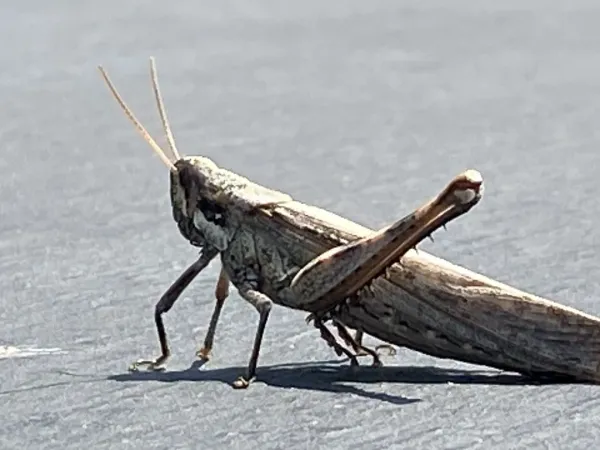
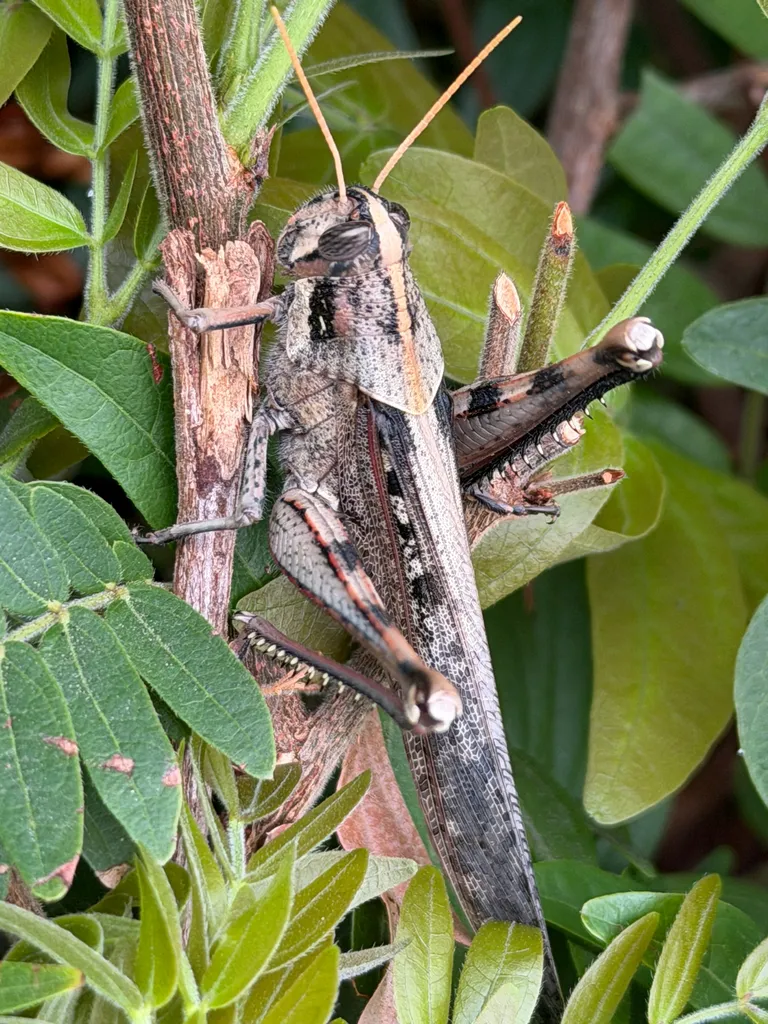
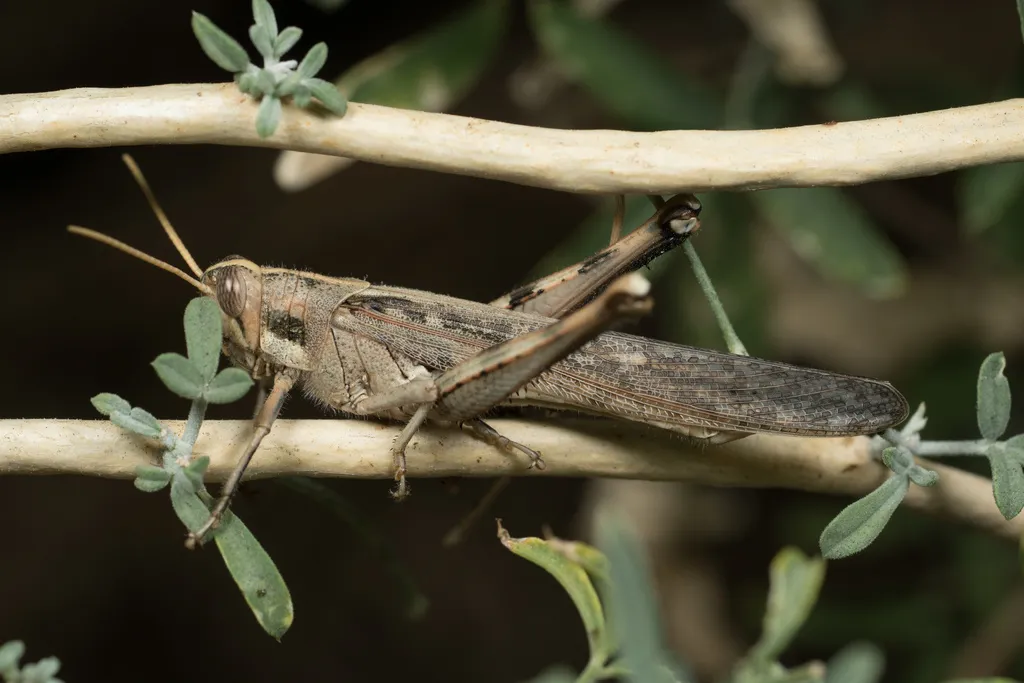
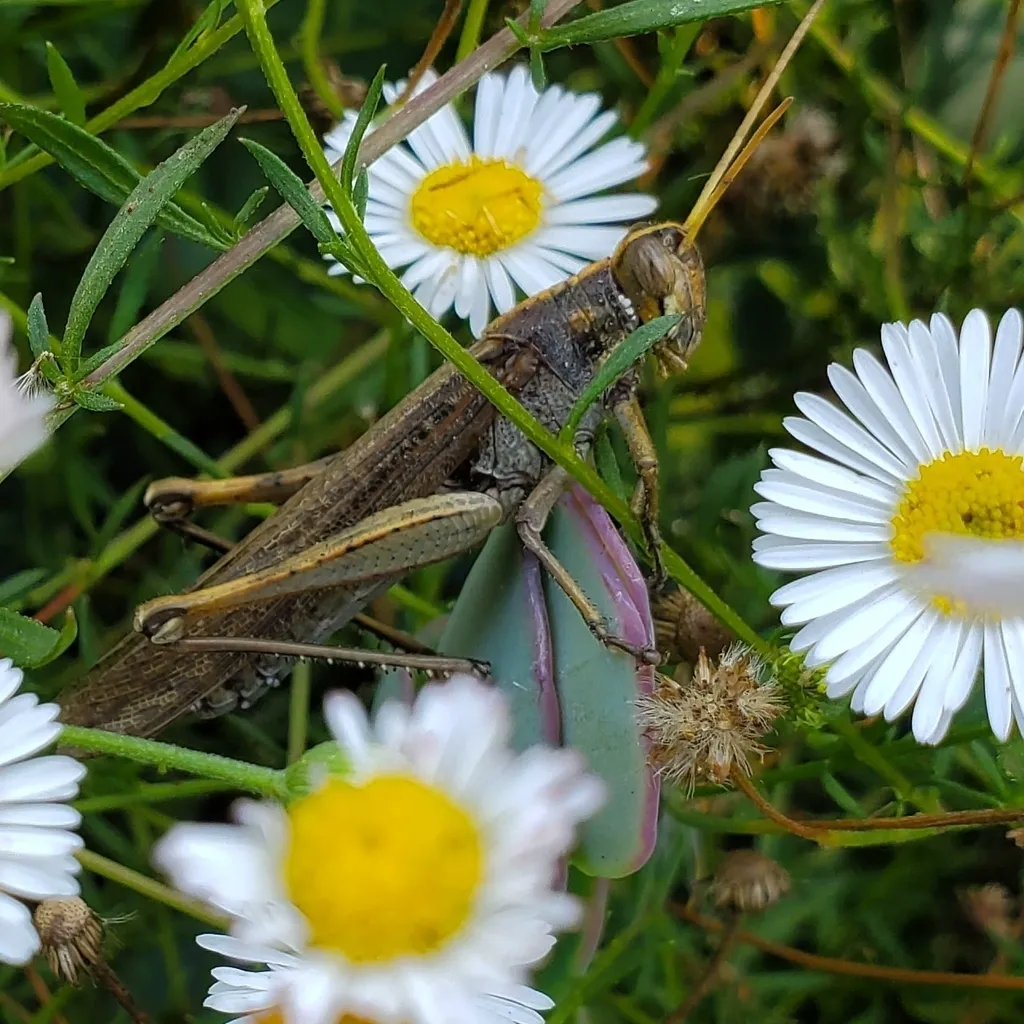
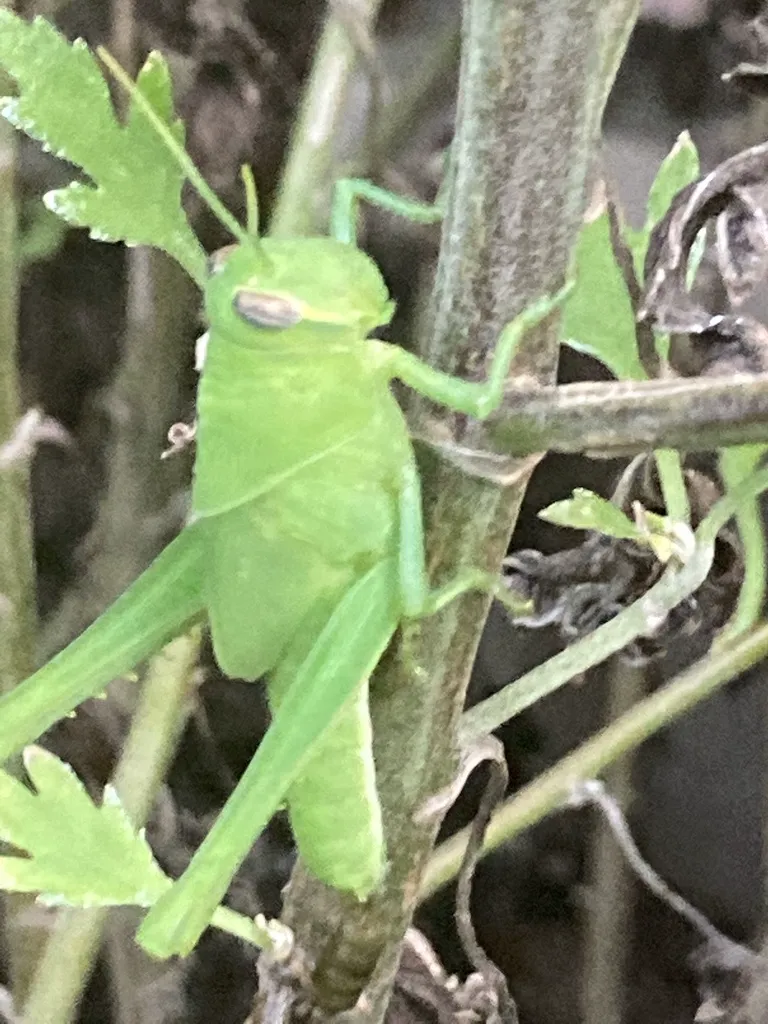
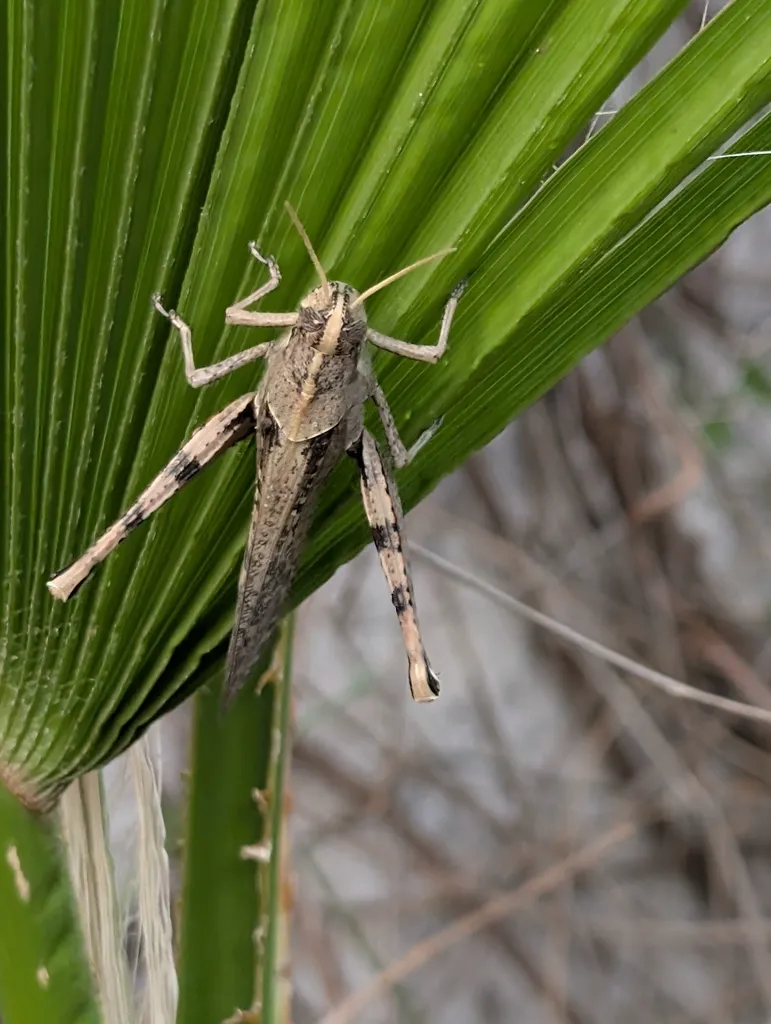
Gray Bird Grasshopper Coloration
Common color patterns to help identify gray bird grasshopper
Gray Bird Grasshopper
Seasonal Activity
When gray bird grasshopper are most active throughout the year

Where Gray Bird Grasshopper Are Found
Hover over states to see their names. Green regions indicate where gray bird grasshopper have been reported.
Gray Bird Grasshopper Identification Guide
Physical Characteristics
Gray bird grasshoppers are one of the largest grasshoppers in North America. Adults measure 40 to 70 mm long. Females are bigger than males. Their size makes them easy to spot in yards and fields.
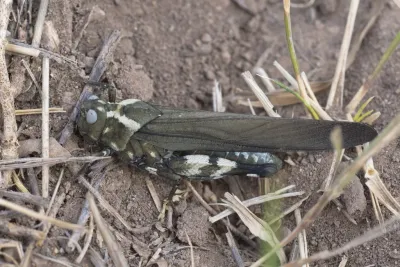
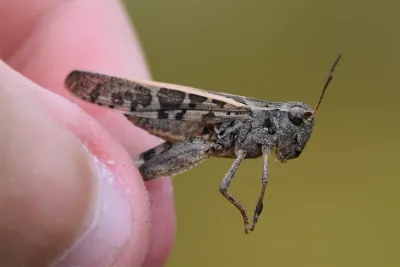
The body color is gray to gray-brown with darker spots along the head, back, and wings. A pale stripe runs along the lower edge of the plate behind the head (the pronotum). This pale stripe is one of the best ways to tell this species apart from others. The hind legs are large and built for jumping. They show dark bars across the upper leg.
Adults have long wings that reach past the end of the body. These wings let gray bird grasshoppers fly well. This is the trait that gives them the name “bird grasshopper.” In flight, the back wings may look faintly yellow or clear.
Young nymphs look very different from adults. They are often bright green, which helps them blend in with the plants they feed on. As they grow through five to six molts, they slowly turn the gray-brown color of adults. Wing buds show up in the later stages and are not fully grown until the last molt.
Similar Species
Gray bird grasshoppers look like a few related species:
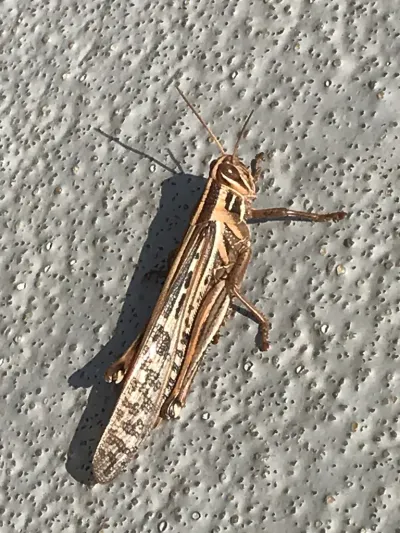
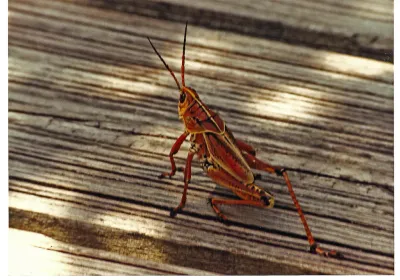
- American Grasshopper (Schistocerca americana): Has warmer orange-brown and tan tones with a pale yellow stripe on the forewing. Found mostly in the Southeast, not the Southwest.
- Carolina Grasshopper (Dissosteira carolina): Also gray or tan, but a different genus. Carolina grasshoppers have black back wings with a pale border you can see during flight. Gray bird grasshoppers have clear or faintly yellow back wings.
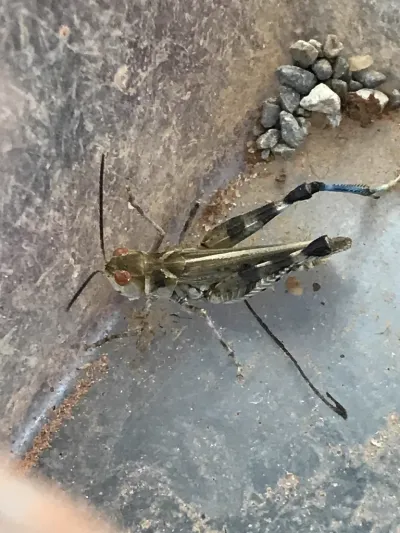
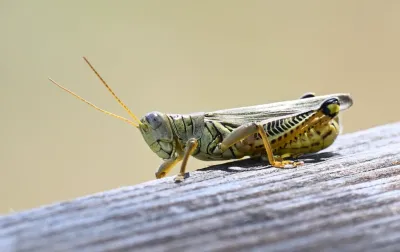
- Differential Grasshopper (Melanoplus differentialis): Has bold black chevron marks on bright yellow hind legs. Gray bird grasshoppers do not have these marks.
You can tell gray bird grasshoppers apart by their large size, gray color, pale stripe on the pronotum, and banded hind legs.
Gray Bird Grasshopper Behavior and Biology
Life Cycle
Gray bird grasshoppers go through three life stages: egg, nymph, and adult. Females lay clusters of eggs in the top few inches of soil. The eggs are wrapped in a foamy coating that hardens into a pod. Each female can make several egg pods, with each pod holding dozens of eggs.
In the warmer parts of their range, hatching can happen year-round. In cooler areas, eggs stay in the soil through winter and hatch in spring when the ground warms up. Nymphs go through five to six growth stages over several weeks. Warm weather speeds up growth. Cool weather slows it down.
Adults live for several months after they reach full size. They spend this time eating, mating, and laying eggs. In the warmest areas, like southern California and Mexico, several generations may overlap during the year.
Feeding Habits
Gray bird grasshoppers eat many types of plants. Their diet includes grasses, weeds, garden vegetables, shrubs, and tree leaves. In farm areas, they feed on citrus, corn, cotton, and other crops.
Feeding damage shows up as ragged holes and notched edges on leaves. When numbers are high, many grasshoppers feeding together can strip plants of most of their leaves. Nymphs that group together do the most harm in a small area. Adults spread their feeding across a wider range.
These grasshoppers eat the most on warm, sunny days. They sit in the morning sun to warm up before they start feeding. On cool or cloudy days, they eat less.
Habitat and Movement
Gray bird grasshoppers live in open areas with plenty of plants. You can find them in grasslands, desert scrub, farm fields, roadsides, orchards, and yards across the Southwest and Mexico. They often show up where dry land meets green plants.
Their strong flying sets them apart from many other grasshoppers. Adults can fly long distances to find food and mates. They are sometimes drawn to lights at night. They can move into new areas fast, which makes them harder to control.
Gray bird grasshoppers do not form the huge swarms that true locusts are known for. But they can have population booms when conditions are right. Warm, wet springs followed by dry weather help their numbers grow fast. One major outbreak hit the Hawaiian island of Nihoa in the early 2000s, where these grasshoppers nearly stripped the small island bare, according to U.S. Forest Service reports.
Treatment Methods for Gray Bird Grasshoppers
Treating gray bird grasshoppers works best when you catch them early. Since adults fly well, treating larger areas is more useful than just treating one garden bed.
Habitat Changes and Barriers
Cutting back weedy areas is a good first step. Mow tall grass along fence lines, property edges, and roadsides where females like to lay eggs. Tilling these spots in late fall or early spring can break up egg pods before they hatch.
For small gardens, row covers and fine mesh netting block grasshoppers during peak season. Trap strips also help. Leave a border of green plants along the garden edge to draw grasshoppers to one spot. This makes them easier to treat in that area.
Bait and Biological Treatments
Nosema locustae is a parasite sold as treated bran bait. Grasshoppers that eat the bait get sick. Over time, they eat less and lay fewer eggs. The disease can spread from sick grasshoppers to healthy ones. This works best on young nymphs and takes a few weeks to lower numbers. It is not a quick fix for big outbreaks.
Birds like roadrunners, mockingbirds, and crows eat grasshoppers. Ground beetles and parasitic wasps also feed on them at different life stages.
Chemical Treatments
When numbers get too high, insecticide treatments can help. Carbaryl bran baits attract and kill grasshoppers. Apply these along field edges and spots where grasshoppers gather, not across the whole yard.
Spray products with pyrethroids kill grasshoppers on contact. They work best on smaller nymphs. Adults are tougher and can fly back in from areas that were not treated. The best time to spray is early in the season when nymphs are small and cannot fly yet.
The University of California recommends using perimeter baits along with garden barriers as a practical plan for homeowners.
Prevention Tips
- Check your yard in spring for small nymphs near weedy or grassy borders
- Finding them early gives you the best shot at keeping numbers low
- Keep plants healthy and well-watered so they can bounce back from some leaf loss
- Clear tall weeds and old grass from property edges to remove egg-laying spots
References
Other Grasshoppers
Explore other species in the grasshoppers family
Commonly Confused With
Gray Bird Grasshopper are often mistaken for these similar pests
Where Gray Bird Grasshopper Are Found
Hover over states to see their names. Green regions indicate where gray bird grasshopper have been reported.
Common Questions about Gray Bird Grasshopper
How do I identify a gray bird grasshopper?
+
Gray bird grasshoppers are large, measuring 40 to 70 mm long. Adults have a grizzled gray to gray-brown body with mottled markings, a pale lower margin on the side of the pronotum, and dark bars across the hind legs. Their wings extend past the abdomen and they are strong fliers.
Where are gray bird grasshoppers found?
+
Gray bird grasshoppers are mainly found in the southwestern United States, including California, Arizona, New Mexico, Texas, and parts of Nevada, Oklahoma, Utah, and Colorado. They also live throughout northern and central Mexico. An introduced population exists in Hawaii.
Do gray bird grasshoppers cause damage to gardens?
+
Yes, gray bird grasshoppers feed on a wide range of plants including vegetables, ornamentals, grasses, and crops. During outbreaks their numbers can grow large enough to strip plants of their leaves. A single grasshopper eats about half its body weight in plant material each day.
Can gray bird grasshoppers fly?
+
Yes, gray bird grasshoppers are strong fliers and can travel considerable distances. Their flight ability is one reason they are called bird grasshoppers. Adults can quickly move into new areas, making them harder to control once they reach maturity.
When are gray bird grasshoppers most active?
+
In the warmest parts of their range, gray bird grasshoppers can be active year-round. In cooler areas, adults appear from late spring through fall with peak activity from June through September. They are most active on warm, sunny days.
Are gray bird grasshoppers the same as locusts?
+
Gray bird grasshoppers are not true locusts, though they belong to the same genus (Schistocerca) as the desert locust. They do not form the massive migratory swarms that locusts are known for. However, they can have local population outbreaks that cause significant plant damage in concentrated areas.
What is the difference between gray bird grasshoppers and American grasshoppers?
+
Gray bird grasshoppers are generally gray-brown in color and found in the Southwest, while American grasshoppers tend to have warmer tan, brown, and yellowish tones and are found in the Southeast. American grasshoppers also have more distinct striping and pale yellow hindwings.

With five years of hands-on experience in the pest control industry, George Schulz is a registered technician with the Virginia Pest Management Association and a proud third-generation professional in a family business that's been protecting homes for over 57 years. He manages and trains a team of service pros while also leading internal research efforts—recently spearheading a deep-dive review of thousands of documents on pest control materials to hand-pick the most kid and pet friendly, most effective solutions tailored specifically for homes in the DC metro area.