Whiteflies Identification Guide
Aleyrodidae
Whiteflies are tiny, white-winged insects that feed on plant sap, causing yellowing leaves and secreting honeydew that promotes sooty mold growth.
Taxonomy
Whiteflies Coloration
Common color patterns to help identify whiteflies
Whiteflies
Seasonal Activity
When whiteflies are most active throughout the year

Where Whiteflies Are Found
Hover over states to see their names. Green regions indicate where whiteflies have been reported.
Whitefly Identification Guide
Physical Characteristics
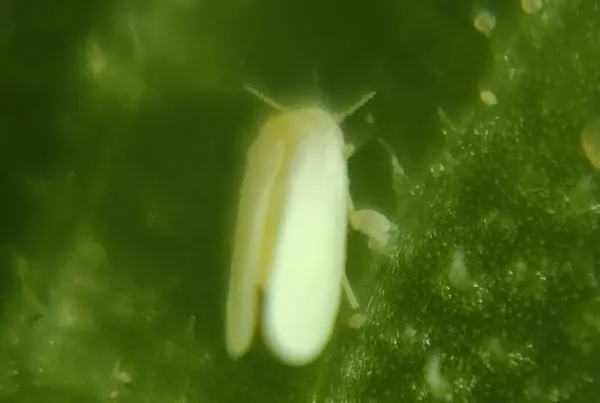
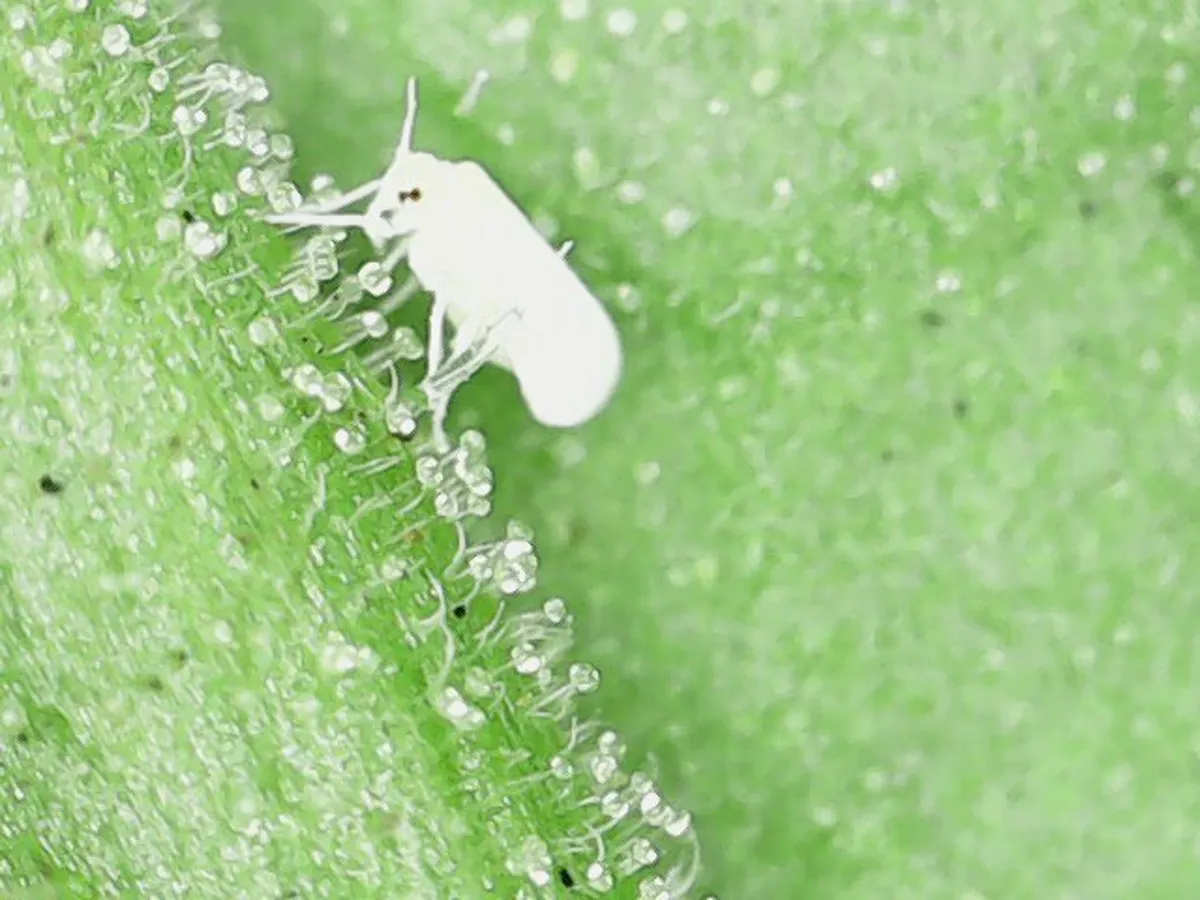
Whiteflies are tiny insects that suck sap from plants. They belong to the family Aleyrodidae. Despite their name, they are not true flies. They are more closely related to aphids, mealybugs, and scale insects. While whiteflies produce sticky honeydew when they feed, lace bugs cause similar stippling damage to leaves but leave dark fecal spots instead of honeydew. Adult whiteflies measure between 1 and 3 millimeters long. They have a white, waxy coating and powdery wings.
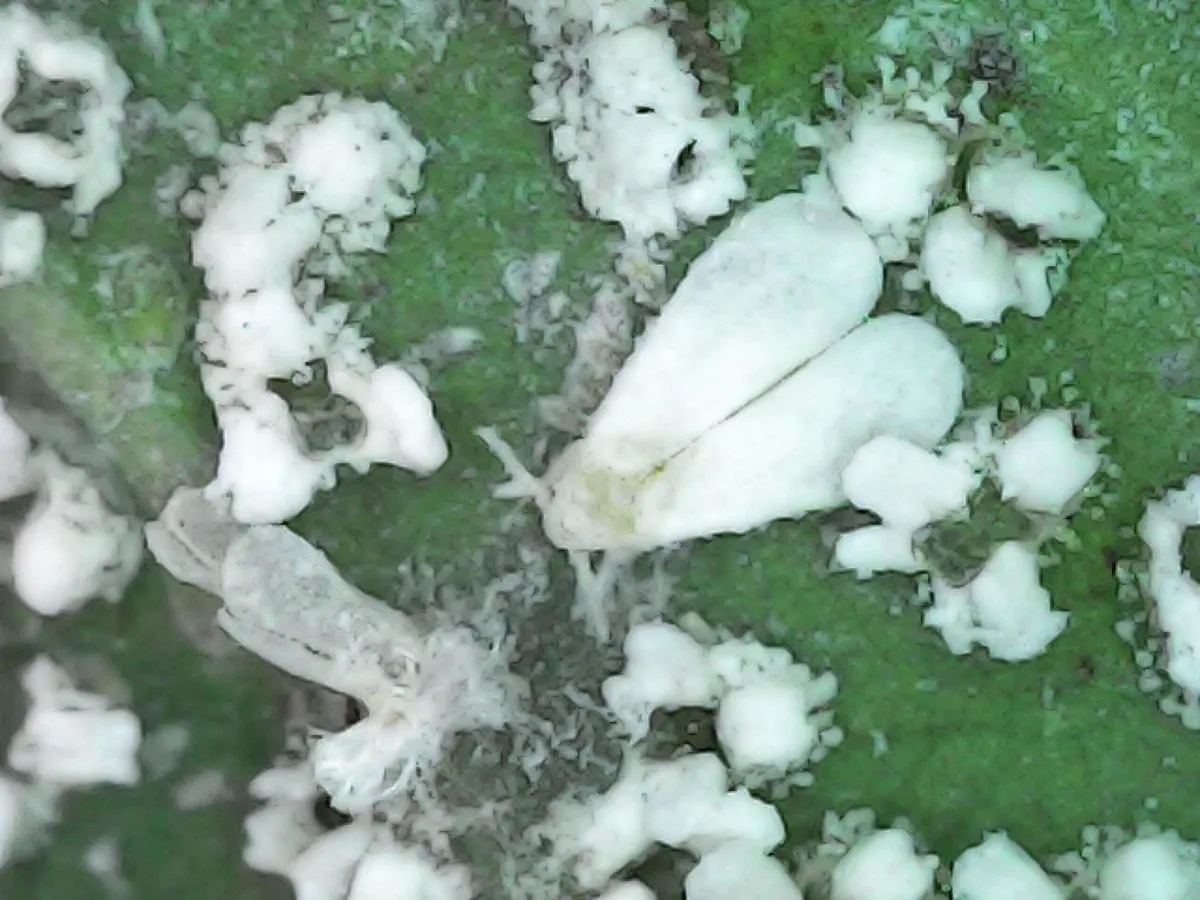
When at rest, whiteflies hold their wings flat over their bodies like a roof. Their triangle-shaped bodies and four wings are covered with a powdery, waxy substance. This gives them their white color. When you disturb them, whiteflies flutter around in a cloud. They look like tiny flakes of snow dancing in the air.
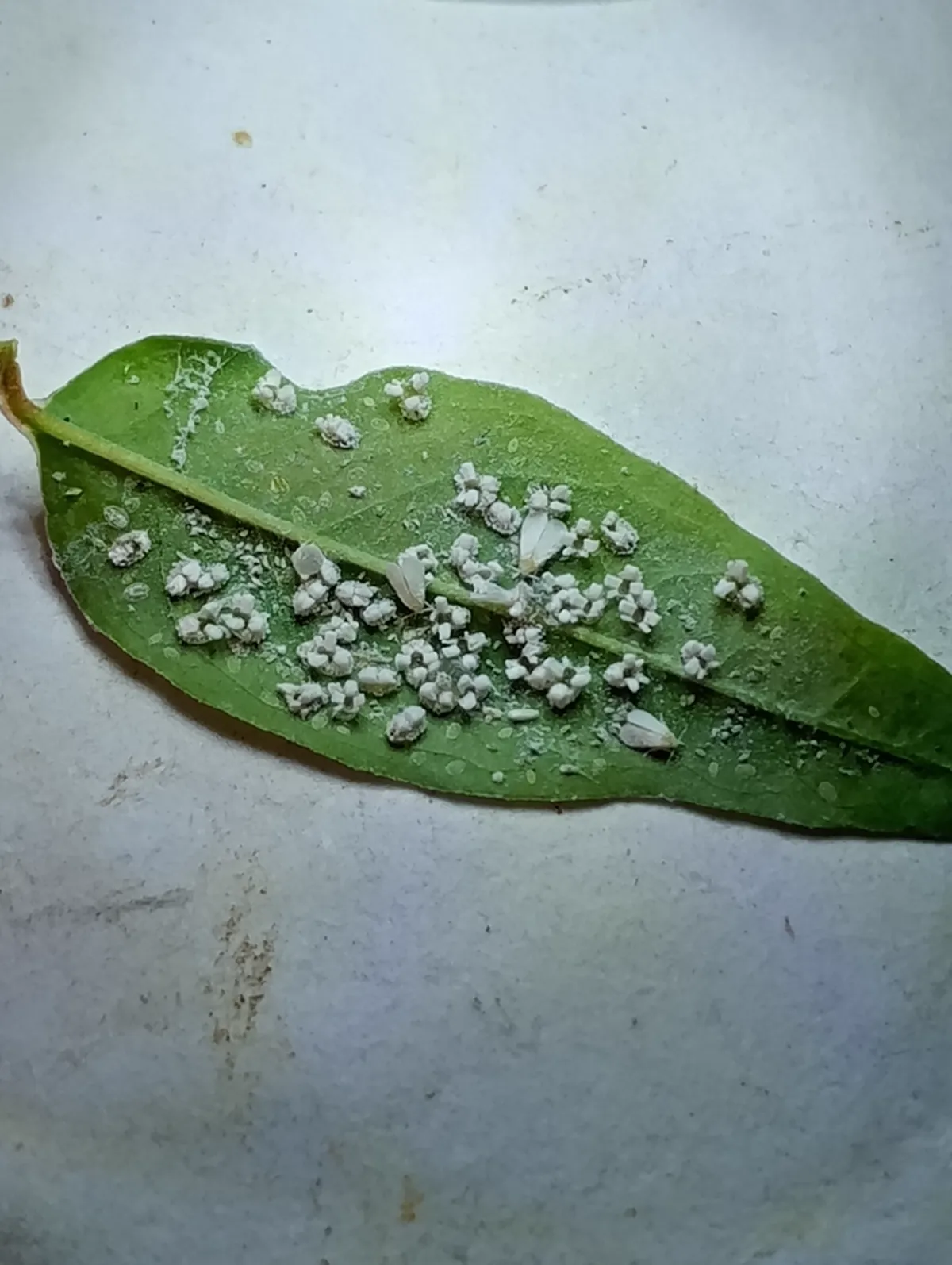
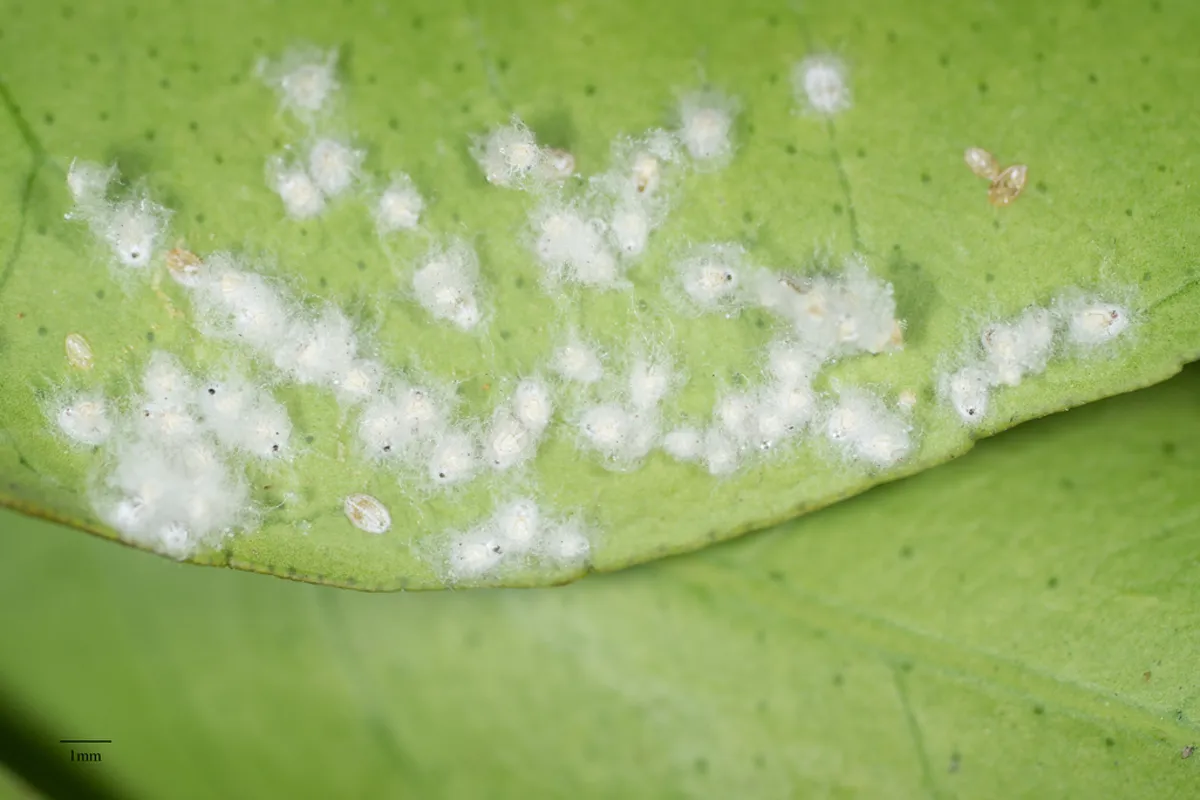
Young whiteflies look quite different from adults. Eggs are tiny, pointed, and oval-shaped. Females usually lay them in circular patterns on the undersides of leaves. Nymphs are flat, oval, and scale-like. They stay in one spot on leaf surfaces as they feed. Older nymphs develop a white, waxy coating that makes them easier to spot.
Common Species in North America
Several whitefly species are found across North America:
-
Greenhouse Whitefly (Trialeurodes vaporariorum): From North America but now found worldwide. The most common whitefly on indoor plants.
-
Silverleaf Whitefly (Bemisia tabaci): Also called the sweetpotato whitefly. Causes billions in crop damage each year.
-
Giant Whitefly (Aleurodicus dugesii): A bigger species with long waxy threads. Found in warm areas on yard plants.
-
Bandedwinged Whitefly (Trialeurodes abutiloneus): Common on vegetables. Has gray bands on its wings.
Whitefly Behavior and Biology
Whiteflies are mostly outdoor pests. They do best in warm, humid weather. They feed by poking their mouthparts into plants and sucking out sap. This takes nutrients and water from plants. Leaves turn yellow, curl, and may drop off.
Lifecycle and Reproduction
The whitefly lifecycle has four stages: egg, nymph, pupa, and adult. Female whiteflies can lay 200 to 400 eggs in their lifetime. They place them on the undersides of leaves. The eggs hatch within 5 to 10 days into tiny “crawlers” that quickly settle down to feed.
Once settled, nymphs go through three more growth stages before becoming adults. In good conditions (around 75 to 80 degrees Fahrenheit), the full lifecycle takes only 2 to 4 weeks. This fast breeding rate lets populations grow quickly. Greenhouse settings can support up to 15 generations per year.
Feeding Habits and Damage
As whiteflies feed, they release a sugary substance called honeydew. This sticky material coats leaves and stems. It creates a perfect place for black sooty mold to grow. Sooty mold does not attack plants directly. But it can cover leaf surfaces and block sunlight, which stresses the plant. This honeydew problem is shared by many other garden pests including thrips, spotted lanternflies, and psyllids.
Whiteflies also spread plant viruses. The silverleaf whitefly alone can pass on over 100 different plant viruses. This makes early detection and control very important for gardens and crops.
Treatment Methods for Whiteflies
Good whitefly control usually needs several methods working together. This includes prevention, biological controls, and insecticide treatments when needed.
Cultural Control Methods
-
Check New Plants: Always look over new plants before bringing them inside or planting them. Keep any suspect plants separate for a few weeks to watch for whitefly activity.
-
Yellow Sticky Traps: These traps help track adult whitefly numbers and can catch many of them. Place traps just above the plant tops for best results.
-
Water Sprays: A strong spray of water can knock whiteflies and their nymphs off plant leaves. This works best for small problems on sturdy plants.
-
Remove Badly Infested Plants: Cutting off and throwing away heavily infested leaves or plants can stop whiteflies from spreading to healthy ones.
Biological Control Options
Several organisms prey on whiteflies, especially in greenhouse settings:
-
Parasitic Wasps: Tiny wasps like Encarsia formosa and Eretmocerus eremicus lay their eggs inside whitefly nymphs. The wasp larvae kill the nymphs as they grow.
-
Predators: Ladybugs, lacewings, and minute pirate bugs eat whitefly eggs and nymphs.
-
Fungi: Certain fungi like Beauveria bassiana infect and kill whiteflies on contact.
Insecticide Options
When other methods are not enough, insecticide treatments may be needed. Products with insecticidal soaps, horticultural oils, or neem oil can work well. For bad infestations, systemic insecticides may be used. These should be applied carefully to prevent resistance.
Good timing matters for insecticide treatments. Spray the undersides of leaves where whiteflies gather. Repeat as needed to address multiple generations. Switching between different product types helps prevent resistant populations from forming.
References
Other Garden Pests
Explore other species in the garden pests family
Commonly Confused With
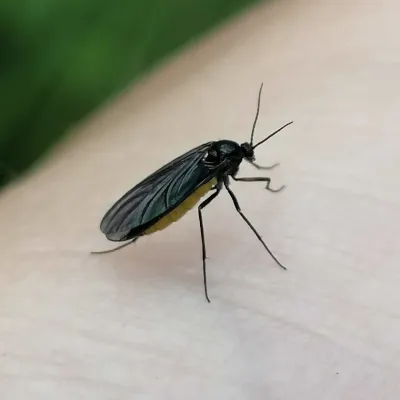
Whiteflies are often mistaken for these similar pests
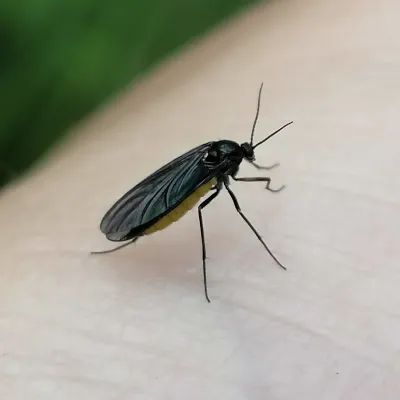
Where Whiteflies Are Found
Hover over states to see their names. Green regions indicate where whiteflies have been reported.
Common Questions about Whiteflies
What do whiteflies look like?
+
Adult whiteflies are tiny insects, about 1 to 3mm long. They have white, powdery wings that they hold flat over their bodies. When disturbed, they fly around like tiny flakes of snow. Young whiteflies (nymphs) are flat and oval with a waxy white coating.
Are whiteflies harmful to plants?
+
Yes, whiteflies can cause real damage to plants. They suck plant sap, which makes plants weak. Leaves turn yellow, wilt, and drop. Whiteflies also leave behind sticky honeydew that grows black sooty mold.
Why are there whiteflies in my house?
+
Whiteflies often come inside on houseplants you bring home. They can also fly in through open windows in warm weather. They do well on indoor plants near windows with good light.
How do I know if my plants have whiteflies?
+
Check the bottom of leaves for tiny white bugs that fly up when you touch the plant. Look for yellow leaves, sticky spots, and black mold. You may also see small, flat nymphs stuck to the leaf bottoms.
Can whiteflies spread plant diseases?
+
Yes, whiteflies spread many plant viruses. They pick up viruses while feeding on sick plants. Then they pass the viruses to healthy plants. This makes quick control very important.
How long do whiteflies live?
+
Whiteflies go from egg to adult in about 2 to 4 weeks. Adults live for 1 to 2 months. In warm weather, they can have many generations each year.
What plants attract whiteflies?
+
Whiteflies attack many plants. They like tomatoes, peppers, squash, cucumbers, eggplant, hibiscus, and poinsettias. They prefer plants with soft, tender leaves.

With five years of hands-on experience in the pest control industry, George Schulz is a registered technician with the Virginia Pest Management Association and a proud third-generation professional in a family business that's been protecting homes for over 57 years. He manages and trains a team of service pros while also leading internal research efforts—recently spearheading a deep-dive review of thousands of documents on pest control materials to hand-pick the most kid and pet friendly, most effective solutions tailored specifically for homes in the DC metro area.