Thrips Identification Guide
Thysanoptera
Thrips are tiny, slender insects with fringed wings that damage plants by piercing cells and sucking out their contents, causing silvery discoloration and distorted growth.
Taxonomy
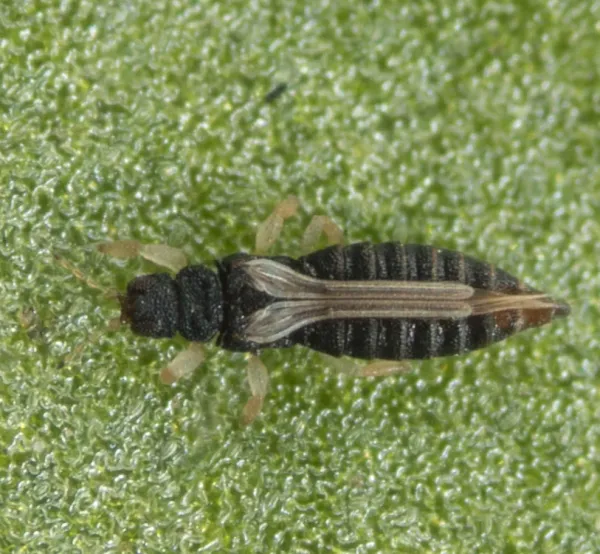
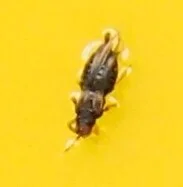
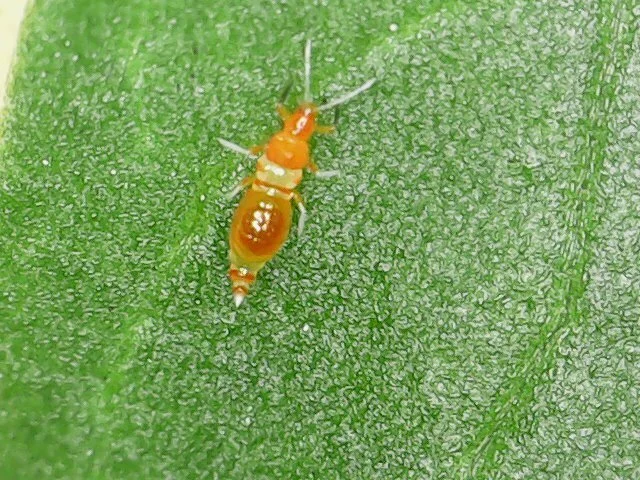
Thrips Coloration
Common color patterns to help identify thrips
Thrips
Seasonal Activity
When thrips are most active throughout the year

Where Thrips Are Found
Hover over states to see their names. Green regions indicate where thrips have been reported.
Thrips Identification Guide
Physical Characteristics
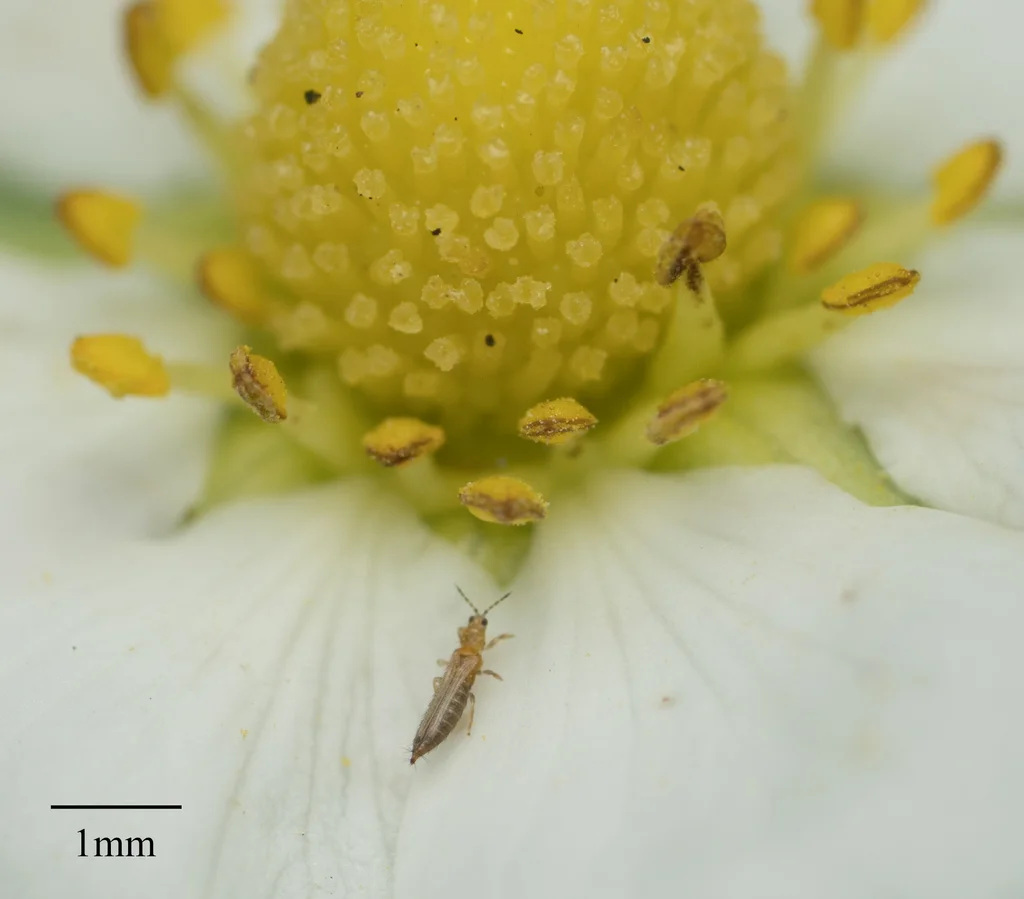
Thrips are some of the smallest insects you will find in homes and gardens. Adults measure between 0.5 and 3 millimeters long, about as thick as a sewing needle. Their bodies are long and thin, shaped like tiny cigars when seen up close. As one of the most widespread garden pests, thrips often appear alongside aphids and whiteflies on stressed plants.
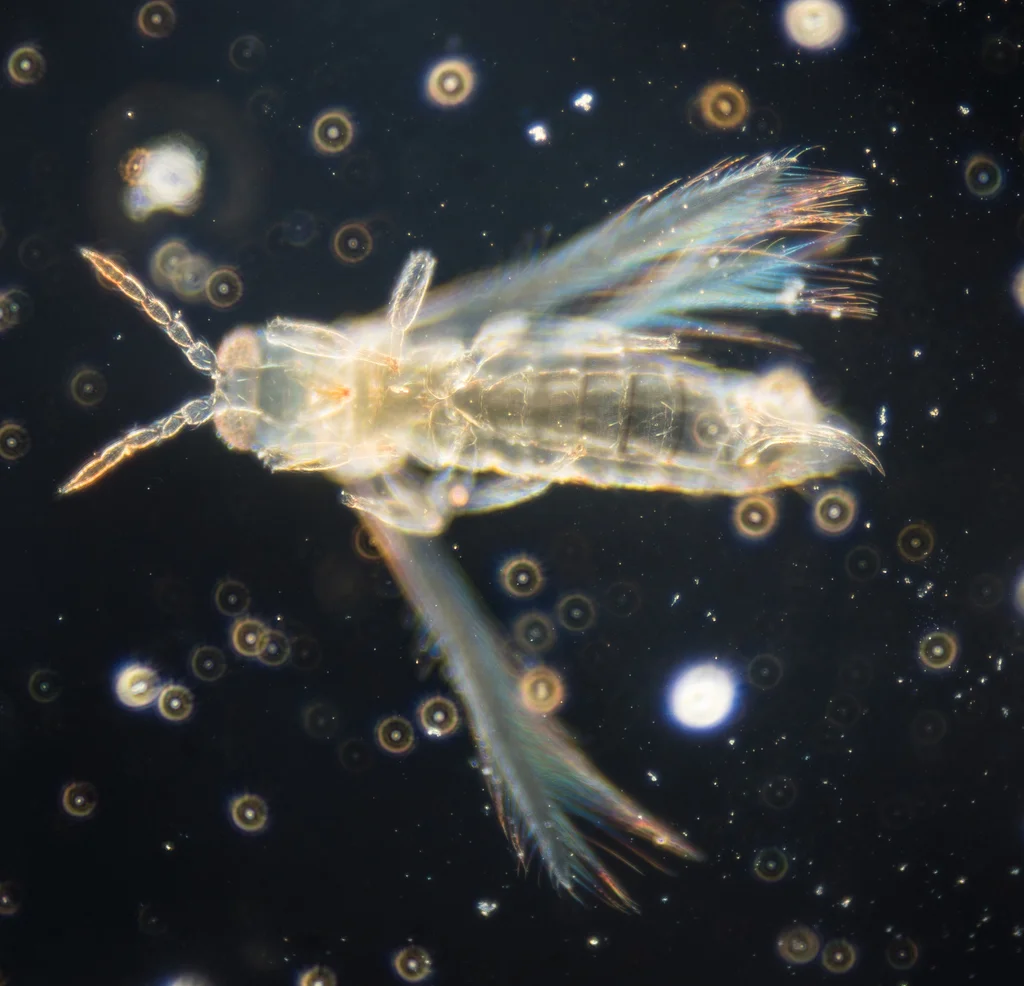
The most unique feature of thrips is their fringed wings. Most insects have solid wings, but thrips have narrow wings with long hair-like fringes along the edges. This is where their scientific name comes from: Thysanoptera means “fringed wings” in Greek. Even with wings, thrips are poor fliers. They often drift on wind currents rather than flying on their own.
Thrips color varies based on species and life stage. Adults may look pale yellow, golden, tan, brown, or black. Young thrips are often lighter colored, usually yellow or pale orange. When you check your plants, you might see both adults and young feeding together.
Common Species in North America
Several thrips species are common in homes and gardens across North America:
-
Western Flower Thrips (Frankliniella occidentalis): The most common pest species. It attacks flowers, vegetables, and ornamental plants across the continent.
-
Onion Thrips (Thrips tabaci): Found worldwide on onions, garlic, and many other plants.
-
Chilli Thrips (Scirtothrips dorsalis): A fast-spreading invasive species that attacks peppers, roses, and many ornamental plants.
-
Greenhouse Thrips (Heliothrips haemorrhoidalis): Common on houseplants and in greenhouses. Prefers shady, humid areas.
Thrips Behavior and Biology
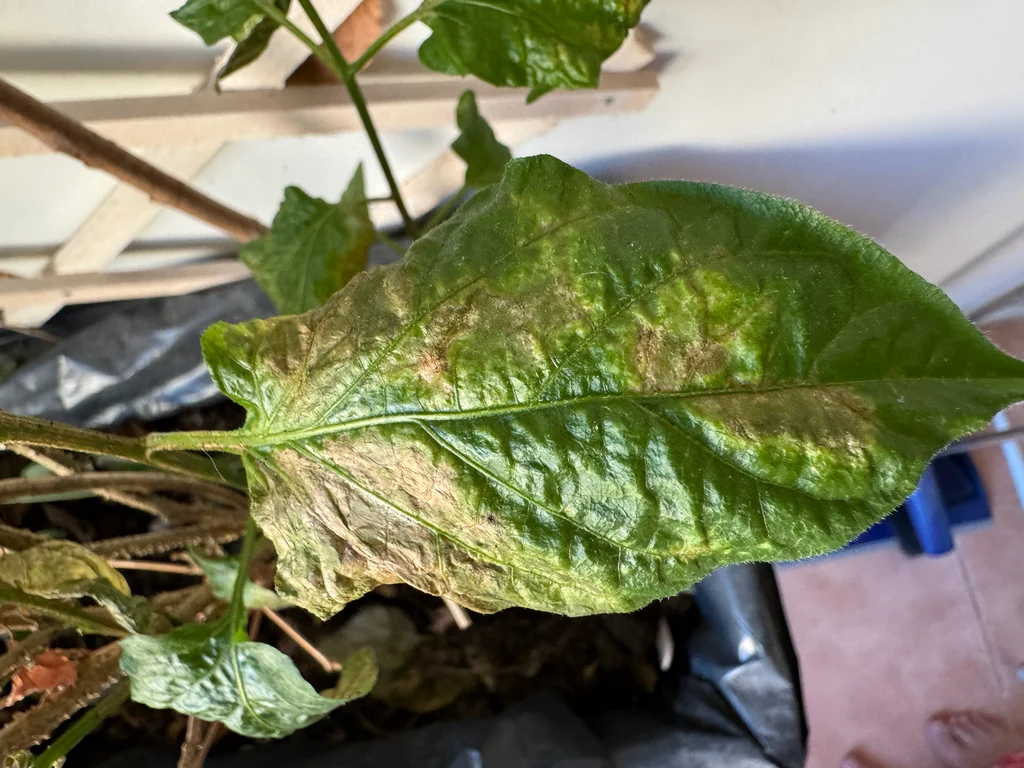
Thrips feed by punching holes in plant tissue with their mouthparts. They pierce plant cells and suck out the contents. This feeding creates clear damage patterns. Empty cells look silver, bronze, or bleached. Leaves with heavy damage may curl, stunt, or fall off early.
These insects go through six life stages. Females lay kidney-shaped eggs inside plant tissue, which protects them from weather and predators. After hatching, thrips go through two feeding stages as larvae. Then they drop to the soil to complete two pupal stages before becoming adults.
Thrips reproduce fast. In warm conditions, the full life cycle takes just two weeks. Some species can reproduce without mating. Unmated females produce male offspring. This lets populations grow quickly when conditions are right.
Thrips are most active during warm months, usually from April through September. Indoor populations on houseplants may stay active all year. Adults are drawn to light colors, especially yellow and blue. This is why yellow sticky traps work well for monitoring.
Some thrips species spread plant viruses. Western flower thrips and onion thrips can spread tospoviruses, including Tomato Spotted Wilt Virus. Thrips pick up these viruses while feeding as larvae and spread them throughout their adult lives. Leafhoppers and aphids also spread plant viruses, making early pest detection critical for garden health.
Treatment Methods for Thrips
Controlling thrips takes a combined approach using cultural practices, physical controls, and treatments when needed.
Cultural Controls are the first step in managing thrips. Check new plants before bringing them indoors or adding them to gardens. This helps prevent bringing in infestations. Remove heavily damaged plant material to reduce thrips numbers and get rid of breeding sites. Keep plants well-watered and fed to help them handle and recover from damage.
Physical Controls include using yellow or blue sticky traps to watch for and reduce adult thrips. Spraying plants with water knocks off thrips and washes away their eggs and larvae. For indoor plants, keep infested ones away from healthy plants to stop the spread.
Biological Controls offer long-term results. Predatory mites like Amblyseius swirskii and Neoseiulus cucumeris eat thrips larvae. Minute pirate bugs and green lacewing larvae also help control thrips naturally.
Treatment Products may be needed for bad infestations. Insecticidal soaps and horticultural oils suffocate thrips on contact. Spinosad-based products also work well when applied correctly. Systemic treatments protect plants from within, though these are usually used on ornamental plants, not food crops. These same products are effective against other sap-feeding pests like mealybugs and scale insects.
Because thrips reproduce fast and can resist many pesticides, rotating between different products helps keep treatments working. Timing matters too. Treatments must touch the insects to work, and pupae in soil are not affected by sprays on leaves.
References
Other Garden Pests
Explore other species in the garden pests family
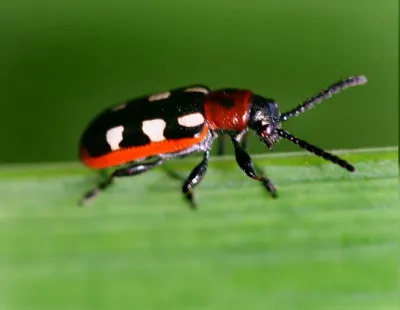
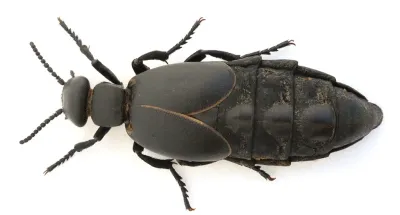
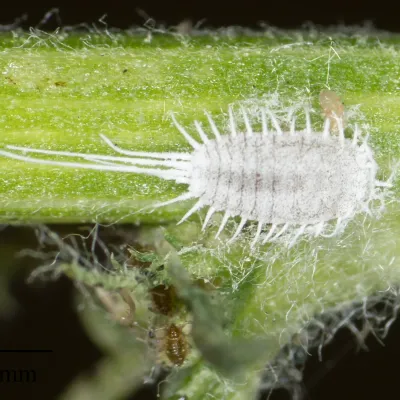
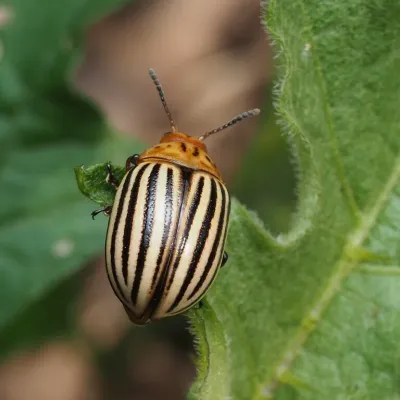
Commonly Confused With
Thrips are often mistaken for these similar pests
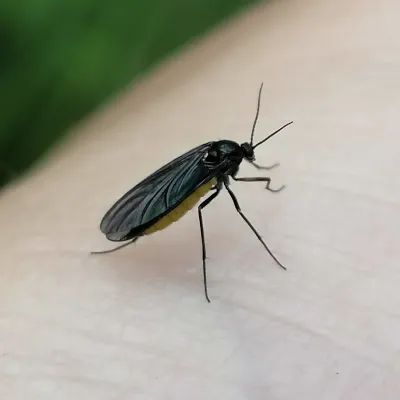
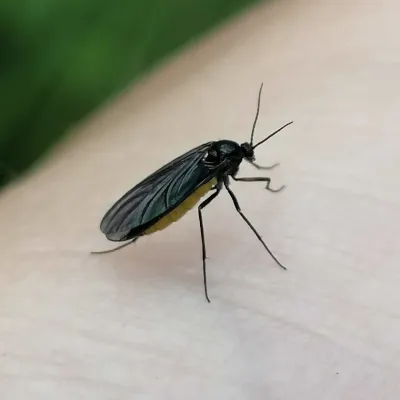
Where Thrips Are Found
Hover over states to see their names. Green regions indicate where thrips have been reported.
Common Questions about Thrips
What do thrips look like?
+
Thrips are extremely small insects, typically measuring 0.5 to 3 millimeters long. They have slender, elongated bodies and unique fringed wings that look like tiny feathers. Their color varies from pale yellow to brown or black depending on the species and life stage.
Are thrips harmful to humans?
+
Thrips do not bite humans intentionally, though some species may probe skin with their mouthparts, causing minor irritation. They are primarily plant pests and do not transmit diseases to people. Their main concern is the damage they cause to ornamental and garden plants.
What attracts thrips to my home?
+
Thrips are attracted to houseplants, cut flowers, and indoor gardens. They can enter homes through open windows or on infested plants brought indoors. Light colors, especially yellow and white, also attract adult thrips.
How do I know if my plants have thrips?
+
Look for silvery or bronze streaks on leaves, distorted or curled new growth, tiny black specks of excrement on leaf surfaces, and the presence of small, slender insects when you shake foliage over white paper.
Can thrips spread plant diseases?
+
Yes, certain thrips species can transmit plant viruses, particularly tospoviruses like Tomato Spotted Wilt Virus. This makes them especially problematic for vegetable gardens and greenhouse operations.
What is the life cycle of thrips?
+
Thrips develop through six stages: egg, two larval stages, prepupa, pupa, and adult. The entire cycle can complete in as few as two weeks under warm conditions. Females can lay eggs without mating, and each female may produce 15 to more than 100 eggs during her lifetime.
When are thrips most active?
+
Thrips are most active during warm weather, typically from late spring through early fall. Indoor populations can remain active year-round on houseplants and in greenhouses.

With five years of hands-on experience in the pest control industry, George Schulz is a registered technician with the Virginia Pest Management Association and a proud third-generation professional in a family business that's been protecting homes for over 57 years. He manages and trains a team of service pros while also leading internal research efforts—recently spearheading a deep-dive review of thousands of documents on pest control materials to hand-pick the most kid and pet friendly, most effective solutions tailored specifically for homes in the DC metro area.