Cottony Cushion Scale Identification Guide
Icerya purchasi
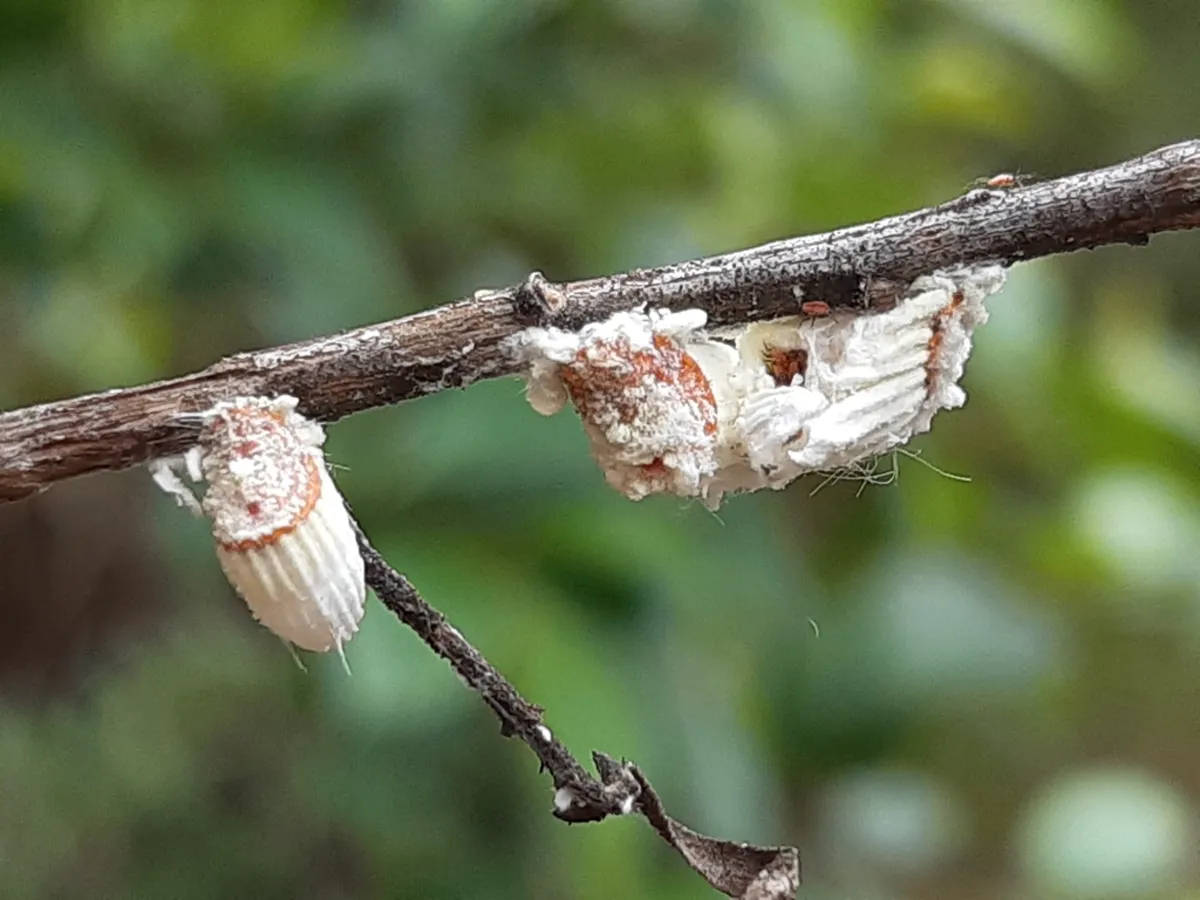
Cottony cushion scale is a sap-feeding insect known for its white, fluted egg sac and orange-red body. Originally from Australia, it now lives across North America on citrus and ornamental plants.
Taxonomy
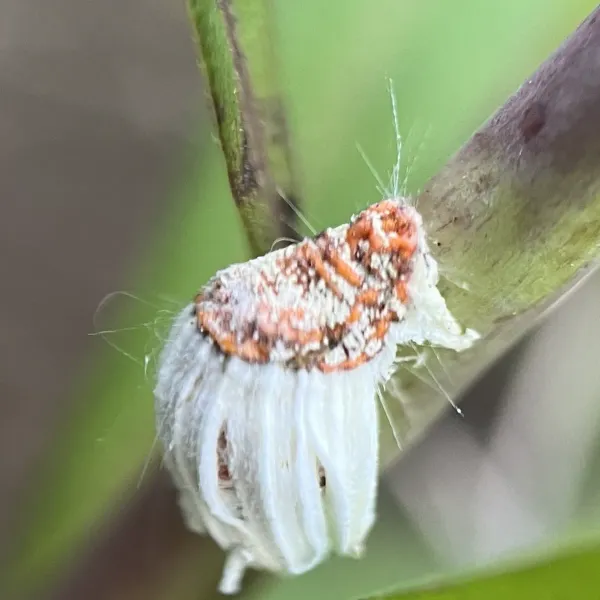
Cottony Cushion Scale Coloration
Common color patterns to help identify cottony cushion scale
Cottony Cushion Scale
Seasonal Activity
When cottony cushion scale are most active throughout the year

Where Cottony Cushion Scale Are Found
Hover over states to see their names. Green regions indicate where cottony cushion scale have been reported.
Cottony Cushion Scale Identification Guide
Physical Characteristics
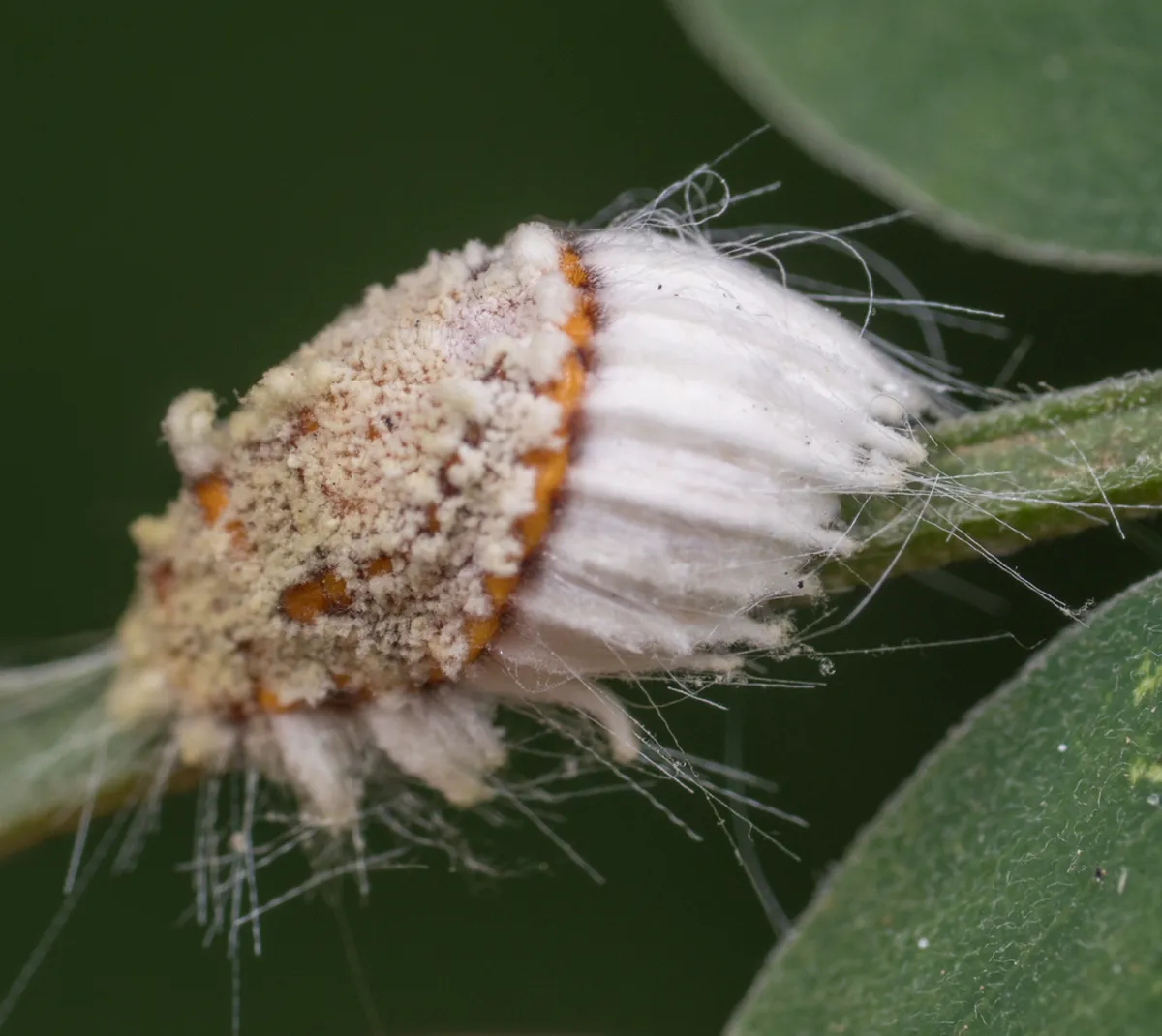
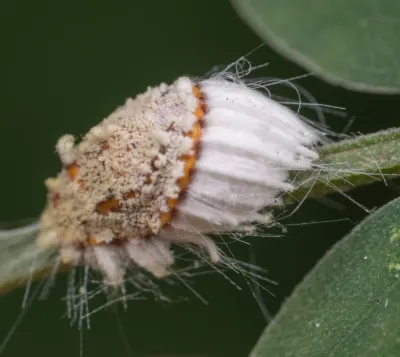
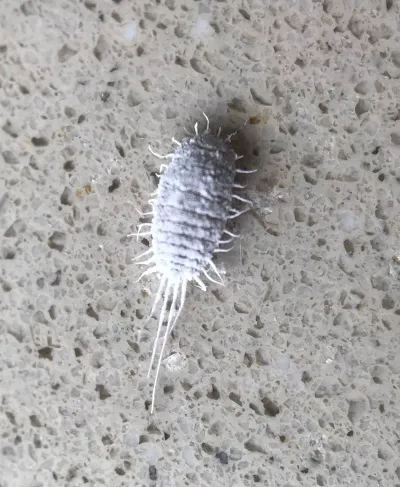
Cottony cushion scale (Icerya purchasi) is one of the easiest scale insects to spot on plants. Adult females have an oval body that is orange to reddish-brown and about 5 mm long (roughly 1/5 inch). They have black legs and antennae that are easy to see.
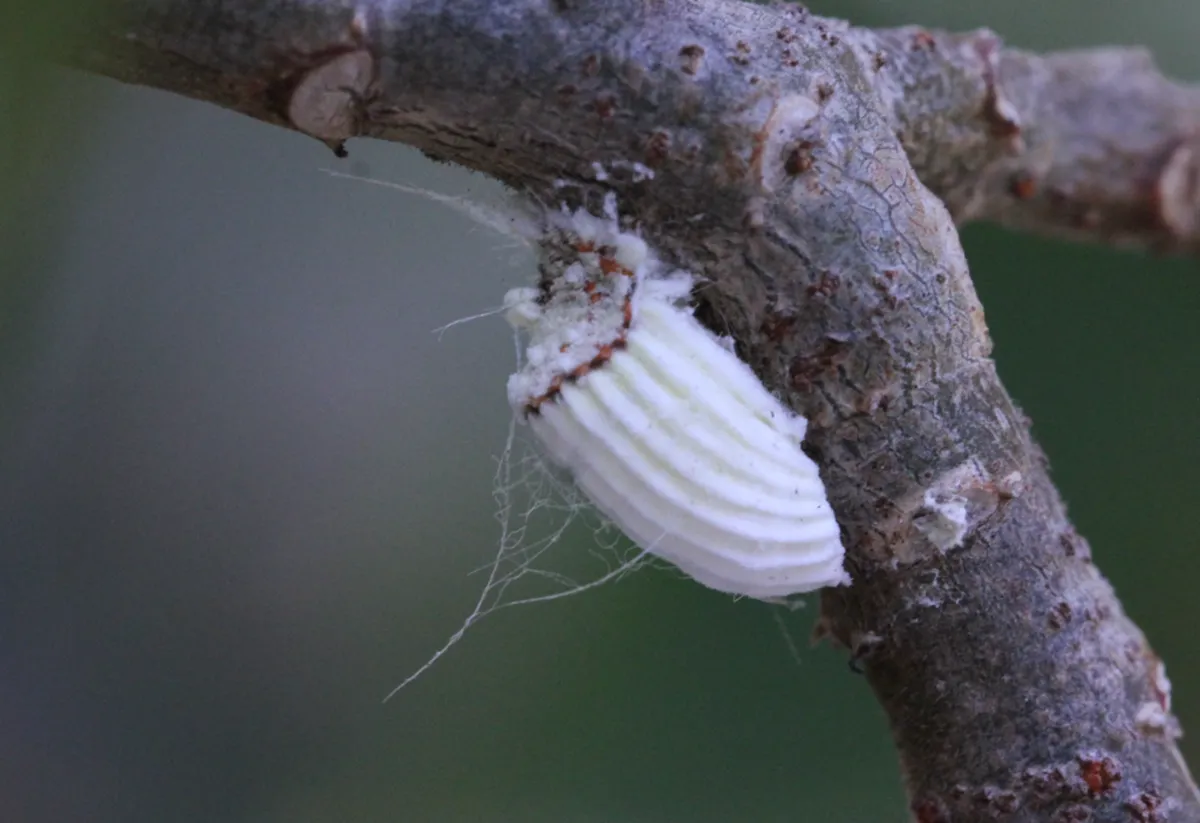
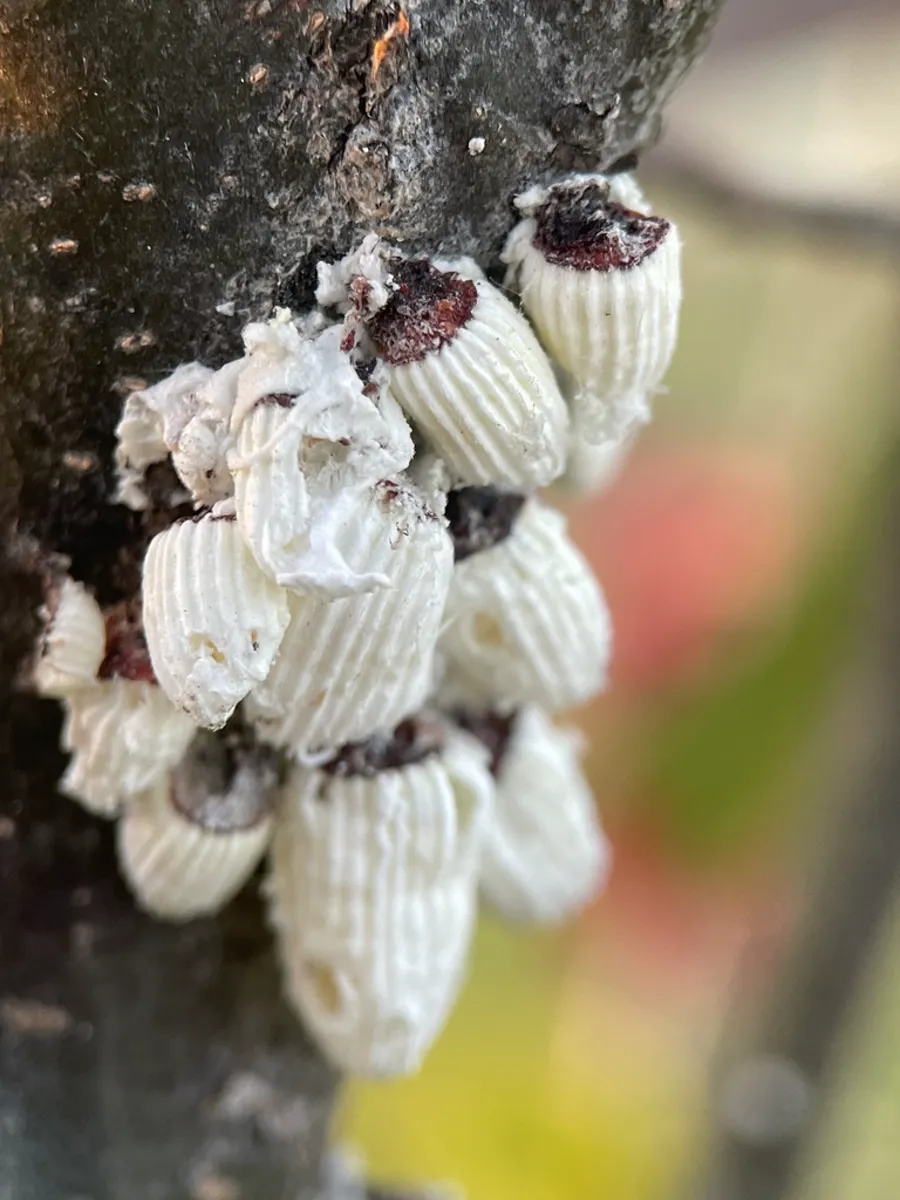
The most visible feature is a large, white, ridged egg sac that sticks out from the back of the body. This cottony pouch can grow to 10 mm or more. With the egg sac, the whole insect can be about 15 mm long (roughly 5/8 inch).
Bright red eggs fill the egg sac. Newly hatched crawlers are tiny, red, and very active with dark legs and antennae. As they grow, nymphs form a thin waxy coating and take on the orange-brown color of adults. Males are rarely seen. They are tiny winged insects that live only long enough to mate.
Common Species
Only one species carries the common name cottony cushion scale in North America:
- Cottony cushion scale (Icerya purchasi Maskell): found across the southern United States and in warmer climates worldwide.
A few related Icerya and Crypticerya species live in tropical areas but are uncommon in most of North America.
Cottony Cushion Scale Behavior and Biology
Lifecycle and Reproduction
Females lay 200 to 600 bright red eggs inside a ridged egg sac. After hatching, the tiny crawlers spread across the plant. They settle on leaf veins, twigs, and branches. Once in place, they push thin, straw-like mouthparts into the plant and start feeding on sap.
As they grow, the insects put out waxy white threads. These threads form the cottony covering you see on infested plants. In warm areas like southern California or Florida, this pest can go through two to four generations per year. In cooler regions, expect one to two generations from spring to fall.
One unusual trait is that females can fertilize their own eggs. This is rare among insects. It means one individual can start a new colony without mating.
Feeding Habits and Damage
Cottony cushion scale feeds only on plant sap. It attacks over 200 types of plants. Common targets include citrus, pittosporum, nandina, cocculus, acacia, and many woody shrubs and trees. Heavy feeding drains nutrients and water from the plant. This leads to yellow leaves, twig dieback, less fruit, and sometimes plant death.
As the insects feed, they give off honeydew, a sticky sweet liquid that coats leaves and nearby surfaces. Honeydew draws ants, which guard the scale in return for the sugary food. It also helps black sooty mold grow on leaves. This dark coating blocks sunlight and adds more stress to the plant.
Natural Enemies
Cottony cushion scale has a well-known place in pest control history. In the 1880s, it wiped out much of the California citrus crop. The vedalia beetle (Rodolia cardinalis) and a parasitic fly (Cryptochaetum iceryae) were then brought in from Australia to fight it. This effort worked so well that it is still cited as a landmark in pest control. Where these predators live, they keep cottony cushion scale numbers low on their own.
Treatment Methods for Cottony Cushion Scale
Cottony cushion scale is a landscape and crop pest, not a household pest. Treatment focuses on protecting ornamental and fruit-bearing plants. The best results come from using several methods together.
-
Ant control: Ants that tend cottony cushion scale for honeydew guard the scales from predators. Ant baits or sticky barriers on tree trunks can cut off this protection and let predators do their job.
-
Horticultural oils: Dormant oil sprays applied in late winter can smother scale that survived the cold. Lighter oils used during the growing season target crawlers and young nymphs. Follow label directions and do not spray in extreme heat.
-
Insecticidal soaps: These sprays work well on exposed crawlers and young nymphs. Soaps only kill what they touch and leave no residue. You may need to spray more than once while crawlers are still active.
-
Pruning and physical removal: For smaller problems, cut off heavily infested branches and scrape or wash off visible scale insects. Throw away pruned material away from the garden.
-
Systemic products: For severe cases where other methods have not worked, systemic products applied to the soil or injected into the trunk can offer longer-lasting results. Use these only with guidance from a local extension office and follow all label rules. They can affect other insects in the area.
Timing matters for all treatments. The crawler stage is the most exposed and easiest to treat. This stage is most active in late spring through summer.
References
Other Garden Pests
Explore other species in the garden pests family
Commonly Confused With
Cottony Cushion Scale are often mistaken for these similar pests
Where Cottony Cushion Scale Are Found
Hover over states to see their names. Green regions indicate where cottony cushion scale have been reported.
Common Questions about Cottony Cushion Scale
What does cottony cushion scale look like?
+
Adult females have an orange to reddish-brown body about 5 mm long with black legs and antennae. The easiest way to spot them is the large, white, ridged egg sac that sticks out from the back of the body. With the egg sac, the insect can be up to 15 mm (about 5/8 inch) long.
What plants does cottony cushion scale attack?
+
Cottony cushion scale feeds on over 200 types of plants. Common hosts include citrus trees, pittosporum, nandina, cocculus, acacia, and many ornamental shrubs and trees. It can also infest some indoor houseplants.
Is cottony cushion scale harmful to humans or pets?
+
No. Cottony cushion scale does not bite, sting, or pose any health risk to people or animals. It is strictly a plant pest. However, heavy infestations can seriously damage or even kill ornamental plants and citrus trees.
What is the sticky residue on my plant from cottony cushion scale?
+
The sticky substance is honeydew, a sugary liquid that scale insects give off as they feed on plant sap. Honeydew draws ants and helps black sooty mold grow on leaves and nearby surfaces. This mold blocks sunlight and weakens the plant over time.
How does cottony cushion scale spread?
+
The tiny red crawlers are the main stage that spreads. They walk across the plant on their own and can also be carried by wind, birds, garden tools, or on infested nursery plants. Ants that tend the scales for honeydew may also help move crawlers to new spots.
What is the vedalia beetle and why is it important?
+
The vedalia beetle (Rodolia cardinalis) is a small ladybug brought from Australia in 1888 to control cottony cushion scale. It feeds on the eggs and crawlers of this pest. Where vedalia beetles are present, they can keep cottony cushion scale numbers very low without any other treatment.
When is the best time to treat cottony cushion scale?
+
Treatments work best when timed to match crawler activity, usually in late spring through summer. Crawlers are the easiest stage to treat because they have not yet built up a waxy covering. Checking plants often helps you catch crawlers early.

With five years of hands-on experience in the pest control industry, George Schulz is a registered technician with the Virginia Pest Management Association and a proud third-generation professional in a family business that's been protecting homes for over 57 years. He manages and trains a team of service pros while also leading internal research efforts—recently spearheading a deep-dive review of thousands of documents on pest control materials to hand-pick the most kid and pet friendly, most effective solutions tailored specifically for homes in the DC metro area.