Blister Beetles Identification Guide
Meloidae
Blister beetles are elongated, soft-bodied beetles that produce cantharidin, a blistering chemical agent that can cause painful skin welts on contact. They are common garden pests across North America that feed on a wide range of crops and ornamental plants.
Taxonomy
Blister Beetles Coloration
Common color patterns to help identify blister beetles
Blister Beetles
Seasonal Activity
When blister beetles are most active throughout the year

Where Blister Beetles Are Found
Hover over states to see their names. Green regions indicate where blister beetles have been reported.
Blister Beetle Identification Guide
Blister beetles are garden pests found across North America. There are about 250 species in the family Meloidae on this continent. They get their name from cantharidin, a chemical they release when crushed or scared. This chemical causes painful blisters on skin and can be toxic to horses and other livestock. Knowing how to spot these beetles helps you protect your garden and animals.
Physical Characteristics
Blister beetles are medium-sized, usually 10 to 25mm long. They have long, narrow bodies with a soft feel. This sets them apart from the hard-shelled ground beetles they are often mistaken for. Their wing covers feel leathery instead of rigid.
Key features to look for:
- Long, narrow body with soft wing covers
- Head wider than the front body section, with a clear “neck”
- Long legs and thin, thread-like antennae
- Soft wing covers that may gap open at the back
- Six legs and a body that tapers toward the rear
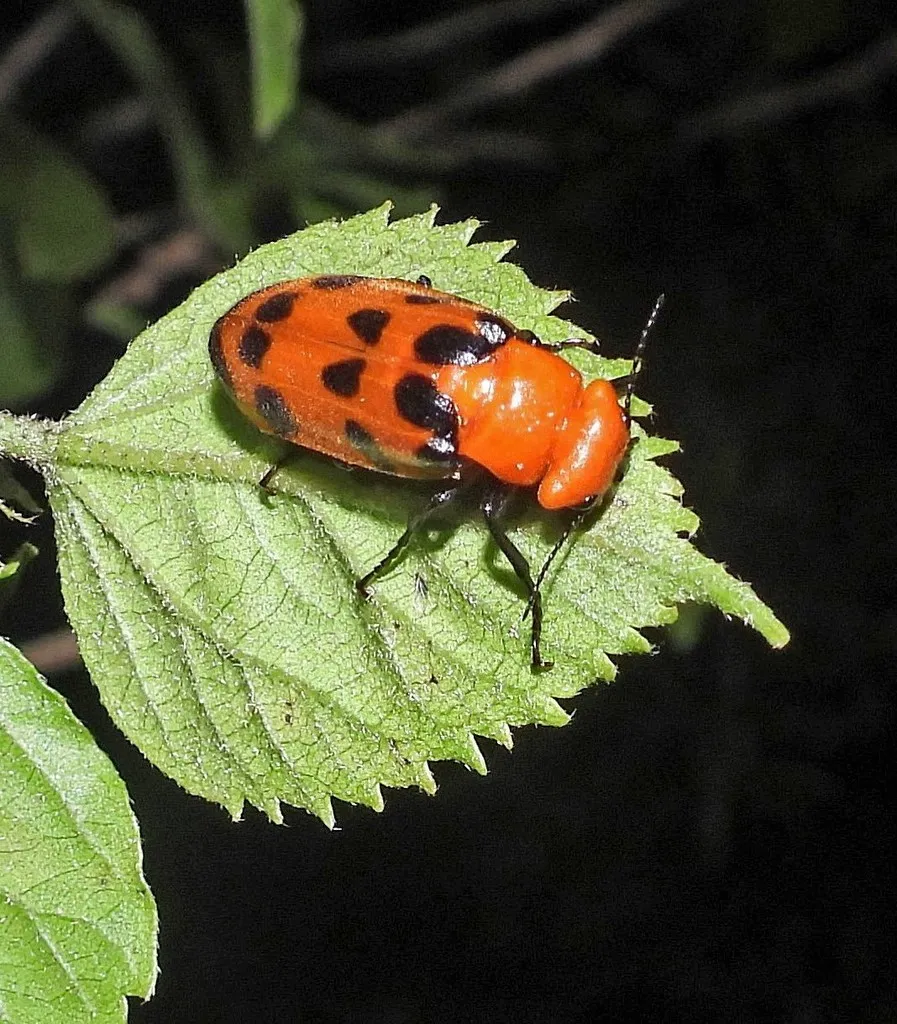
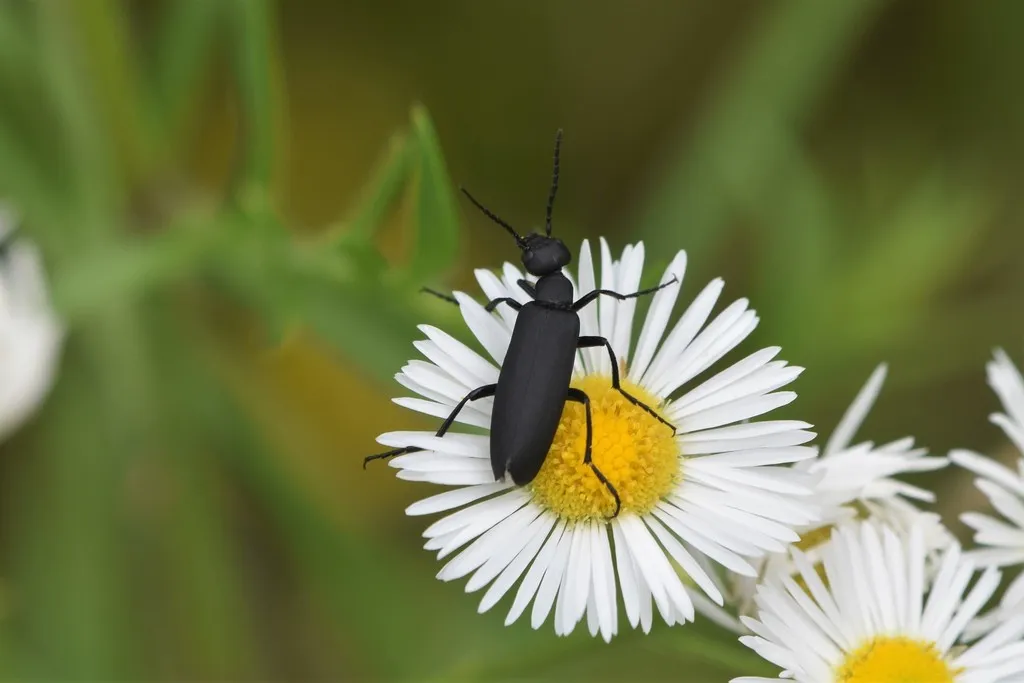
Colors vary a lot by species. Some are solid black or gray. Others have bold stripes or spots of orange, red, or yellow. The wide head and soft body are the best clues for telling them apart from other beetles.
Common Species in North America
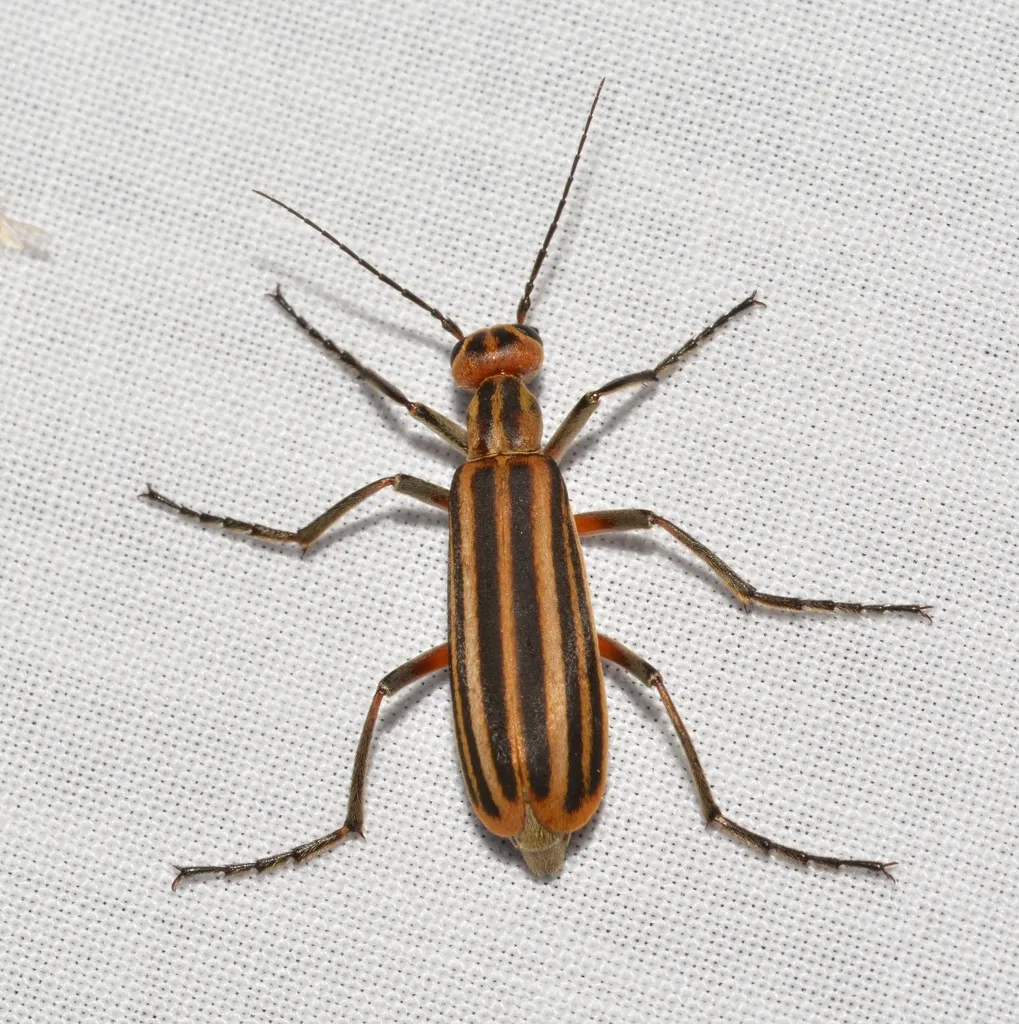
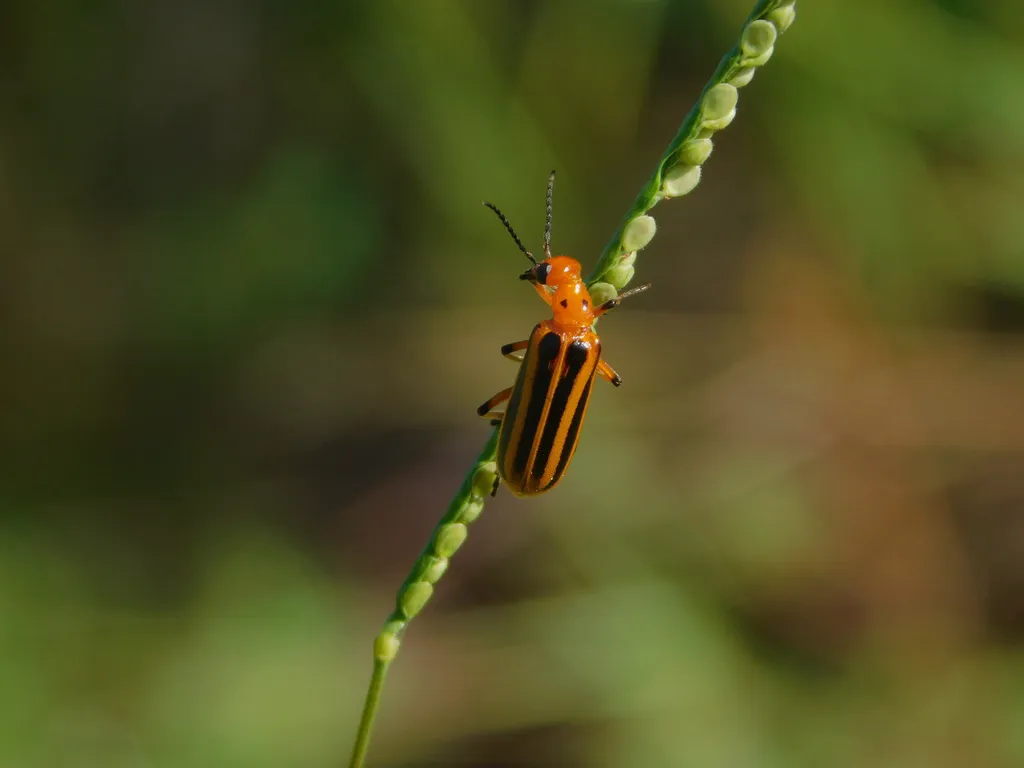
Striped Blister Beetle (Epicauta vittata) is easy to spot. Adults are 12 to 20mm long with yellow-orange and black stripes along the wing covers. They are common in the eastern and central United States. They feed on tomatoes, potatoes, beans, and other crops.
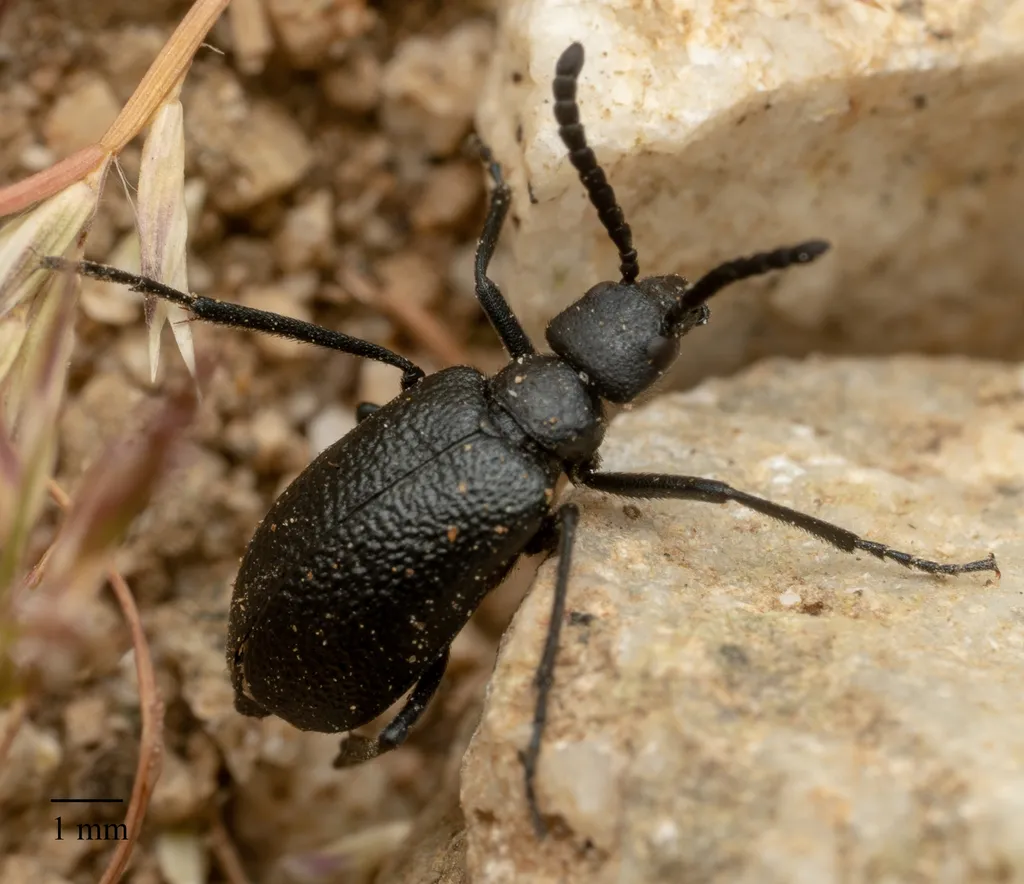
Black Blister Beetle (Epicauta pensylvanica) is all black and 10 to 18mm long. It lives across the whole continent. Adults feed on flowers like goldenrod and show up often in alfalfa fields.
Ash-Gray Blister Beetle (Epicauta fabricii) is gray all over and 12 to 18mm long. It lives in the central and eastern United States and feeds on many garden and field crops.
Margined Blister Beetle (Epicauta funebris) is black with thin gray edges on the wing covers. It is 12 to 20mm long and found in the western and central United States. It feeds on alfalfa, beets, and potatoes.
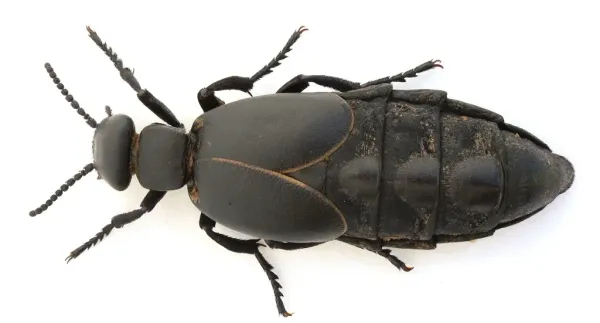
Oil Beetles (Meloe species) are thick, dark beetles with very short wing covers. Much of their body is left exposed. They cannot fly. You will often see them crawling on the ground in spring. When touched, they leak oily drops of cantharidin from their leg joints.
Blister Beetle Behavior and Biology
Lifecycle and Development
Blister beetles have an unusual lifecycle called hypermetamorphosis. Their larvae change through several very different body forms as they grow.
Eggs are laid in clusters in the soil during late summer. One female can lay 100 to 200 eggs. They hatch in about two weeks.
First-stage larvae (called triungulins) are tiny and active. They crawl through soil looking for grasshopper egg pods to eat. In some species, these larvae climb onto flowers and ride on bees to reach bee nests, where they eat the stored pollen and eggs.
Later larval stages look more like grubs. They keep feeding inside the grasshopper egg pod or bee nest. They go through several body forms over weeks to months.
Pupae spend the winter in the soil. Adults come out the next summer. The full cycle takes about one year. In some species, larvae can stay dormant for more than a year before they change into adults.
Feeding Habits and Habitat
Adult blister beetles eat plants and can do a lot of damage fast. They often show up in large groups that can strip a plant bare in just a few days. Their favorite foods include:
- Alfalfa, clover, and other legumes
- Tomatoes, potatoes, peppers, and eggplant
- Beans, beets, and other garden crops
- Flowers like asters and goldenrod
- Weeds and wildflowers
These beetles like open spaces such as gardens, farm fields, and grasslands. Areas with lots of grasshoppers tend to draw them in. Years with big grasshopper numbers often lead to more blister beetles the next season.
Cantharidin: The Blistering Chemical
Cantharidin is what makes blister beetles a health concern. It works as a defense tool. When a beetle is crushed or scared, it releases cantharidin from its body. On skin, this chemical causes blisters within hours. The blisters hurt but usually heal on their own. If you get blisters from a blister beetle, please talk to a doctor for advice on treatment.
The bigger risk is to horses and livestock. Cantharidin stays toxic even in dead, dried beetles. When beetles get baled into hay (especially alfalfa), the poison lasts through storage. Horses that eat this hay can get very sick. Even small amounts can be deadly to horses. Cattle and sheep can also be harmed, though they handle it better than horses.
Treatment Methods for Blister Beetles
Controlling blister beetles takes a mix of watching, prevention, and treatment. The main goals are to protect gardens, crops, and livestock from adult beetle feeding damage.
Prevention and Monitoring
Catching an outbreak early helps limit the harm:
- Check plants often during summer. Look at garden plants and field edges for groups of beetles.
- Wear gloves any time you handle a blister beetle. Do not crush them against bare skin.
- Watch grasshopper numbers. A year with lots of grasshoppers often means more blister beetles the next year.
- Cut alfalfa before bloom to reduce the number of beetles caught in the hay.
Physical and Cultural Controls
These non-chemical methods work well in gardens:
- Hand-pick beetles into a bucket of soapy water while wearing gloves
- Use row covers over crops to block beetles from reaching plants
- Plant a trap crop like alfalfa away from your garden to draw beetles there instead
- Clear weeds and plant debris to take away hiding spots
- Mow field edges to keep beetles from gathering near your garden
Chemical Control Options
When beetle numbers get high enough to threaten your crops, insecticide treatments may be needed:
- Spinosad products give good control of blister beetles
- Pyrethrin sprays knock down adult beetles on contact
- Carbaryl works well but must be used carefully around other insects
- Apply in the early morning or evening when beetle activity is lower
- Always read and follow the label, and wait the listed time before harvest on food crops
Protecting Livestock
For horse and livestock owners, keeping cantharidin out of feed is key:
- Buy hay from trusted sources who check fields before cutting
- Avoid first-cut alfalfa from June through August when beetles are most active
- Be careful with crimped or conditioned hay, since that process can crush beetles and spread the toxin through the bale
- Look over hay for beetle parts before feeding it
- Switch to grass hay during peak blister beetle months when possible
References and Further Reading
Other Garden Pests
Explore other species in the garden pests family
Commonly Confused With
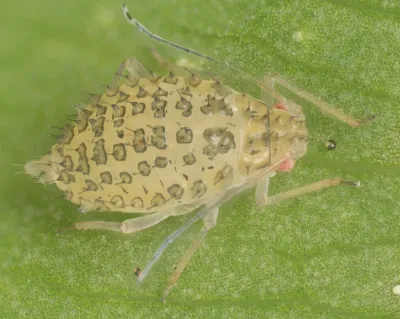
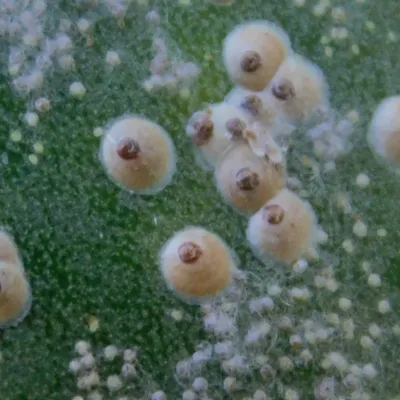
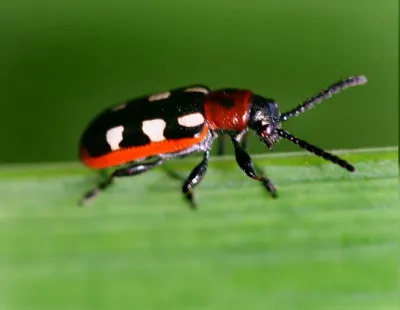
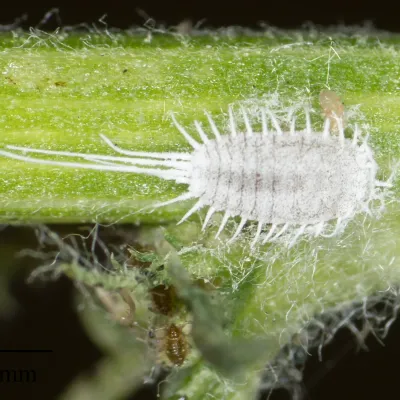
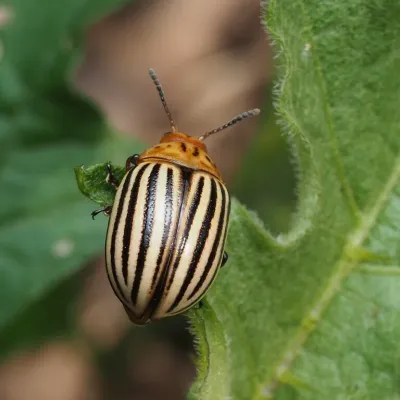
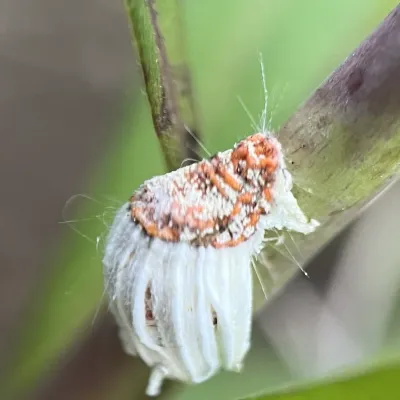
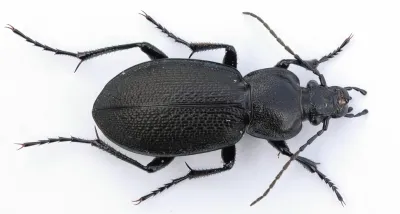
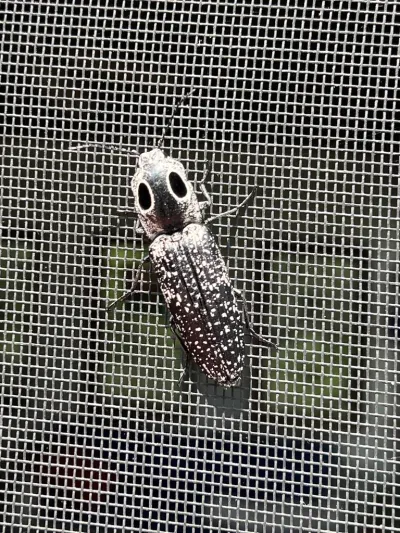
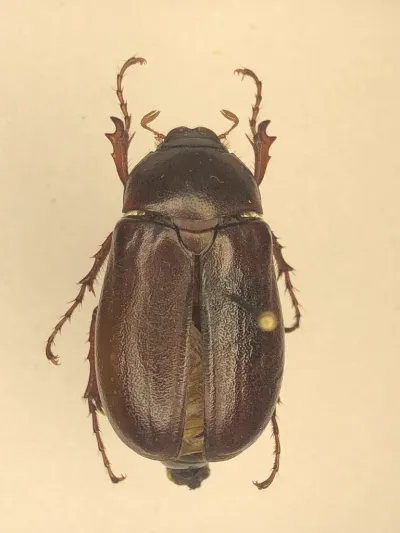
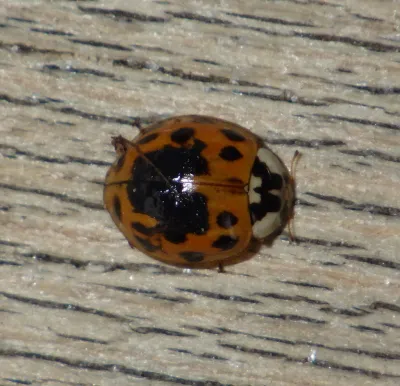
Blister Beetles are often mistaken for these similar pests
Where Blister Beetles Are Found
Hover over states to see their names. Green regions indicate where blister beetles have been reported.
Common Questions about Blister Beetles
What happens if a blister beetle touches your skin?
+
Blister beetles produce a chemical called cantharidin that causes painful blisters when it contacts skin. The blisters usually appear within a few hours and can take one to two weeks to heal. Avoid crushing the beetles against your skin, as this releases more cantharidin. Wash the affected area with soap and water and apply a cold compress to reduce swelling.
Are blister beetles dangerous to pets or livestock?
+
Yes, blister beetles can be very dangerous to horses and other livestock. Horses are especially sensitive to cantharidin. Even a small number of beetles accidentally baled into hay can contain enough toxin to be fatal. Cattle and sheep are also at risk but are less sensitive than horses. If you suspect cantharidin poisoning, contact a veterinarian immediately.
How do I get rid of blister beetles in my garden?
+
Hand-pick blister beetles while wearing gloves to avoid skin contact. Knock them into a container of soapy water. For larger infestations, targeted insecticide applications using products containing spinosad or pyrethrin can help reduce populations. Keeping the garden free of weeds and debris removes hiding spots. Row covers over vulnerable crops can physically exclude the beetles.
What do blister beetles eat?
+
Adult blister beetles feed on the leaves, flowers, and fruits of many plants. They are drawn to alfalfa, tomatoes, potatoes, beans, and garden flowers. In large numbers, they can strip a plant bare in just a few days. Blister beetle larvae feed on grasshopper eggs in the soil.
When are blister beetles most active?
+
Blister beetles are most active during the summer months, from June through August. They tend to appear in swarms that seem to come and go suddenly. Adult beetles are attracted to lights at night and are most active during warm, sunny days. Their peak activity aligns with the bloom period of many garden plants and alfalfa harvests.
Do blister beetles fly?
+
Yes, blister beetles can fly. They have a pair of thin, flexible wing covers called elytra that are softer than those of most beetles. Their hindwings allow for flight over short distances. This ability to fly helps explain why large groups of blister beetles can appear suddenly in gardens and crop fields.
How can I tell blister beetles apart from other beetles?
+
Blister beetles have several distinctive features. They have elongated, narrow bodies with a prominent head that is wider than the front section of the body (prothorax). Their wing covers are soft and flexible rather than hard like most beetles. They also have a narrow 'neck' between the head and body. Common species are black, gray, or striped with orange or yellow markings.

With five years of hands-on experience in the pest control industry, George Schulz is a registered technician with the Virginia Pest Management Association and a proud third-generation professional in a family business that's been protecting homes for over 57 years. He manages and trains a team of service pros while also leading internal research efforts—recently spearheading a deep-dive review of thousands of documents on pest control materials to hand-pick the most kid and pet friendly, most effective solutions tailored specifically for homes in the DC metro area.