Armored Scale Insects Identification Guide
Diaspididae
Armored scale insects are tiny, sap-feeding pests that form a hard, protective shell over their bodies. They attack trees, shrubs, and houseplants, causing yellowing leaves, branch dieback, and sometimes plant death.
Taxonomy
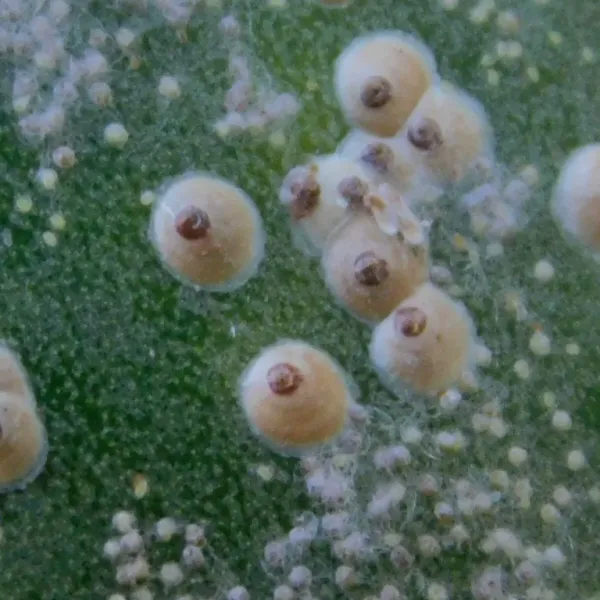
Armored Scale Insects Coloration
Common color patterns to help identify armored scale insects
Armored Scale Insects
Seasonal Activity
When armored scale insects are most active throughout the year

Where Armored Scale Insects Are Found
Hover over states to see their names. Green regions indicate where armored scale insects have been reported.
Armored Scale Insect Identification Guide
Physical Characteristics
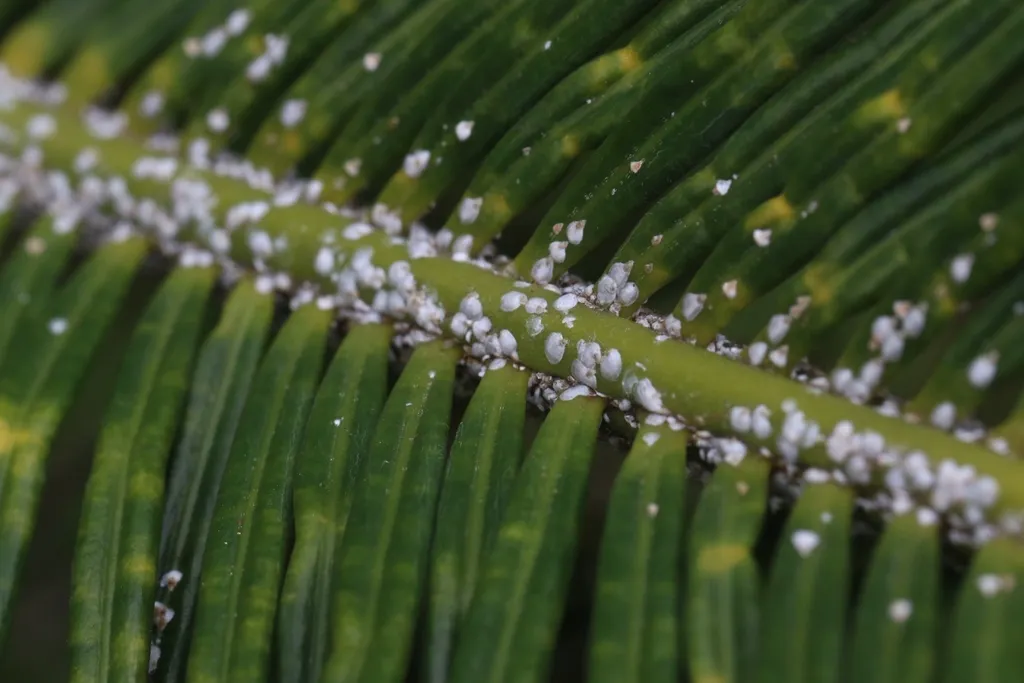
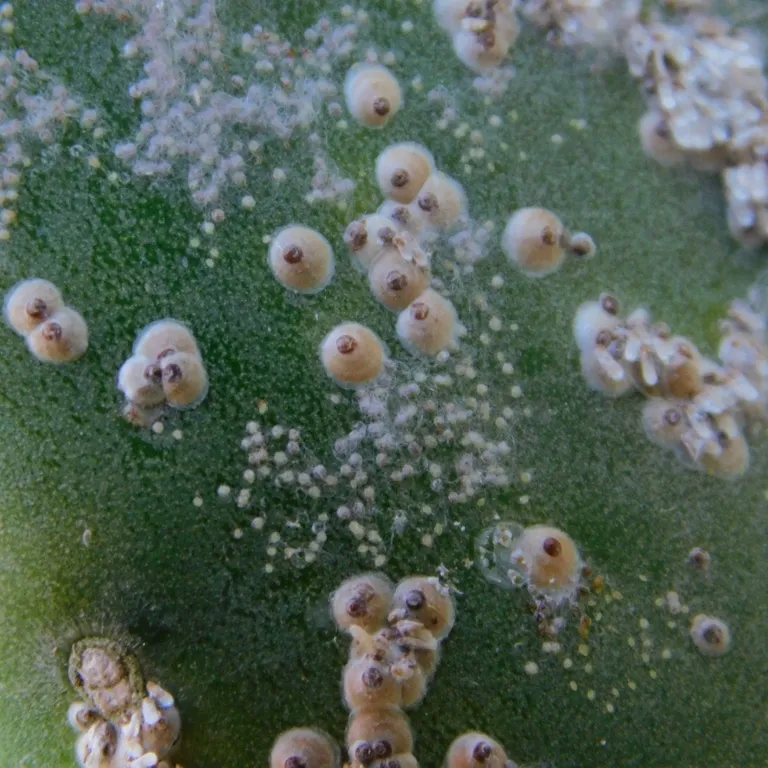
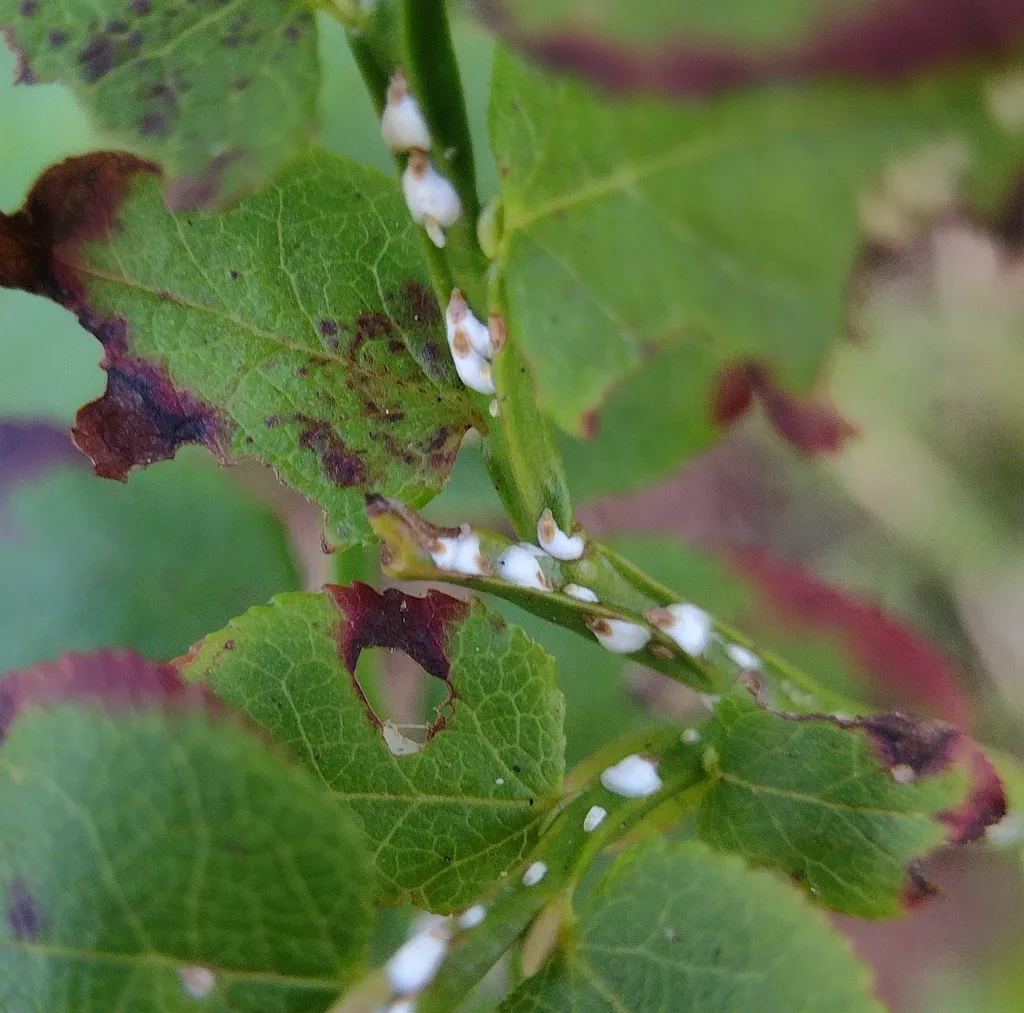
Armored scale insects are some of the smallest garden pests you will find. Adults are only 1 to 4 millimeters across. They look like tiny, flat bumps on bark, stems, and leaves. Adult females have no visible legs, antennae, or eyes. Once they settle on a plant as juveniles, they stay in that spot for life.
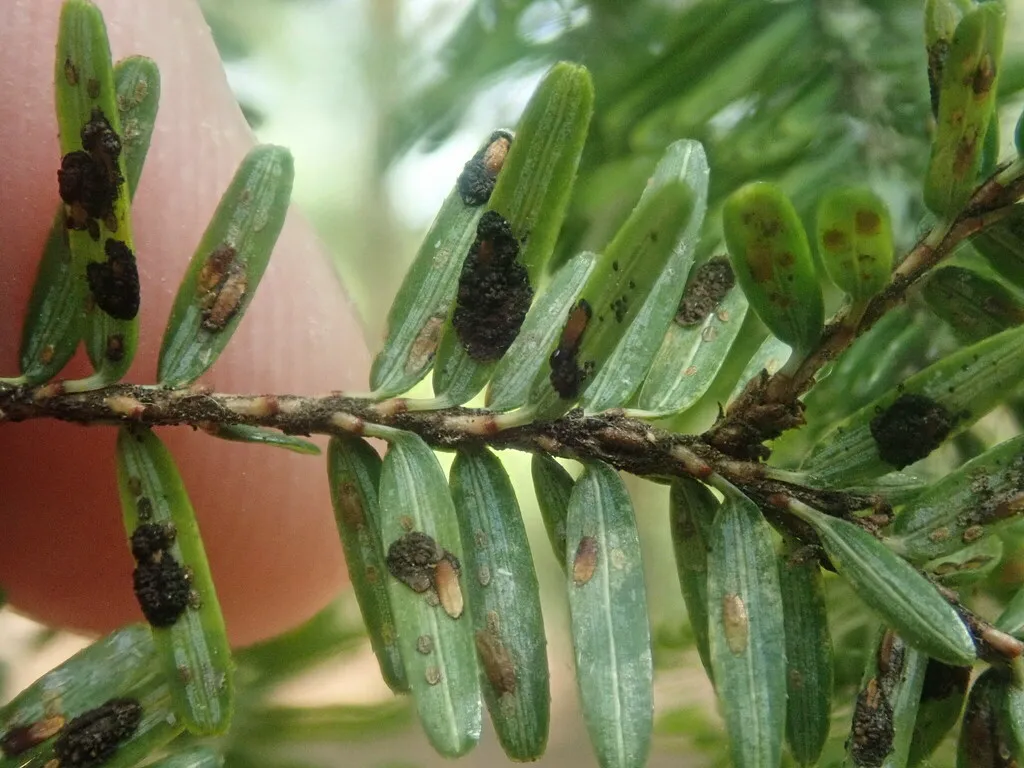
The key feature of armored scales is their hard, shell-like cover. This cover is made from layers of shed skins held together with waxy material. It sits over the insect like a small shield. You can pop it off with a fingernail to see the soft insect body underneath. The covers come in round, oval, and oyster-like shapes. Colors range from white and gray to brown, tan, and reddish-brown.
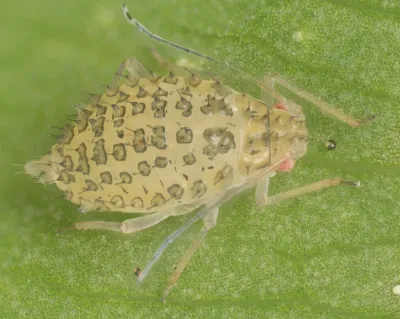
An easy way to tell armored scales apart from soft scale insects is that armored scales do not make honeydew. If you see sticky residue or black sooty mold on your plants, you are more likely dealing with soft scales, aphids, or mealybugs.
Common Species in North America
-
San Jose Scale (Quadraspidiotus perniciosus): One of the most harmful species. It attacks apple, pear, peach, and other fruit trees. It makes a round, gray cover with a raised center. Many states regulate this pest due to the crop damage it causes.
-
Euonymus Scale (Unaspis euonymi): A common pest of euonymus, pachysandra, and bittersweet. Males are white and long. Females are dark brown and oyster-shaped. Heavy infestations make shrubs look whitewashed.
-
Oystershell Scale (Lepidosaphes ulmi): Named for its long, oyster-shaped cover. It attacks many trees and shrubs, including lilac, ash, willow, and dogwood. Found across the United States and southern Canada.
-
Pine Needle Scale (Chionaspis pinifoliae): A common pest of pines, spruces, and other conifers. White covers line the needles and can make branches look like they have been flecked with paint.
-
Tea Scale (Fiorinia theae): Often found on camellias, hollies, and broadleaf evergreens in the Southeast. Females are brown and long. Males are white and form thick colonies on the undersides of leaves.
Armored Scale Insect Behavior and Biology
Lifecycle
Armored scales have different life stages for males and females. Females go through egg, two crawler stages, and adult. Males pass through extra pupal stages and come out as tiny, winged adults. Males live only one to two days and exist only to mate.
Most species spend the winter as adult females with eggs or as eggs tucked under the mother’s shell. In spring, eggs hatch into crawlers. These are the only stage that can move around. The tiny, pale crawlers walk across the plant and can blow to new plants on the wind. Within hours to a few days, they push their straw-like mouths into the plant and start building a waxy cover. Once settled, females never move again.
Armored scales can produce one to three generations per year depending on the species and the climate. Species like San Jose scale can overlap two to three generations in warm areas, which makes them harder to manage.
Feeding and Damage
Armored scales feed by pushing needle-like mouthparts into plant cells to pull out nutrients. Many armored scales destroy individual cells as they feed. This causes yellow spots, pitting, and leaf drop.
Heavy infestations drain the plant over time. You may notice yellowing leaves, branch dieback, bark cracking, stunted growth, and in bad cases, plant death. Fruit trees can lose yield and produce blemished fruit. Shrubs can lose their look and may need to be replaced.
Host Plants
Armored scales attack a wide range of plants. Common hosts include fruit trees (apple, peach, cherry, citrus), shrubs (euonymus, camellia, holly, boxwood), shade trees (maple, oak, willow, elm), conifers (pine, spruce, juniper), and many houseplants. Some species feed on dozens of plant families. Others target only a narrow group of hosts.
Treatment Methods for Armored Scale Insects
The hard shell of armored scales blocks most contact sprays. Effective control requires targeting the insect during its most exposed life stages.
Monitoring and Detection
- Check plants often: Look at the undersides of leaves, bark crevices, and branch joints for clusters of small bumps. Use a hand lens to check if insects under the covers are still alive. Dead scales have dry, empty shells.
- Track crawler activity: Wrap branches with double-sided sticky tape in spring. When crawlers show up on the tape, it is time to start treatment.
Cultural and Mechanical Controls
- Pruning: Cut off branches with heavy infestations and throw them away. This removes a large number of scales at once.
- Scrubbing: On houseplants and small shrubs, scrape off scales with a soft brush or cotton swab dipped in rubbing alcohol.
- Plant care: Keep plants healthy with proper watering, mulching, and fertilizing. Healthy plants handle scale damage better and bounce back faster after treatment.
Horticultural Oils
Dormant oil sprays in late winter coat and suffocate overwintering scales before new growth starts. Lighter summer oils can be used during the growing season to target crawlers and newly settled nymphs. Good coverage of stems, branch joints, and both sides of leaves is key. Do not spray oils during very hot weather or when plants are drought-stressed.
Insecticidal Soaps
Insecticidal soaps work well against the soft-bodied crawler stage. They only kill what they touch directly, so timing matters. Apply them when crawlers are active and repeat every 7 to 10 days as needed. Soaps break down fast and leave no residue. This makes them a good option for houseplants and edible gardens.
Systemic Insecticides
For trees and shrubs with ongoing or heavy infestations, systemic insecticides can provide season-long control. These products are applied to the soil or injected into the trunk. The plant takes up the active ingredient and moves it through its tissues. Scales die when they feed on treated plant material. Systemic products tend to be less effective against armored scales than soft scales due to how armored scales feed.
Biological Control
Parasitic wasps in the families Aphelinidae and Encyrtidae can be used to target armored scales. These wasps lay eggs inside the scale insect and kill it over time. Lady beetles, especially the twice-stabbed lady beetle (Chilocorus stigma), also feed on armored scales. In greenhouse settings, these predators can be released as part of a control program.
References
Other Garden Pests
Explore other species in the garden pests family
Commonly Confused With
Armored Scale Insects are often mistaken for these similar pests
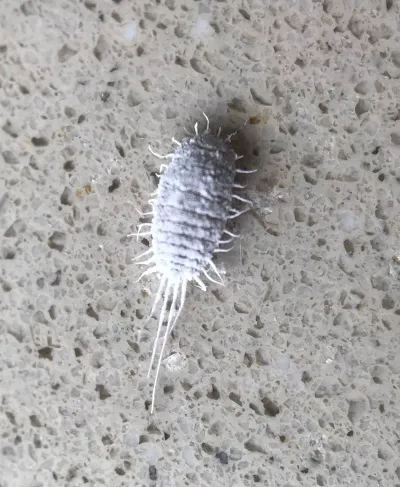
Where Armored Scale Insects Are Found
Hover over states to see their names. Green regions indicate where armored scale insects have been reported.
Common Questions about Armored Scale Insects
What is the difference between armored scale and soft scale?
+
Armored scale insects make a hard, detachable shell from shed skins and waxy material that sits over the body. Soft scales have a waxy coating fused to their body. Armored scales do not produce honeydew, while soft scales leave a sticky residue that attracts ants and grows sooty mold.
How do armored scale insects spread?
+
Armored scales spread mostly during the crawler stage, when newly hatched nymphs move across plant surfaces to find feeding spots. Crawlers can also travel by wind, on birds, on dirty pruning tools, or when infested plants are placed near healthy ones.
Are armored scale insects harmful to people or pets?
+
No. Armored scale insects only feed on plants. They do not bite, sting, or spread disease. They pose no risk to people or animals.
Why are armored scales so hard to control?
+
Their hard shell blocks most contact sprays once they have settled on a plant. To get good results, you need to target the crawler stage or use horticultural oils and systemic treatments that can get past the shell.
When is the best time to treat for armored scale?
+
The best time is during crawler emergence, usually in late spring to early summer. Crawlers are small, soft, and lack the protective armor of adults. This makes them much easier to treat with oils and soaps.
Can armored scale insects kill a tree?
+
Yes. A light case may only cause yellow leaves. But heavy or long-term infestations can drain a tree of its resources. This leads to branch dieback, slow growth, and sometimes the death of the whole plant.
How do I check my plants for armored scale?
+
Look at the undersides of leaves, along stems, and on bark for small bumps that are round, oval, or oyster-shaped. Try lifting one with a fingernail. If a hard cover pops off and you see a soft insect body underneath, it is an armored scale. Also watch for yellow leaves and overall decline.

With five years of hands-on experience in the pest control industry, George Schulz is a registered technician with the Virginia Pest Management Association and a proud third-generation professional in a family business that's been protecting homes for over 57 years. He manages and trains a team of service pros while also leading internal research efforts—recently spearheading a deep-dive review of thousands of documents on pest control materials to hand-pick the most kid and pet friendly, most effective solutions tailored specifically for homes in the DC metro area.