Warble Flies Identification Guide
Hypoderma spp.
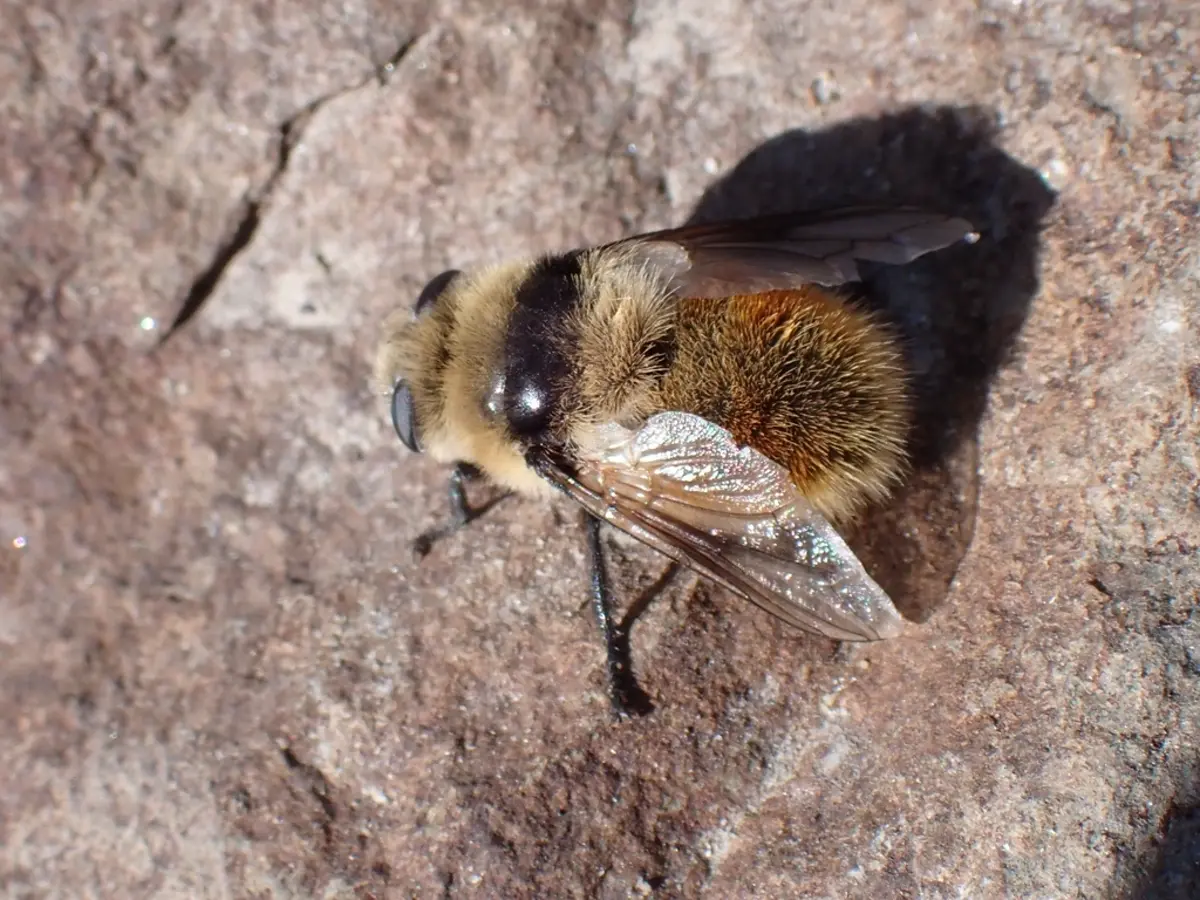
Warble flies are parasitic flies in the genus Hypoderma whose larvae develop beneath the skin of cattle and wild ungulates. Adults resemble bumblebees and do not bite or feed, but their larvae cause characteristic raised lumps called warbles on the backs of host animals.
Taxonomy
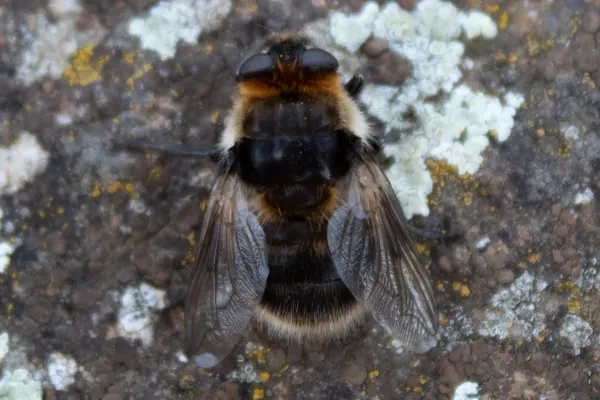
Warble Flies Coloration
Common color patterns to help identify warble flies
Warble Flies
Seasonal Activity
When warble flies are most active throughout the year

Where Warble Flies Are Found
Hover over states to see their names. Green regions indicate where warble flies have been reported.
Warble Fly Identification Guide
Physical Characteristics
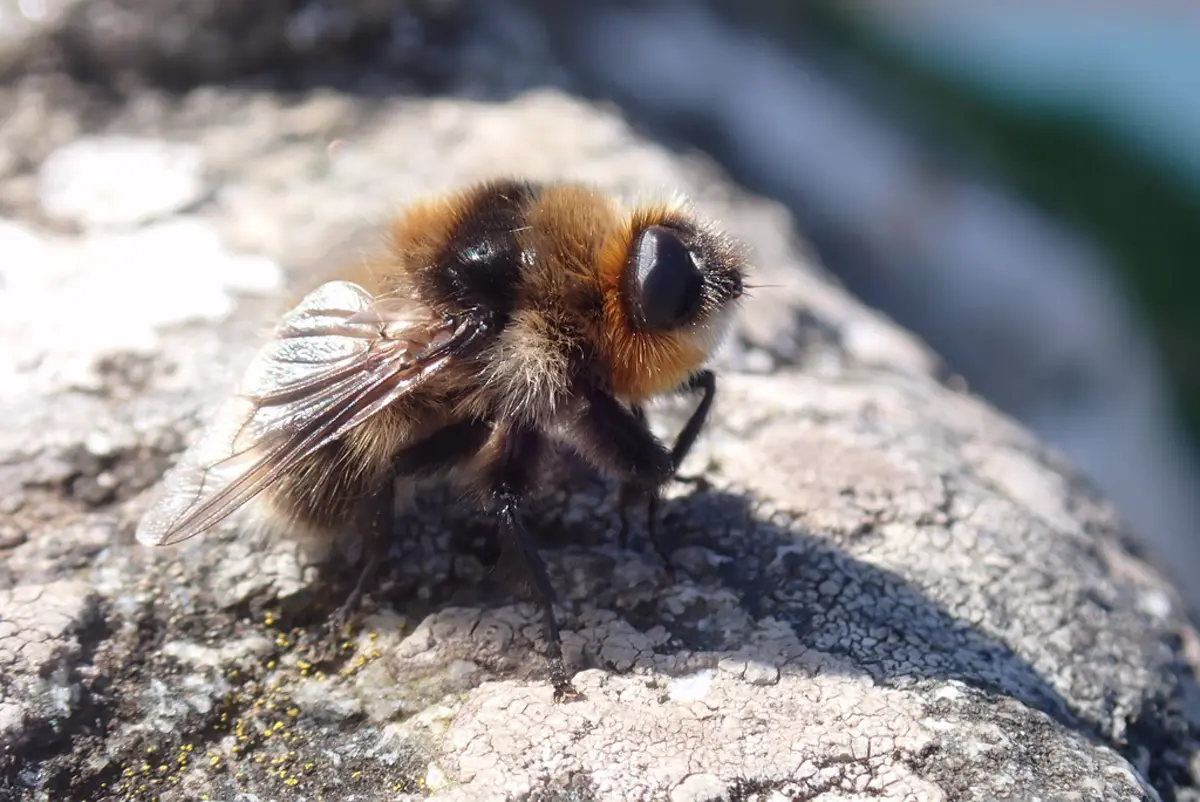
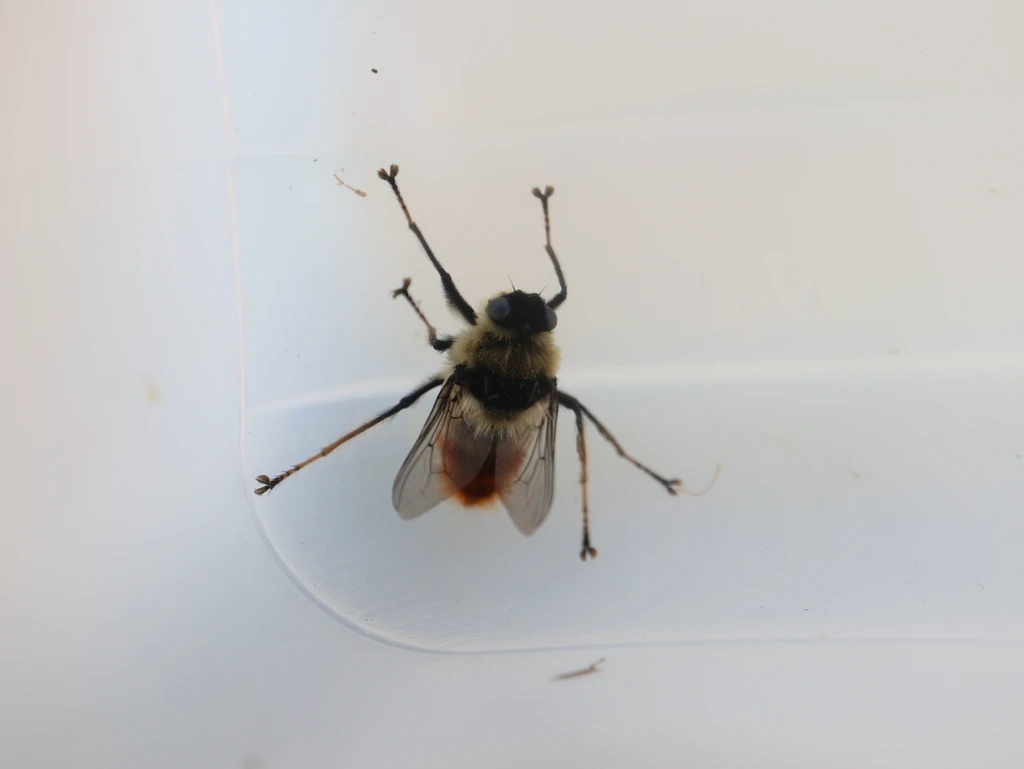
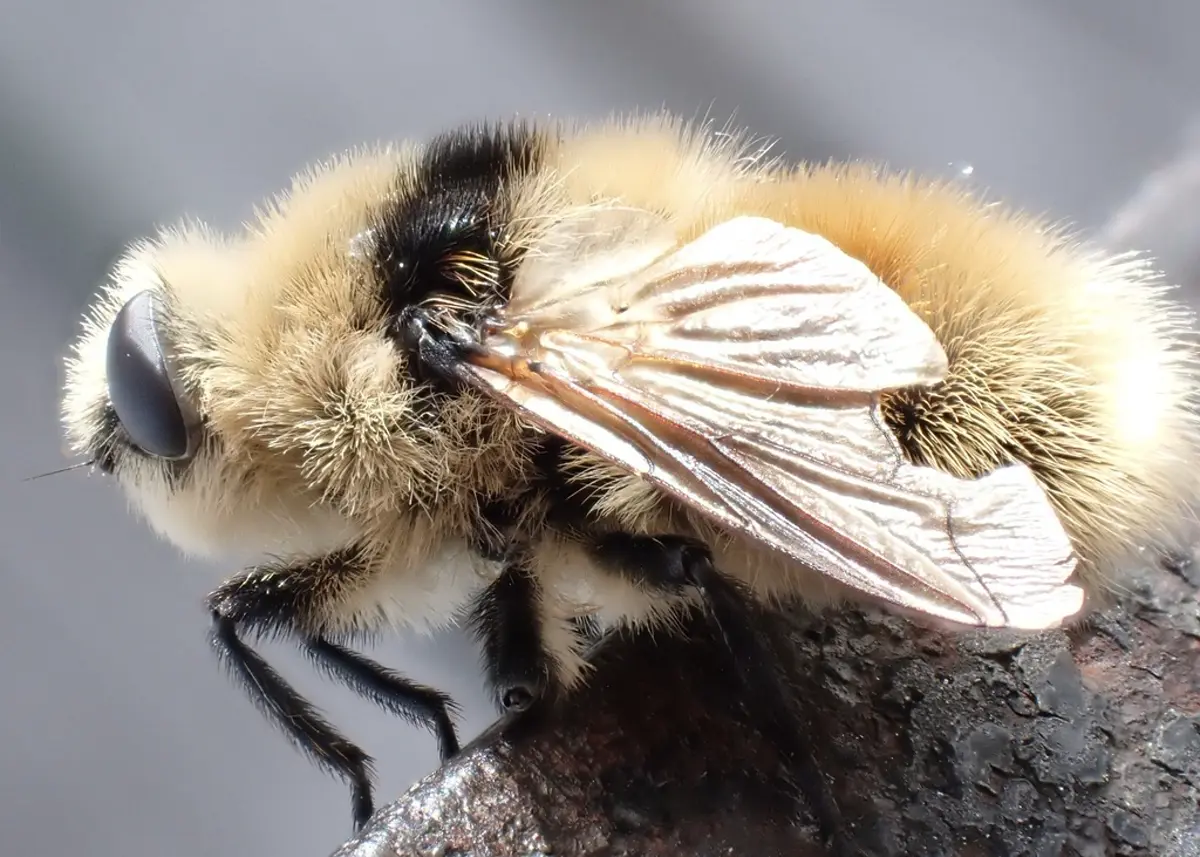
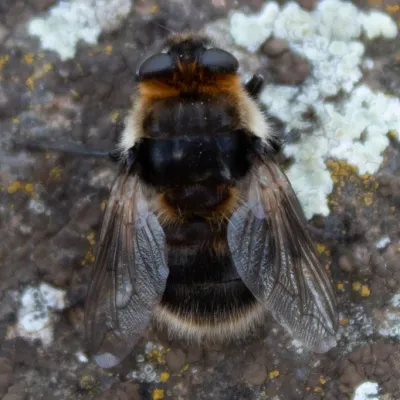
Adult warble flies are thick, hairy flies that look a lot like bumblebees. They are 11 to 18 millimeters long. Most adults fall in the 13 to 15 millimeter range. Dense yellow and black hair covers their bodies in a banded pattern. At first glance, you might mistake one for a bee. The fastest way to tell them apart is the wings. Warble flies have only one pair of wings, while bees have two.
Adult warble flies have another odd trait. Their mouthparts do not work. They cannot bite, sting, or feed. Adults spend their short lives mating and laying eggs, then die within a few days to two weeks.
Warble fly larvae look nothing like the adults. Young larvae are small, cream-colored, and see-through. As they grow inside a host animal, they turn light brown, then reddish-brown, and finally dark brown. Full-grown larvae are barrel-shaped with rows of tiny spines on their bodies. They can reach 15 to 28 millimeters long.
Common Species in North America
Three species of warble flies are relevant in North America:
-
Common Cattle Grub (Hypoderma lineatum) is the most widespread species in the United States and southern Canada. Females lay eggs in rows of 3 to 10 on the hair of cattle’s lower legs and belly. Larvae travel inside the body to rest near the throat before moving to the back to form warbles. This species finishes its life cycle about 6 to 8 weeks before H. bovis.
-
Northern Cattle Grub (Hypoderma bovis), also called the ox warble fly, is found across northern parts of North America. It is more common at higher latitudes. Females lay one egg at a time on the hair of the rump and hind legs. Larvae travel to the fat near the spinal canal before moving to the back.
-
Reindeer Warble Fly (Hypoderma tarandi) is found across northern Canada and Alaska. This species targets caribou and reindeer. It follows a similar life cycle but is built for cold Arctic conditions. It does not affect domestic cattle.
Warble Fly Behavior and Biology
Life Cycle
Warble flies produce one generation per year. The cycle follows a set pattern tied to the seasons:
-
Egg laying. On warm, sunny days from late May through July, females lay eggs on the hair of cattle. H. lineatum puts eggs in small rows on the lower legs. H. bovis lays one egg at a time on the hindquarters. Eggs hatch within 3 to 7 days.
-
Larval migration. Young larvae burrow through the skin and begin a long trip through the animal’s body. This journey lasts several months. H. lineatum larvae travel to the throat area. H. bovis larvae head to the fat around the spinal canal.
-
Warble formation. After months of moving through the body, larvae settle under the skin along the animal’s back. Each larva forms a pocket called a warble. It cuts a small breathing hole through the hide and keeps growing for 4 to 8 weeks.
-
Pupation and emergence. When fully grown, the larva crawls out through the breathing hole, drops to the ground, and digs into the soil. It stays in the soil for several weeks as it changes into an adult fly. Adults come out the following spring to start the cycle over.
Host Range and Behavior
Cattle are the main hosts for H. lineatum and H. bovis. Warble flies can sometimes infest horses, sheep, goats, and, in rare cases, humans. Wild deer and elk can also be hosts. H. tarandi targets caribou and reindeer in northern regions.
Adult warble flies are most active on warm, calm, sunny days. Even though they cannot feed, they are strong fliers. Cattle can sense warble flies coming and often panic. They run with their tails raised, a reaction called “gadding.” This stress alone can cut weight gain and milk output in affected herds, even before larvae start to grow.
Seasonal Activity
Adults fly mostly from late May through July across North America. In the Mid-Atlantic region, peak egg laying falls between June and early July. Larvae move through the body during late summer and fall. Visible warbles on the backs of cattle show up between September and February. The timing shifts based on how far north the herd is. By late winter or early spring, full-grown larvae leave their warbles and drop to the soil.
Treatment Methods for Warble Fly Infestations
Warble flies are not household pests. They do not infest homes, breed in garbage, or pose a direct threat to people in typical settings. Management of warble flies centers on livestock health and veterinary care.
Veterinary Approaches
The most effective approach uses systemic deworming products. A class of drugs called macrocyclic lactones works well against Hypoderma larvae. Common examples include ivermectin, doramectin, and moxidectin. These products must be given at the right time of year.
- Timing matters. If larvae are killed while they sit near the throat or spinal canal, the animal can have a bad reaction. This can include bloat, trouble swallowing, or even paralysis. Many extension services warn against treating during the high-risk window, often November through February.
- Do not squeeze warbles. Crushing a larva inside the warble can trigger a strong allergic reaction or a bacterial infection.
- Coordinate with neighbors. Control works best when nearby herds are treated on similar schedules. This cuts the overall warble fly population across the area.
Prevention
Adult warble flies are short-lived and hard to control in the wild. Prevention focuses on treating host animals rather than going after the flies themselves:
- Work with a veterinarian to set up a treatment schedule that fits your region
- Check cattle for warble lumps from early fall through winter
- Report heavy infestations to local agricultural extension offices
- If your farm is near wooded areas, keep in mind that wild deer can carry warble flies too
Human Cases
Human cases of Hypoderma are very rare. When they happen, it is almost always in people who work closely with cattle. Larvae that end up in a human host do not finish growing. However, they can cause painful lumps that move under the skin. A doctor should remove the larva. The CDC’s DPDx resource on myiasis has more details for healthcare providers.
Note: This information is for general awareness only and is not medical advice. Always see a doctor if you suspect a parasitic infestation.
Warble Flies Compared to Similar Pests
Warble flies can be confused with several other flies, particularly other members of the bot fly family:
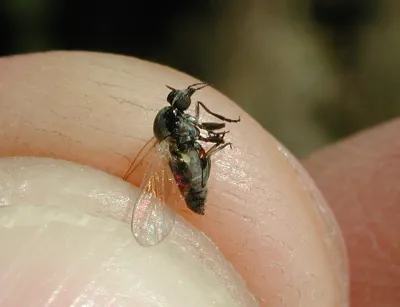
- Other Bot Flies (Cuterebra, Gasterophilus, Dermatobia) also produce larvae that grow inside animal hosts. Each type targets different animals. Cuterebra goes after rodents, rabbits, and sometimes pets. Gasterophilus larvae grow in horse stomachs. Dermatobia hominis is a tropical species not found in the U.S. or Canada.
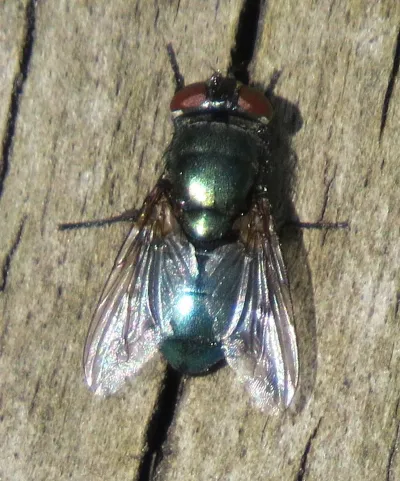
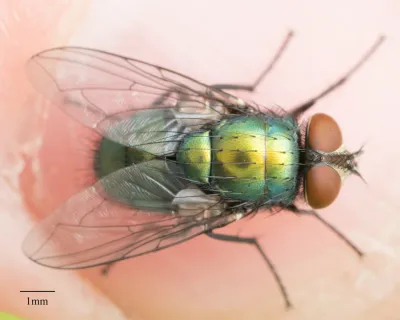
- Blow Flies are shiny green or blue flies that lay eggs in wounds or rotting material. They cause wound infestations with many maggots in an open wound. Warble flies, by contrast, place a single larva in a sealed pocket under the skin.
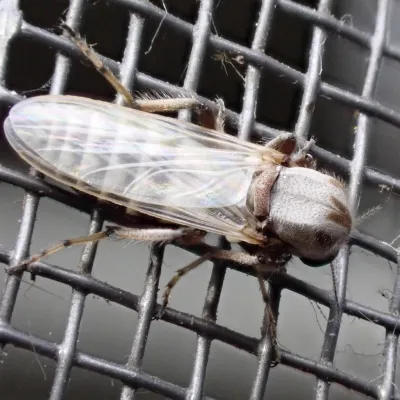
- Horse Flies and Deer Flies are biting flies that feed on blood. Their mouthparts work, unlike warble flies. They do not produce larvae that grow inside hosts.
References
- Merck Veterinary Manual - Hypoderma spp. (Cattle Grubs)
- UF/IFAS Featured Creatures - Common Cattle Grub (Hypoderma lineatum)
- WCVM University of Saskatchewan - Hypoderma bovis and H. lineatum
- CDC DPDx - Myiasis
- Pacific Northwest Pest Management Handbooks - Dairy Cattle: Cattle Grub
- ITIS - Hypoderma bovis Taxonomic Record
Other Flies
Explore other species in the flies family
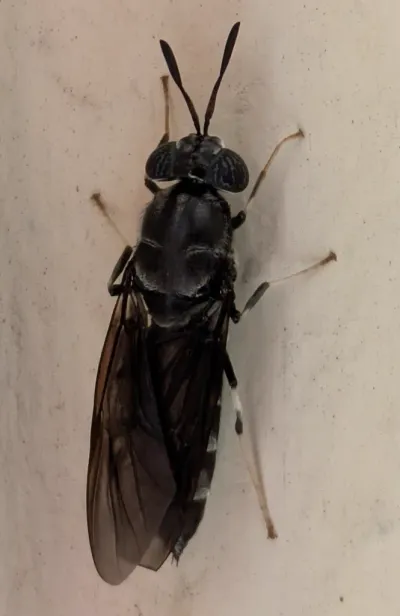
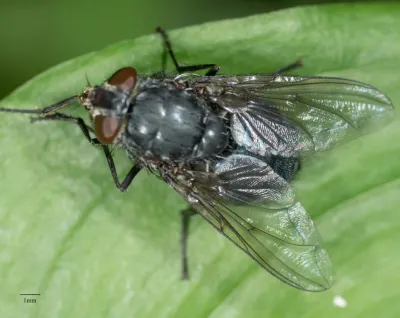
Commonly Confused With
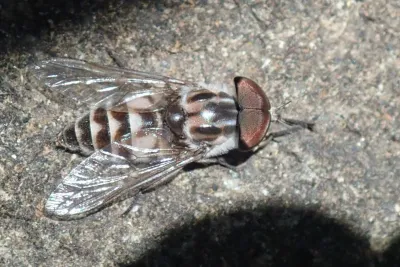
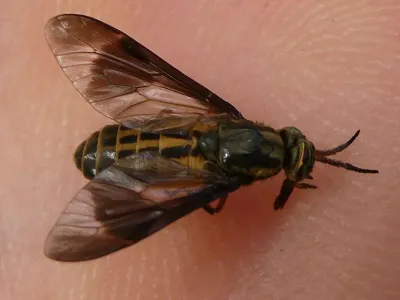
Warble Flies are often mistaken for these similar pests
Where Warble Flies Are Found
Hover over states to see their names. Green regions indicate where warble flies have been reported.
Common Questions about Warble Flies
What is a warble fly?
+
A warble fly is a parasitic fly in the genus Hypoderma. The adults look like bumblebees and do not bite or feed. Their larvae burrow under the skin of cattle, deer, and other ungulates and form raised lumps called warbles on the animal's back. The two most common species in North America are the common cattle grub (Hypoderma lineatum) and the northern cattle grub (Hypoderma bovis).
Are warble flies the same as bot flies?
+
Warble flies are a type of bot fly. Both belong to the family Oestridae. The term bot fly covers a broader group that includes warble flies (Hypoderma), rodent bot flies (Cuterebra), horse bot flies (Gasterophilus), and the human bot fly (Dermatobia hominis). Warble flies specifically target cattle and wild ungulates.
Can warble flies affect humans?
+
Human infestations by Hypoderma warble flies are extremely rare. Occasional cases have been reported in people who work closely with cattle or handle infested hides. If you develop an unusual lump or swelling after contact with livestock, consult a doctor. The vast majority of warble fly activity is limited to cattle and wild cervids like deer and caribou.
What does a warble look like on an animal?
+
A warble appears as a firm, raised lump about the size of a marble on the animal's back, usually along the spine. Each lump has a small breathing hole at the center. If you look closely, you may see movement or the dark tip of the larva inside the hole. Warbles are most visible from late fall through late winter.
What time of year are warble flies active?
+
Adult warble flies are most active from late May through July on warm, sunny days. This is when females lay eggs on the hair of cattle. The larvae migrate internally through summer and fall. Visible warbles on the backs of animals typically appear from September through February, depending on the region and species.
How are warble fly infestations treated in cattle?
+
Veterinarians typically recommend systemic parasiticides such as macrocyclic lactones (ivermectin, doramectin, moxidectin) timed to kill larvae before they reach sensitive internal tissues. Treatment timing is critical because killing larvae while they are near the esophagus or spinal canal can cause severe reactions in the animal. Always follow veterinary guidance for your region.
Do warble flies come inside homes?
+
No. Warble flies are outdoor parasites of livestock and wild ungulates. They do not breed indoors, are not attracted to food or garbage, and have no reason to enter homes. Adults live only a few days and spend their brief lives outdoors searching for hosts to lay eggs on.

With five years of hands-on experience in the pest control industry, George Schulz is a registered technician with the Virginia Pest Management Association and a proud third-generation professional in a family business that's been protecting homes for over 57 years. He manages and trains a team of service pros while also leading internal research efforts—recently spearheading a deep-dive review of thousands of documents on pest control materials to hand-pick the most kid and pet friendly, most effective solutions tailored specifically for homes in the DC metro area.