Fungus Gnats Identification Guide
Sciaridae (Family)
Fungus gnats are small, dark-colored flies commonly found around houseplants and in areas with moist soil. Their larvae feed on fungi, decaying organic matter, and plant roots.
Taxonomy
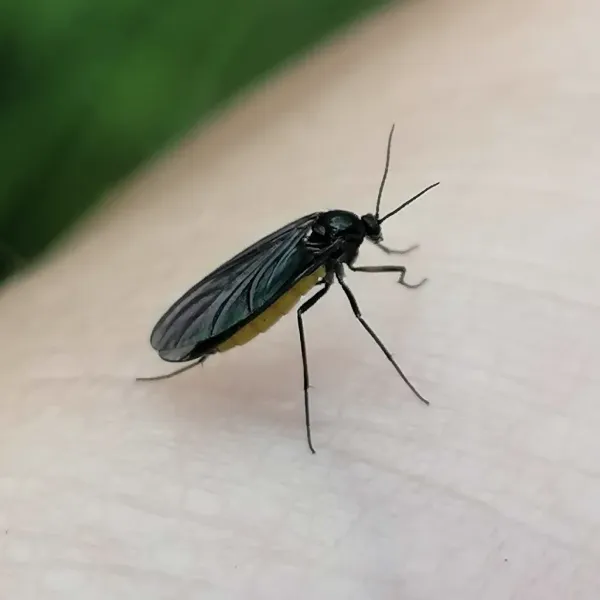
Fungus Gnats Coloration
Common color patterns to help identify fungus gnats
Fungus Gnats
Seasonal Activity
When fungus gnats are most active throughout the year
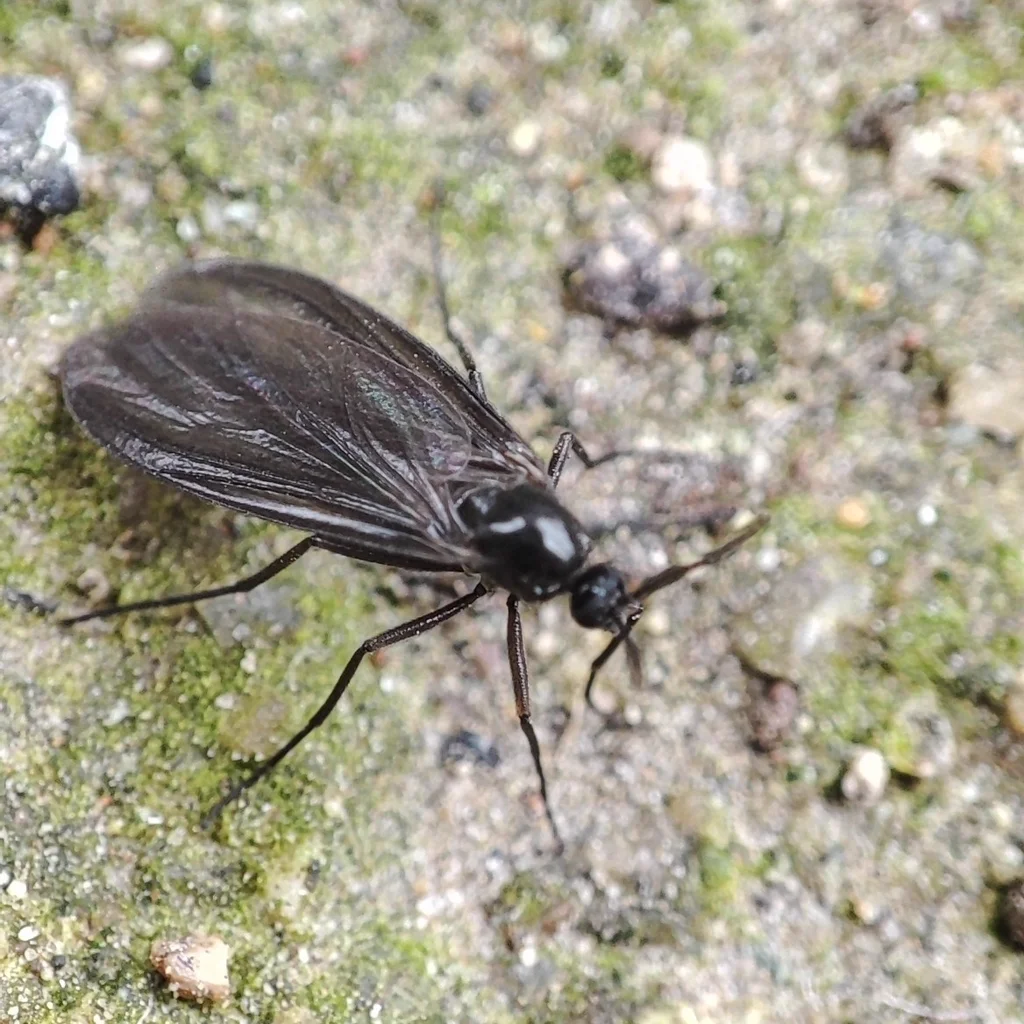
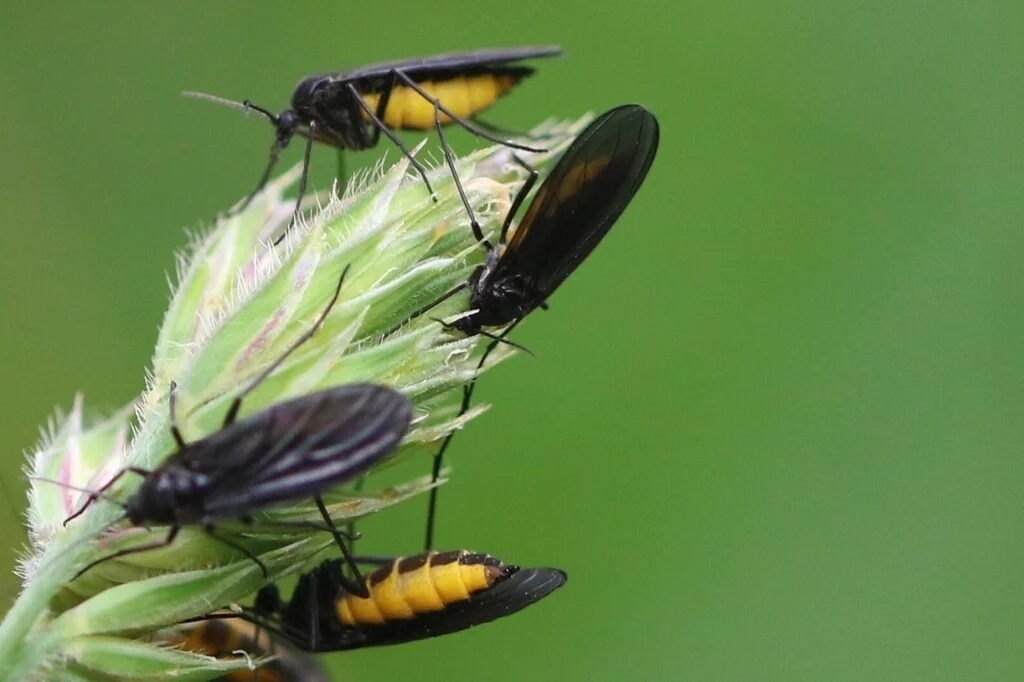
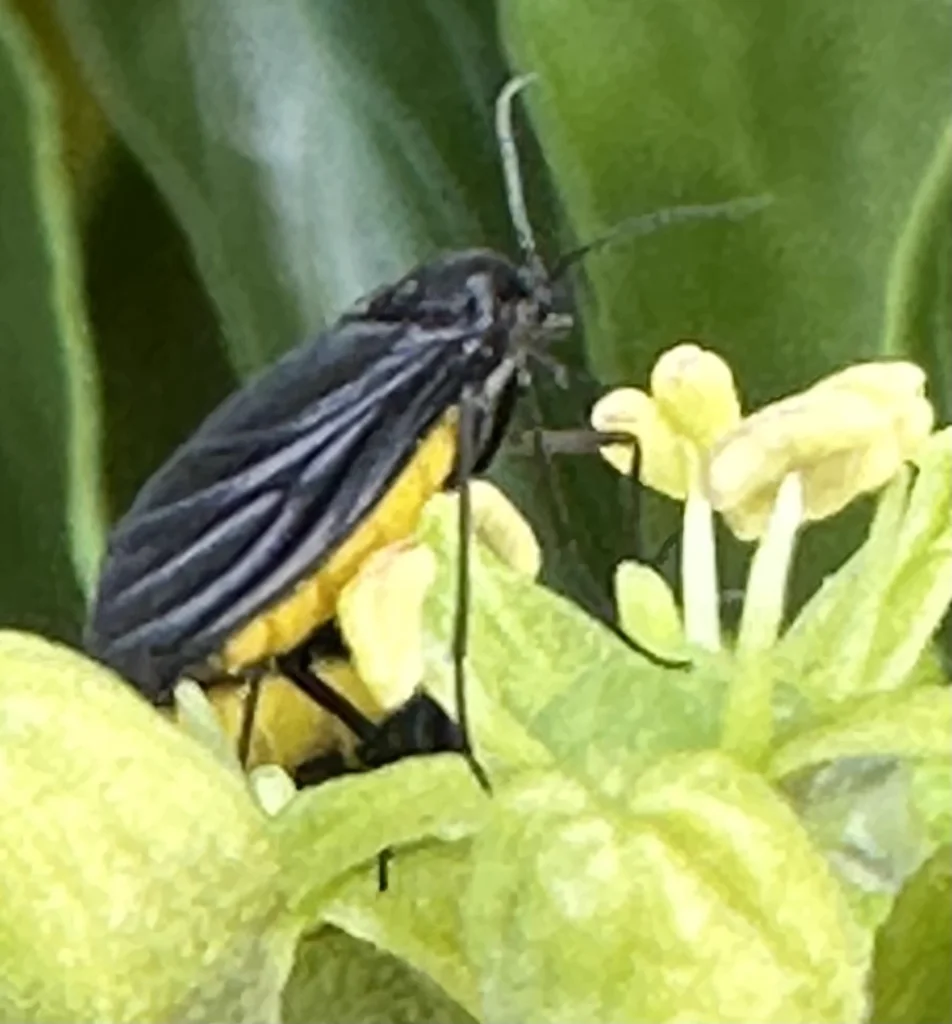

Where Fungus Gnats Are Found
Hover over states to see their names. Green regions indicate where fungus gnats have been reported.
Fungus Gnat Identification Guide
Physical Characteristics
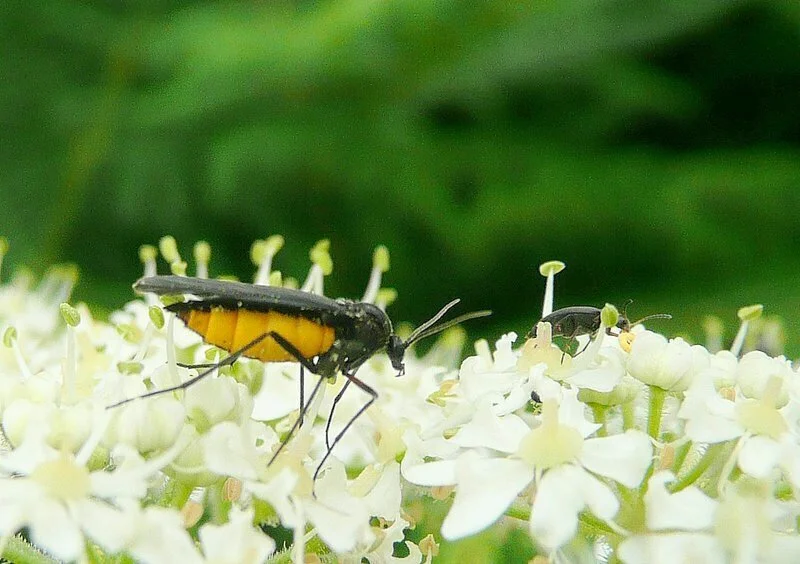
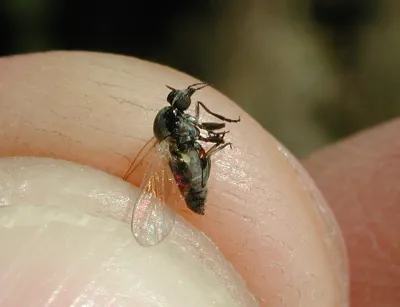
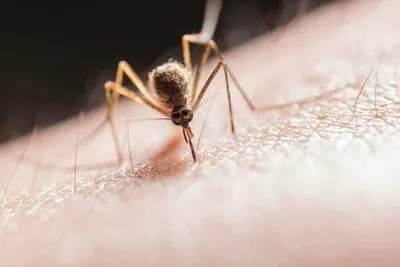
Fungus gnats are small flies that measure 2 to 5 millimeters long. They have thin bodies with long legs and antennae. Many people think they look like tiny mosquitoes, but fungus gnats are smaller and do not bite. Despite the name, fungus gnats are classified as flies rather than true gnats, though homeowners often group them together.
Their wings are clear to light gray. A Y-shaped vein pattern on the wings helps tell them apart from other small flies. At rest, they hold their wings flat over their bodies. Adults are black, dark gray, or brown. Some have yellow or orange marks on their bodies.
Fungus gnat larvae are thin, legless maggots about 5 to 6 millimeters long. They are white and see-through with a shiny black head. You can find larvae in the top few inches of moist potting soil where they eat fungi and rotting plant matter.
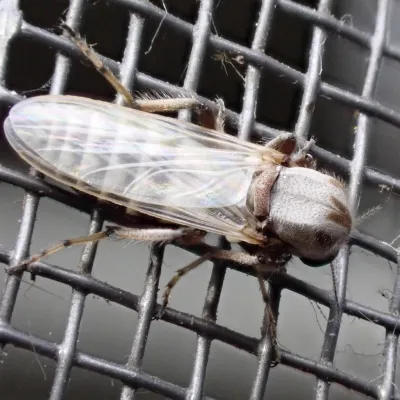
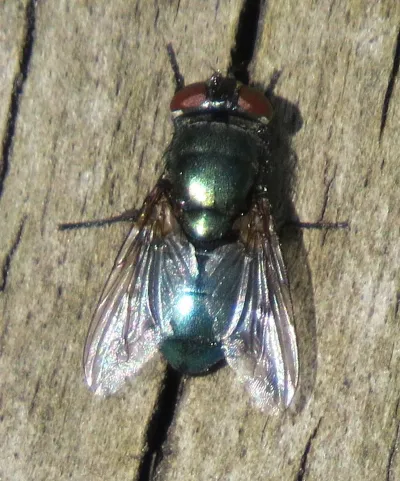
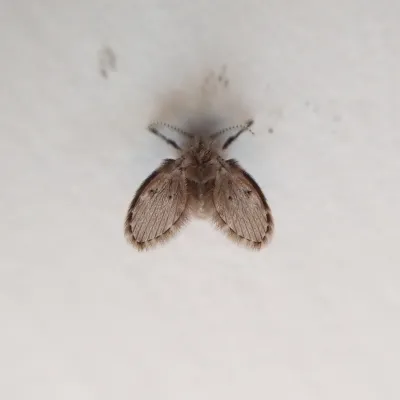
Fungus gnats look sleeker than drain flies, which are fuzzy and moth-like. They are also commonly confused with fruit flies, though fruit flies have red eyes and are attracted to fermenting produce rather than moist soil. They are weak fliers and stay close to where they breed. You will often see them hovering around plant pots or sitting on nearby surfaces.
Common Species
The most common fungus gnats in houseplants belong to the family Sciaridae. The species Bradysia coprophila and Bradysia impatiens appear most often in homes and greenhouses across North America.
Another family called Mycetophilidae lives outdoors in forests and gardens. These gnats breed in rotting wood, mushrooms, and fallen leaves. They sometimes enter homes but rarely cause houseplant problems.
Dark-winged fungus gnats (Sciaridae) are the main indoor pest. They do well in the warm, humid air found in homes with plants. Greenhouses and nurseries often have large numbers because potted plants give them perfect places to breed.
Fungus Gnat Behavior and Biology
Fungus gnats go through four life stages: egg, larva, pupa, and adult. The full cycle takes about three to four weeks in warm conditions. In cooler weather, it can take several months.
Female gnats lay 100 to 200 eggs in small groups on moist soil or in cracks near rotting matter. The eggs are tiny, oval, and yellowish-white. In warm conditions, eggs hatch in four to six days.
The larval stage lasts about two weeks. Larvae live in the top two to three inches of soil where there is the most moisture and organic matter. They mainly eat fungi, algae, and rotting plant material. They also eat root hairs, small roots, and stems of young plants.
After the larval stage, gnats pupate near the soil surface. This stage lasts four to five days before adults come out. Adult gnats live only about one week, but they reproduce fast. Populations can grow quickly when conditions are right.
Fungus gnats are weak fliers and stay near where they breed. Adults like light and often gather near windows during the day. They do not bite. As adults, they eat very little, mainly nectar and water.
Where They Live
Fungus gnats live anywhere there is moist organic matter. Common indoor breeding sites include:
If you are not sure whether you have fungus gnats or another small fly, our guides on fungus gnats vs drain flies and fungus gnats vs fruit flies can help you tell them apart.
- Overwatered houseplants and pots with poor drainage
- Potting soil high in peat moss, bark, or other organic materials
- Indoor compost bins and worm farms
- Greenhouses and indoor growing areas
- Damp moss or mulch used for decoration
- Leaking pipes or areas with water damage
- Floor drains with built-up organic debris
Outdoors, fungus gnats breed in forests, gardens, and anywhere rotting plant matter builds up. They are common in shaded, moist spots with old leaves, mulch, or rotting wood.
Treatment Methods for Fungus Gnats
To control fungus gnats, you must fix the moist soil conditions that let them breed. Adults are annoying, but the real key is killing larvae and stopping new gnats from growing.
Watering Changes
The best way to manage fungus gnats is to change how you water plants. Let the top one to two inches of soil dry out fully between waterings. This simple step kills larvae and makes the soil a bad place for egg-laying.
Do not leave water sitting in saucers under plant pots. This keeps soil too wet. Try bottom watering, where plants soak up water from below. This keeps the top soil drier while roots still get enough moisture.
Use potting mixes and containers that drain well. Add perlite or sand to soil to help it drain faster. This reduces moisture that fungus gnats need. Stay away from potting mixes that stay soggy or have lots of organic matter.
Monitoring and Trapping
Yellow sticky traps work well to watch adult gnat numbers and cut down on them. Place traps flat on the soil or standing up near plants to catch adults. Traps alone will not end an infestation, but they help you see how many gnats you have and catch females before they lay eggs.
To check for larvae, put thin slices of raw potato on the soil surface. After 48 hours, look at the bottom of each slice. Larvae like the potato and will stick to it if they are in the soil.
Biological Control
Several natural products work well against fungus gnat larvae. Bacillus thuringiensis var. israelensis (Bti) is a soil bacterium that makes toxins that kill fly larvae. When you pour it into infested soil, Bti kills fungus gnat larvae within days. Products with Bti are sold at garden centers and can be used around people and pets when you follow the label.
Nematodes, especially Steinernema feltiae, are tiny worms that hunt and kill fungus gnat larvae in soil. You add them to soil as a drench and they find larvae on their own. This makes them work even in thick root systems. They do best in moist soil between 50 and 80 degrees Fahrenheit.
Predatory mites like Stratiolaelaps scimitus eat fungus gnat eggs and larvae. These mites live in potting soil and give ongoing control. The rove beetle Dalotia coriaria is another predator used in greenhouses.
Soil Treatment
For plants with lots of gnats, remove and replace the top layer of soil. Take out the top two inches where most eggs and larvae live. Replace it with fresh, clean potting mix.
In bad cases, repot plants in all new soil. Wash the old soil off the roots before replanting. This gets rid of larvae that may be feeding deeper in the roots.
Letting soil dry out fully can kill larvae, but be careful not to hurt your plants. Most houseplants can handle short dry periods, but too much drought will damage them. Focus on drying the top layer of soil where larvae live.
How to Prevent Fungus Gnats
Stopping fungus gnats before they start is easier than getting rid of them once they move in. Try these steps:
- Check new plants closely before you bring them home
- Let new potting soil dry before use, or pick sterile mixes
- Do not overwater and make sure all pots drain well
- Clean up dead leaves and plant debris on soil surfaces
- Store unused potting soil in sealed containers
- Keep new plants separate for a few weeks to watch for pests
Related Resources
Fungus gnats are often confused with other small indoor flies. These guides can help with identification and treatment:
- Gnats vs Fruit Flies — How to tell whether your kitchen invaders are gnats or fruit flies.
- Tiny Black Bugs in Bathroom — A guide to identifying small flying and crawling pests in bathrooms, including fungus gnats.
- Gnats Identification Guide — Overview of all common gnat types found in and around homes.
- Eye Gnats — A different type of gnat that bothers people outdoors rather than around houseplants.
References
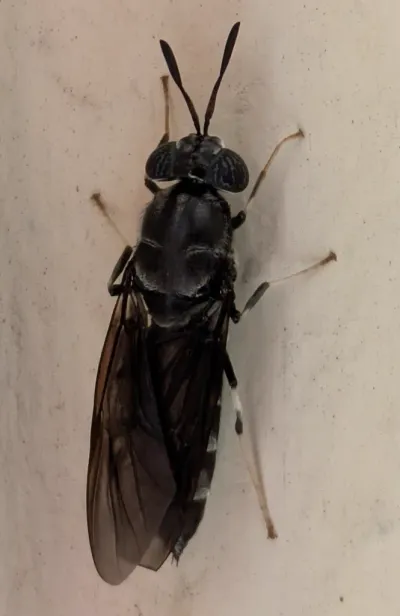
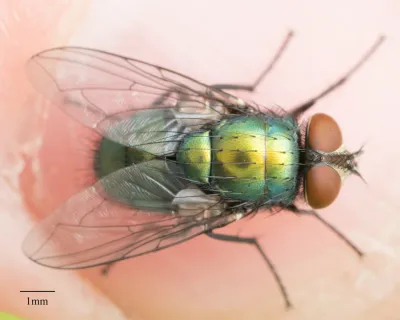
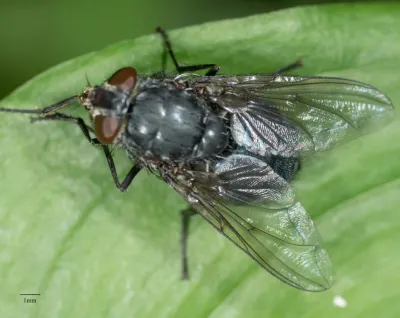
Other Flies
Explore other species in the flies family
Commonly Confused With
Fungus Gnats are often mistaken for these similar pests
Where Fungus Gnats Are Found
Hover over states to see their names. Green regions indicate where fungus gnats have been reported.
Common Questions about Fungus Gnats
What causes fungus gnats in my house?
+
Fungus gnats are attracted to moist soil and decaying organic matter. Overwatered houseplants are the most common source, as their soil provides the damp conditions and fungi that larvae need to develop. Potting mixes high in peat moss or bark are especially attractive to these insects.
Are fungus gnats harmful to plants?
+
Adult fungus gnats do not damage plants, but their larvae can harm young plants, seedlings, and cuttings. Larvae feed primarily on fungi and decaying matter in soil, but they may also consume root hairs and small roots, causing stunted growth, yellowing, and wilting in heavily infested plants.
How do I get rid of fungus gnats in my houseplants?
+
Let the top inch or two of soil dry fully between waterings. This kills larvae and stops egg-laying. Yellow sticky traps catch adult gnats. For bad infestations, repot plants in fresh, clean potting mix or apply nematodes or Bacillus thuringiensis israelensis (Bti) to the soil.
Why do I suddenly have fungus gnats?
+
Fungus gnats often appear suddenly after bringing new plants or potting soil into your home. They may also emerge when watering habits change, such as during winter when plants need less water but continue receiving the same amount. Their short lifecycle means populations can build quickly under favorable conditions.
Do fungus gnats bite humans?
+
No, fungus gnats do not bite humans or pets. They are strictly a nuisance pest in homes. Adults are weak fliers that hover around plants and are attracted to light. While annoying, they pose no direct health risk to people.
How long do fungus gnats live?
+
Adult fungus gnats live approximately one week. However, a single female can lay up to 200 eggs during her short lifespan, and the complete lifecycle from egg to adult takes only about three to four weeks in warm conditions. This rapid reproduction allows populations to grow quickly.
Will fungus gnats go away on their own?
+
Fungus gnats will not disappear unless their breeding conditions are addressed. As long as moist soil and organic matter are available, they will continue reproducing. Allowing soil to dry between waterings is the most effective way to break the breeding cycle.
Can fungus gnats spread disease?
+
Fungus gnats do not transmit diseases to humans. However, their larvae can spread plant pathogens as they move through soil, making plants more susceptible to root diseases like Pythium, Fusarium, and other fungal infections. This is particularly concerning in greenhouse and nursery settings.

With five years of hands-on experience in the pest control industry, George Schulz is a registered technician with the Virginia Pest Management Association and a proud third-generation professional in a family business that's been protecting homes for over 57 years. He manages and trains a team of service pros while also leading internal research efforts—recently spearheading a deep-dive review of thousands of documents on pest control materials to hand-pick the most kid and pet friendly, most effective solutions tailored specifically for homes in the DC metro area.