Drain Flies Identification Guide
Psychodidae (Family)
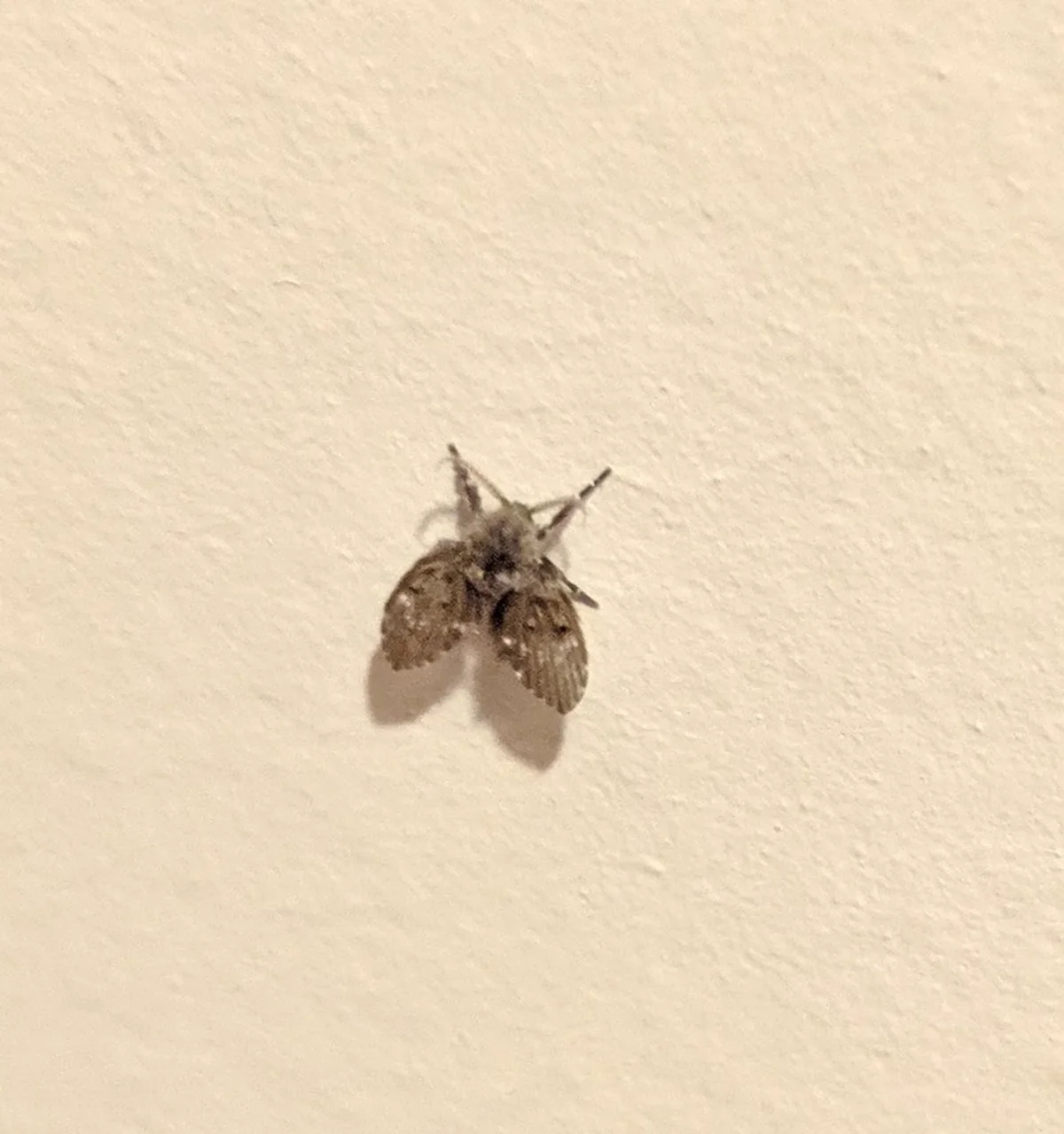
Drain flies are small, fuzzy, moth-like flies that breed in the organic buildup inside drains, pipes, and other moist areas with decaying organic matter.
Taxonomy
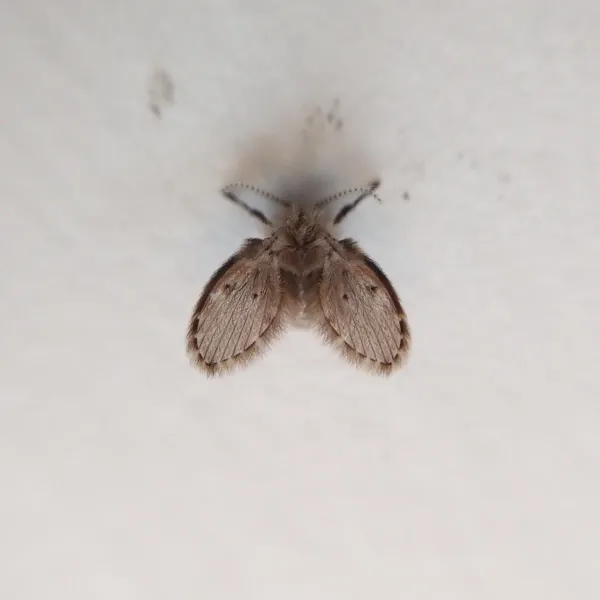
Drain Flies Coloration
Common color patterns to help identify drain flies
Drain Flies
Seasonal Activity
When drain flies are most active throughout the year

Where Drain Flies Are Found
Hover over states to see their names. Green regions indicate where drain flies have been reported.
Drain Fly Identification Guide
Physical Characteristics
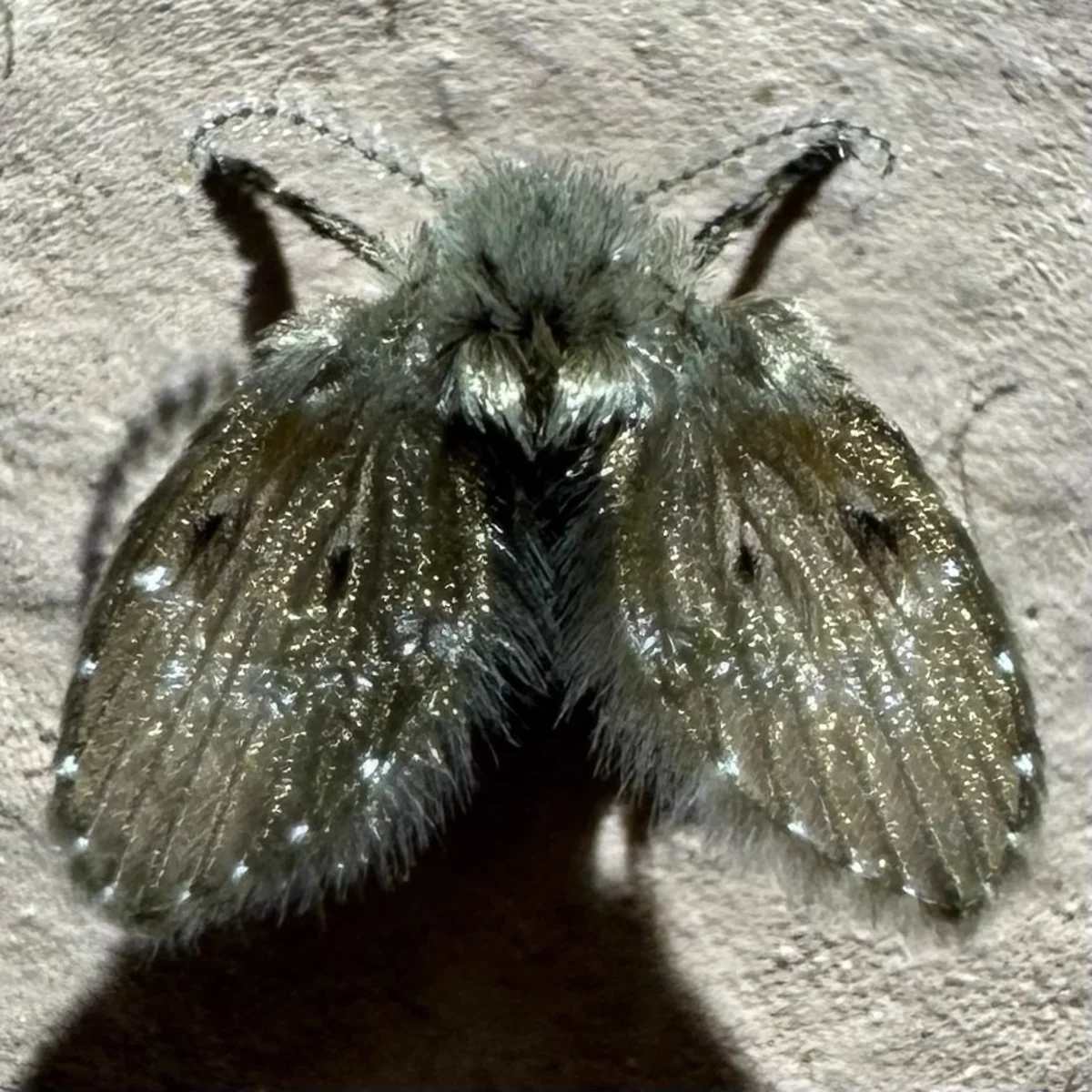
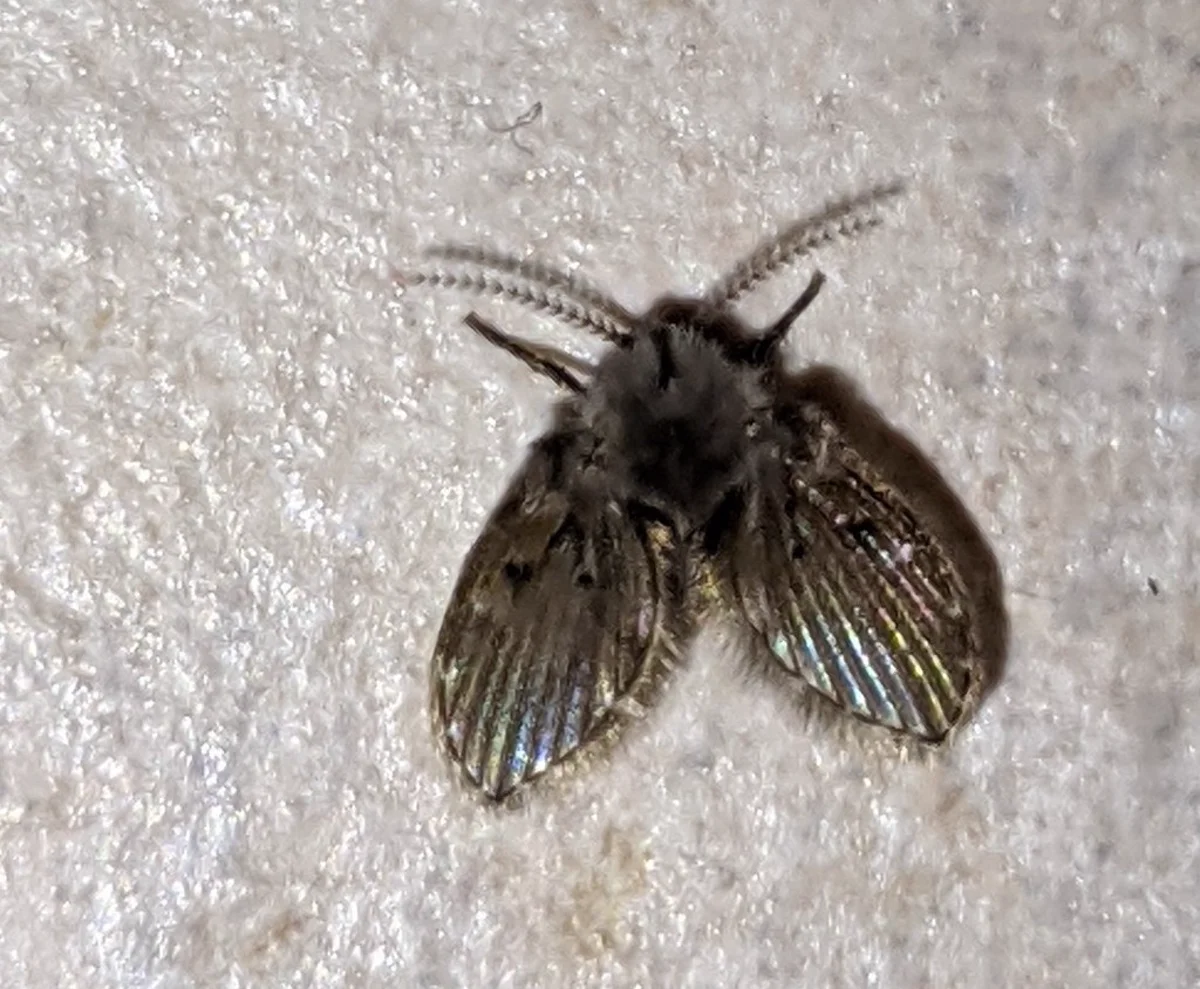
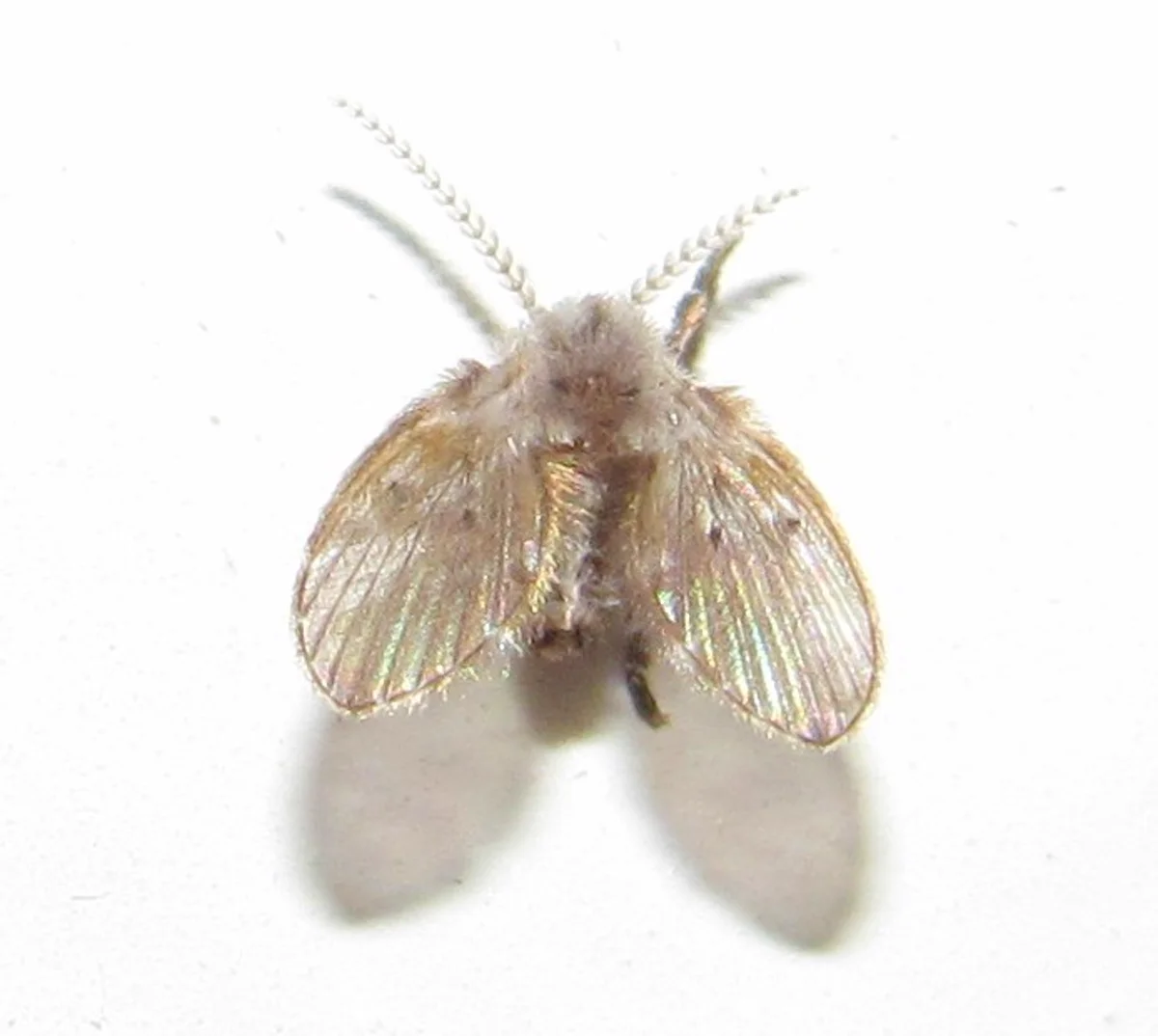
Drain flies are small flies measuring 2 to 5 millimeters in length, about the size of a fruit fly or smaller. Their most distinctive feature is their fuzzy, moth-like appearance. Both their bodies and wings are covered with tiny hairs, giving them a furry look that sets them apart from other small flies.
Drain flies hold their large, leaf-shaped wings roof-like over their bodies when at rest. This wing position, combined with their fuzzy texture, often leads people to mistake them for tiny moths. Their coloring ranges from pale gray to tan or brown, sometimes with darker patterns on the wings. They have long, segmented antennae that are also covered with fine hairs.
Unlike house flies, drain flies are weak, erratic fliers. They tend to make short hopping flights and are often found resting on walls and ceilings near their breeding sites. When disturbed, they fly only a short distance before landing again.
Common Species
The most common drain fly species found in homes is Clogmia albipunctata, sometimes called the bathroom moth fly or filter fly. This species is found throughout North America and thrives in the warm, humid conditions inside bathroom and kitchen drains.
Other species in the Psychodidae family include sand flies (subfamily Phlebotominae), which are biting flies found primarily in tropical and subtropical regions. However, the drain flies encountered in North American homes are non-biting nuisance pests. Drain flies are also known as moth flies, sewer flies, or filter flies depending on where they are found.
Drain Fly Behavior and Biology
Drain flies complete their life cycle in 8 to 24 days depending on temperature. Females lay irregular masses of 30 to 100 eggs in or near the gelatinous film inside drains. The eggs hatch within 32 to 48 hours in warm conditions.
The larvae are legless, translucent, and somewhat flattened. They feed on the bacteria, fungi, and organic matter in drain biofilm for 9 to 15 days before pupating. The pupal stage lasts 20 to 40 hours. Adult drain flies live approximately two weeks.
Drain flies are most active in the evening and at night. During the day, they rest on walls, ceilings, and other surfaces near their breeding sites. People often confuse drain flies with fruit flies or phorid flies, but each species breeds in different locations and requires different control methods. See our drain flies vs fruit flies and drain flies vs gnats comparisons for identification help. They are attracted to light and may gather near windows or light fixtures. Adults do not bite and feed very little, primarily on nectar and polluted water.
The key to their persistence is the organic film that builds up inside drain pipes. This slimy layer, composed of bacteria, soap scum, hair, and other organic debris, provides an ideal environment for drain fly larvae. Even small amounts of this material can support a breeding population.
Where Drain Flies Breed
Drain flies can breed in any location with moist organic matter. Common breeding sites include:
- Bathroom sink, shower, and tub drains
- Kitchen sink drains and garbage disposal units
- Floor drains in basements, garages, and laundry rooms
- Condensate drains from air conditioning units
- Sump pump pits
- Septic tanks and damaged sewer lines
- Rarely used drains that have dried out and accumulated debris
- Areas with water damage or leaks behind walls
Treatment Methods for Drain Flies
Effective drain fly control requires eliminating breeding sites rather than just killing adult flies. Here are proven methods for addressing drain fly infestations:
Source Identification
Before treatment can begin, you must locate all breeding sites. The tape test mentioned in the FAQs is the most reliable method. Place clear tape over suspected drains for several nights in a row, as drain fly emergence can be sporadic.
Do not overlook less obvious breeding sites like air conditioning drip pans, sump pumps, or floor drains in utility areas. Water stains on walls or ceilings may indicate hidden moisture problems that could harbor drain flies.
Mechanical Cleaning
The most important step in drain fly control is physically removing the organic film where larvae develop. This requires more than simply pouring chemicals down the drain.
Use a stiff drain brush or pipe brush to scrub the inside of drain pipes. Pay special attention to the drain opening and the first several inches of pipe where most buildup occurs. For garbage disposals, run the disposal with ice cubes and salt to scour the interior surfaces.
For floor drains, remove the grate and scrub the trap and visible pipe surfaces. Flush thoroughly with hot water after brushing.
Biological Drain Cleaners
Enzymatic or bacterial drain cleaners can help break down organic buildup in pipes. These products introduce beneficial bacteria that consume the organic matter drain fly larvae need. They work gradually over several days and are most effective when used as part of ongoing maintenance after mechanical cleaning.
Avoid using bleach or chemical drain cleaners as a primary treatment. While they may kill some larvae on contact, they do not effectively remove the organic film and can damage pipes with repeated use.
Preventing Reinfestation
After eliminating an active infestation, take steps to prevent drain flies from returning:
- Run water through all drains at least weekly to prevent biofilm accumulation
- Clean drain stoppers and strainers regularly
- Use enzymatic drain treatments monthly as preventive maintenance
- Repair any plumbing leaks promptly
- Ensure air conditioning drip pans drain properly and clean them periodically
- Address moisture problems in basements and crawl spaces
When to Seek Professional Help
If drain flies persist after thorough drain cleaning, the breeding source may be in a location that is difficult to access. Broken sewer lines, damaged septic systems, or buildup in main drain lines may require professional inspection with a camera to locate and address. Persistent moisture problems behind walls or under floors may also need professional remediation.
References
Other Flies
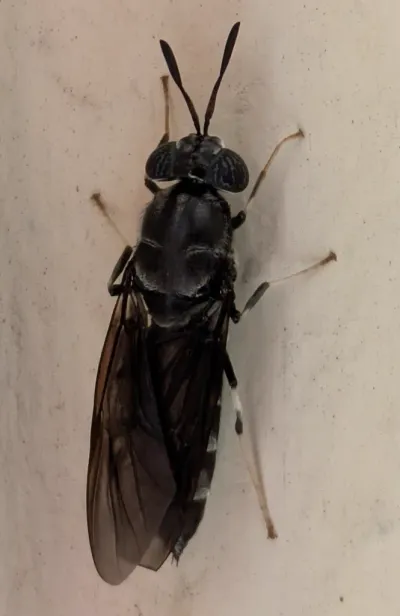
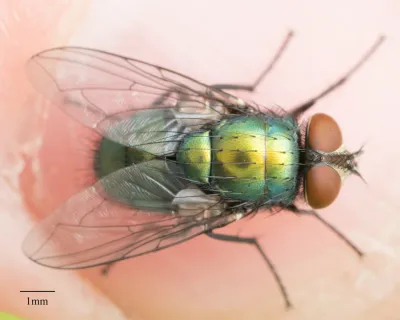
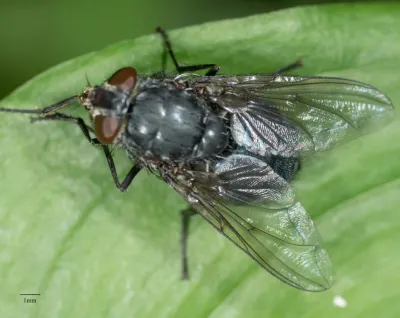
Explore other species in the flies family
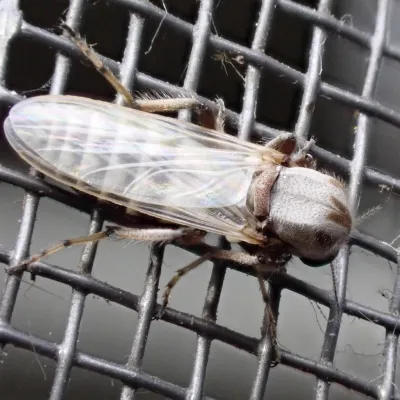
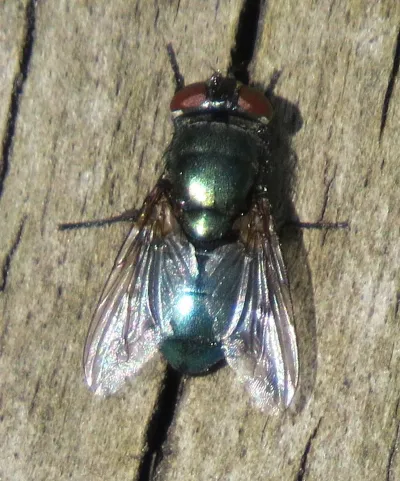
Commonly Confused With
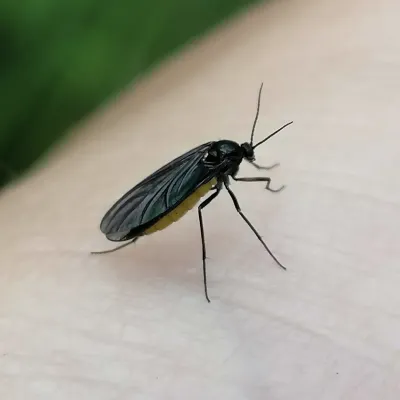
Drain Flies are often mistaken for these similar pests
Where Drain Flies Are Found
Hover over states to see their names. Green regions indicate where drain flies have been reported.
Common Questions about Drain Flies
What causes drain flies in my house?
+
Drain flies breed in the slimy organic film that builds up inside drains, pipes, and other moist areas. This biofilm contains bacteria and decaying organic matter that drain fly larvae feed on. Infrequently used drains, slow drains, and areas with standing water are common breeding sites.
Are drain flies harmful to humans?
+
Drain flies are primarily a nuisance pest and do not bite or transmit diseases to humans. However, in large numbers they can trigger allergic reactions in sensitive individuals. Their presence usually indicates a sanitation issue that should be addressed.
Why do I suddenly have drain flies?
+
Drain flies often appear suddenly when conditions become favorable for breeding. This can happen after returning from vacation when drains sit unused, during warm humid weather, or when organic buildup in pipes reaches a certain level. Plumbing leaks and condensation can also create breeding sites.
How do I find where drain flies are coming from?
+
Place a piece of clear tape over suspected drains overnight, sticky side down with a small gap for air. If drain flies are breeding there, you will find them stuck to the tape in the morning. Check bathroom sinks, shower drains, floor drains, and basement drains.
Will drain flies go away on their own?
+
Drain flies will not go away unless their breeding source is eliminated. As long as the organic film remains in your drains, they will continue to reproduce. Addressing the source is essential for permanent control.
How long does it take to get rid of drain flies?
+
With proper treatment of breeding sites, you should see a significant reduction in drain fly numbers within one to two weeks. Complete elimination may take two to three weeks as remaining eggs and larvae complete their development cycle.
Can drain flies come from the toilet?
+
Drain flies rarely breed in toilets that are used regularly because the water is frequently flushed. However, they can breed in rarely used toilets, broken wax seals, or in the overflow pipe. They may also emerge from floor drains near toilets.
Do drain flies only live in drains?
+
While drains are their most common breeding site, drain flies can breed anywhere with moist organic matter. This includes air conditioning drip pans, sump pump pits, damaged septic lines, compost bins, and areas with water damage or leaks.

With five years of hands-on experience in the pest control industry, George Schulz is a registered technician with the Virginia Pest Management Association and a proud third-generation professional in a family business that's been protecting homes for over 57 years. He manages and trains a team of service pros while also leading internal research efforts—recently spearheading a deep-dive review of thousands of documents on pest control materials to hand-pick the most kid and pet friendly, most effective solutions tailored specifically for homes in the DC metro area.