Deer Keds Identification Guide
Lipoptena cervi
Deer keds are wingless, blood-feeding parasitic flies that primarily infest white-tailed deer. They resemble ticks but are actually flattened flies that shed their wings after finding a host, and they occasionally land on humans during fall hunting season.
Taxonomy
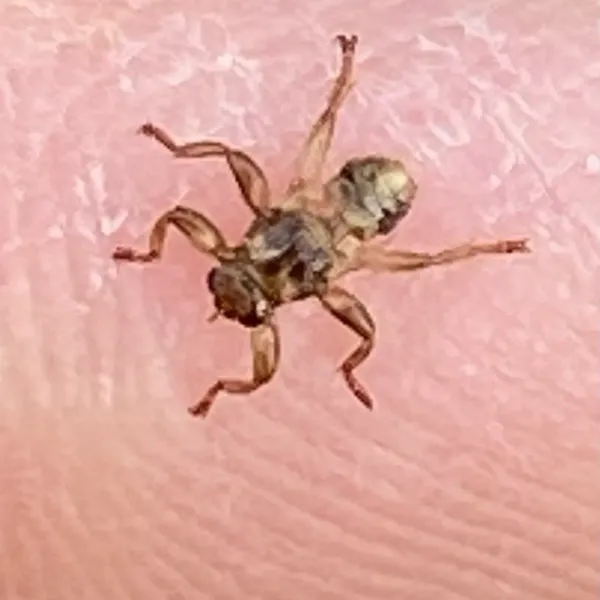
Deer Keds Coloration
Common color patterns to help identify deer keds
Deer Keds
Seasonal Activity
When deer keds are most active throughout the year

Where Deer Keds Are Found
Hover over states to see their names. Green regions indicate where deer keds have been reported.
Deer Ked Identification Guide
Physical Characteristics
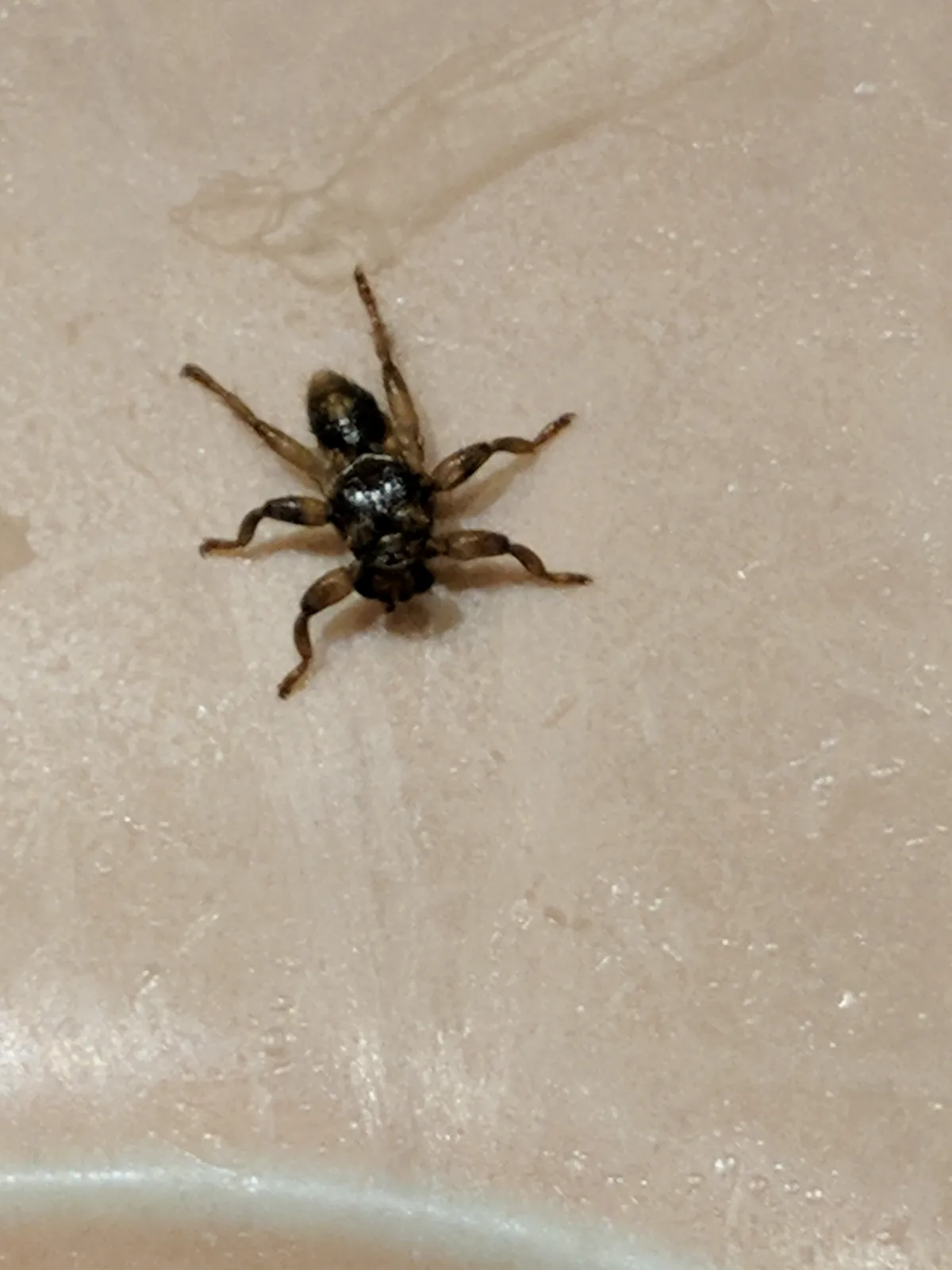
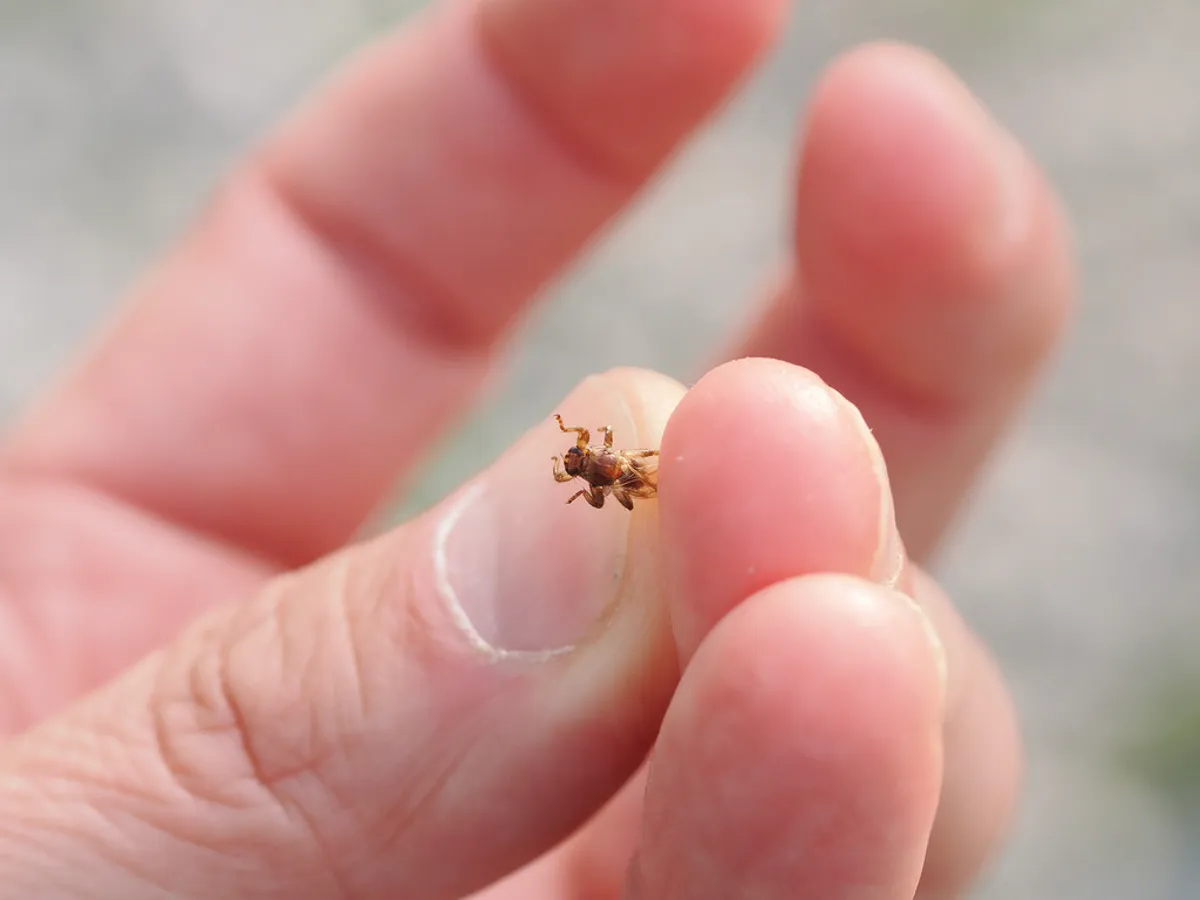
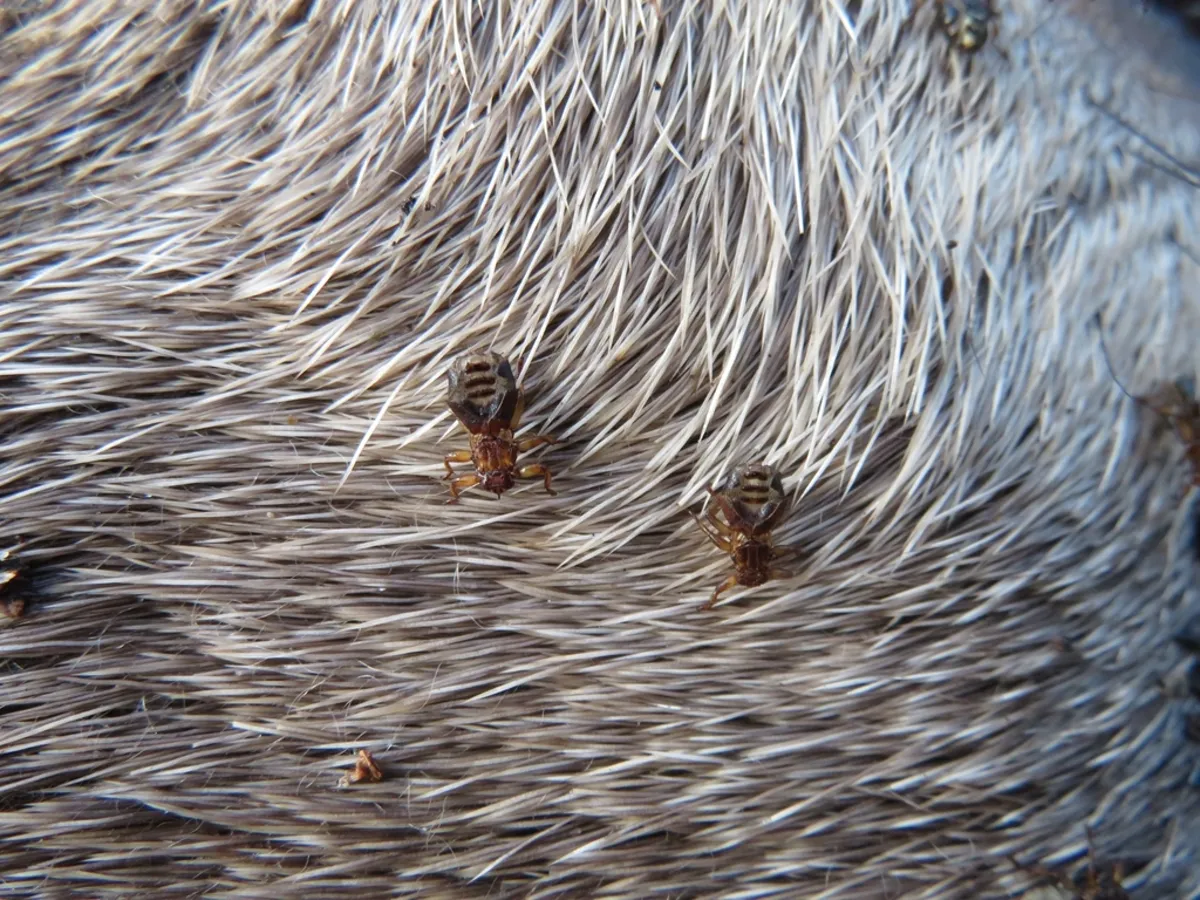
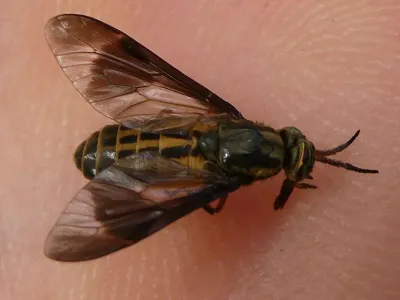
Deer keds (Lipoptena cervi) are parasitic flies that look a lot like ticks once they land on a host. Adults are 4 to 7 millimeters long. They have flat, tough bodies that range from reddish-brown to dark brown. Their flat shape helps them move through animal fur with ease.
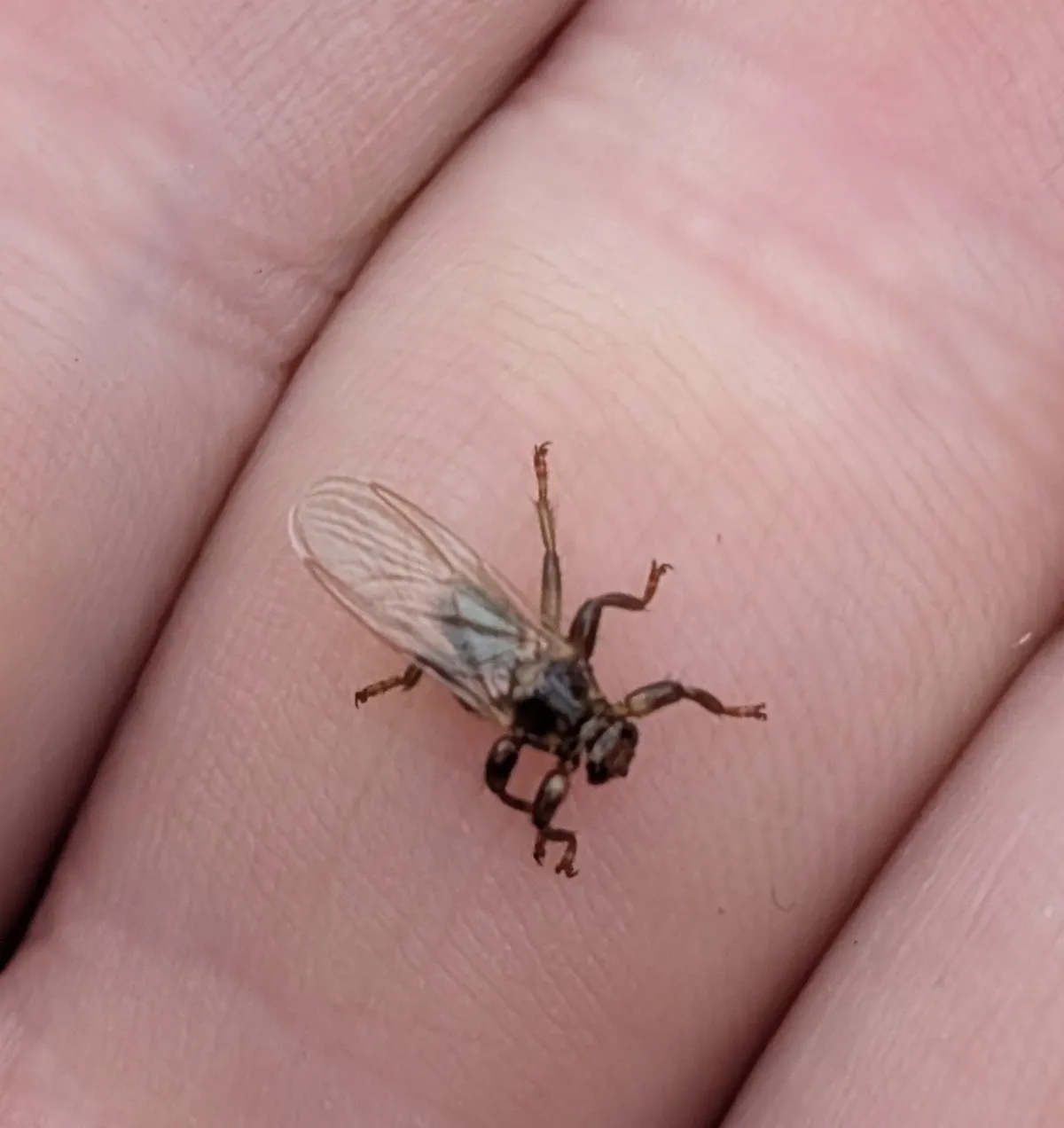
When deer keds first emerge as adults, they have wings and can fly. The wings are clear with visible veins and span about 6 to 8 millimeters. After landing on a deer, they break off their own wings within hours. This wing-shedding process is called dealation, and it cannot be reversed.
Without wings, deer keds rely on six strong, clawed legs built for gripping fur and skin. They have a small, round head with short antennae and sharp mouthparts for feeding on blood. The easiest way to tell a deer ked from a tick is to count the legs. Deer keds have six. Ticks have eight.
Common Species in North America
A few species of louse flies live across North America:
-
European Deer Ked (Lipoptena cervi): This is the most common species. It came from Europe and has spread across the northeastern and midwestern United States. It feeds mainly on white-tailed deer.
-
Western American Deer Ked (Lipoptena depressa): Native to western North America, this species feeds on mule deer, black-tailed deer, and elk. It is a bit smaller than L. cervi and more common in the Pacific Northwest and Rocky Mountain areas.
-
Neotropical Deer Ked (Lipoptena mazamae): Found in the southeastern United States, this species feeds on white-tailed deer in warmer areas from Virginia south through Florida and along the Gulf Coast.
Deer Ked Behavior and Biology
Life Cycle and Reproduction
Deer keds reproduce in an unusual way. Instead of laying eggs, the female keeps a single larva inside her body. She feeds it with a milk-like fluid from special glands. When the larva is ready, she drops it as a hardened, seed-like case called a puparium.
Each female can produce 20 to 30 of these puparia during her life, but only one at a time. The puparia fall off the deer where it rests and beds down. They sit in soil or leaf litter for several months. Then they hatch as winged adults in late summer or early fall.
Host-Seeking Behavior
Winged deer keds look for hosts from late August through November. They zero in on large, dark, moving shapes. They find hosts by sight, not smell. This is why they often land on people wearing dark clothes, especially hunters walking through areas where deer live.
When a deer ked lands on you, it starts crawling fast through your hair or under your clothes toward skin. On a deer, the ked sheds its wings and begins feeding within hours. On people, deer keds try to feed but cannot breed. They usually crawl toward the hairline, collar, or waistband before biting.
Feeding and Impact on Deer
Deer keds feed on blood multiple times each day. A single deer can carry hundreds or even thousands of keds at the height of the season. Heavy infestations cause problems for the deer:
- Constant scratching that leads to hair loss and raw skin
- Weight loss from ongoing blood loss and stress
- Skin infections from open scratch wounds
- Less time spent feeding and more time grooming
On their own, deer keds rarely kill healthy deer. But they can weaken animals already stressed by harsh winters, lack of food, or illness.
Deer Keds vs. Ticks
Many people mistake deer keds for ticks. Here is how to tell them apart:
| Feature | Deer Ked | Tick |
|---|---|---|
| Legs | 6 (insect) | 8 (arachnid) |
| Body | Flat, leathery | Round, stretchy |
| Head | Visible, fly-shaped | Small, buried when feeding |
| Movement | Fast runner | Slow crawler |
| Wings | Has wings at first, then sheds them | Never has wings |
| Mouthparts | Short, piercing | Long, barbed |
If you find a flat, brown, six-legged bug moving quickly through your hair or on your clothes after being outdoors near deer, it is most likely a deer ked. Fleas can also look similar, but fleas are much smaller (1 to 3 millimeters) and jump instead of crawling.
Treatment Methods for Deer Keds
Deer keds are not a common household pest. They need deer hosts to survive and breed. Control efforts focus on avoiding contact and keeping deer away from your property.
Personal Protection
If you spend time in wooded areas where deer are common, especially in the fall:
- Wear light-colored clothing: Deer keds go after dark colors and large, moving shapes. Light colors also make it easier to spot keds on your clothes.
- Tuck pants into socks and shirts into pants: This blocks the gaps where deer keds crawl toward skin.
- Use permethrin-treated clothing: Permethrin on fabric can repel and kill deer keds on contact. This works well for hunters spending long hours in the woods.
- Check yourself after being outdoors: Look through your hair, clothes, and skin when you get back inside. Focus on your hairline, neck, and waistband.
Property Management
If your property borders woodlands or deer paths, you may run into deer keds more often:
- Deer deterrent fencing: Keeping deer off your property means fewer puparia in your yard. Tall fencing, motion sensors, and deer-resistant plants all help.
- Leaf litter cleanup: Deer ked puparia grow in leaf litter and soil where deer rest. Raking leaves near your home can cut down local numbers.
- Clear brush between woods and your home: Open space between the tree line and your yard acts as a buffer that limits both deer traffic and deer ked encounters.
Bite Treatment
If a deer ked bites you, these steps can help with symptoms. Note that this is general information and not medical advice. Always see a doctor if you have concerns about a bite or reaction.
- Wash the bite with soap and warm water right away
- Put antiseptic on the area to help prevent infection
- Use a cold pack to bring down swelling and itching
- Try over-the-counter antihistamines or hydrocortisone cream for itch relief
- Watch the bite for signs of infection like spreading redness, heat, or swelling
Most deer ked bites clear up on their own in a few days. See a doctor if the bite looks infected or you notice unusual symptoms.
References
Other Flies
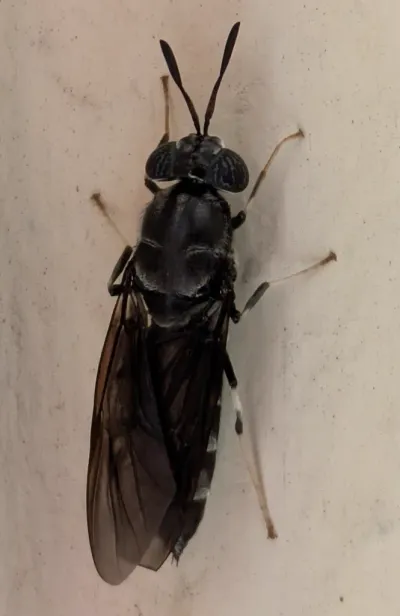
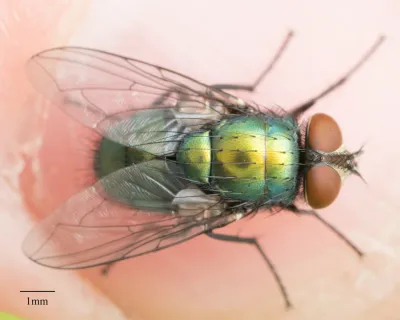
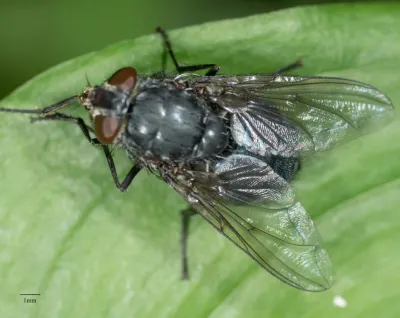
Explore other species in the flies family
Commonly Confused With
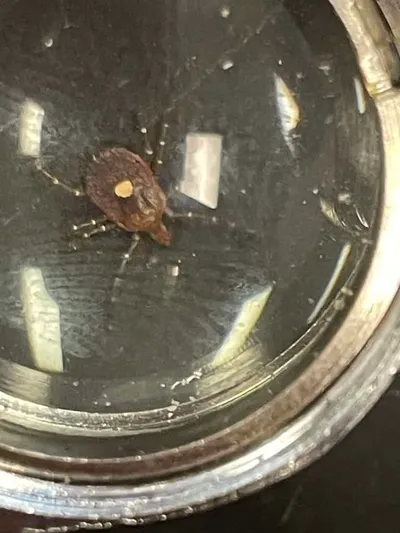
Deer Keds are often mistaken for these similar pests
Where Deer Keds Are Found
Hover over states to see their names. Green regions indicate where deer keds have been reported.
Common Questions about Deer Keds
Are deer keds the same as ticks?
+
No, deer keds are not ticks. They are parasitic flies in the family Hippoboscidae. While they look similar to ticks after shedding their wings, deer keds have six legs instead of eight, a clearly segmented body, and a flattened fly-like head. Ticks are arachnids, while deer keds are true insects.
Can deer keds bite humans?
+
Yes, deer keds can bite humans. They typically land on people who are outdoors near deer habitat, especially during fall months. Their bites cause localized itching, redness, and small welts. However, deer keds cannot reproduce on human blood and will eventually die without a deer host.
Do deer keds carry diseases?
+
Deer keds can carry Bartonella bacteria, which causes bartonellosis in deer. Research is ongoing about whether deer keds can transmit Bartonella to humans through bites, but confirmed human cases from deer ked transmission remain rare. They are not considered a significant disease vector compared to ticks.
Why do deer keds lose their wings?
+
Deer keds shed their wings shortly after landing on a deer host. This adaptation makes it easier for them to move through the dense fur of their host. Once wingless, they spend their entire adult life on the deer, feeding on blood and reproducing. The winged stage exists solely for finding and reaching a new host.
When are deer keds most active?
+
Deer keds are most active from late August through November. This lines up with deer hunting season across most of North America. The newly hatched winged adults fly around looking for hosts during this window. They go after large, dark, moving shapes, so hunters run into them often.
How do I remove a deer ked?
+
Deer keds can be removed by picking them off with fingers or tweezers. Unlike ticks, they do not embed their mouthparts deeply into the skin, so removal is straightforward. Washing the bite area with soap and water is recommended afterward. If you find multiple deer keds, thoroughly inspect your clothing and hair, as they tend to crawl into covered areas.
Will deer keds infest my home?
+
No, deer keds cannot survive or reproduce indoors. They require a deer host to complete their life cycle. If a deer ked enters your home on clothing, it will die within a few days without a host. Simply remove and dispose of any deer keds you find on your person or clothing after spending time outdoors.

With five years of hands-on experience in the pest control industry, George Schulz is a registered technician with the Virginia Pest Management Association and a proud third-generation professional in a family business that's been protecting homes for over 57 years. He manages and trains a team of service pros while also leading internal research efforts—recently spearheading a deep-dive review of thousands of documents on pest control materials to hand-pick the most kid and pet friendly, most effective solutions tailored specifically for homes in the DC metro area.