Cheese Skipper Flies Identification Guide
Piophila casei
Cheese skipper flies are small, metallic-black flies whose larvae infest cured meats, aged cheeses, and other high-protein stored foods. Their larvae are famous for their ability to jump several inches when disturbed.
Taxonomy
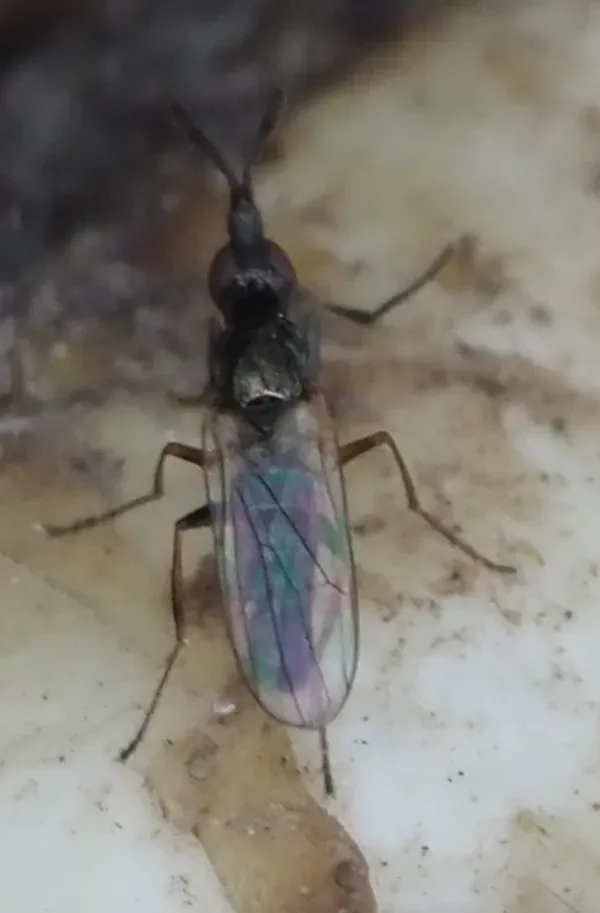
Cheese Skipper Flies Coloration
Common color patterns to help identify cheese skipper flies
Cheese Skipper Flies
Seasonal Activity
When cheese skipper flies are most active throughout the year

Where Cheese Skipper Flies Are Found
Hover over states to see their names. Green regions indicate where cheese skipper flies have been reported.
Cheese Skipper Fly Identification Guide
Physical Characteristics
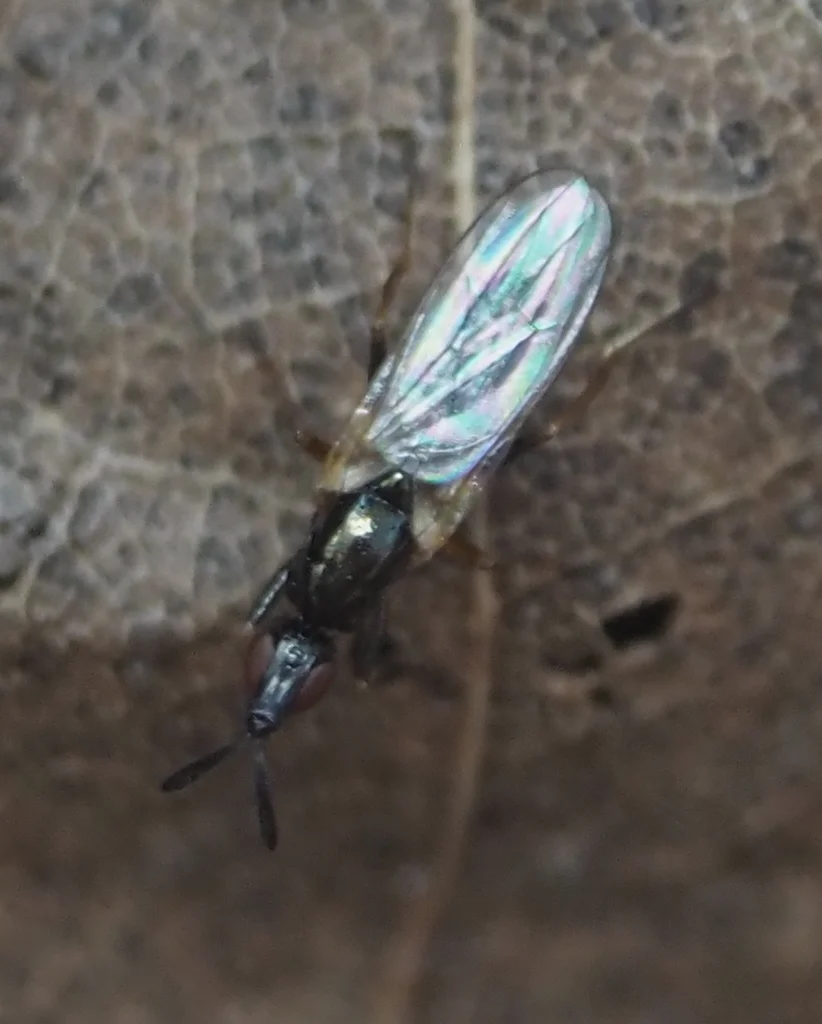
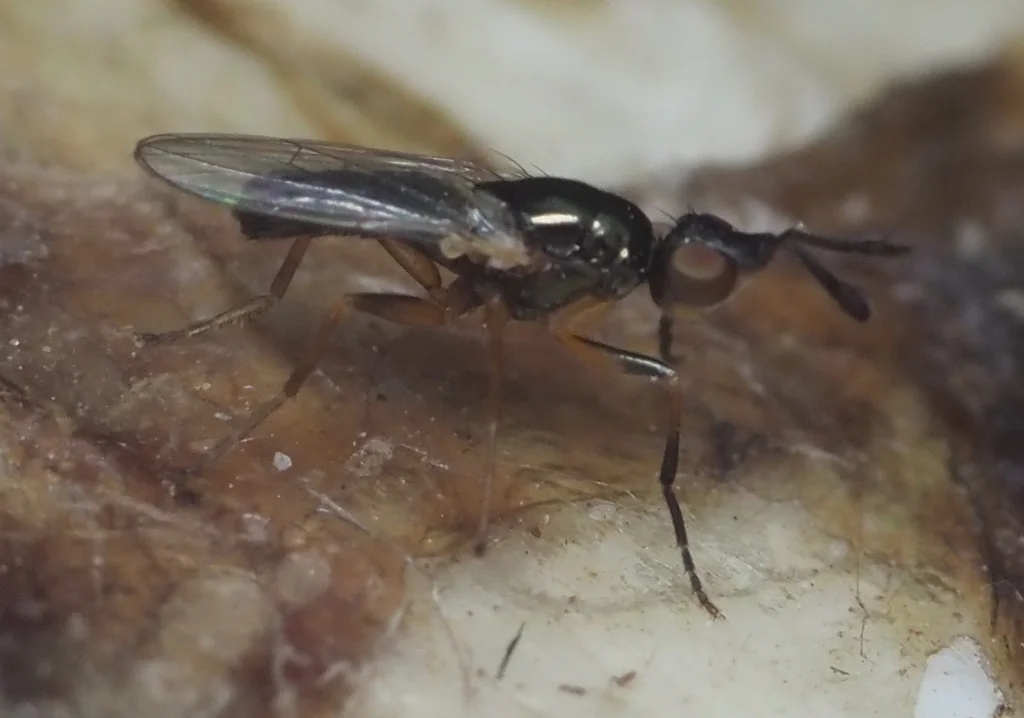
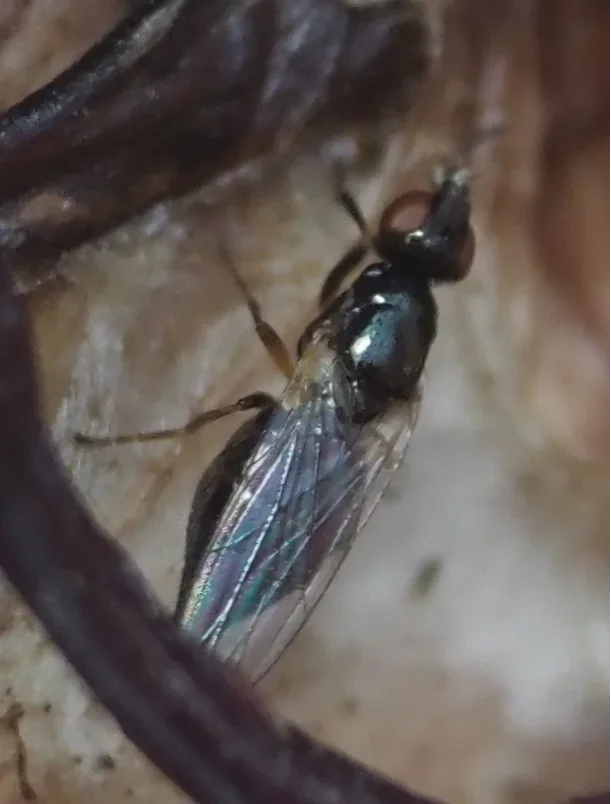
Cheese skipper flies are small flies about 4 to 5 millimeters long. That is roughly half the size of a common house fly. They have a shiny, metallic black color with bronze tints on their heads and bodies. Their large eyes are reddish-brown.
The wings are clear with a rainbow sheen. When resting, the wings nearly overlap over the body. Like all true flies, they have only one pair of wings. Their bodies have short, stiff black hairs, and their antennae are fairly short.
The larvae are called cheese skippers. They are white to yellowish-white and shaped like tiny cylinders with pointed heads. Full-grown larvae are 8 to 10 millimeters long and about 1 millimeter wide. They have 13 body segments and black mouth hooks. They use these hooks for eating and for their famous jumping trick. The pupae are reddish-brown and barrel-shaped.
Species Information
Piophila casei is the main species that infests stored foods. It is also called the cheese fly or ham skipper. This fly belongs to the family Piophilidae. Flies in this family are often called skipper flies because of the larvae’s jumping ability.
This species is found worldwide. It has been a pest of human food storage for hundreds of years. Records show these flies in cheese caves and meat curing facilities across Europe and North America going back centuries.
Cheese Skipper Fly Behavior and Biology
Life Cycle
Cheese skipper flies go through four life stages: egg, larva, pupa, and adult. In warm conditions (77 to 86 degrees Fahrenheit), the full life cycle takes about 12 days. In cooler temperatures, it can take several weeks.
Female flies mate right after they emerge as adults. They start laying eggs within hours. One female can lay up to 500 eggs in her short life of 3 to 7 days. She lays eggs in clusters on or near food. She often chooses cracks in cheese rinds or folds in cured meats.
The eggs are tiny, less than 1 millimeter long. They have smooth, pearly white shells. Eggs hatch in 23 to 54 hours depending on temperature. The larvae go through three growth stages over about 14 days. They feed constantly on protein-rich food during this time. When ready to become pupae, the larvae move to dark, dry spots away from the food.
Feeding Habits A related species, Biting Midges, shares similar characteristics.
Adult cheese skipper flies eat very little. They mainly drink moisture from food surfaces or nectar. The larvae cause the real damage by eating and ruining stored foods. A related species, Coffin Flies, shares similar characteristics.
Larvae feed on high-protein foods. Their favorites include aged cheeses (at least three months old), cured and salted meats like ham, bacon, and prosciutto, smoked fish, and dried or salted fish. They can also grow in animal carcasses and rotting meat in the wild, where they compete with blow flies, carrion flies, and flesh flies for resources. A related species, Dark-Eyed Fruit Flies, shares similar characteristics.
You can see the damage larvae cause in food. Infested cheeses get soft, sunken spots where larvae have tunneled inside. Meats may look shiny and greasy from larval fluids. They also give off a bad smell. A related species, Drain Flies, shares similar characteristics.
The Jumping Behavior
The most notable trait of cheese skipper larvae is their ability to jump. When disturbed, the larva hooks its mouth into a groove on its back end. It tightens its body muscles to build up pressure. Then it lets go and flings itself into the air.
These jumps can send the larva 4 to 6 inches in any direction. That is a huge leap for such a tiny creature. The jumping helps larvae escape danger, find new food, and move to dry spots where they can turn into pupae.
Treatment Methods for Cheese Skipper Flies
Getting rid of cheese skipper flies requires good cleaning, proper food storage, and removing their breeding sources.
Sanitation and Source Elimination
The first step is finding and throwing away infested food. Check stored cheeses and cured meats carefully. Look for soft spots, color changes, or visible larvae. Throw away any food that shows signs of bugs.
Clean the storage areas well after removing infested food. Larvae often crawl away from food to turn into pupae. They hide in cracks, under shelves, or behind equipment. Pay extra attention to corners and hidden spots where pupae might be hiding.
Proper Food Storage
Prevention works best for long-term control. Store at-risk foods properly to keep flies away:
- Wrap cheeses and cured meats tightly in plastic wrap, wax paper, or vacuum-sealed bags
- Keep high-risk foods in sealed containers or refrigerators
- Keep cheese aging rooms and meat curing areas at proper temperatures
- Put fine mesh screens on windows and doors in storage areas
- Check new products for signs of bugs before storing them
Environmental Controls
Reducing fly numbers in and around storage areas helps prevent new problems:
- Put screens on windows and vents to keep adult flies out
- Use light traps to catch adult flies in processing and storage areas
- Keep areas clean to remove possible breeding spots
- Throw away any rotting food or organic matter properly
Professional Intervention
Bad infestations in commercial food storage or processing facilities may need professional pest control. Unlike phorid flies that breed in drains and organic buildup, cheese skippers target specific high-protein stored foods. Pros can treat cracks and crevices where pupae may be hiding. They may also set up monitoring traps and create prevention plans that combine cleaning, sealing entry points, and targeted treatments.
Fumigation may be needed for heavily infested storage areas. This is common in commercial cheese aging facilities or meat plants where bugs have spread into walls and hard-to-reach spots.
Health Considerations
Throw away any food you think might be infested. Do not try to save it. If you eat larvae by accident, they can survive in your gut and cause a condition called intestinal myiasis. Eating a few larvae may not cause problems, but eating more can lead to stomach pain and illness.
People who work in cheese aging facilities or meat processing plants should know the signs of intestinal myiasis. These include stomach pain, nausea, vomiting, and diarrhea. See a doctor if you have these symptoms after possible contact with infested food.
Note: This information is for educational purposes only. Always consult a healthcare provider for medical advice.
References
Other Flies
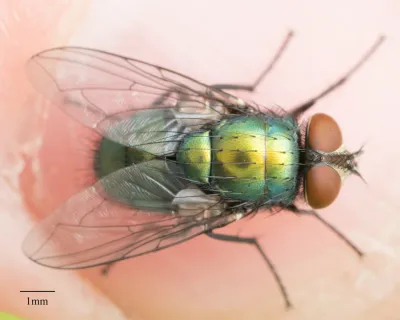
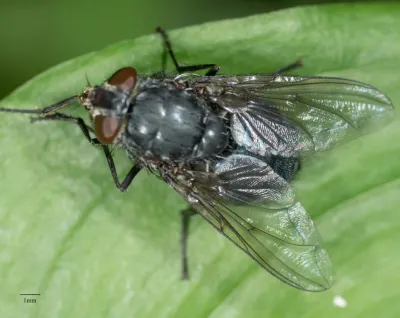
Explore other species in the flies family
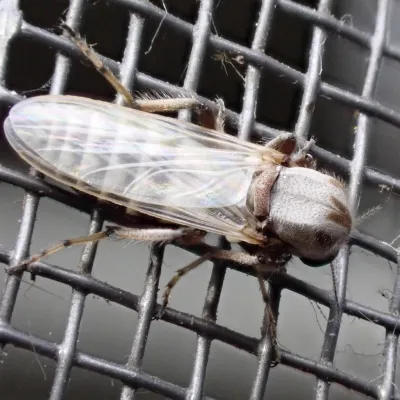
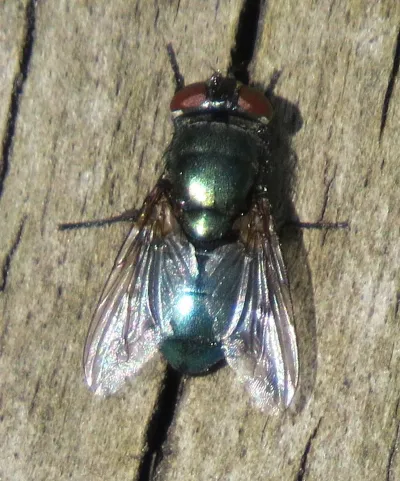
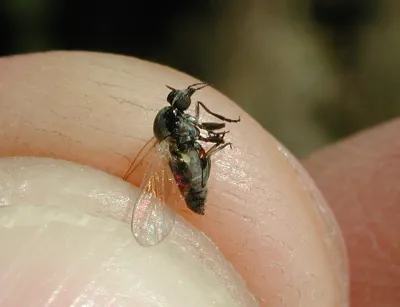
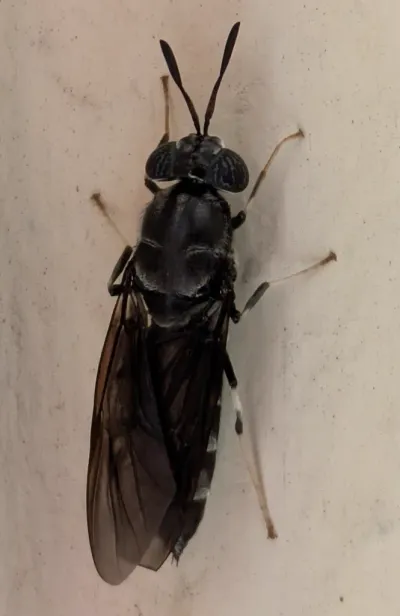
Commonly Confused With
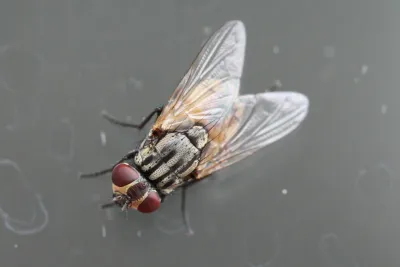
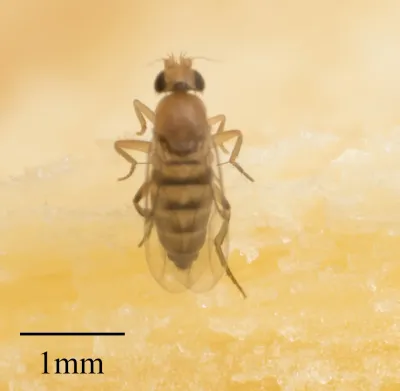
Cheese Skipper Flies are often mistaken for these similar pests
Where Cheese Skipper Flies Are Found
Hover over states to see their names. Green regions indicate where cheese skipper flies have been reported.
Common Questions about Cheese Skipper Flies
Why are they called cheese skipper flies?
+
The name comes from the larvae's remarkable ability to jump or skip. When disturbed, the larvae can leap 4 to 5 inches into the air by hooking their mouth parts into their rear segments, contracting their muscles, and releasing like a spring. This jumping behavior helps them escape predators and move to new food sources.
What do cheese skipper flies eat?
+
Adult cheese skipper flies feed very little, primarily on moisture from food surfaces. The larvae are the damaging stage, feeding on high-protein foods including aged cheeses, cured and smoked meats, salted fish, bacon, ham, and other protein-rich stored products. They can also infest animal carcasses and decaying meat.
Are cheese skipper flies dangerous to humans?
+
Yes, cheese skipper flies pose health risks. If larvae are accidentally consumed in infested food, they can survive in the digestive tract and cause intestinal myiasis, leading to symptoms including nausea, vomiting, abdominal pain, and diarrhea. Always discard food that shows signs of infestation.
How do I know if my food is infested with cheese skippers?
+
Signs of infestation include soft or sunken areas in cheese, a shiny grease-like liquid dripping from meats, visible larvae in or on food products, and the presence of small dark flies near stored foods. The larvae are white, cylindrical, and about 8 to 10 millimeters long when mature.
Where do cheese skipper flies come from?
+
Female cheese skipper flies lay eggs directly on or near suitable food sources like aged cheese, cured meats, and fish. Infestations often start when flies enter through open doors or windows and find improperly stored protein-rich foods. They can also be introduced through already-infested products.
How long does it take for cheese skipper flies to develop?
+
The complete life cycle takes approximately 12 days under ideal warm conditions. Eggs hatch in 23 to 54 hours, larvae develop for about 14 days through three growth stages, pupation lasts around 12 days, and adults live 3 to 7 days. Females mate immediately upon emerging and can lay up to 500 eggs.
Can cheese skipper flies infest my refrigerator?
+
While refrigeration slows their development, cheese skipper flies can still infest foods stored in the refrigerator if the products were already contaminated or if temperatures are not cold enough. Proper wrapping and sealing of cheese and cured meats helps prevent infestation regardless of storage temperature.

With five years of hands-on experience in the pest control industry, George Schulz is a registered technician with the Virginia Pest Management Association and a proud third-generation professional in a family business that's been protecting homes for over 57 years. He manages and trains a team of service pros while also leading internal research efforts—recently spearheading a deep-dive review of thousands of documents on pest control materials to hand-pick the most kid and pet friendly, most effective solutions tailored specifically for homes in the DC metro area.