Bot Flies Identification Guide
Oestridae (Family)
Bot flies are parasitic flies whose larvae develop inside the bodies of mammals. Unlike most household flies, bot flies do not breed in garbage or filth. Instead, their larvae burrow under the skin of hosts such as rodents, rabbits, livestock, and occasionally pets.
Taxonomy
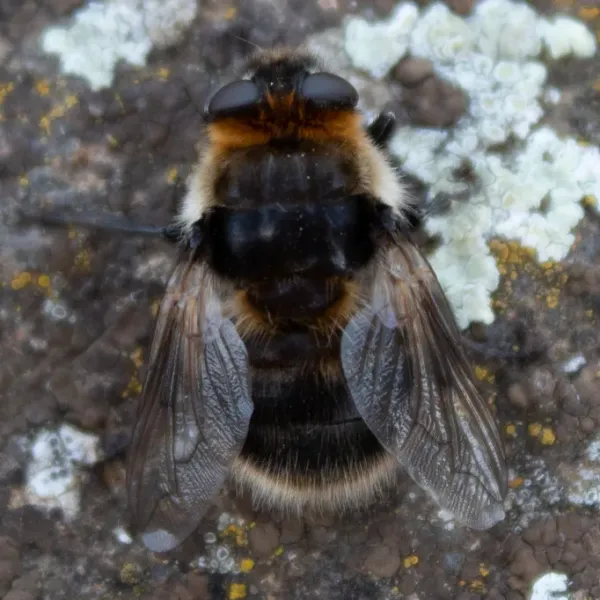
Bot Flies Coloration
Common color patterns to help identify bot flies
Bot Flies
Seasonal Activity
When bot flies are most active throughout the year

Where Bot Flies Are Found
Hover over states to see their names. Green regions indicate where bot flies have been reported.
Bot Fly Identification Guide
Physical Characteristics
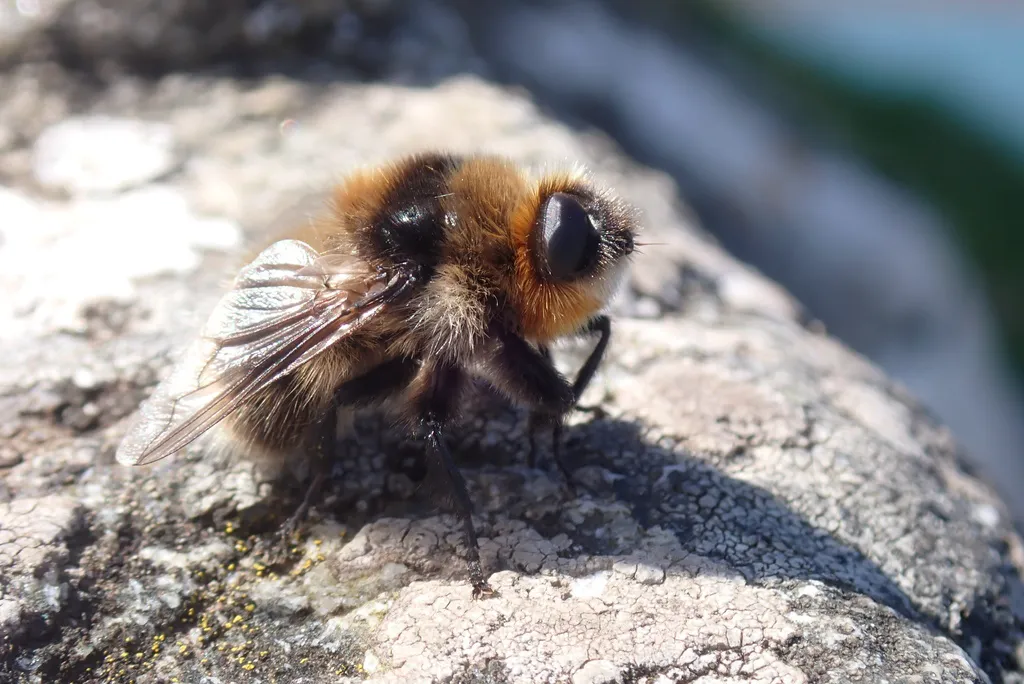
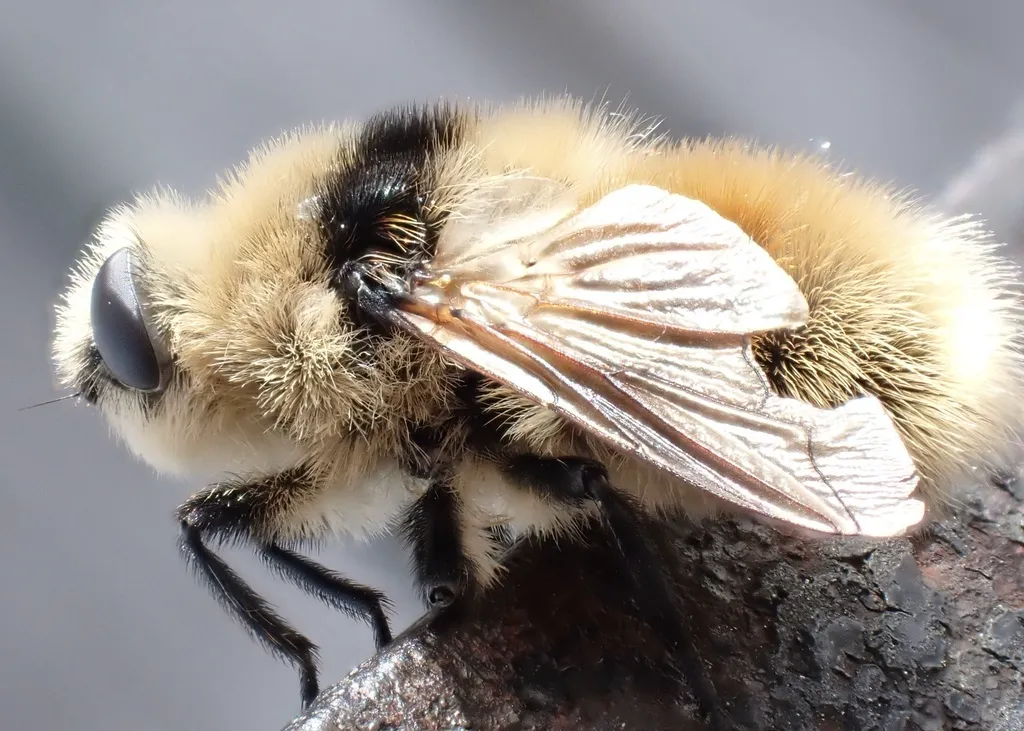
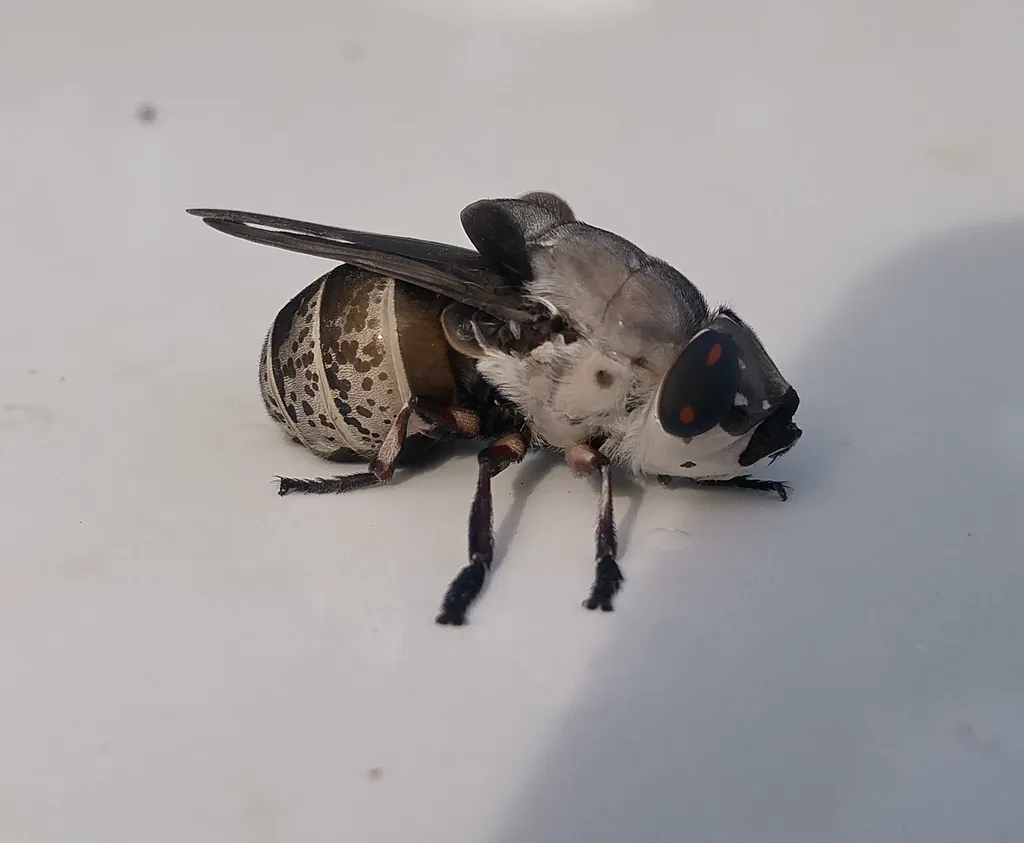
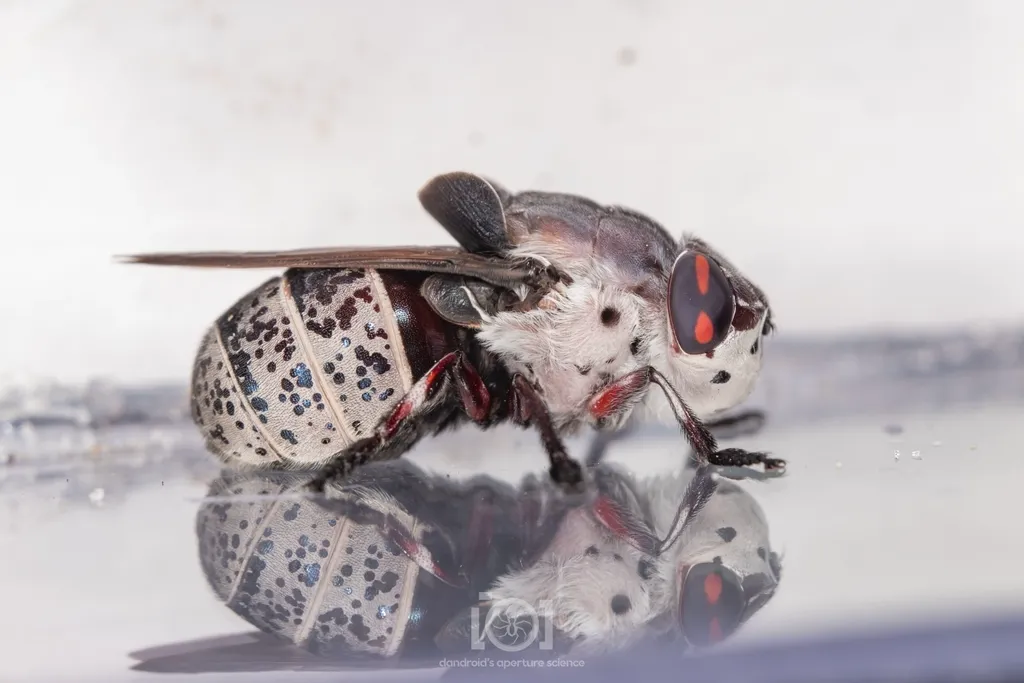
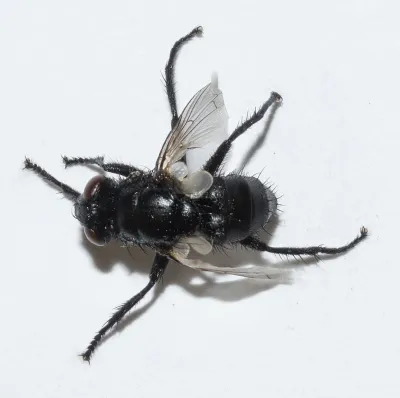
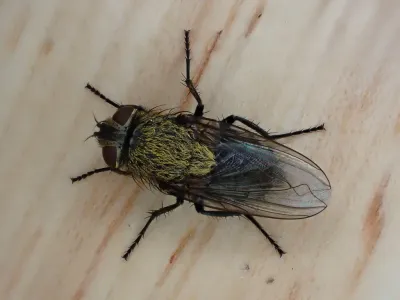
Adult bot flies are thick, stocky flies that look more like bumblebees than house flies. They measure 12 to 20 millimeters long, much bigger than most flies you see at home. Thick hair covers their bodies, giving them a fuzzy look. They can be dark brown, black, or gray. Many have bands of yellow or light brown hair on their middle.
One key trait sets bot flies apart from bees. Bot flies have only one pair of wings. Bees have two pairs. Bot fly antennae are short and stubby. Many adults have weak mouths that cannot bite or sting. They do not feed at all during their short lives. Their only goal as adults is to mate and lay eggs.
Bot fly larvae look nothing like the adults. They are cream-colored, barrel-shaped maggots with rows of small spines on their bodies. As they grow inside a host, they turn reddish-brown or dark brown and can reach about 25 millimeters long.
Common Species in North America
Several types of bot flies live across North America. Each goes after a different host animal:
-
Cuterebra spp. (Rodent and Rabbit Bot Flies): The most common group in North America. These flies lay eggs near the burrows of mice, chipmunks, squirrels, and rabbits. Pets that explore these areas can also become hosts. Adults are large, dark flies with banded abdomens.
-
Gasterophilus spp. (Horse Bot Flies): Found wherever horses are kept. Adult females glue tiny yellow eggs to horse hair on the legs, shoulders, and muzzle. When the horse licks or rubs the area, the larvae enter the mouth and latch onto the stomach lining.
-
Hypoderma spp. (Cattle Grubs or Warble Flies): Once common in cattle country. Females lay eggs on cattle hair. Larvae burrow through the skin and travel inside the body. They form a raised lump called a warble under the hide on the back. Control programs have cut their numbers in many areas.
-
Dermatobia hominis (Human Bot Fly): Found in Mexico, Central America, and South America. This species does not live in the U.S. or Canada. But travelers to tropical areas may come home with one. It sticks its eggs onto mosquitoes or other biting bugs that carry them to human hosts.
Bot Fly Behavior and Biology
Bot fly larvae are parasites. They must grow inside a living host to survive. Adults live on their own but do not last long. Most live only a few days to two weeks.
Life Cycle
All bot flies go through four life stages. The details change by species:
-
Egg Stage: Females put eggs where hosts will find them. Cuterebra lays eggs near burrow openings. Gasterophilus glues eggs to horse hair. Dermatobia sticks eggs to biting bugs. The eggs hatch when they feel warmth or touch from a host.
-
Larval Stage: After hatching, tiny larvae get into the host through the skin, mouth, or other openings. The larva digs a small pocket under the skin called a warble. It keeps a tiny breathing hole open at the surface. It feeds on body fluids and grows through three stages over several weeks.
-
Pupal Stage: When fully grown, the larva crawls out through the breathing hole and drops to the ground. It digs into the soil to change form. This stage lasts weeks to months based on the weather. Some species spend the winter in this stage.
-
Adult Stage: Adults come out of the soil, mate, and start looking for places to lay eggs. Most adults do not feed at all.
Host Interactions
Each bot fly species goes after a different host. Cuterebra mainly targets wild rodents and rabbits. But cats and dogs can pick up larvae when they sniff around burrows or rub on plants where eggs sit. In pets, the larva usually shows up under the skin of the head, neck, or chest.
Horse bot flies follow a cycle tied to horse habits. The tiny eggs on horse hair hatch when the horse licks or rubs the spot. This lets larvae get into the mouth and grip the stomach lining. Many larvae at once can upset the stomach and weaken the horse over time.
Seasonal Activity
In most of North America, bot fly activity follows a clear pattern. Adults show up in late spring and early summer. Activity peaks from June through August. Egg laying happens during these warm months. You are most likely to spot lumps on pets and wildlife in late summer and early fall. By November, adult activity stops. The cycle pauses until the next spring.
In tropical areas where Dermatobia hominis lives, bot flies can be active all year. Numbers go up during rainy seasons when mosquito counts rise.
Treatment Methods for Bot Fly Infestations
Bot flies are not a typical household pest. They do not get into homes, spoil food, or breed in garbage. Treatment is about dealing with larvae in animals or, rarely, in people.
Larval Removal in Pets
If you find a swelling or lump with a small hole on your pet, it may be a bot fly larva. This is most common in late summer or fall. Here is what to do:
- Do not squeeze the lump. Crushing the larva while it is still inside the skin can cause a serious allergic reaction or infection.
- Cover the breathing hole with petroleum jelly or a similar substance to cut off the larva’s air supply. This may cause it to move toward the surface.
- See a veterinarian. A vet can remove the larva properly and treat any infection. This is always the best option. The Companion Animal Parasite Council (CAPC) offers treatment guidelines for Cuterebra cases.
Larval Removal in Humans
Human cases in North America are rare. They almost always happen after travel to Central or South America. Doctors typically use one of these methods:
- Covering the breathing hole with petroleum jelly, nail polish, or tape to cut off the larva’s air. Once it moves up, a doctor can pull it out.
- Minor surgery when the larva sits too deep or does not come out with the covering method.
- Follow-up care with antibiotics only if an infection starts at the site.
The CDC’s DPDx resource on myiasis provides guidance for healthcare providers.
Note: This information is for general awareness only and is not medical advice. Always consult a doctor or veterinarian for diagnosis and treatment.
Prevention
Bot flies are not drawn to homes or food. Prevention is about cutting contact with larvae:
- Supervise pets outdoors, especially near woodlands, fields, and areas with rodent burrows during summer months.
- Check pets regularly for lumps or swellings after time spent outdoors, particularly around the head, neck, and chest.
- For horse owners, scrape bot fly eggs off horse hair often using a bot knife or grooming tool. Ask your vet about a deworming plan that targets bot fly larvae.
- For travelers going to Central and South America, use bug spray, wear long sleeves and pants, and sleep under bed nets. This cuts down on mosquito bites that can carry bot fly eggs.
Health Concerns
Bot flies do not spread diseases the way mosquitoes or ticks do. The main health worry is the tissue damage and pain from larvae growing under the skin. In pets and livestock, problems from bot flies can include:
- Bacterial infection at the site where the larva sits
- Allergic reactions if a larva is crushed during removal
- Weight loss in horses with many stomach bot larvae
- In rare cases, larvae moving to sensitive body areas
For most homeowners, bot flies are a curiosity rather than a real threat. They do not enter homes, do not bite as adults, and do not breed indoors. If you see one inside, it likely wandered in by mistake.
References
- CDC DPDx - Myiasis (Bot Fly and Related Parasitic Flies)
- Companion Animal Parasite Council (CAPC) - Cuterebriasis Guidelines
- UF/IFAS Extension - Human Bot Fly (Dermatobia hominis)
- Merck Veterinary Manual - Gasterophilus in Horses
- Michigan DNR - Warbles in Wildlife
- University of Florida IFAS - Cattle Grubs (Hypoderma)
Other Flies
Explore other species in the flies family
Commonly Confused With
Bot Flies are often mistaken for these similar pests
Where Bot Flies Are Found
Hover over states to see their names. Green regions indicate where bot flies have been reported.
Common Questions about Bot Flies
What does a bot fly look like?
+
Adult bot flies are stout, hairy flies that look similar to bumblebees. They are typically 12 to 20 millimeters long with dense hair covering their bodies. Colors range from dark brown and black to gray with yellowish banding. Unlike bumblebees, bot flies have only one pair of wings and short antennae typical of true flies.
Can bot flies infest humans?
+
In the United States and Canada, human bot fly infestations are rare and almost always linked to travel in Central or South America, where the human bot fly (Dermatobia hominis) is native. North American Cuterebra species occasionally infest humans but this is very uncommon. If you develop a boil-like lesion with a central opening after outdoor activity, see a doctor.
Are bot flies dangerous to pets?
+
Bot flies can affect dogs, cats, and rabbits. Cuterebra larvae sometimes infest pets that explore rodent burrows or spend time outdoors in wooded areas. Signs include a swelling or lump under the skin with a small breathing hole. Do not try to remove the larva yourself. A veterinarian should extract it to prevent complications like infection or allergic reaction.
How do bot flies reproduce?
+
Bot flies have unusual reproductive strategies. The human bot fly attaches its eggs to mosquitoes or other biting insects, which deliver the larvae to a host. North American Cuterebra species lay eggs near rodent burrows. When a warm-blooded animal passes by, the eggs hatch and the larvae attach to the host and burrow under the skin.
Where are bot flies found in North America?
+
Cuterebra bot flies are found across much of the continental United States and southern Canada. They are most commonly reported in rural and suburban areas near woodlands where rodents and rabbits live. Horse bot flies (Gasterophilus) are found wherever horses are kept. The human bot fly (Dermatobia hominis) is not native to the U.S. but is common from Mexico through Central and South America.
What time of year are bot flies most active?
+
In temperate North America, adult bot flies are most active from late spring through late summer, roughly June through August. This is when they lay eggs and when larval infestations in pets and wildlife are most common. By fall, activity drops sharply, and bot flies are not active during winter months.
How are bot fly larvae removed?
+
Bot fly larvae should be removed by a medical professional or veterinarian. Common techniques include applying petroleum jelly or a similar occlusive substance over the breathing hole to force the larva to the surface, then gently extracting it with forceps. In some cases, minor surgical removal is needed. Squeezing or crushing the larva while it is still embedded can cause infection or an allergic reaction.
Do bot flies come inside houses?
+
Bot flies do not breed indoors and are not attracted to food, garbage, or other household attractants. Adult bot flies live only a few days to two weeks and spend their time outdoors looking for hosts or egg-laying sites. Finding a bot fly inside a home would be unusual and accidental.

With five years of hands-on experience in the pest control industry, George Schulz is a registered technician with the Virginia Pest Management Association and a proud third-generation professional in a family business that's been protecting homes for over 57 years. He manages and trains a team of service pros while also leading internal research efforts—recently spearheading a deep-dive review of thousands of documents on pest control materials to hand-pick the most kid and pet friendly, most effective solutions tailored specifically for homes in the DC metro area.