Blow Flies Identification Guide
Calliphoridae (Family)
Blow flies are metallic blue, green, or black flies known for their loud buzzing and attraction to decaying organic matter. Their presence indoors often signals a dead animal or sanitation issue nearby.
Taxonomy
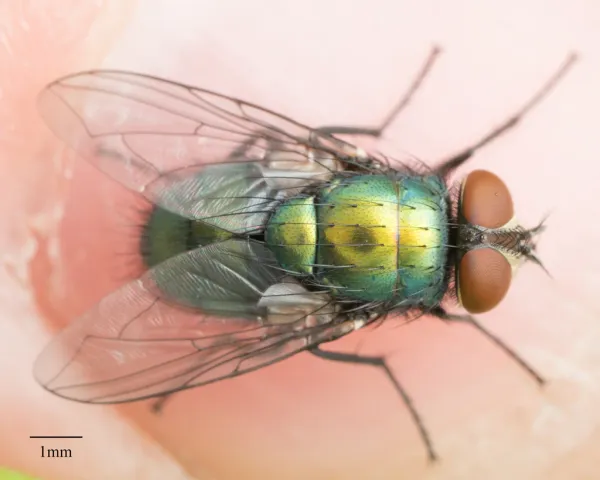
Blow Flies Coloration
Common color patterns to help identify blow flies
Blow Flies
Seasonal Activity
When blow flies are most active throughout the year

Where Blow Flies Are Found
Hover over states to see their names. Green regions indicate where blow flies have been reported.
Blow Fly Identification Guide
Physical Characteristics
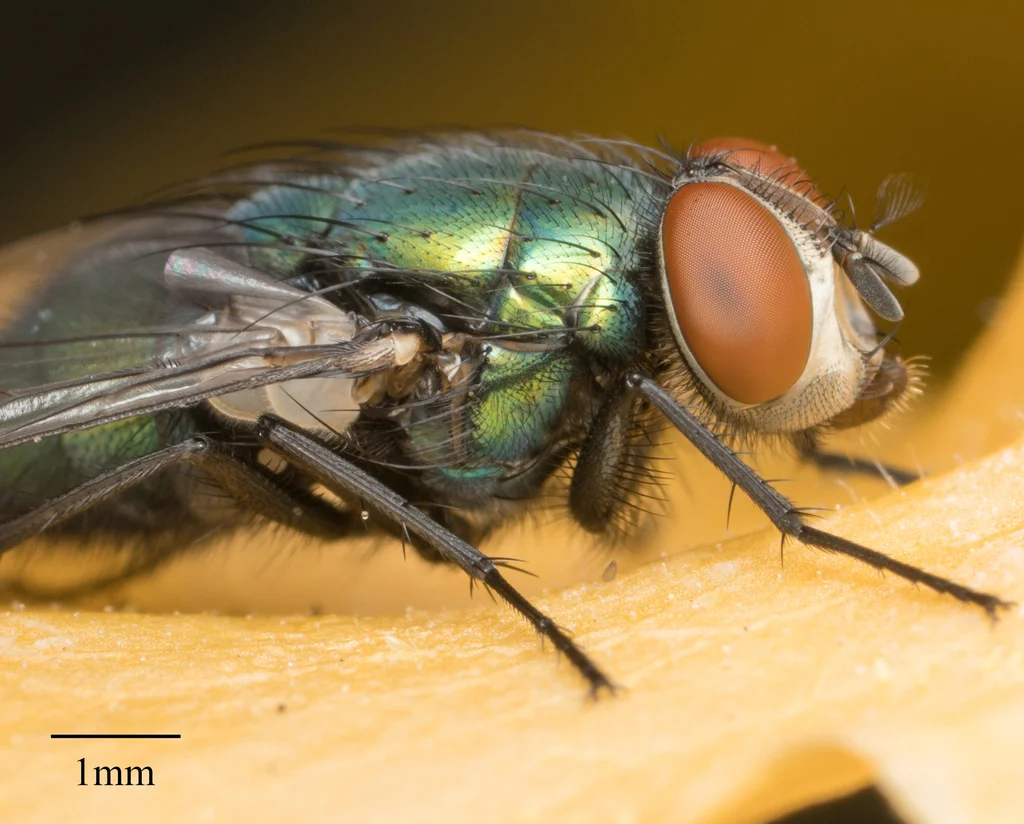
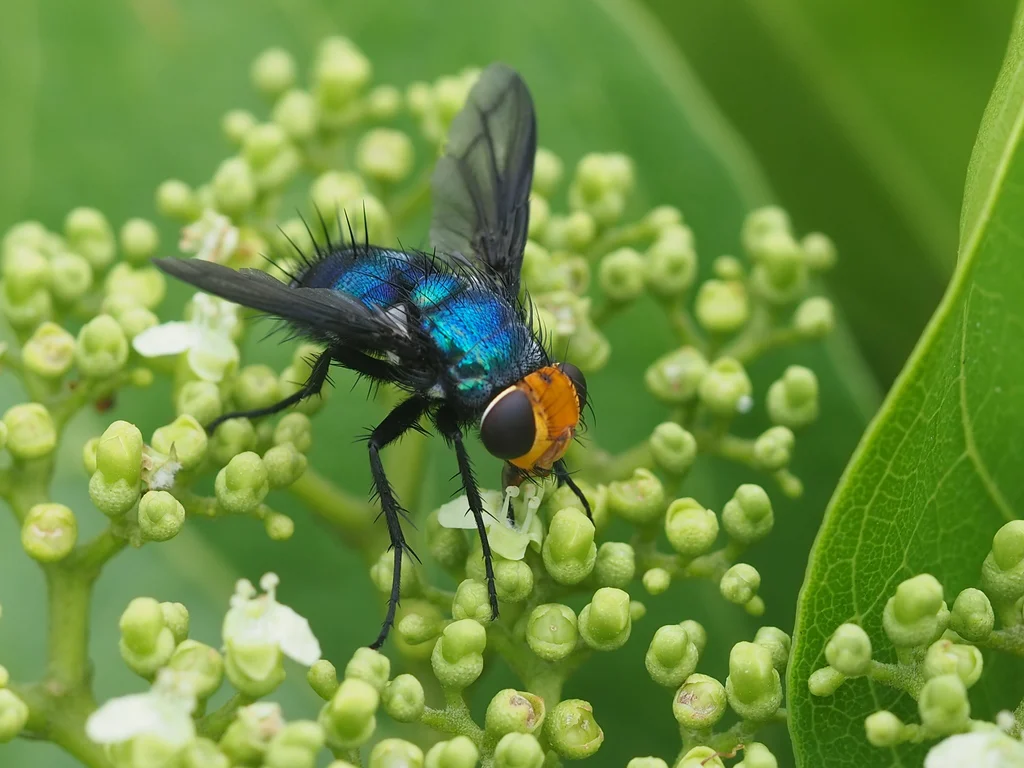
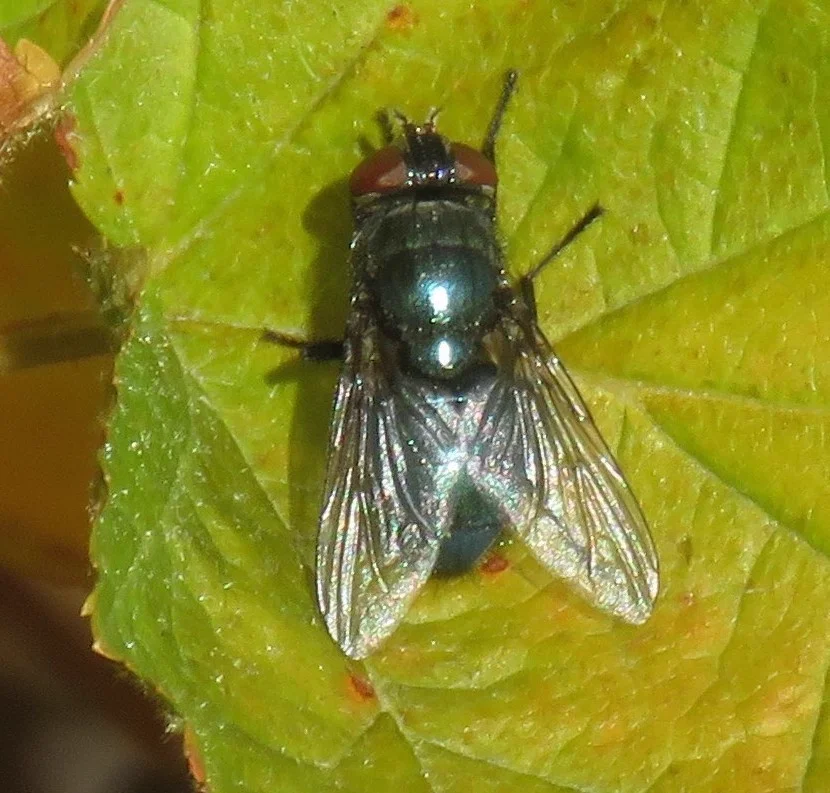
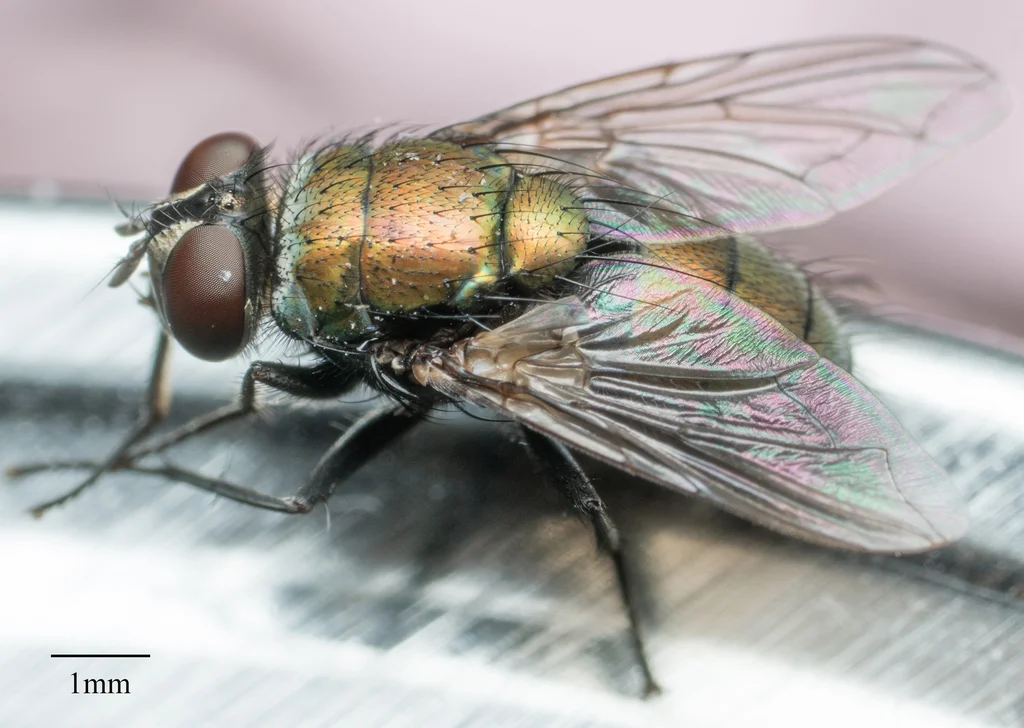
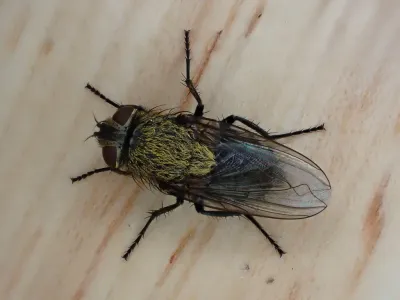
Blow flies are members of the fly family and measure 6 to 14 millimeters long. They are about the size of a house fly or a bit larger. You can spot them by their shiny, metallic coloring. They may look bright green, blue, bronze, or black depending on the species. This shiny look comes from their outer shell and makes them easy to tell apart from regular house flies.
Like all flies, blow flies have one pair of wings. Their back wings are tiny knobs that help them balance in flight. They have large eyes that are reddish-brown. Short, stiff hairs cover their bodies. Their mouths are made for soaking up liquids.
Blow flies are strong fliers and make a loud buzzing sound. You often see them circling food sources or resting on sunny walls and windows. Females are larger than males and have eyes that sit farther apart.
Common Species in North America
Several blow fly species show up in homes across North America:
-
Green Bottle Fly (Lucilia sericata): The most common blow fly. It has a bright metallic green body and measures 10 to 14 mm. You can find it throughout the continent.
-
Blue Bottle Fly (Calliphora vomitoria): A large fly with a metallic blue belly and gray upper body. It has orange-yellow hairs on the back of its head. This species likes cooler weather.
-
Black Blow Fly (Phormia regina): A dark, blue-black species common in northern areas. It is often the first fly to show up at dead animals in spring.
-
Secondary Screwworm (Cochliomyia macellaria): A greenish-blue species found mainly in the southern states. It feeds only on dead tissue, not living animals.
All of these species belong to the family Calliphoridae and are also referred to as bottle flies. Their shiny metallic colors are the quickest way to tell them from dull gray filth flies like house flies and carrion flies that feed on similar materials.
Blow Fly Behavior and Biology
Blow flies share this role with flesh flies, which are also attracted to carrion but differ in appearance and reproduction. Blow flies help break down dead animals in nature. They have an amazing sense of smell. They can find rotting matter from far away. Within minutes of an animal dying, blow flies may show up to start feeding.
Female blow flies need protein from decay before they can lay eggs. After eating, they look for dead animals, wounds, feces, or garbage to deposit eggs. One female can lay 150 to 200 eggs at a time. She may lay up to 2,000 eggs in her life. The eggs are small and white, laid in clusters that look like grains of rice.
Eggs hatch in 24 to 48 hours into cream-colored maggots. The maggots eat the decaying material for 6 to 11 days. They go through three growth stages during this time. When ready to change into adults, they leave the food and dig into soil. The pupal stage lasts about 8 days before adult flies come out.
Adult blow flies live only 10 to 25 days. They eat nectar and rotting fluids. They do not bite people or pets. These flies are busiest during warm, humid weather from late spring through early fall.
Why Blow Flies Enter Homes
When blow flies show up inside, they are almost always drawn by one of these things:
- Dead animals: Mice, rats, birds, or squirrels that died in walls, attics, crawl spaces, or chimneys
- Garbage: Open trash with meat scraps or other waste
- Pet waste: Dog poop or dirty litter boxes
- Spoiled food: Forgotten meat or fish that went bad
A sudden wave of blow flies usually means an animal died nearby. The flies may come out from walls, ceiling lights, or gaps around pipes as they try to get outside. Homeowners sometimes confuse blow flies with cluster flies, which also appear indoors in large numbers but enter homes to overwinter rather than to breed.
Treatment Methods for Blow Flies
To control blow flies, you must find and remove what is drawing them. If you only kill adult flies without fixing the source, more flies will keep coming.
Finding the Source
The first step is finding what attracts the flies. Watch where they gather and check these common spots:
- Walls near where flies cluster
- Attics near eaves and vents
- Crawl spaces and basements
- Chimneys and fireplaces
- Trash cans and dumpsters
- Compost piles
- Pet areas
A bad smell often points to a dead animal. Small animals may not smell much. Look for stains on walls or ceilings that could mean fluids from decay.
Source Removal
If you find the dead animal, remove it when you can. Wear gloves and put the body in a sealed plastic bag. Then clean the area well.
Sometimes the animal is in a wall or other hard-to-reach spot. In that case, you may have to wait for decay to finish. This takes about two to three weeks. Open windows and use odor sprays to help while you wait.
Reducing Indoor Fly Numbers
While you deal with the source, these steps help cut down on flies inside:
- Fix or add window screens
- Keep doors shut or add door sweeps
- Put fly traps near windows
- Cover food and clean up spills fast
- Empty trash often and use lids that fit tight
Prevention Tips
To stop future problems, keep animals out and stay on top of cleaning:
- Seal gaps where rodents or birds could get into walls
- Add caps to chimneys
- Keep trash in sealed bins
- Pick up pet waste every day
- Keep compost bins away from the house
- Fix torn screens and worn weatherstripping
References
Other Flies
Explore other species in the flies family
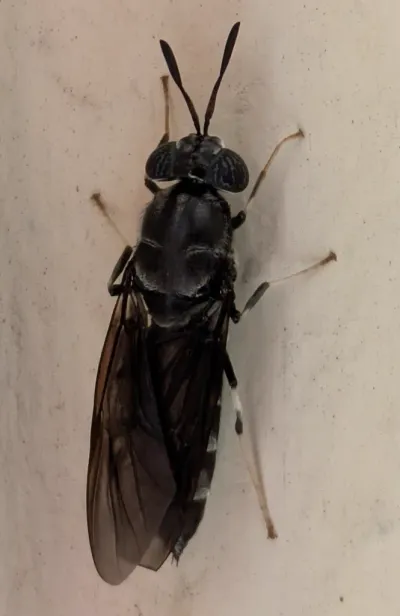
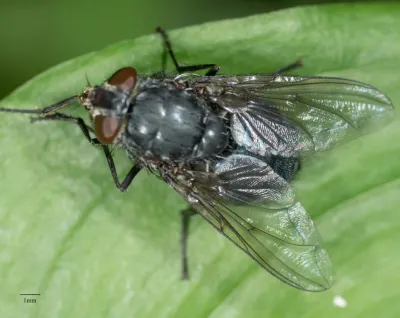
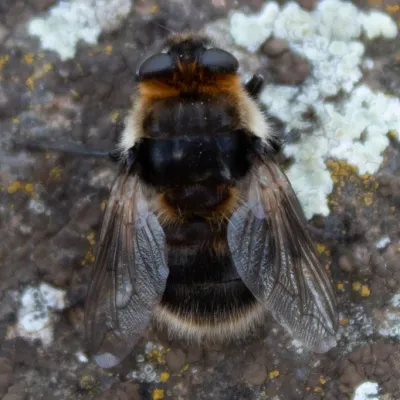
Commonly Confused With
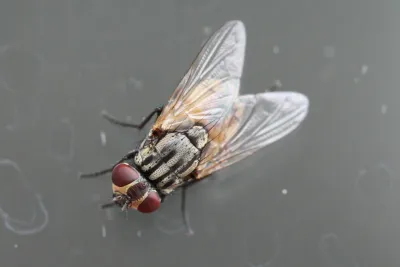
Blow Flies are often mistaken for these similar pests
Where Blow Flies Are Found
Hover over states to see their names. Green regions indicate where blow flies have been reported.
Common Questions about Blow Flies
Why are there suddenly blow flies in my house?
+
Blow flies almost always show up when a dead animal is nearby. A mouse, rat, bird, or squirrel may have died in a wall, attic, crawl space, or chimney. These flies can smell dead animals from far away and arrive fast to lay eggs.
How long will blow flies stay if something died in my wall?
+
The flies usually stick around for two to three weeks while the body breaks down. After that, the smell and fly activity slowly fade. If you can reach and remove the animal, the problem ends much sooner.
Are blow flies dangerous to humans?
+
Blow flies do not bite. But they can spread germs by landing on your food after feeding on rotting matter or waste. They may carry E. coli, Salmonella, and other harmful bacteria. Keep food covered when these flies are around.
What is the difference between blow flies and house flies?
+
Blow flies are bigger and have shiny metallic blue, green, or bronze bodies. House flies are smaller and dull gray with four dark stripes. Blow flies buzz louder and are drawn more to meat and dead animals.
Do blow flies lay eggs in my food?
+
Blow flies prefer to lay eggs on rotting meat, not fresh food. But they can lay eggs on raw meat left out too long. The eggs are tiny, white, and grouped together. Put meat in the fridge right away and cover all food.
How fast do blow flies reproduce?
+
Blow flies grow fast in warm weather. Eggs hatch in 24 to 48 hours. The maggots grow for 6 to 11 days before turning into adults. The whole cycle takes about two to three weeks. One female can lay up to 2,000 eggs in her short life.
Where do blow flies come from?
+
Blow flies breed outside in dead animals, trash, pet waste, and compost. They get inside through open doors, windows, torn screens, or gaps around pipes. Their strong sense of smell helps them find food from far away.
Can blow flies infest a clean house?
+
Yes. Even very clean homes can get blow flies if a mouse dies in a wall or a bird gets stuck in a chimney. The flies come for the dead animal, not the dirt. But good cleaning helps by removing other things that might draw them.

With five years of hands-on experience in the pest control industry, George Schulz is a registered technician with the Virginia Pest Management Association and a proud third-generation professional in a family business that's been protecting homes for over 57 years. He manages and trains a team of service pros while also leading internal research efforts—recently spearheading a deep-dive review of thousands of documents on pest control materials to hand-pick the most kid and pet friendly, most effective solutions tailored specifically for homes in the DC metro area.