Asian Cockroaches Identification Guide
Blattella asahinai
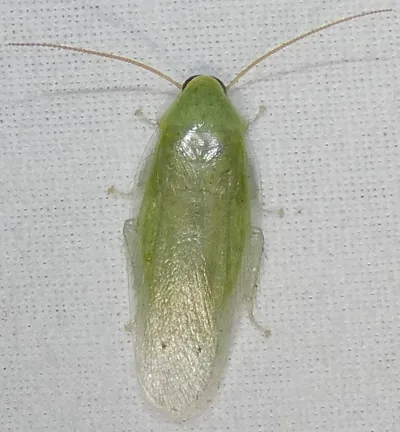
Asian cockroaches are outdoor-dwelling roaches that closely resemble German cockroaches but are strong fliers attracted to lights at dusk, often entering homes through windows and doorways.
Taxonomy
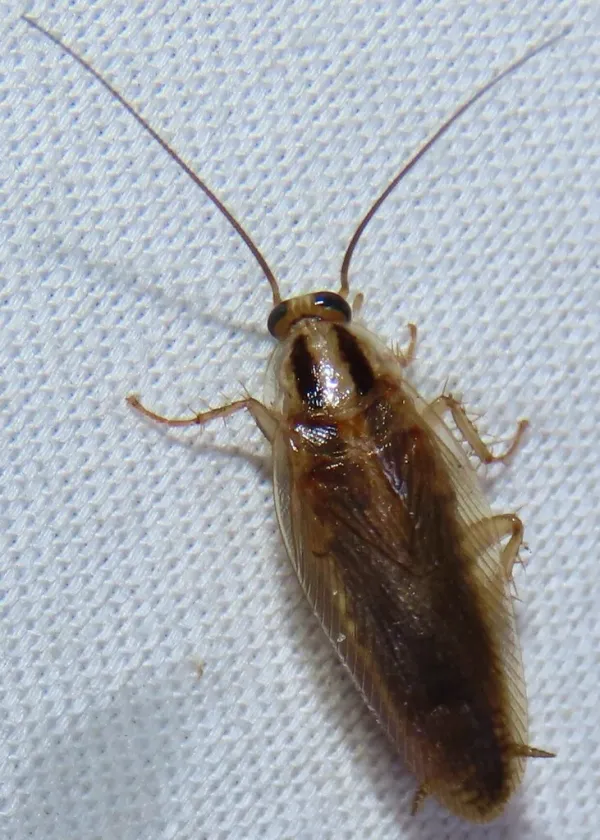
Asian Cockroaches Coloration
Common color patterns to help identify asian cockroaches
Asian Cockroaches
Seasonal Activity
When asian cockroaches are most active throughout the year

Where Asian Cockroaches Are Found
Hover over states to see their names. Green regions indicate where asian cockroaches have been reported.
How to Identify Asian Cockroaches
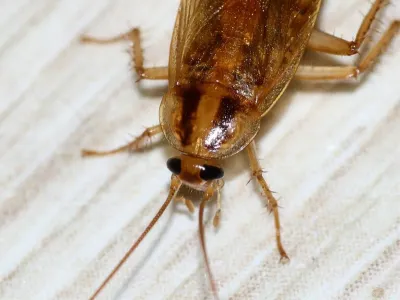
Asian cockroaches look almost the same as German cockroaches. People often mix up the two. These roaches first showed up in Florida in 1986. They live outdoors and act very different from German roaches. Knowing how to tell them apart helps you choose the right control method.
What They Look Like
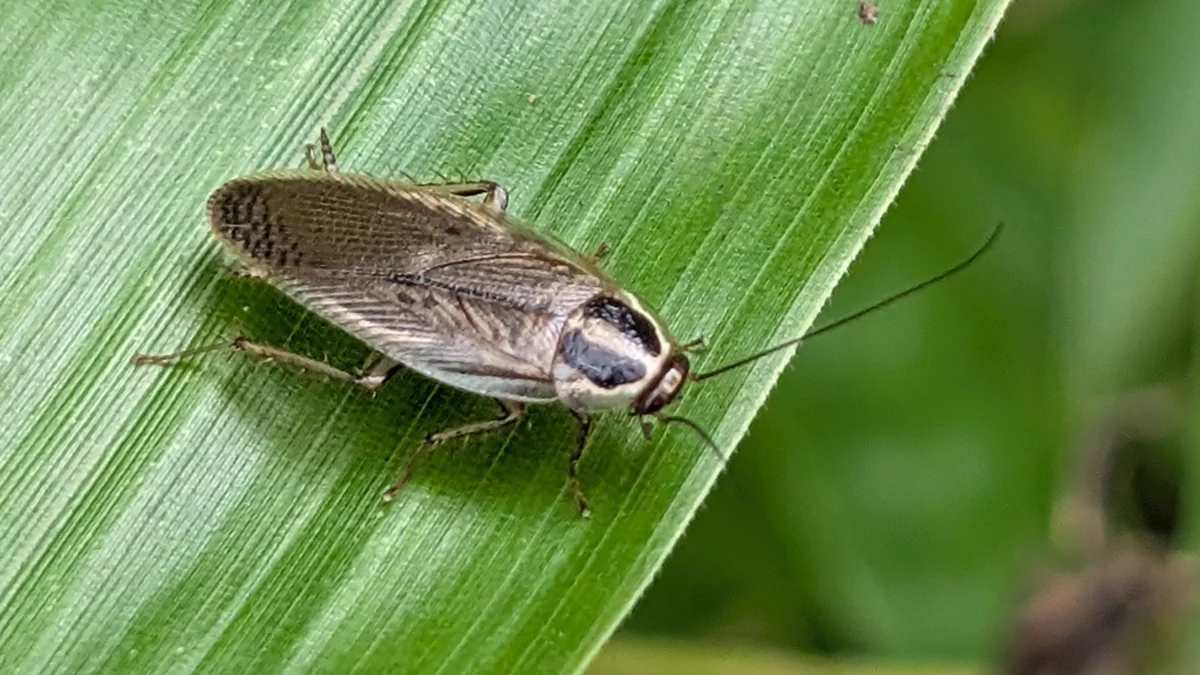
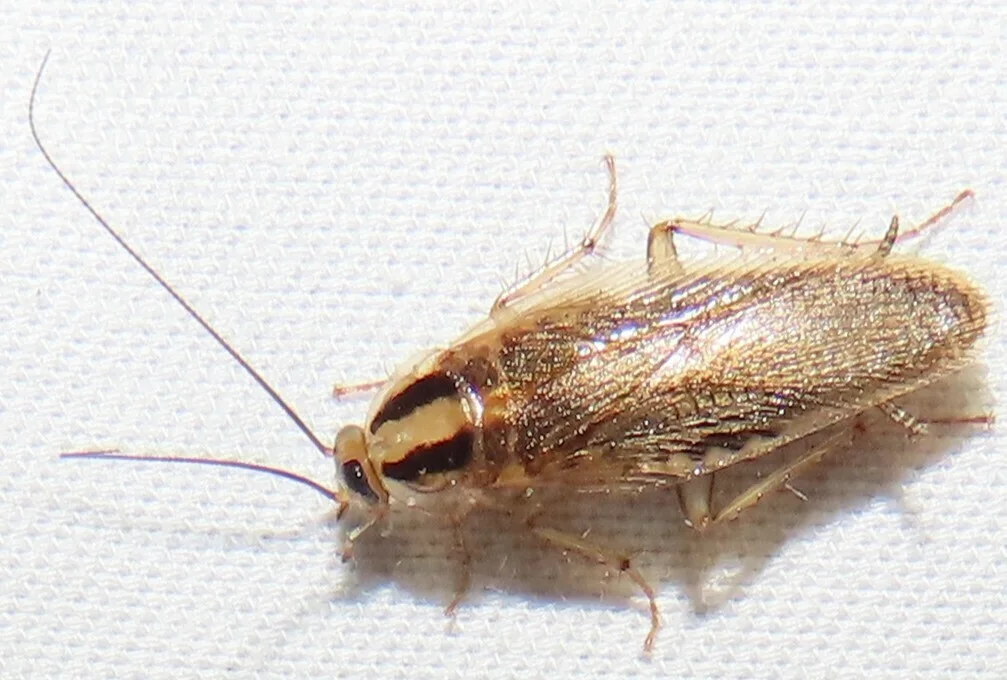
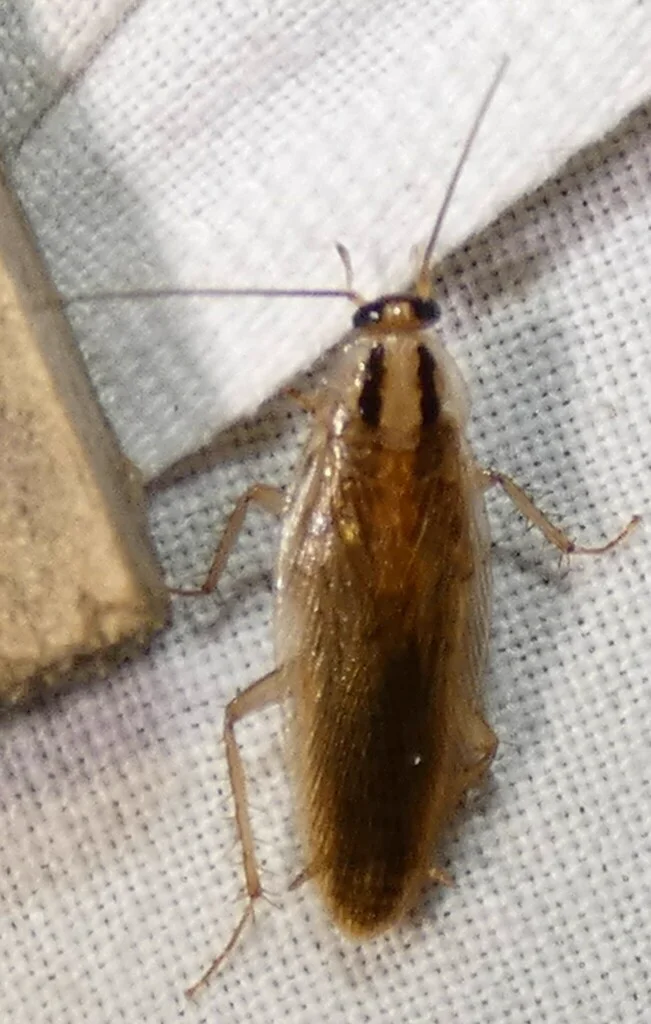
Asian cockroaches are about half an inch long, roughly the size of your thumbnail. They have tan to light brown bodies with two dark stripes behind the head.
Here are the main ways to tell them apart from German roaches:
- Wings: Asian roaches have longer wings that stick out past their body. German roach wings barely cover the body.
- Color: Asian roaches are a bit lighter in color.
- Egg cases: Female Asian roaches make smaller egg cases.
- Young roaches: Baby Asian roaches have whitish bellies. German roach babies have darker bellies.
How They Act
The best way to tell these roaches apart is by watching how they act:
| Trait | Asian Cockroach | German Cockroach |
|---|---|---|
| Flying | Strong flier, can fly 120 feet | Rarely flies |
| Light | Drawn to bright lights | Runs from light |
| Home | Lives outside in mulch and leaves | Lives inside in kitchens |
| Active time | Most active at dusk | Active all night |
| Season | Spring through fall | Year-round indoors |
Life Cycle
Asian cockroaches go through three stages: egg, nymph, and adult. They grow up in about 67 days when conditions are right.
How They Breed
Female Asian roaches make about 4 egg cases in their life. Each case holds around 37 eggs. She carries the egg case and drops it in a hidden spot about 13 days after becoming an adult. She makes a new case every 8 days or so.
How Long They Live
- Egg to adult: About 67 days
- Female lifespan: About 104 days
- Male lifespan: About 49 days
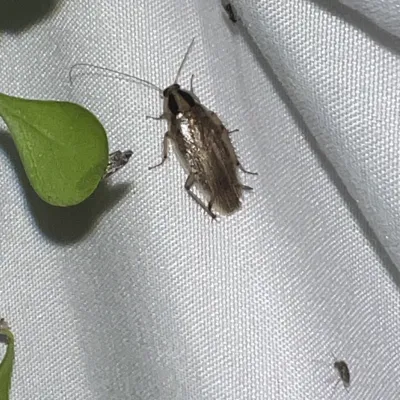
- Babies per female: Around 80 (fewer than German roaches) A related species, Brown-Banded Roaches, shares similar characteristics.
When to Expect Them A related species, Palmetto Bugs, shares similar characteristics.
Asian roach numbers go up and down with the seasons. In the Southeast, you see the most roaches twice a year: once from February to May, and again from August to September. Young roaches are common in summer. Adults show up more in spring and fall. A related species, American Roaches, shares similar characteristics.
In bad cases, you might find 30,000 to 250,000 roaches per acre in mulched areas. A related species, Lobster Cockroaches, shares similar characteristics.
Where They Live A related species, Oriental Roaches, shares similar characteristics.
Range A related species, Australian Cockroaches, shares similar characteristics.
Asian cockroaches live mainly in the Gulf Coast states. Since 1986, they have spread to: A related species, Spotted Mediterranean Cockroach, shares similar characteristics.
- Florida
- Georgia
- Alabama
- Mississippi
- Louisiana
- Texas
- South Carolina
- North Carolina
They keep moving north as the climate warms, but they do best in warm, humid areas.
Favorite Spots
Asian cockroaches like outdoor spots with lots of dead plant matter:
- Mulched beds: They love cypress mulch, pine bark, and rubber mulch
- Leaf piles: Oak leaves, pine needles, and rotting plants
- Compost: Piles of yard waste make great homes
- Shady lawns: Grass clippings and thatch hide young roaches
- Farm fields: Crop waste feeds large groups
Unlike German roaches, Asian roaches almost never breed indoors. When they come inside, they follow the lights. They don’t stay to start a colony.
Control Methods
Asian roach control takes a different approach than indoor roach treatments. These pests live outside and enter through windows and doors. Indoor sprays and perimeter treatments don’t work well.
What Works
Clean Up the Yard The best long-term fix is to remove outdoor hiding spots:
- Keep mulch under 2 inches deep near your home
- Rake up extra leaves
- Keep the ground dry around your foundation
- Cut back on watering near the house
Change Your Lighting Since Asian roaches love light, changing your outdoor lights helps keep them out:
- Switch white bulbs for yellow or sodium vapor lights
- Use motion lights instead of leaving lights on all night
- Close blinds at dusk to block light from inside
- Move outdoor lights away from doors
Block Entry Points Keep roaches out with physical barriers:
- Fix or replace torn window screens
- Add sweeps to exterior doors
- Seal gaps around windows and door frames
- Keep doors closed at dusk
Outdoor Baits When numbers are high, scatter baits in mulched and landscaped areas. Granular baits made for outdoor use work best in yards and gardens.
Why Indoor Sprays Don’t Work
Standard roach treatments often fail against Asian cockroaches because:
- These roaches don’t hide in the same indoor spots
- Adults fly through windows and doors, missing treated areas
- The breeding colony lives outside, away from indoor treatments
- Their flight lets them skip over perimeter sprays
Getting the right ID matters. If your German roach treatments aren’t working, you might have Asian cockroaches instead. They need an outdoor-focused approach.
References
Other Cockroaches
Explore other species in the cockroaches family
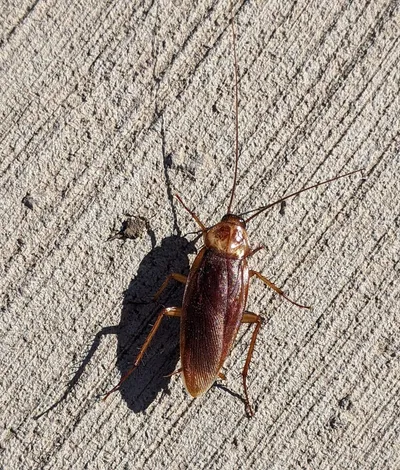
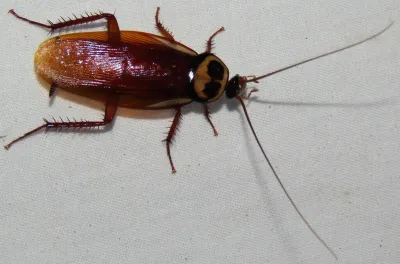
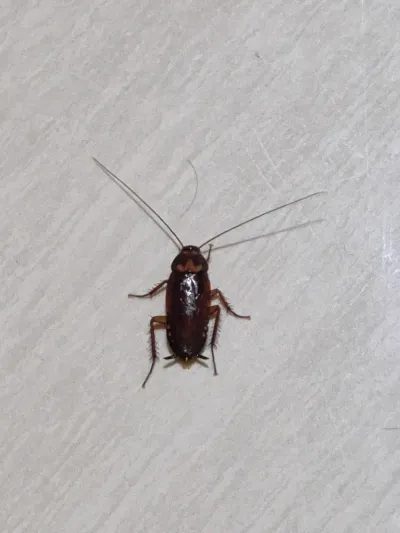
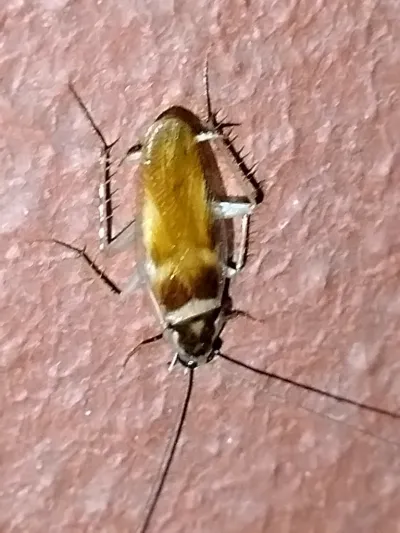
Commonly Confused With
Asian Cockroaches are often mistaken for these similar pests
Where Asian Cockroaches Are Found
Hover over states to see their names. Green regions indicate where asian cockroaches have been reported.
Common Questions about Asian Cockroaches
How can I tell the difference between Asian and German cockroaches?
+
While nearly identical in appearance, the best way to tell them apart is behavior. Asian cockroaches are strong fliers that live outdoors and are attracted to light. German cockroaches rarely fly, live indoors, and scatter away from light. If you see a small tan roach flying toward your porch light at dusk, it's likely an Asian cockroach.
Are Asian cockroaches dangerous?
+
Asian cockroaches pose less health risk than German cockroaches because they primarily live outdoors. However, they can still carry bacteria and contaminate food when they enter homes. They're more of a nuisance pest than a serious health threat.
Why are Asian cockroaches attracted to my home at night?
+
Asian cockroaches become active at dusk and are strongly attracted to light-colored surfaces and bright lights. Porch lights, TV screens, and illuminated windows draw them inside through open doors and windows.
Where do Asian cockroaches live?
+
Unlike German cockroaches that live indoors, Asian cockroaches prefer outdoor habitats. They thrive in mulched garden beds, leaf litter, compost piles, and shaded areas with organic debris. Populations can reach 30,000 to 250,000 per acre in favorable conditions.
Do Asian cockroaches infest homes like German cockroaches?
+
No. Asian cockroaches rarely establish indoor infestations. They enter homes attracted by lights but typically don't stay to breed. Indoor infestations are rare because these roaches prefer the humid, organic-rich outdoor environment.
How do I keep Asian cockroaches out of my house?
+
Switch to yellow incandescent bulbs or sodium vapor lamps for outdoor lighting, which are less attractive to these insects. Keep windows and doors closed at dusk, use screens without tears, and reduce mulch and leaf litter near your foundation.

With five years of hands-on experience in the pest control industry, George Schulz is a registered technician with the Virginia Pest Management Association and a proud third-generation professional in a family business that's been protecting homes for over 57 years. He manages and trains a team of service pros while also leading internal research efforts—recently spearheading a deep-dive review of thousands of documents on pest control materials to hand-pick the most kid and pet friendly, most effective solutions tailored specifically for homes in the DC metro area.