Texas Redheaded Centipede Identification Guide
Scolopendra heros
The Texas redheaded centipede is the largest centipede in North America, reaching up to 8 inches long. Known for its distinctive red head and black body with yellow legs, this impressive predator delivers a painful bite but is rarely dangerous to healthy adults.
Taxonomy
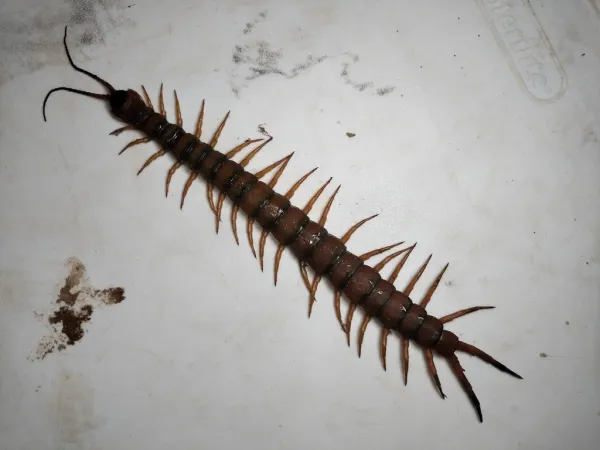
Texas Redheaded Centipede Coloration
Common color patterns to help identify texas redheaded centipede
Texas Redheaded Centipede
Seasonal Activity
When texas redheaded centipede are most active throughout the year
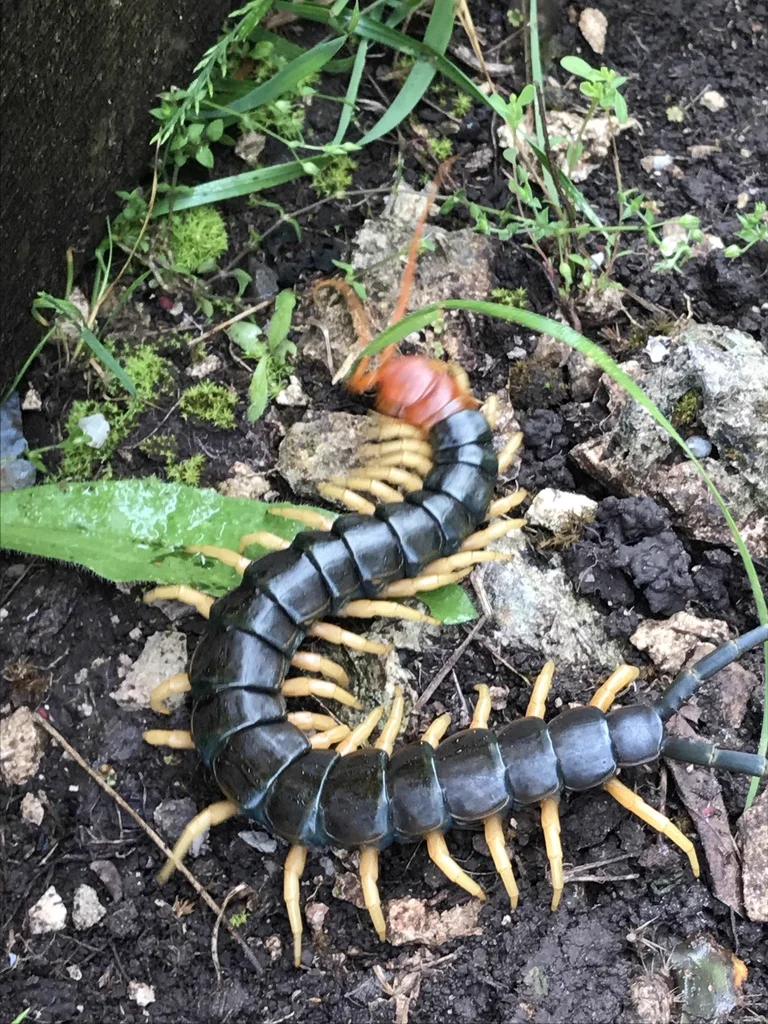
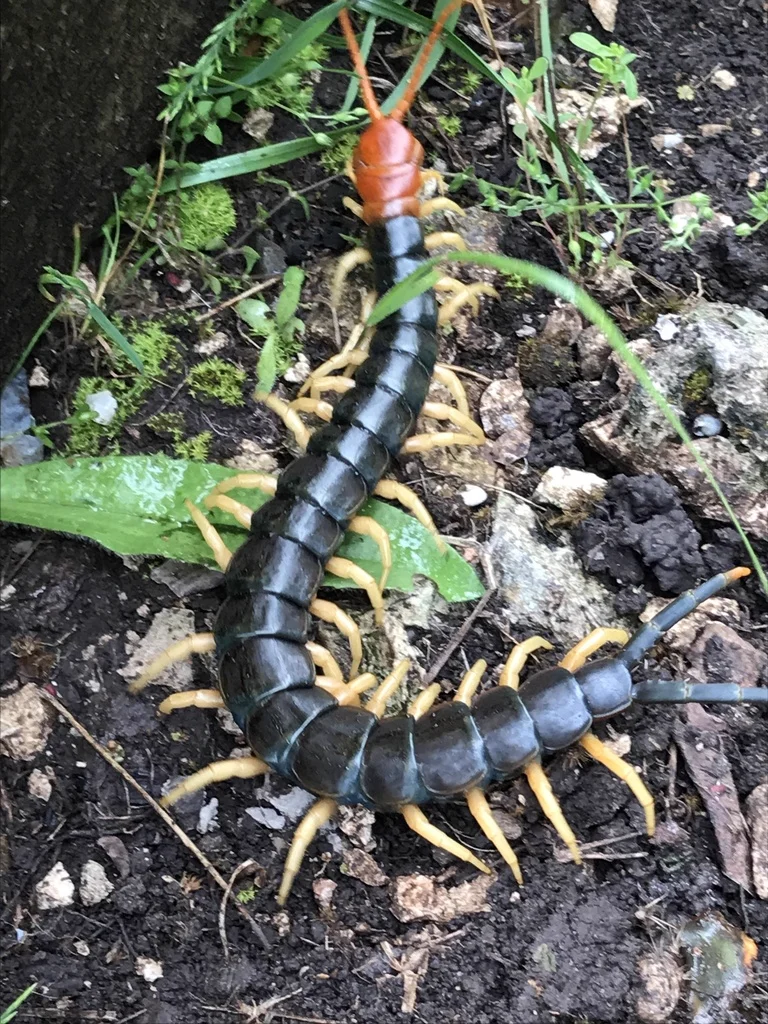
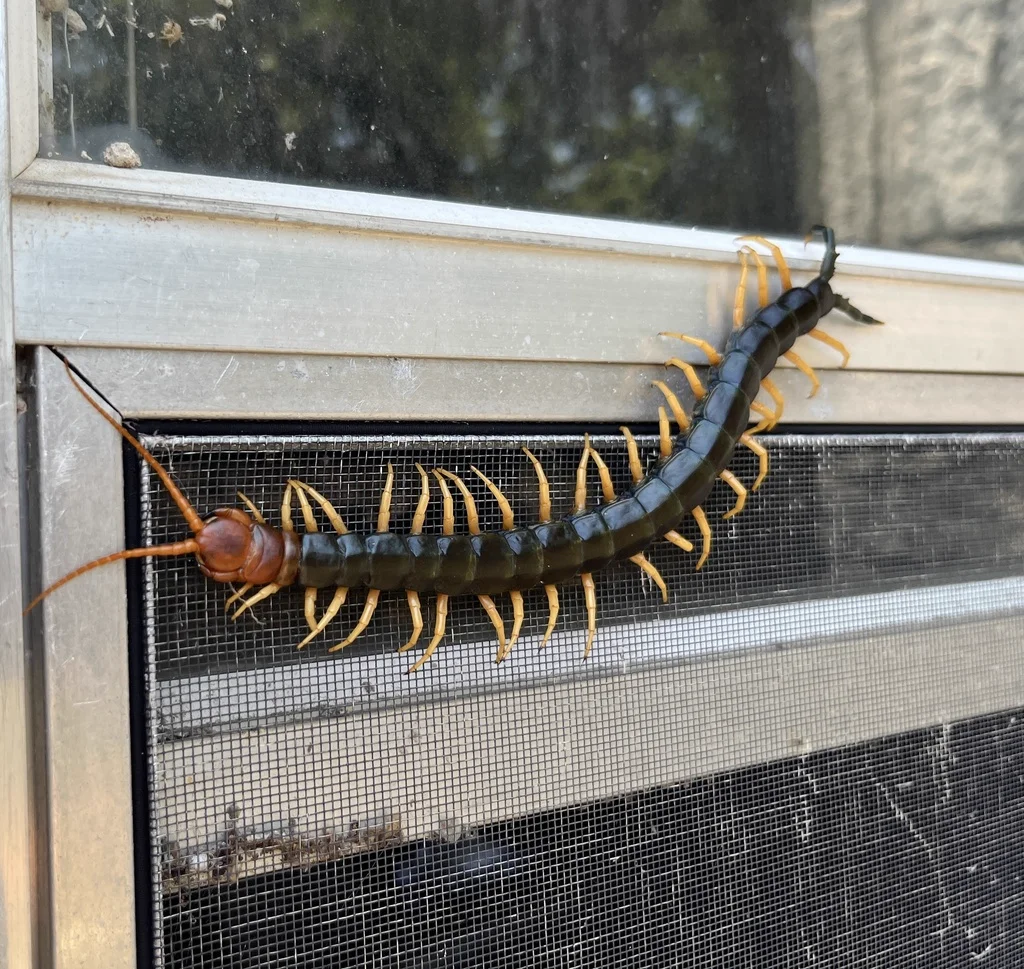

Where Texas Redheaded Centipede Are Found
Hover over states to see their names. Green regions indicate where texas redheaded centipede have been reported.
Texas Redheaded Centipede Identification Guide
Physical Characteristics
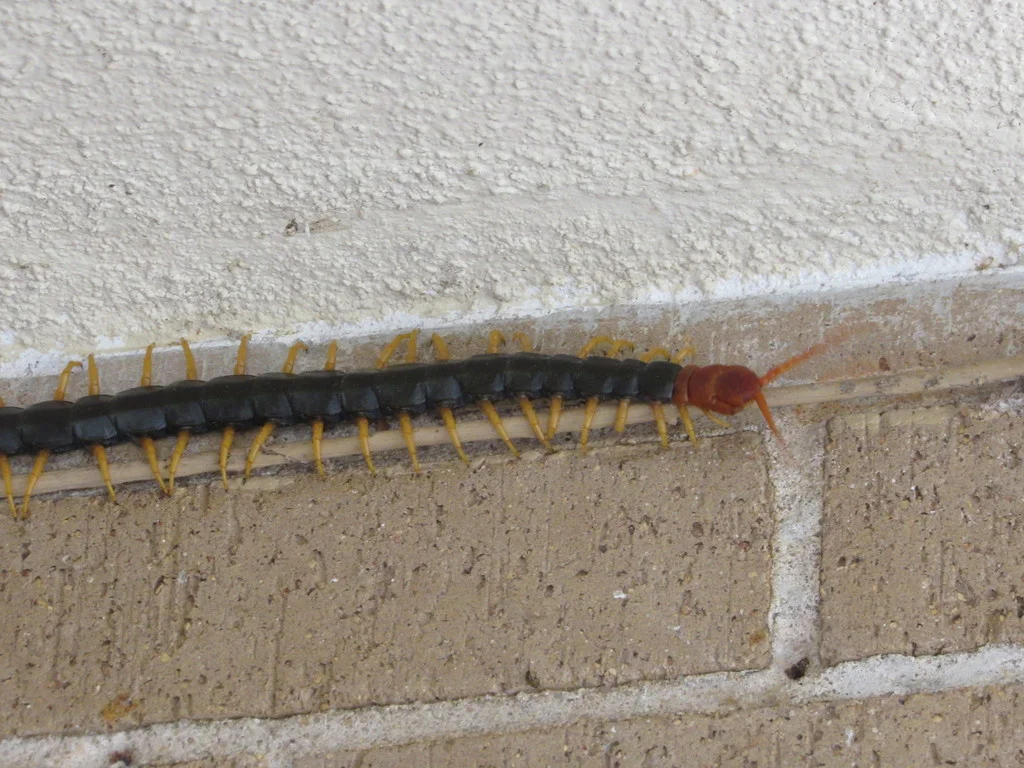
The Texas redheaded centipede (Scolopendra heros) is the largest centipede in North America. Adults usually measure 6 to 6.5 inches long. Some reach 8 inches in the wild, and captive ones can grow even longer.
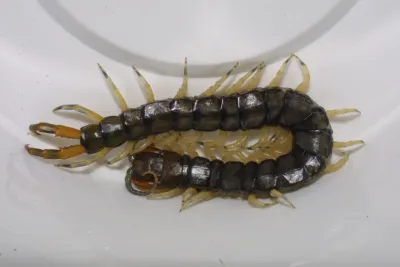
The most common color form has a bright red head, a dark greenish-black body, and yellow or orange legs. This gives the species its common name. However, colors can vary. Some have black heads with orange bodies and pale yellow legs. Others appear almost all black or show blue banding.
These centipedes have 21 or 23 pairs of legs (42 or 46 total). Each body segment has one pair of legs. The last pair is longer and looks like a second set of antennae. This rear end mimics the head, which may confuse predators. It also lets the centipede bite in defense when attacked from behind. Behind the head, modified legs called forcipules act as venomous fangs to catch prey.
How to Tell Them Apart from Similar Pests
Texas redheaded centipedes look different from other centipedes you might see:
-
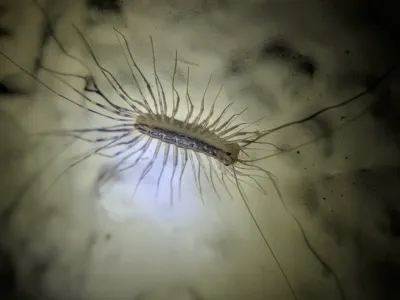
House Centipedes: Much smaller at 1 to 1.5 inches. They have long, delicate banded legs and yellowish-gray color. House centipedes have 15 pairs of legs and live throughout North America.
-
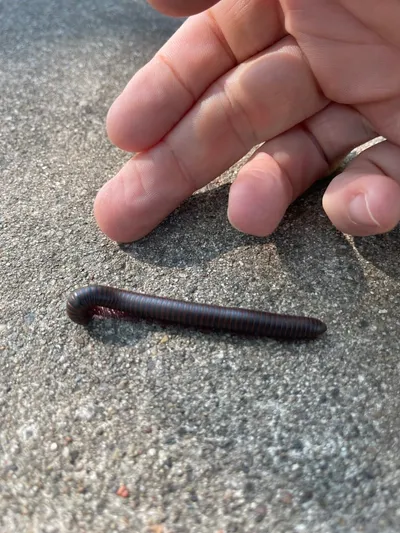
Millipedes: Millipedes have round bodies with two pairs of short legs per segment. They move slowly and curl into a spiral when scared. They have no venom and eat dead plant matter.
-
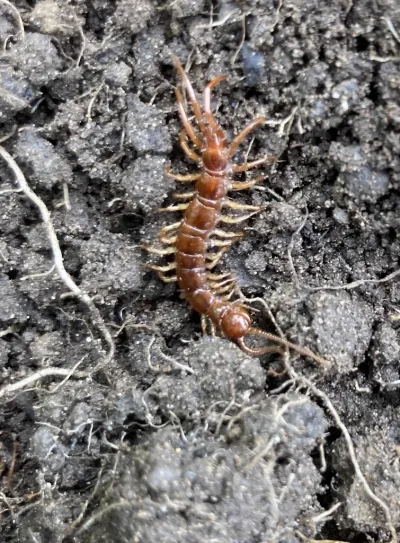
Stone Centipedes: Smaller brown centipedes found under rocks across the United States. They are usually under 2 inches long with fewer leg pairs.
Texas Redheaded Centipede Behavior and Biology
Habitat and Distribution
Texas redheaded centipedes live in the southwestern United States and northern Mexico. They range from Arizona and New Mexico in the west to Arkansas, Missouri, and Louisiana in the east. Despite the name “giant desert centipede,” they do not only live in deserts. They also thrive in rocky woodlands, grasslands, scrubland, and chaparral.
During the day, these centipedes hide under rocks, logs, leaf litter, bark, and debris. They stay hidden from predators and the drying sun. They need moisture to survive and seek out damp spots. At night, they come out to hunt. They cover a lot of ground looking for prey.
During hot, dry weather, Texas redheaded centipedes may enter homes seeking moisture and cooler air. They are most often found in basements, garages, bathrooms, and crawl spaces. Learn more about what attracts centipedes into homes.
Predatory Behavior
Texas redheaded centipedes are aggressive hunters with a varied diet. They eat:
- Large insects like crickets, beetles, cockroaches, and grasshoppers
- Spiders and scorpions
- Other centipedes
- Small lizards and geckos
- Frogs and toads
- Small rodents like mice
- Small snakes
They hunt by using their antennae to sense prey movement. Then they grab victims with their many legs and deliver venomous bites. They have even been seen catching flying insects out of the air. Their venom targets both insect and vertebrate nervous systems, quickly stopping prey from moving.
Defensive Behavior
When scared, Texas redheaded centipedes usually try to run away. If they cannot escape, they take a defensive stance and lift their rear legs as a warning. These rear legs can pinch and may also deliver venom. If pushed further, they will try to bite.
Their walking legs can also pierce skin and cause pain and swelling. This makes handling them a bad idea, even if you avoid the main fangs.
Reproduction and Lifespan
Female Texas redheaded centipedes make nests in soil during warm summer months. They lay 15 to 60 eggs at a time. The mothers show great care, coiling around the eggs to protect them. They also remove fungus or germs that could harm the eggs. The eggs hatch in about two months.
Young centipedes look like small adults. They grow through several molts over many years. These centipedes can live over a decade, which is unusual for arthropods.
Texas Redheaded Centipede Bites
Venom and Effects
The venom of Scolopendra heros contains many active compounds. These include serotonin, histamine, lipids, and proteins. Some proteins can affect the heart, while certain enzymes can damage cell walls.
For humans, a bite usually causes:
- Sharp, burning pain at the bite site
- Major swelling around the wound
- Redness and inflammation
Other symptoms that may happen include:
- Nausea and headache
- Skin tissue death near the bite
- Pain that spreads up the arm or leg
- Symptoms that last several days
Texas redheaded centipede bites are very painful but have never killed anyone. For information about whether common centipedes pose a risk, see are centipedes dangerous. In rare cases, severe problems have occurred. These include kidney failure from muscle breakdown and heart issues in some people. Those with allergies to insect stings may have worse reactions.
First Aid for Bites
If a Texas redheaded centipede bites you:
- Wash the wound well with soap and water
- Apply ice for 10 minutes on, then 10 minutes off, to reduce swelling
- Soaking in warm water may help reduce pain since the venom breaks down with heat
- Over-the-counter pain relievers may help
- See a doctor if symptoms are severe or if you have known allergies
This information is for reference only and is not medical advice. Always consult a healthcare provider for bite treatment.
Treatment Methods for Giant Centipedes
Control of Texas redheaded centipedes and similar large species usually involves several methods. For general guidance, see our article on how to get rid of centipedes.
Reducing Moisture
Centipedes need humid places to survive. Fixing moisture problems makes areas less welcoming to them. This includes better drainage, using dehumidifiers, and fixing leaks.
Removing Hiding Spots
Clearing debris, leaf litter, rocks, and wood piles from around your home removes places where centipedes hide. Keep a 3 to 4 foot buffer of gravel or bare soil around your foundation. This reduces centipede shelter near entry points.
Sealing Entry Points
- Seal cracks and gaps in foundations and walls
- Install door sweeps and weatherstripping
- Make sure window screens have no holes
- Fill gaps around pipes entering the structure
Chemical Control
When centipede activity continues, targeted insecticide treatments to perimeter areas, entry points, and hiding spots can reduce their numbers. Granular products applied to mulch beds and foundation edges often work well.
Reducing Prey
Centipedes follow their food sources. Reducing insect populations around and inside your home removes what attracts these predators. You may also find a centipede repellent useful for keeping them away from entry points.
References
Other Centipedes
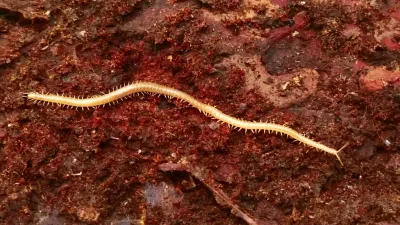
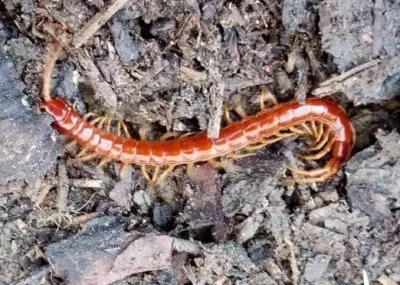
Explore other species in the centipedes family
Commonly Confused With
Texas Redheaded Centipede are often mistaken for these similar pests
Where Texas Redheaded Centipede Are Found
Hover over states to see their names. Green regions indicate where texas redheaded centipede have been reported.
Common Questions about Texas Redheaded Centipede
How dangerous is a Texas redheaded centipede bite?
+
Texas redheaded centipede bites are very painful but rarely dangerous to healthy adults. The bite causes sharp pain and swelling that can last hours to days. Some people may also have skin damage near the bite, nausea, or headache. Seek medical attention if you have severe symptoms. This is not medical advice. Always consult a doctor for health concerns.
How big do Texas redheaded centipedes get?
+
Texas redheaded centipedes are the largest centipedes in North America. They average 6.5 inches long but can reach 8 inches or more. Some captive specimens have grown even longer.
Where are Texas redheaded centipedes found?
+
These centipedes live in the southwestern United States. This includes Texas, Arizona, New Mexico, Oklahoma, Arkansas, Louisiana, and Missouri. They also live in northern Mexico. They do not naturally occur in the eastern United States.
What do Texas redheaded centipedes eat?
+
They are aggressive hunters that eat insects, spiders, small lizards, frogs, rodents, and even small snakes. They use their venomous claws to catch prey and have been seen catching flying insects in mid-air.
Will Texas redheaded centipedes enter homes?
+
Yes, they sometimes enter homes looking for shelter. This happens most often during hot, dry weather when they need moisture. They are most often found in basements, garages, and bathrooms.
Are Texas redheaded centipedes aggressive?
+
They usually prefer to run away when they see people. If cornered, they take a defensive stance. When threatened, they may lift their rear legs as a warning before trying to bite. They should not be handled.
How long do Texas redheaded centipedes live?
+
Texas redheaded centipedes can live over a decade, which is long for arthropods. Females may lay several batches of eggs during their lifetime.

With five years of hands-on experience in the pest control industry, George Schulz is a registered technician with the Virginia Pest Management Association and a proud third-generation professional in a family business that's been protecting homes for over 57 years. He manages and trains a team of service pros while also leading internal research efforts—recently spearheading a deep-dive review of thousands of documents on pest control materials to hand-pick the most kid and pet friendly, most effective solutions tailored specifically for homes in the DC metro area.