Diamondback Soil Centipedes Identification Guide
Geophilus vittatus
Diamondback soil centipedes are slender, eyeless predators found in soil, leaf litter, and under loose bark across temperate North America. Named for the dark diamond-shaped markings along their backs, these nocturnal centipedes rarely enter homes but may appear indoors when moisture levels are high.
Taxonomy
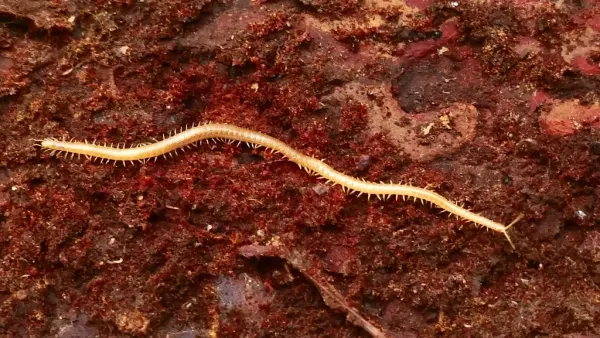
Diamondback Soil Centipedes Coloration
Common color patterns to help identify diamondback soil centipedes
Diamondback Soil Centipedes
Seasonal Activity
When diamondback soil centipedes are most active throughout the year

Where Diamondback Soil Centipedes Are Found
Hover over states to see their names. Green regions indicate where diamondback soil centipedes have been reported.
Diamondback Soil Centipede Identification Guide
Physical Characteristics
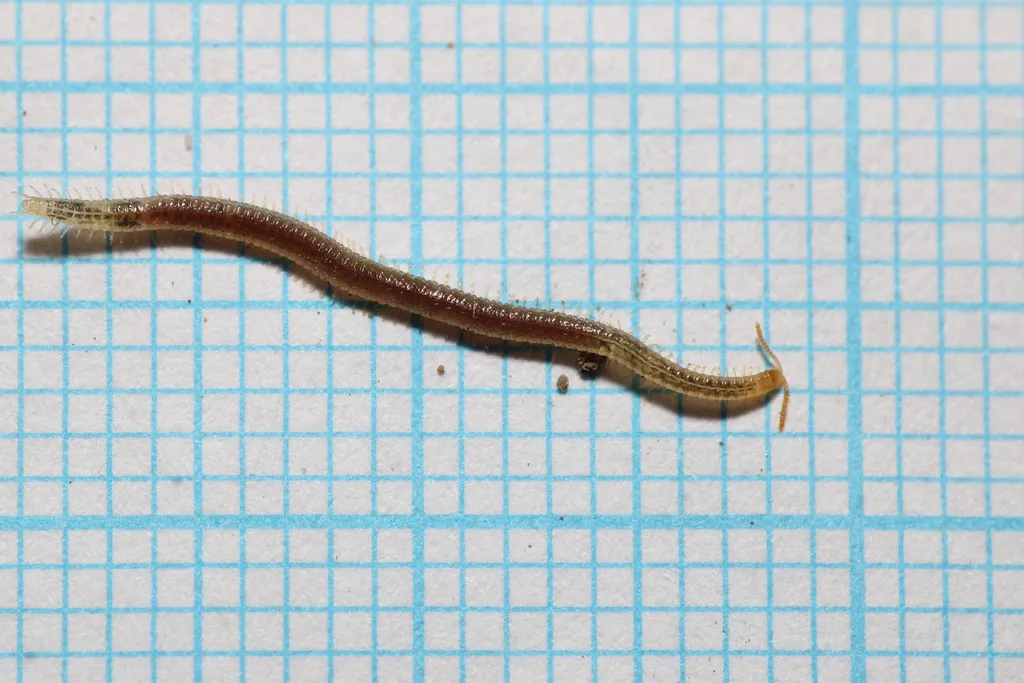
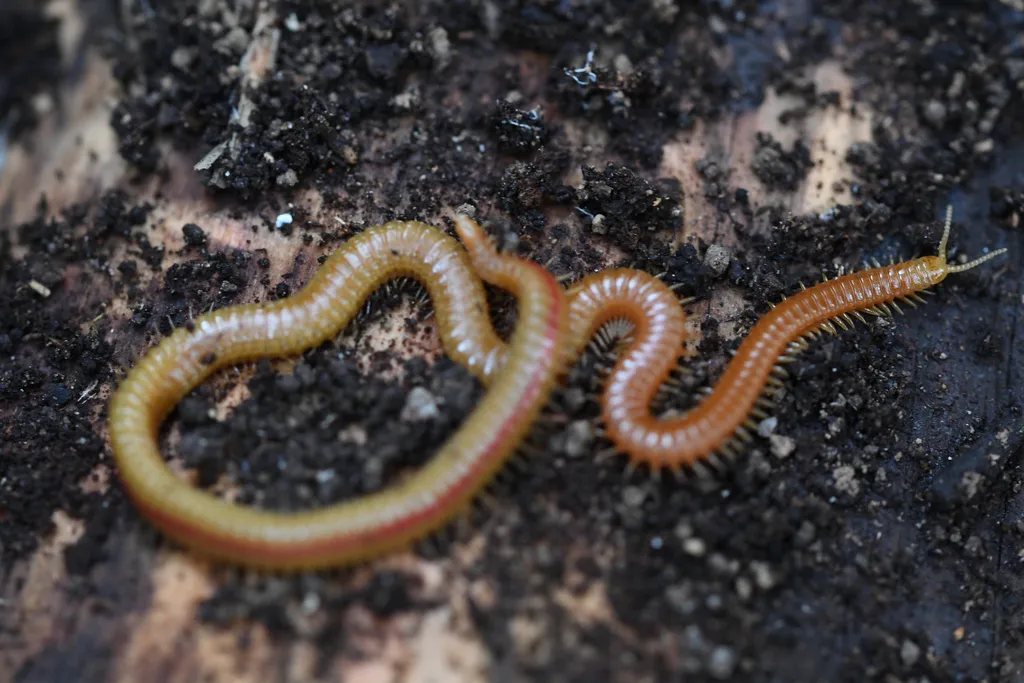
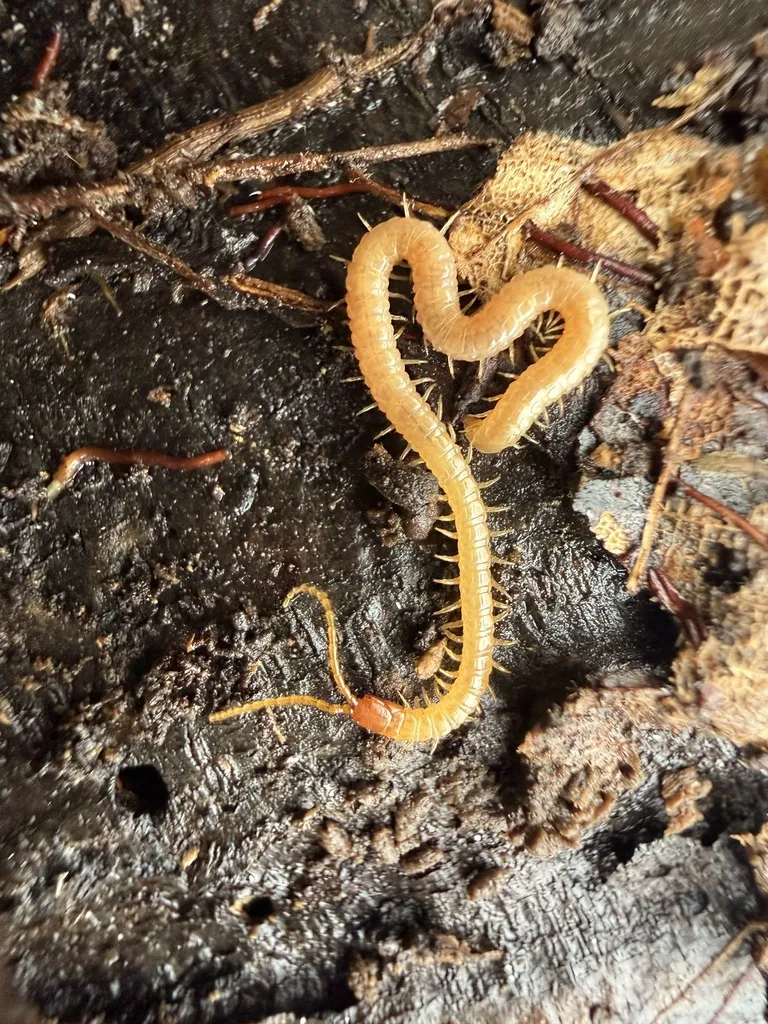
Diamondback soil centipedes (Geophilus vittatus) are thin, worm-like creatures that grow 25 to 52 mm long (about 1 to 2 inches). Their bodies are narrow and even in width. This shape makes them look very different from the more common house centipede. Adults are brown to orange-yellow. Their most notable feature is a row of dark, diamond-shaped marks running down the center of their back. These marks give the species its common name.
Diamondback soil centipedes have very short legs compared to their body width. They carry 49 to 53 pairs of legs. Females tend to have more pairs than males. In total, that means roughly 98 to 106 legs. They have no eyes at all. Instead, they use their antennae to feel their way through the soil. Like all centipedes, they have forcipules. These are front legs right behind the head that work like fangs to inject venom into prey.
How to Tell Diamondback Soil Centipedes from Similar Pests
Several pests look like diamondback soil centipedes. Here is how to tell them apart:
-
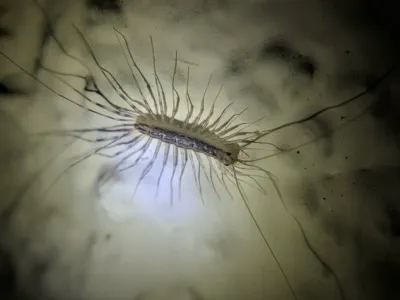
House Centipedes: House centipedes have very long, striped legs that stick out far from their body. They are gray-yellow with three dark stripes and move fast. Diamondback soil centipedes have short legs, a thinner body, diamond marks on the back, and move slowly.
-
Other Soil Centipedes: Other soil centipede species look the same but do not have the diamond back marks. Telling them apart often needs a close look under a microscope.
-
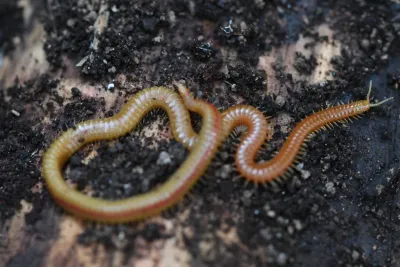
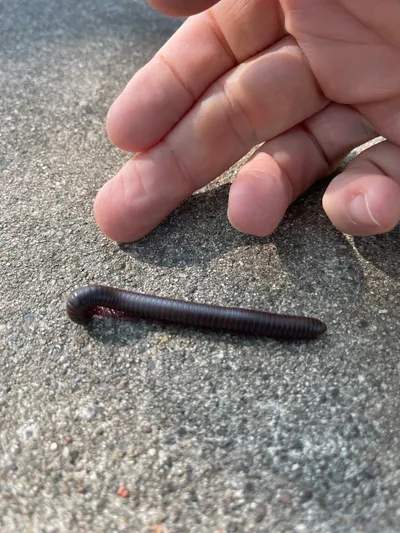
Millipedes: Millipedes have round, tube-shaped bodies with two pairs of tiny legs on each segment. They move slowly and curl up when scared. Centipedes have flat bodies with one pair of legs per segment and are active hunters.
-
Brown Centipedes: Brown centipedes (Lithobius forficatus) are wider, have only 15 pairs of legs (30 total), and have visible eyes. They are thicker compared to the thin, worm-like diamondback soil centipede.
Diamondback Soil Centipede Behavior and Biology
Where They Live
Diamondback soil centipedes live across eastern North America. They are most common in the northeast and mid-Atlantic states, from Maine to Florida and west to the Great Lakes. In Canada, they are found in Ontario and Quebec. They need moist places with plenty of rotting plant matter.
These centipedes spend most of their time in the soil. You can find them in places like:
- Under leaf litter on forest floors
- Beneath loose bark on trees, both standing and fallen
- In compost piles and garden mulch
- Under rocks, logs, and yard stones
- In the top layers of damp soil
- Sometimes in wet basements and crawl spaces
Loose bark is one of their favorite hiding spots. They also climb tree trunks at night to hunt.
What They Eat
Diamondback soil centipedes hunt at night. They find prey by touch, using their antennae to sense small bugs in the soil. They eat springtails, insect larvae, mites, and other tiny creatures in leaf litter and dirt. They grab prey with their forcipules and inject venom to stop the prey from moving.
They hunt more after rain, when wet soil pushes prey closer to the surface. These centipedes live alone and do not form groups or nests.
Chemical Defense
Diamondback soil centipedes have a unique defense. When they feel in danger, they release chemicals from glands on their belly. These chemicals produce tiny amounts of cyanide. This defense keeps predators away. A study in the Journal of Chemical Ecology first described this trait (Jones et al., 1976). The amounts are far too small to harm people.
Life Cycle
Females lay 30 to 60 eggs in soil pockets or under cover. The mother wraps her body around the eggs to guard them. She cleans them and guards them until they hatch. This guarding helps stop mold growth and keeps other predators away from the eggs.
Young centipedes hatch with fewer legs than adults. They grow more legs each time they shed their skin. After many molts, they reach the full adult leg count. This process takes months. The speed depends on warmth and moisture. These centipedes can live for several years.
How We Treat for Diamondback Soil Centipedes
Our treatment plan targets centipede activity and fixes the conditions that draw them to your home.
Interior Inspection and Treatment
Our technician checks basements, crawl spaces, bathrooms, and other damp parts of your home. We look for:
- Active centipedes and hiding spots
- Cracks, gaps, and openings where they can get in
- Moisture problems like leaks or condensation
- Signs of other pests they may be feeding on
We apply a repellent product along baseboards, cracks, and areas with centipede activity. This creates a treated zone that keeps centipedes out of your living spaces.
Exterior Treatment
Outside, we check the foundation, mulch beds, rock features, and plants where soil centipedes hide. We apply a granular product around the perimeter and in mulch or soil areas. This reduces centipede numbers before they can move indoors.
We also look at debris near the foundation. Leaf piles, stacked firewood, and thick mulch all give centipedes places to shelter.
Moisture Control Tips
Diamondback soil centipedes need damp conditions to survive. Cutting moisture is the best long-term fix. We suggest:
- Fix leaks and improve drainage near the foundation
- Use dehumidifiers in basements and crawl spaces
- Add fans or vents to damp areas of the home
- Keep mulch at least 3 to 4 feet from the foundation
- Clear leaves, rocks, and debris near doors and windows
- Store firewood away from the house and off the ground
Sealing Entry Points
Keeping centipedes outside starts with sealing up gaps:
- Caulk cracks in the foundation and around windows
- Add door sweeps and fix worn weather stripping
- Seal gaps around pipes, wires, and vents
- Repair torn screens on windows and crawl space vents
Ongoing Prevention
Our tri-annual pest control plan (three visits per year) includes follow-up checks for new activity. We reapply treatments as needed and help you address any new moisture or shelter issues. This ongoing care gives you lasting control of centipedes and other common pests.
References
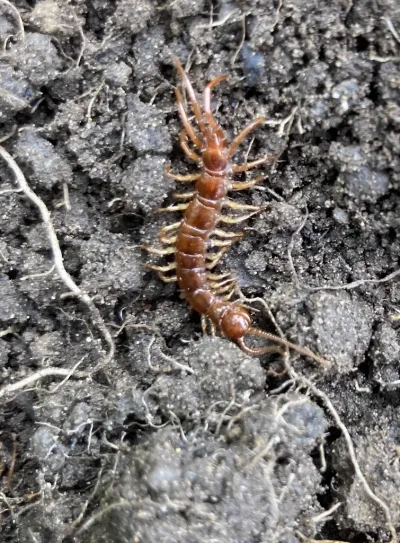
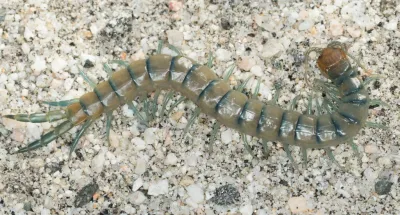
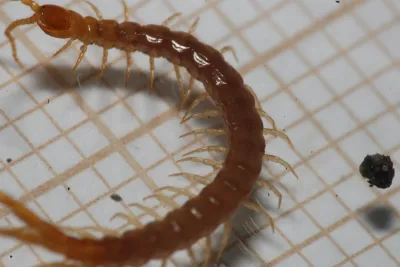
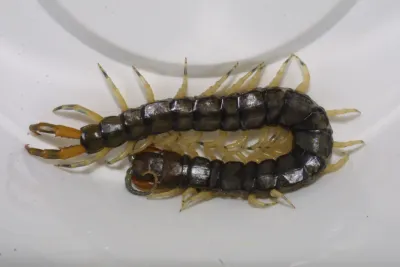
Other Centipedes
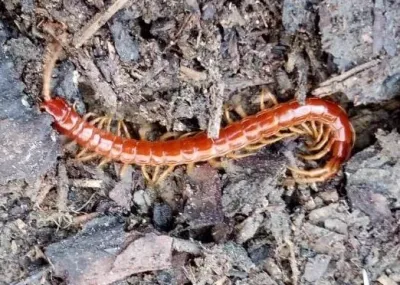
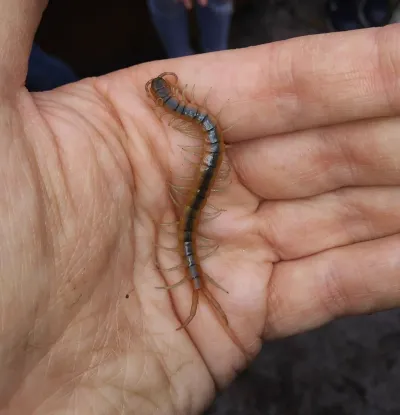
Explore other species in the centipedes family
Commonly Confused With
Diamondback Soil Centipedes are often mistaken for these similar pests
Where Diamondback Soil Centipedes Are Found
Hover over states to see their names. Green regions indicate where diamondback soil centipedes have been reported.
Common Questions about Diamondback Soil Centipedes
Are diamondback soil centipedes dangerous to humans?
+
No, these centipedes are not dangerous to people. They do have venom that they use to catch prey, but they are too small to bite through human skin. At most, they are a nuisance if they get inside your home.
Why are diamondback soil centipedes in my house?
+
Diamondback soil centipedes enter homes when they find excess moisture indoors. They are attracted to damp basements, crawl spaces, and bathrooms. Their presence usually indicates a moisture problem or an abundance of small prey insects in or around your home.
What do diamondback soil centipedes eat?
+
These centipedes are hunters that eat small bugs in the soil. Their diet includes springtails, insect larvae, mites, and other tiny creatures. They grab prey with their front legs and inject venom to stop it from moving.
How can I tell a diamondback soil centipede from a house centipede?
+
Diamondback soil centipedes have very short legs and a thin, worm-like body. House centipedes have very long, striped legs that stick out far from their body. Diamondback soil centipedes also move much slower and have no eyes, while house centipedes have large eyes.
How many legs does a diamondback soil centipede have?
+
They have 49 to 53 pairs of legs, which means about 98 to 106 total legs. Females tend to have more leg pairs than males. This high leg count is typical of soil centipedes.
Do diamondback soil centipedes produce any chemical defenses?
+
Yes. When they feel in danger, they release chemicals from glands on their belly. These chemicals produce small amounts of cyanide that keep predators away. The amounts are far too small to harm people.
How do I get rid of diamondback soil centipedes in my home?
+
The most effective approach is reducing moisture. Fix plumbing leaks, use dehumidifiers in basements and crawl spaces, and improve ventilation. Remove leaf litter, mulch, and debris from around your foundation. Seal cracks and gaps to prevent entry. These steps also help with other moisture-loving pests.

With five years of hands-on experience in the pest control industry, George Schulz is a registered technician with the Virginia Pest Management Association and a proud third-generation professional in a family business that's been protecting homes for over 57 years. He manages and trains a team of service pros while also leading internal research efforts—recently spearheading a deep-dive review of thousands of documents on pest control materials to hand-pick the most kid and pet friendly, most effective solutions tailored specifically for homes in the DC metro area.