Brown Centipedes Identification Guide
Lithobius forficatus
Brown centipedes, also called stone centipedes, are fast-moving predatory arthropods found under rocks, logs, and leaf litter. They are common garden inhabitants that occasionally enter homes seeking moisture and prey.
Taxonomy
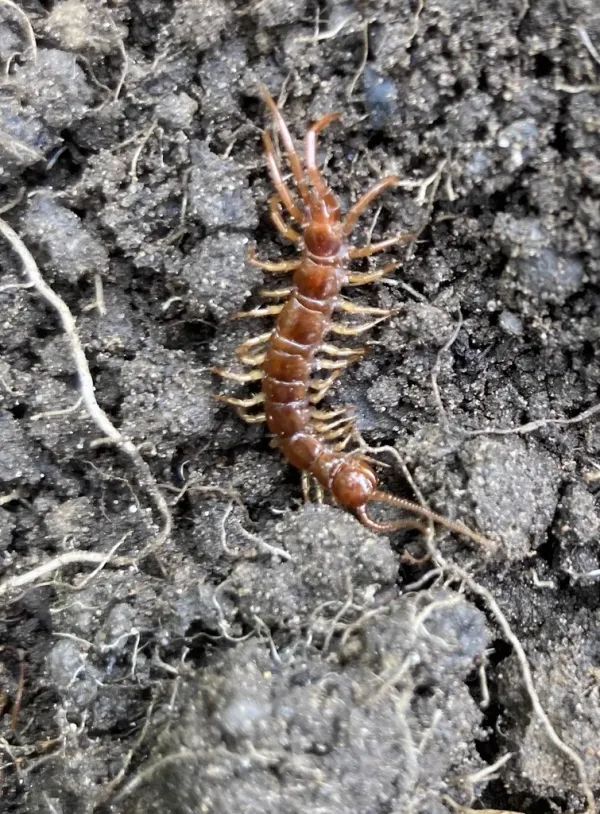
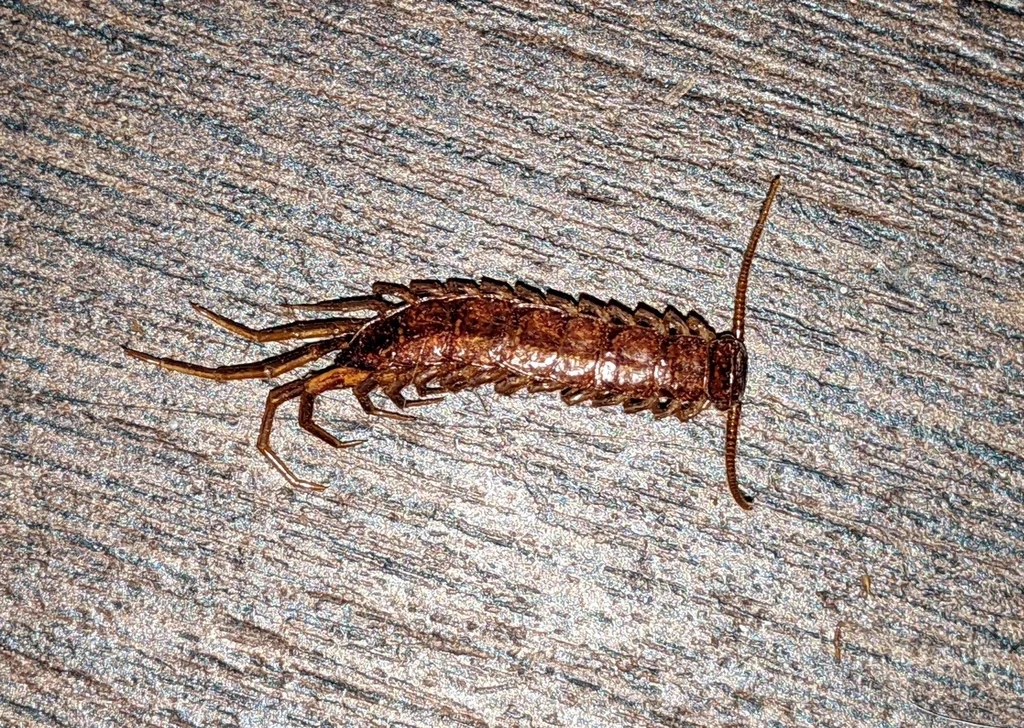
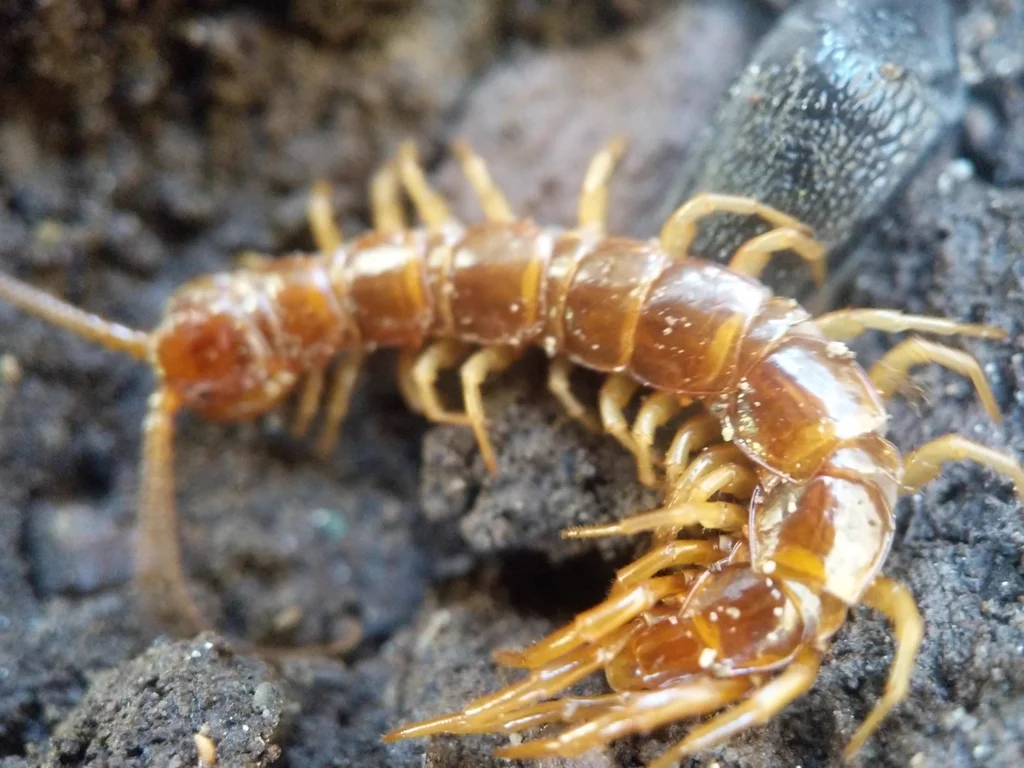
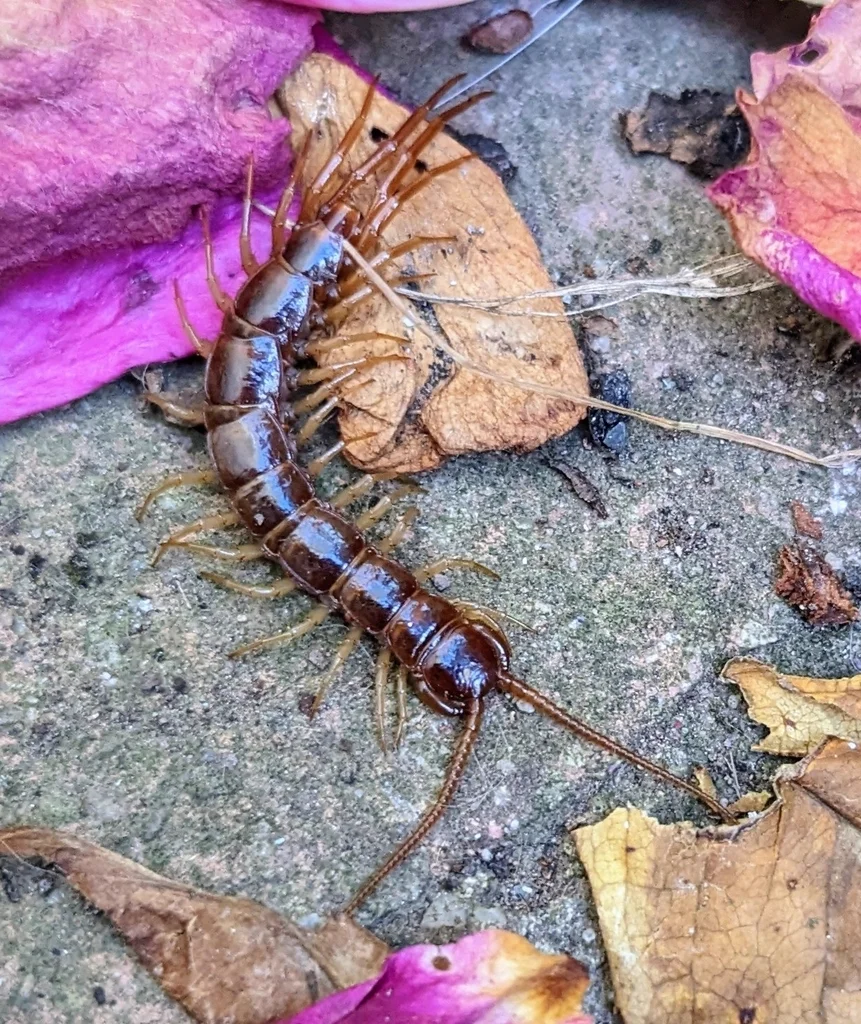
Brown Centipedes Coloration
Common color patterns to help identify brown centipedes
Brown Centipedes
Seasonal Activity
When brown centipedes are most active throughout the year

Where Brown Centipedes Are Found
Hover over states to see their names. Green regions indicate where brown centipedes have been reported.
Brown Centipede Identification Guide
Physical Characteristics
Brown centipedes (Lithobius forficatus) are also called stone centipedes or garden centipedes. They have flat, segmented bodies that measure 18 to 30 mm long (about 0.7 to 1.2 inches). Their color is a solid chestnut brown to reddish-brown, without stripes.
Adult brown centipedes have 15 pairs of legs (30 total). The rear legs are longer than the front pairs. They have compound eyes and long antennae with 25 to 40 segments. These antennae help them sense their surroundings. Like all centipedes, they have venomous forcipules. These are modified front legs that work like fangs to inject venom into prey.
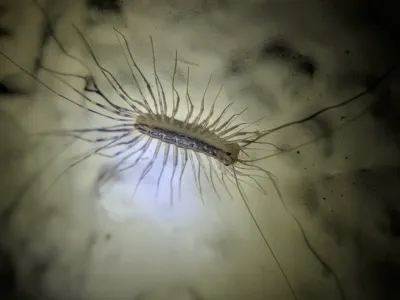
You can identify brown centipedes by triangular bumps on body segments 9, 11, and 13. They also have 5 teeth on each side of the plate behind their head. Unlike house centipedes, brown centipedes have short, sturdy legs. House centipedes have very long, banded legs.
Distinguishing Brown Centipedes from Similar Pests
Brown centipedes look similar to other pests. Here is how to tell them apart:
-
House Centipedes: House centipedes have much longer legs with dark bands. They are yellowish-gray with three dark stripes and move very fast. Brown centipedes have shorter legs, solid color, and prefer living outdoors.
-
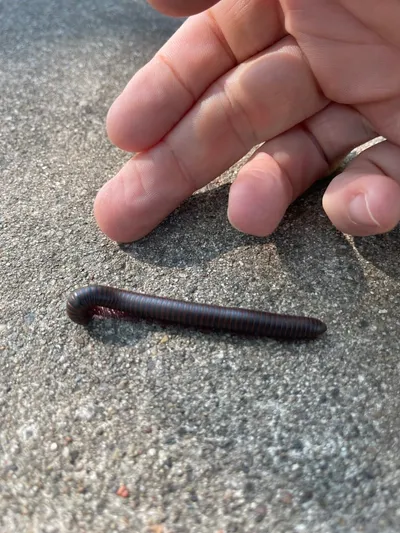
Millipedes: Millipedes have round, tube-shaped bodies with two pairs of short legs per segment. They move slowly and curl up when scared. Brown centipedes have flat bodies with one pair of longer legs per segment. They run fast when disturbed.
-
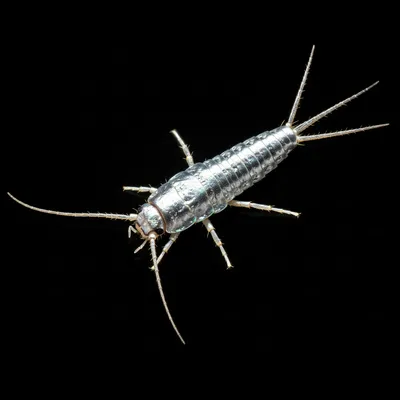
Silverfish: Silverfish are small insects with only 6 legs. They have silvery scales and three tail-like parts. They are smaller than centipedes and shaped like a carrot.
Brown Centipede Behavior and Biology
Natural History
Brown centipedes came from Europe but now live throughout North America. They are common in the northern and western United States and Canada. You can find them in gardens, forests, and yards across the continent. Unlike house centipedes, brown centipedes mostly live outdoors. They only come inside sometimes.
Habitat Preferences
Brown centipedes need moist places to survive. They dry out easily if the air is too dry. They live in the top layers of soil and look for spots with both moisture and shelter:
- Under rocks, stones, and pavers
- Beneath rotting logs and fallen bark
- In leaf litter and compost piles
- Under mulch beds near foundations
- In soil cracks and around roots
- Sometimes in damp basements and crawl spaces
Moisture is key to their survival. Brown centipedes often live in wooded areas. They also thrive in gardens, lawns, and landscaped yards where the ground stays damp.
Diet and Hunting Behavior
Brown centipedes hunt at night and eat many small creatures:
They use their venomous forcipules to paralyze prey before eating it. Brown centipedes are ambush hunters. They sense prey by touching it with their antennae. House centipedes hunt differently. They use speed and eyesight to catch food.
When you disturb a brown centipede, it runs very fast to find cover. This quick escape makes them hard to catch or study.
Life Cycle
Brown centipedes grow slowly and live a long time for their size. They mate in late summer or early fall. Males leave a sperm packet that females pick up to fertilize their eggs. Females lay 30 to 60 eggs in protected spots in soil or under debris. They may guard the eggs until they hatch.
Baby centipedes hatch with only 7 pairs of legs. They add more leg pairs each time they molt. Adults have 15 pairs of legs. Brown centipedes can live 5 to 6 years. They keep molting throughout their lives.
How We Treat for Brown Centipedes
Our treatment targets centipedes and fixes the conditions that attract them to your home.
Interior Inspection and Treatment
Our technician checks basements, crawl spaces, bathrooms, and other damp areas. We look for:
- Active centipedes and hiding spots
- Entry points like cracks, gaps, and holes around pipes
- Moisture problems
- Signs of other pests they may be hunting
We apply a repellent insecticide along baseboards, cracks, and areas with centipede activity. This keeps centipedes out of treated zones.
Exterior Treatment
Outside, we inspect the foundation, mulch beds, rocks, and landscaping. These are common spots where brown centipedes hide. We apply a granular insecticide around the perimeter and in mulch or soil. This reduces centipede numbers before they enter your home.
We also check for debris against the foundation. Piles of leaves or wood give centipedes places to hide.
Moisture Control Guidance
Brown centipedes need damp conditions. We give tips to make your home less inviting:
- Fix plumbing leaks and improve drainage
- Use dehumidifiers in basements and crawl spaces
- Add ventilation to damp areas
- Keep mulch 3-4 feet away from the foundation
- Clear leaf litter, rocks, and debris near doors
- Store firewood away from the house
Exclusion Recommendations
Sealing entry points keeps brown centipedes outside:
- Caulk cracks in the foundation and around windows
- Install door sweeps and fix weather stripping
- Seal gaps around pipes and wires
- Repair damaged screens and vents
Ongoing Prevention
Our tri-annual pest control plan (three times per year) includes follow-up visits. We check for activity, reapply treatments, and address new moisture or pest issues. This approach gives you long-term protection against brown centipedes and other pests.
References
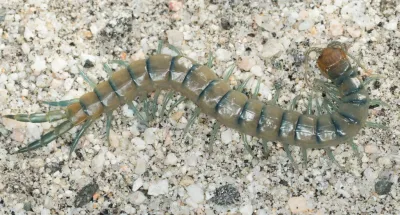
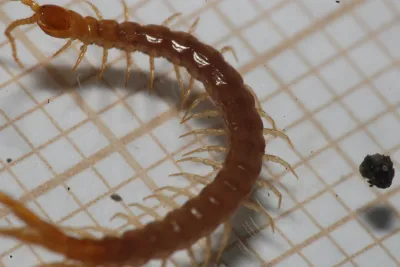
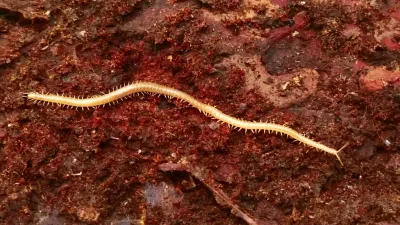
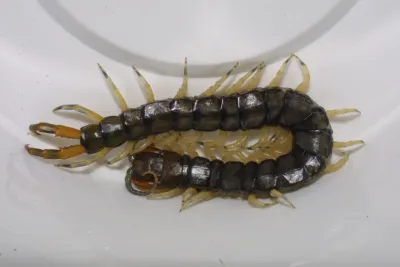
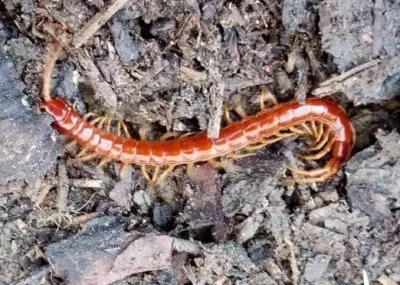
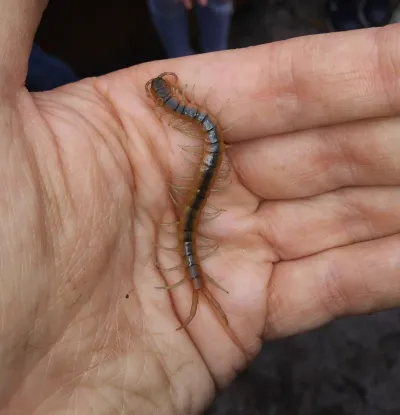
Other Centipedes
Explore other species in the centipedes family
Commonly Confused With
Brown Centipedes are often mistaken for these similar pests
Where Brown Centipedes Are Found
Hover over states to see their names. Green regions indicate where brown centipedes have been reported.
Common Questions about Brown Centipedes
Are brown centipedes dangerous to humans?
+
Brown centipedes possess venomous forcipules (modified front legs) used to subdue prey, but their small size means they generally cannot bite through human skin. They are considered harmless to humans and pose no significant health risk.
Why do I have brown centipedes in my house?
+
Brown centipedes enter homes seeking moisture and prey. They are attracted to damp basements, crawl spaces, and bathrooms. Their presence often indicates high humidity levels or an underlying pest population they are hunting.
What is the difference between brown centipedes and house centipedes?
+
Brown centipedes (Lithobius forficatus) have shorter, stouter legs and a uniform chestnut-brown color. House centipedes (Scutigera coleoptrata) have extremely long, banded legs that make them appear much larger and move faster. House centipedes are better adapted to indoor living.
Where do brown centipedes hide during the day?
+
Brown centipedes are nocturnal and hide in dark, moist locations during daylight hours. Outdoors, they shelter under rocks, logs, leaf litter, and mulch. Indoors, they hide behind baseboards, in crawl spaces, or near plumbing fixtures.
How long do brown centipedes live?
+
Brown centipedes have a relatively long lifespan for their size, living up to 5-6 years under favorable conditions. They develop slowly, hatching with only 7 pairs of legs and adding more with each molt until reaching 15 pairs as adults.
What do brown centipedes eat?
+
Brown centipedes are predators that hunt insects, spiders, slugs, worms, and other small invertebrates. Their presence often signals other pest activity in or around your home.
Will reducing moisture get rid of brown centipedes?
+
Yes, moisture control is highly effective. Brown centipedes require humid environments and are sensitive to desiccation. Using dehumidifiers, fixing leaks, and improving ventilation makes your home less hospitable to them.

With five years of hands-on experience in the pest control industry, George Schulz is a registered technician with the Virginia Pest Management Association and a proud third-generation professional in a family business that's been protecting homes for over 57 years. He manages and trains a team of service pros while also leading internal research efforts—recently spearheading a deep-dive review of thousands of documents on pest control materials to hand-pick the most kid and pet friendly, most effective solutions tailored specifically for homes in the DC metro area.