Leafcutter Ants Identification Guide
Atta texana
Leafcutter ants are large, reddish-brown ants that cut and carry leaf fragments back to their underground nests. They don't eat the leaves but use them to cultivate a special fungus that serves as their primary food source. The Texas leafcutter ant is the only species found in the United States.
Taxonomy
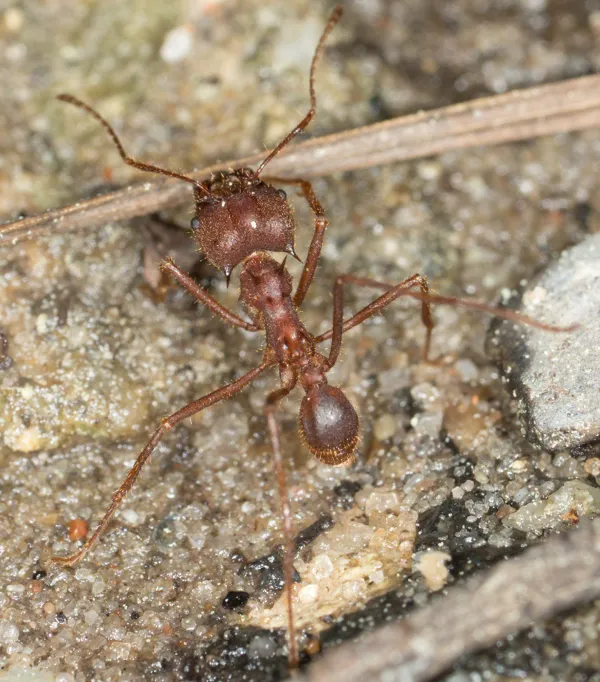
Leafcutter Ants Coloration
Common color patterns to help identify leafcutter ants
Leafcutter Ants
Seasonal Activity
When leafcutter ants are most active throughout the year

Where Leafcutter Ants Are Found
Hover over states to see their names. Green regions indicate where leafcutter ants have been reported.
Leafcutter Ant Identification Guide
Leafcutter ants (Atta and Acromyrmex species) are some of the most unusual ants in the Americas. These ants do not eat the leaves they cut. Instead, they use leaves to grow a fungus that feeds their huge colonies. In the United States, the Texas leafcutter ant (Atta texana) is the only species. You can find them in Texas, Louisiana, and parts of Arizona.
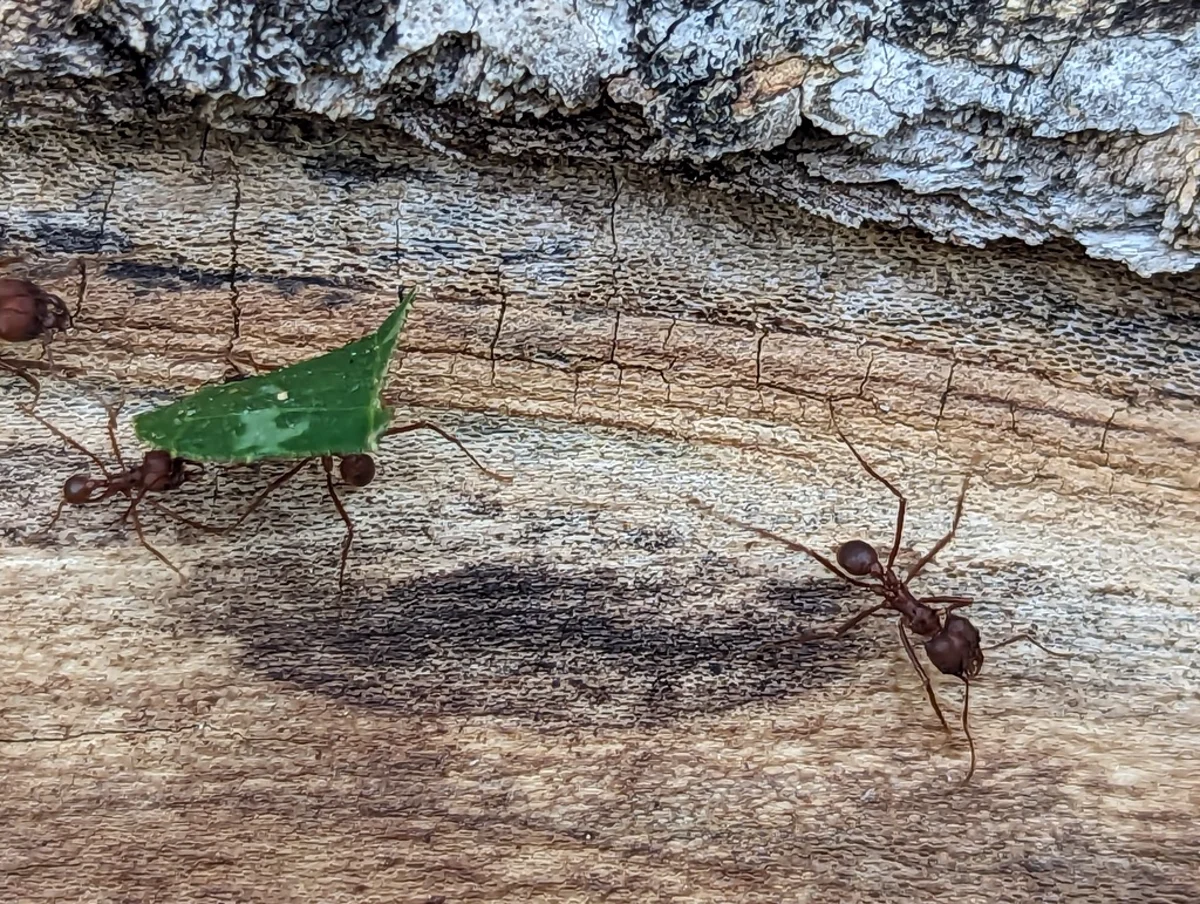
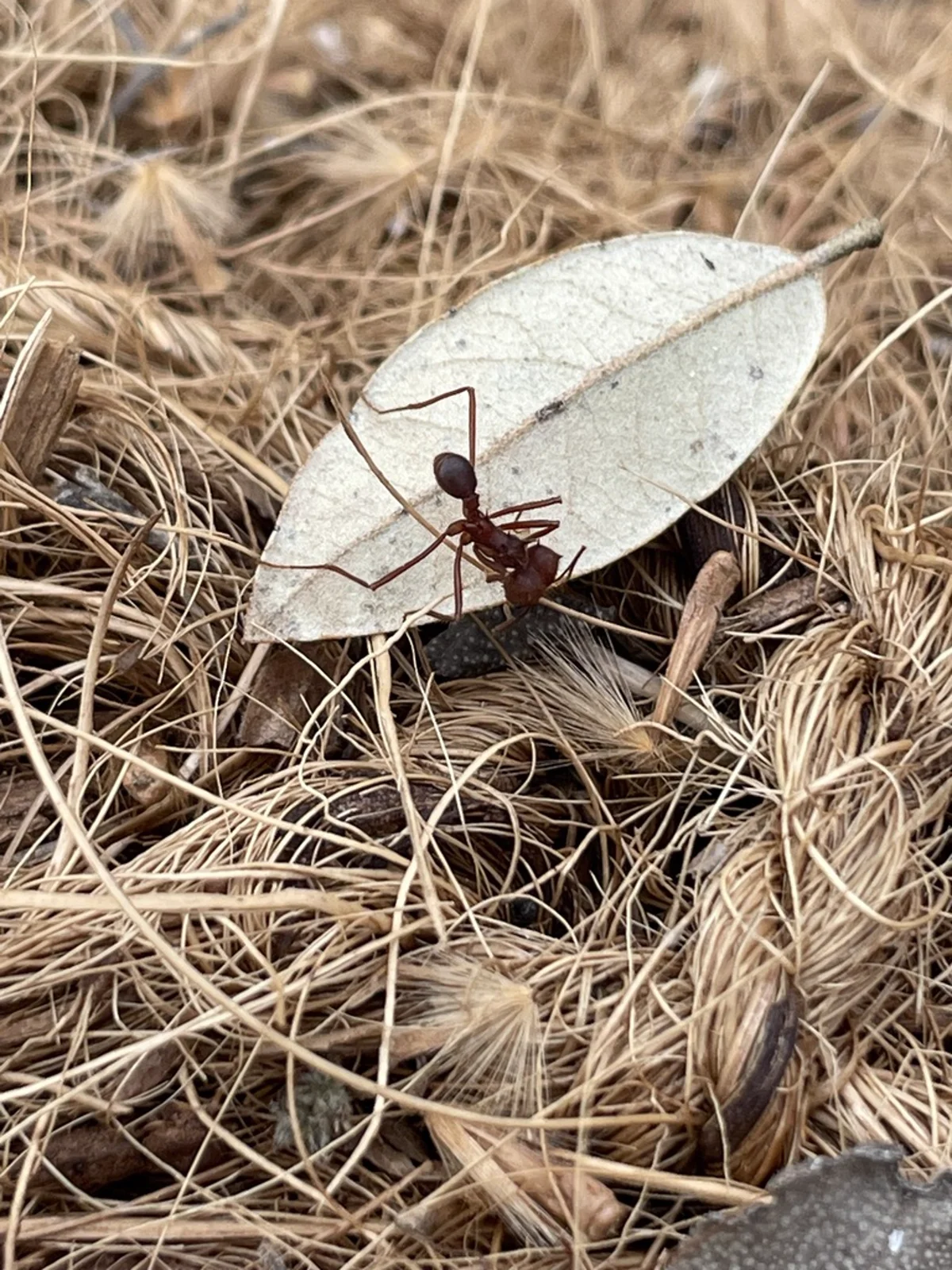
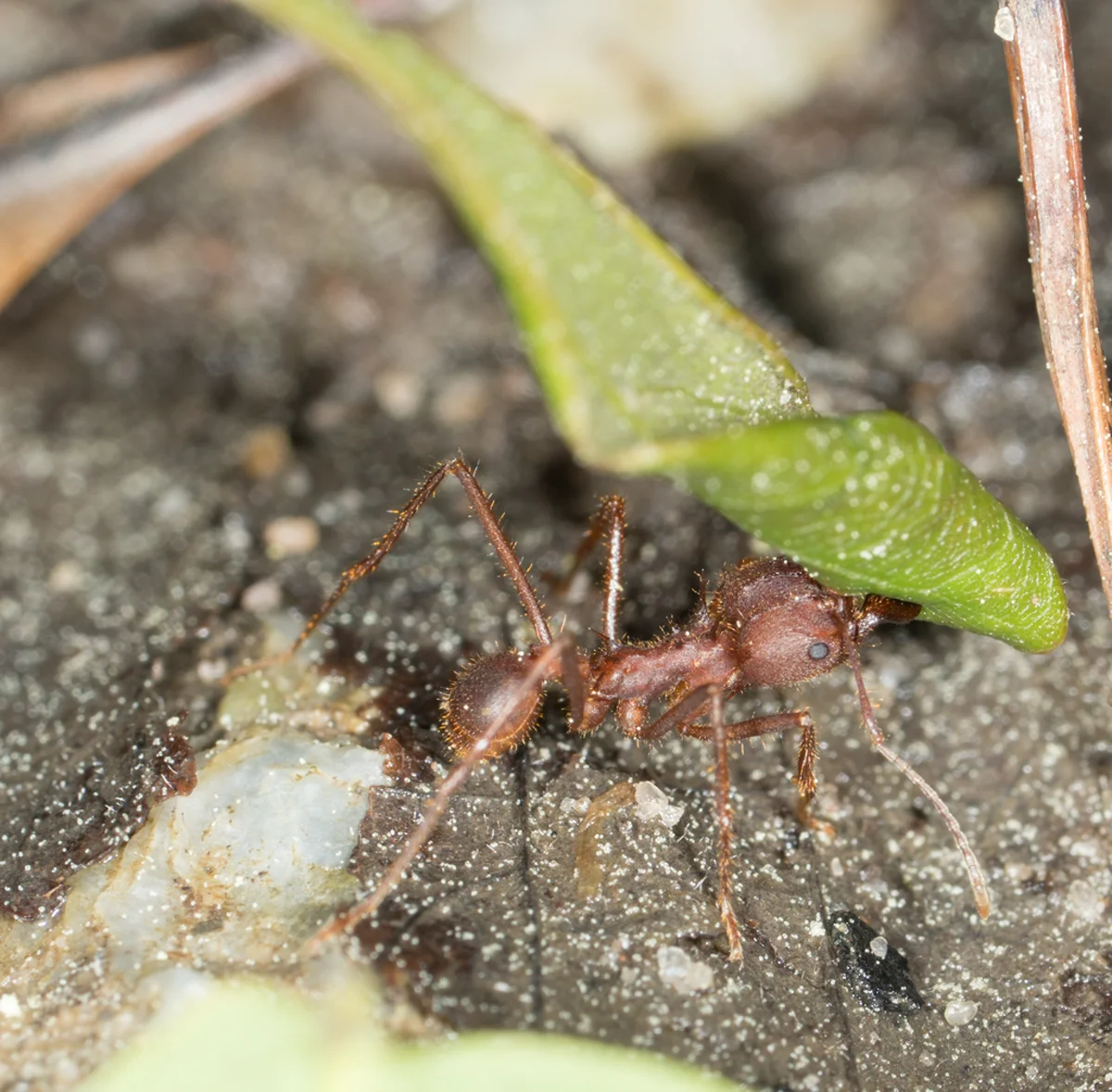
Watching leafcutter ants work is impressive. Long lines of workers march across the ground. Each ant carries a leaf piece held above its body like a small green sail. This earns them the nickname “parasol ants.” While they are fun to watch, they can cause serious damage to gardens, orchards, and landscaping.
Physical Characteristics
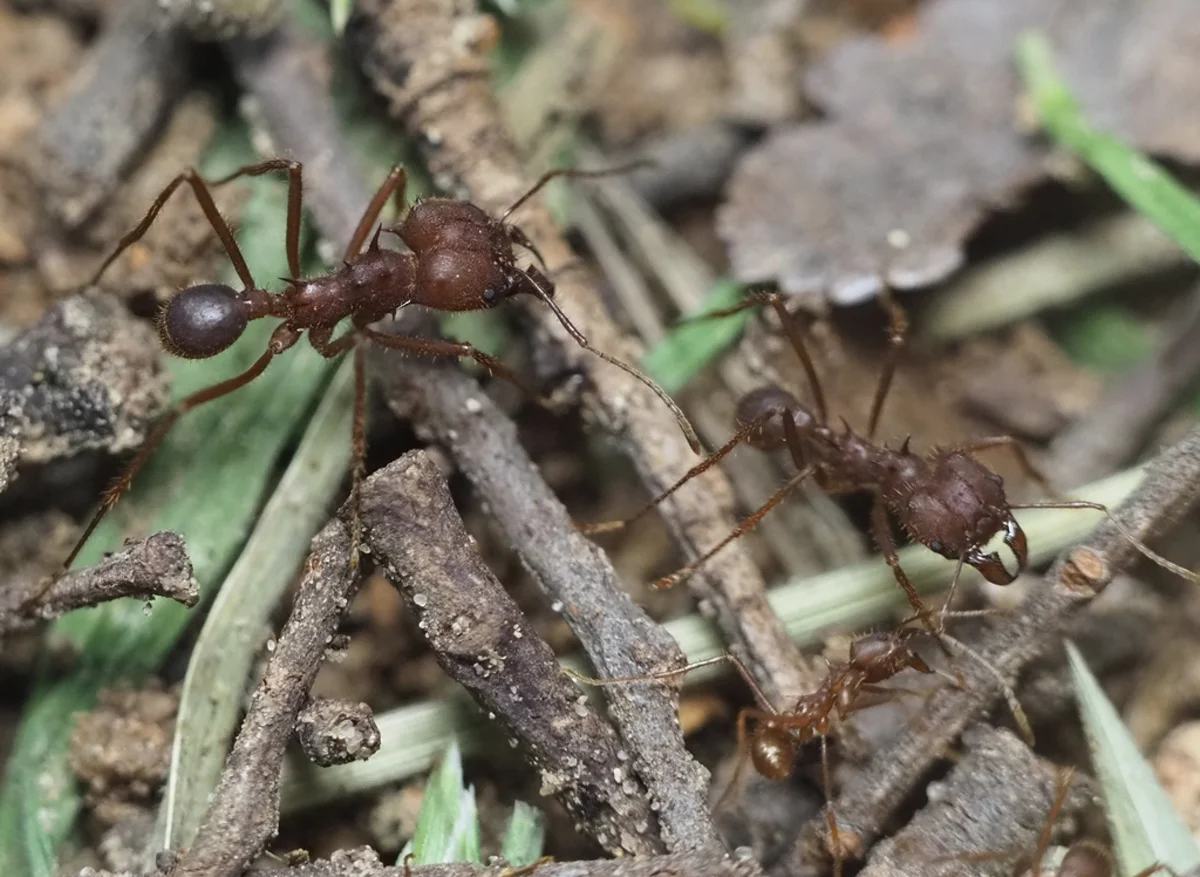
Leafcutter ants show big size differences within a single colony. Workers range from tiny 1.5 mm “minims” to large 12 mm “majors” or soldiers. The queen is even larger at 20-25 mm long.
Key features to look for:
- Reddish-brown color: Body color ranges from rust-red to dark brown
- Spiny thorax: Three pairs of spines stick out from the middle body section
- Large head and jaws: Most visible in major workers
- Long legs: Built for carrying heavy loads over long distances
- Single waist segment: One node between the thorax and abdomen
- Bent antennae: 11 segments in females, 12 in males
The different worker sizes do different jobs. Small workers tend the fungus gardens and care for young ants. Medium workers cut and carry leaves. Large soldiers defend the colony from threats.
Leafcutter Ants vs. Similar Species
A few ant species in the southern United States look like leafcutter ants:
| Feature | Leafcutter Ants | Fire Ants | Harvester Ants |
|---|---|---|---|
| Size | 1.5-12 mm (highly variable) | 1.5-6 mm | 6-10 mm |
| Color | Reddish-brown | Red to black | Red, brown, or black |
| Thorax | Spiny | Smooth | Smooth |
| Behavior | Carry leaves | Aggressive, swarm attackers | Carry seeds |
| Nest | Large mounds with crescent clearings | Dome mounds | Flat mounds with cleared area |
| Sting | No | Yes, painful | Yes, painful |
The easiest way to spot leafcutter ants is by what they do. If you see ants carrying plant pieces in a line, they are almost certainly leafcutters. For help identifying other species, see our guide to the different kinds of ants found in the region.
Species in North America
The Atta group has about 17 species, but only one lives in the United States:
- Texas leafcutter ant (Atta texana): Found in Texas, Louisiana, and Arizona. The only leafcutter north of Mexico. Builds the biggest ant nests in North America.
In Mexico and Central America, other species include:
- Chicatana leafcutter ant (Atta mexicana): Common in Mexico. Queens are eaten as a food called “chicatanas.”
- Hairy-headed leafcutter ant (Atta cephalotes): Found from Mexico through South America. One of the most studied ant species.
The Acromyrmex group has smaller leafcutter species, but none live in the United States.
Leafcutter Ant Behavior and Biology
Leafcutter ants have one of the most complex social systems in the insect world. Their fungus-farming started about 50 million years before humans began farming.
The Fungus Garden
The fungus garden is the center of every leafcutter colony. Workers do not eat leaves directly. Instead, they follow a step-by-step process:
- Cutting: Workers use their sharp jaws to slice leaf pieces from plants
- Transport: They carry pieces back to the nest, sometimes walking hundreds of feet
- Processing: Smaller workers in the nest chew leaves into a paste
- Growing: The paste is added to the fungus garden and mixed with fungal spores
- Harvesting: Workers collect the fungal growths to feed the colony
The fungus (Leucoagaricus gongylophorus) exists nowhere else in nature. It has evolved with leafcutter ants over millions of years. The ants carry fungus samples when starting new colonies. They use special behaviors to keep the gardens healthy and free from mold.
Colony Structure
A mature leafcutter colony holds millions of ants with different roles:
- Queen: The only female that lays eggs. She can live 15-20 years and lay millions of eggs, making them among the longest-lived ants. Queens measure 20-25 mm long.
- Major workers (soldiers): Large ants with huge heads that defend the colony. They can cut through leather with their jaws.
- Media workers: Medium-sized ants that do most of the leaf cutting and carrying.
- Minor workers: Small ants that tend the fungus gardens, care for larvae, and process leaf material.
- Minims: The smallest workers that maintain the fungus. They ride on leaf pieces to protect carriers from parasitic flies.
- Males: Made only for mating flights. They die shortly after mating.
Colonies take 3-5 years to mature and start making new queens and males. A mature colony can last for 15-20 years.
Nest Structure
Leafcutter ant nests are amazing structures. The Texas leafcutter ant builds some of the largest nests of any ant species:
- Depth: Tunnels can go 15-20 feet underground
- Surface area: Mounds can spread 30-50 feet across
- Internal chambers: Hundreds of rooms hold fungus gardens, young ants, and waste
- Temperature control: The nest design keeps temperature and humidity stable for fungus growth
- Ventilation: Air shafts throughout the nest provide oxygen flow
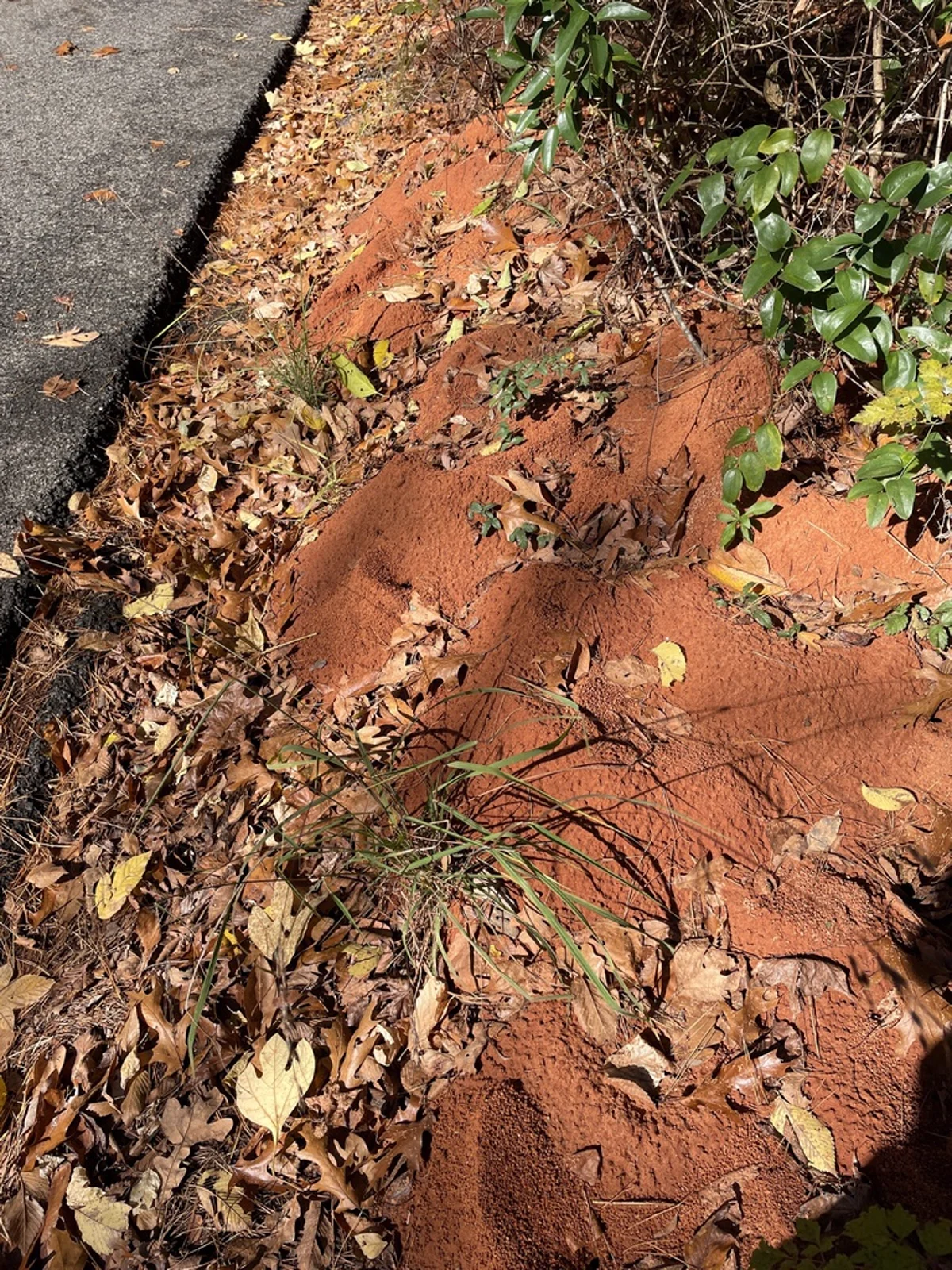
The nest entrance area often shows a half-moon shaped clearing of bare soil. Plants in this area have been stripped. Multiple entrance holes may dot the mound surface. Dug-up soil forms reddish mounds that are easy to spot.
Foraging Behavior
Leafcutter foraging follows set patterns:
Trail systems: Workers create clear trails that can stretch 200-300 feet from the nest. These trails are marked with scent and kept clear of debris. Main trails may be 4-6 inches wide.
Plant choices: Leafcutters prefer young, tender plants. They often target fruit trees, citrus, plums, roses, and many garden vegetables. They avoid plants with strong defenses like mint or eucalyptus.
Timing: In hot weather, foraging shifts to cooler evening and nighttime hours. In mild weather, they work during the day. A single colony can harvest over 500 pounds of plants per year.
Teamwork: Workers talk to each other using scent chemicals. A scout that finds a good plant lays a trail that brings other workers. Several ants work together to cut leaves. Some do the cutting while others wait to carry pieces.
Life Cycle and Reproduction
The leafcutter ant life cycle has these stages:
Mating flights: After the first heavy spring rains (April-June in Texas), winged males and queens leave the nest to mate. These swarms can include thousands of ants from many colonies.
Starting a colony: After mating, the queen loses her wings and digs a small hole in the soil. She brings a bit of fungus in her mouth from her birth colony. She tends this fungus while laying her first eggs. She feeds on stored nutrients and her own wing muscles.
First workers: After about 40-60 days, the first small workers hatch. They start making the nest bigger and looking for leaf material. The queen now focuses only on laying eggs.
Colony growth: Over years, the colony grows quickly. Worker sizes become more varied as the colony ages. After 3-5 years, the colony starts making new queens and males for mating flights.
Signs of Leafcutter Ant Activity
Finding leafcutter ants is usually easy because of what they do:
Foraging Trails
The clearest sign is lines of ants carrying leaf pieces. These trails:
- Run in straight lines between the nest and food sources
- Are clear of debris and vegetation
- May be visible as worn paths in grass or soil
- Often follow structural edges like fences or sidewalks
Plant Damage
Leafcutters cause unique damage patterns:
- Clean, curved cuts on leaf edges from their jaws
- Entire plants stripped of leaves overnight
- Young trees with all new growth removed
- Fruit trees with no leaves even though they look healthy otherwise
They prefer certain plants including citrus, plum, peach, blackberry, and many flowering plants. They usually avoid plants with strong scents like mint or eucalyptus.
Nest Mounds
Leafcutter nests are unmistakable once mature:
- Large area of bare, disturbed soil
- Reddish or sandy mounds from excavation
- Multiple entrance holes
- Crescent-shaped clearing around the mound
- Can cover 30-50 square feet or more
Young nests are harder to spot but grow quickly once established.
Treatment Methods for Leafcutter Ants
Controlling leafcutter ants is hard. Their colonies are huge, go deep underground, and center around fungus gardens that can survive short-term damage. To get rid of them, you must kill the queen and destroy the fungus gardens.
Chemical Control Approaches
Bait products: The best method for leafcutter control uses granular baits. Workers carry bait pieces back to the nest and feed them to the fungus. The bait kills the fungus, which then starves the colony. Products with sulfluramid or hydramethylnon are often used.
Dust treatments: Putting dust into nest openings can kill workers and may reach fungus rooms. This works best when used with bait.
Liquid drenches: Pouring large amounts of liquid pesticide into nest openings can kill ants and damage fungus gardens. But large nests may have too many rooms to reach this way.
Application Tips
For treatment to work:
- Treat all entrance holes: Large nests may have dozens of openings
- Time it right: Treat when ants are actively foraging so they carry bait inside
- Use enough bait: Large colonies need a lot of bait
- Repeat treatments: Several treatments over a few weeks may be needed
- Keep watching: Check for new activity and treat again if needed
Additional Control Methods
A full approach to leafcutter ants includes:
Physical barriers: Tree bands with sticky coatings can stop ants from climbing. Metal or plastic guards around plants may give short-term protection.
Plant choices: Picking plants that leafcutters avoid cuts down on damage. Good choices include mint, eucalyptus, plants with thick or waxy leaves, and native plants.
Nest removal: For small, new colonies, digging up and destroying the nest may work. You must find and kill the queen for this to succeed.
Yard changes: Removing debris and keeping conditions less friendly to ants around buildings can help.
Prevention Tips
For homes in leafcutter ant areas:
- Watch for new ant trails in spring and summer during ant season
- Act fast when you first see trails since young colonies are easier to kill
- Put barriers around important plants
- Keep plants away from buildings
- Fill soil cracks and gaps where nests might start
- Think about hiring a pro to check during busy seasons
Ecological Importance
Even though they damage plants, leafcutter ants play key roles in nature, much like carpenter ants do in forest ecosystems:
Soil health: Their tunneling adds air to soil and helps water soak in. Old nests become rich in nutrients and help plants grow.
Breaking down plants: By processing huge amounts of leaves, they speed up decay and return nutrients to the soil.
Moving seeds: While foraging, they move seeds and plant bits, helping plants spread.
Food for wildlife: Leafcutter ants feed many animals including armadillos, anteaters, and birds.
In their native home, leafcutter ants are a natural part of the system. Problems mostly happen when they meet human farms and landscaping. Unlike the small red ants commonly found in homes, leafcutters are strictly outdoor pests.
References and Further Reading
For more information about leafcutter ants, consult these resources:
- Texas Leafcutting Ant - Field Guide to Common Texas Insects: Biology, identification, and colony facts from Texas A&M
- Texas Leaf Cutting Ant - Insects in the City: Detailed control and management information from Texas A&M Urban Entomology
- Leafcutter Ant Colony - Ask A Biologist: Overview of colony structure and fungus farming from Arizona State University
- Leaf-cutting Ant - Texas A&M Forest Service: Impact on forestry and agricultural damage
Other Ants
Explore other species in the ants family
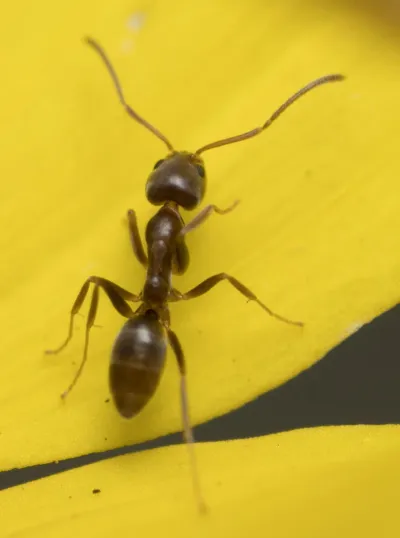
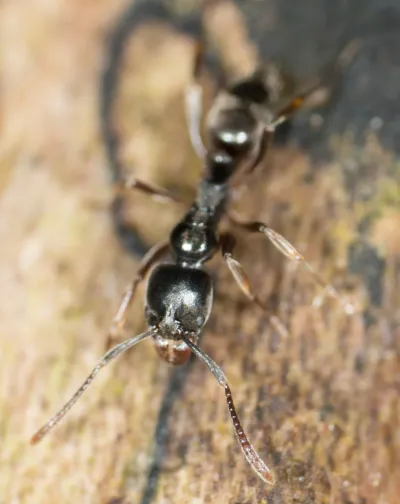
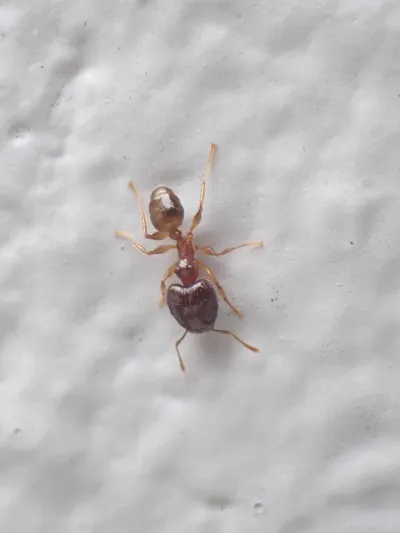
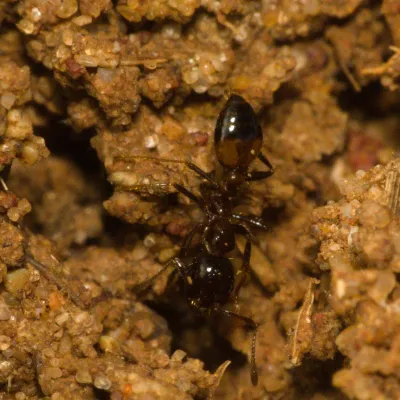
Commonly Confused With
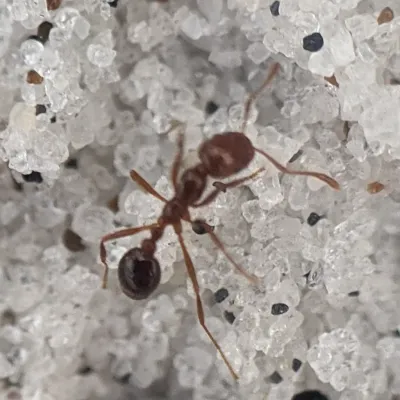
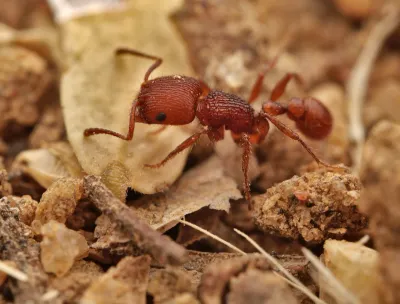
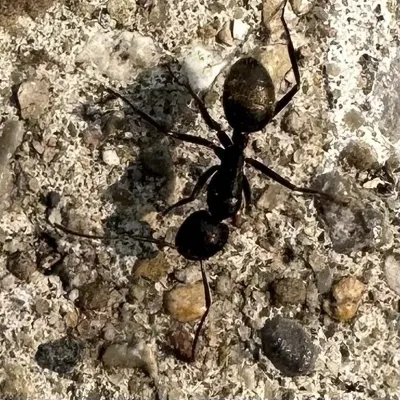
Leafcutter Ants are often mistaken for these similar pests
Where Leafcutter Ants Are Found
Hover over states to see their names. Green regions indicate where leafcutter ants have been reported.
Common Questions about Leafcutter Ants
Do leafcutter ants eat the leaves they cut?
+
No, leafcutter ants do not eat leaves. They carry leaf fragments back to their underground nests where they chew them into a pulp and use it as fertilizer to grow a special fungus. This fungus is their actual food source. They are essentially farmers that cultivate their own food supply.
Where are leafcutter ants found in the United States?
+
In the United States, leafcutter ants are limited to Texas, Louisiana, and parts of Arizona. The Texas leafcutter ant (Atta texana) is the primary species. They prefer sandy or loamy soils in semi-arid regions. They are not found in the eastern United States or northern states.
How big do leafcutter ant colonies get?
+
Leafcutter ant colonies are among the largest of any ant species. A mature colony can contain 5 to 8 million individual ants. Their underground nests can extend 15-20 feet deep and cover an area the size of a small house. Nest mounds on the surface can span 30-50 feet across.
Are leafcutter ants dangerous to humans?
+
Leafcutter ants are not aggressive toward humans and rarely bite unless handled. Their strong mandibles, designed for cutting leaves, can deliver a painful pinch if they do bite. They do not sting. The main concern with leafcutter ants is property damage to landscapes and gardens.
What damage do leafcutter ants cause?
+
Leafcutter ants can defoliate trees, shrubs, and garden plants overnight. They prefer young, tender vegetation and can strip fruit trees, ornamental plants, and vegetable gardens. Their large underground nests and [ant hills](/ant-hill/) can also destabilize soil, damaging foundations, sidewalks, and driveways.
Why are leafcutter ants hard to control?
+
Leafcutter colonies are extremely large and extend deep underground, making the queen difficult to reach. The fungus gardens they cultivate can survive short-term disruptions. Multiple queens may exist in mature colonies. Successful control requires reaching the queen and eliminating the fungus gardens.
How fast do leafcutter ants work?
+
A single leafcutter ant colony can harvest over 500 pounds of vegetation per year. Workers can carry leaf fragments that weigh 20 times their body weight. Foraging trails can extend 200-300 feet from the nest, and a busy trail may have thousands of ants moving leaves at any given time.
What time of year are leafcutter ants most active?
+
Leafcutter ants are most active during warm months, typically from late spring through early fall. They reduce activity during hot midday hours and often forage at night during summer. Mating flights typically occur after the first heavy rains in spring, usually April through June.

With five years of hands-on experience in the pest control industry, George Schulz is a registered technician with the Virginia Pest Management Association and a proud third-generation professional in a family business that's been protecting homes for over 57 years. He manages and trains a team of service pros while also leading internal research efforts—recently spearheading a deep-dive review of thousands of documents on pest control materials to hand-pick the most kid and pet friendly, most effective solutions tailored specifically for homes in the DC metro area.