Florida Carpenter Ants Identification Guide
Camponotus floridanus
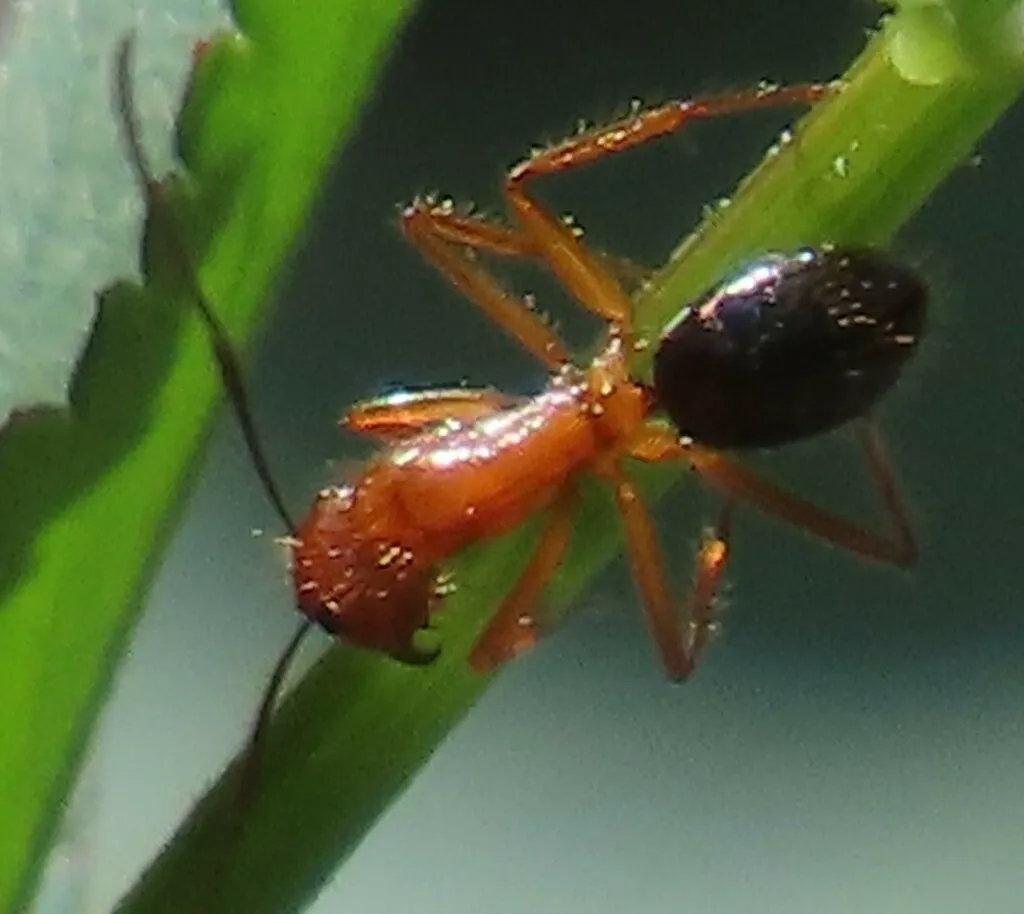
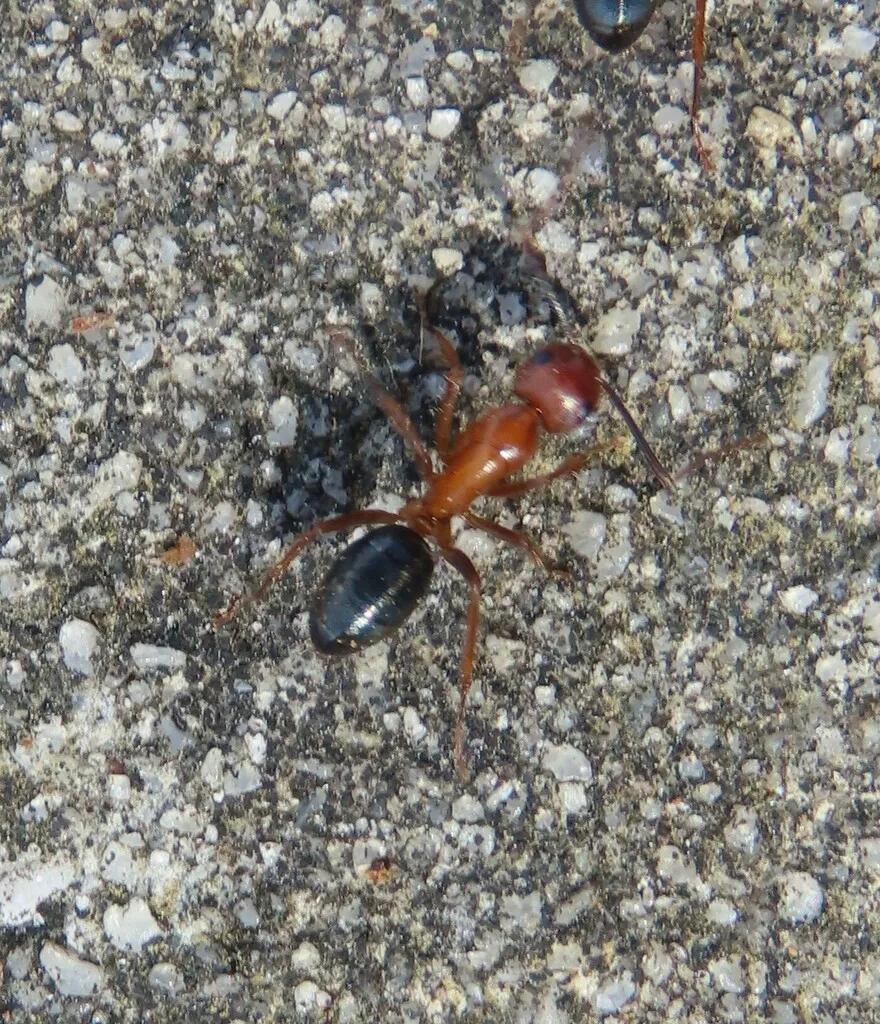
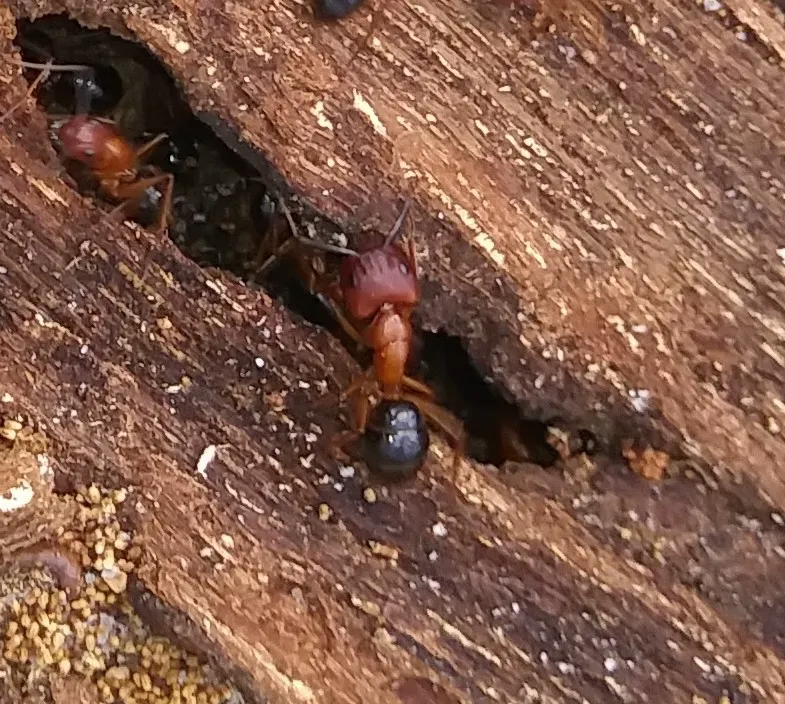
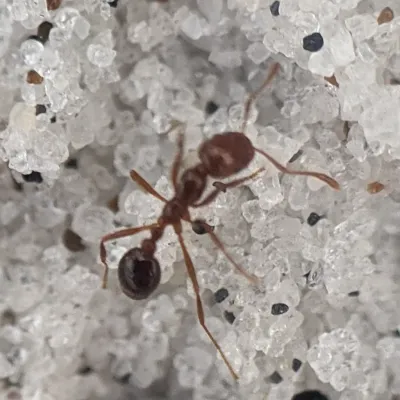
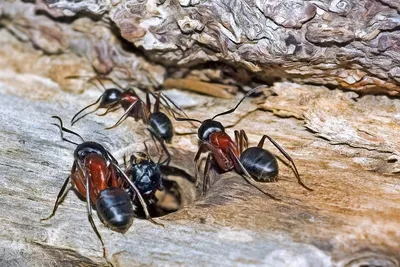
Florida carpenter ants are large, bicolored ants with an orange-red head and thorax and a black abdomen. They are the most common carpenter ant species in Florida and the southeastern United States, nesting in decayed wood, tree cavities, and occasionally building structures.
Taxonomy
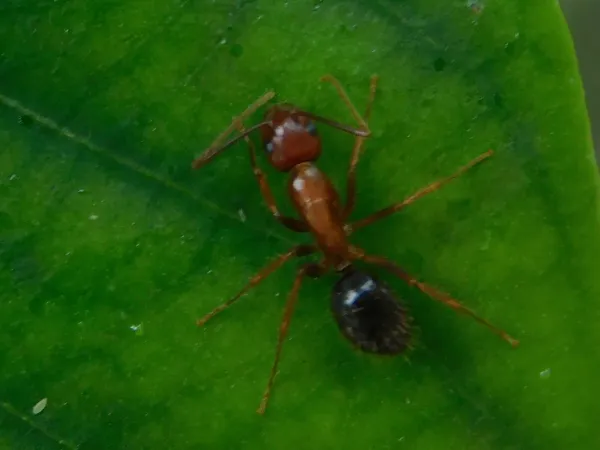
Florida Carpenter Ants Coloration
Common color patterns to help identify florida carpenter ants
Florida Carpenter Ants
Seasonal Activity
When florida carpenter ants are most active throughout the year

Where Florida Carpenter Ants Are Found
Hover over states to see their names. Green regions indicate where florida carpenter ants have been reported.
Florida Carpenter Ant Identification Guide
The Florida carpenter ant (Camponotus floridanus) is one of the easiest ants to spot in the southeastern United States. It has an orange-red head and thorax with a black abdomen. This two-tone color pattern makes it stand out from most other ant species. It is the most common carpenter ant in Florida and one of the top structural pest ants in the state.
Like other carpenter ants, this species does not eat wood. Instead, it chews tunnels inside soft or rotting wood to build its nest. The chewed-up material, called frass, piles up near nest openings. Finding frass is one of the clearest signs of an active problem.
Physical Characteristics
Florida carpenter ant workers come in many sizes within the same colony. This size range is a key trait of the Camponotus genus.
Look for these features when trying to identify them:
- Two-tone body: Orange to reddish-orange head and thorax with a black abdomen. This color pattern is the best way to identify them.
- Size range: Small workers are about 4-9 mm. Large workers can reach 11-13 mm. Queens grow to 14-16 mm.
- Smooth, rounded thorax: From the side, the middle body section has a smooth curve.
- Single waist node: One small bump connects the thorax to the abdomen. This sets them apart from ants with two bumps.
- Elbowed antennae: 12 segments with a clear bend.
- Big heads on large workers: The biggest workers have very large heads with strong jaws.
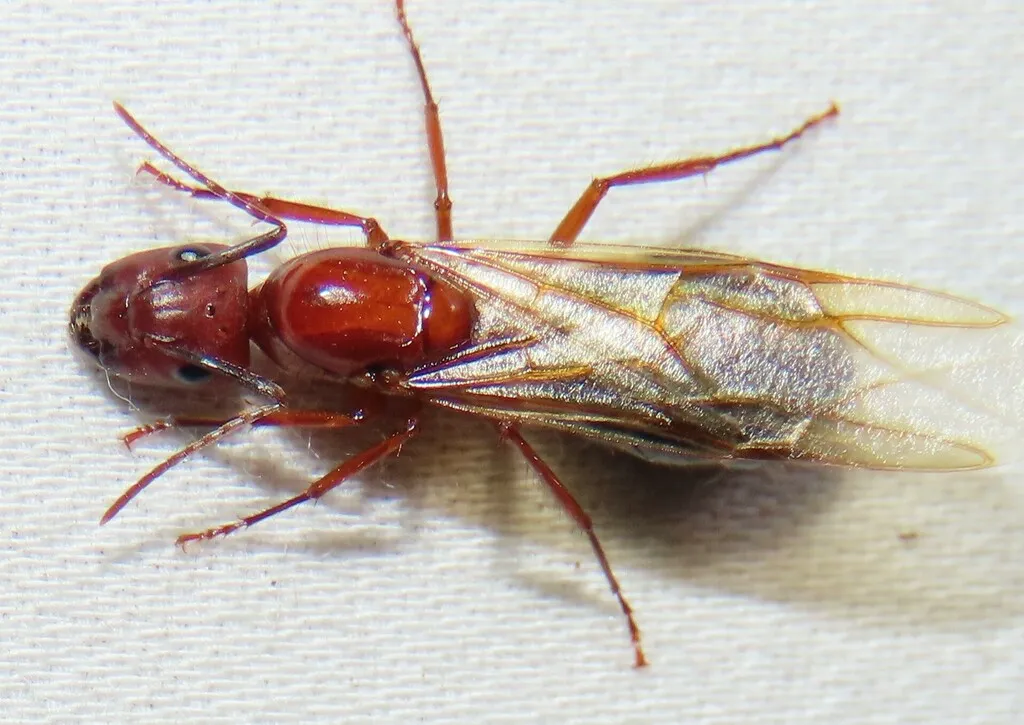
Winged ants (called alates) also show the two-tone color pattern and have two pairs of clear wings. They are drawn to lights during mating flights.
Florida Carpenter Ants vs. Other Species
People often mix up Florida carpenter ants with other ant species. Here is how to tell them apart:
| Feature | Florida Carpenter Ant | Black Carpenter Ant | Fire Ants |
|---|---|---|---|
| Color | Orange-red and black | Mostly black | Reddish-brown all over |
| Size | 4-13 mm (varied) | 6-13 mm (varied) | 1.5-5 mm (less varied) |
| Body shape | Smooth rounded thorax | Smooth rounded thorax | Two bumps at the waist |
| Sting | No sting (bites and sprays formic acid) | No sting (bites and sprays formic acid) | Painful sting with venom |
| Nesting | Rotting wood and tree holes | Damp wood | Soil mounds |
| Range | Southeast US (mainly FL) | Eastern and midwestern US | Southern US |
The Tortugas carpenter ant (Camponotus tortuganus) is a close relative that also lives in Florida. It looks similar but is a bit smaller. Telling these two apart often takes a close look with a hand lens.
Florida Carpenter Ant Behavior and Biology
Knowing how these ants live helps explain why they show up in homes and how problems grow over time.
Colony Structure
Each Florida carpenter ant colony has one queen. She starts the colony on her own after a mating flight, without needing to leave the nest to find food. Colonies grow fast. They can reach over 1,000 workers in the first year. A mature colony may have several thousand workers spread across a main nest and one or more satellite nests.
Colony members include:
- Queen: The only ant that lays eggs. She can live for many years.
- Major workers: Large ants with big heads and strong jaws. They guard the colony and help break down food.
- Minor workers: Smaller ants that search for food, care for the young, and maintain the nest.
- Alates: Winged males and queens that leave to start new colonies.
Nesting Habits
Florida carpenter ants like to nest in soft, rotting, or water-damaged wood. They usually move into spaces that already exist rather than carving out new tunnels in solid wood. Common nest sites include:
- Dead tree limbs and hollow trunks
- Rotting stumps and fence posts
- Palm tree holes (very common in Florida)
- Landscape timbers and railroad ties
- Wall voids in homes
- Areas around leaky pipes or window frames
- Foam insulation panels
Satellite nests spread the colony’s reach. An outdoor nest in a tree may connect by trails to satellite nests inside a nearby building. The ants you see indoors may belong to a larger colony based outside.
Diet and Foraging
Florida carpenter ants eat both sugary and protein-rich foods:
- Honeydew: Their main sugar source. They collect it from aphids and scale insects that they guard on plants.
- Dead insects: A key protein source, especially for feeding larvae.
- Nectar and plant sap: Extra sugar sources.
- Household foods: Sweets, grease, meats, and pet food when they forage inside.
These ants forage mostly at night. Workers follow set trails that can stretch long distances from the nest. Larger colonies may also forage during the day in shaded spots. Winged ants are drawn to bright lights, which often brings them to porches and indoor spaces during mating season.
Life Cycle and Reproduction
Mating flights start in late spring, usually around May, and go through the summer. Warm weather, high humidity, and recent rain trigger swarming. In southern Florida, where winters stay mild, some mating activity can happen almost year-round.
After mating, males die. Newly mated queens pull off their wings, find a small hole in rotting wood, and seal themselves in to raise their first batch of young. The queen feeds her first larvae with nutrients stored in her body and by breaking down her flight muscles.
Florida carpenter ants also carry helpful bacteria called Blochmannia inside their cells. These bacteria help the ants recycle nitrogen and make amino acids. This is especially useful during the early days of a new colony when the queen has no outside food.
Signs of a Florida Carpenter Ant Problem
Watch for these warning signs in or near your home:
- Frass piles: Coarse, sawdust-like material mixed with insect parts near baseboards or window sills. Fresh frass means the ants are actively digging.
- Foraging workers: Large, two-toned ants seen indoors, especially in kitchens and bathrooms at night.
- Winged ants near lights: Alates gathering around outdoor or indoor lights on spring and summer evenings.
- Rustling sounds: Soft scratching or crinkling sounds from inside walls, caused by workers moving through tunnels.
- Smooth tunnels in wood: If you find exposed galleries, carpenter ant tunnels are clean and smooth. They look different from the rough, mud-filled tunnels made by termites.
Treatment Methods for Florida Carpenter Ants
Getting rid of Florida carpenter ants means finding and treating all nest sites, including satellite nests. These ants share food and groom each other. Treatment methods that take advantage of this social behavior work best.
Inspection and Nest Location
Finding the nests is the most important step. Watch for foraging trails at dusk, when activity is highest. You can set out small bits of sweet or greasy food near entry points and follow the ants back to their nest. Check damp areas indoors, dead wood outdoors, and any wood that feels soft or looks rotted.
Treatment Strategies
Several methods can work well against Florida carpenter ants:
- Non-repellent products: Applied to cracks and foraging paths, these products spread between ants through grooming and food sharing. This lets the material reach ants deep in the nest, including the queen.
- Baits: Slow-acting baits placed along trails get carried back to the colony. Good baits match what the ants want to eat, which may change between sugars and proteins by season. Do not spray repellent products near bait stations, since that will keep ants away.
- Direct nest treatment: When a nest is found inside a wall void or other reachable area, dusts or foams can be put right into the tunnels for fast results.
- Perimeter treatments: Products applied around the foundation and entry points help stop ants from coming back in from outdoor nests.
Fixing Conditions That Attract Ants
Products alone give only short-term relief if the things that drew the ants are still there. Important steps include:
- Fixing water leaks and improving drainage
- Replacing water-damaged or rotted wood
- Trimming tree branches and plants away from the building
- Treating aphid and scale insect problems on nearby plants
- Cutting down on outdoor lights that draw flying ants
- Keeping firewood away from the house and off the ground
For large or stubborn problems, especially those with satellite nests inside walls, a licensed pest control company will have the tools and products needed to treat the colony more fully than store-bought options allow.
References and Further Reading
- University of Florida IFAS: Florida Carpenter Ant - Detailed species profile on identification, biology, and management
- UF/IFAS: Florida Carpenter Ants (SP486C) - Extension guide for homeowners on carpenter ant control
- UC Statewide Pest Management: Carpenter Ants - Guidance on carpenter ant identification and control
- University of Minnesota Extension: Carpenter Ants - Biology, identification, and control tips
- NPMA Pest Guide: Carpenter Ants - National Pest Management Association resource
Other Ants
Explore other species in the ants family
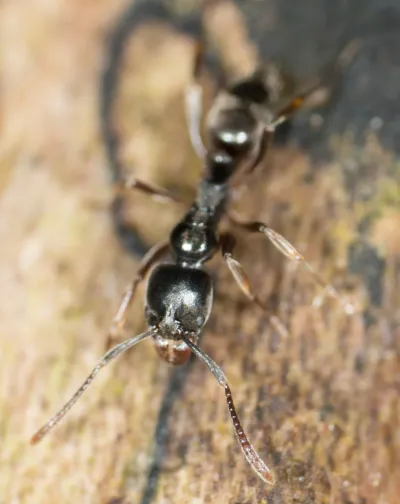
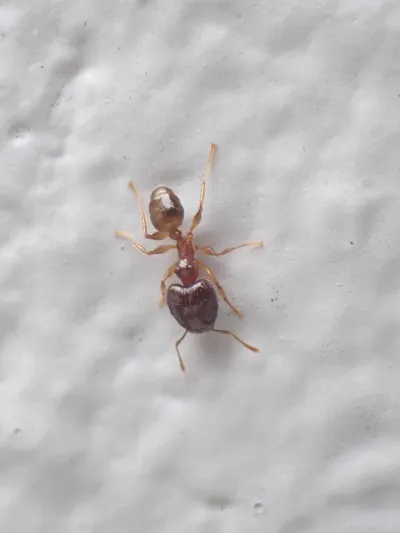
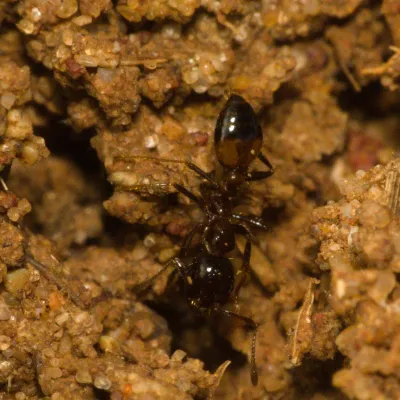
Commonly Confused With
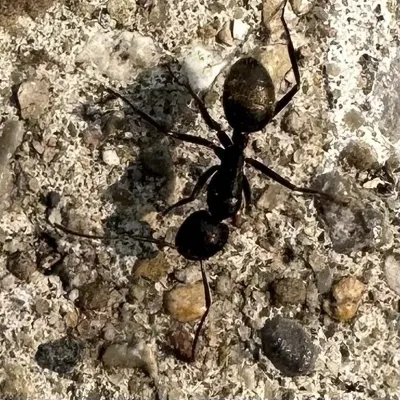
Florida Carpenter Ants are often mistaken for these similar pests
Where Florida Carpenter Ants Are Found
Hover over states to see their names. Green regions indicate where florida carpenter ants have been reported.
Common Questions about Florida Carpenter Ants
Do Florida carpenter ants eat wood?
+
No. Like all carpenter ants, Florida carpenter ants excavate wood to create nesting galleries but do not consume it. They push chewed wood out of the nest as sawdust-like frass. Their diet consists of insects, honeydew from aphids, and other sugary or protein-rich foods.
How can I tell Florida carpenter ants apart from black carpenter ants?
+
The easiest way to distinguish them is color. Florida carpenter ants have an orange to reddish-orange head and thorax with a black abdomen. Black carpenter ants (Camponotus pennsylvanicus) are primarily black throughout. Florida carpenter ants are also found mainly in the southeastern United States, while black carpenter ants dominate in the eastern and midwestern states.
Are Florida carpenter ants dangerous to people?
+
Florida carpenter ants do not sting, but major workers can deliver a strong bite. They may also spray formic acid into the bite wound, which causes a brief burning sensation. They are not considered medically significant but can be a nuisance and a structural concern when nesting in homes.
Where do Florida carpenter ants build their nests?
+
They prefer nesting in soft, decayed, or moisture-damaged wood. Common outdoor sites include dead tree limbs, stumps, fence posts, and hollow trunks. Indoors, they may nest in wall voids, attic spaces, around leaky windows, or in any area where wood has been softened by water damage.
Why are Florida carpenter ants attracted to my house at night?
+
Florida carpenter ants are primarily nocturnal foragers. They are also strongly attracted to lights, especially during mating season when winged reproductives fly. Exterior lighting near doors and windows can draw both foraging workers and flying alates to your home.
How big can a Florida carpenter ant colony get?
+
Mature colonies can contain several thousand workers. Colonies grow quickly under favorable conditions, often reaching over 1,000 workers within the first year. Like other carpenter ants, they establish satellite nests in addition to the main colony, which can spread an infestation across multiple locations.
What time of year do Florida carpenter ants swarm?
+
Mating flights typically begin in late spring around May and continue through the summer months. Swarms are triggered by warm temperatures, high humidity, and rainfall. In southern Florida, where winters are mild, some activity may occur nearly year-round.

With five years of hands-on experience in the pest control industry, George Schulz is a registered technician with the Virginia Pest Management Association and a proud third-generation professional in a family business that's been protecting homes for over 57 years. He manages and trains a team of service pros while also leading internal research efforts—recently spearheading a deep-dive review of thousands of documents on pest control materials to hand-pick the most kid and pet friendly, most effective solutions tailored specifically for homes in the DC metro area.